
Writing Smart Goals Worksheet
Have you ever watched a child get excited about learning something new, only to see that enthusiasm fade when the first challenge appears? Maybe they want to read more books, improve their math skills, or become better at managing their time. The hardest part is often knowing which step to take first. That’s why a Writing Smart Goals Worksheet can give children a clearer path by helping them turn those big ideas into smaller, more manageable targets.
Kids can think about what they want to achieve, how they will measure progress, and when they hope to get there. In short, children can learn to make thoughtful plans and take greater ownership of their progress.
Table of Images 👆
- Goal Setting Worksheet for Kids
- Smart Goal Setting Worksheet Template
- Student Goal Planning Sheet
- Smart Goals Template
- Smart Goal Action Plan Template
- Smart Action Plan Template
- Smart Goal Setting Worksheet
- Student Goal Sheet
- Writing SMART Goals Worksheet for Students
- Writing SMART Goals Worksheet for Personal Development
- Writing SMART Goals Worksheet for Project Managers
- Writing SMART Goals Worksheet for Career Planning
- Writing SMART Goals Worksheet for Health and Fitness Goals
- Personal SMART Goals Worksheet Printable
- Personal Smart Goals Worksheet for Career Planning
- Writing SMART Goals Worksheet for Professionals
- Monthly SMART Goals Tracking Worksheet
- Weekly SMART Goals Worksheet Planner
- Writing SMART Goals Worksheet for Students

 19 Images of Writing Smart Goals Worksheet
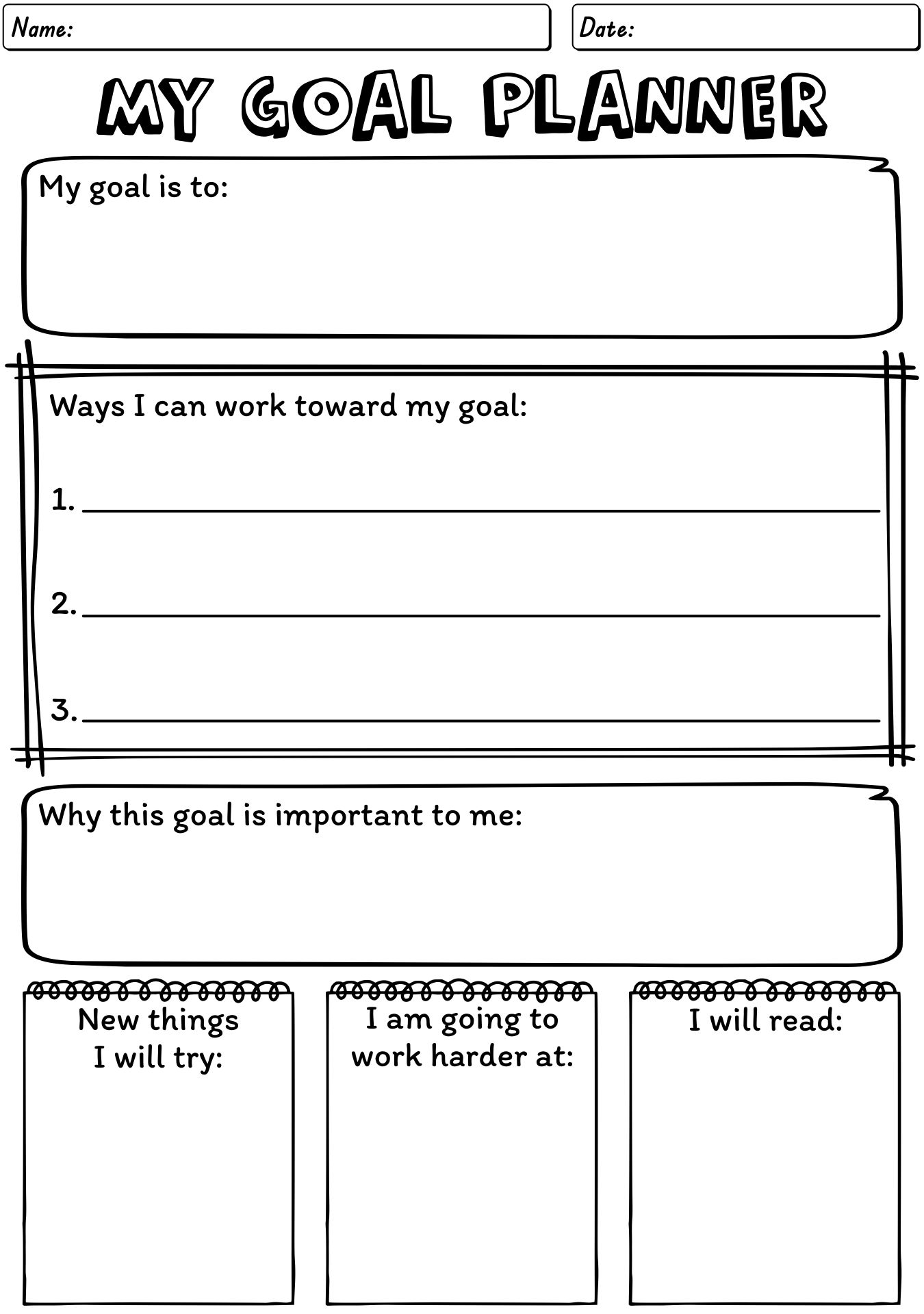
 Goal Setting Worksheet for Kids

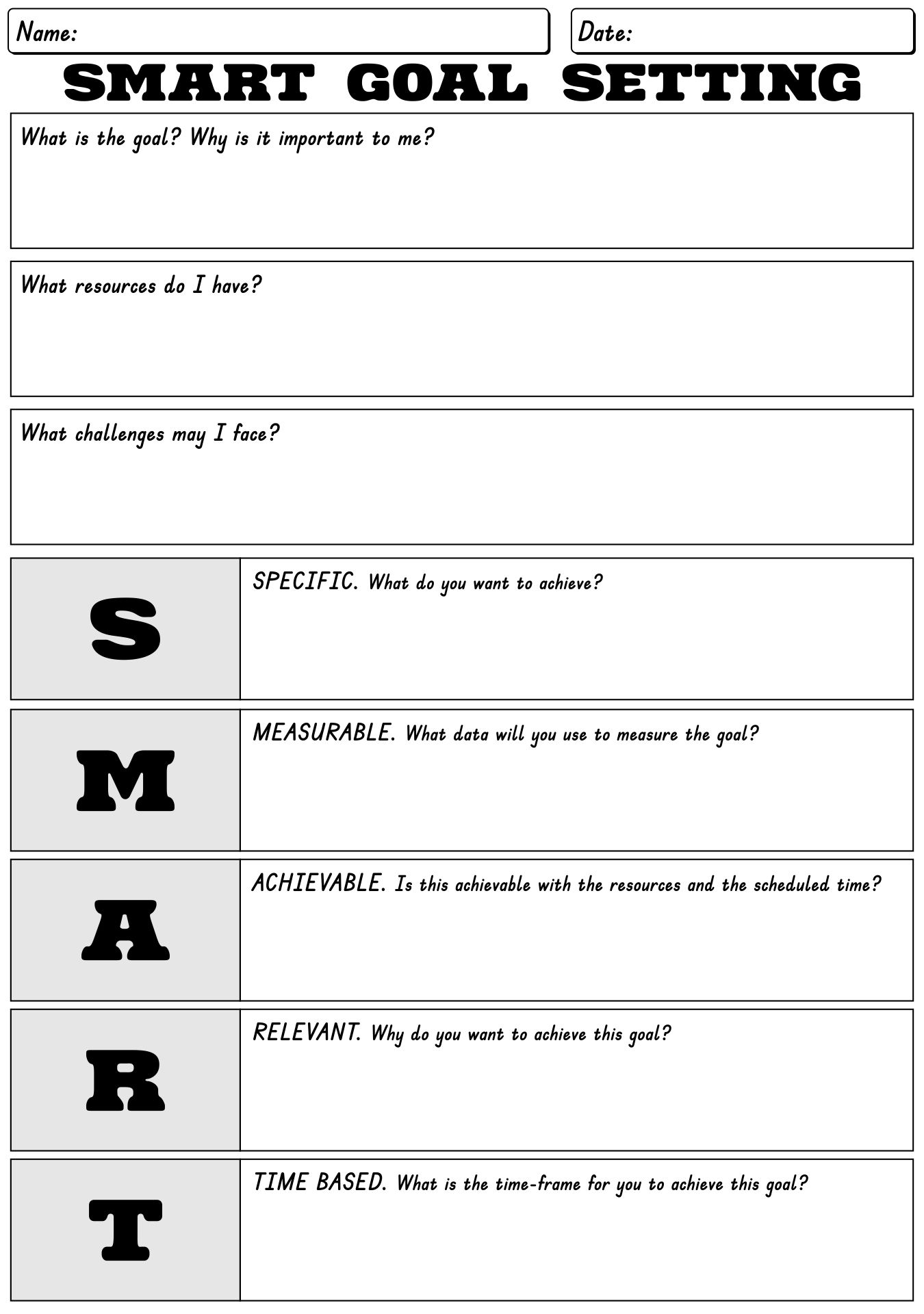
 Smart Goal Setting Worksheet Template

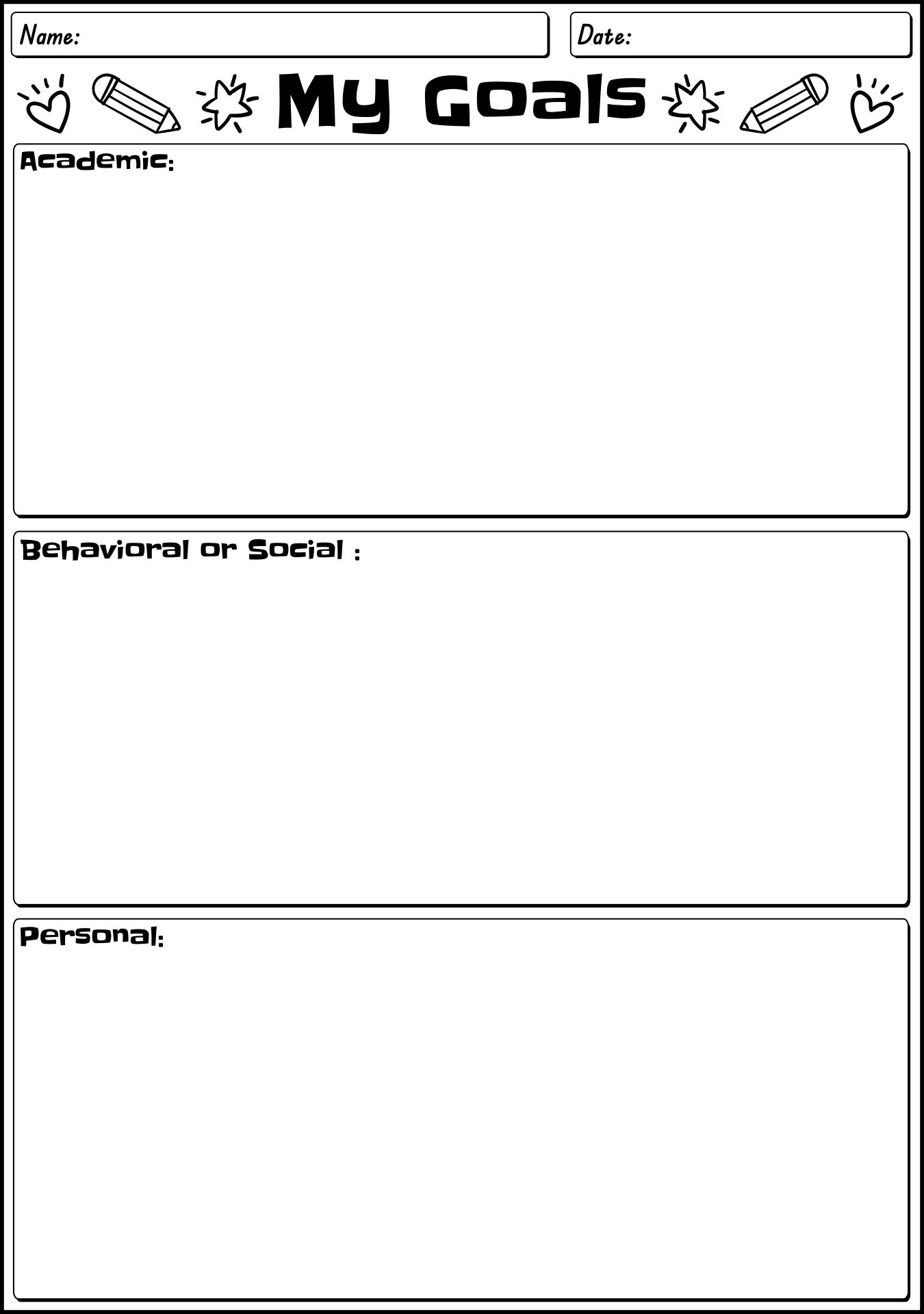
 Student Goal Planning Sheet

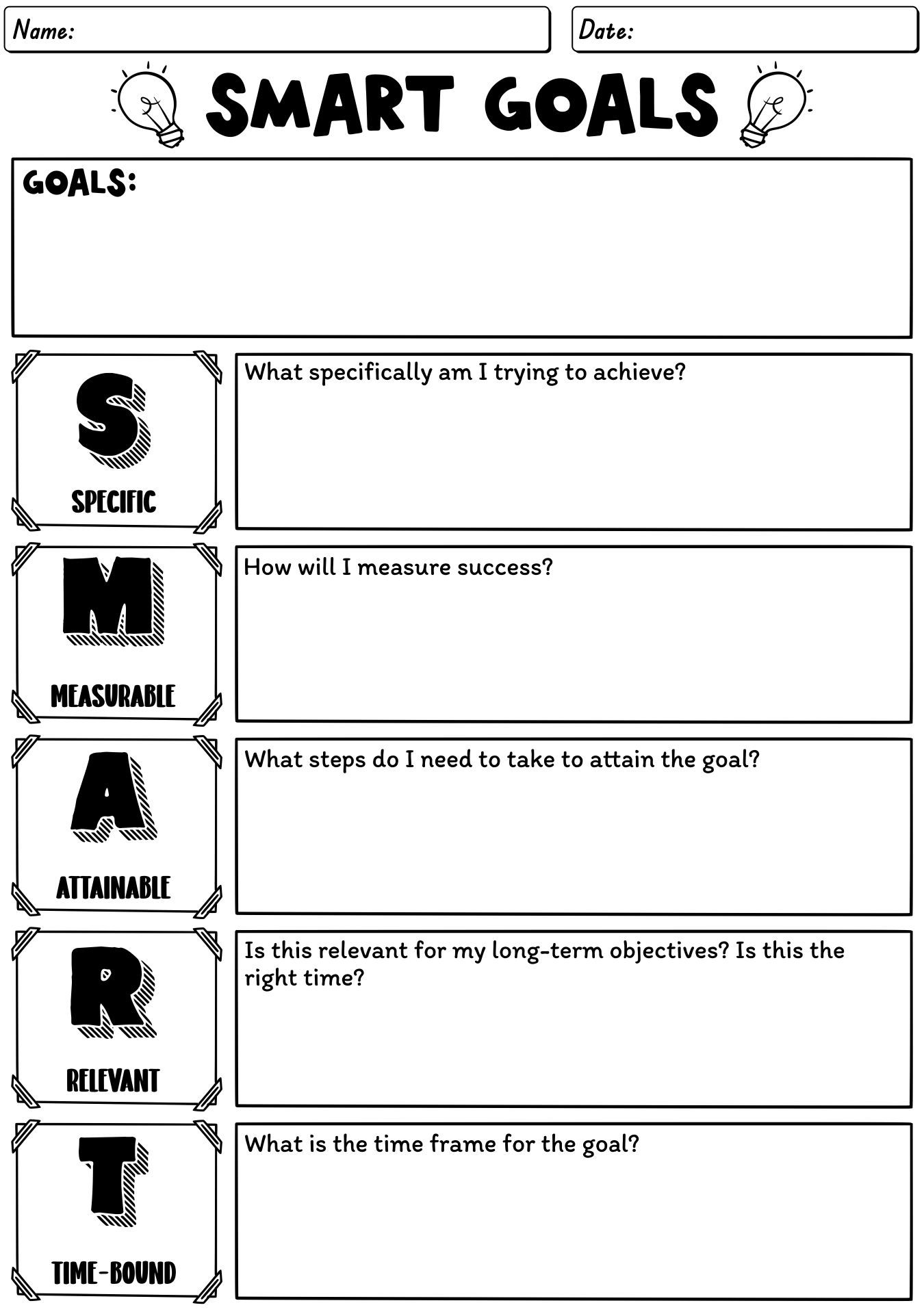
 Smart Goals Template

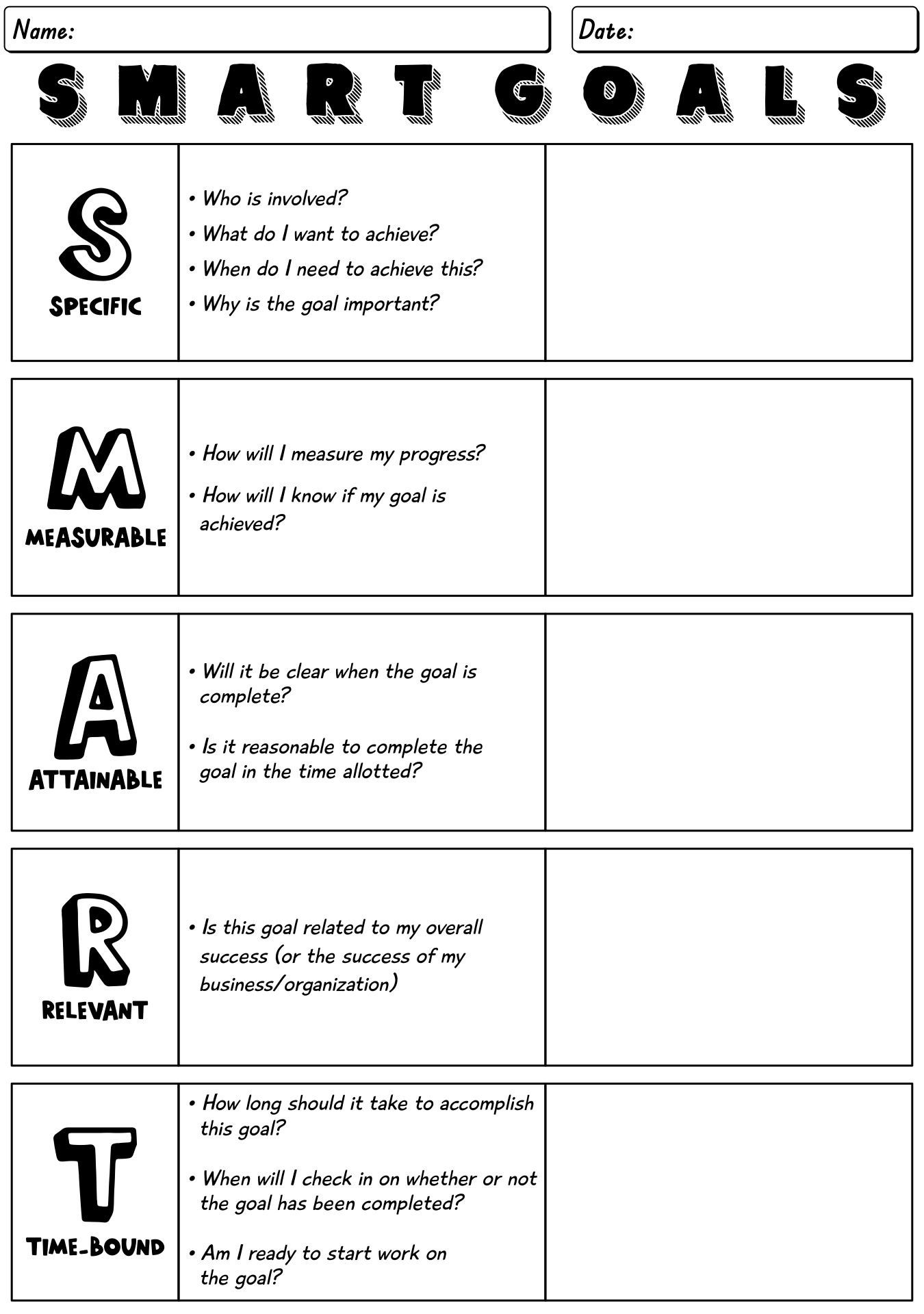
 Smart Goal Action Plan Template


 Smart Action Plan Template

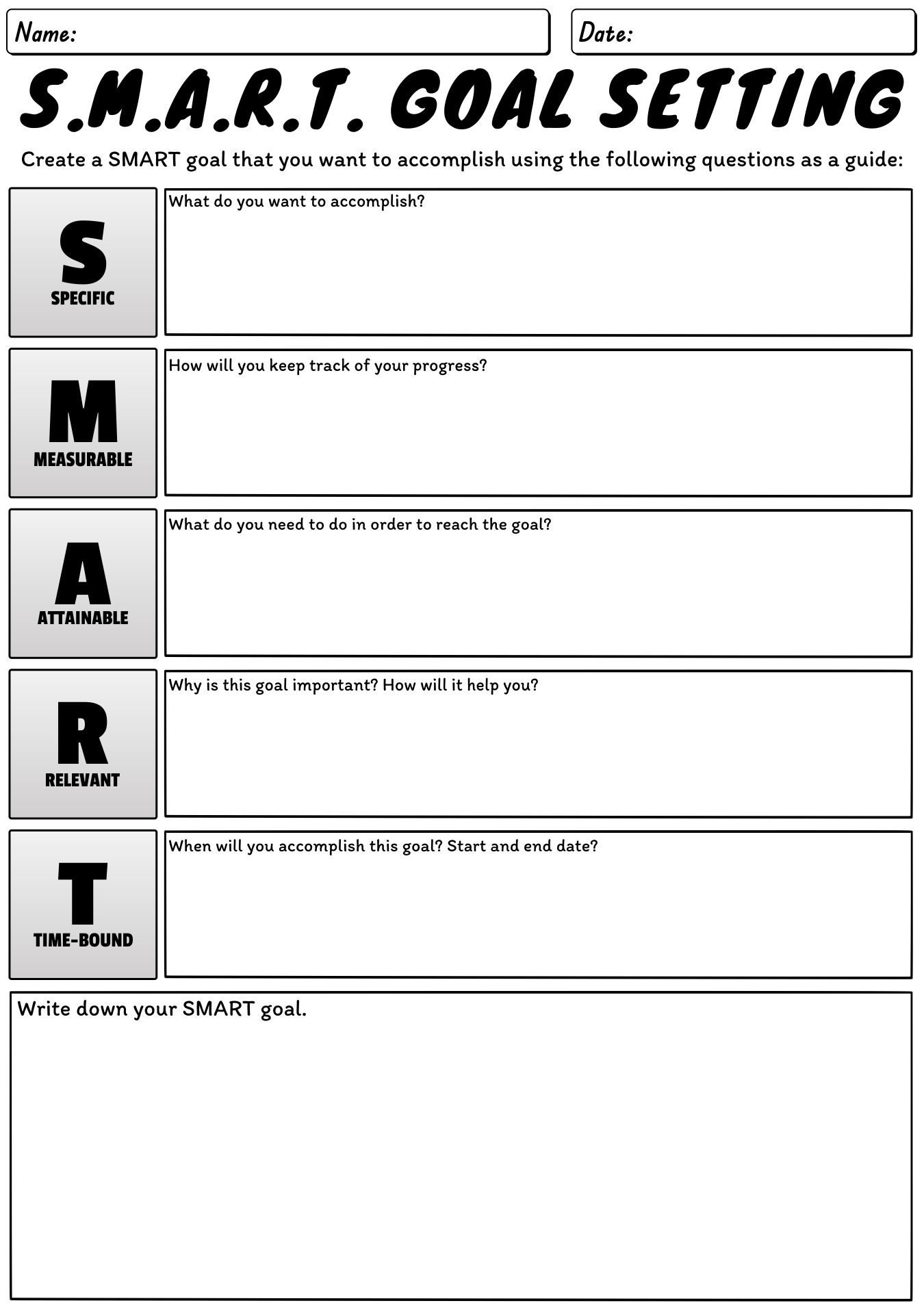
 Smart Goal Setting Worksheet

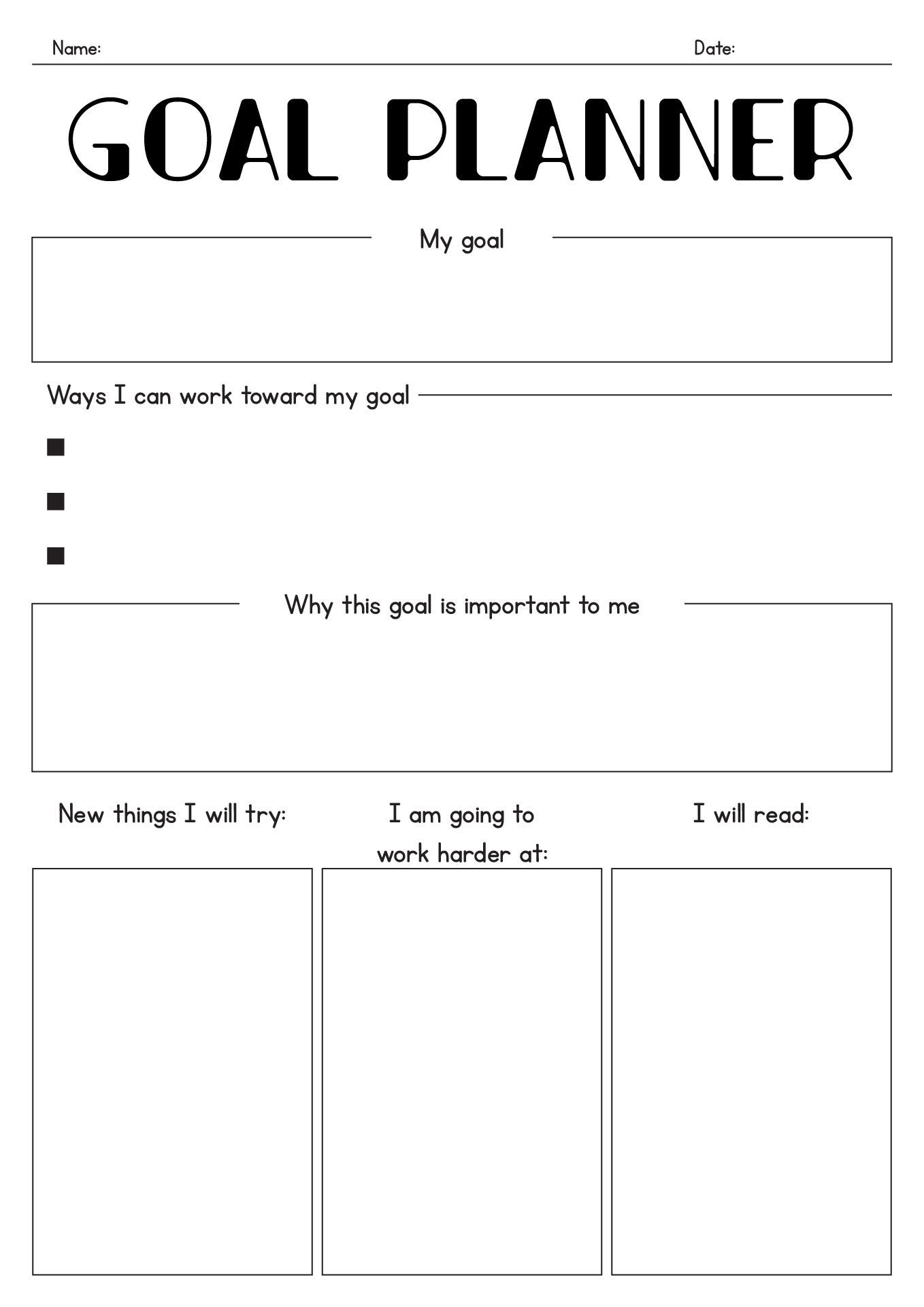
 Student Goal Sheet

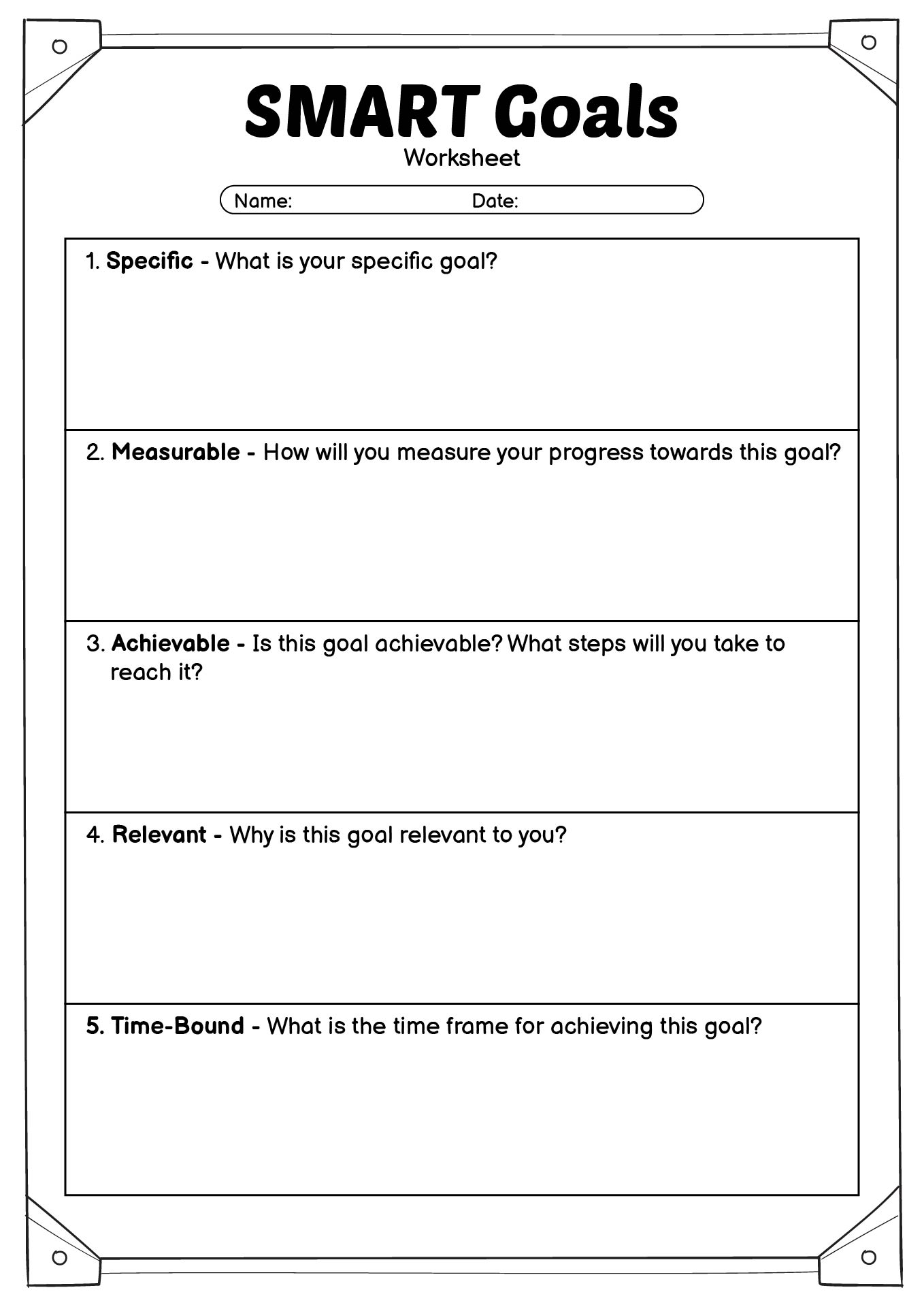
 Writing SMART Goals Worksheet for Students

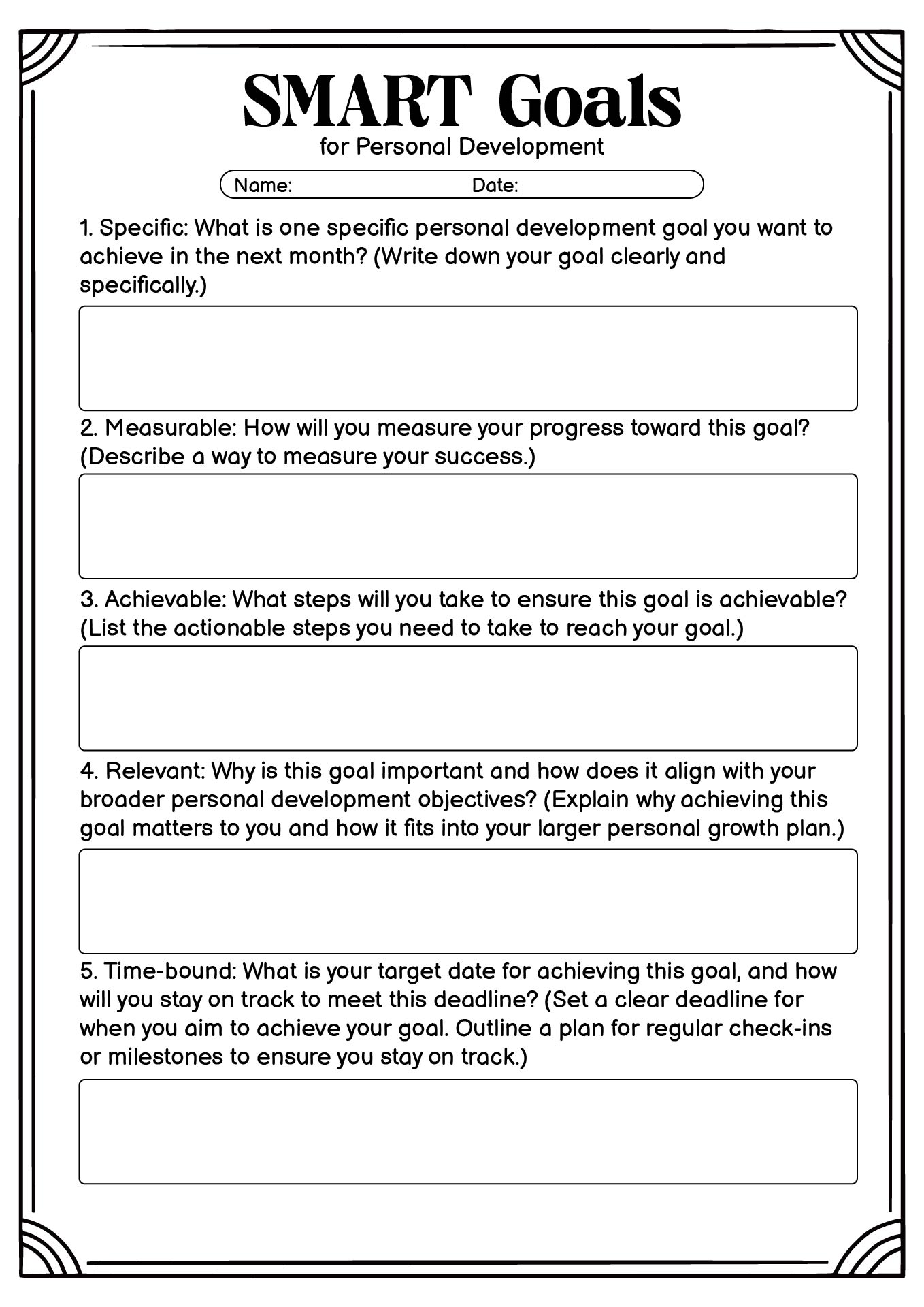
 Writing SMART Goals Worksheet for Personal Development

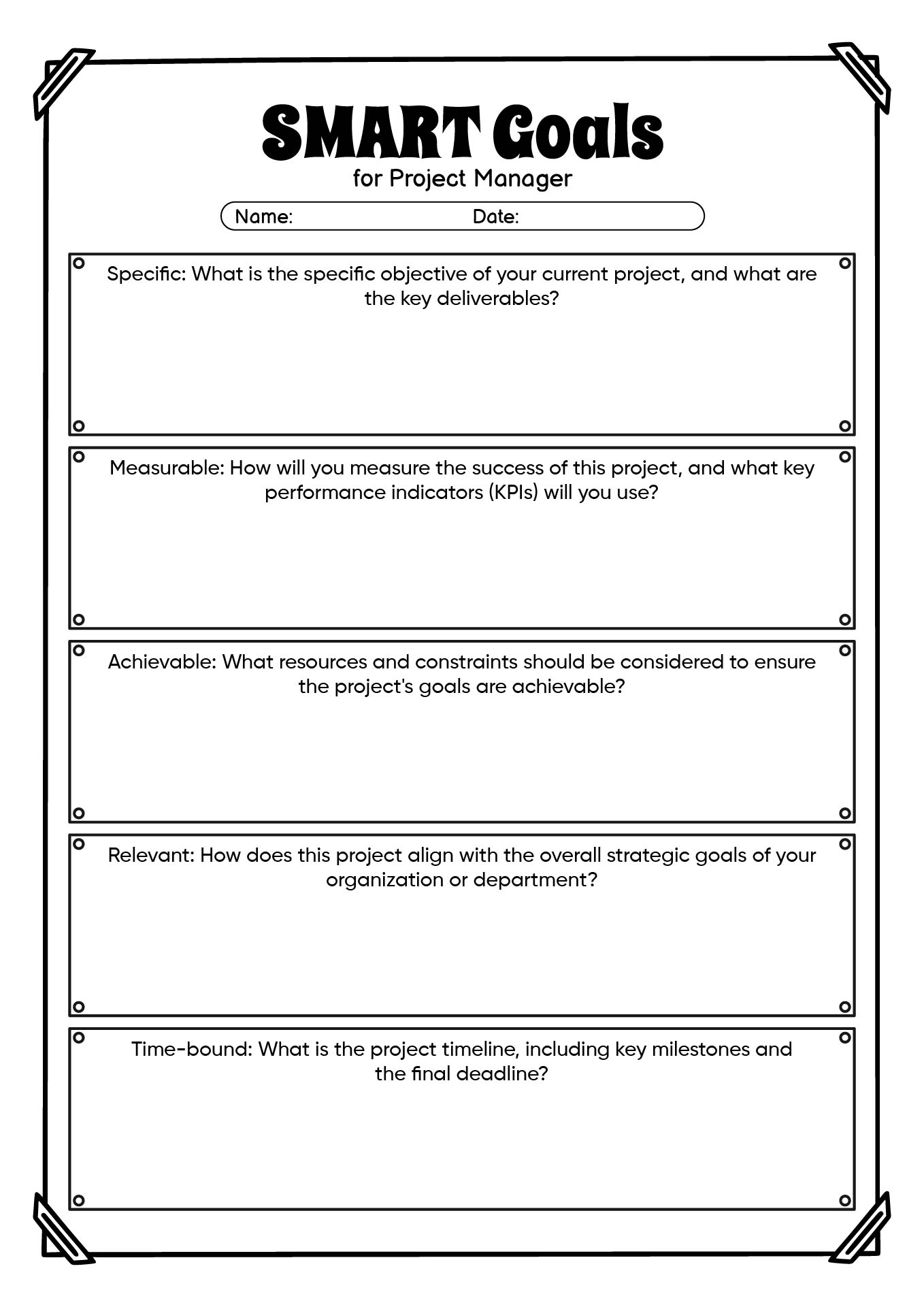
 Writing SMART Goals Worksheet for Project Managers

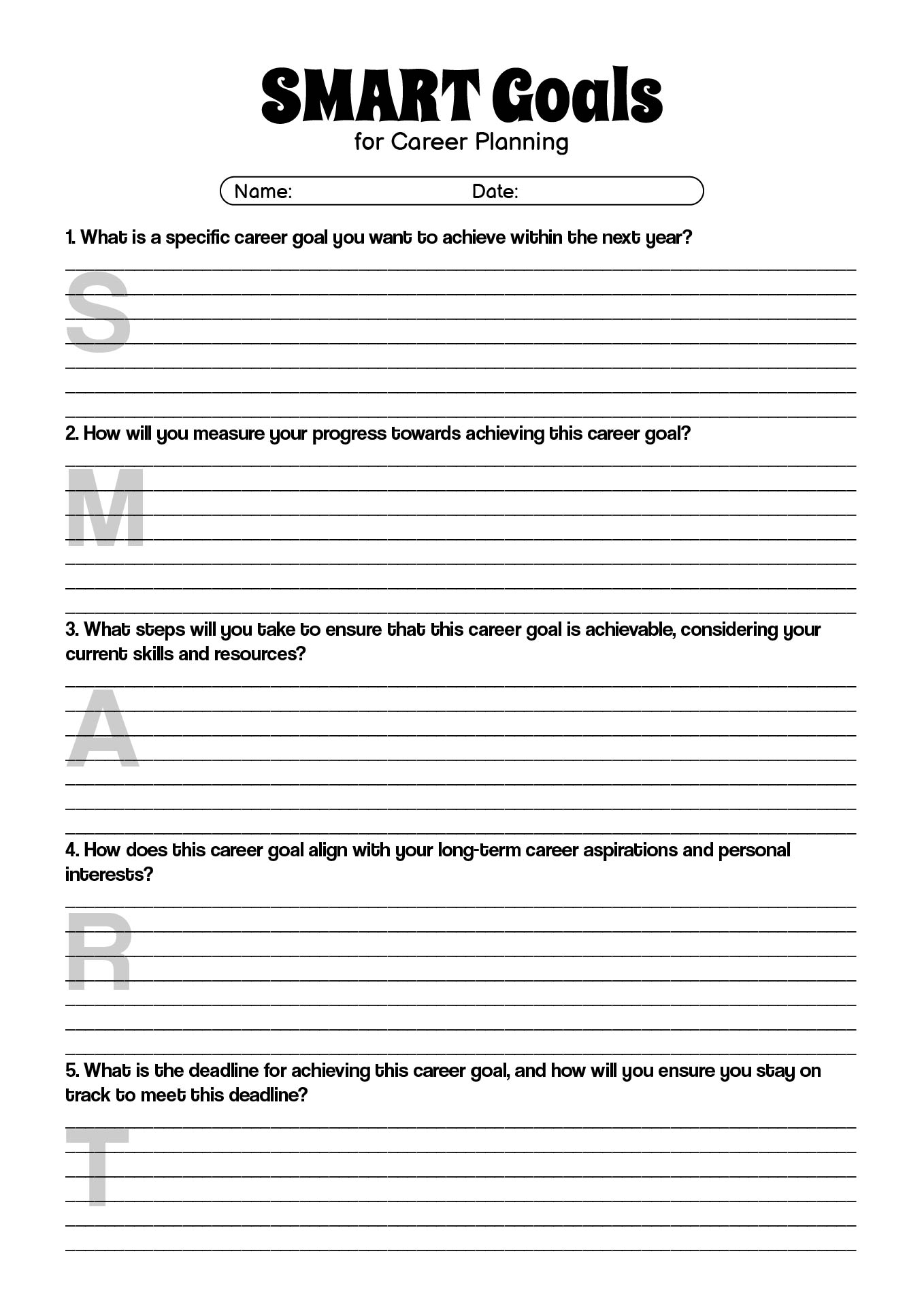
 Writing SMART Goals Worksheet for Career Planning

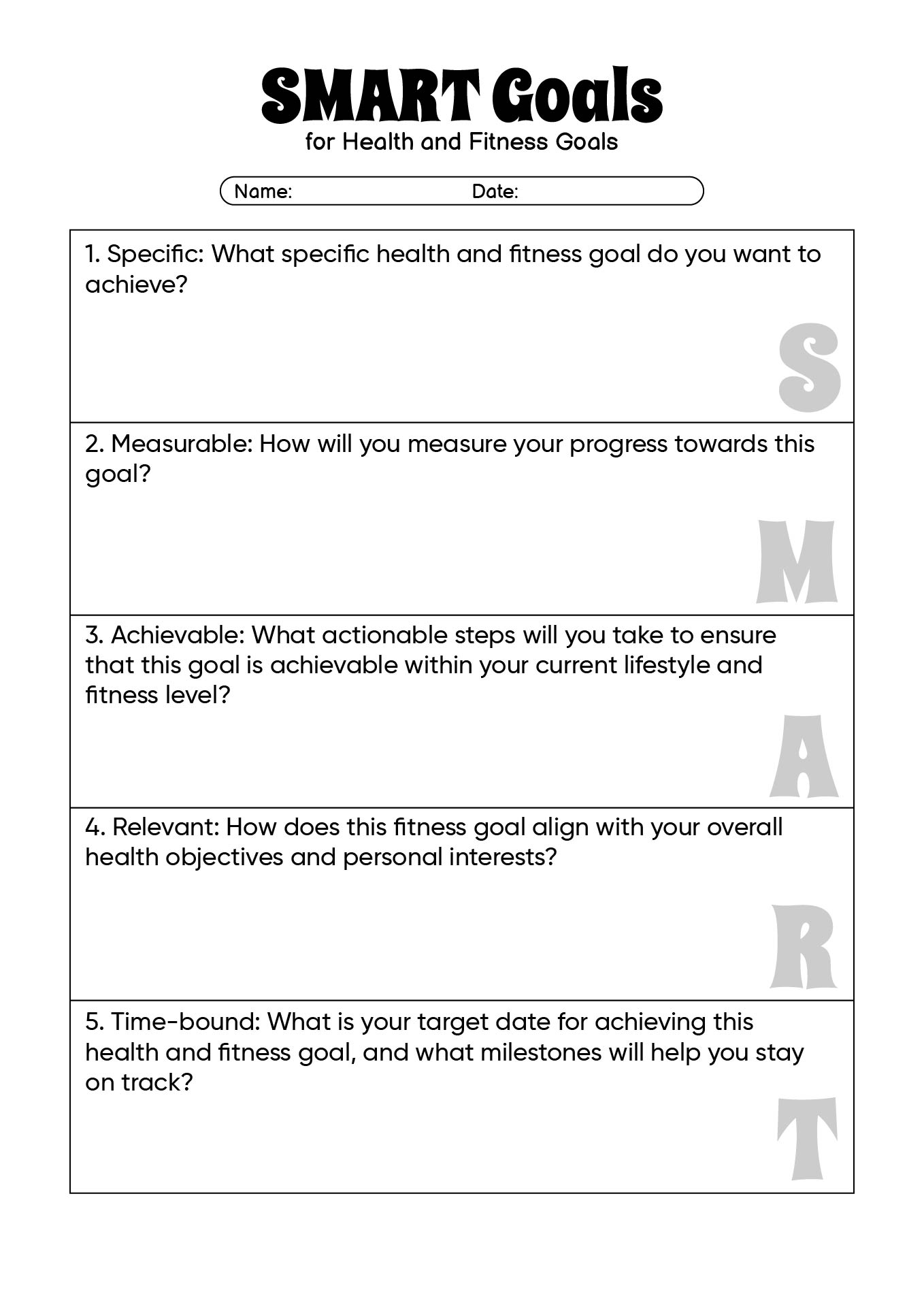
 Writing SMART Goals Worksheet for Health and Fitness Goals

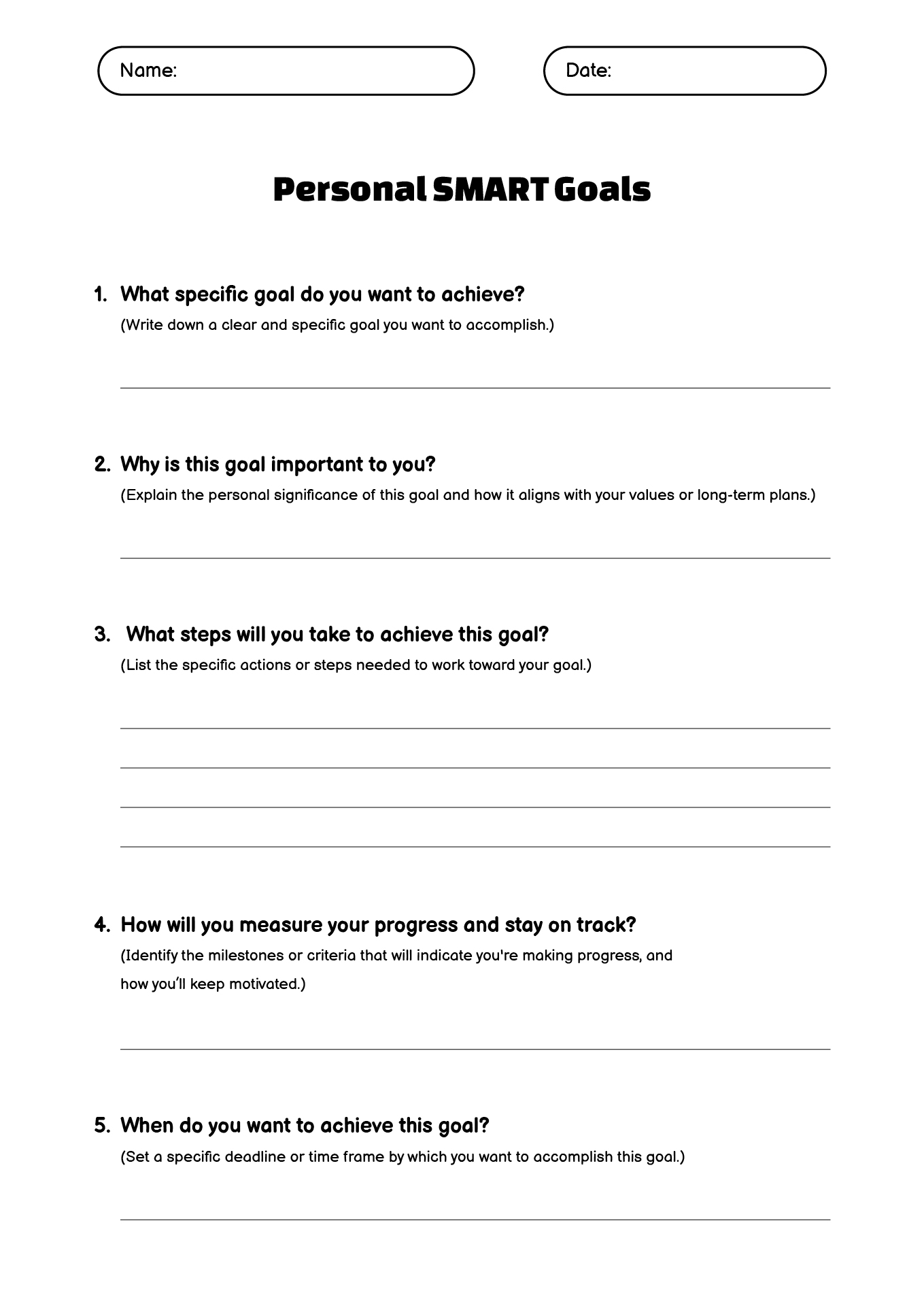
 Personal SMART Goals Worksheet Printable

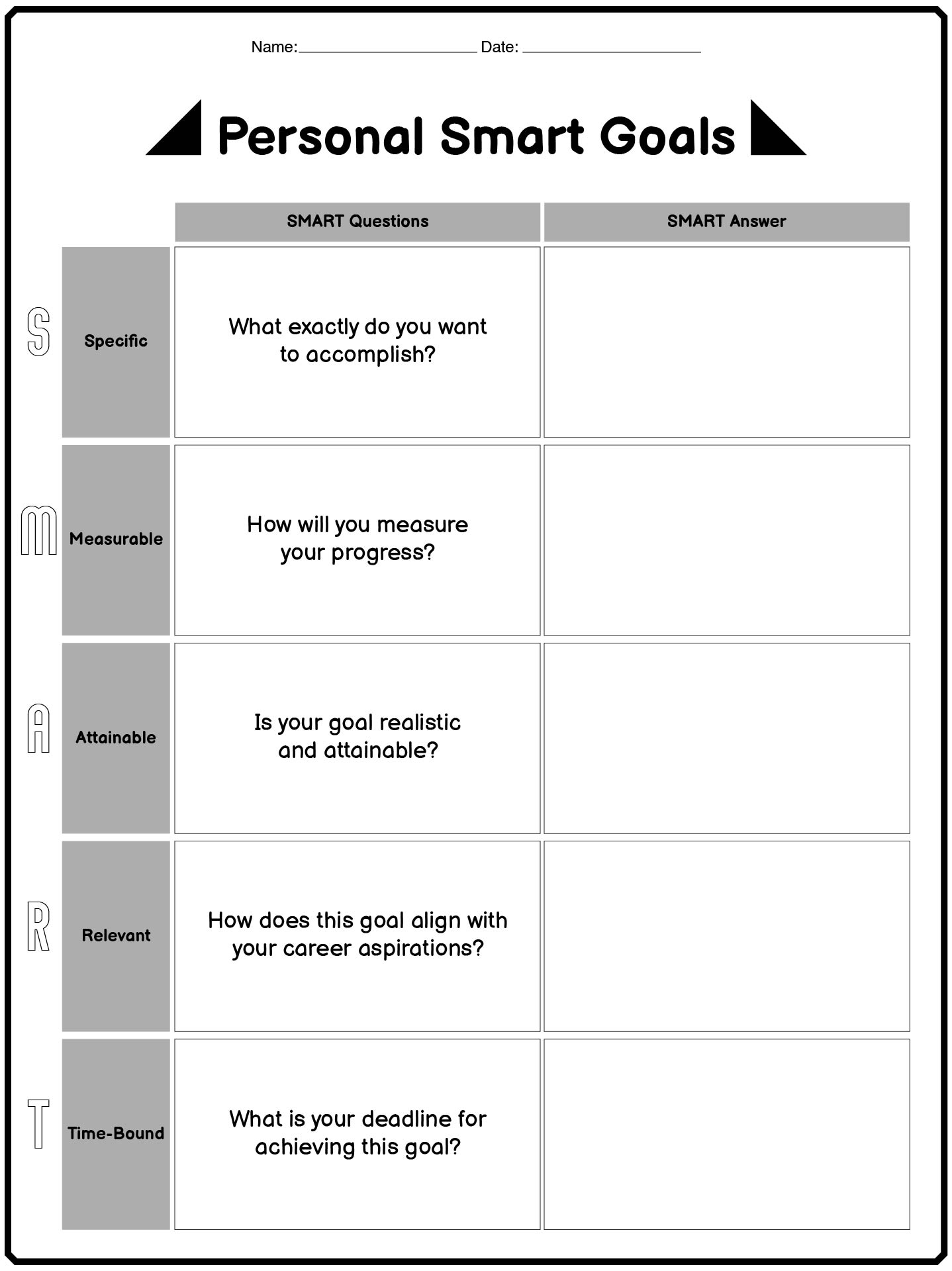
 Personal Smart Goals Worksheet for Career Planning

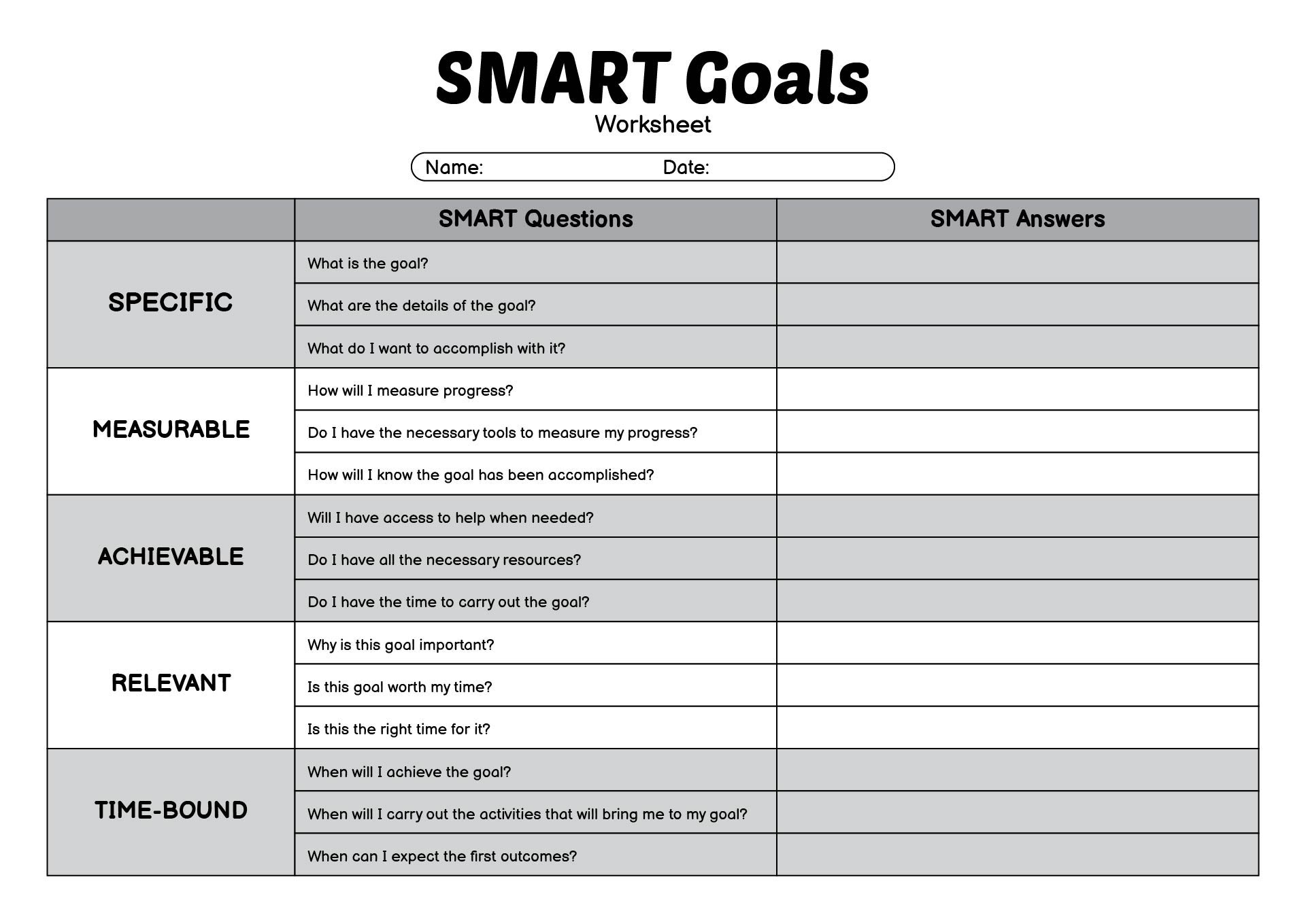
 Writing SMART Goals Worksheet for Professionals

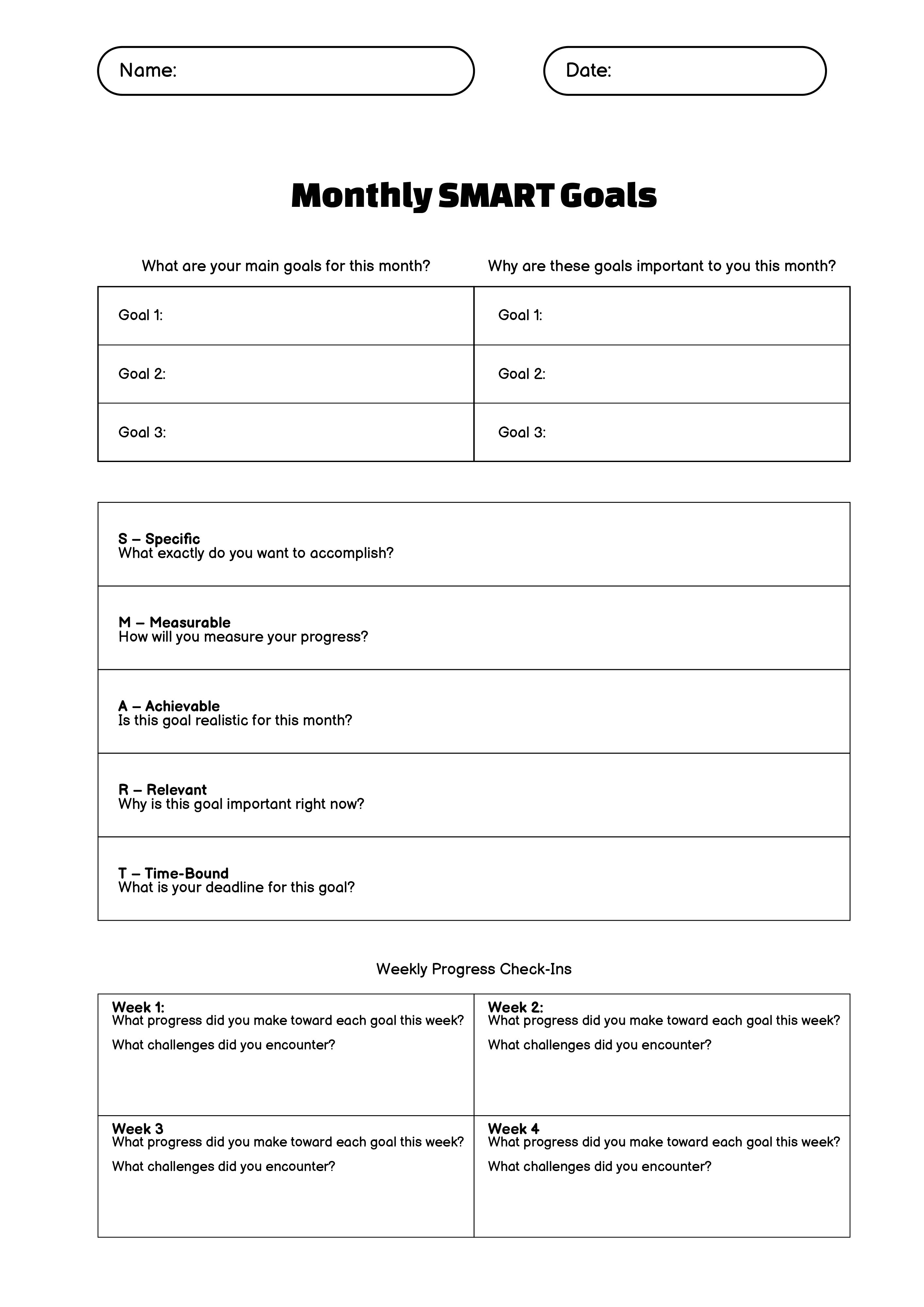
 Monthly SMART Goals Tracking Worksheet

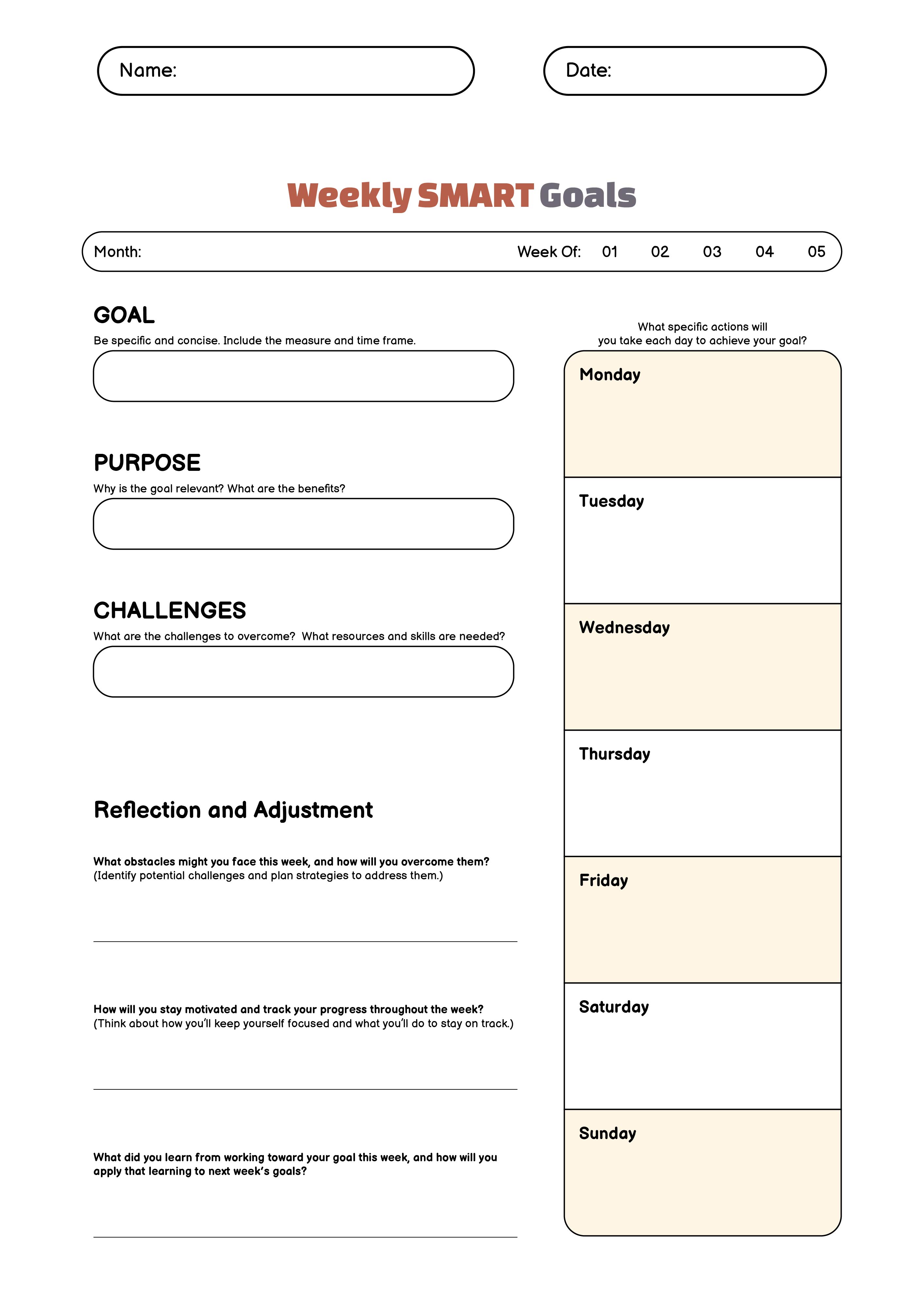
 Weekly SMART Goals Worksheet Planner

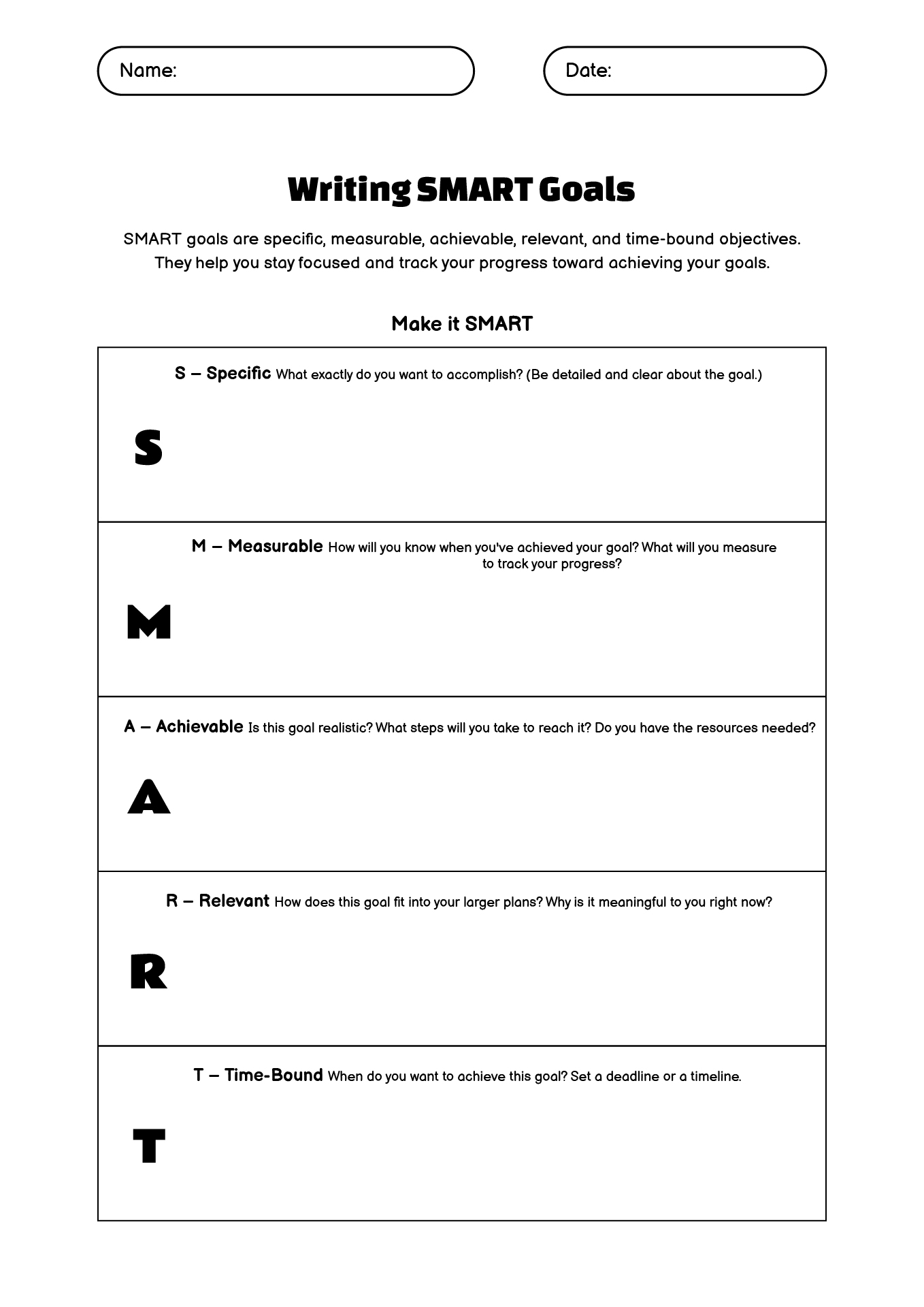
 Writing SMART Goals Worksheet for Students

More Worksheets
What Does SMART Mean in a Writing Smart Goals Worksheet?
SMART stands for five elements that help turn a general idea into a clear, workable goal:
- Specific: A goal becomes more useful when children know what they need to do to reach it. For example, someone who wants to become a stronger reader could finish one short story and summarize its main events.
- Measurable: There is a way to track progress. For example, a child might aim to read three chapters each week.
- Achievable: The goal is realistic given the child's current skills, schedule, and available support.
- Relevant: The goal connects to something meaningful, such as becoming more confident in class or learning a skill they enjoy.
- Time-bound: The goal includes a deadline, such as finishing a book within four weeks.
A SMART goal worksheet introduces these five elements in a practical format. This approach matters because children are still learning how to plan, manage their time, and recognize progress.
What Sections Can You Find in a Writing Smart Goals Worksheet?
You’ll often find these sections in a well-structured worksheet:
- My Goal: A space for children to write down what they want to achieve, whether it's improving spelling, practicing an instrument, or keeping their school supplies organized.
- Specific Goal: Prompts that encourage them to explain exactly what they want to accomplish.
- How I'll Measure It: A section for identifying evidence of progress, such as completing five assignments independently or reading for 15 minutes each day.
- Is It Achievable?: Questions that help children consider their abilities, available time, and the support they might need.
- Why It Matters to Me: A place to explain why the goal is important to them personally.
- My Deadline: A line or box for setting a target date.
- Action Steps: Space to list the smaller tasks that will help them reach their goal.
- Progress and Reflection: A section for reviewing what went well, what felt difficult, and what they might change next time.
How Can Kids Fill Out Each Section of This Writing Smart Goals Worksheet?
- Start by choosing one goal. Ask the child what they would genuinely like to improve or accomplish. It could relate to school, hobbies, responsibilities, or personal habits.
- Make the goal specific. Help them explain what improvement would look like. For example, instead of writing a broad statement, they could say, "I want to answer multiplication questions from the two, three, four, and five times tables." This gives the child a clearer target.
- Decide how to measure progress. Ask, "How will you know you've improved?" The child might decide to answer 20 multiplication questions and track how many are correct.
- Check whether the goal is achievable and relevant. Discuss how much practice the child can manage and why the goal matters. For example, they could practice for 10 minutes after homework, four days a week.
- Set a deadline. Help the child choose a reasonable time frame, such as four weeks. A deadline gives the plan direction, but it should remain flexible enough to accommodate unexpected difficulties.
- Write down the action steps. Break the goal into tasks the child can follow.
- Review progress and reflect. Help kids track their progress and identify what they can do better next time.
What Should Kids Consider Before Filling Out a Writing Smart Goals Worksheet?
What do I really want to improve?
Encourage children to think about their interests, challenges, and everyday experiences. One child might want to feel more comfortable reading aloud, while another might want to learn how to tie their shoes independently.
Is this goal right for my current abilities?
Children need room to stretch their skills without feeling set up for failure. If a goal seems too difficult, help them scale it down into a smaller first step.
Do I have enough time to work on it?
Consider school schedules, extracurricular activities, rest, and play. A goal that fits naturally into a child's routine is easier to maintain than one requiring hours of extra work every day.
Why does this goal matter to me?
A meaningful goal gives children a reason to keep trying when progress feels slow. Let them explain their motivation in their own words instead of supplying an answer for them.
Who can support me when I face a problem?
Children need a parent to listen to reading practice, a teacher to explain a difficult concept, or a friend to practice a new skill with them. Recognizing available support teaches them that asking for help is part of making progress.
Ready to Help Kids Turn Their Dreams Into SMART Goals With Our Free Goal Setting Worksheet?
Our free Writing Smart Goals Worksheet offers a practical starting point for parents, teachers, and anyone who wants to introduce the SMART method to young learners. You can offer examples when they need inspiration, but let their answers reflect their interests and abilities.
So, download our free goal setting template and give kids a simple way to turn ideas into goals they can work toward, one practical step at a time!


Have something to share?
Popular Categories
Who is Worksheeto?
At Worksheeto, we are committed to delivering an extensive and varied portfolio of superior quality worksheets, designed to address the educational demands of students, educators, and parents.

Comments