
Occupational Therapy Home Safety Worksheets
Creating a safe home environment for children isn’t just about supervision; it’s about teaching awareness in a way they can actually understand. That’s why Occupational Therapy Home Safety Worksheets are becoming a go-to resource for parents, teachers, and therapists.
Instead of relying on constant reminders like “be careful” or “don’t touch that,” these worksheets help children recognize risks, understand safe behaviors, and build independence step by step. The beauty of using worksheets is how they turn everyday safety lessons into something visual, structured, and interactive.
Kids aren’t just listening; they’re thinking, choosing, and responding. So, this approach makes safety feel less like a rule and more like a skill they can practice. Over time, these small activities can shape stronger awareness and more confident decision-making at home.
Table of Images 👆
- Occupational Therapy Home Safety Tips Worksheets
- Occupational Therapy Home Safety Strategies Worksheets
- Occupational Therapy Home Safety Planning Worksheets
- Occupational Therapy Home Safety Checklists
- Home Safety Checklist Assessment Tools
- Staying Safe at Home Activity Sheet
- Safety at Home Worksheet
- Home Safety Self Assessment Tool Worksheet
- Staying Safe in the Home Activity Sheet
- Kitchen Safety Worksheets
- Safety Worksheets for Special Needs
- Home Safety Awareness Worksheet
 12 Images of Occupational Therapy Home Safety Worksheets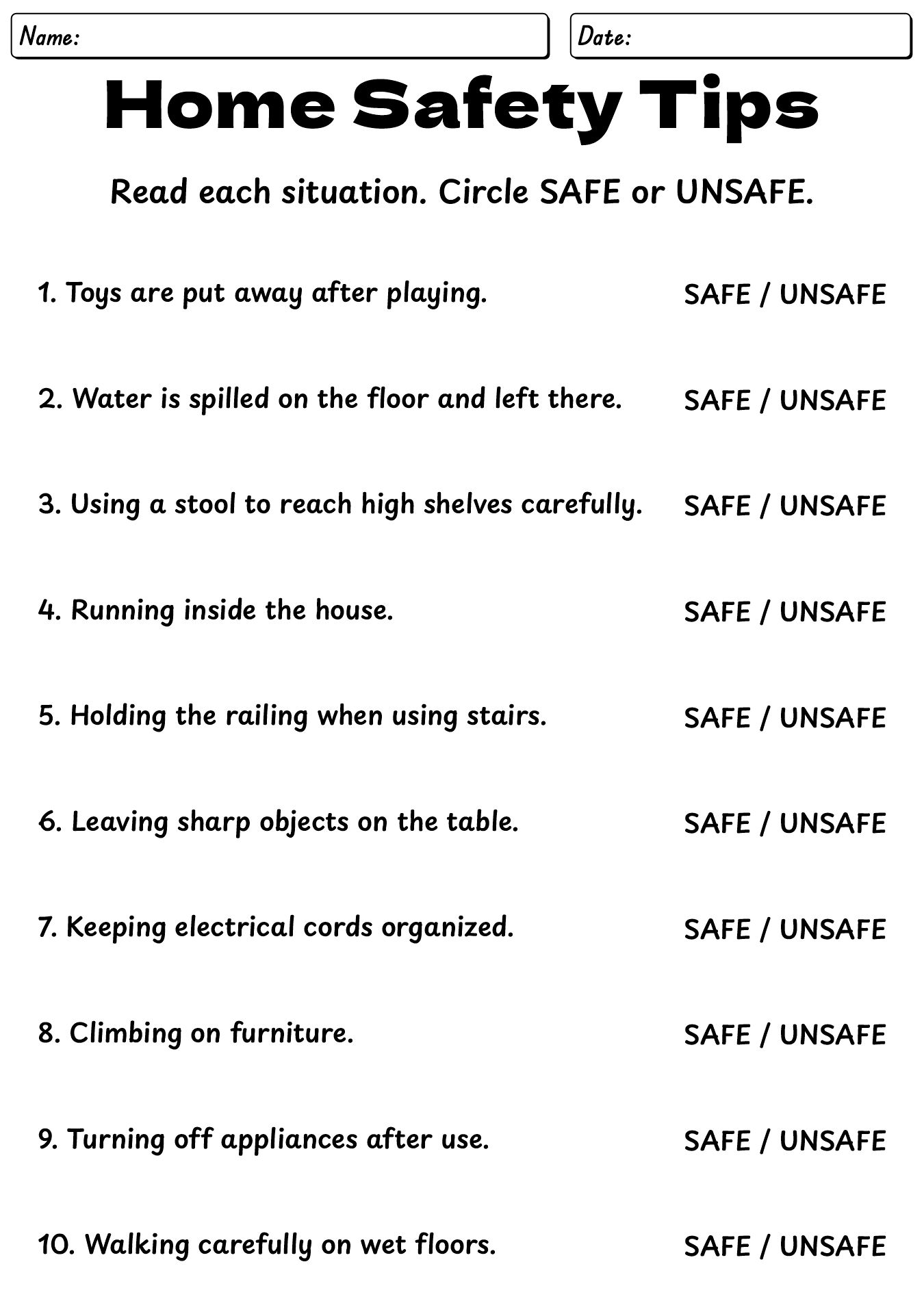
 Occupational Therapy Home Safety Tips Worksheets
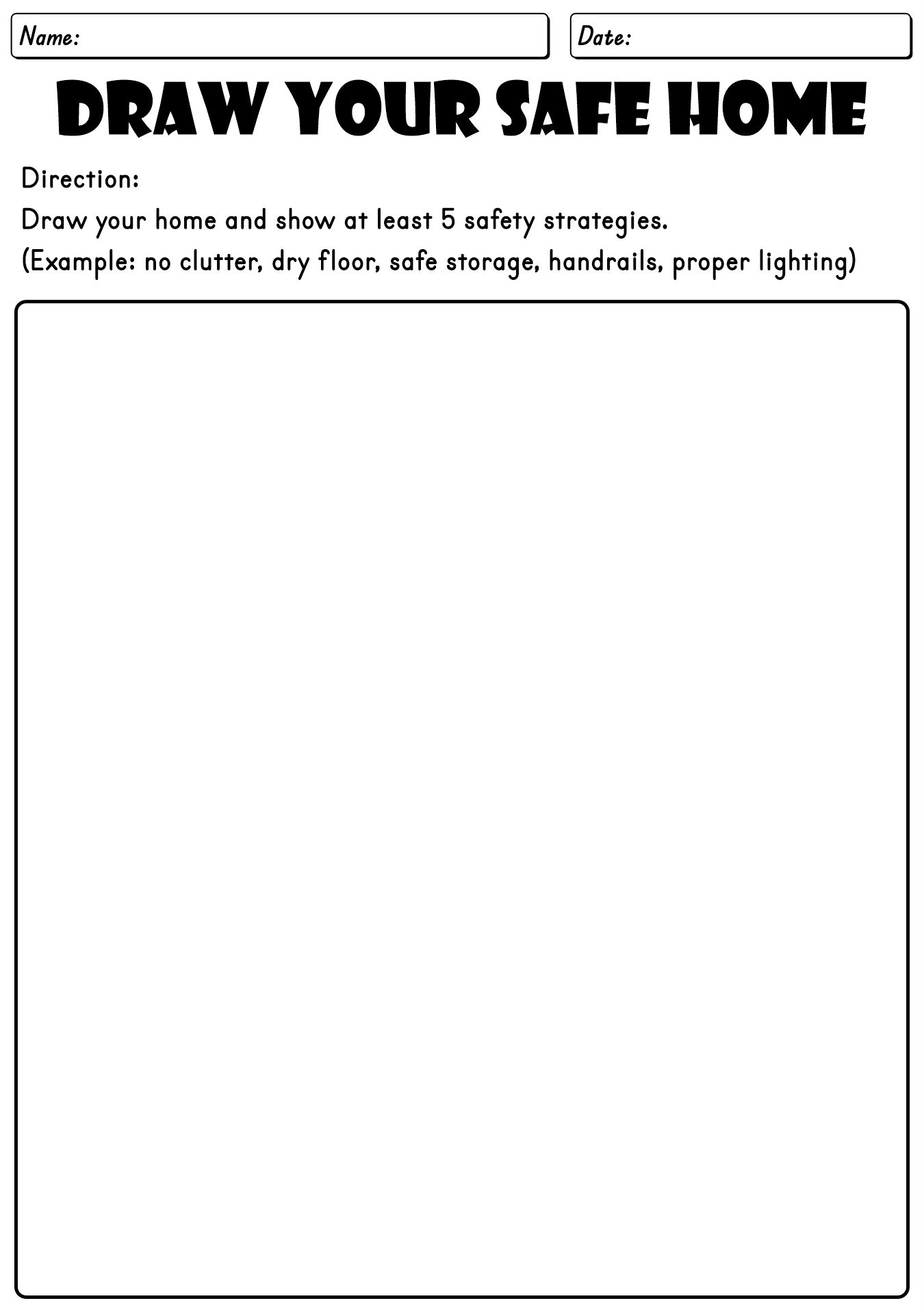
 Occupational Therapy Home Safety Strategies Worksheets
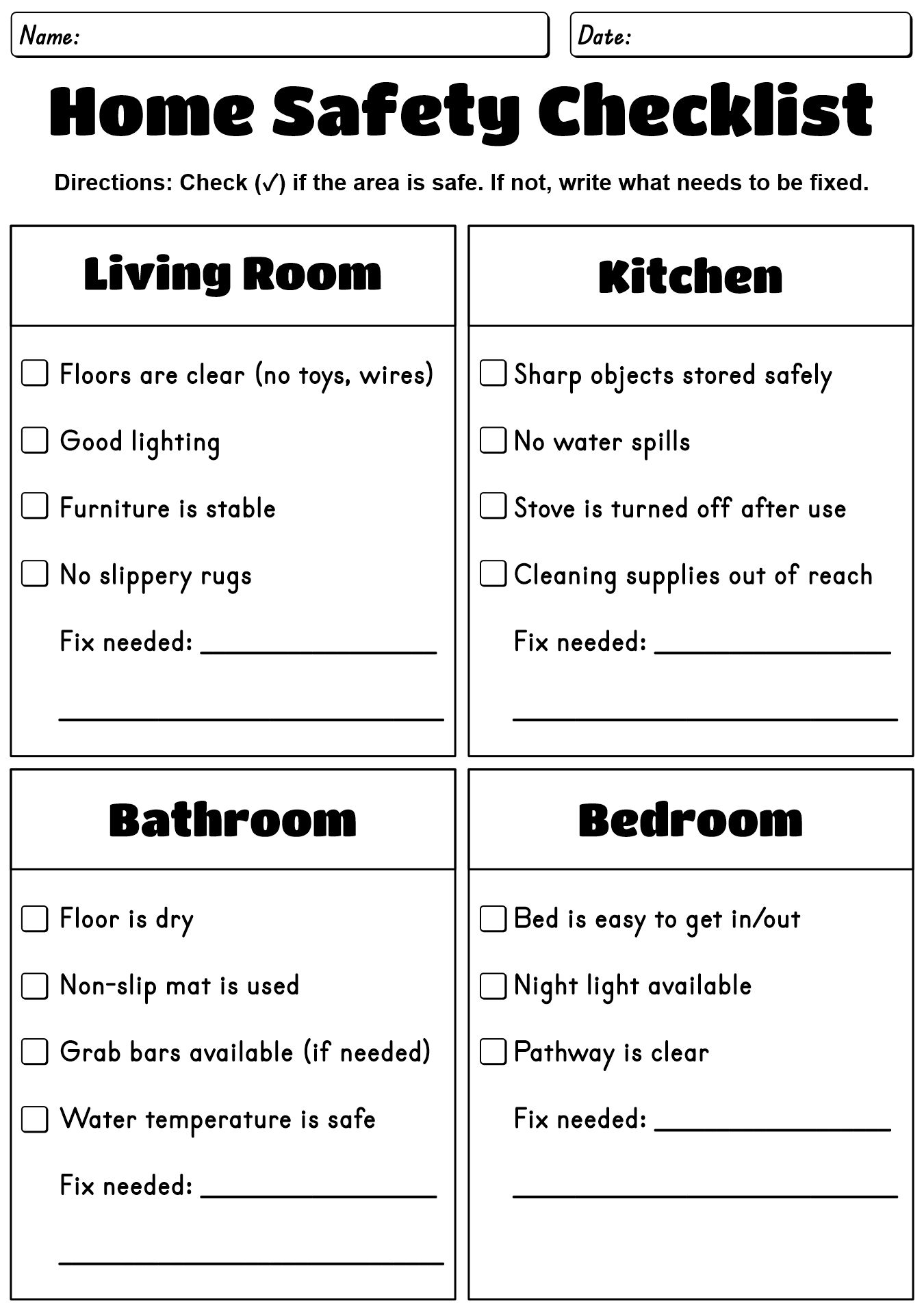
 Occupational Therapy Home Safety Planning Worksheets
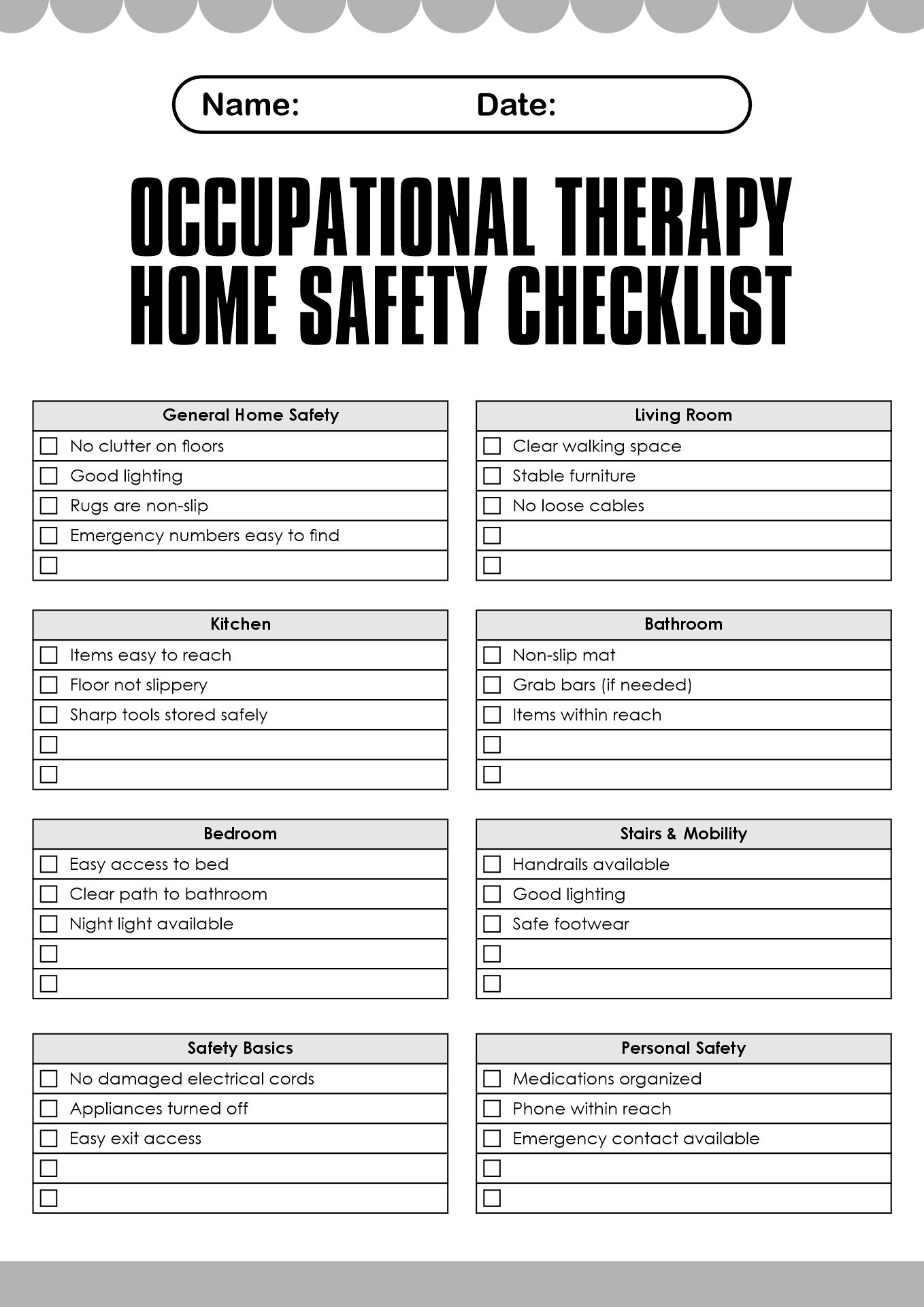
 Occupational Therapy Home Safety Checklists
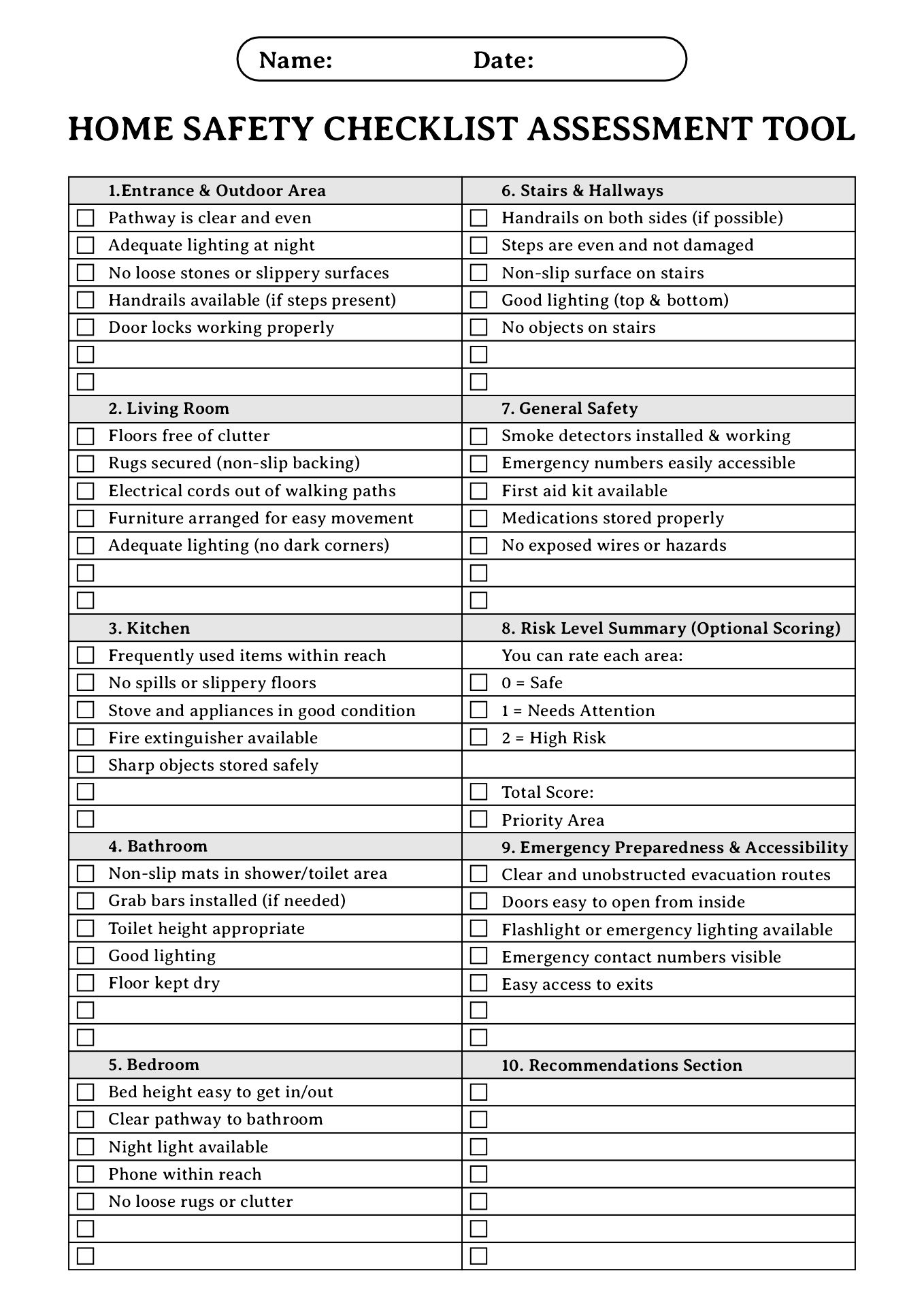
 Home Safety Checklist Assessment Tools
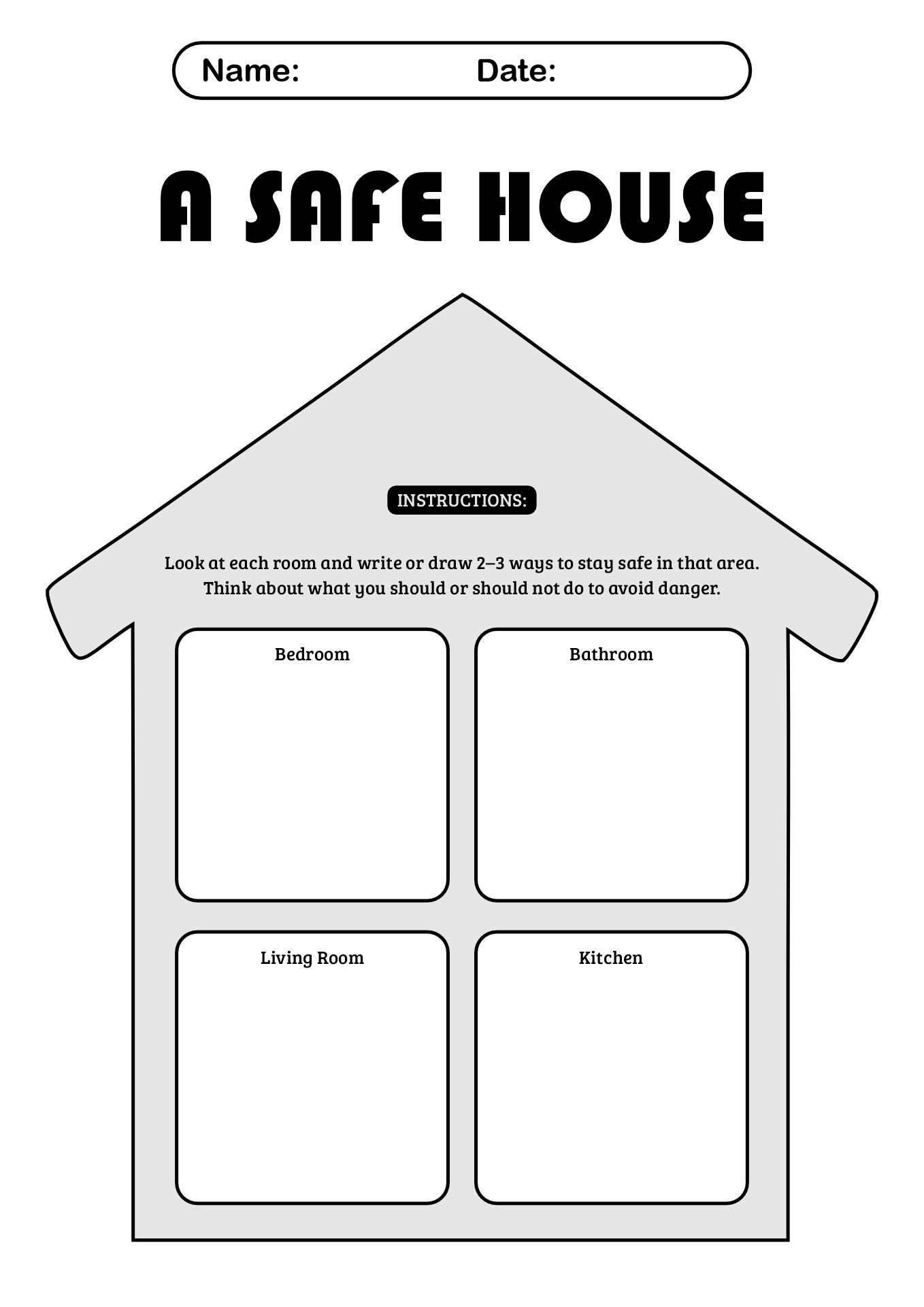
 Staying Safe at Home Activity Sheet
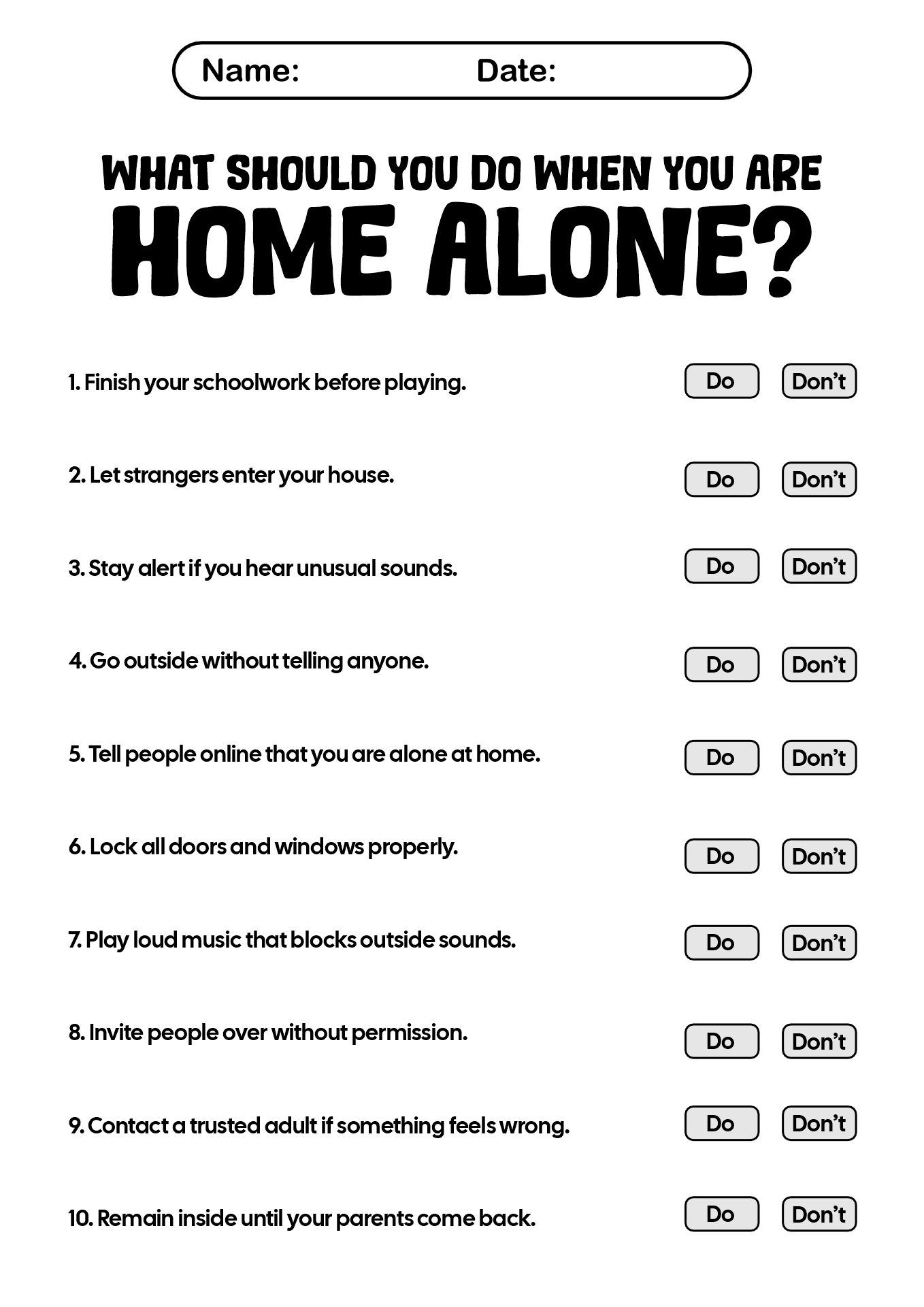
 Safety at Home Worksheet
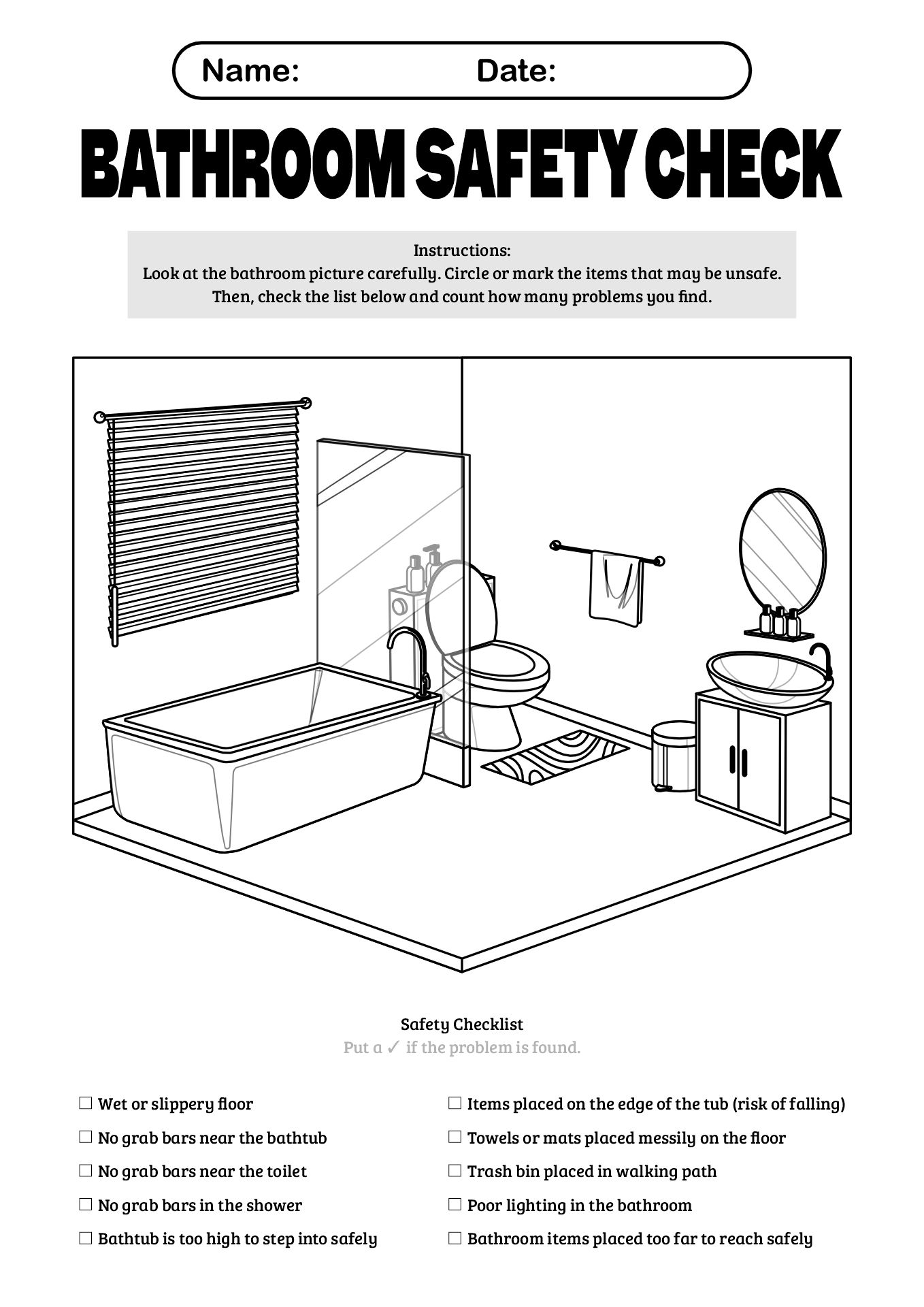
 Home Safety Self Assessment Tool Worksheet
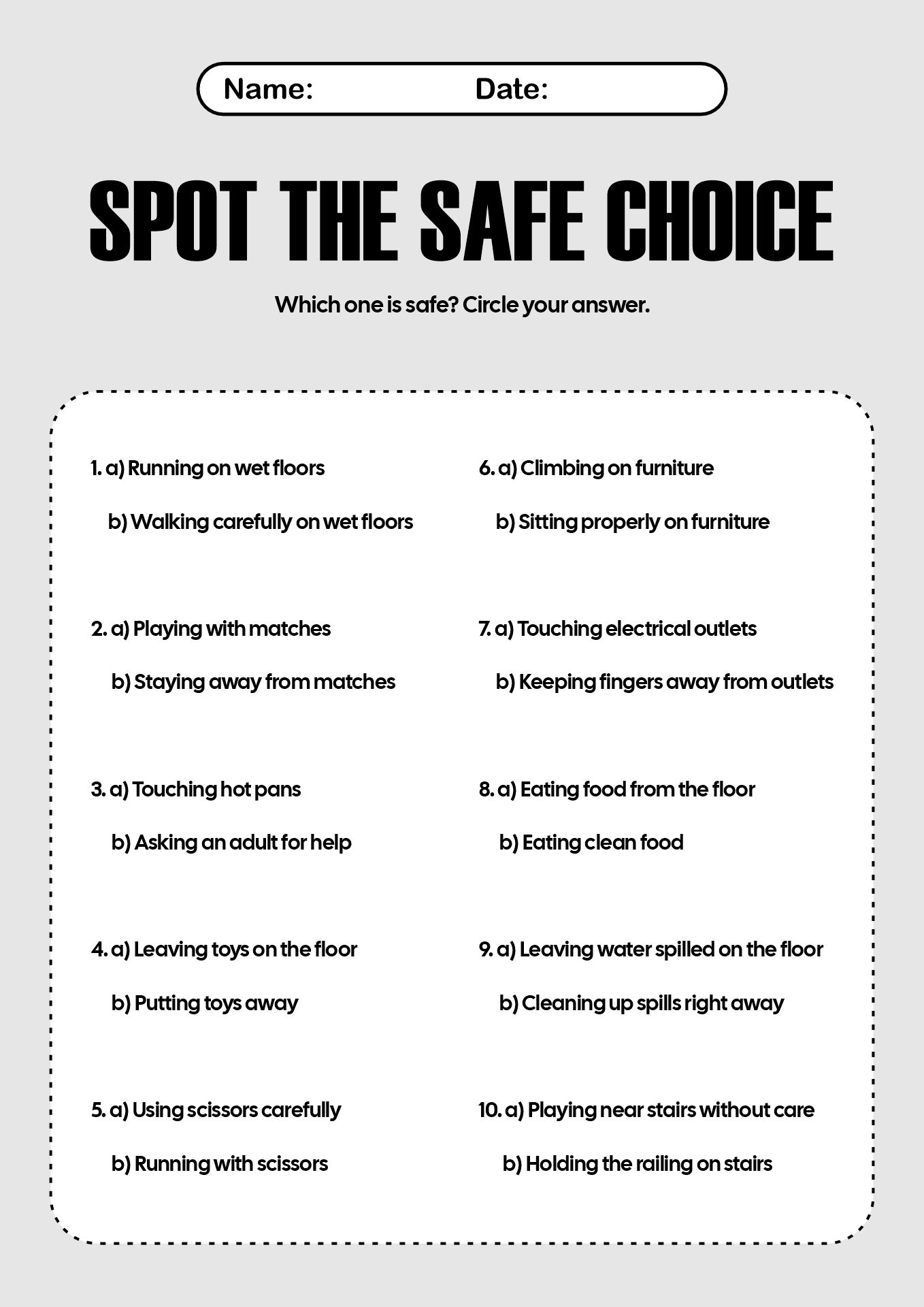
 Staying Safe in the Home Activity Sheet
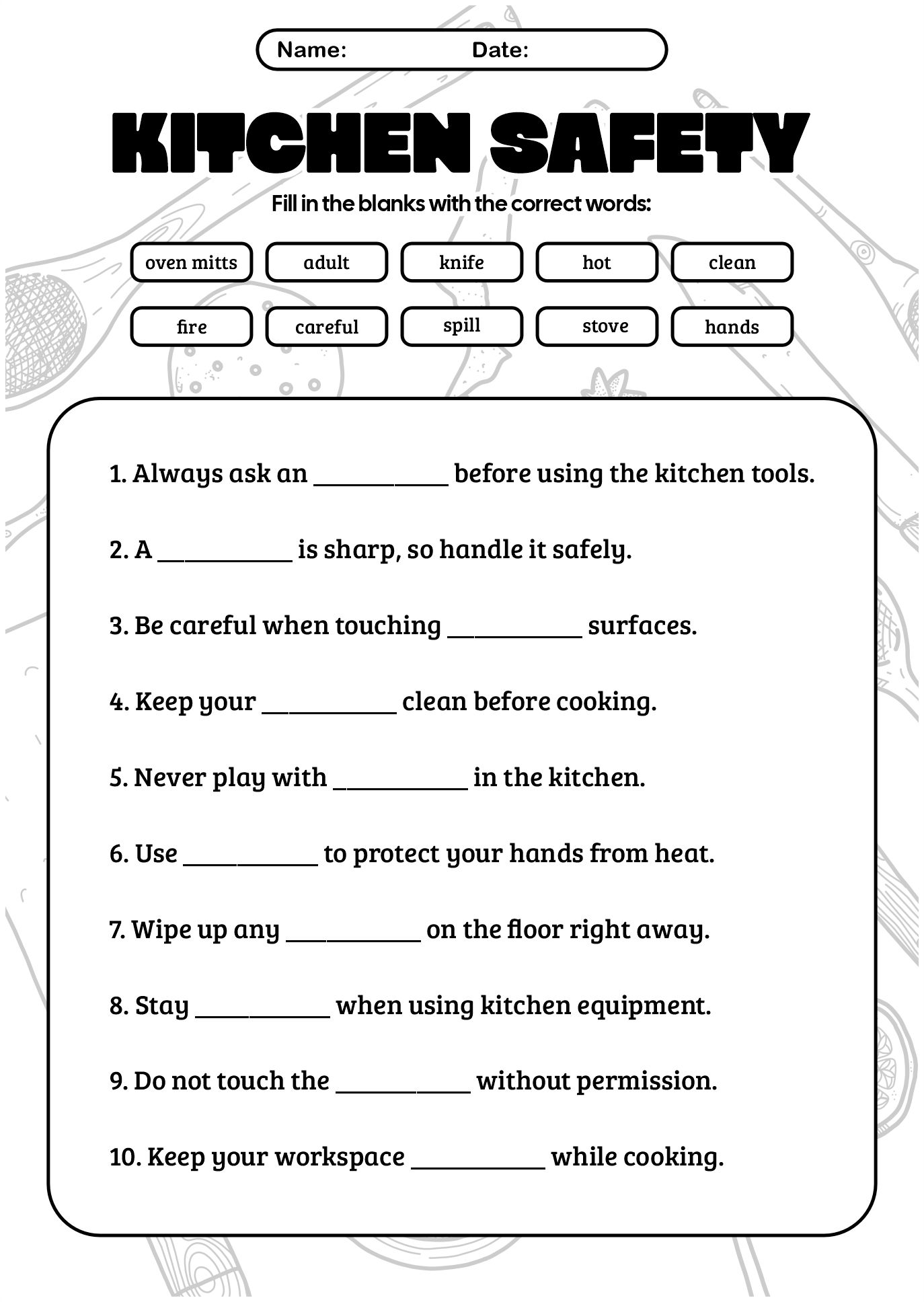
 Kitchen Safety Worksheets
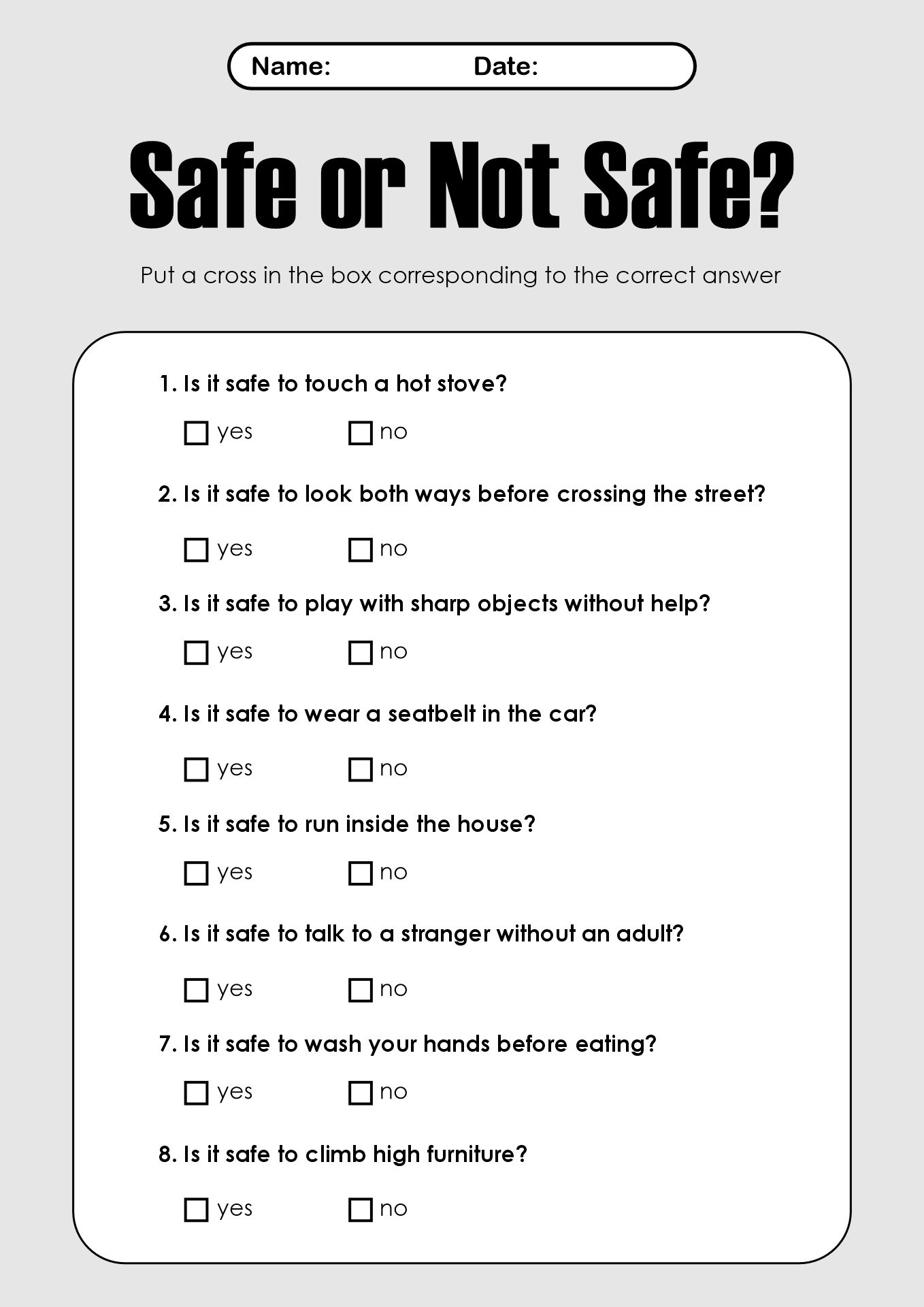
 Safety Worksheets for Special Needs
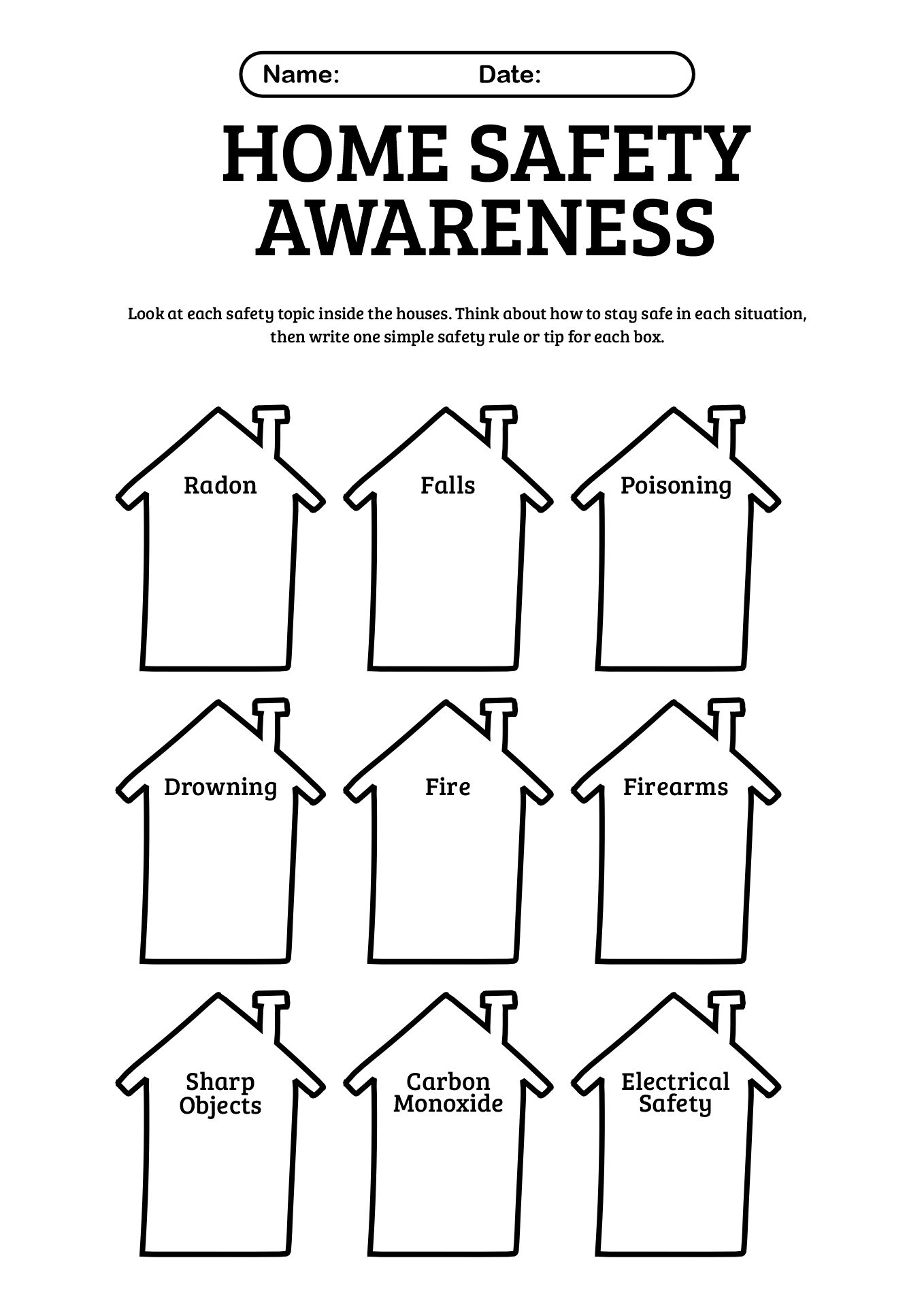
 Home Safety Awareness Worksheet
More Other Worksheets
Kindergarten Worksheet My RoomSpanish Verb Worksheets
Spring Clothes Worksheet
For First Grade Phonics Worksheets
Hundreds Chart Missing Numbers Worksheet
Healthy Eating Plate Printable Worksheet
Cooking Vocabulary Worksheet
My Shadow Worksheet
Large Printable Blank Pyramid Worksheet
Relationship Circles Worksheet
What are Occupational Therapy Home Safety Worksheets?
Occupational Therapy Home Safety Worksheets are structured tools designed to help children learn how to stay safe in their everyday environment. Instead of abstract explanations, these worksheets break safety concepts into simple, visual, and interactive activities that children can easily follow.
They often include:
- Identifying safe vs unsafe situations
- Matching objects with correct usage
- Spot-the-hazard activities
- Scenario-based questions
- Simple decision-making exercises
For adults, these worksheets function almost like a home safety assessment tool, but in a child-friendly format. Instead of analyzing risks yourself, you’re guiding children to recognize them on their own.
This approach is especially helpful because:
- It reduces the need for constant verbal reminders
- It builds awareness through repetition
- It encourages independent thinking
When used consistently, these worksheets don’t just teach safety, but they also help children internalize it as part of their daily habits.
How Can Occupational Therapy Home Safety Worksheets Support Sensory Learning in Children?
Visual Learning
- Bright illustrations help children recognize real-life objects
- Clear contrasts between safe and unsafe scenarios improve understanding
Tactile Learning
- Writing, circling, or coloring keeps hands active
- Physical interaction improves focus and retention
Cognitive Processing
- Children analyze situations rather than memorize rules
- They begin to understand “why” something is safe or unsafe
What Makes Occupational Therapy Home Safety Worksheets Effective for Pediatric Therapy Sessions?
In pediatric therapy, engagement is everything. If a child isn’t interested, the learning simply doesn’t stick. That’s where Occupational Therapy Home Safety Worksheets stand out, they balance structure with flexibility.
Here’s what makes them effective:
They Break Down Complex Concepts
Safety can be abstract, but worksheets simplify it into:
- Clear visuals
- Short instructions
- Relatable examples
They Encourage Active Participation
Instead of passively listening, children:
- Circle answers
- Match items
- Solve simple scenarios
They Fit Into Different Therapy Goals
You can use them for:
- Cognitive development
- Behavioral training
- Routine-building activities
They Are Easy to Adapt
These worksheets can be:
- Simplified for younger children
- Expanded with discussions for older ones
When combined with a home safety assessment tool, therapists or parents can identify specific areas where a child needs more support, and then reinforce those areas through targeted worksheet activities.
This makes sessions:
- More structured
- More engaging
- More effective in the long run
Can Occupational Therapy Home Safety Worksheets Support Social and Communication Skills in Children?
Yes, and this is something many people don’t expect at first. While Occupational Therapy Home Safety Worksheets focus on safety, they also create opportunities for children to express themselves and interact with others.
Here’s how they support communication:
Encouraging Conversations
These worksheets naturally invite questions like:
- “Why is this dangerous?”
- “What should we do instead?”
Building Vocabulary
Children learn words related to:
- Household objects
- Actions (run, touch, hold, avoid)
- Emotions (safe, scared, careful)
Practicing Social Interaction
You can turn activities into discussions:
- Role-playing safe vs unsafe situations
- Asking children to explain their choices
Strengthening Listening Skills
When guided by adults, children:
- Follow instructions
- Respond to questions
- Stay engaged longer
Using a home safety assessment tool alongside worksheets can also help adults guide more meaningful conversations. For example:
- “Let’s find something in our home that looks like this picture.”
- “What would you do if this happened?”
This combination helps children to :
- Think critically
- Communicate clearly
- Build confidence in expressing their ideas
So, What Are Simple Ways to Introduce Occupational Therapy Home Safety Worksheets to Kids?
Starting something new with children doesn’t have to be complicated. In fact, the simpler the approach, the better the results. Occupational Therapy Home Safety Worksheets work best when they feel natural, not forced.
Here are easy ways to introduce them:
Start With Short Sessions
- Keep it 10-15 minutes
- Focus on one concept at a time
Connect With Real Life
- After a worksheet, walk around the house together
- Ask kids to identify similar situations
Turn It Into a Game
- Let kids “spot the danger”
- Give small rewards for correct answers
Ask Open-Ended Questions
- “What do you think will happen if…?”
- “Why is this safe or unsafe?”
Repeat Without Pressure
- Revisit similar worksheets regularly
- Keep the tone relaxed and encouraging
Now, if you’re thinking about where to find worksheets that are actually easy for kids to use, this is where it gets interesting. We’ve designed our worksheets to be:
- Simple enough for children to understand independently
- Engaging without overwhelming visuals
- Flexible for both home and therapy use
And yes, you can download them for free on our blog! Why should you use our worksheets?
- They’re created with real-life scenarios kids can relate to
- They follow a clear, step-by-step learning flow
- They work as both learning tools and a child-friendly home safety assessment tool
- They save you time while still delivering meaningful results
You don’t need complicated systems or hours of preparation, just the right tools that fit naturally into your routine. So, download your free printable home safety worksheets today and start turning everyday safety lessons into meaningful, lasting habits!


Have something to share?
Popular Categories
Who is Worksheeto?
At Worksheeto, we are committed to delivering an extensive and varied portfolio of superior quality worksheets, designed to address the educational demands of students, educators, and parents.


Comments