
Note Reading Worksheets
Learning to read musical notes can feel a little confusing for children at first. There are lines, spaces, note symbols, and unfamiliar names to remember, and simply looking at a sheet of music may not tell them where to begin. That’s why Note Reading Worksheets can be a useful addition to music lessons at home or in the classroom.
With these printable activities, children can become more familiar with musical notes while practicing recognition, matching, writing, and other beginner-friendly skills. Parents and teachers can also use these worksheets to make practice sessions feel less intimidating and more hands-on. In short, with a little repetition and encouragement, reading music can gradually become something children understand instead of something they simply try to remember.
Table of Images 👆
- Beginner Note Reading Worksheets for Piano
- Advanced Note Reading Practice Sheets for Violin
- Basic Music Theory Note Reading Worksheets
- Note Reading Worksheets for Guitar Players
- Interactive Note Reading Worksheets for Students
- Music Note Naming Worksheet
- Treble Clef Note Reading Worksheets
- Note Reading Worksheet For Piano
- Music Theory Worksheets For Students
- Treble Clef Note Reading Music Worksheets
- Primer Note Reading Coloring Activity Worksheets
- Music Reading Practice Worksheets
- Basic Score Reading Worksheets
 13 Images of Note Reading Worksheets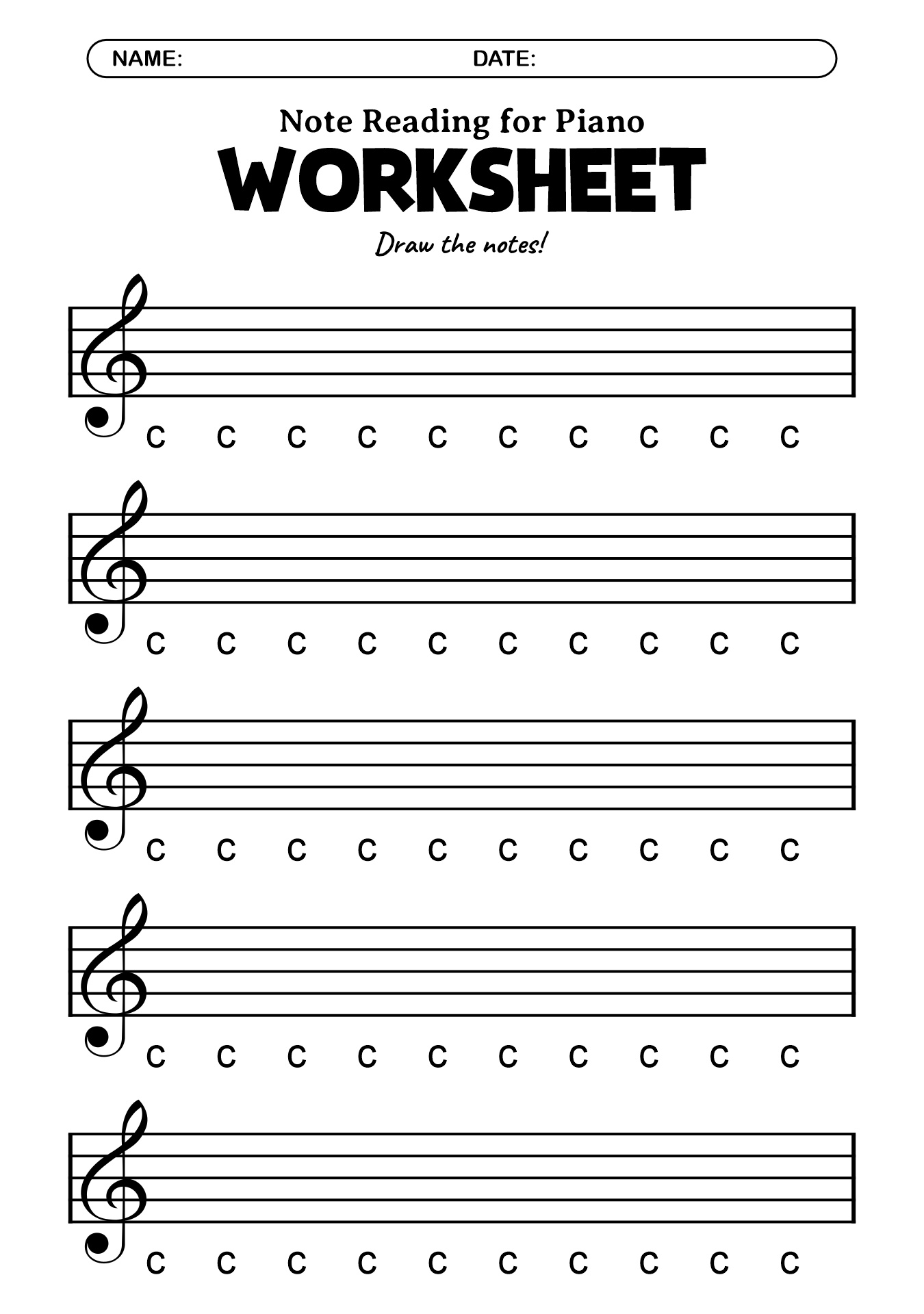
 Beginner Note Reading Worksheets for Piano
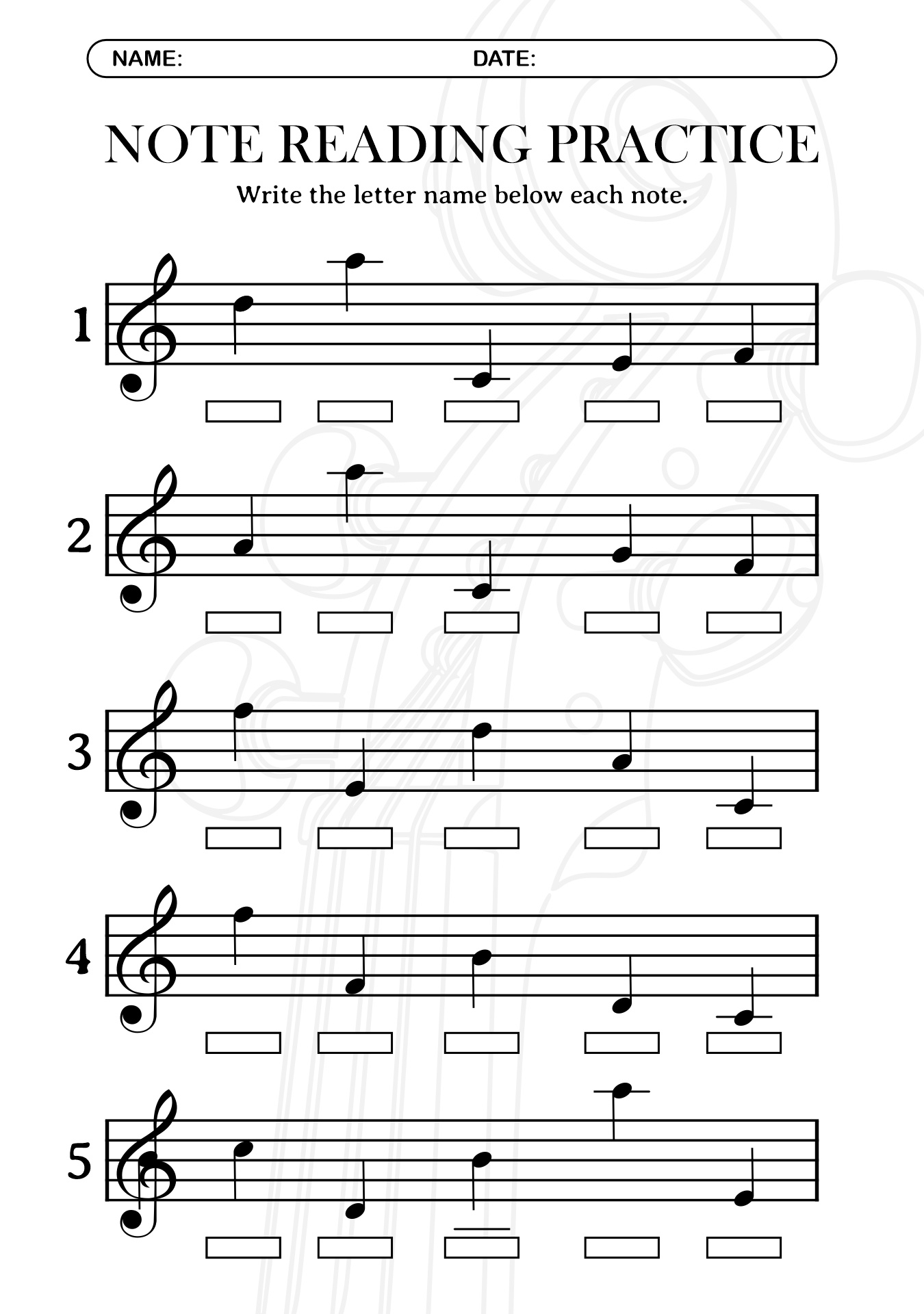
 Advanced Note Reading Practice Sheets for Violin
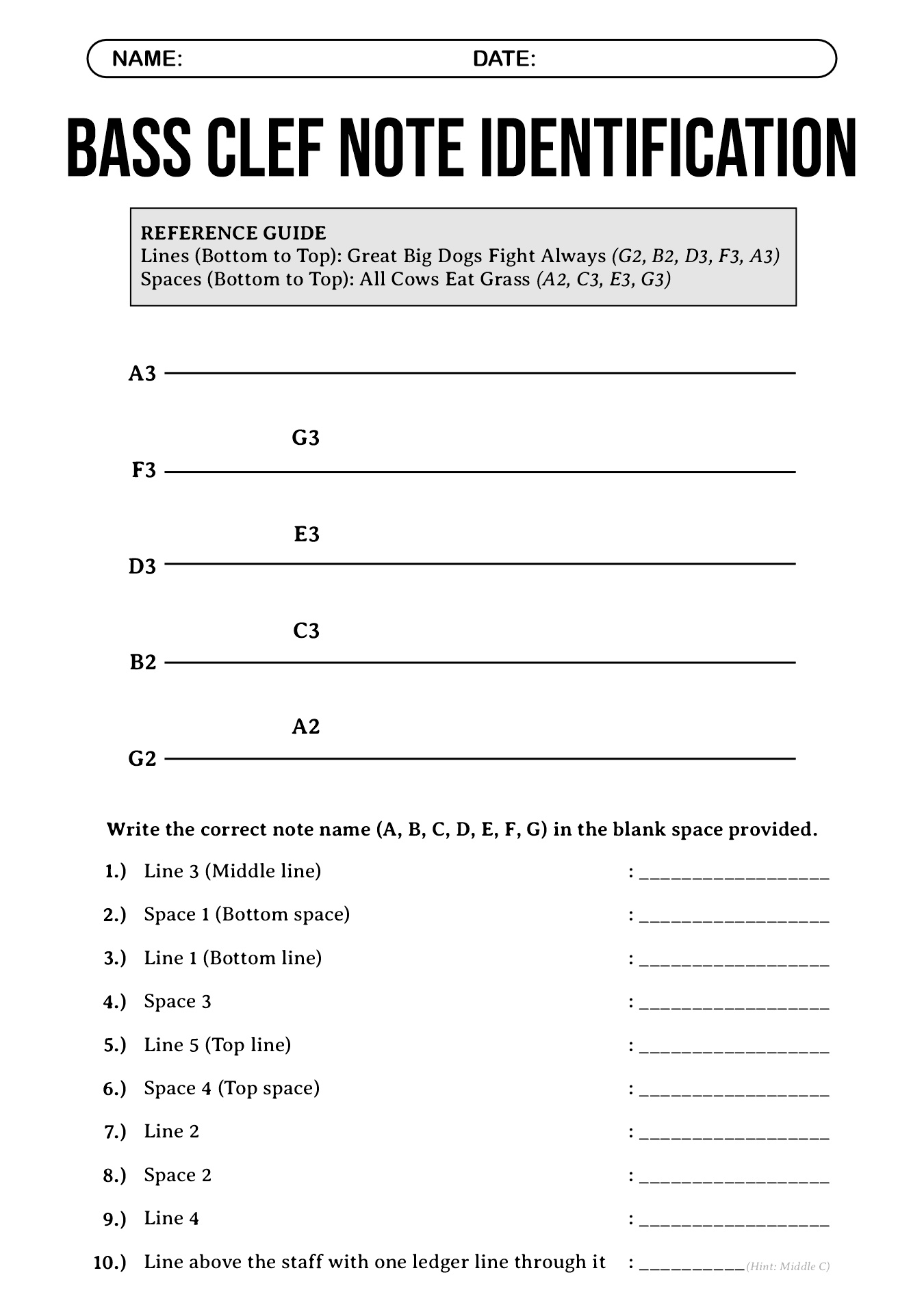
 Basic Music Theory Note Reading Worksheets
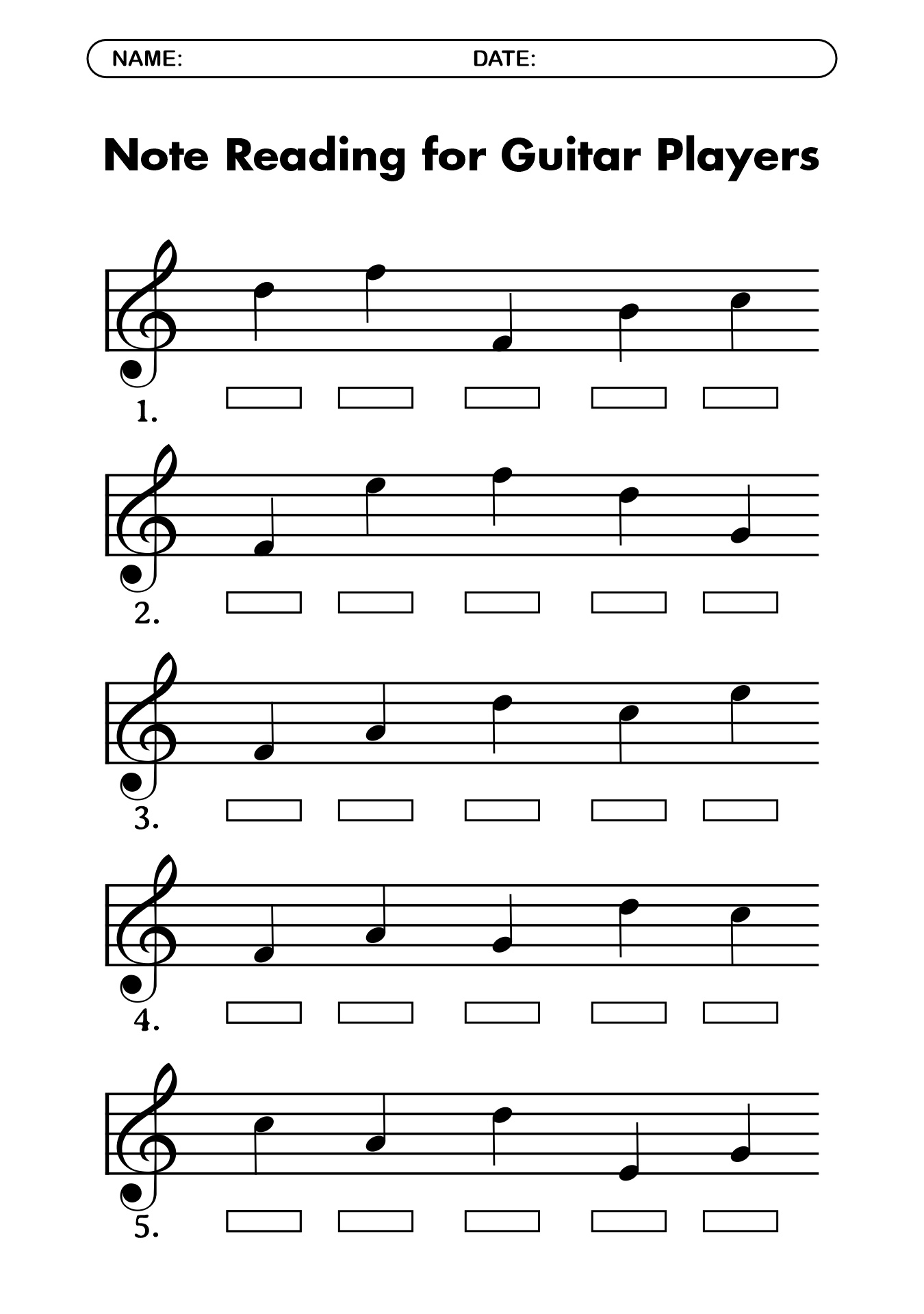
 Note Reading Worksheets for Guitar Players
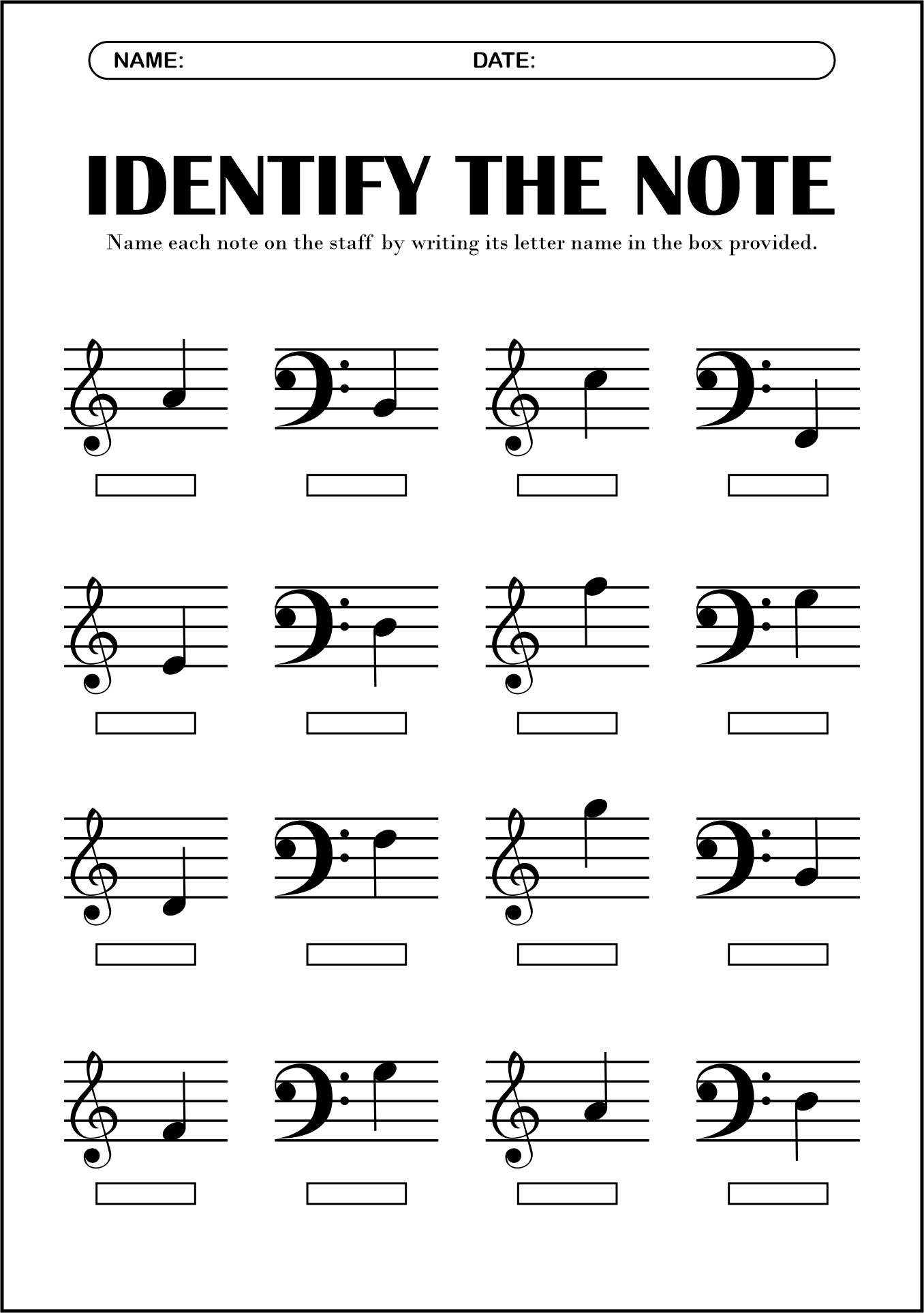
 Interactive Note Reading Worksheets for Students
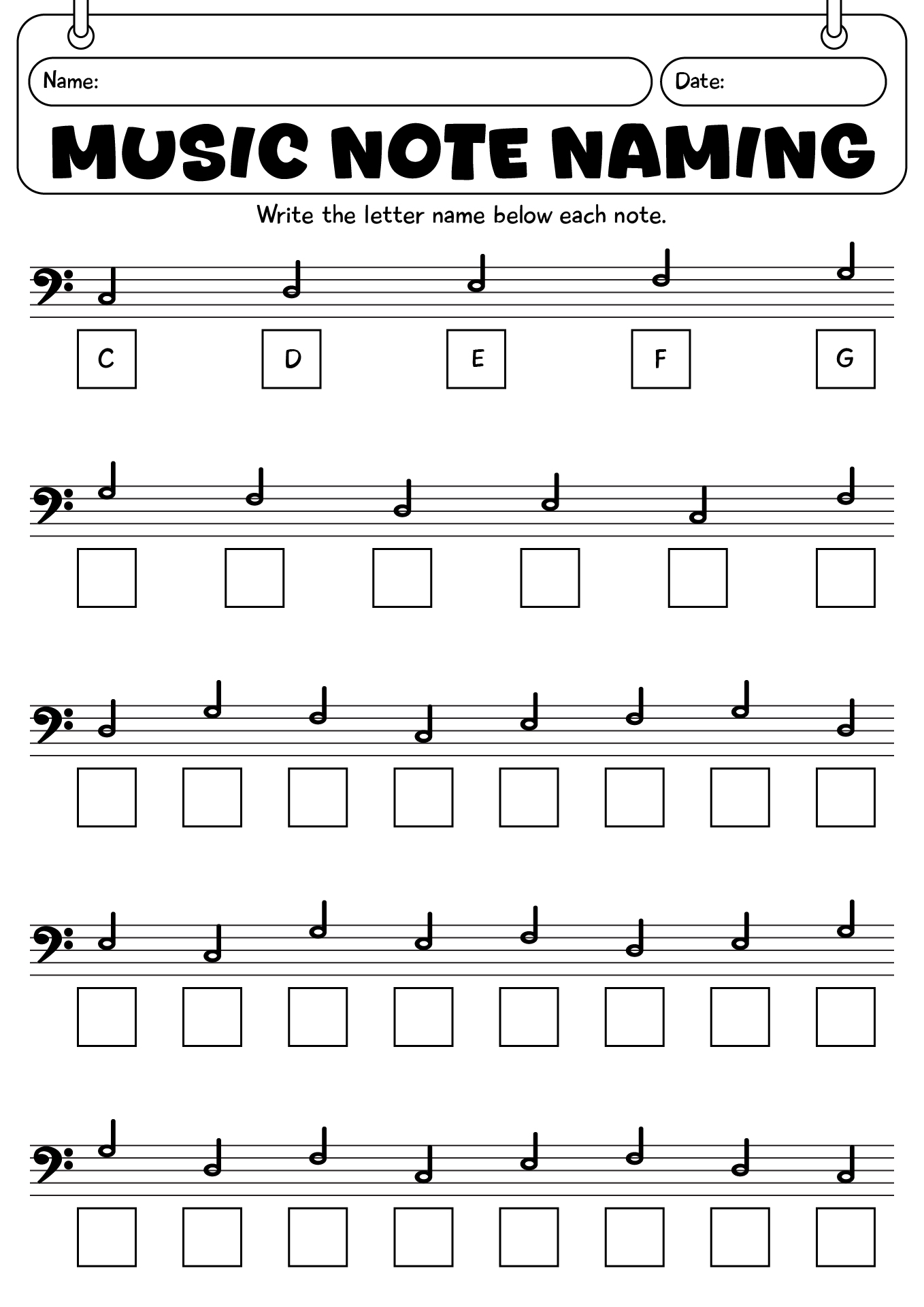
 Music Note Naming Worksheet
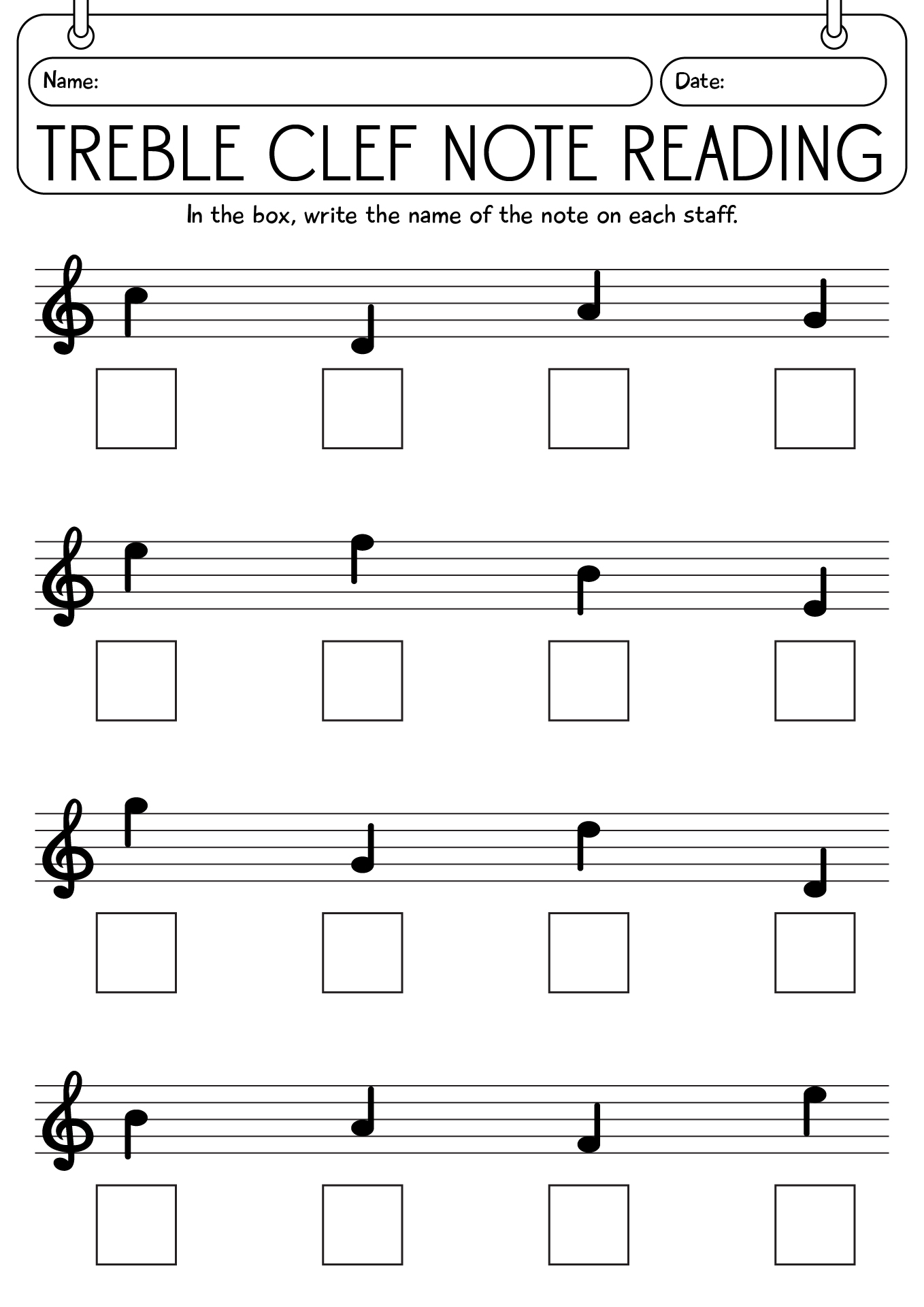
 Treble Clef Note Reading Worksheets
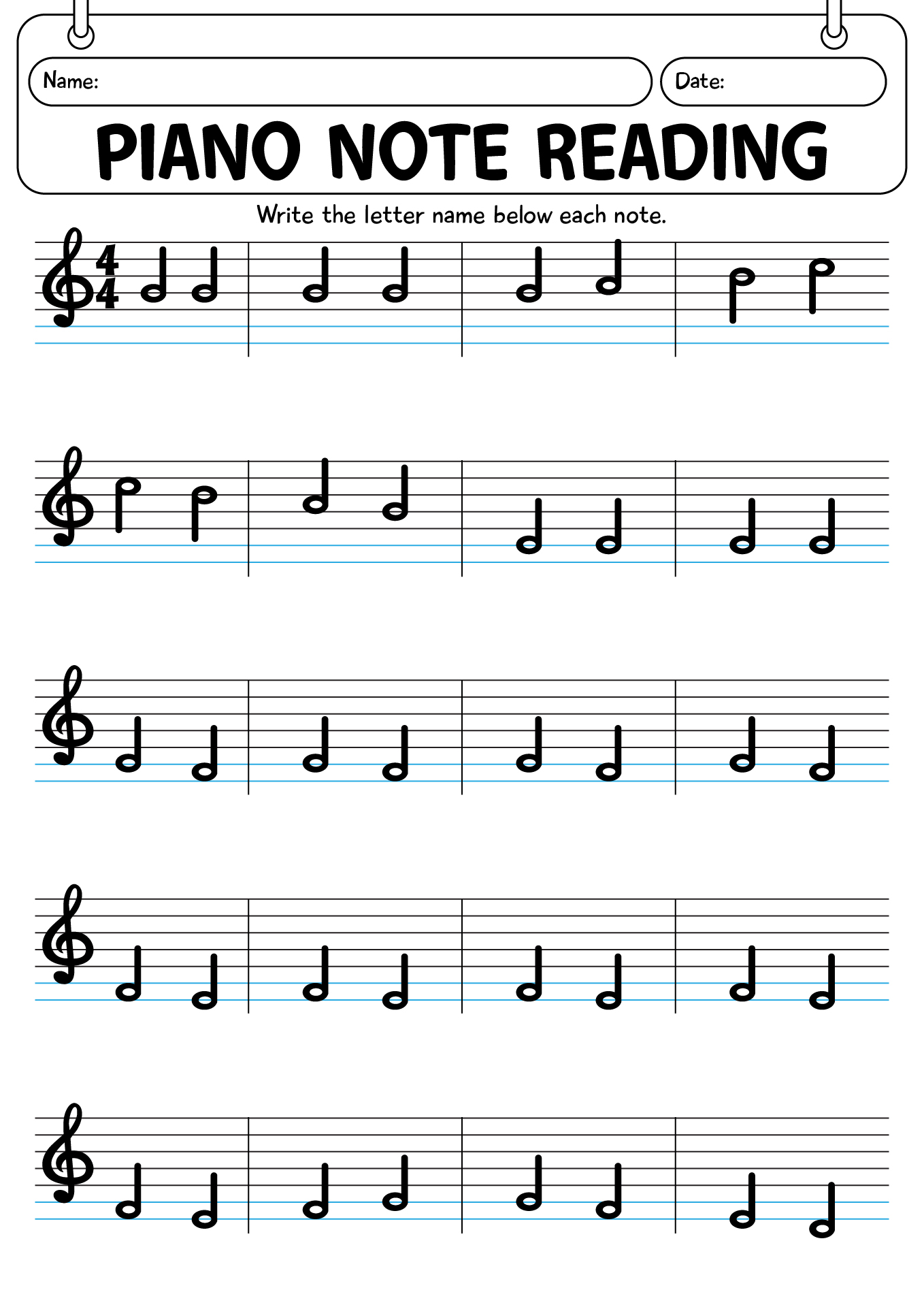
 Note Reading Worksheet For Piano
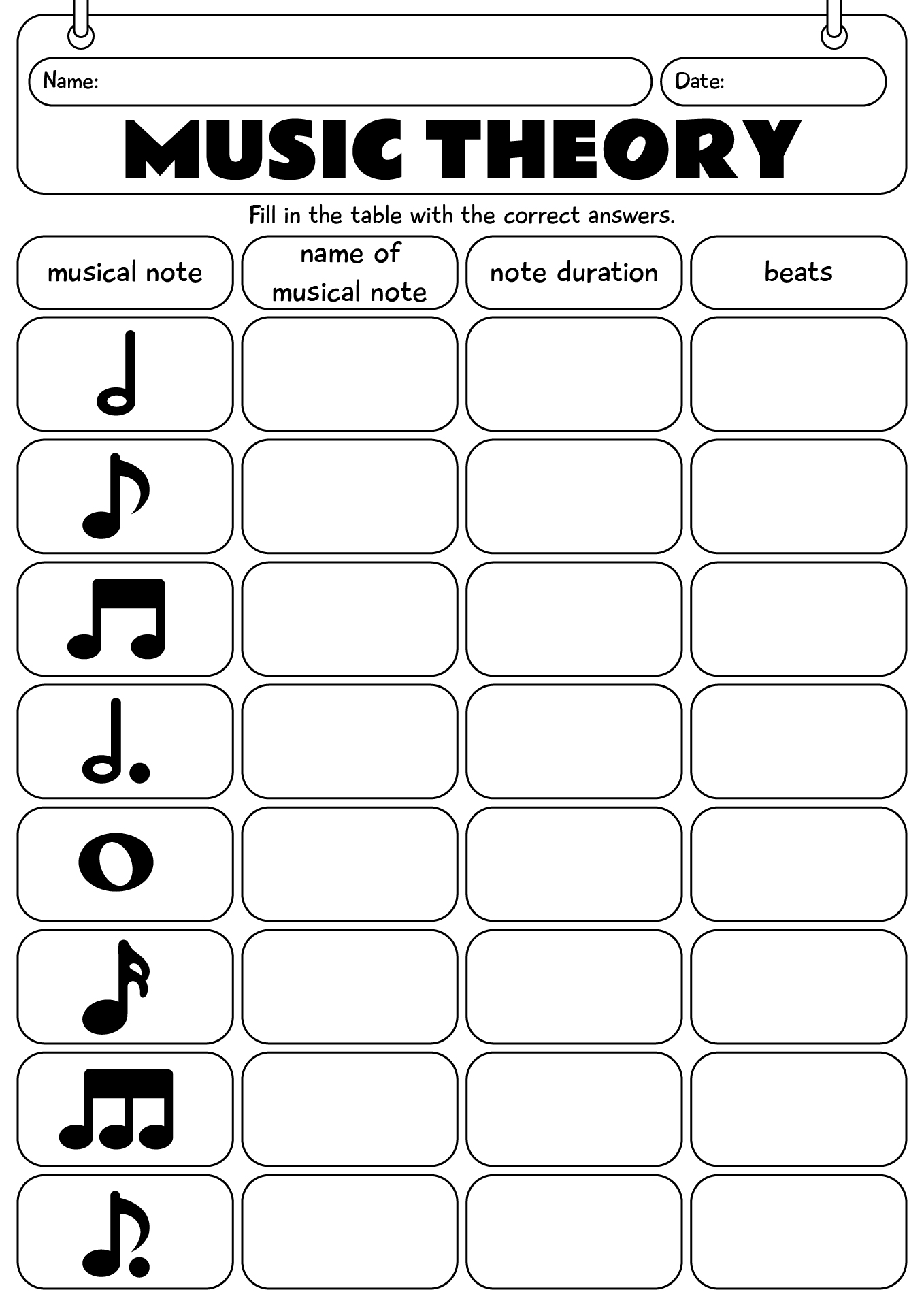
 Music Theory Worksheets For Students
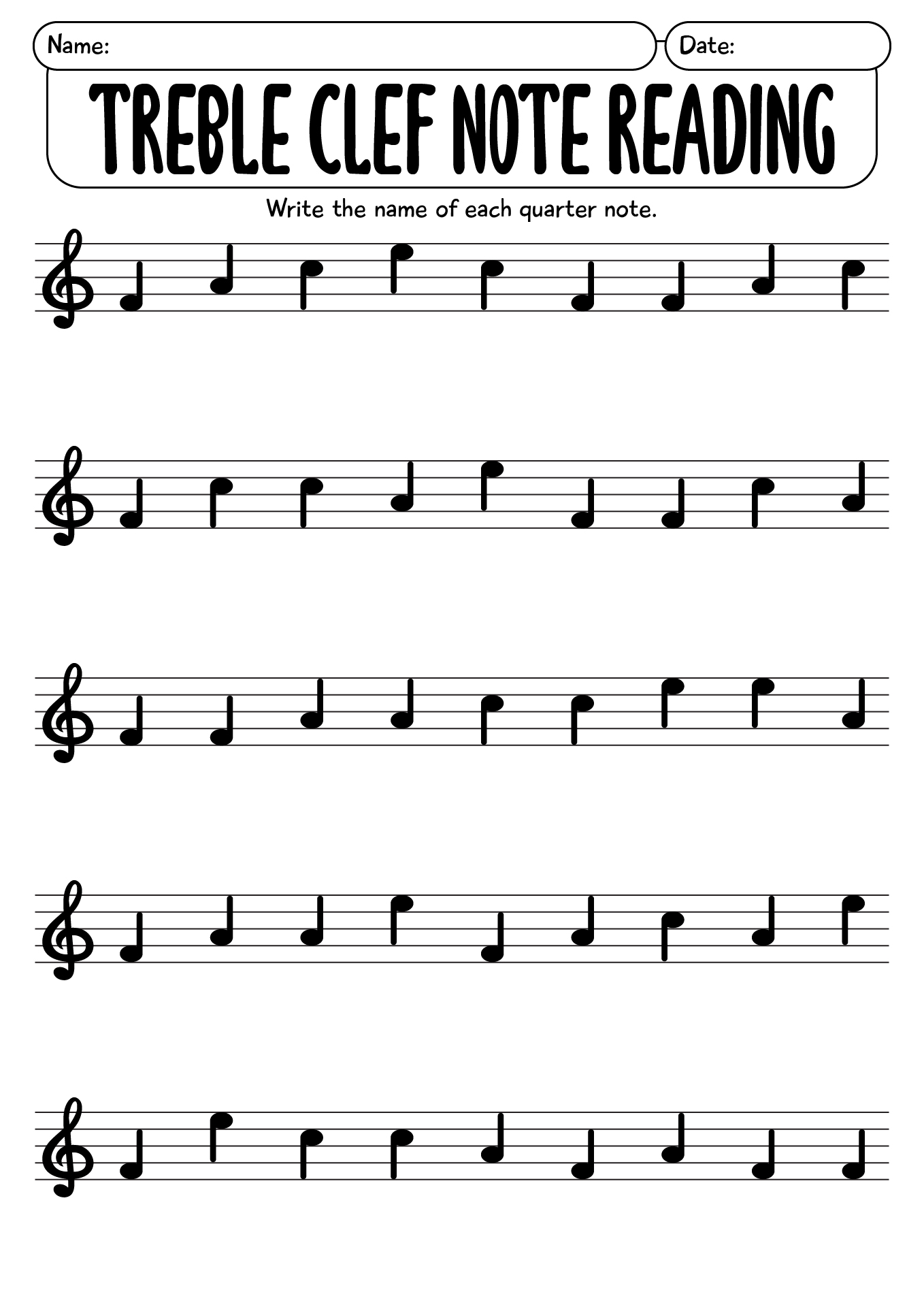
 Treble Clef Note Reading Music Worksheets
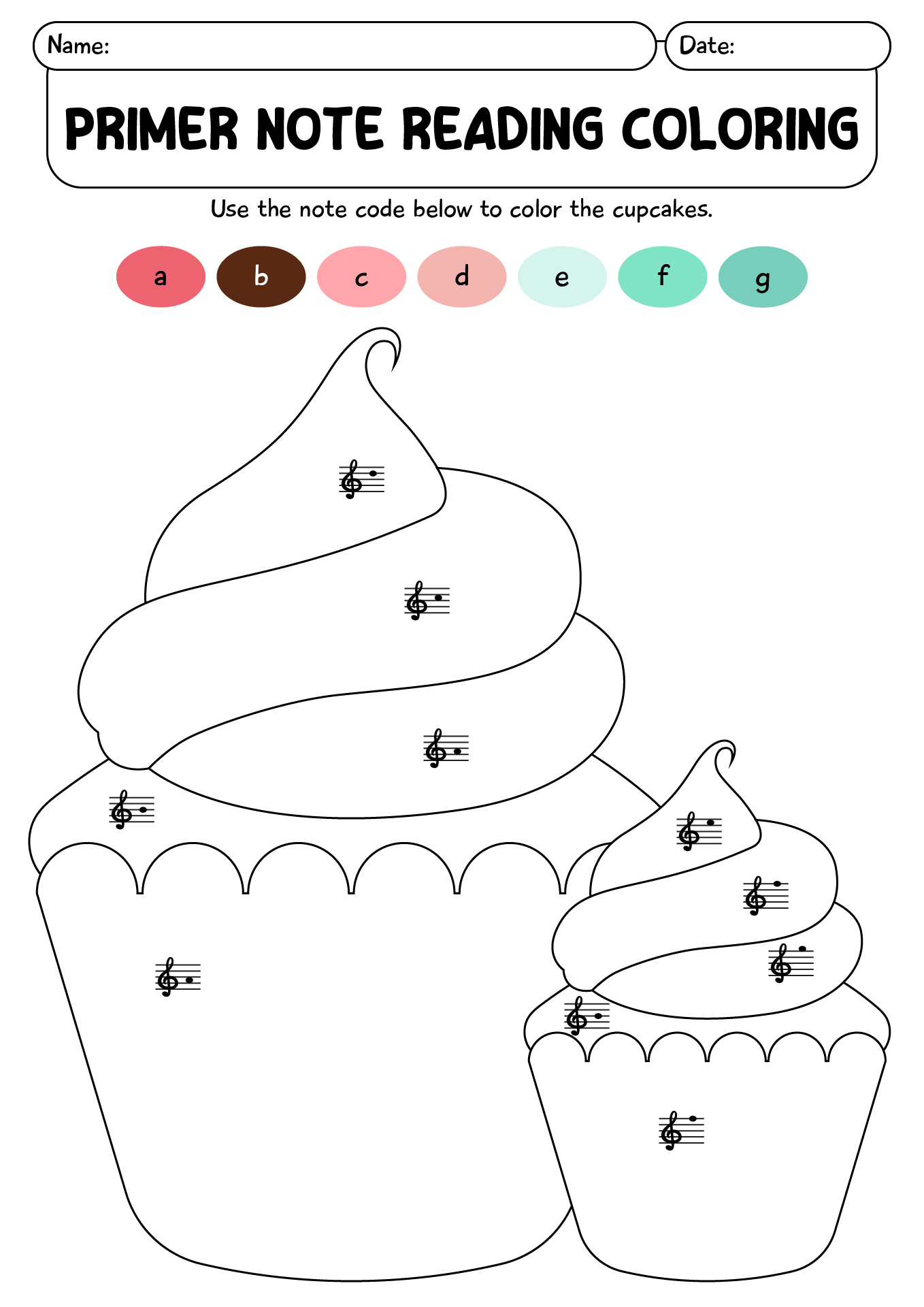
 Primer Note Reading Coloring Activity Worksheets
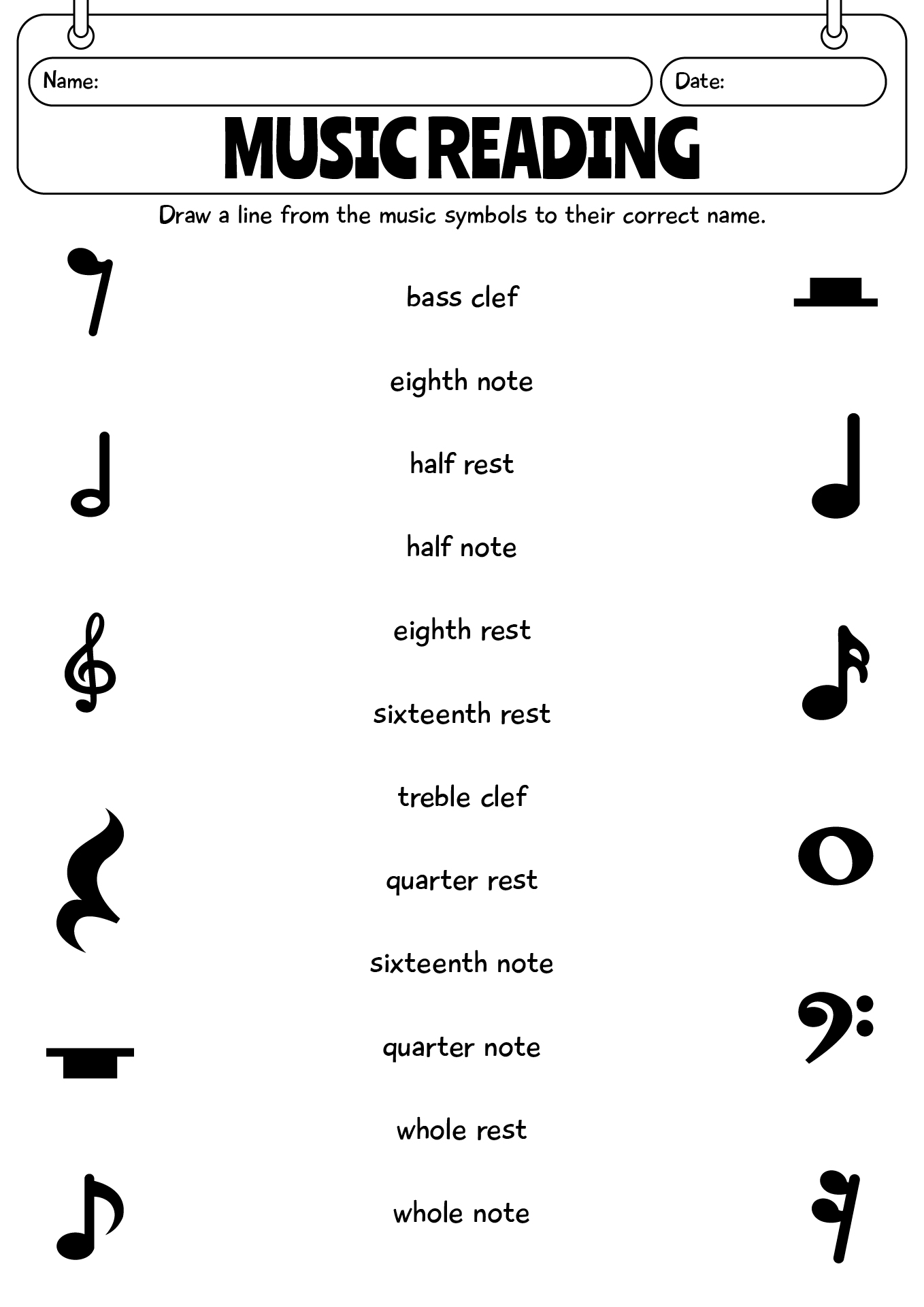
 Music Reading Practice Worksheets
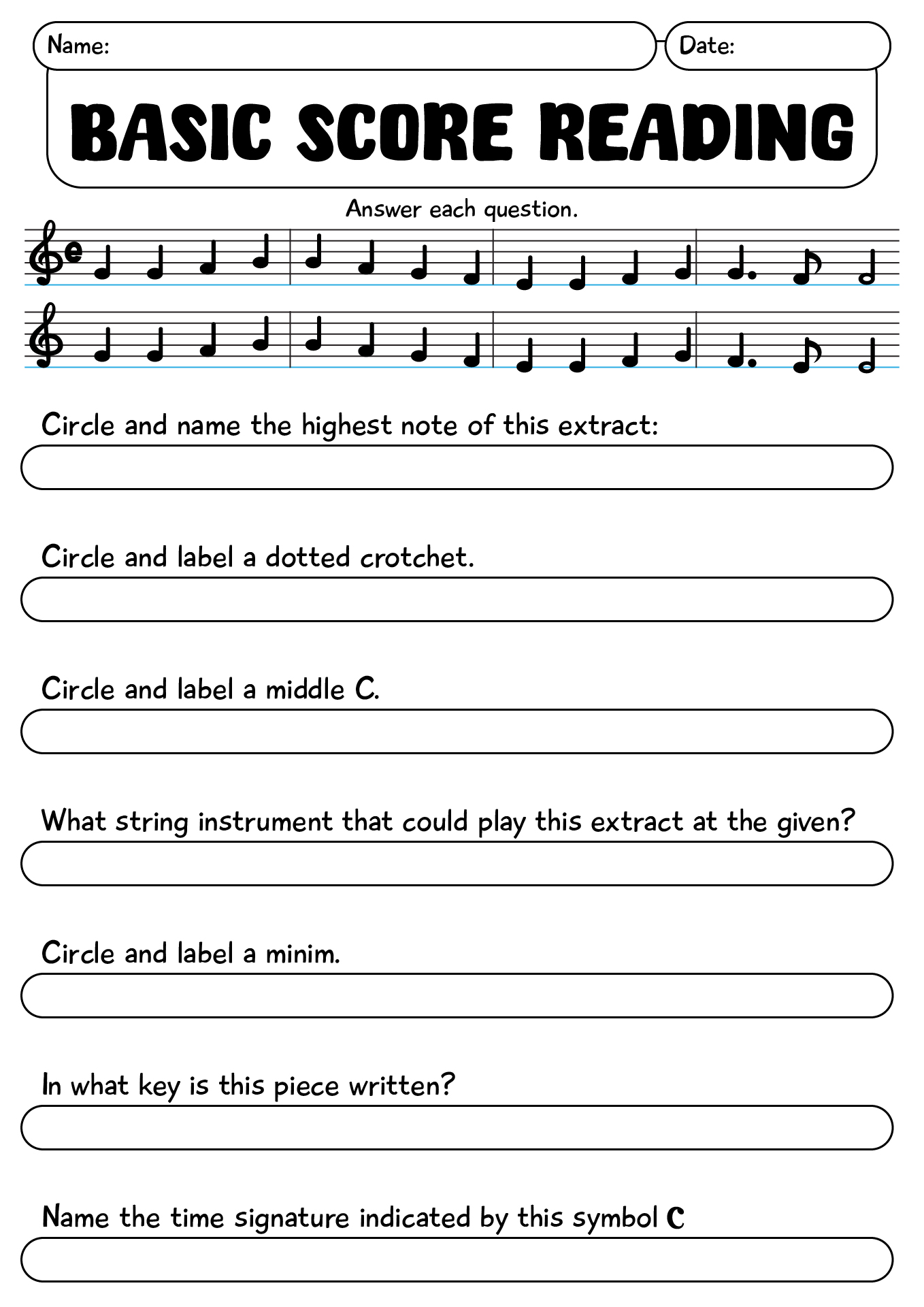
 Basic Score Reading Worksheets
More Other Worksheets
Kindergarten Worksheet My RoomSpanish Verb Worksheets
Spring Clothes Worksheet
For First Grade Phonics Worksheets
Hundreds Chart Missing Numbers Worksheet
Healthy Eating Plate Printable Worksheet
Cooking Vocabulary Worksheet
My Shadow Worksheet
Large Printable Blank Pyramid Worksheet
Relationship Circles Worksheet
How Do Note Reading Worksheets Introduce Kids to Musical Notes?
Before children can confidently read a piece of music, they need to become comfortable with the basic language used to represent sounds. This usually starts with recognizing notes and understanding where they appear on the musical staff.
For a beginner, those five lines and four spaces can look like nothing more than a collection of symbols. A worksheet can make the idea easier to approach by breaking it into smaller tasks. Instead of introducing several concepts at the same time, children can focus on identifying a note, remembering its name, and connecting the two.
This kind of gradual introduction is especially useful for younger learners who are still developing their visual memory. They can repeatedly see the same notes in different activities, helping the information become more familiar over time.
What Note Identification Activities Can Kids Find in These Note Reading Worksheets?
- Match: Children connect a note with its correct name. This is a simple way to strengthen the relationship between the symbol they see and the information they need to remember.
- Choose: Multiple-choice activities let children identify the correct answer from several options. This can be less overwhelming for beginners because they have a limited set of possibilities.
- Write: Children write note names themselves, giving them an opportunity to actively recall the information instead of simply recognizing it.
- Find: Kids may need to locate a particular note among several symbols. This encourages them to pay closer attention to visual differences.
- Complete: Fill-in-the-blank activities can encourage children to recall missing information while keeping the task straightforward.
What Musical Skills Can Children Practice With Note Reading Worksheets?
- Visual recognition: Kids learn to notice the position and appearance of different notes.
- Memory: Repeatedly connecting symbols with names can support recall.
- Concentration: Finding specific notes or completing exercises encourages children to pay attention to small details.
- Accuracy: Writing or selecting the correct note gives children immediate practice with precision.
- Music vocabulary: Children become more familiar with the terms used when talking about written music.
- Confidence: Successfully completing an activity can make unfamiliar music concepts feel more manageable.
These skills can be particularly useful for children who are learning an instrument. A child who is beginning piano, for example, may eventually need to recognize notes quickly while looking at sheet music. Someone learning another instrument may also need to understand written notes before they can comfortably play a new piece.
However, worksheets don’t need to replace actual instrument practice. They can work alongside it.
An adult might spend part of a lesson playing notes and another part completing a printable activity related to those notes. This gives children a chance to connect what they hear, see, and play.
Want to Find an Easy Way to Practice Musical Notes With Kids?
Absolutely! You can find the Note Reading Worksheets templates you need right here in this article.
Maybe your student is just beginning to recognize notes. Perhaps your child needs extra practice identifying symbols on the staff. Or maybe you simply want a quiet music-related activity to add to the day. There are different situations where our free note reading practice worksheet can come in handy.
When choosing a template, consider what the child needs most right now:
- For beginners: Choose a straightforward activity with simple note identification tasks.
- For review: Look for pages that revisit concepts the child has already learned.
- For independent work: Pick an activity with clear instructions that the child can follow with minimal help.
- For classroom use: Consider Note Reading Worksheets that can be easily printed for several students.
- For extra practice: Choose a worksheet that reinforces a skill the child is still working on.
Once you find a note reading worksheet template that looks suitable, downloading it is simple. Just select the worksheet you want and click the PDF or JPG icon displayed on that template. You can then print the file and use it for your next learning session.
What Makes Our Note Reading Worksheets Helpful for Beginners?
Our Free Note Reading Worksheets are created to give beginners a more approachable way to work with musical notes. Instead of relying entirely on explanations, children can interact with the material through practical exercises that encourage them to look, think, identify, and respond.
Another helpful aspect is that printable resources can be revisited. If a child doesn’t understand something the first time, there’s no need to treat that as failure. Simply try another activity later and see whether the concept feels more familiar.
Adults can make the experience even more supportive by keeping the atmosphere relaxed. Celebrate correct answers, talk through mistakes, and let children take their time. A few minutes of positive practice can be more productive than a long session that leaves them frustrated.
Most importantly, remember that learning to read music is a process. Children may need time to recognize notes automatically, and that’s perfectly okay. Small steps can eventually build into stronger music-reading skills.


Have something to share?
Popular Categories
Who is Worksheeto?
At Worksheeto, we are committed to delivering an extensive and varied portfolio of superior quality worksheets, designed to address the educational demands of students, educators, and parents.


Comments