
Group Therapy Worksheets Relationship
Relationships are rarely simple. Whether it’s between friends, family members, students, or partners, there are always layers: emotions, expectations, and sometimes unspoken tensions. This is where Group Therapy Worksheets for Relationships step in, gently guiding everyone toward better understanding and healthier bonds!
Instead of guessing what went wrong or struggling to express what you feel, these worksheets offer a structured way to explore it together. Even better, using printable formats like relationship worksheets PDF makes it easy to bring these moments into real-life settings (classrooms, therapy groups, or even small circles at home). Sometimes, all it takes is one guided question to shift a conversation from surface-level to something real, honest, and actually healing.
Table of Images 👆
- Group Therapy Worksheets for Couples Communication
- Family Dynamics Group Therapy Worksheets
- Worksheets on Trust Building in Group Therapy
- Emotional Intimacy Group Therapy Worksheets
- Conflict Resolution Worksheets for Therapy Groups
- Group Therapy Exercises for Couples Communication
- Relationship Building Activities for Group Counseling
- Trust-Building Worksheets for Relationship Therapy Groups
- Effective Communication Skills Handouts for Group Therapy
- Relationship Therapy Worksheets
- Relationship Building Worksheet
- Relationship Growth Activity Worksheet
- Healthy Relationship Worksheets
- Couples Therapy Worksheets
 14 Images of Group Therapy Worksheets Relationship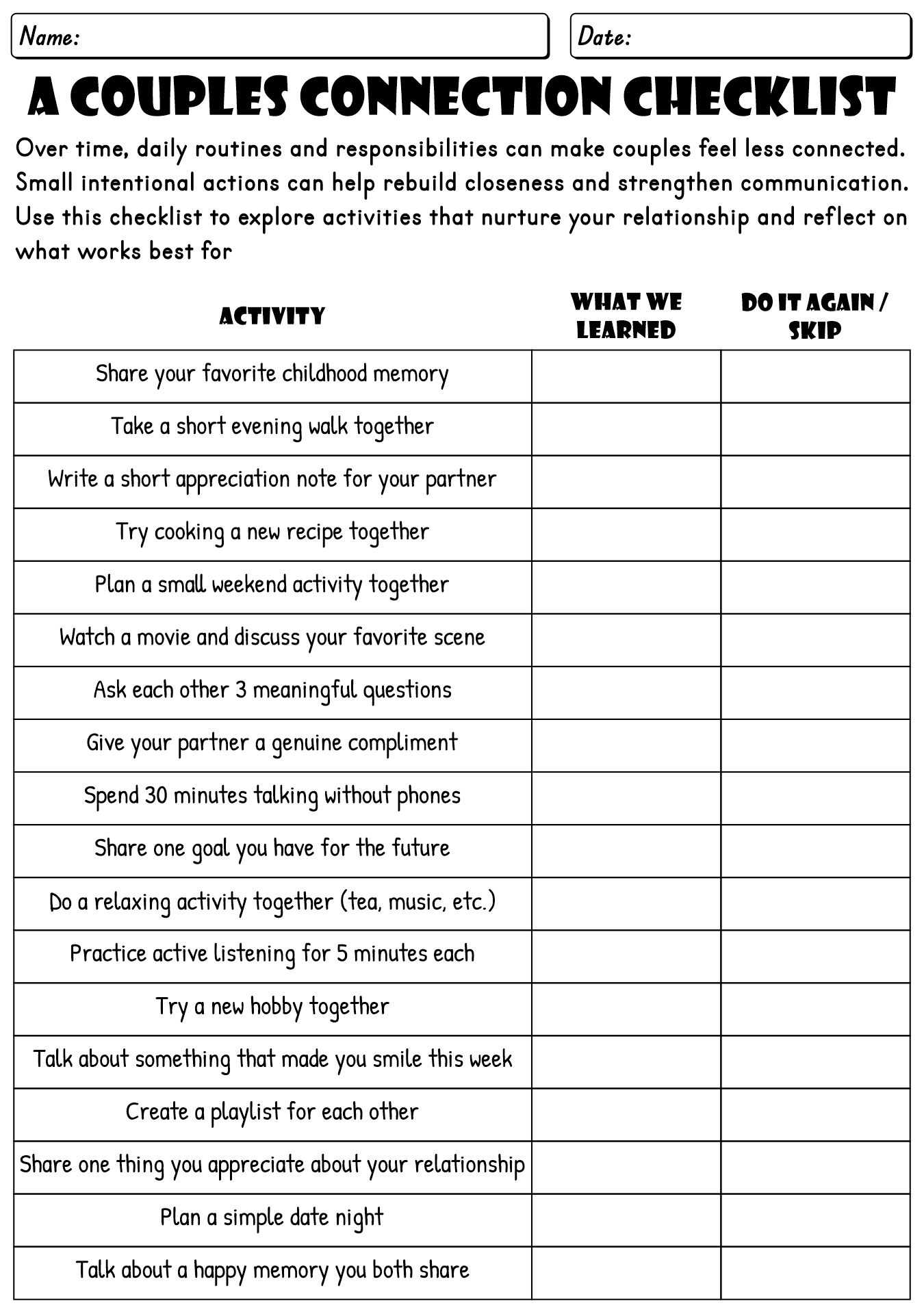
 Group Therapy Worksheets for Couples Communication
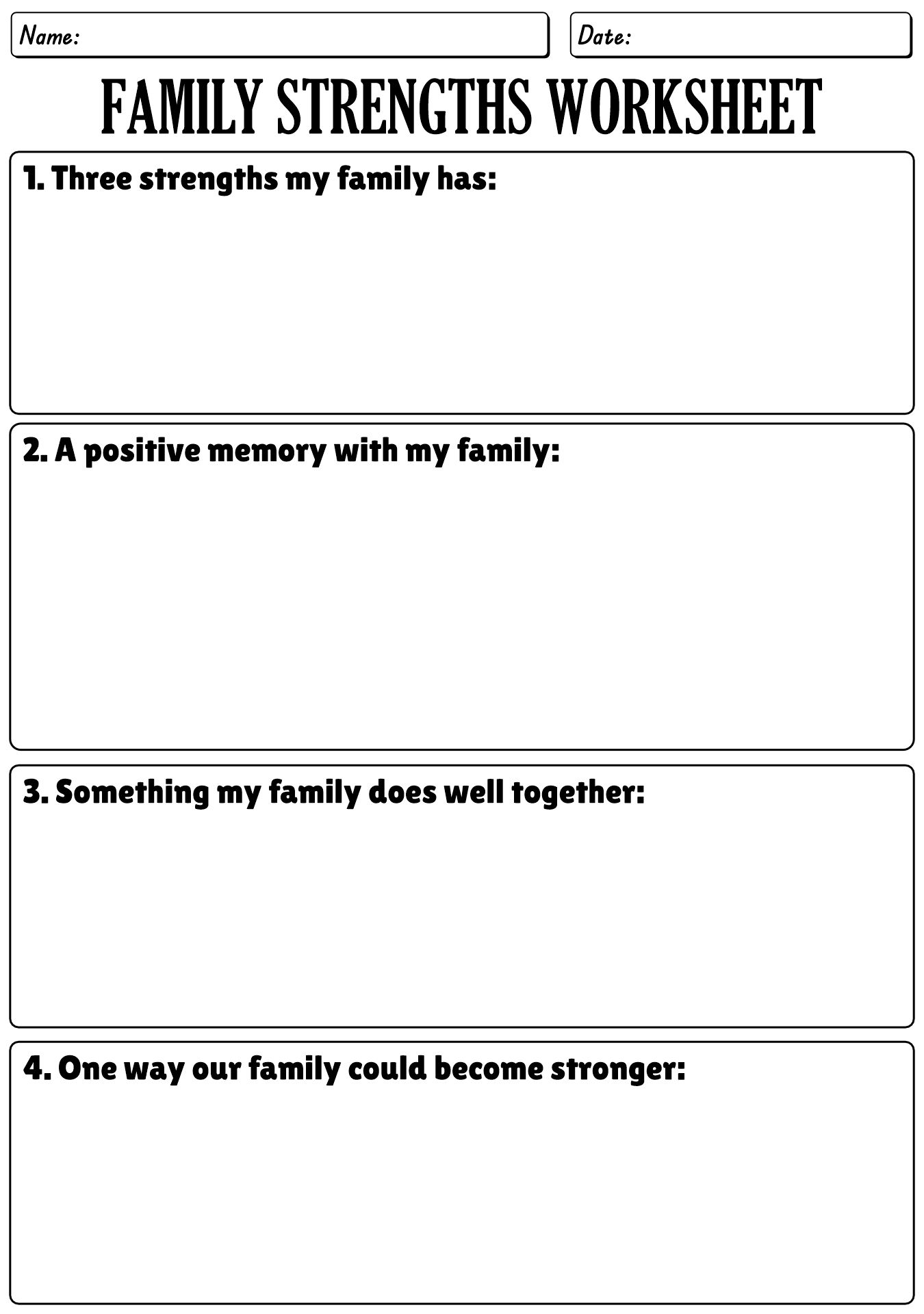
 Family Dynamics Group Therapy Worksheets
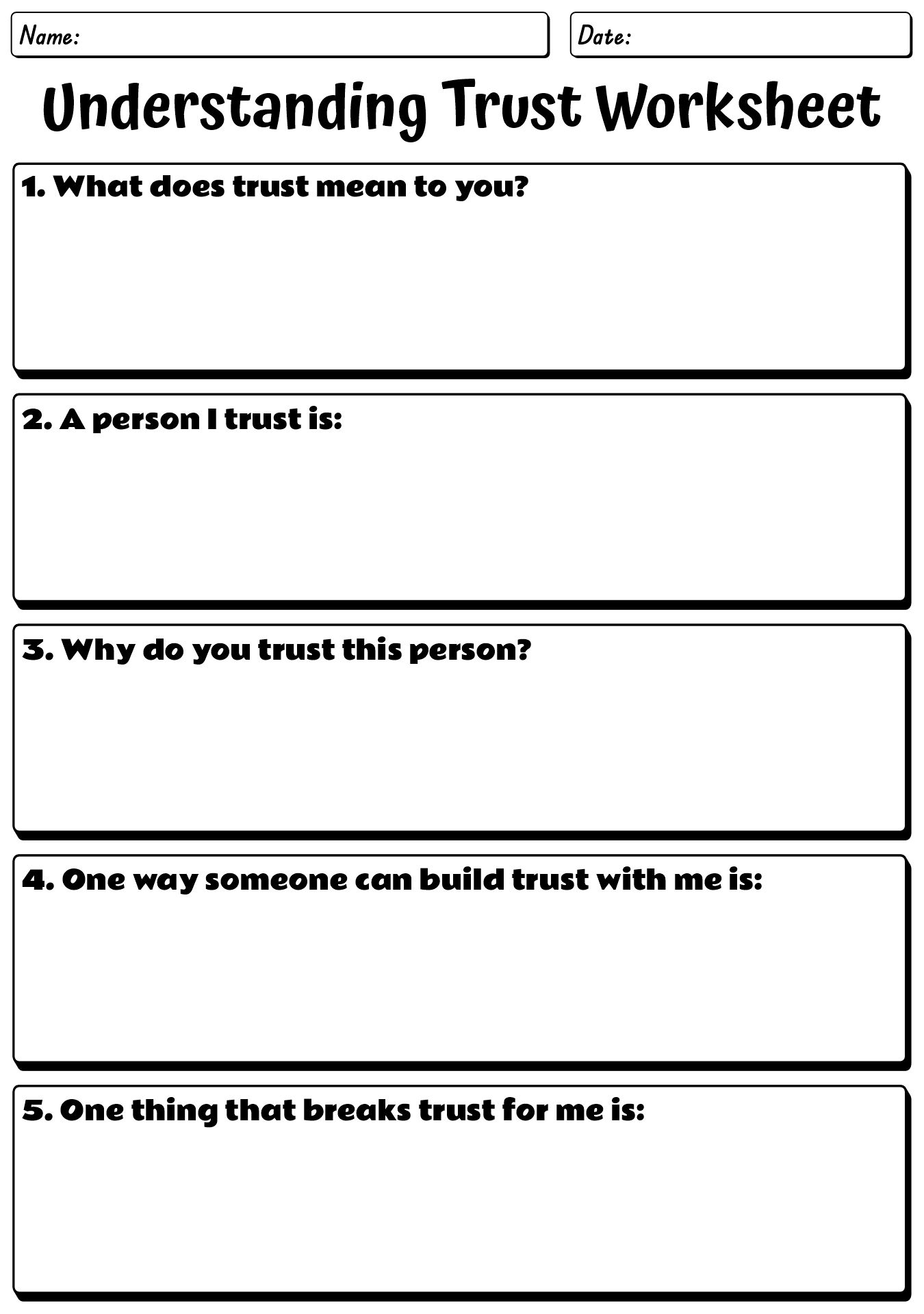
 Worksheets on Trust Building in Group Therapy
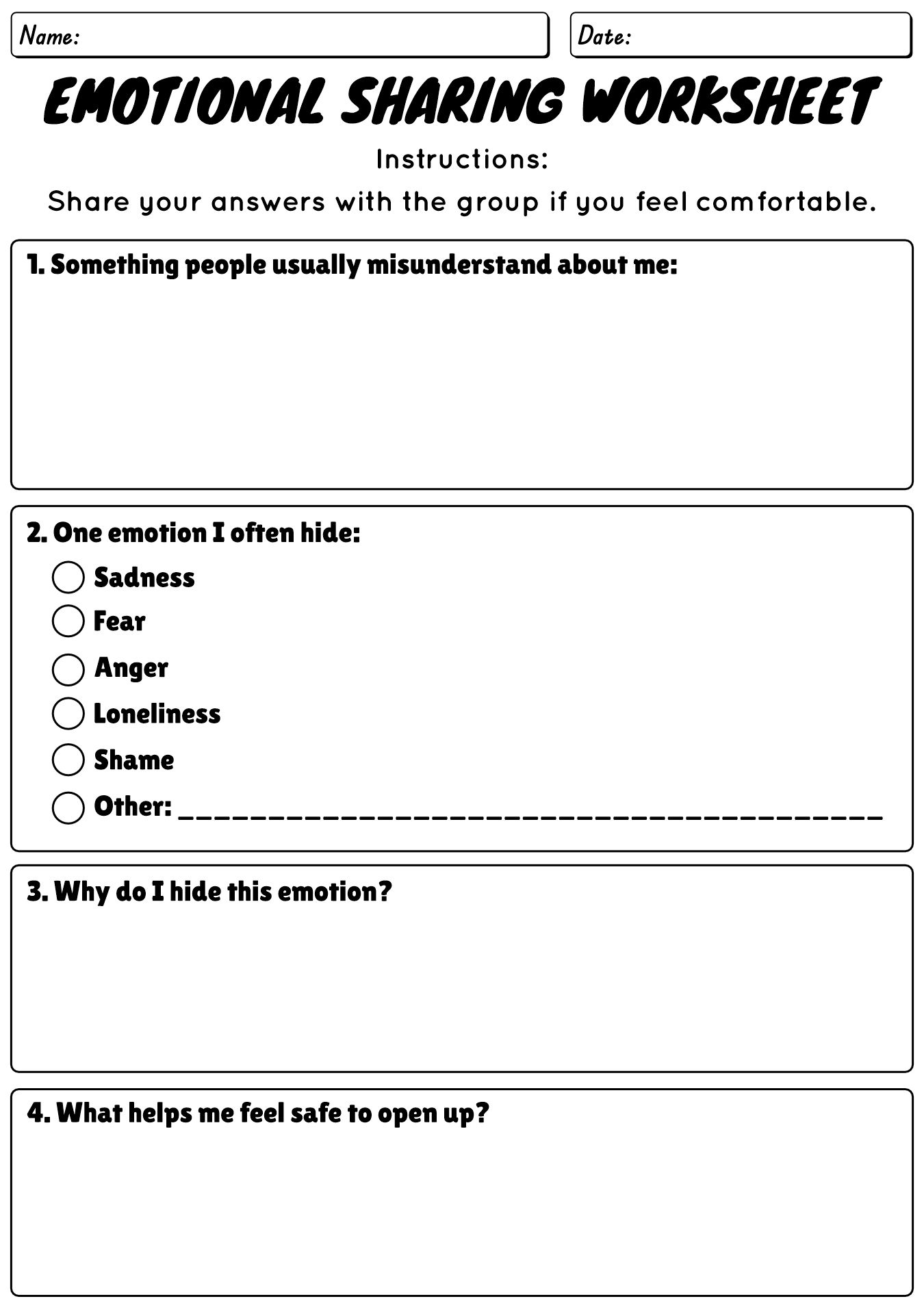
 Emotional Intimacy Group Therapy Worksheets
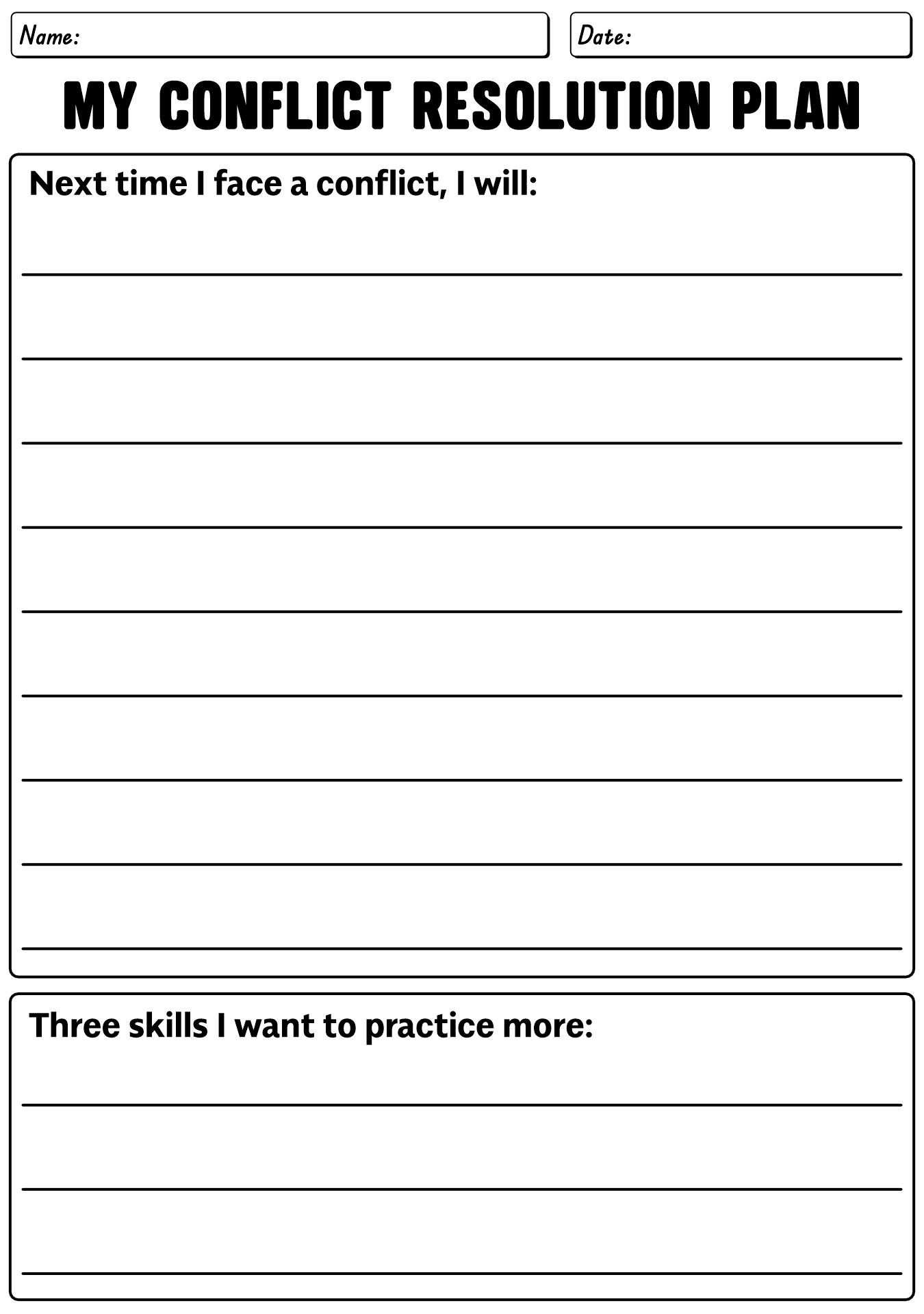
 Conflict Resolution Worksheets for Therapy Groups
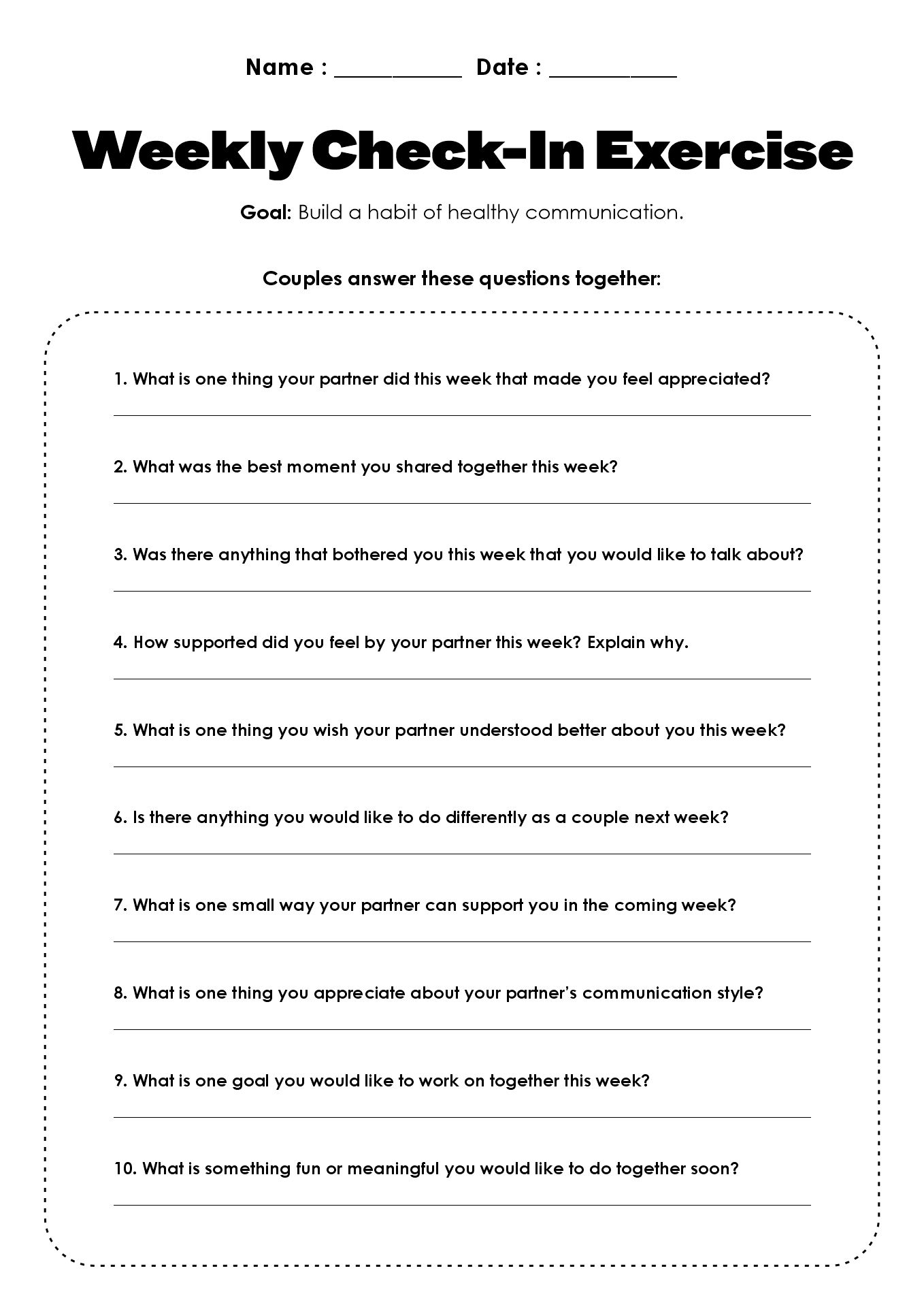
 Group Therapy Exercises for Couples Communication
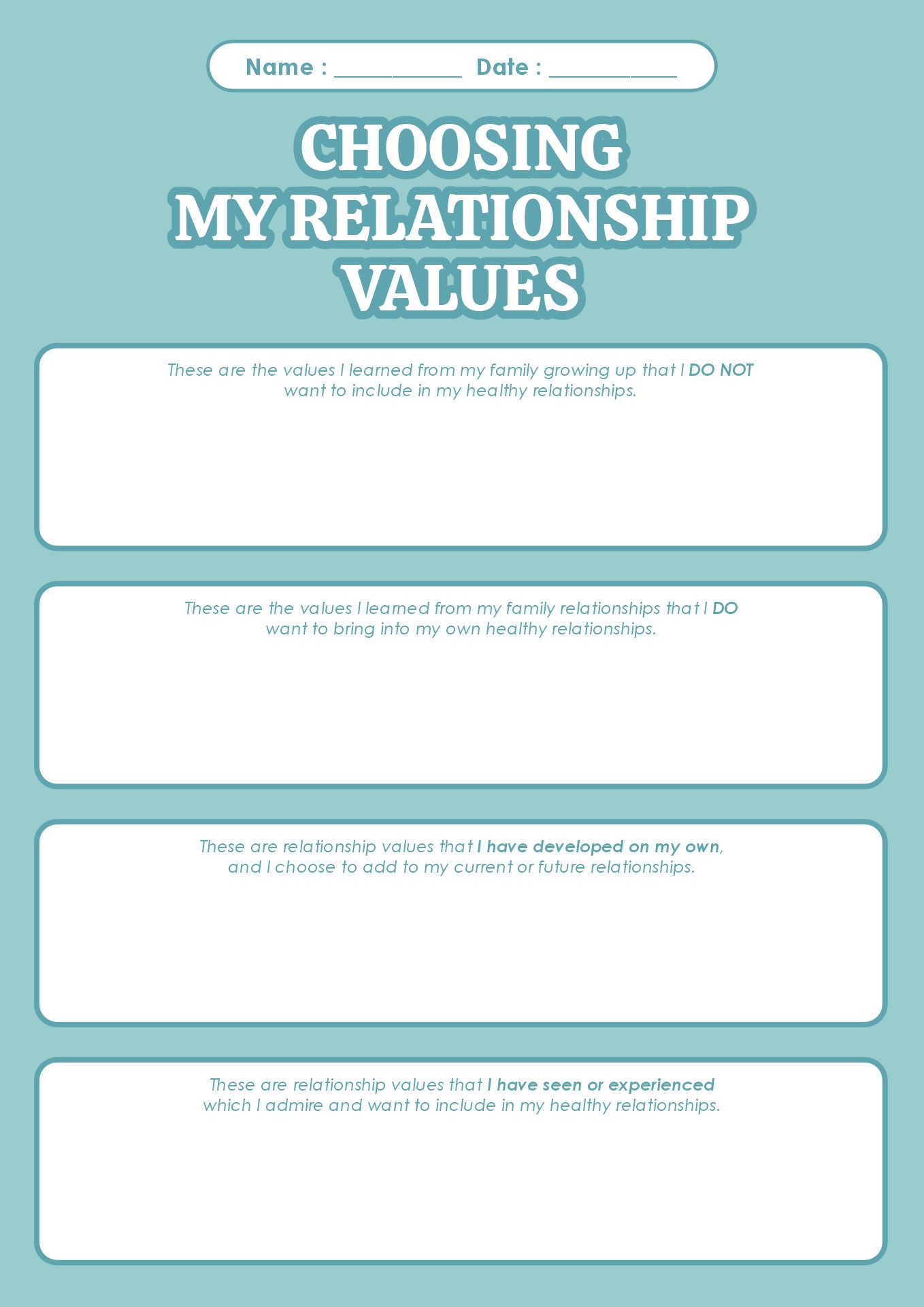
 Relationship Building Activities for Group Counseling
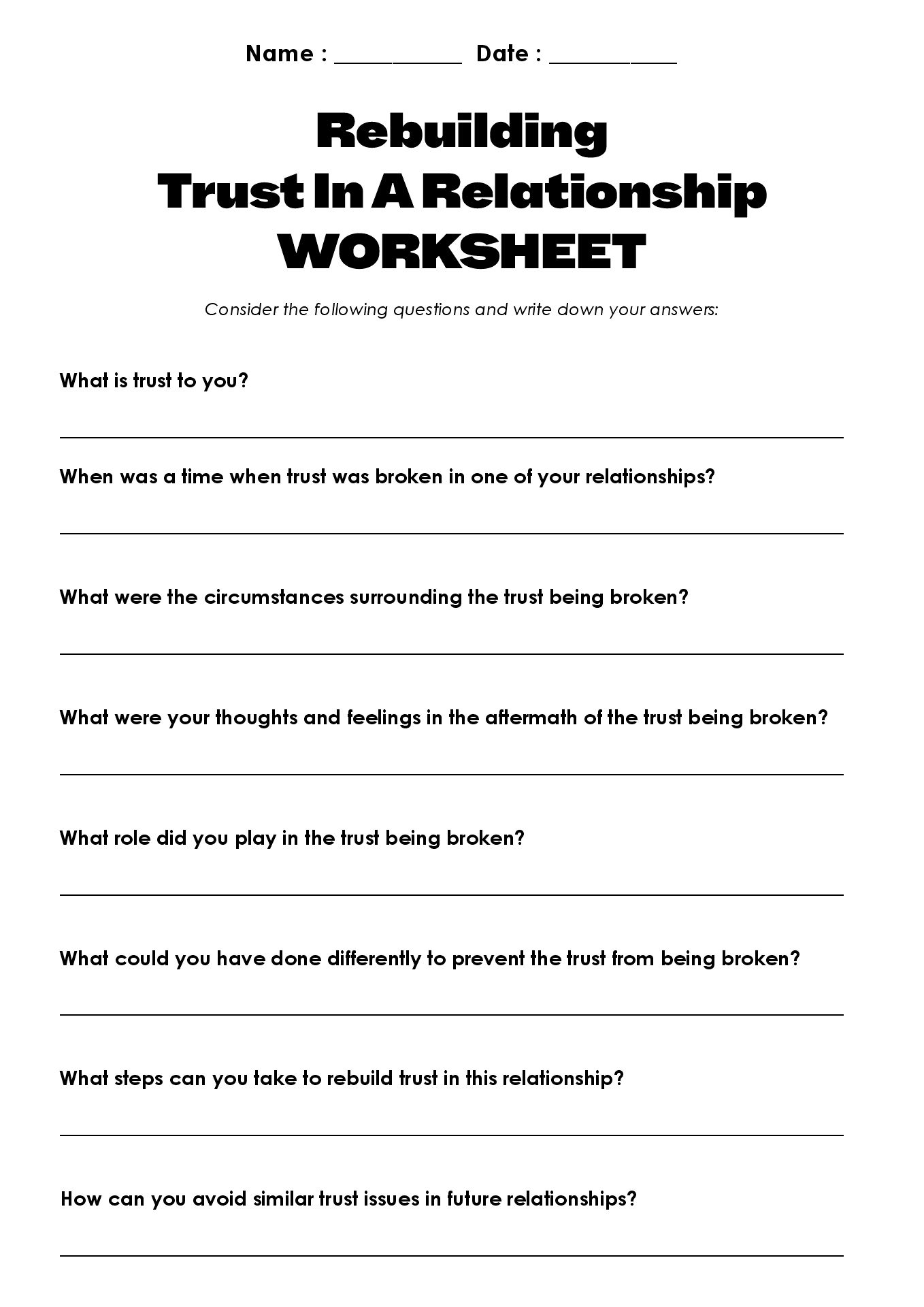
 Trust-Building Worksheets for Relationship Therapy Groups
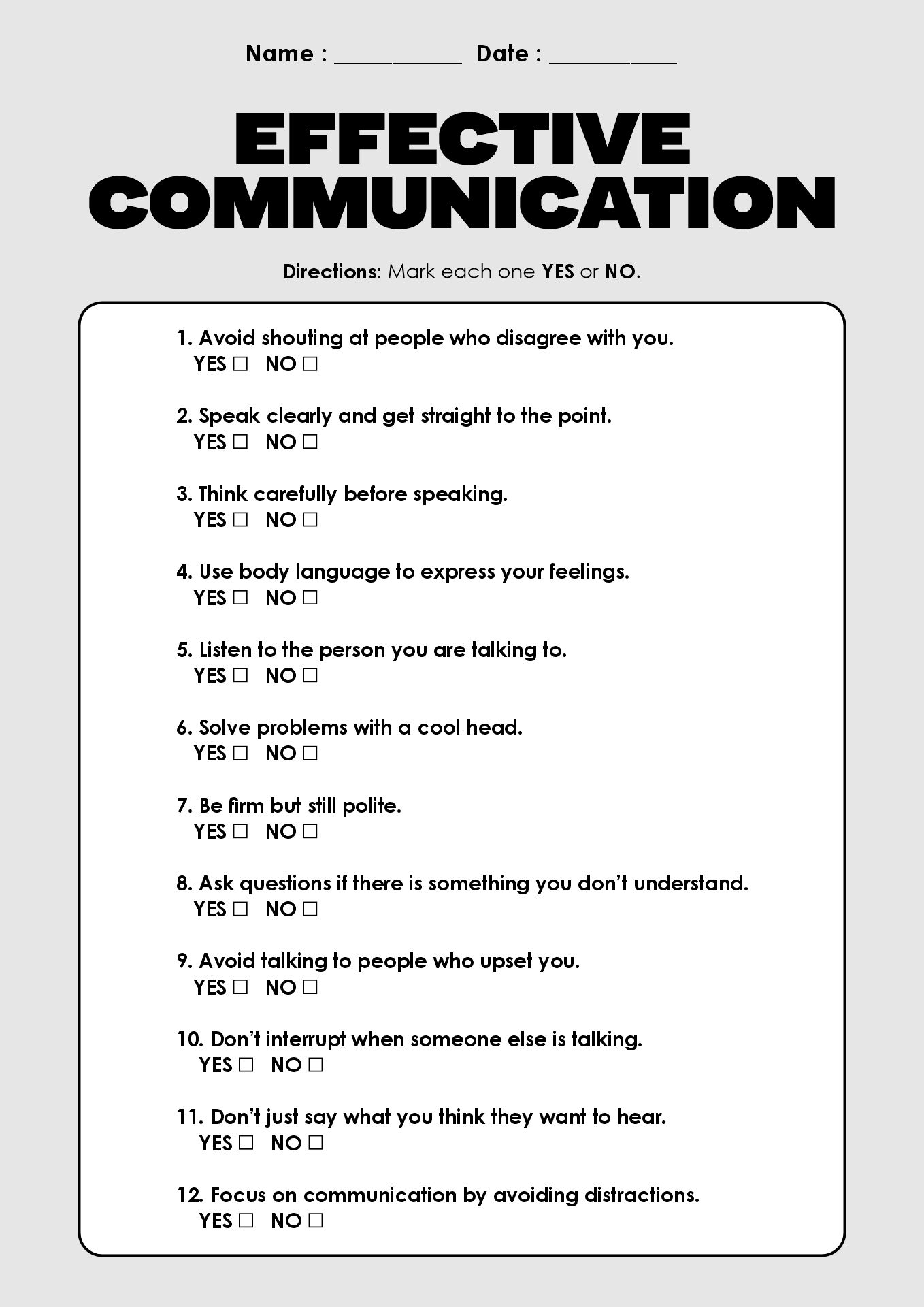
 Effective Communication Skills Handouts for Group Therapy
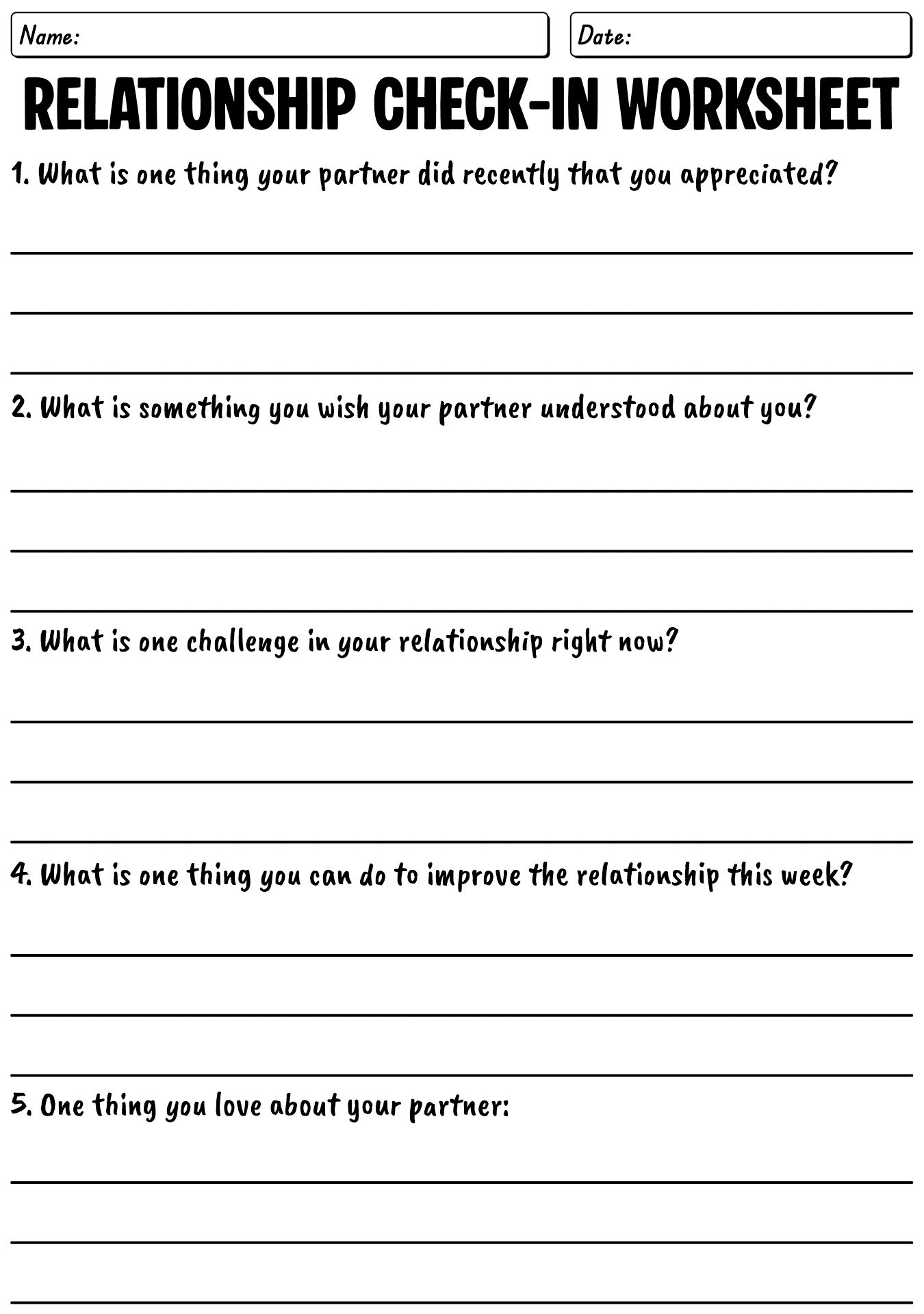
 Relationship Therapy Worksheets
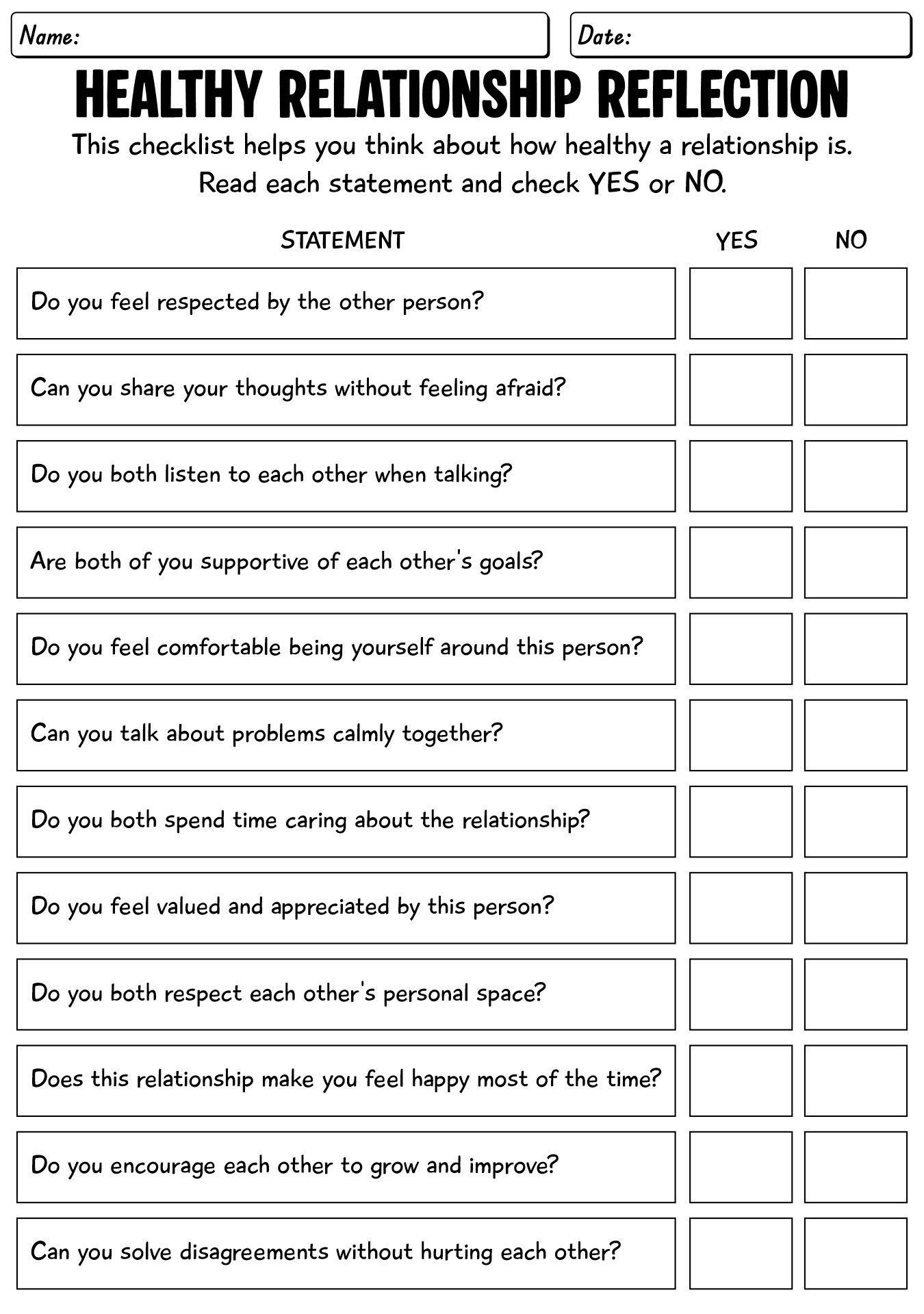
 Relationship Building Worksheet
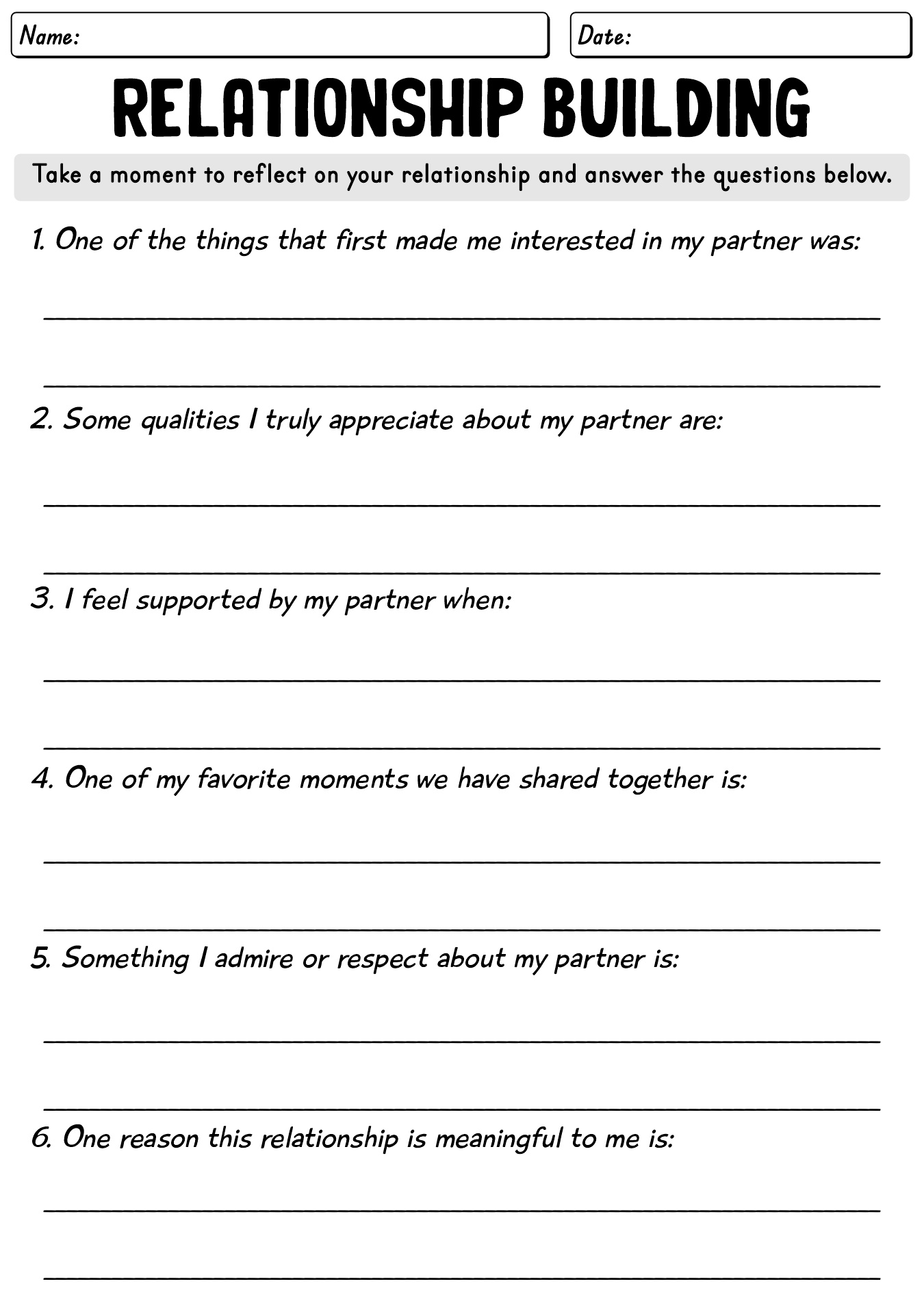
 Relationship Growth Activity Worksheet
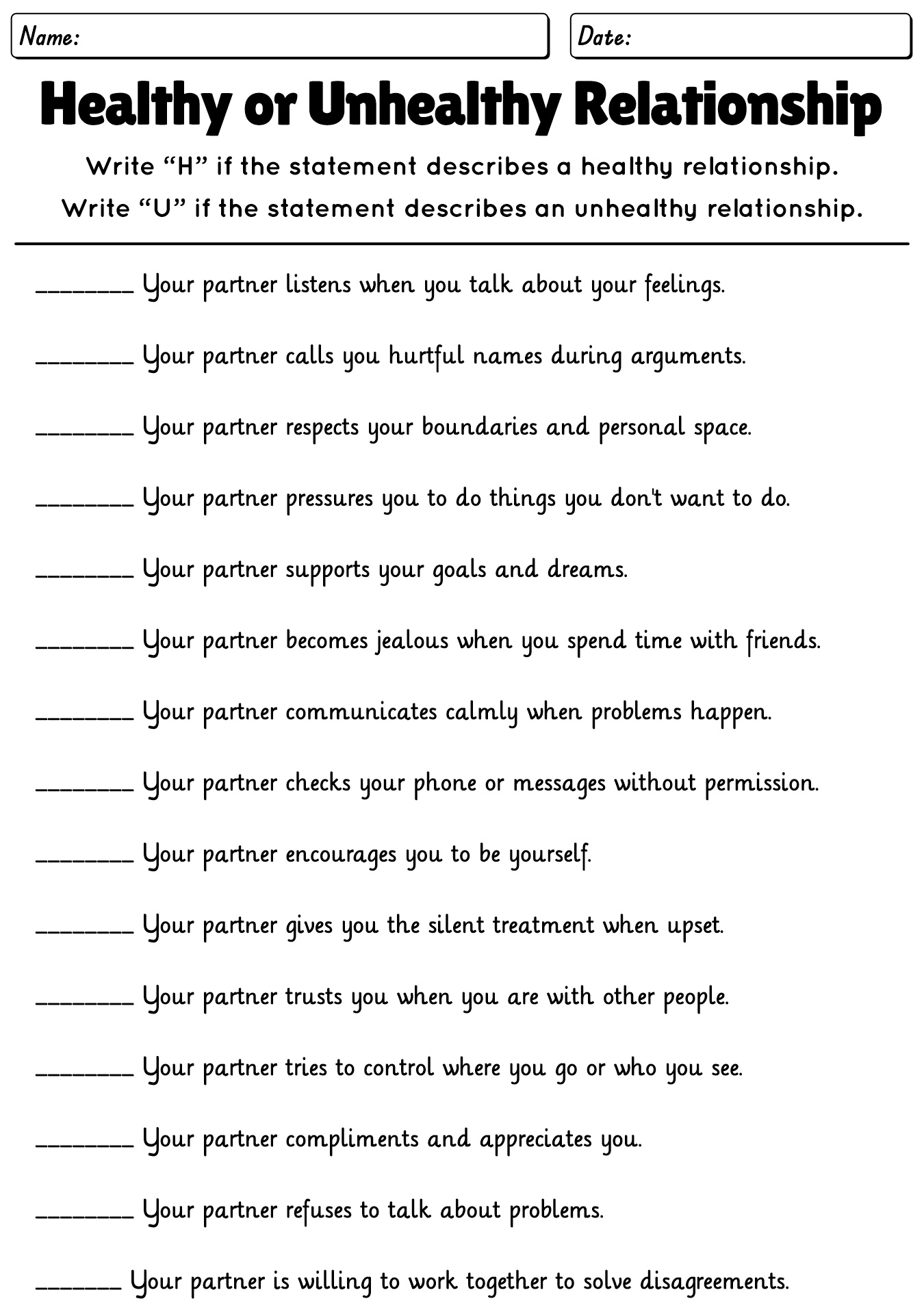
 Healthy Relationship Worksheets
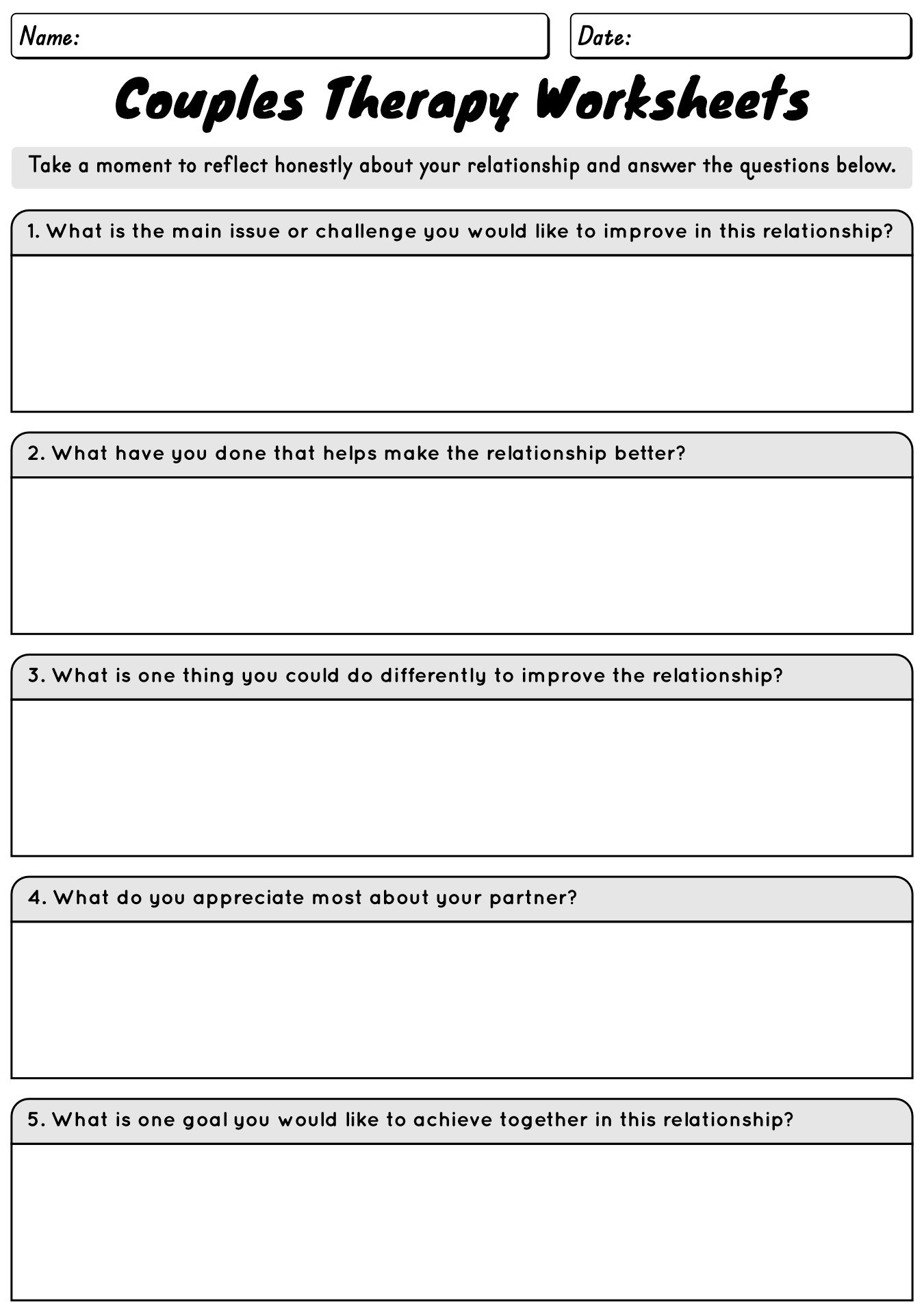
 Couples Therapy Worksheets
More Worksheets
What are Group Therapy Worksheets Relationship?
At a glance, Group Therapy Worksheets Relationship might look like simple templates, but they’re much more than that. They’re designed to guide meaningful conversations, especially in group settings where different perspectives naturally come into play.
Instead of letting discussions drift or become overwhelming, these worksheets help keep things focused, safe, and productive.
Here’s what they usually offer:
- Guided prompts: Questions that encourage participants to reflect before speaking, making conversations more thoughtful.
- Shared structure: Everyone follows the same framework, which creates balance in group discussions.
- Emotional clarity: Writing things down often makes it easier to express feelings that are hard to say out loud.
- Safe reflection space: Participants can process their thoughts privately before sharing with others.
How Can Group Therapy Worksheets Relationship Help You Understand Why Certain People Trigger You?
We all have moments when someone says or does something, and suddenly, our reaction feels bigger than the situation. That’s what we often call a “trigger.” The tricky part is, triggers are rarely about the present moment alone.
This is where Group Therapy Worksheets become incredibly useful. They don’t just ask what happened, but gently guide you to explore why it affected you so deeply.
Here’s how they help unpack triggers:
- Identifying the situation: What exactly happened? Who was involved? What was said?
- Recognizing emotional reactions: Did you feel angry, hurt, ignored, or something else?
- Connecting to past experiences: Have you felt this way before in a similar situation?
- Understanding personal meaning: What does this situation represent to you? Rejection? Lack of respect? Loss of control?
- Reframing the response: How could you respond differently next time?
What Activities Can You Combine With Group Therapy Worksheets Relationship to Practice Active Listening?
Pairing Group Therapy Worksheets Relationship with interactive activities can change that dynamic completely. Instead of passive discussion, you create experiences where listening becomes intentional.
Here are some activities that work really well alongside worksheets:
The “Repeat Back” Exercise
After completing a worksheet prompt:
- One person shares their response
- The listener must repeat what they heard (without adding opinions)
- The speaker confirms or clarifies
Timed Sharing Rounds
Use the worksheet as a guide, then:
- Each participant gets 2-3 minutes to speak
- No interruptions allowed
- Others focus only on listening
Emotion Labeling Activity
After filling out a worksheet:
- Participants describe their feelings using specific words
- Listeners reflect back the emotion they heard
Silent Reflection Before Response
Before replying to someone:
- Pause for 10–15 seconds
- Review your worksheet notes
- Then respond thoughtfully
How Can These Group Therapy Worksheets Relationship Be Used During Problem-Solving Activities in Groups?
Conflict isn’t a sign of failure. It’s a natural part of any relationship and an opportunity for growth. The difference lies in how we approach it. Instead of letting discussions turn into blame or defensiveness, Group Therapy Worksheets Relationship can turn problem-solving into a more structured and constructive process.
Here’s how you can integrate them into group problem-solving:
Step 1: Define the Problem Clearly
Each participant writes down:
- What they think the issue is
- How it affects them personally
Step 2: Explore Different Perspectives
- Participants list how others might see the situation
- This builds empathy before discussion even begins
Step 3: Brainstorm Solutions Together
Encourage ideas without judgment:
- No immediate criticism
- Focus on possibilities first
Step 4: Evaluate and Choose Solutions
As a group:
- Discuss what feels realistic
- Agree on one or two actionable steps
Step 5: Reflect After the Activity
After the discussion:
- What worked well?
- What could be improved next time?
So, What Are the Best Group Therapy Worksheets Relationship for You?
With so many options available, it’s easy to feel unsure about which tools actually work. The truth is, the best Group Therapy Worksheets Relationship are the ones that are simple, flexible, and genuinely helpful in real-life situations.
That’s exactly what we’ve created! Our group therapy worksheets are designed with real users in mind, whether you’re a parent guiding a child, a teacher facilitating a group, or an adult working on your own relationships.
Here’s what makes our worksheets stand out:
- Easy to follow: No complicated instructions, just clear, thoughtful prompts
- Practical and relatable: Focused on real-life situations, not abstract theories
- Flexible for different settings: Perfect for classrooms, therapy groups, or personal use
- Encourages honest reflection: Helps users open up at their own pace
- They’re free: Because meaningful support should be accessible to everyone
Overall, building healthy relationships requires intention, reflection, and practice, but you don’t have to figure it all out by yourself. With our Group Therapy Worksheets, adults, teachers, and parents can guide group discussions, classroom exercises, or personal reflection with structure and clarity.
Our worksheets can be paired with activities like problem-solving exercises, role-playing, or active listening drills, helping insights turn into real-world behavior. Over time, these tools support stronger empathy, better emotional awareness, and healthier interactions across groups or personal relationships.
So, ready to take the next step? Download our free Group Therapy Worksheets Relationship today and start creating meaningful, productive sessions. Every worksheet you complete can spark understanding, encourage honest dialogue, and strengthen the connections that truly matter.
Don’t wait! Bring structure, clarity, and growth to your relationships now!


Have something to share?
Who is Worksheeto?
At Worksheeto, we are committed to delivering an extensive and varied portfolio of superior quality worksheets, designed to address the educational demands of students, educators, and parents.

Comments