
ESL Worksheets for Kindergarten
Learning English at an early age can become a fun and exciting experience when children are introduced to the language through engaging activities. Many parents and teachers know that young learners usually respond better to colorful visuals, playful exercises, and simple instructions rather than long explanations. That is why using ESL Worksheets for Kindergarten has become one of the most practical ways to help children build basic English skills in a comfortable and enjoyable environment.
These printable worksheets can support vocabulary learning, tracing practice, speaking confidence, listening activities, and early reading readiness without making lessons feel too difficult. So, with these ESL worksheets, children can slowly become more familiar with English while enjoying every step of the learning process.
Table of Images 👆
- ESL Kindergarten Weather Activities
- Preschool & Kindergarten Worksheets
- Read And Color Worksheet For Kindergarten
- Alphabet Worksheet For Kids
- Read And Choose Worksheet For Kindergarten
- Trace And Color Worksheet For Kids
- Trace The Sentences Worksheet For Kids
- Easy Scramble Words Worksheet For Preschool
- Easy Vocabulary Worksheet For Kindergarten
- Match And Write Vocabulary ESL Kids Worksheets
- ESL Vocabulary Worksheets for Kindergarten
- ESL Alphabet Activities for Kindergarten
 12 Images of ESL Worksheets For Kindergarten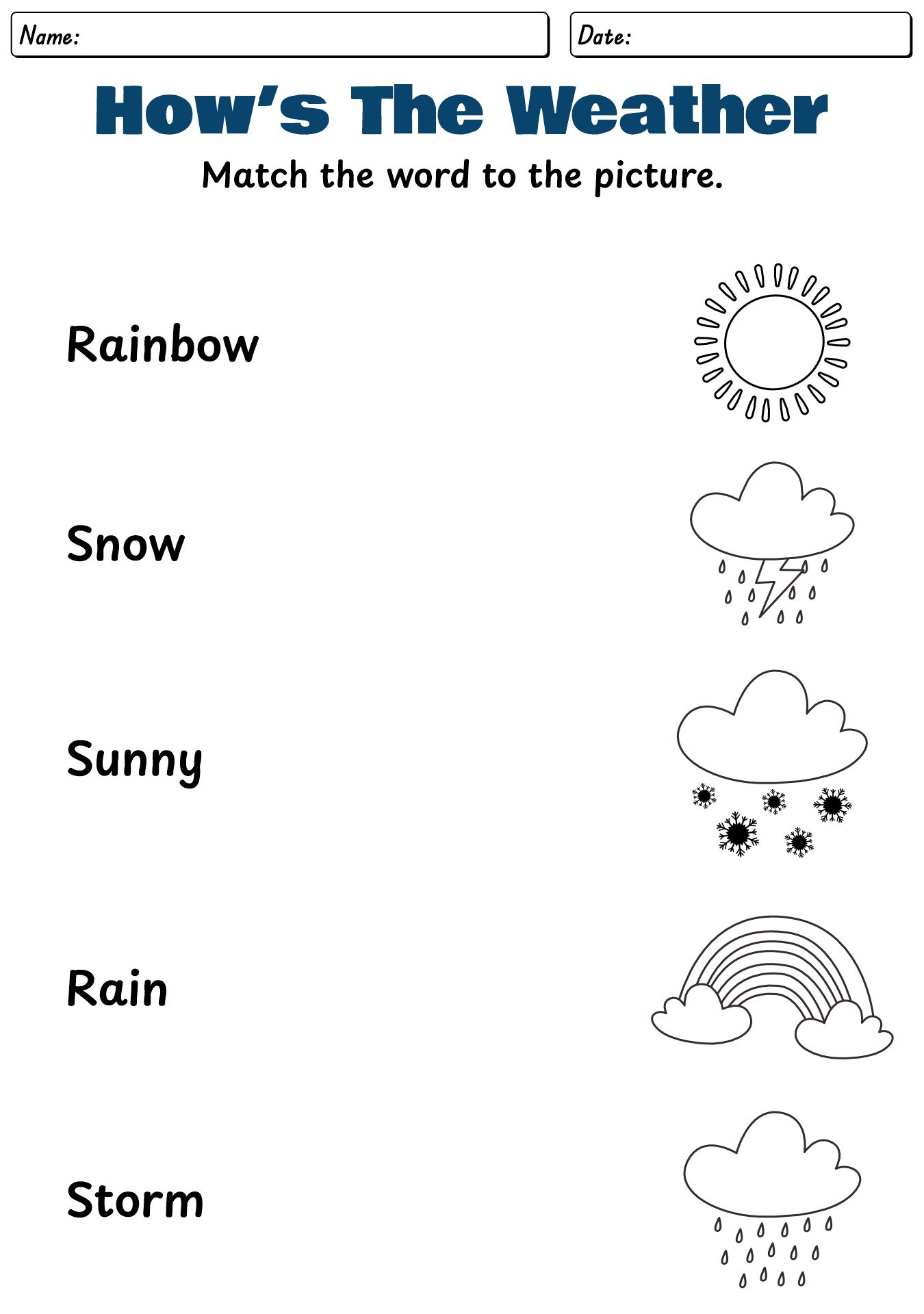
 ESL Kindergarten Weather Activities
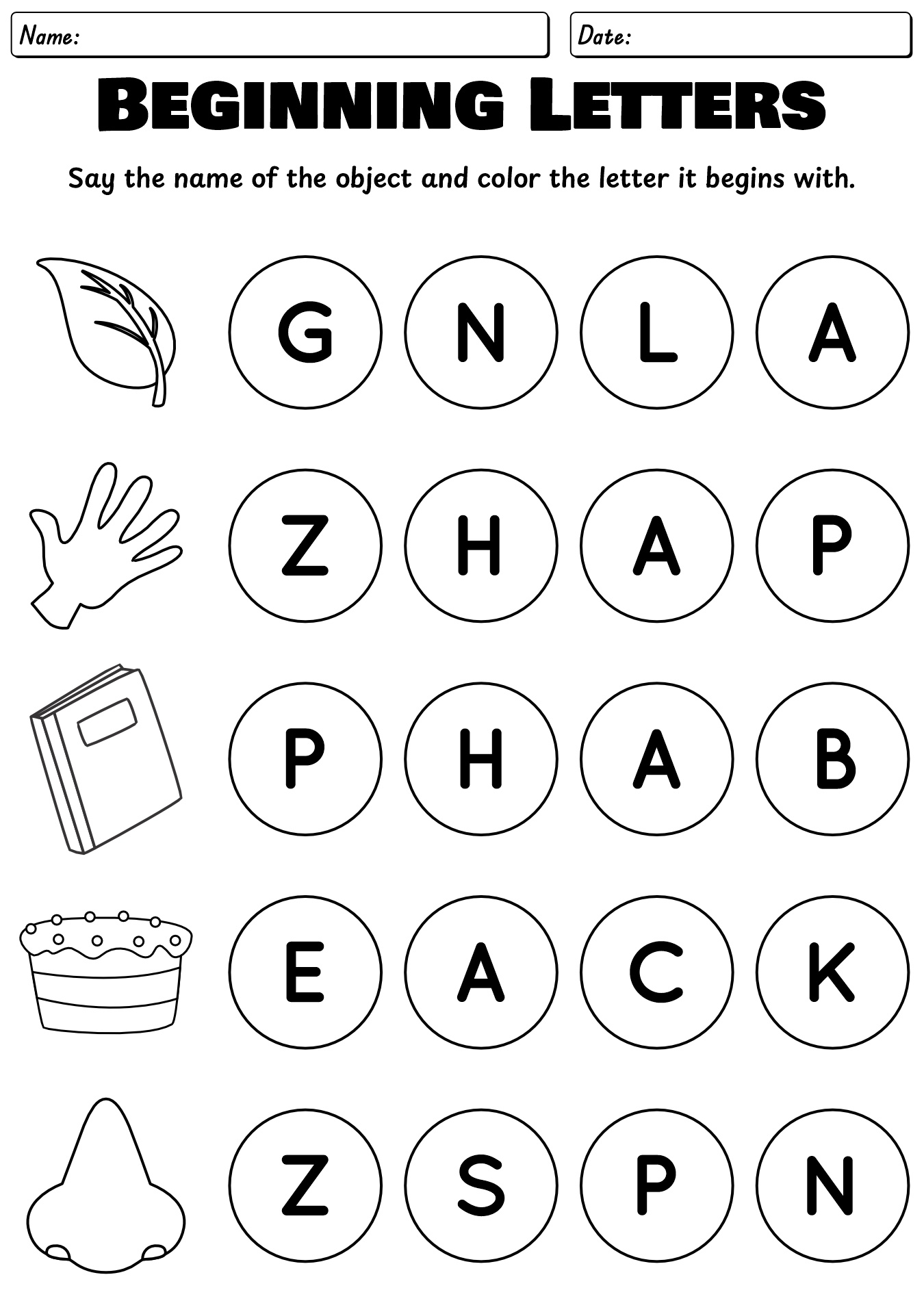
 Preschool & Kindergarten Worksheets
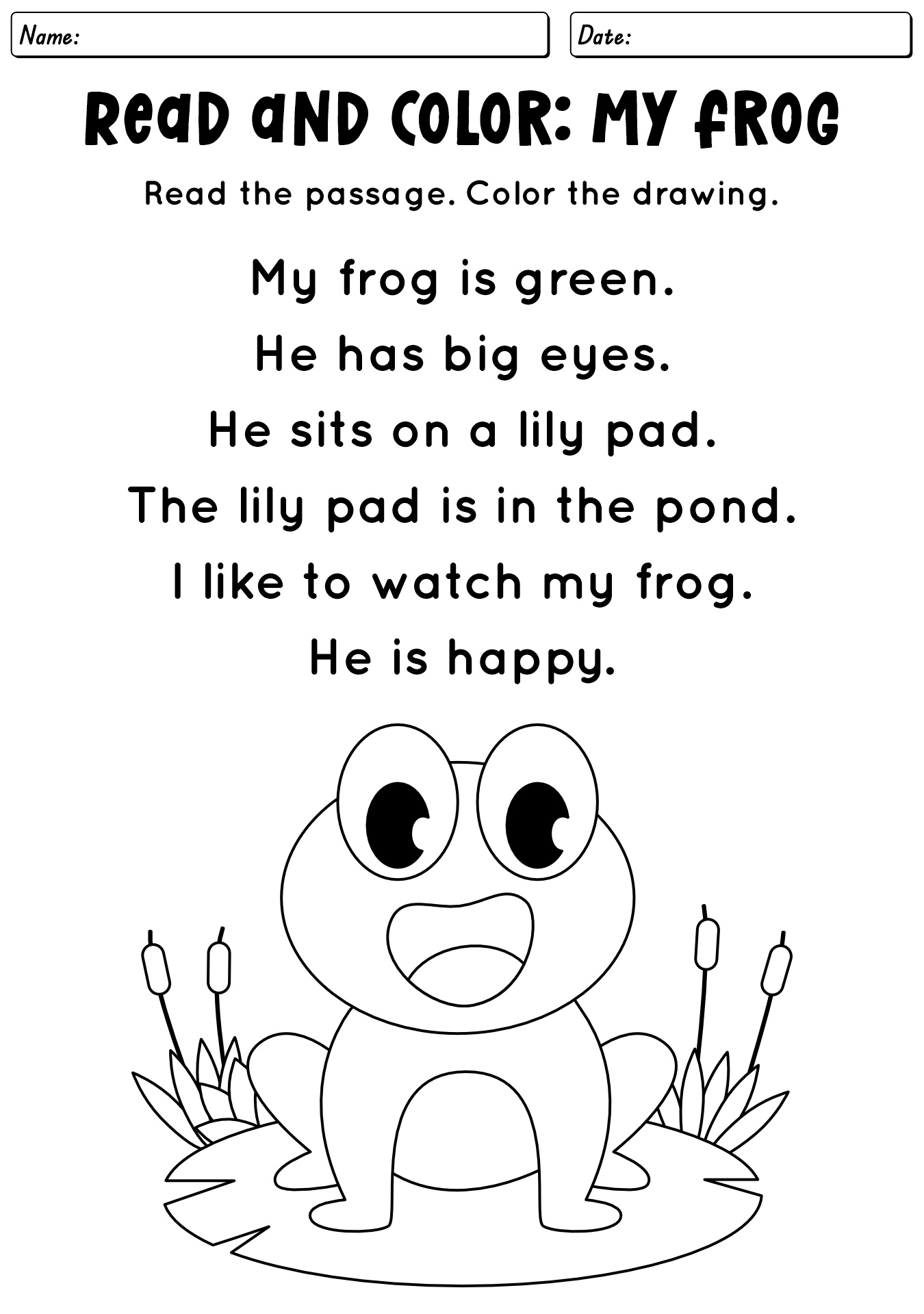
 Read And Color Worksheet For Kindergarten
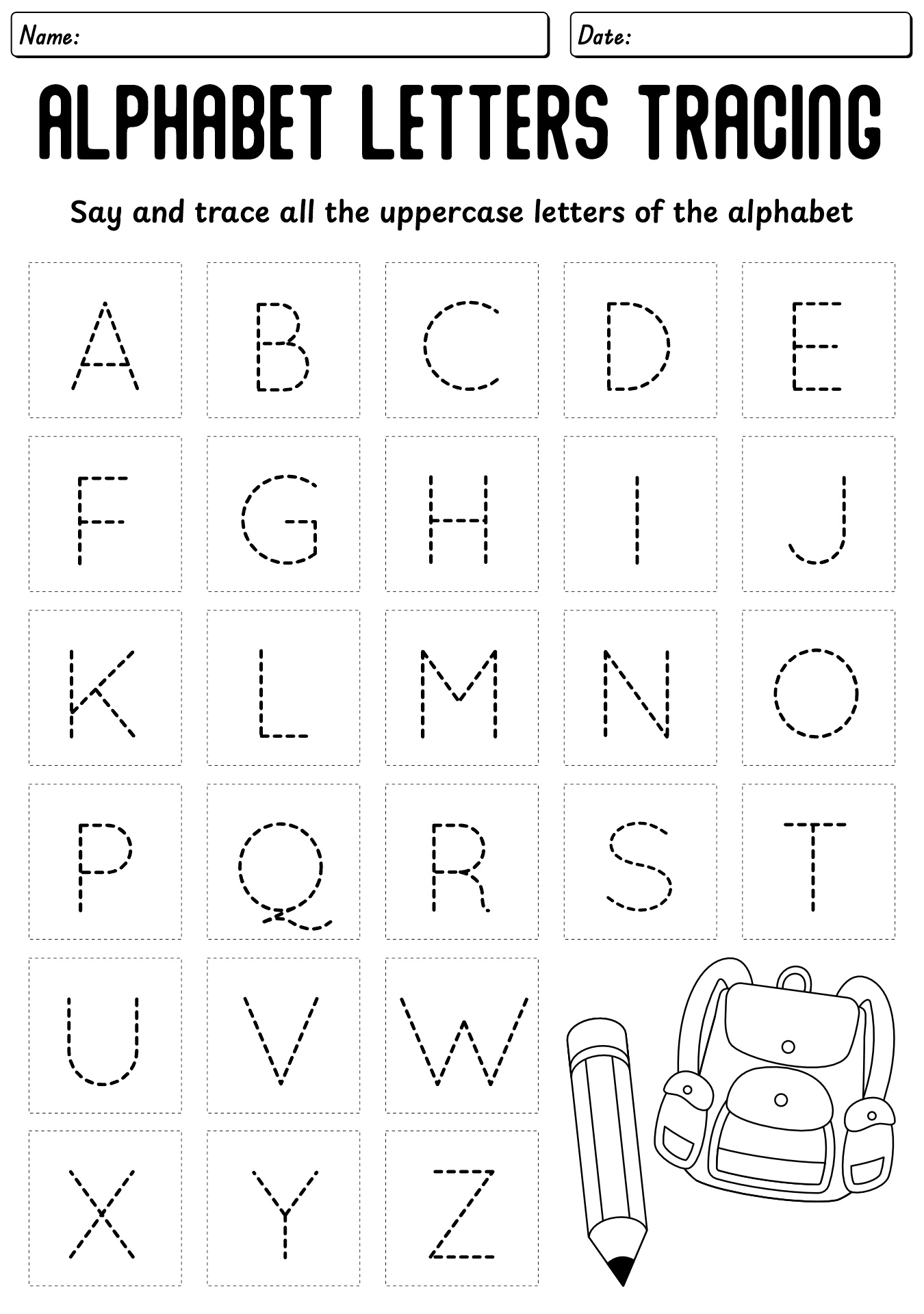
 Alphabet Worksheet For Kids
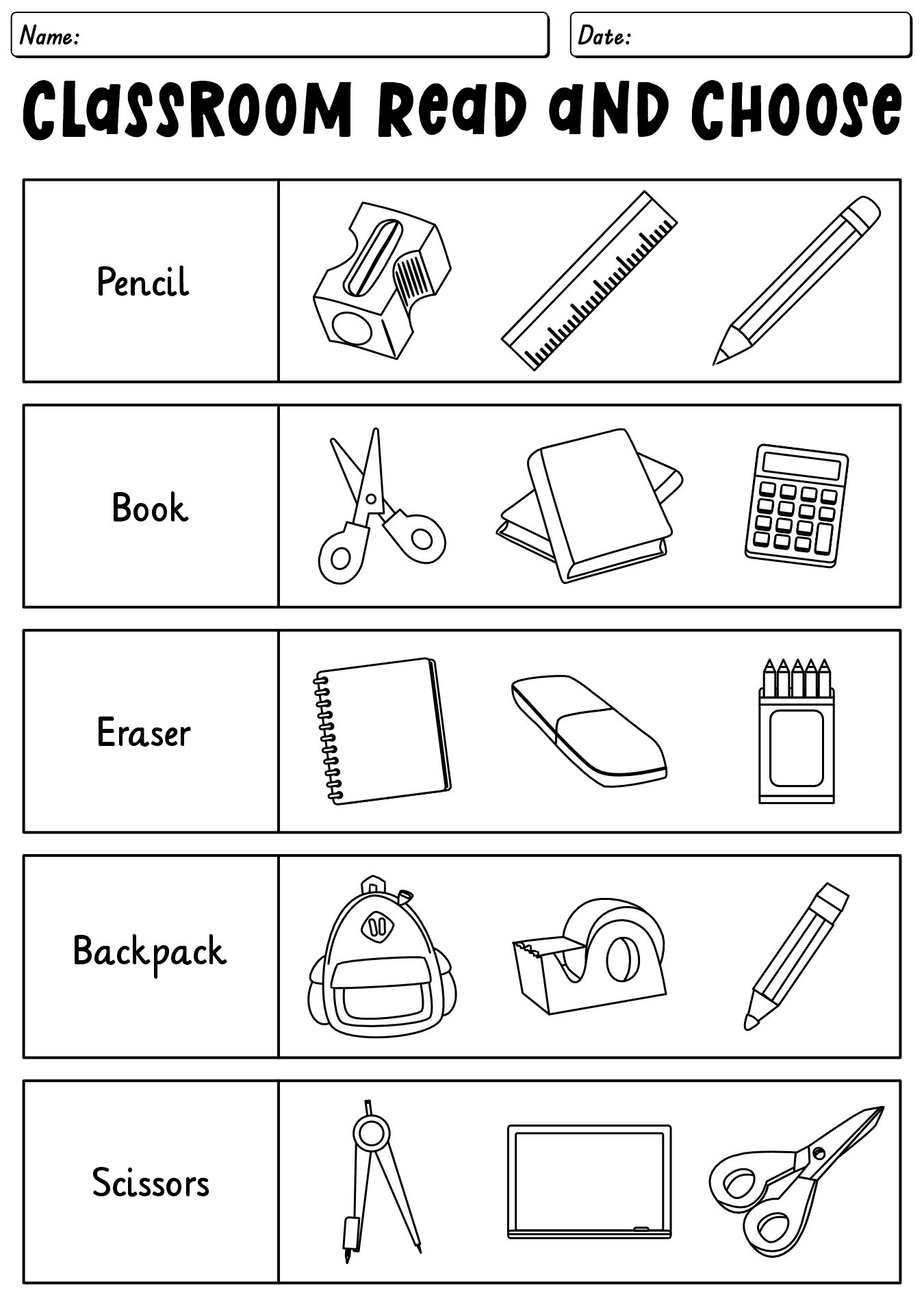
 Read And Choose Worksheet For Kindergarten
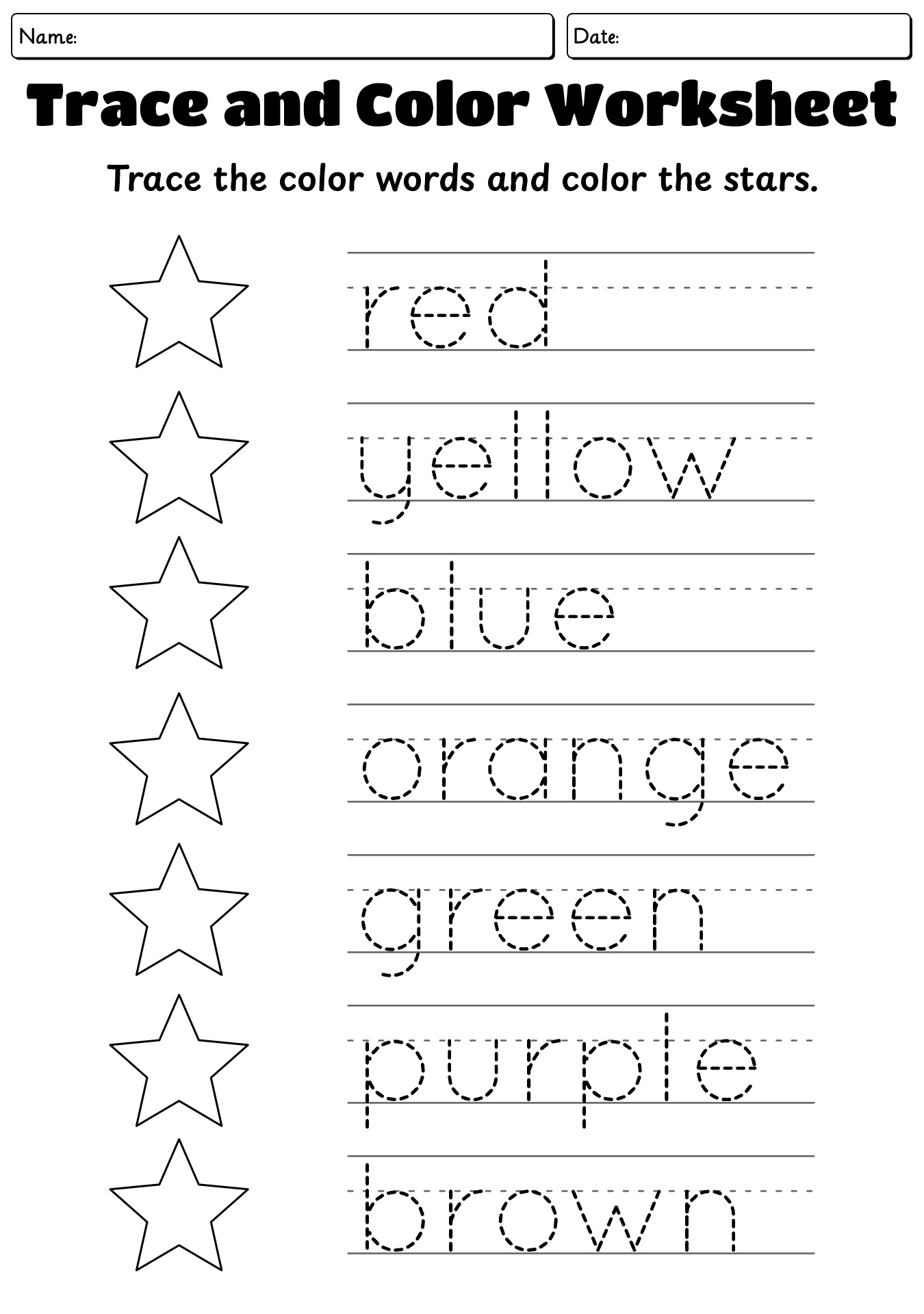
 Trace And Color Worksheet For Kids
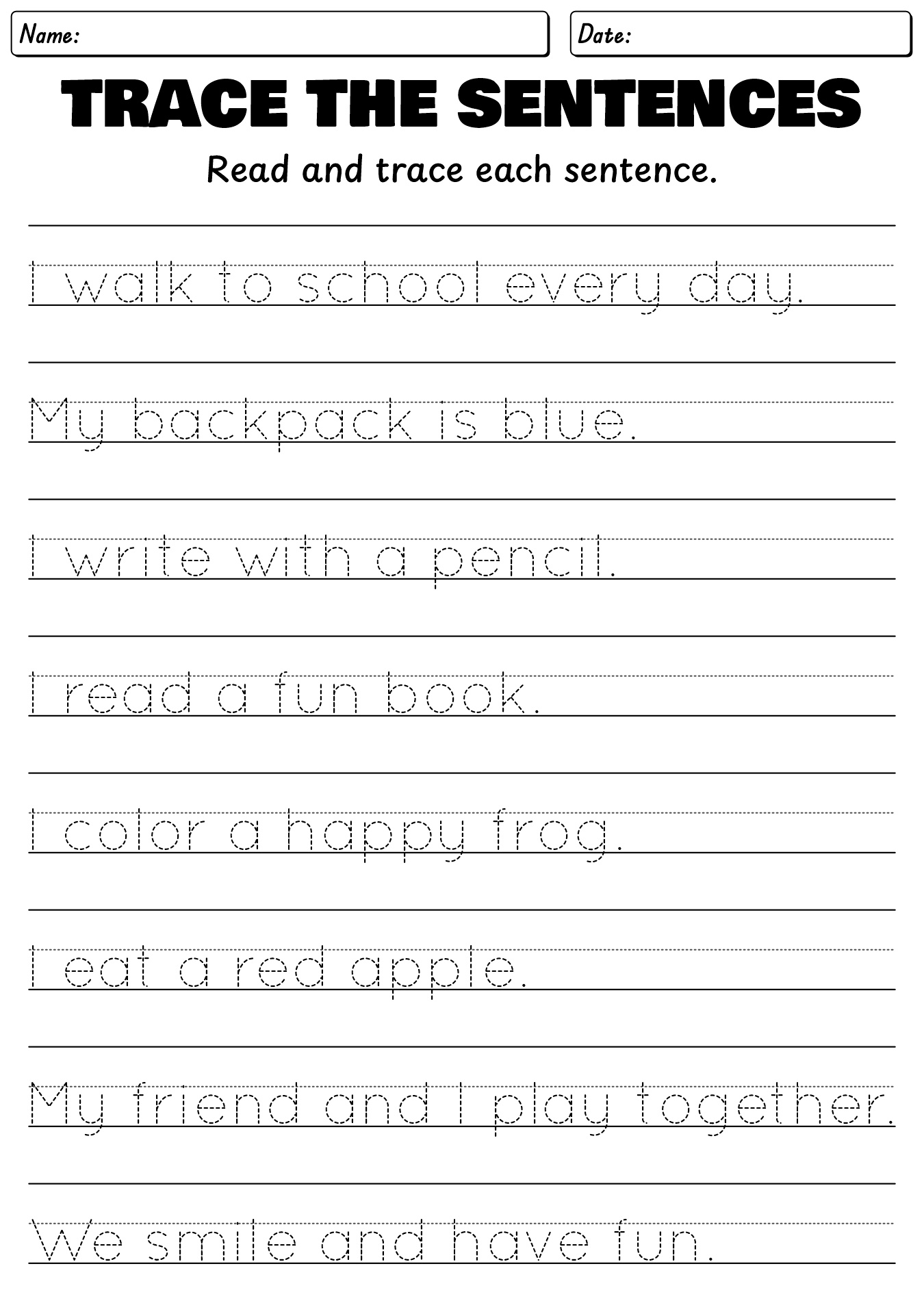
 Trace The Sentences Worksheet For Kids
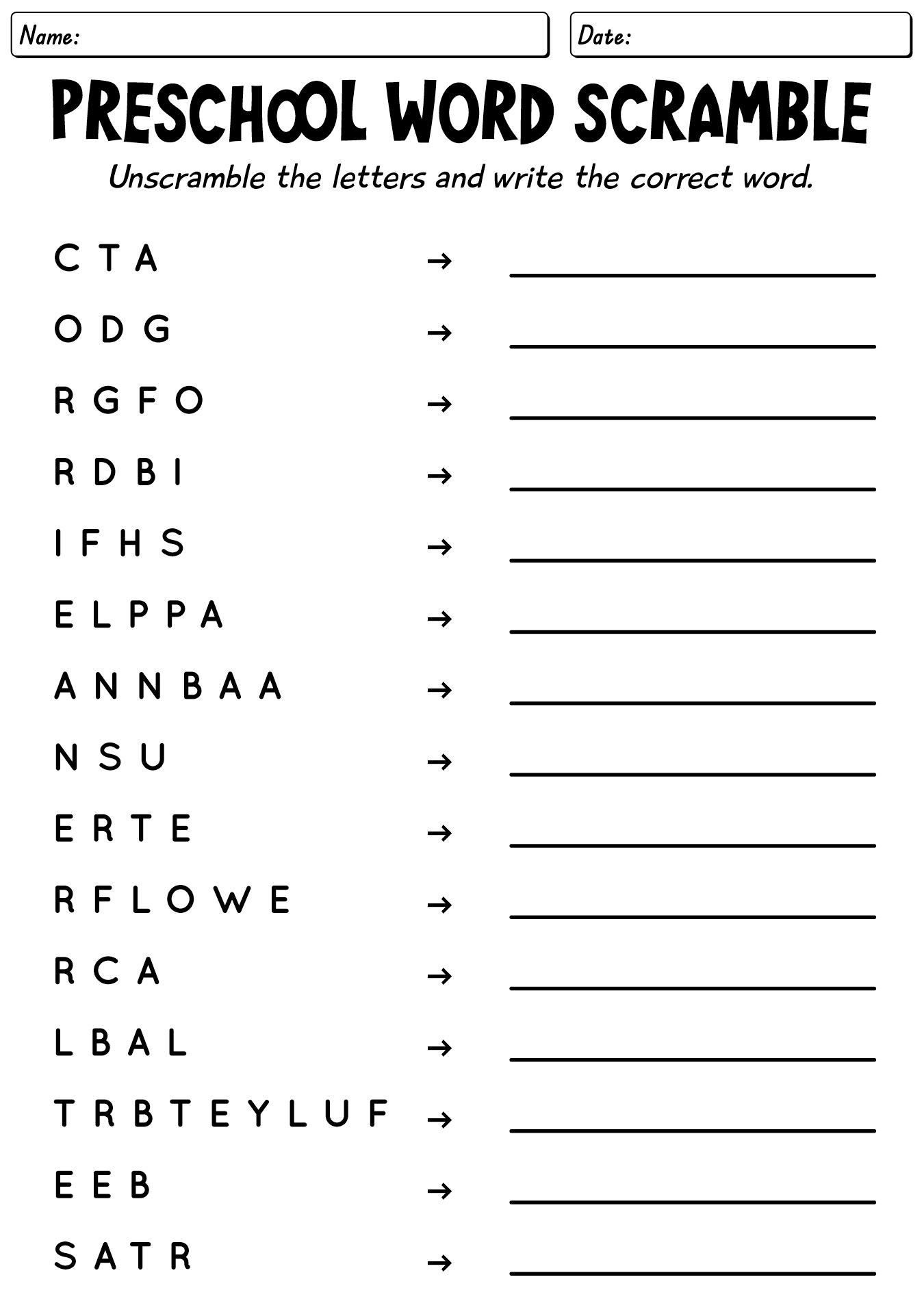
 Easy Scramble Words Worksheet For Preschool
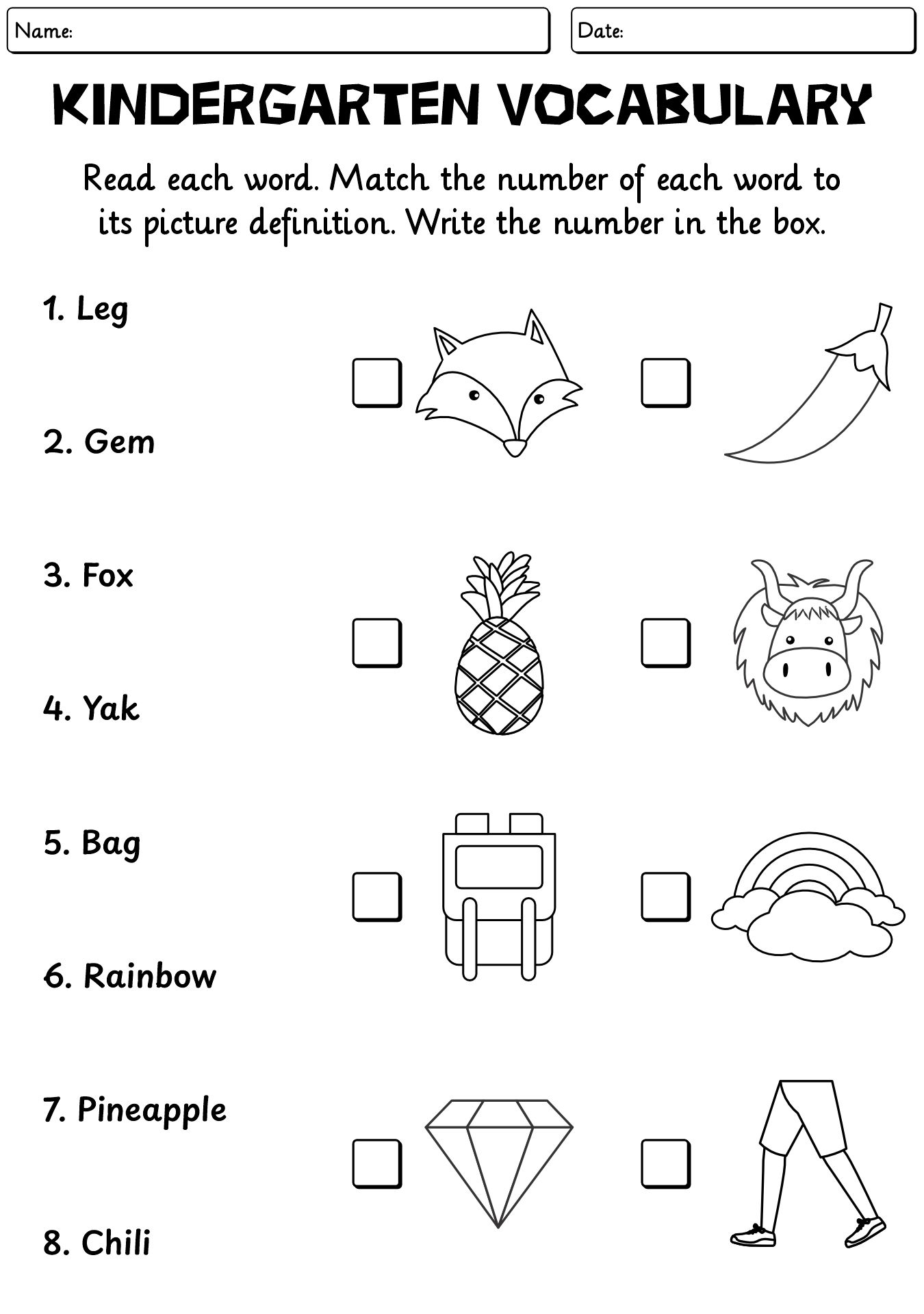
 Easy Vocabulary Worksheet For Kindergarten
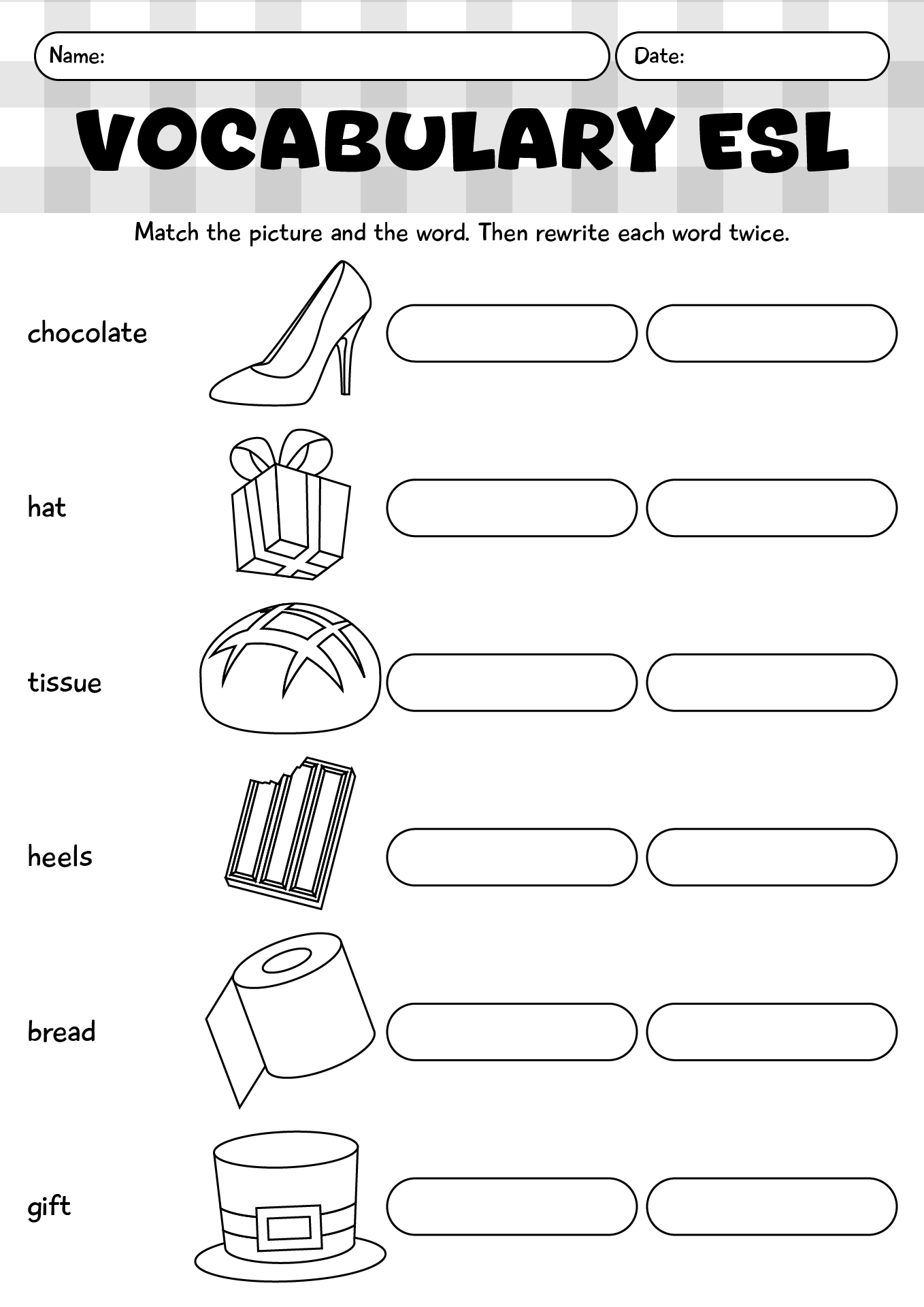
 Match And Write Vocabulary ESL Kids Worksheets
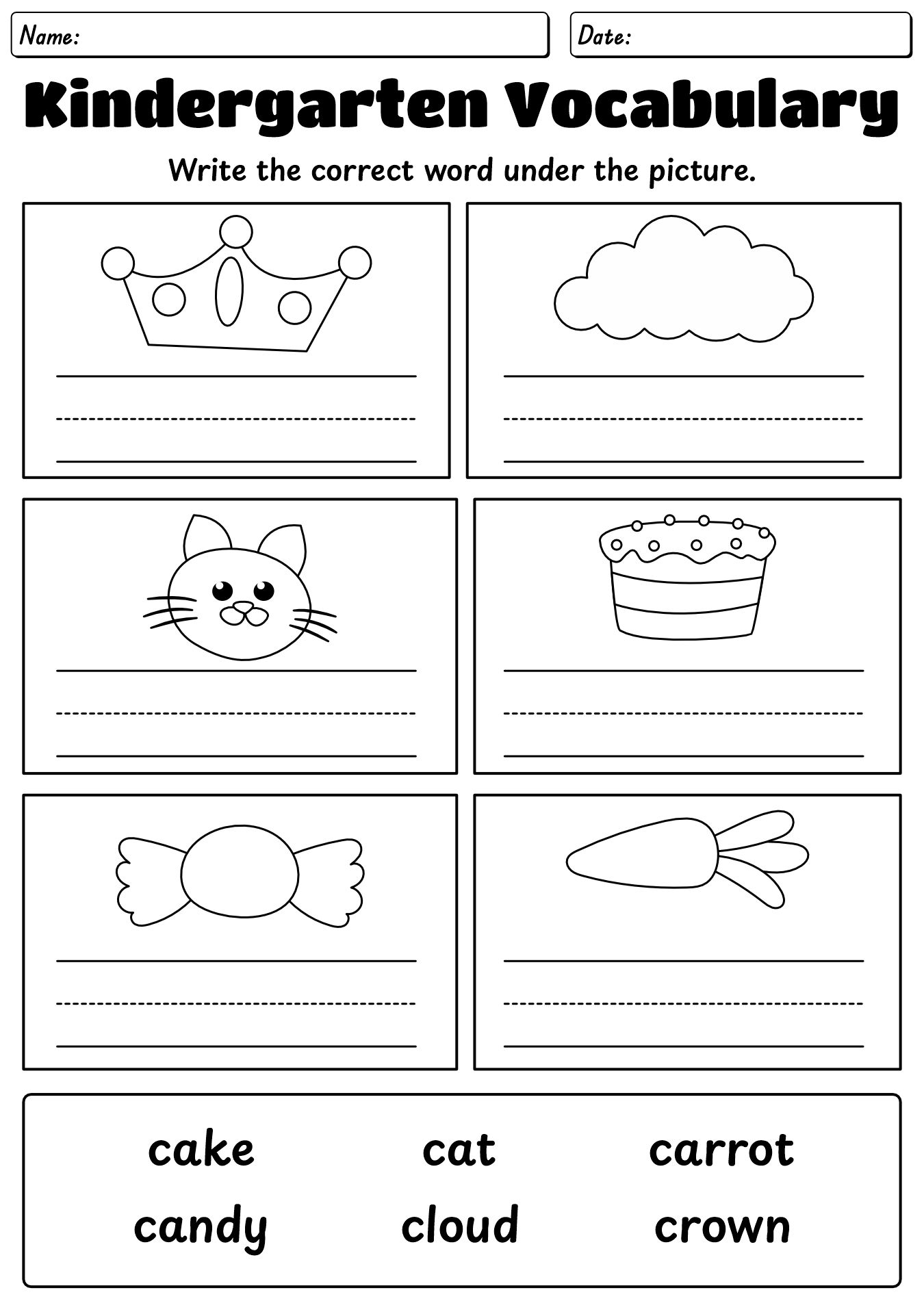
 ESL Vocabulary Worksheets for Kindergarten
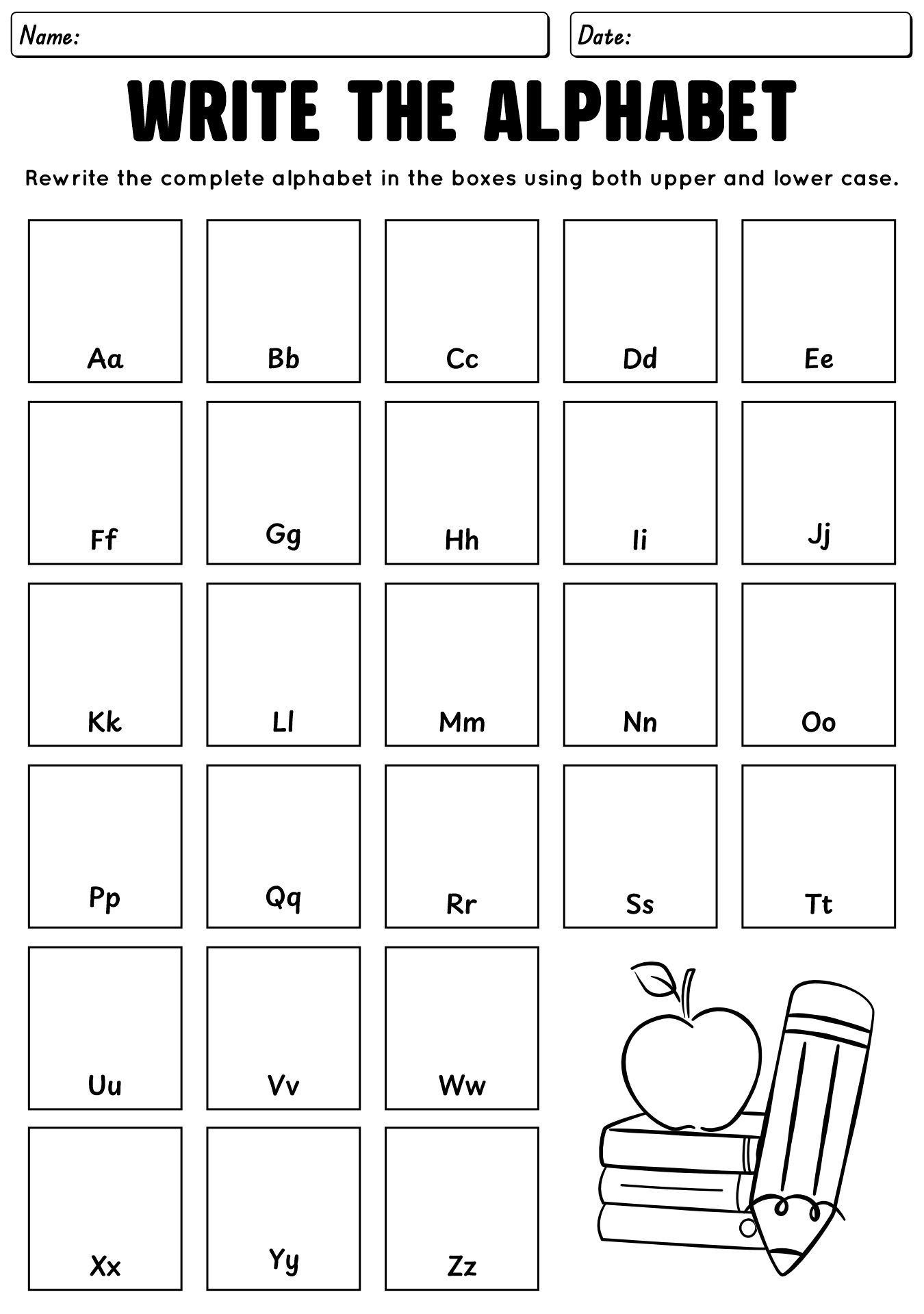
 ESL Alphabet Activities for Kindergarten
More English Worksheets
Free Printable English WorksheetsEnglish Worksheets for Grade 2
Comprehension Reading English Worksheets
English Colors Worksheet
Soapstone English Worksheet
English Articles Worksheet
English and Spanish Worksheet Family
8 Grade English Worksheet Halloween
English Worksheets Guided Writing
Primary English Direction Worksheet
What are ESL Worksheets for Kindergarten?
ESL Worksheets for Kindergarten are printable learning materials designed to help young children practice English as a second language through simple and age-appropriate activities. These worksheets are commonly used by teachers, parents, tutors, and homeschoolers who want to introduce English in ways that feel fun instead of overwhelming.
Since kindergarten children are still developing focus and communication skills, these worksheets are usually filled with colorful visuals, beginner-friendly exercises, and interactive tasks. The goal is to help children naturally connect English words with pictures, sounds, and daily experiences.
Many Kindergarten ESL worksheets include activities such as:
- Vocabulary matching games
- Letter tracing exercises
- Picture identification tasks
- Coloring pages
- Cut-and-paste activities
- Simple conversation practice
- Alphabet recognition games
What Beginner Vocabulary Topics Are Included in ESL Worksheets for Kindergarten?
Colors
Children learn words such as:
- Red
- Blue
- Yellow
- Green
Animals
Animal-themed worksheets are especially popular because children naturally enjoy learning animal names and sounds.
Examples include:
- Cat
- Dog
- Bird
- Fish
- Elephant
Food and Drinks
Food vocabulary helps children recognize common daily items while practicing pronunciation and word association.
Numbers
Many ESL worksheets combine English vocabulary with counting activities to strengthen both language and math skills.
Family Members
- Mother
- Father
- Brother
- Sister
Classroom Objects
Vocabulary related to school environments helps children understand instructions more easily during learning sessions.
How Do ESL Worksheets for Kindergarten Introduce Basic Classroom Phrases?
Instead of teaching long or complicated sentences, these ESL worksheets for kids usually focus on short and practical phrases children can use naturally.
Some examples include:
- “Good morning”
- “Thank you”
- “Can I go?”
- “I need help”
- “Please sit down”
- “Open your book”
These phrases help children slowly become familiar with common classroom communication.
Many ESL worksheet activities introduce phrases through:
- Picture matching
- Role-playing prompts
- Conversation tracing
- Fill-in-the-blank exercises
- Listening and repeating tasks
Because kindergarten learners often learn best through repetition, simple phrase practice can improve both understanding and speaking confidence over time.
Teachers sometimes combine worksheets with interactive games or group activities. For example:
- Students practice greetings with partners
- Children can match pictures with classroom commands
- Role-playing activities can simulate real classroom situations
How Do ESL Worksheets for Kindergarten Practice Tracing and Writing Simple Words?
Children often start with simple tracing activities before moving on to independent writing practice. Common tracing exercises include:
- Tracing alphabet letters
- Writing short vocabulary words
- Copying simple greetings
- Connecting words with pictures
- Practicing uppercase and lowercase letters
Many Kindergarten ESL worksheets use dotted lines, large fonts, and guided writing spaces to make activities feel easier and less intimidating.
Popular beginner words often include:
- Cat
- Sun
- Apple
- Ball
- Red
- Book
These familiar words help children build confidence while practicing English vocabulary and handwriting at the same time.
Tracing exercises can support:
- Pencil control
- Hand-eye coordination
- Letter recognition
- Word familiarity
- Early spelling awareness
For younger learners, these worksheets focus mostly on tracing. Meanwhile, more advanced kindergarten students begin copying words independently or completing short labeling tasks.
Teachers often combine tracing activities with:
- Coloring exercises
- Vocabulary matching games
- Speaking practice
- Flashcards
- Picture identification tasks
This combination helps keep children engaged while reducing boredom from repetitive writing drills. So, using ESL Worksheets for Kindergarten regularly can help children gradually feel more comfortable seeing, tracing, and writing English words in a relaxed learning environment.
Ready to Download Free ESL Worksheets for Kindergarten From Our Collection?
If you are looking for engaging and beginner-friendly ESL worksheets, you can explore a wide variety of free printable resources directly on our blog.
Our ESL worksheet collection is designed to support different learning styles, classroom needs, and kindergarten skill levels while still keeping activities simple and enjoyable for young learners.
Inside our collection, you can find:
- Vocabulary worksheets
- Tracing activities
- Matching games
- Coloring pages
- Conversation practice sheets
- Cut-and-paste exercises
- Alphabet and phonics activities
You can also download the worksheets in multiple formats, including PDF and JPG, depending on your learning setup and printing preferences.
One thing that makes our ESL Worksheets for Kindergarten different from many worksheets on other websites is the way they are carefully designed for kindergarten developmental stages. We focus on creating worksheets that are visually attractive, easy to follow, and comfortable for young learners to complete independently or with adult guidance.
Our activities are made to:
- Keep children engaged longer
- Reduce frustration during learning
- Encourage active participation
- Support gradual language development
- Create more enjoyable learning experiences
Because the worksheets are designed with children’s learning abilities in mind, many parents and teachers notice that children become more confident, more motivated, and more excited to practice English regularly.
The best part is that everything can be accessed easily through our blog for free. Simply browse different worksheet categories, choose the designs you like, download them in your preferred format, and start sharing them with your students or children right away.
So if you want English learning sessions to feel more interactive, organized, and rewarding, now is the perfect time to explore and download our ESL Worksheets for Kindergarten collection today!


Have something to share?
Popular Categories
Who is Worksheeto?
At Worksheeto, we are committed to delivering an extensive and varied portfolio of superior quality worksheets, designed to address the educational demands of students, educators, and parents.

Comments