
Elementary Back to School Worksheet
The beginning of a new school year often feels like the start of a brand-new adventure. Students walk into the classroom with different emotions. For parents and educators, those first few days are equally important because they set the tone for the months ahead. This is where an Elementary Back to School Worksheet can make a real difference.
Instead of jumping straight into academic lessons, children have the opportunity to reflect, share, and connect in a comfortable way. A well-designed elementary back to school worksheet helps students express themselves, build confidence, and ease into the learning environment.
So, no matter where learning takes place, this well-designed printable can make the transition back to school easier, more engaging, and less stressful for students.
Table of Images 👆
- Back to School Worksheet for Elementary Students
- 3rd Grade Back to School Worksheet
- Back to School 2nd Grade Printable Worksheet
- First Day Back To School Printable
- Back to School Worksheets for Kids
- Elementary Back to School Reading Comprehension Exercises
- First Week of School Science Activities for Elementary
- Elementary Level Back to School Checklist Worksheets
- Back to School Activity Sheets for Young Students
- Elementary School Ice Breaker Worksheets
- Elementary Back to School Writing Prompts
- Beginning of Year Literacy Worksheets for Elementary
- Back to School Math Worksheets for Elementary Students
- Elementary School First Day Worksheets
- Elementary Back to School Activity Sheets
 15 Images of Elementary Back To School Worksheet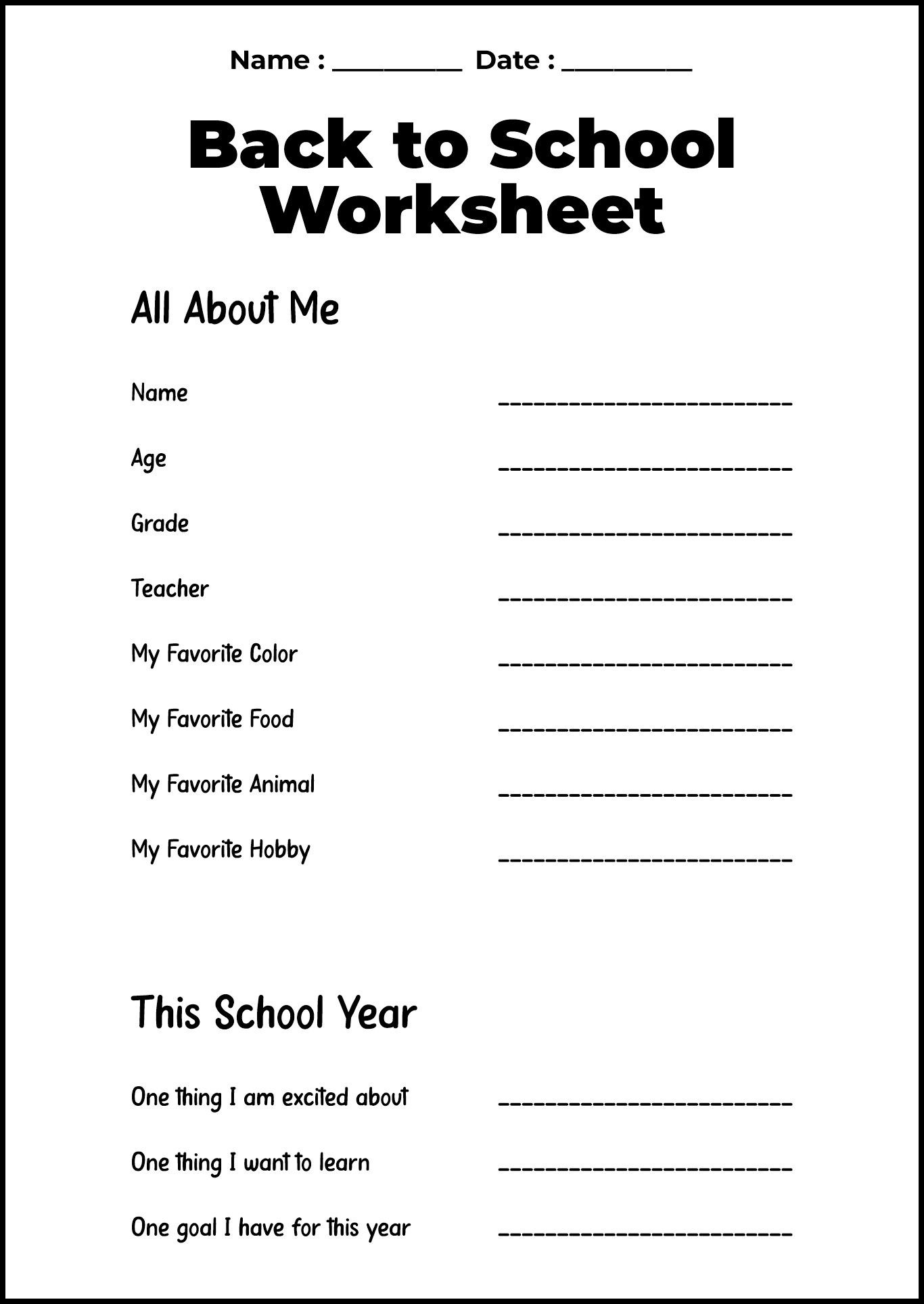
 Back to School Worksheet for Elementary Students
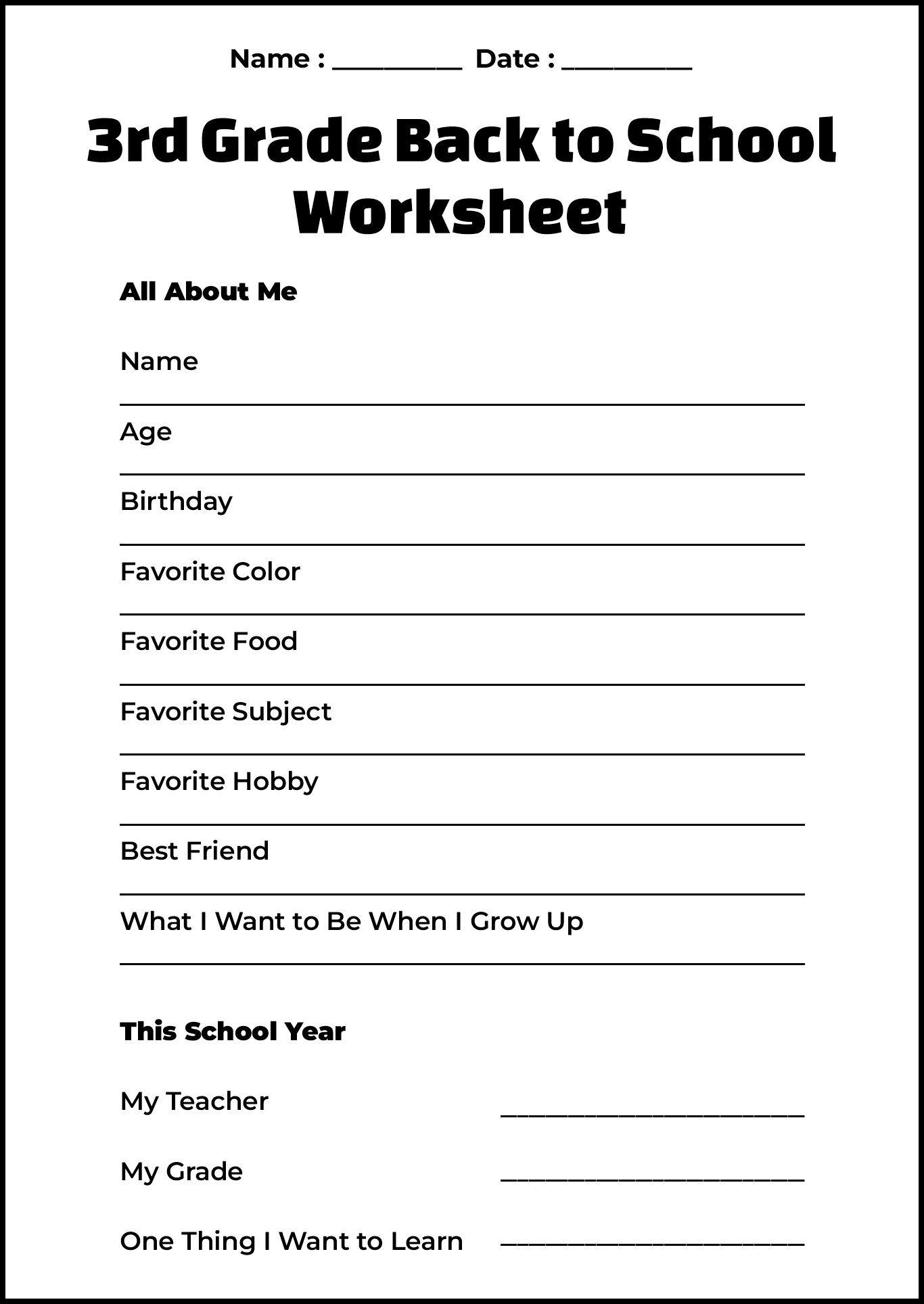
 3rd Grade Back to School Worksheet
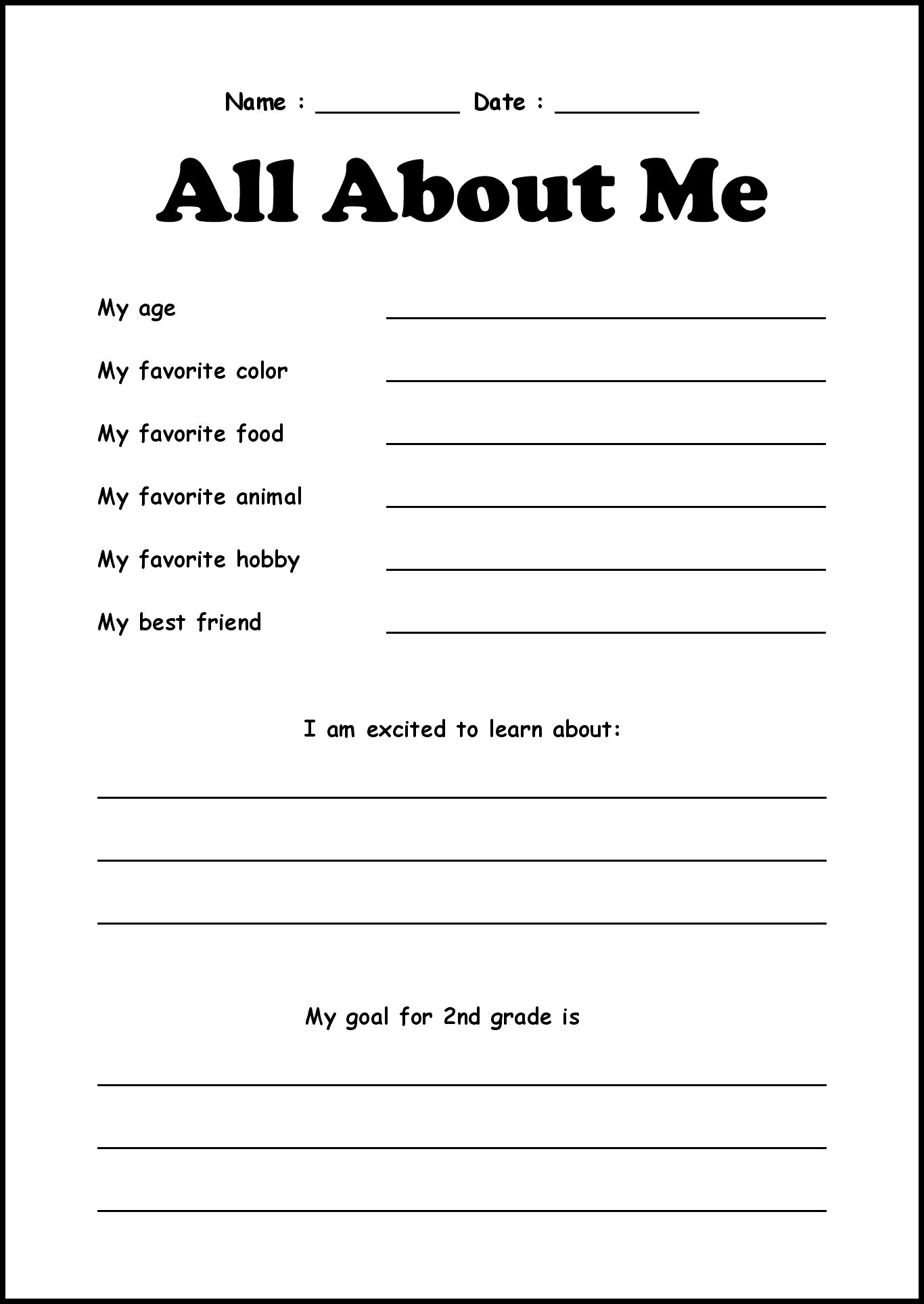
 Back to School 2nd Grade Printable Worksheet
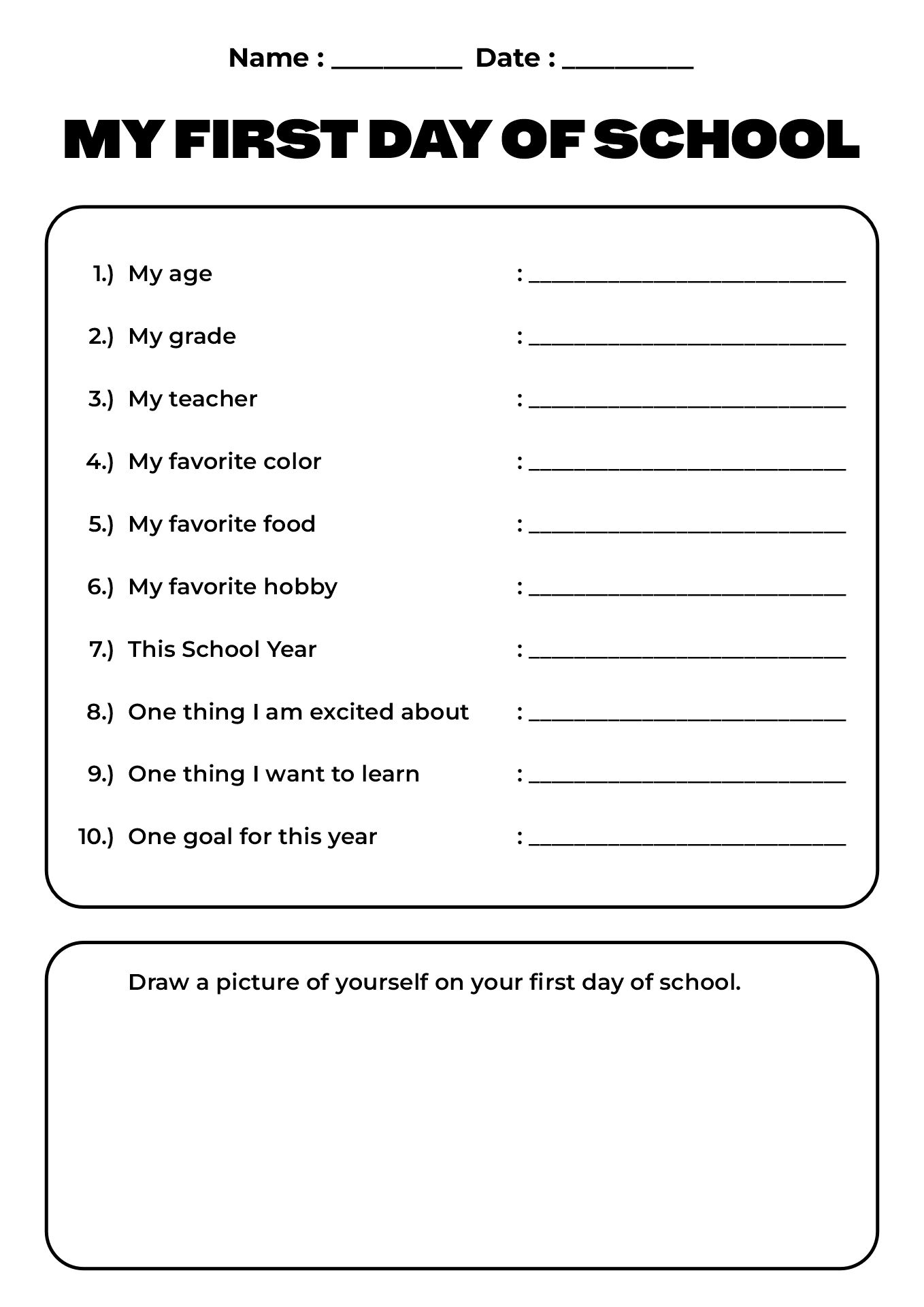
 First Day Back To School Printable
 Back to School Worksheets for Kids
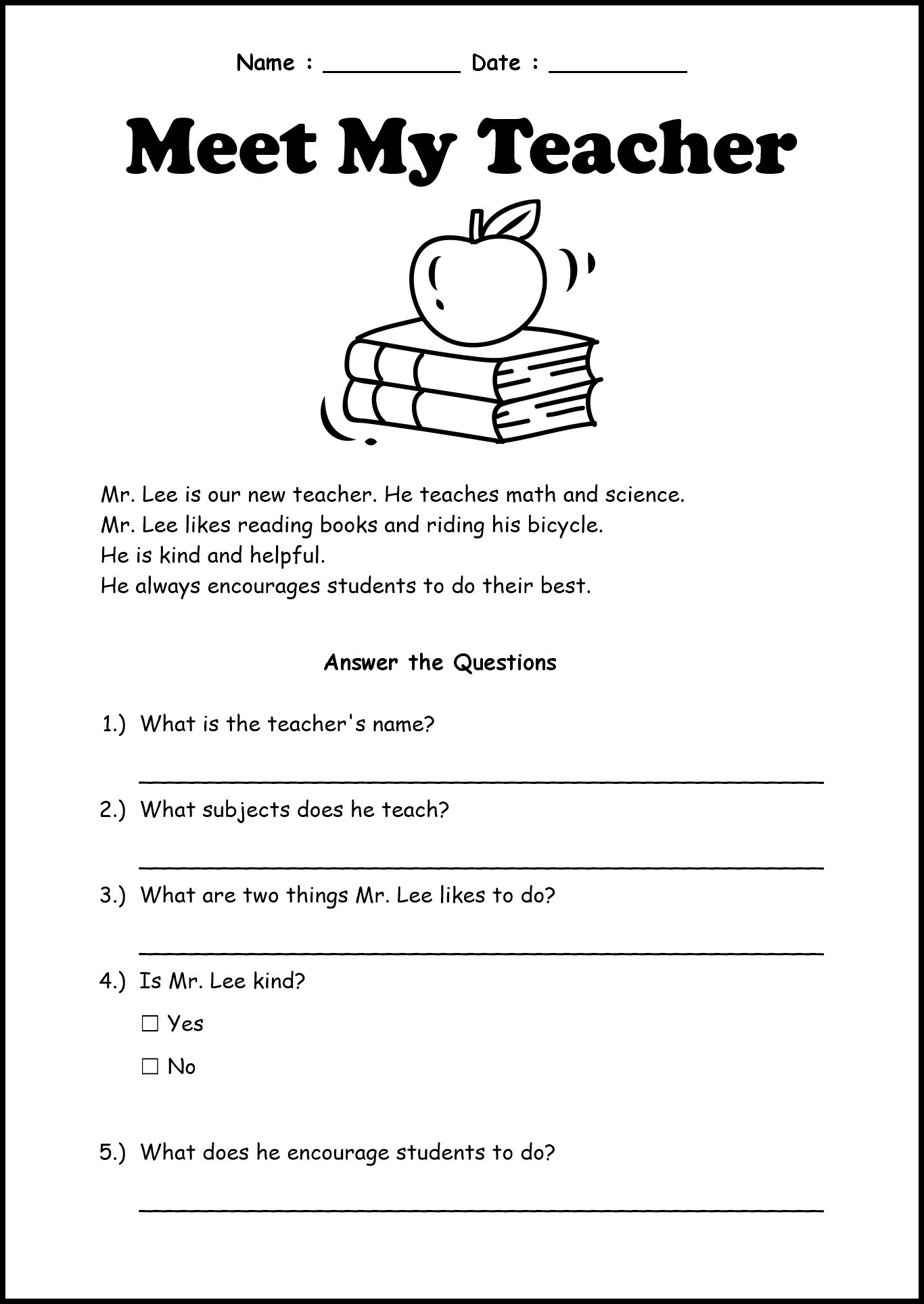
 Elementary Back to School Reading Comprehension Exercises
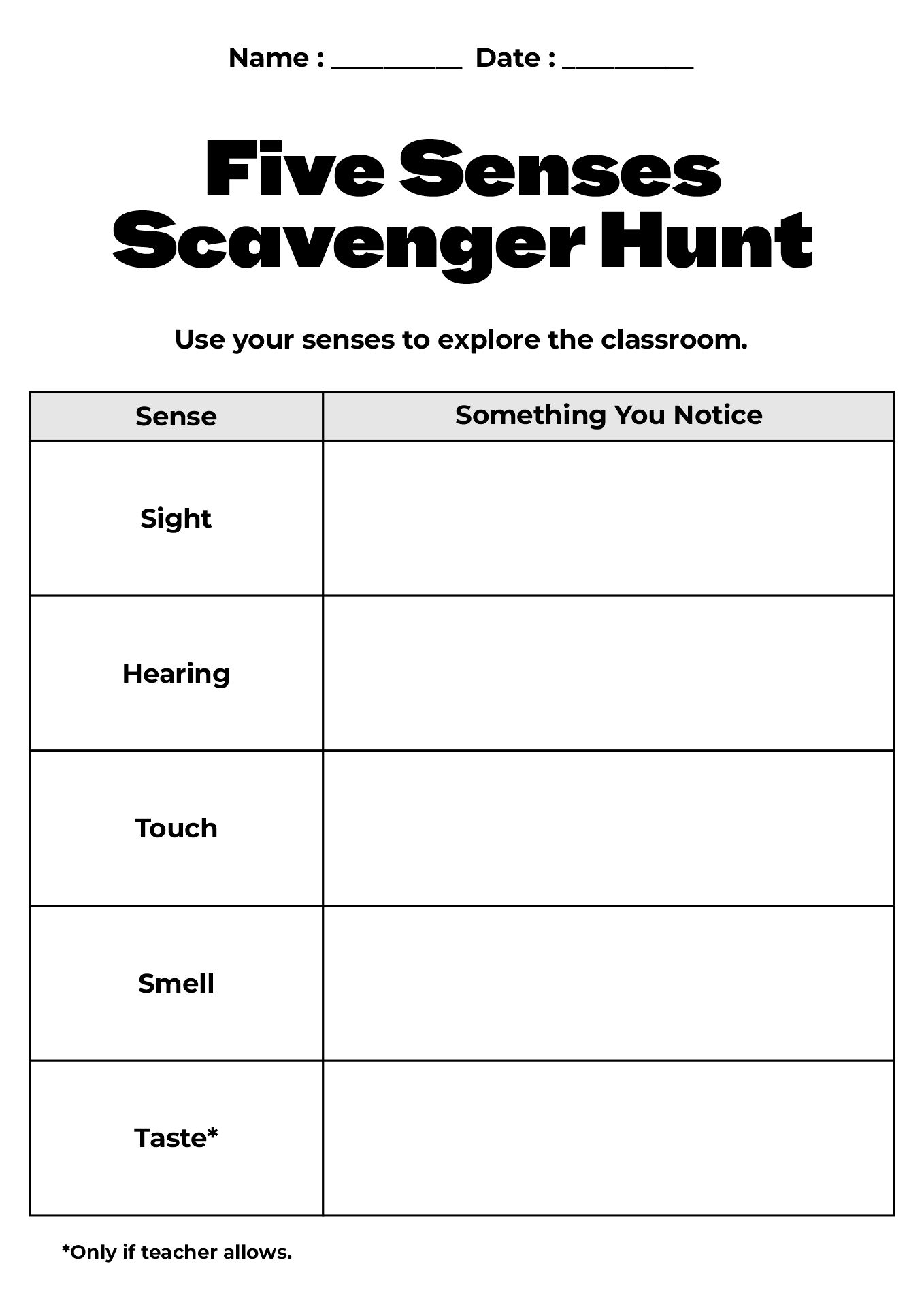
 First Week of School Science Activities for Elementary
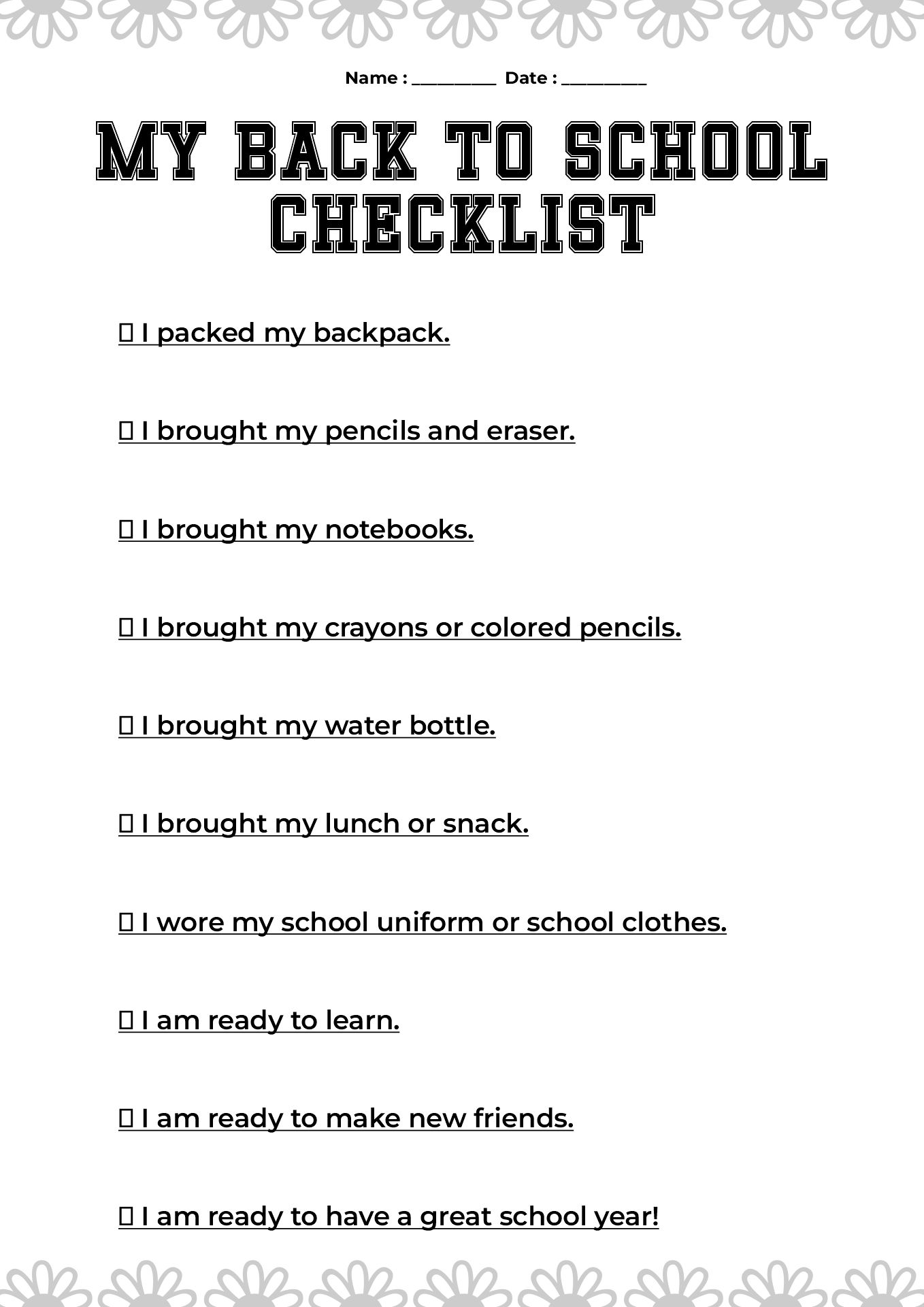
 Elementary Level Back to School Checklist Worksheets
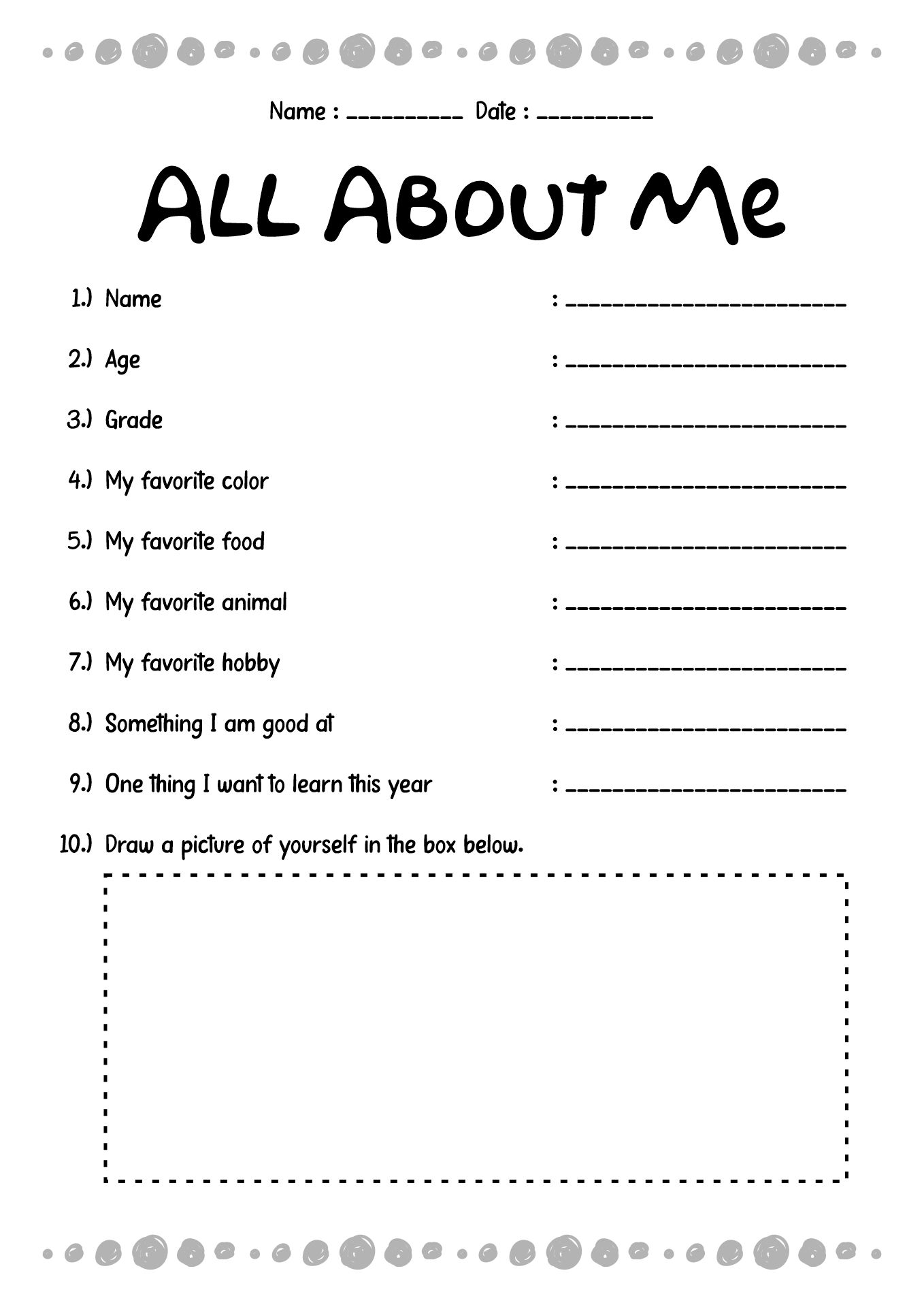
 Back to School Activity Sheets for Young Students
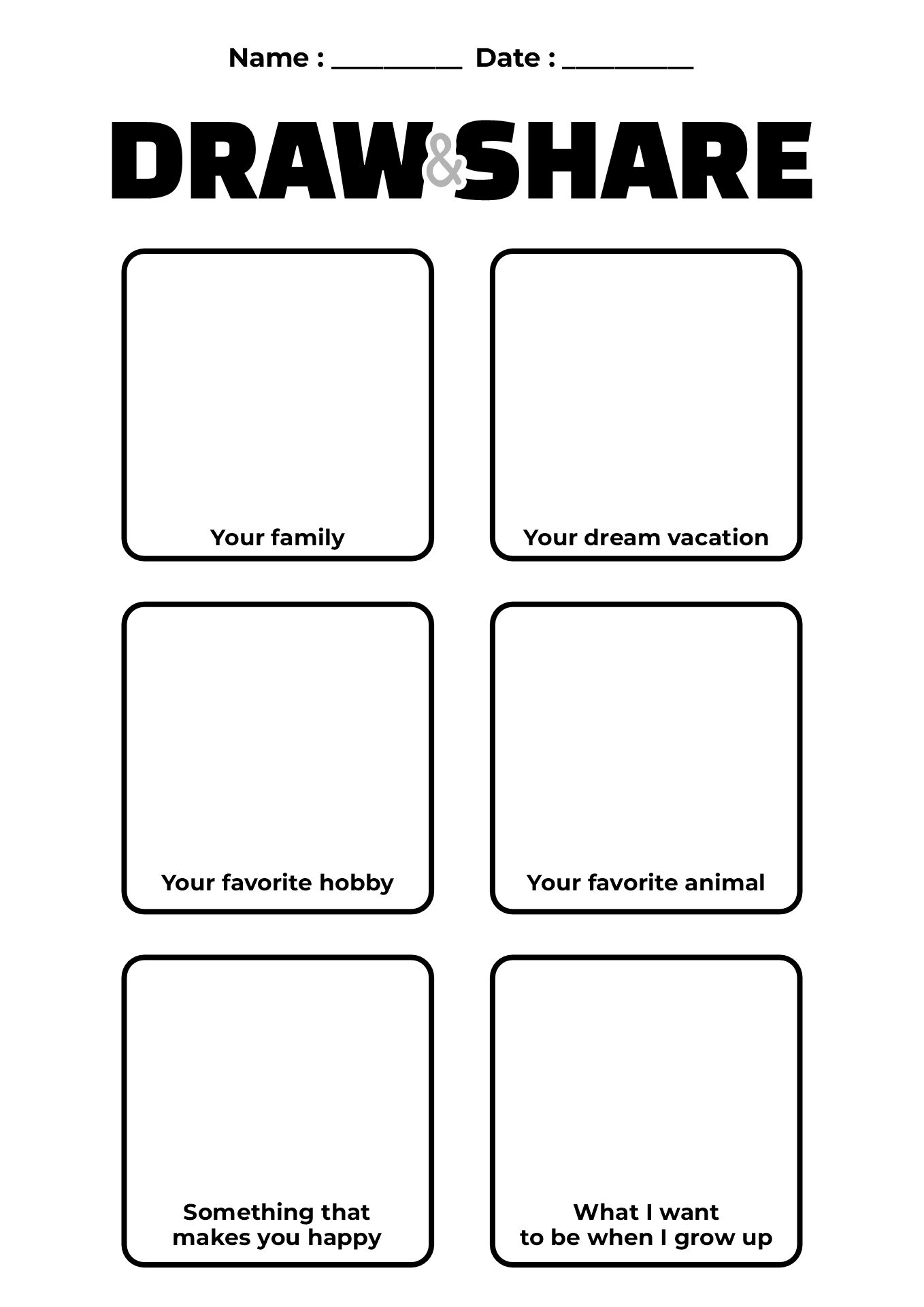
 Elementary School Ice Breaker Worksheets
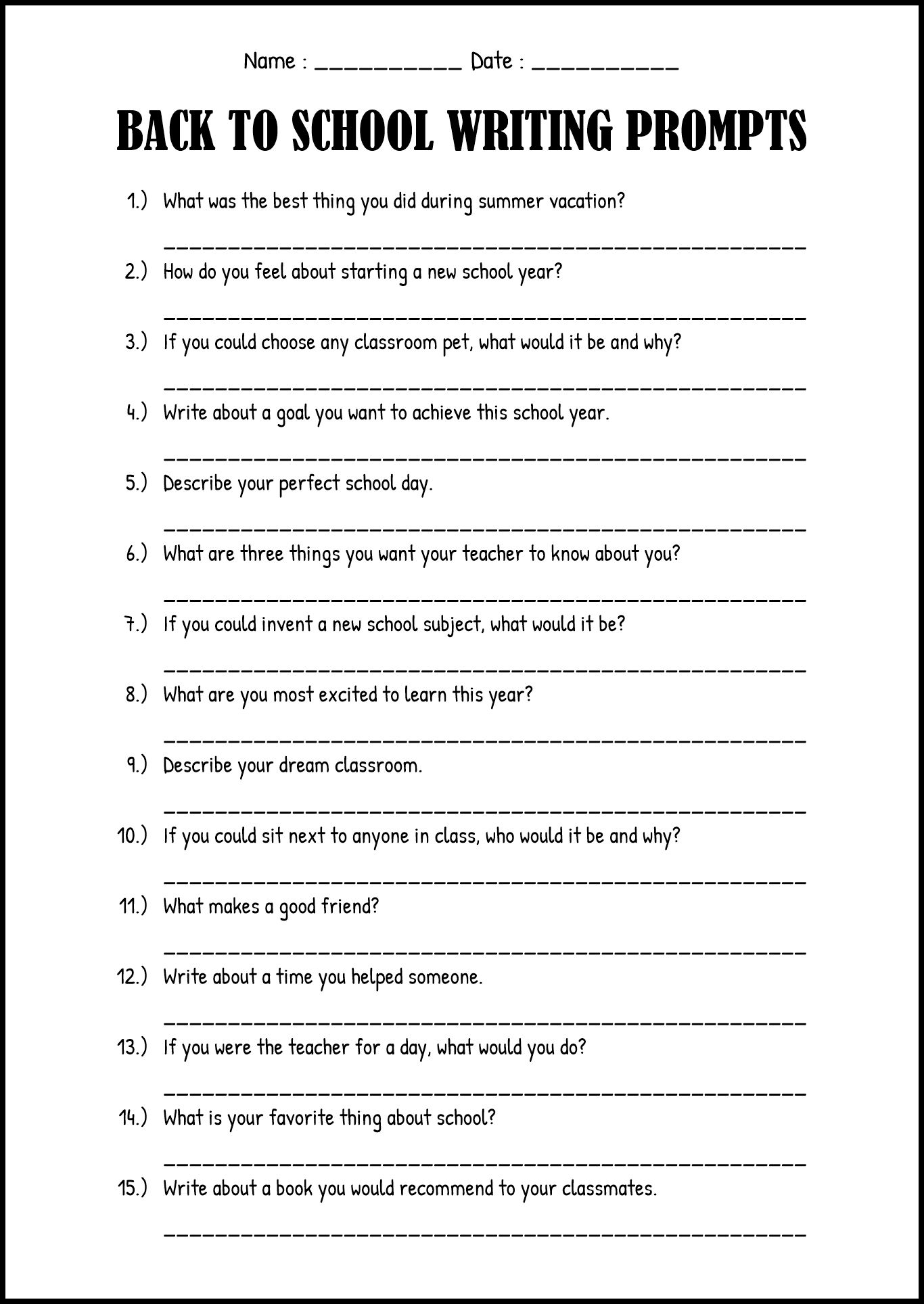
 Elementary Back to School Writing Prompts
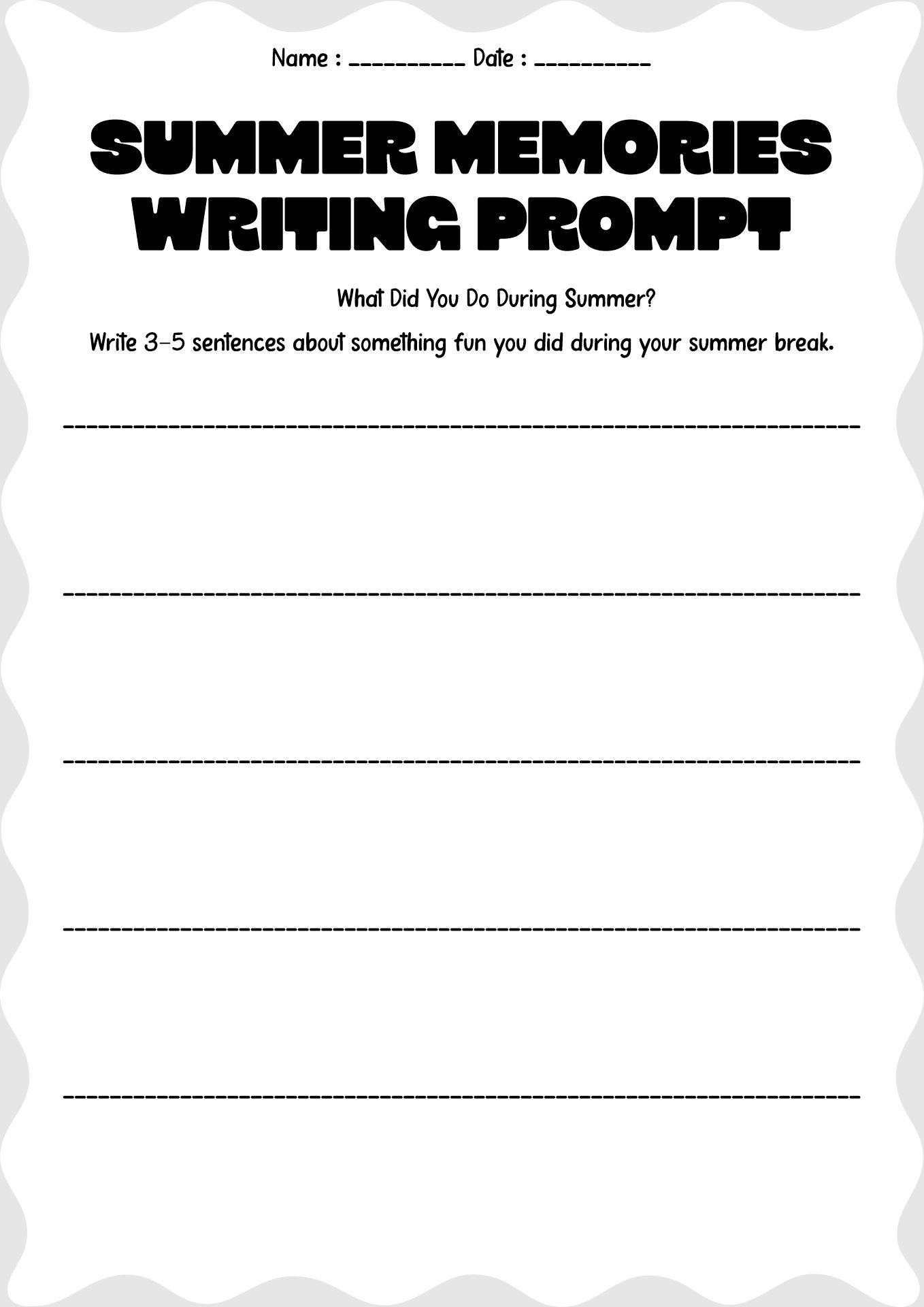
 Beginning of Year Literacy Worksheets for Elementary
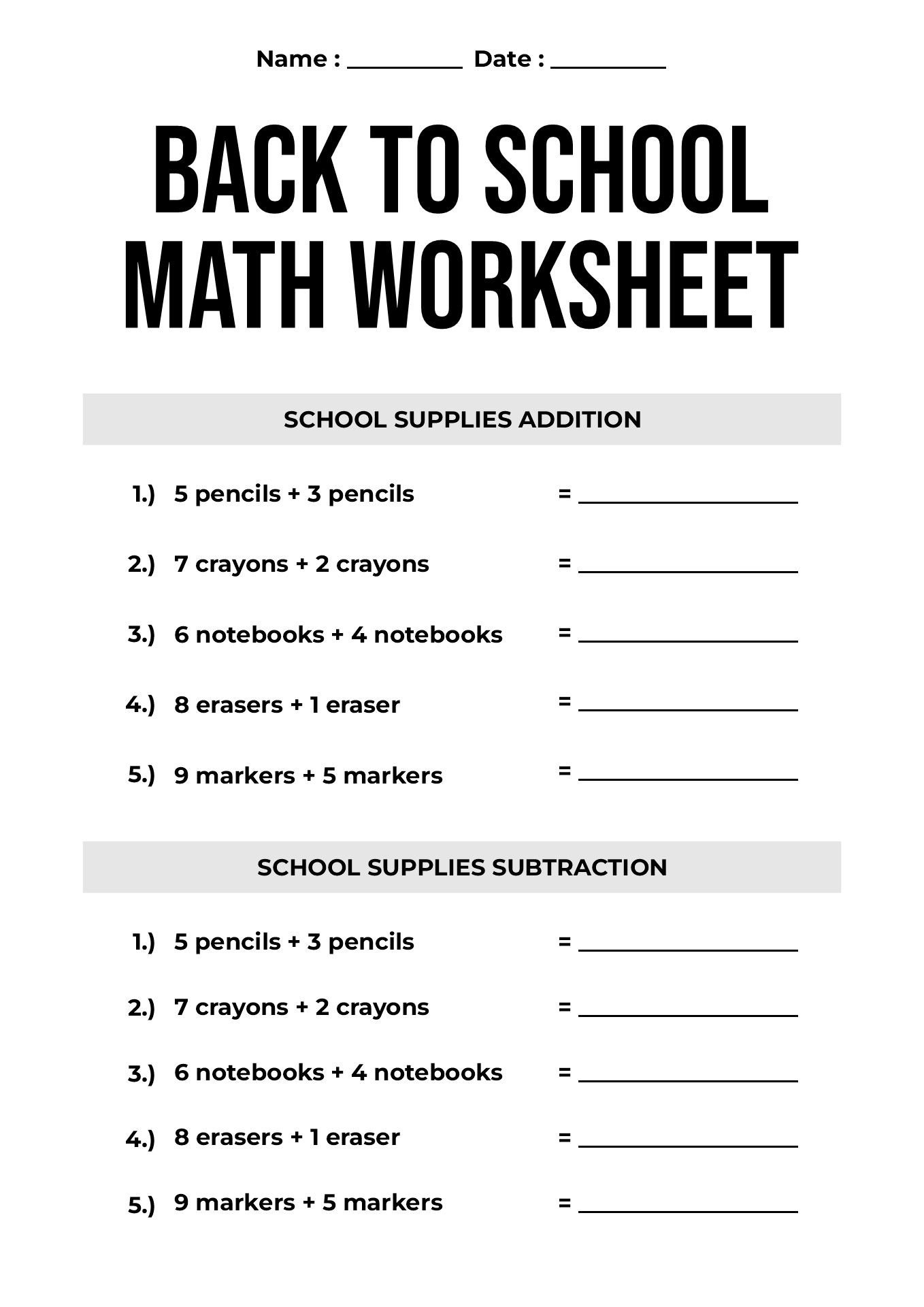
 Back to School Math Worksheets for Elementary Students
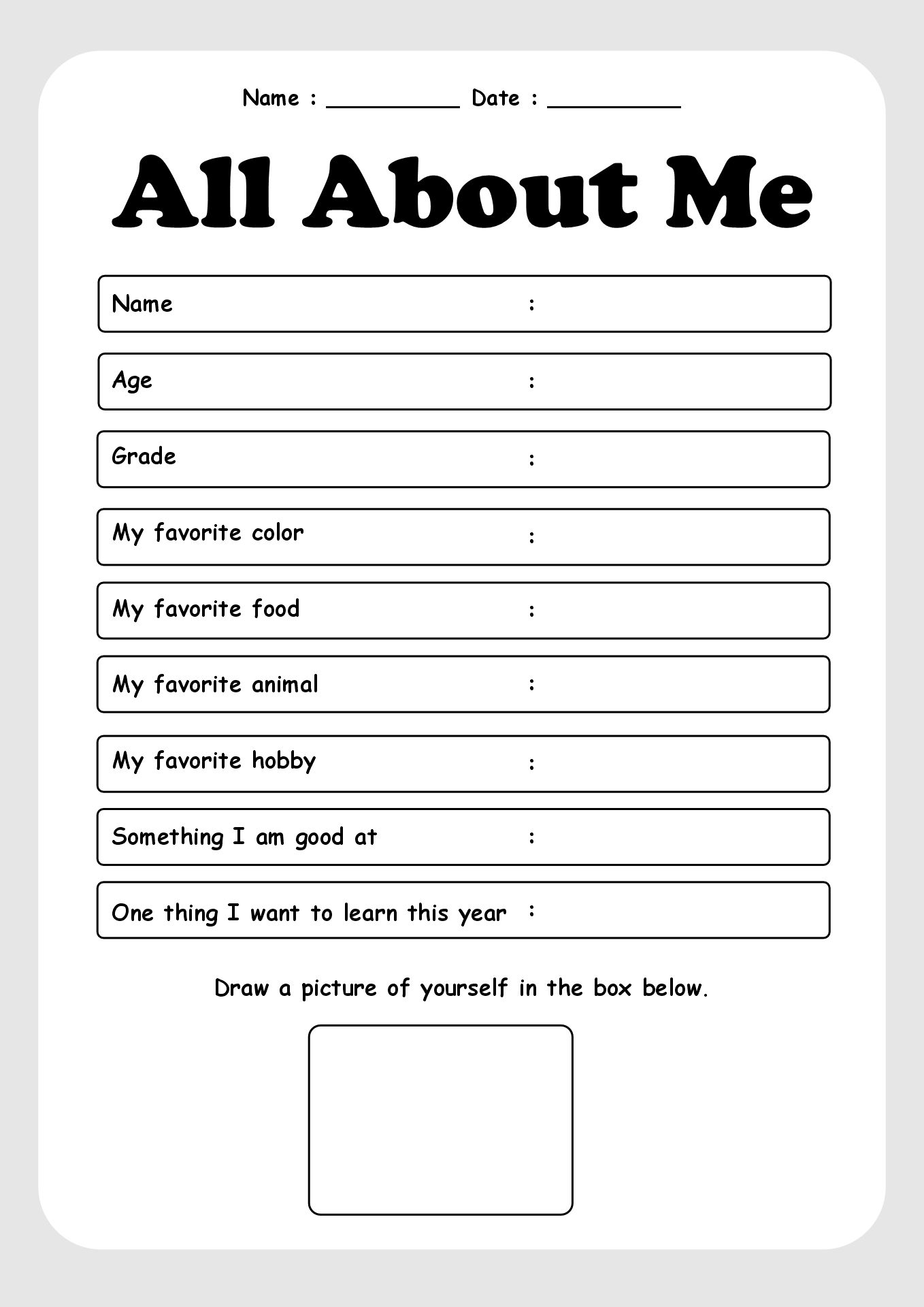
 Elementary School First Day Worksheets
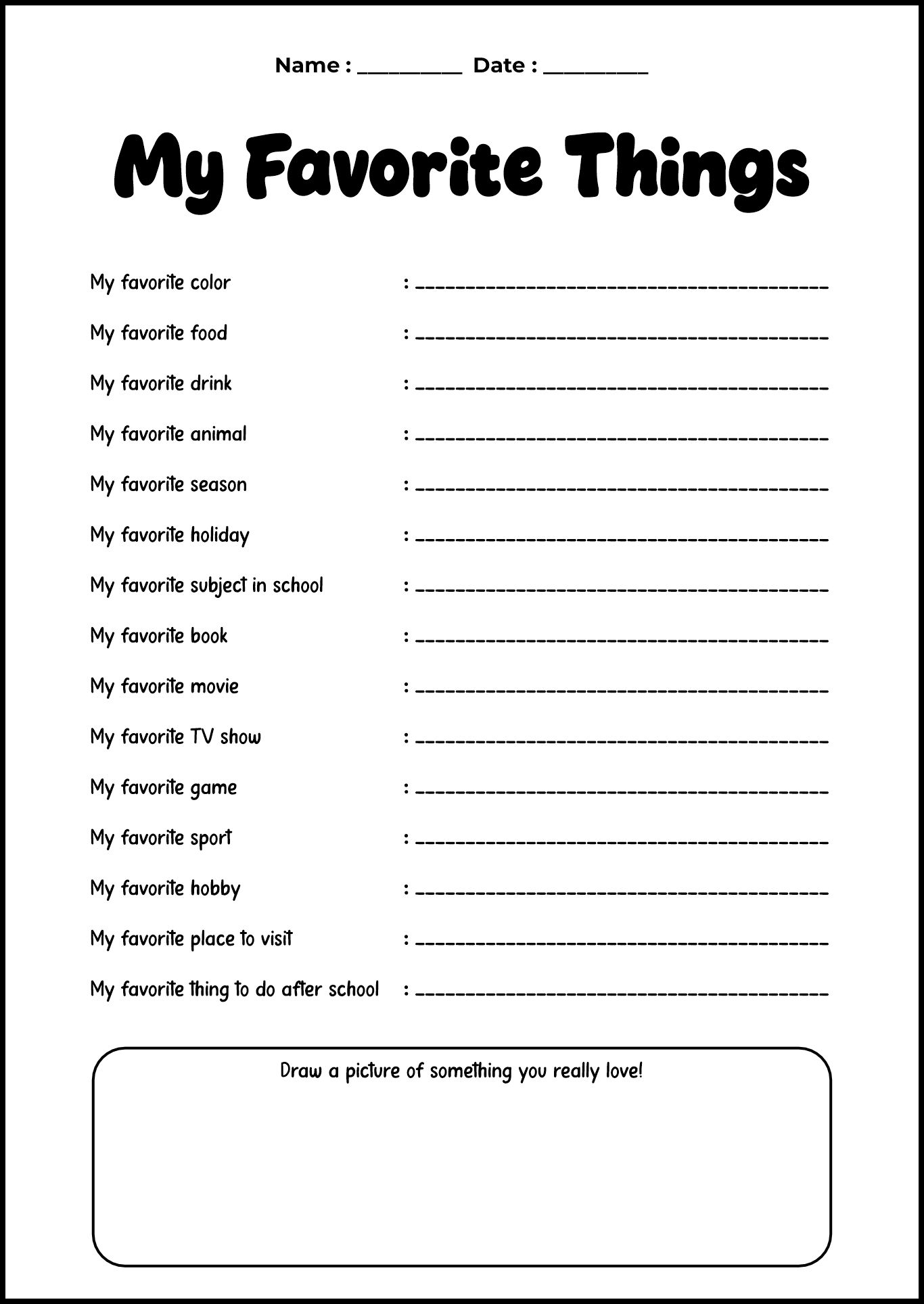
 Elementary Back to School Activity Sheets
More Other Worksheets
Kindergarten Worksheet My RoomSpanish Verb Worksheets
Spring Clothes Worksheet
For First Grade Phonics Worksheets
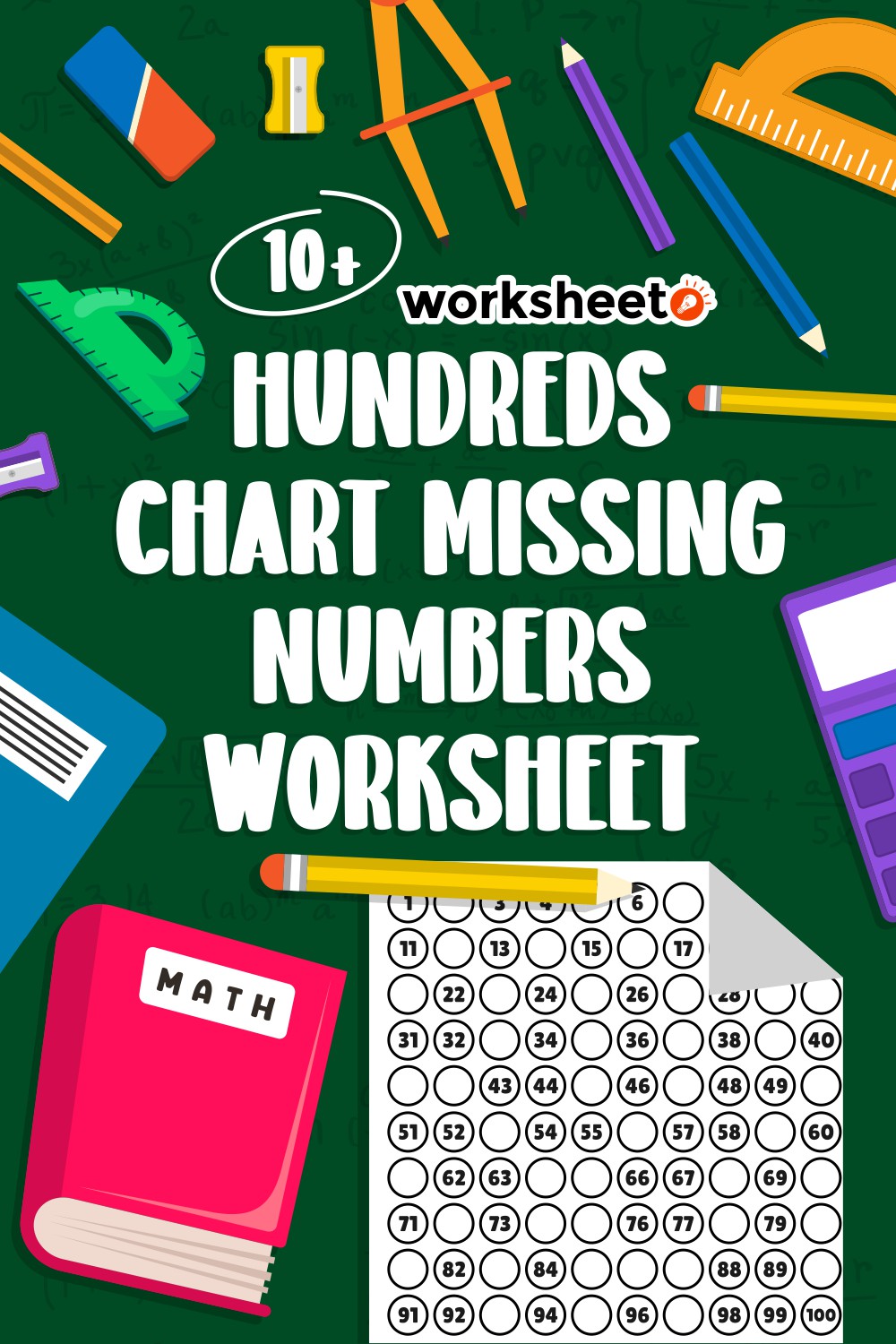
Hundreds Chart Missing Numbers Worksheet
Healthy Eating Plate Printable Worksheet
Cooking Vocabulary Worksheet
My Shadow Worksheet
Large Printable Blank Pyramid Worksheet
Relationship Circles Worksheet
What is an Elementary Back to School Worksheet?
An Elementary Back to School Worksheet is a printable activity designed to help students transition into a new school year while encouraging self-expression, communication, and classroom engagement.
These worksheets allow children to introduce themselves, reflect on their interests, and share information about their experiences. Think of it as a bridge between summer break and the new learning journey ahead.
What Learning Goals Can Students Explore Through an Elementary Back to School Worksheet?
Self-Awareness
Children begin thinking about who they are as learners and individuals.
They may reflect on:
- Personal strengths
- Favorite activities
- Academic interests
- Future goals
This reflection helps students build confidence and develop a stronger sense of identity within the classroom.
Communication Skills
Many activities encourage children to write about themselves and share information with others.
As a result, students practice:
- Writing complete sentences
- Organizing thoughts
- Speaking with classmates
- Listening respectfully
These foundational communication skills support learning across all subjects.
Goal Setting
Goal-setting activities help students start the year with purpose.
Examples include:
- Reading more books
- Improving handwriting
- Participating more in class
- Learning new math skills
When students identify goals early, they are often more motivated to work toward them throughout the year.
Social Development
This engaging back to school worksheet helps children discover common interests with classmates, making it easier to form friendships and feel connected to the classroom community.
Creative Thinking
Many worksheets include drawing, coloring, or open-ended writing prompts that encourage imagination and self-expression.
What Features Make an Elementary Back to School Worksheet Easy for Kids to Complete Independently?
Clear Instructions
Young learners benefit from simple, straightforward directions. Instead of lengthy explanations, effective worksheets use short prompts that are easy to understand.
Age-Appropriate Questions
Questions should be relevant to children's experiences and interests.
Examples include:
- What is your favorite animal?
- What do you enjoy doing after school?
- What is your favorite food?
- What are you excited to learn this year?
Children are more likely to participate when they can easily relate to the content.
Visual Organization
A clean layout reduces confusion and helps students focus on the task.
Good worksheets often include:
- Adequate writing space
- Easy-to-read fonts
- Organized sections
- Simple graphics
Balanced Activities
Students learn differently, so variety matters.
The most engaging worksheets combine:
- Writing tasks
- Drawing activities
- Reflection prompts
- Goal-setting exercises
This variety helps maintain attention and supports different learning preferences.
Encouragement of Independent Thinking
Rather than providing rigid answers, strong worksheets invite children to share their own ideas and experiences. This encourages ownership of learning and builds confidence in their ability to express themselves.
What Can an Elementary Back to School Worksheet Reveal About a Child’s Learning Style?
Preferred Learning Methods
A child's responses may suggest whether they enjoy:
- Visual activities
- Hands-on projects
- Reading tasks
- Group discussions
Understanding these preferences can help adults create more effective learning experiences.
Interests and Motivations
Children often reveal what excites them most. For example, some students may write extensively about animals, sports, science, or art. These interests can be incorporated into future lessons to increase engagement.
Communication Confidence
The way students respond to prompts can provide clues about their comfort level with speaking and writing. Teachers can identify students who need additional encouragement or support.
Goal-Oriented Thinking
Some students naturally set ambitious goals, while others may need guidance when thinking about personal growth and achievement.
Social Preferences
Activities involving classmates can reveal whether students prefer working independently, with partners, or in larger groups.
So, Why Should You Add Our Elementary Back to School Worksheet to Your First-Day Plans?
With countless printables available online, you may wonder what makes ours worth choosing.
The answer goes beyond convenience.
Our Elementary Back to School Worksheet is specifically designed to help children start the school year feeling comfortable, confident, and excited about learning.
So, here are several reasons educators and parents love using it.
It Creates Meaningful First-Day Conversations
Many first-day activities focus only on introductions.
Our worksheet encourages students to share their interests, goals, and experiences in a way that naturally sparks classroom discussions.
It Supports Both Academic and Social Growth
Students are not only practicing writing and reflection skills but also building connections with classmates. This combination helps create a stronger classroom community from the very beginning.
It Saves Valuable Preparation Time
Teachers already have countless responsibilities during the first week of school. Our printable is ready to use, allowing educators to focus on students rather than spending hours creating activities from scratch.
It Encourages Student Voice
Every child has a story to tell.
Our activities give students opportunities to share:
- Personal interests
- Learning goals
- Favorite memories
- Future aspirations
It Works in Multiple Learning Environments
Whether you teach in a classroom, homeschool setting, tutoring session, or virtual environment, the worksheet adapts easily to your needs.
It Provides Long-Term Value
Unlike some first-day activities that are quickly forgotten, the completed worksheet can become a useful reference throughout the year.
So, give your students a fun and memorable start. Download our free elementary back to school worksheet and make day one count!


Have something to share?
Popular Categories
Who is Worksheeto?
At Worksheeto, we are committed to delivering an extensive and varied portfolio of superior quality worksheets, designed to address the educational demands of students, educators, and parents.


Comments