
Women's History Month Reading Worksheets
There’s something special about March in both classrooms and at home. It opens the door to powerful conversations about resilience, innovation, and leadership. Using Women's History Month Reading Worksheets allows you to channel that energy into structured, meaningful learning experiences.
Rather than pulling random resources from multiple websites, you can provide students with organized reading passages that introduce influential women in a clear and engaging way. These worksheets combine literacy practice with historical understanding, making lessons both purposeful and skill-building.
When you use ready-to-download Women's History Month Reading Worksheets PDF materials, planning becomes even easier. You can print them for class, assign them digitally, or include them in take-home packets. The result is a smoother teaching process and a more focused reading experience for students.
Table of Images 👆
- Womens History Month Reading Comprehension Worksheets
- Womens History Month Biography Reading Worksheets
- Womens Historical Figures Reading Worksheets
- Womens Achievements Reading Worksheets for History Month
- Womens History Month Educational Reading Worksheets
- Womens History Month Informative Reading Worksheets
- Womens Contributions History Month Reading Worksheets
- Womens History Month Reading Activities Worksheets
- Womens History Month Reading Skills Worksheets
- Womens History Month Reading and Learning Worksheets
- Reading Worksheet of Women in History
- Womens History Month Educational Worksheets
- Womens History Month Worksheets for Elementary Schools
- Womens History Month Activity Sheets for Students
 14 Images of Women's History Month Reading Worksheets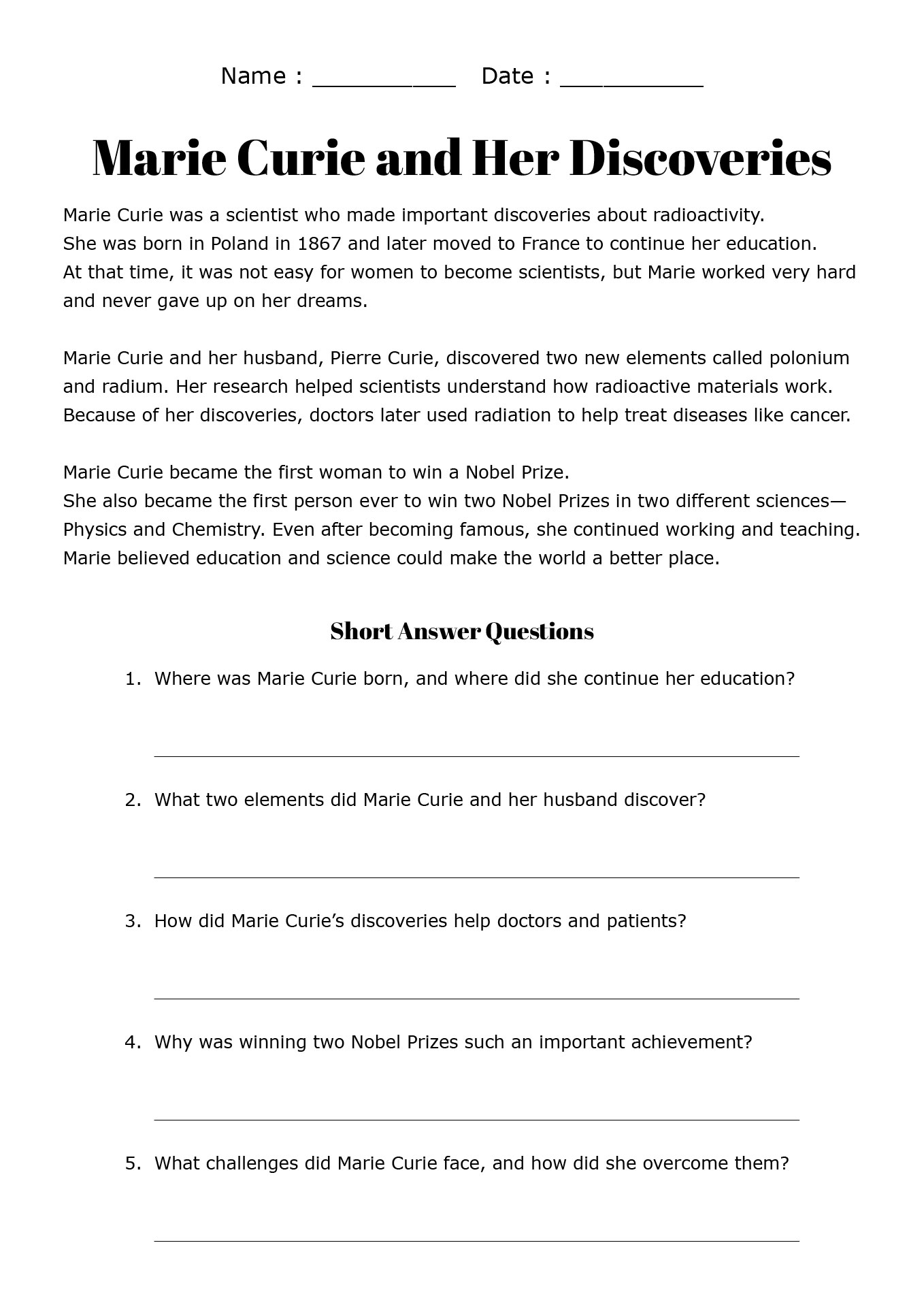
 Womens History Month Reading Comprehension Worksheets
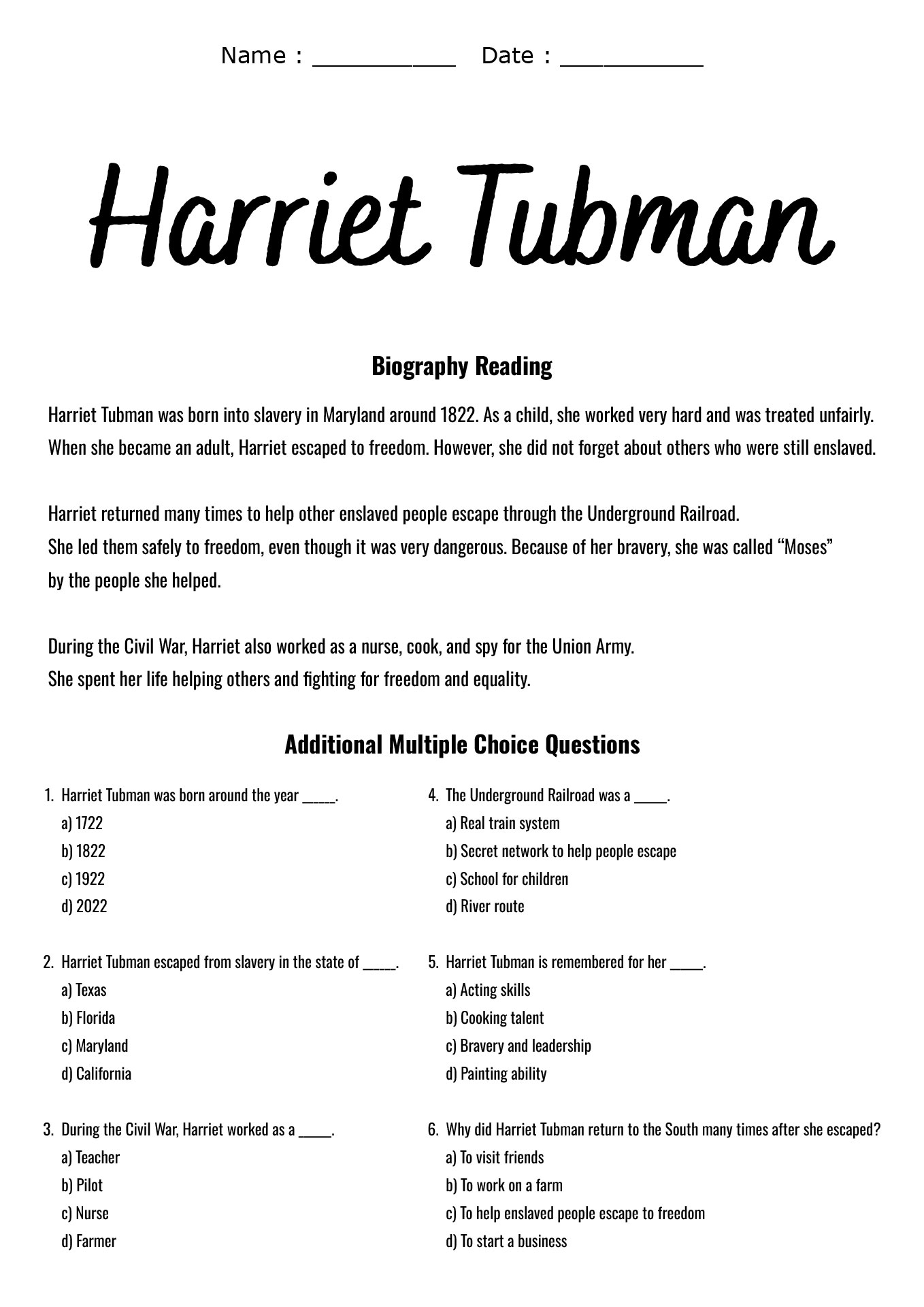
 Womens History Month Biography Reading Worksheets
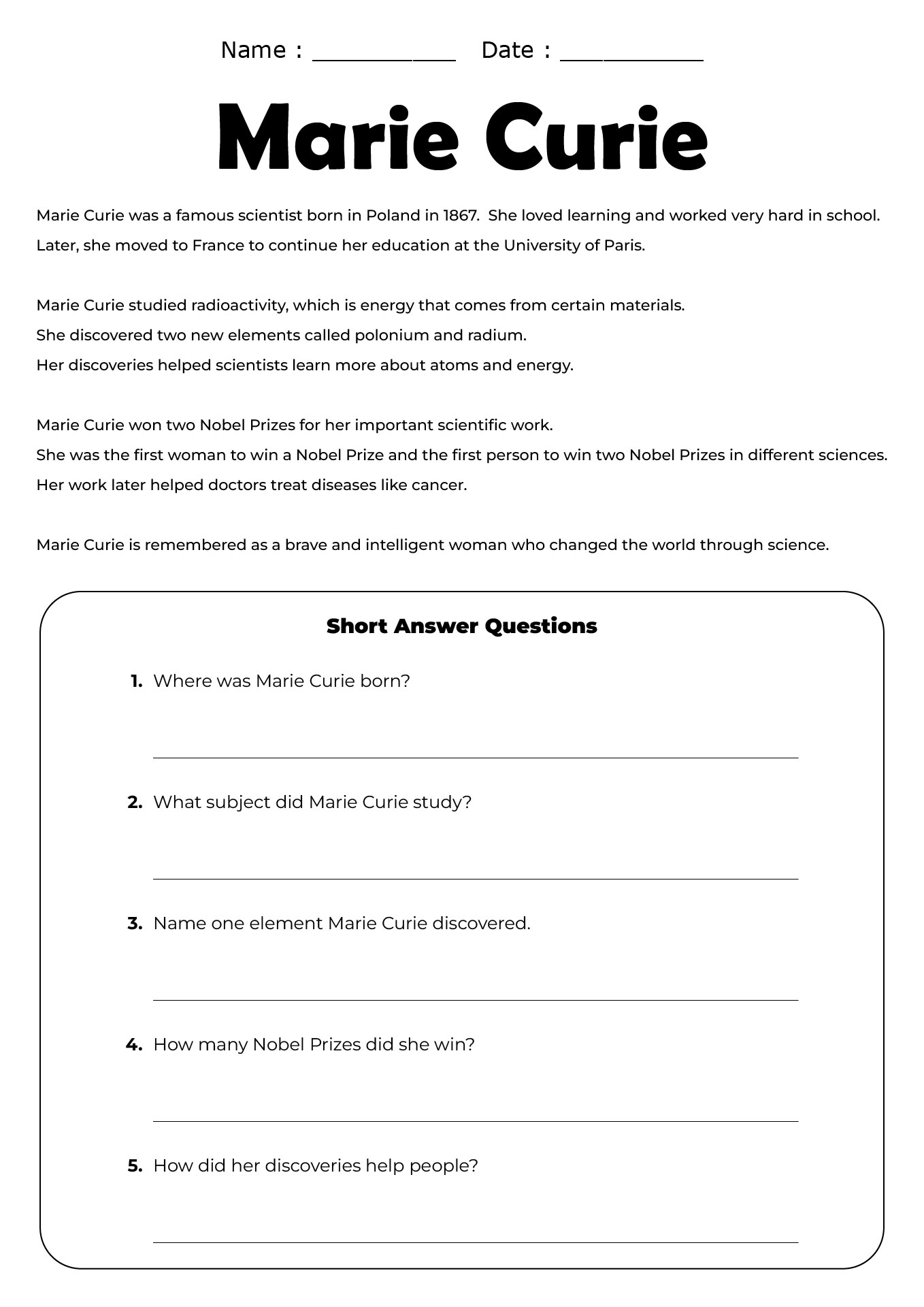
 Womens Historical Figures Reading Worksheets
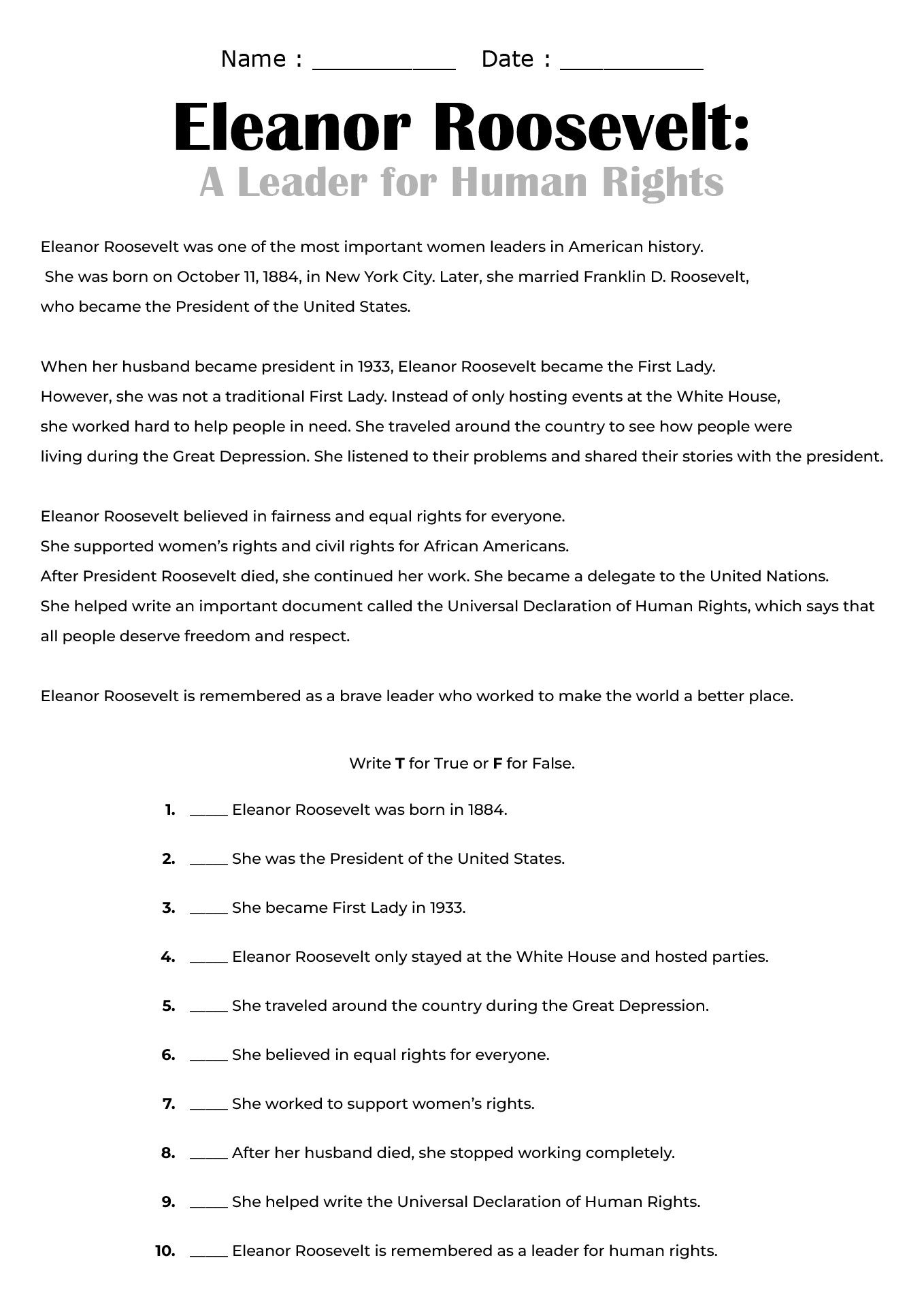
 Womens Achievements Reading Worksheets for History Month
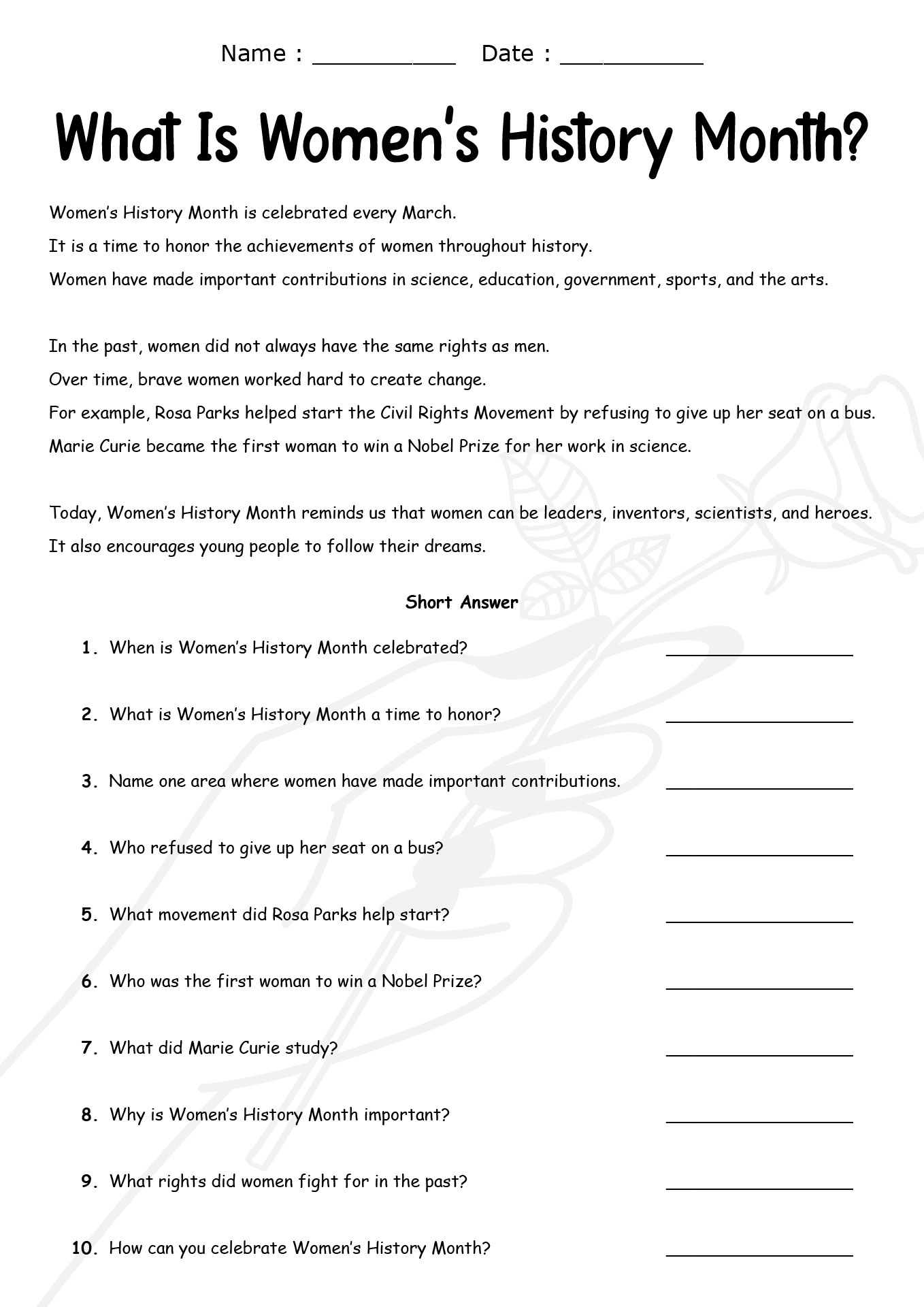
 Womens History Month Educational Reading Worksheets
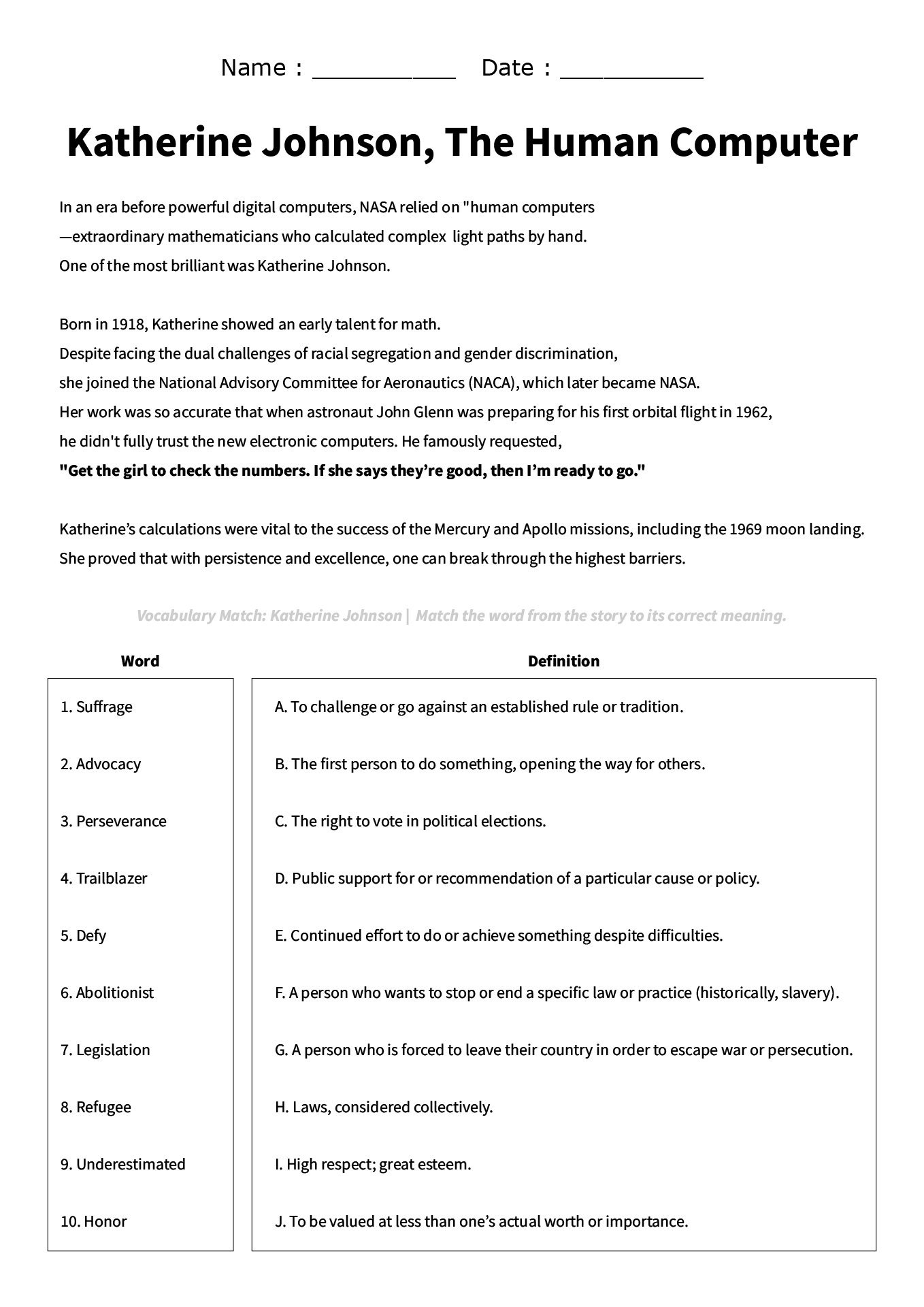
 Womens History Month Informative Reading Worksheets
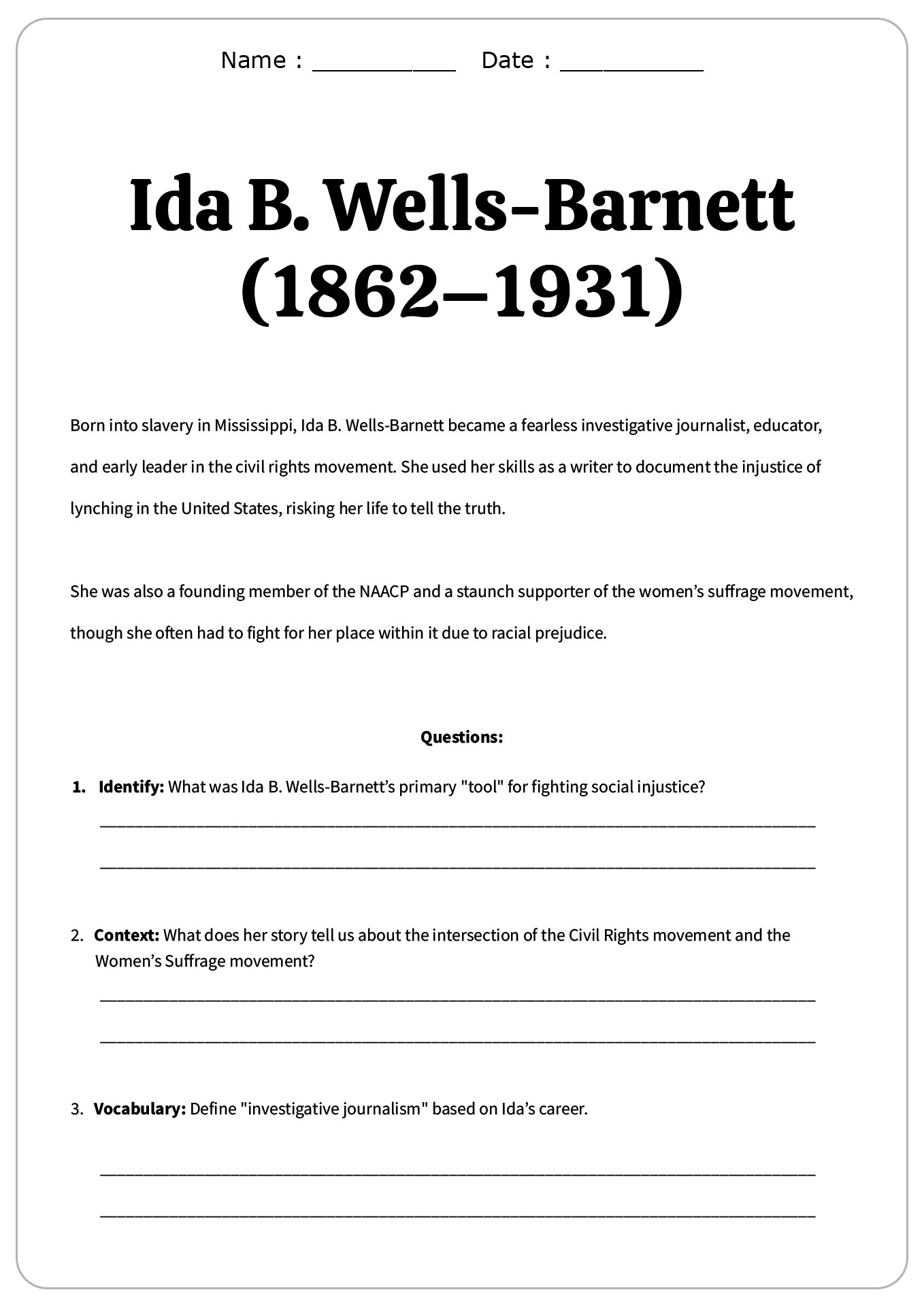
 Womens Contributions History Month Reading Worksheets
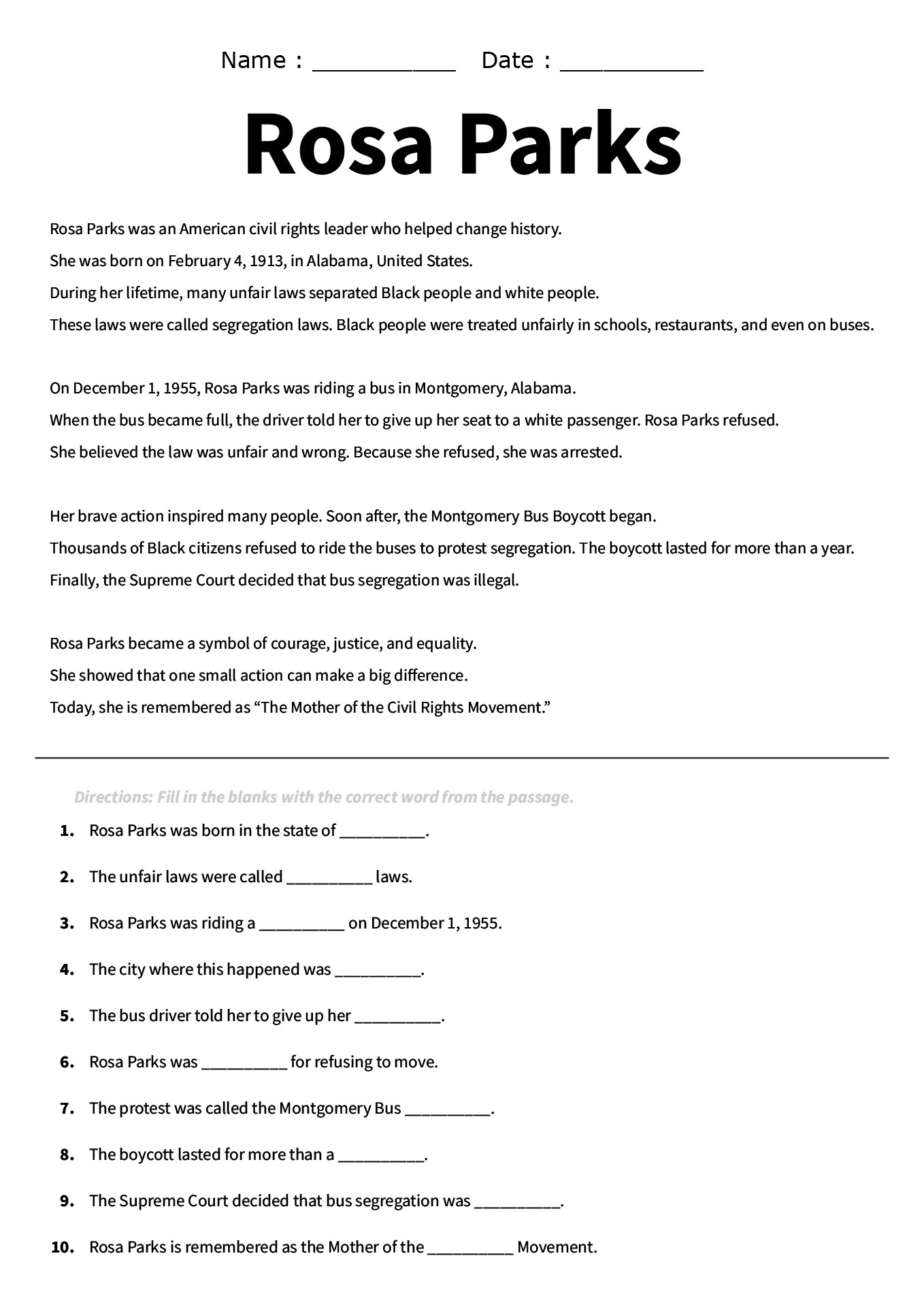
 Womens History Month Reading Activities Worksheets
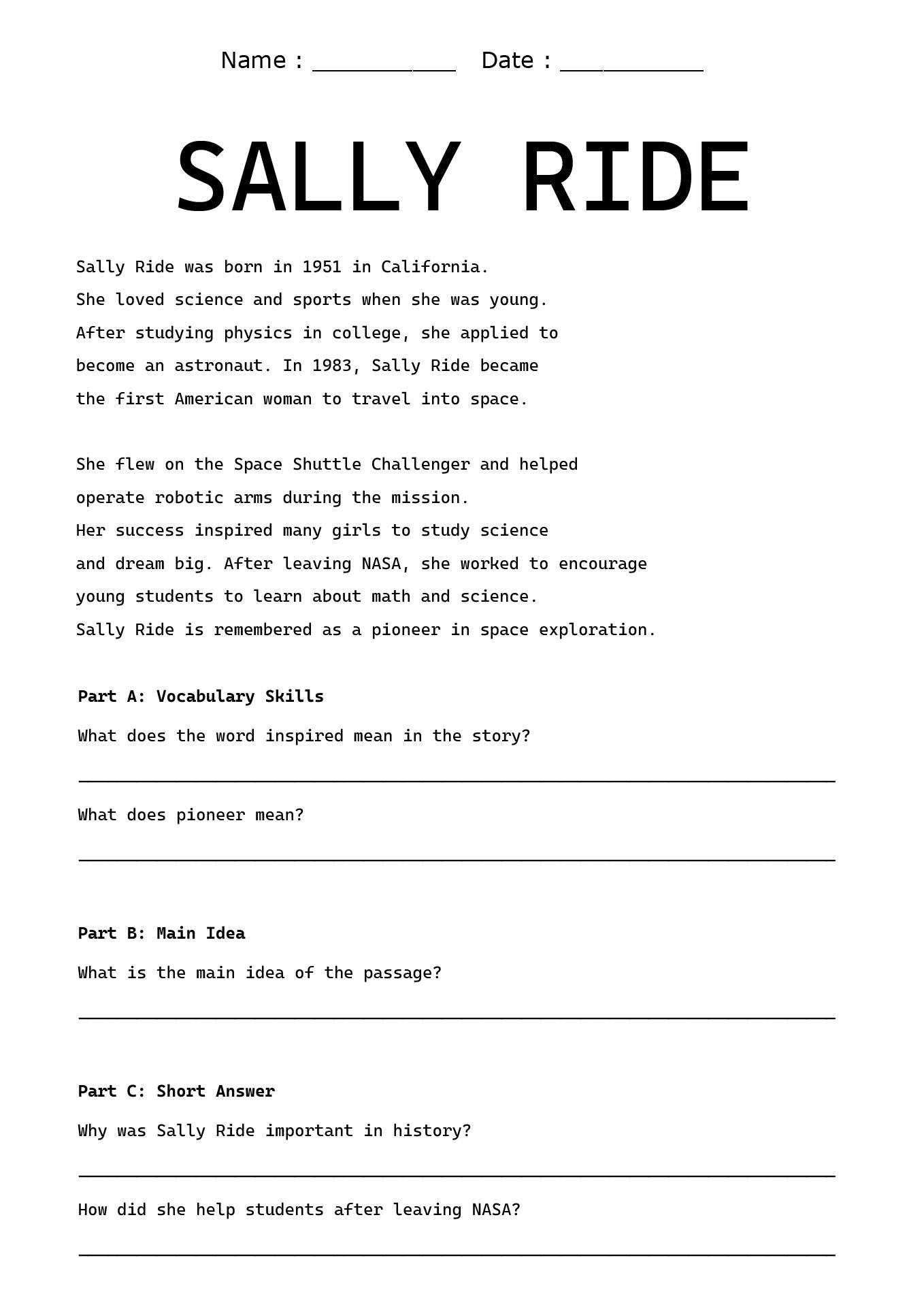
 Womens History Month Reading Skills Worksheets
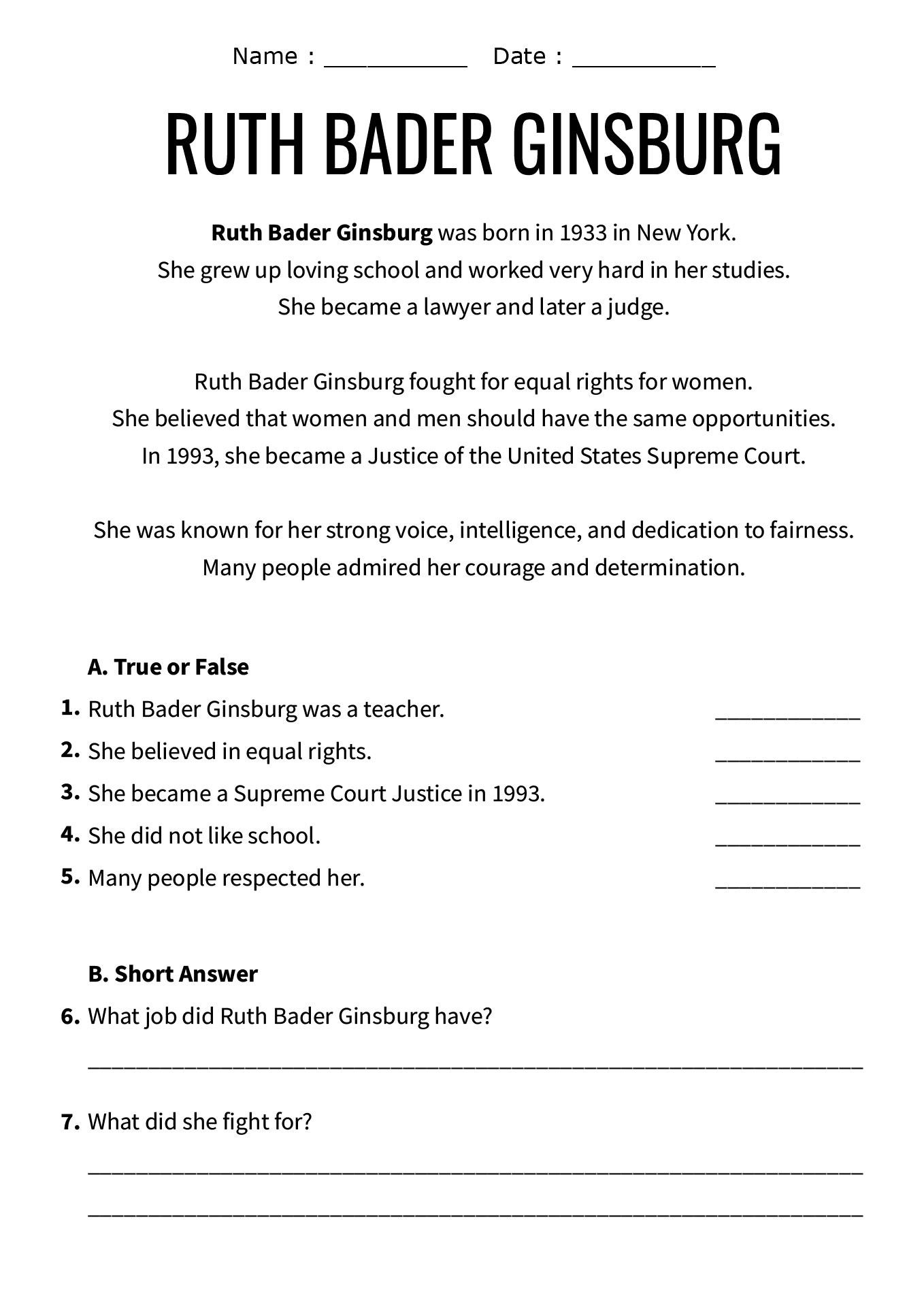
 Womens History Month Reading and Learning Worksheets
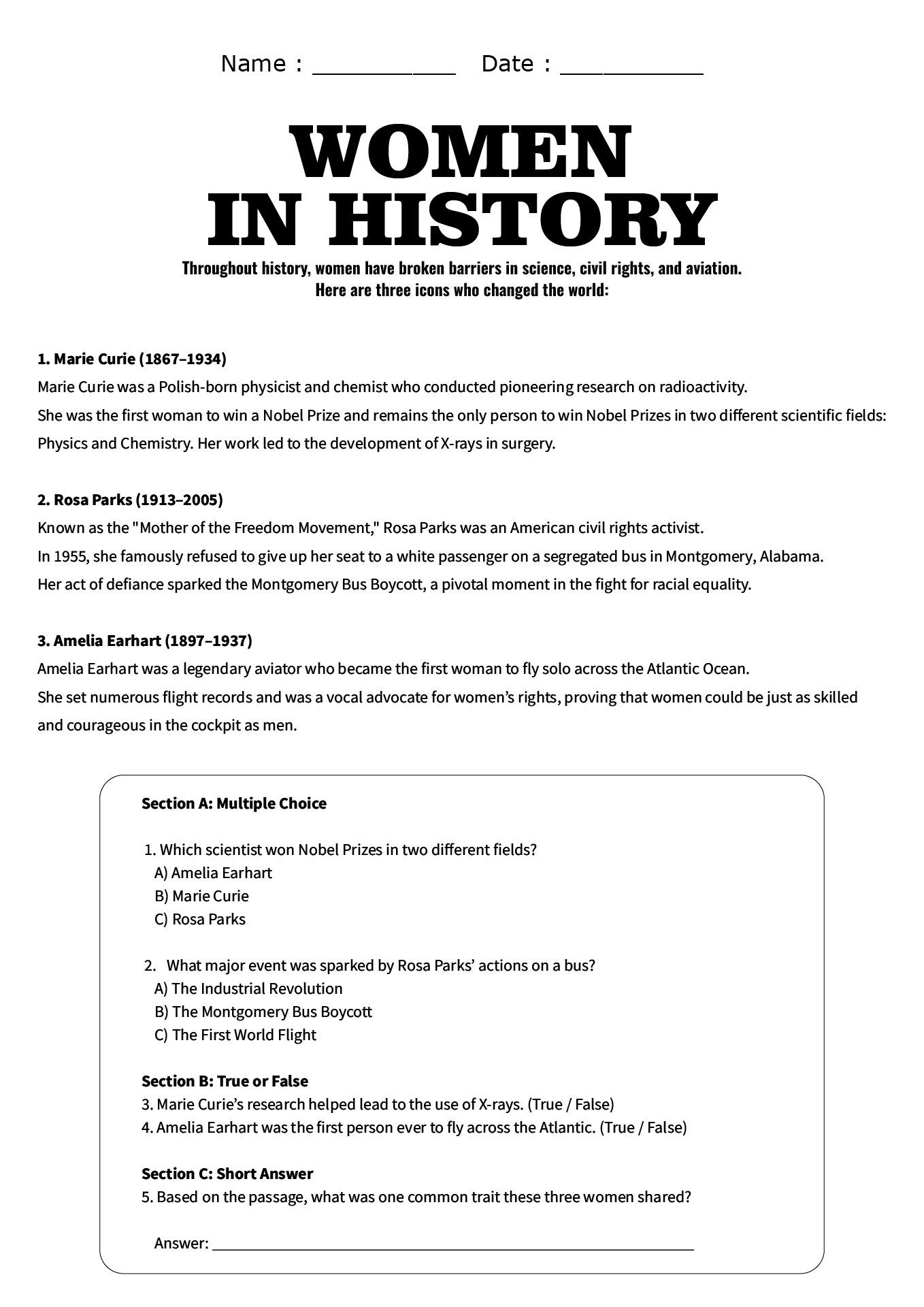
 Reading Worksheet of Women in History
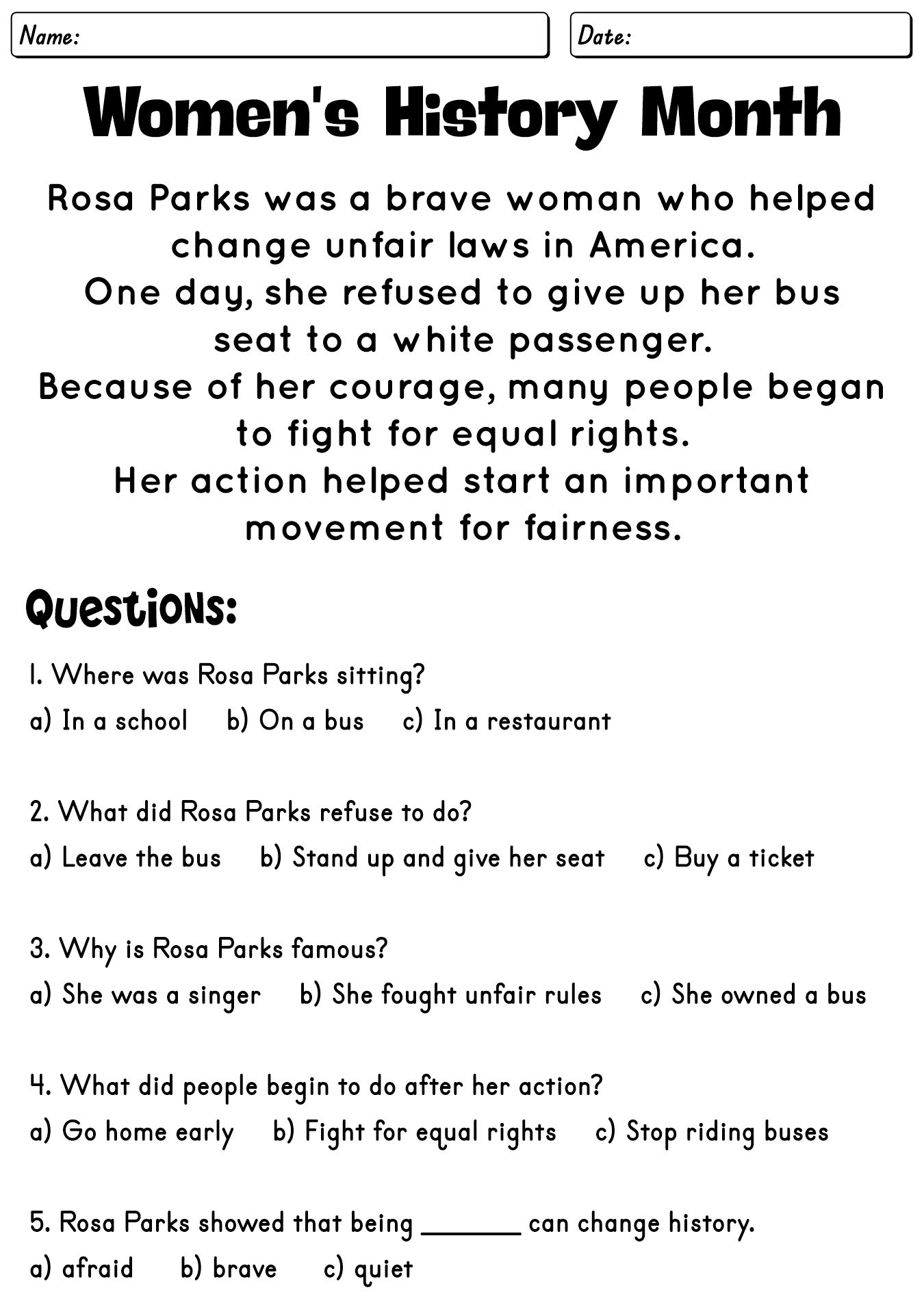
 Womens History Month Educational Worksheets
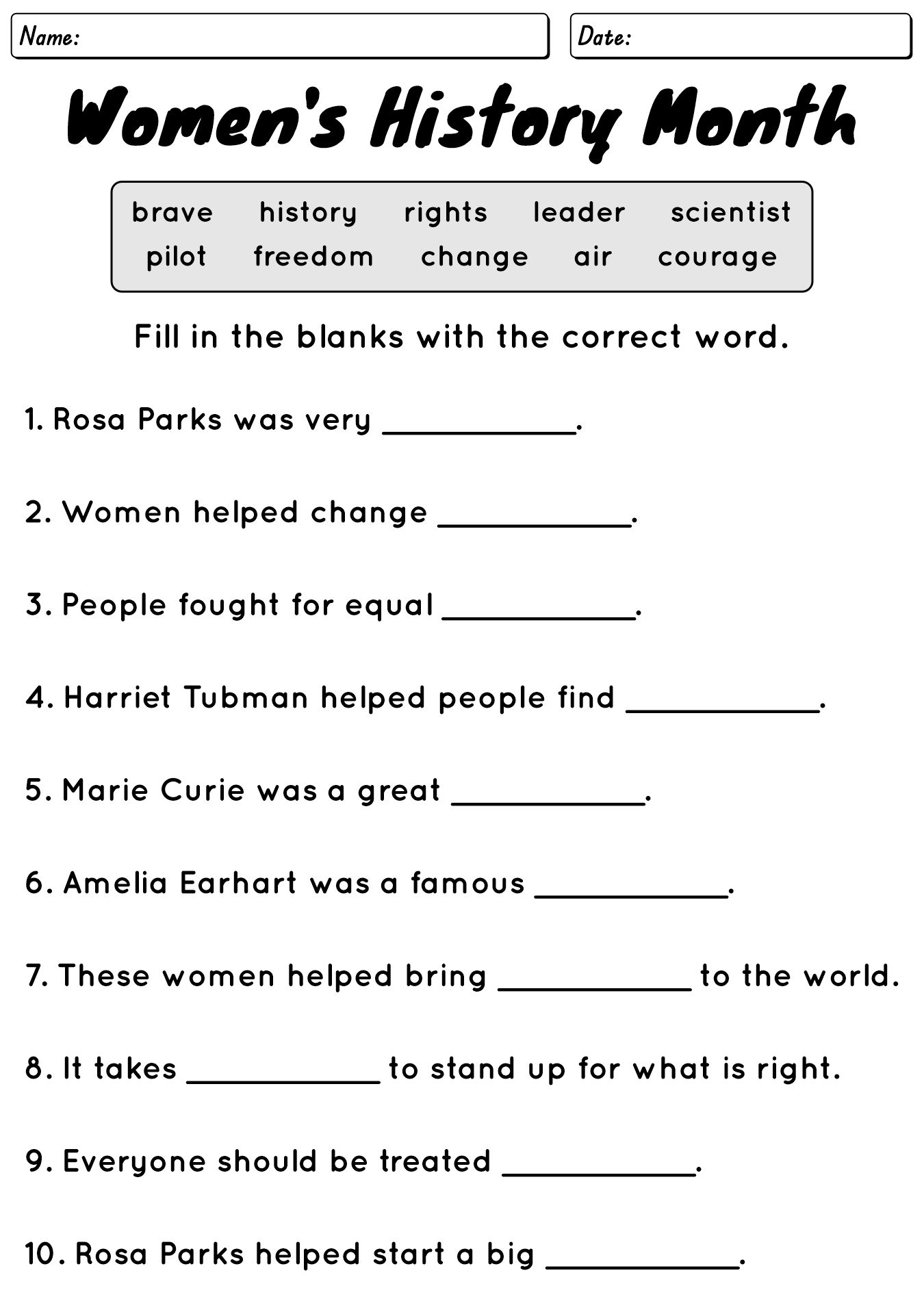
 Womens History Month Worksheets for Elementary Schools
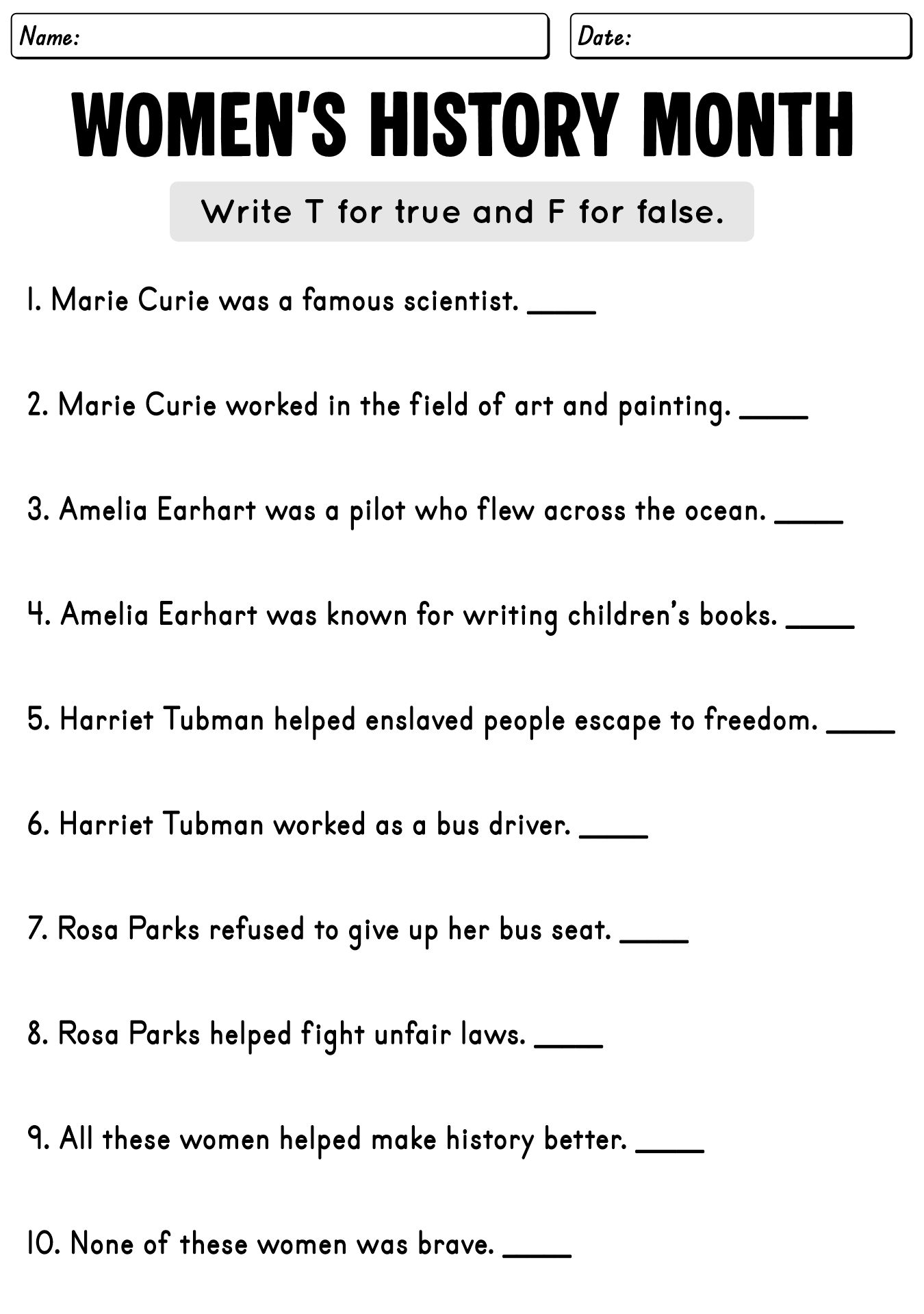
 Womens History Month Activity Sheets for Students
More Worksheets
What are Women's History Month Reading Worksheets?
Women's History Month Reading Sheets are structured literacy resources designed to help students explore biographies, historical events, and key achievements connected to influential women.
But they’re much more than simple reading passages.
A well-crafted worksheet typically includes:
- An engaging informational text
- Vocabulary support
- Comprehension questions
- Critical thinking prompts
- Short writing extensions
- Reflection sections
For adults guiding instruction, this structure is incredibly helpful. Instead of creating discussion questions from scratch, everything is thoughtfully organized in one place.
These worksheets often focus on:
- Scientists, activists, artists, and leaders
- Historical milestones
- Social movements
- Personal journeys of perseverance
When students work through structured reading activities, they build:
- Reading comprehension skills
- Analytical thinking
- Historical awareness
- Confidence in discussing complex topics
And because many sets are available as Women's History Month Reading Worksheets PDF downloads, you can print or share them digitally in seconds. That flexibility makes them practical for classroom use, homeschool settings, or independent study.
What Types of Activities Are Included in Women's History Month Reading Worksheets?
Here’s what you’ll often find:
Informational Reading Passages
Clear, student-friendly texts that highlight achievements and historical context.
Comprehension Questions
Questions that move beyond “Who?” and “When?” and encourage deeper thinking, such as:
- Why was this achievement significant?
- What challenges did she overcome?
- How did her actions influence others?
Vocabulary Development
Key terms explained within context to strengthen academic language.
Timeline Activities
Students organize events chronologically, reinforcing sequencing skills.
Reflection Prompts
Open-ended questions that encourage personal connections.
Short Writing Assignments
Students might write a summary, persuasive paragraph, or imagined speech.
Can Women's History Month Reading Worksheets Support Differentiated Instruction?
Absolutely, and this is one of their strongest advantages! Women's History Month Reading Sheets can be adapted to fit different learning needs without requiring you to redesign your entire lesson plan.
In one classroom, reading levels can vary significantly. At home, children may need different levels of support depending on their confidence and comprehension skills.
Here are practical ways worksheets support differentiation:
- Provide shorter passages for emerging readers
- Offer extended writing prompts for advanced students
- Use guided questions for students who need extra structure
- Encourage independent research extensions for fast finishers
You can also:
- Read the passage aloud for auditory learners
- Highlight key information for visual learners
- Pair students for collaborative discussion
How Do Women's History Month Reading Worksheets Encourage Text-Based Evidence in Responses?
One essential literacy skill is learning to support answers with evidence. Women's History Month Reading Sheets are designed to strengthen that habit.
Instead of accepting vague responses, structured worksheets prompt students to:
- Refer back to specific sentences
- Quote directly from the passage
- Identify details that support their claims
- Explain how evidence connects to their answer
For example, instead of asking, “Was she brave?” a better question would be:
- “What evidence from the text shows her bravery?”
This shift encourages students to read more carefully and think more critically.
Text-based evidence questions help students:
- Strengthen analytical skills
- Improve written responses
- Prepare for standardized assessments
- Build academic confidence
Can Our Women's History Month Reading Worksheets Inspire Students to Research Further?
This is where the magic happens. The best Women's History Month Reading Sheets don’t just deliver information, they spark curiosity.
After reading about an inspiring figure, students often want to know more. They might ask:
- What happened after this achievement?
- Did she face opposition?
- Are there similar leaders today?
Our worksheets include extension prompts that encourage:
- Independent research
- Creative projects
- Presentation preparation
- Comparative analysis between historical figures
You might see students:
- Create posters
- Write diary entries from the perspective of the historical figure
- Design mini research reports
- Present short oral summaries
By using structured Women's History Month Reading Worksheets PDF materials as a starting point, you provide a strong foundation while still allowing room for exploration.
So, What Makes Our Women's History Month Reading Worksheets a Long-Term Teaching Resource?
Our Women's History Month Reading Sheets are designed with longevity in mind. They’re not meant for one-time use and then forgotten.
Here’s why they remain valuable year after year:
- Timeless historical content
- Flexible activity formats
- Adaptable difficulty levels
- Printable Women's History Month Reading PDF options
- Organized layout for easy reuse
For teachers, that means you can:
- Incorporate them into annual March units
- Use them for substitute plans
- Add them to literacy centers
- Assign them as homework or enrichment
Most importantly, these worksheets encourage meaningful conversations about resilience, leadership, equality, and social change. They build literacy skills while also broadening perspective.
So, ready to simplify your lesson planning while making Women’s History Month more meaningful? Download our Women's History Month Reading Worksheets and give your students structured, engaging reading practice that goes beyond surface-level learning!
Each worksheet is designed to strengthen comprehension, encourage text-based responses, and spark thoughtful classroom conversations. With easy-to-access Women's History Month Reading PDF formats, you can quickly print them for class use or share them digitally for flexible learning.
So, start building stronger literacy skills today with resources that truly support both teachers and parents!


Have something to share?
Who is Worksheeto?
At Worksheeto, we are committed to delivering an extensive and varied portfolio of superior quality worksheets, designed to address the educational demands of students, educators, and parents.

Comments