
Día de los Muertos Worksheet
A classroom activity can become much more interesting when children encounter something they have never seen before. Imagine a page filled with colorful skulls, bright orange flowers, decorative paper banners, and unfamiliar Spanish words. For kids who have never heard of Día de los Muertos, these details might raise plenty of questions. That’s where a Día de los Muertos Worksheet can make a difference.
Parents and teachers can use printable activities to help them discover its symbols, traditions, and meaning at their own pace. Kids can explore a different culture while practicing useful academic skills through coloring, matching, vocabulary exercises, and other hands-on tasks. With a little guidance from adults, an unfamiliar celebration can become a memorable learning experience.
Table of Images 👆
- Día de los Muertos History Facts Worksheet
- Printable Día de los Muertos Worksheet Sheet
- Día de los Muertos Vocabulary Practice Worksheet
- Día de los Muertos Coloring Worksheets
- Día de los Muertos Worksheets for Learning
- Interactive Día de los Muertos Worksheets for Children
- Día de los Muertos Classroom Worksheets Activities
- Cultural Studies Día de los Muertos Worksheets
- Spanish Class Día de los Muertos Worksheets
- Printable Día de los Muertos Learning Worksheets
- Día de los Muertos Educational Worksheets for Kids
- Día de los Muertos Activity Sheets for Students
- Dia De Los Muertos Color And Trace Worksheet
- Día De Los Muertos Traditions And Symbols Worksheet
- Día De Los Muertos Family Tree Project Worksheet
 15 Images of Día De Los Muertos Worksheet
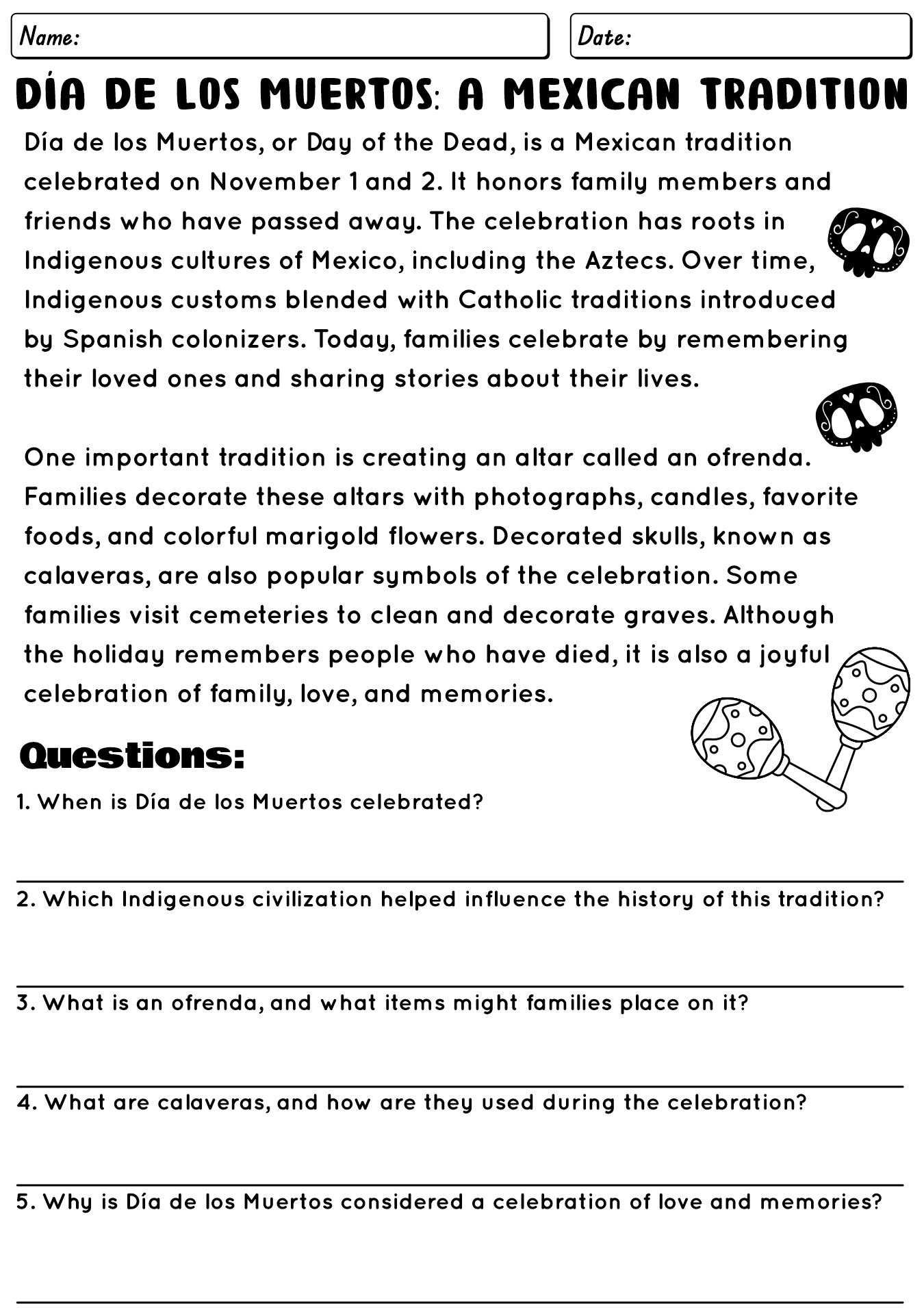
 Día de los Muertos History Facts Worksheet

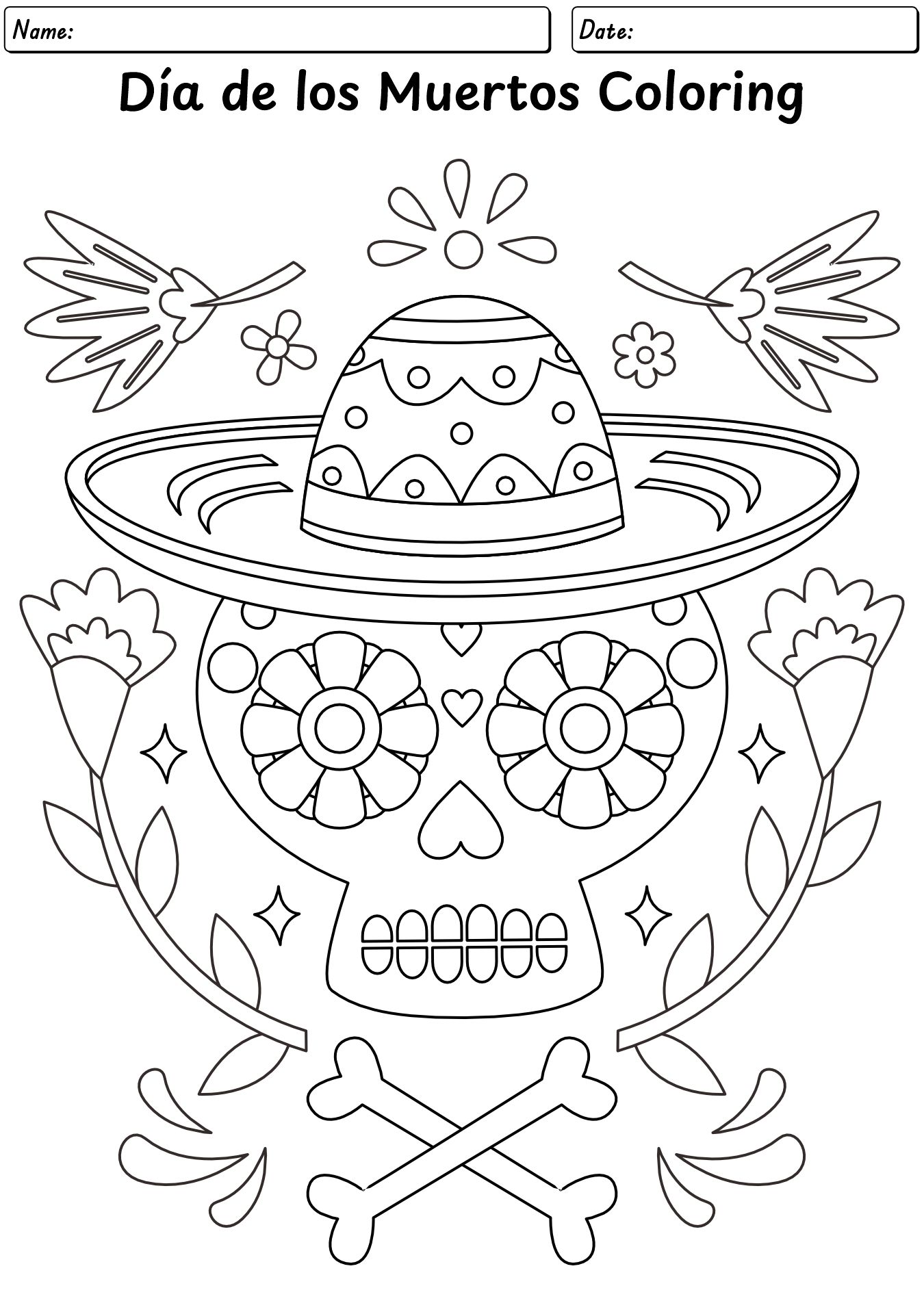
 Printable Día de los Muertos Worksheet Sheet

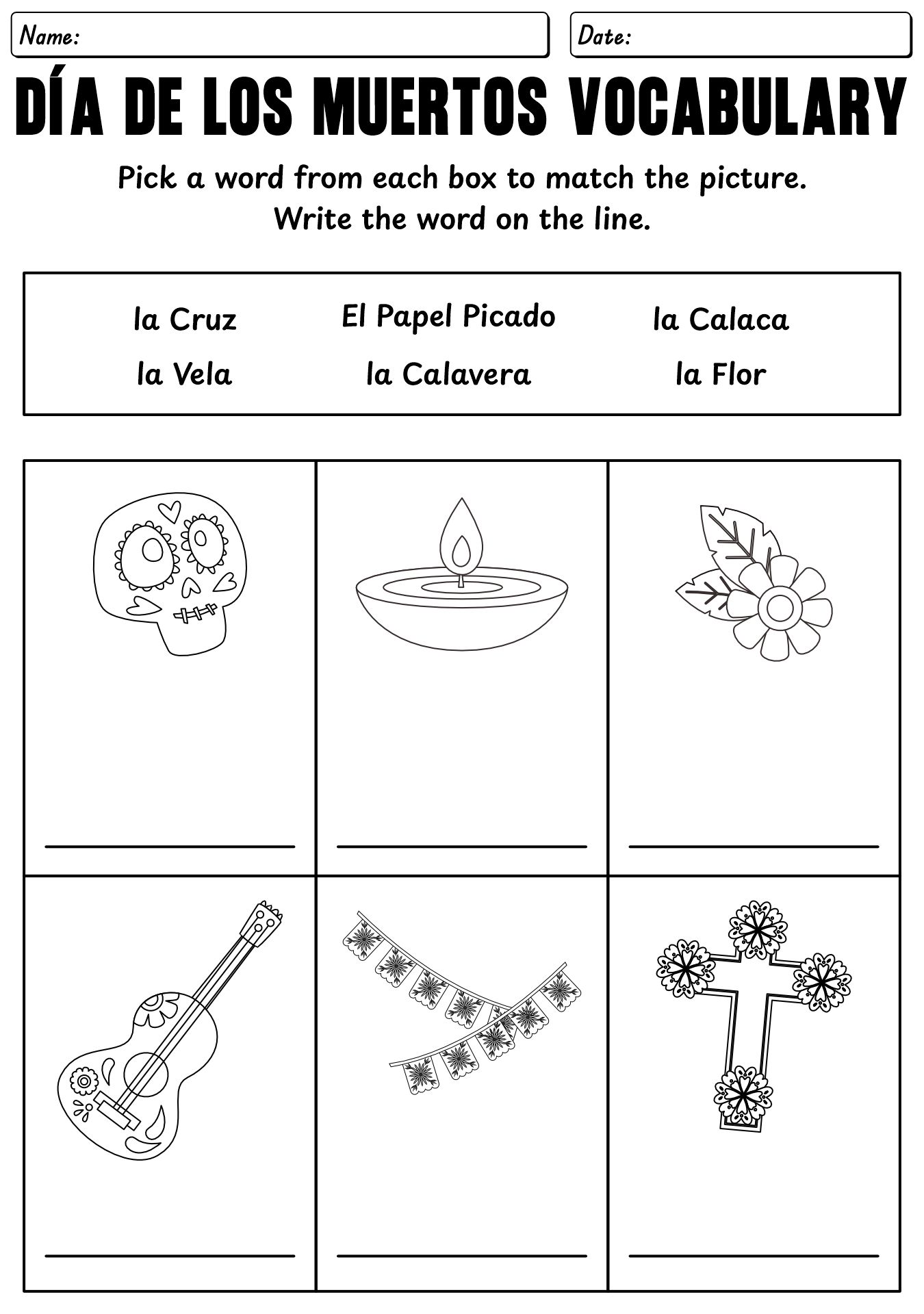
 Día de los Muertos Vocabulary Practice Worksheet

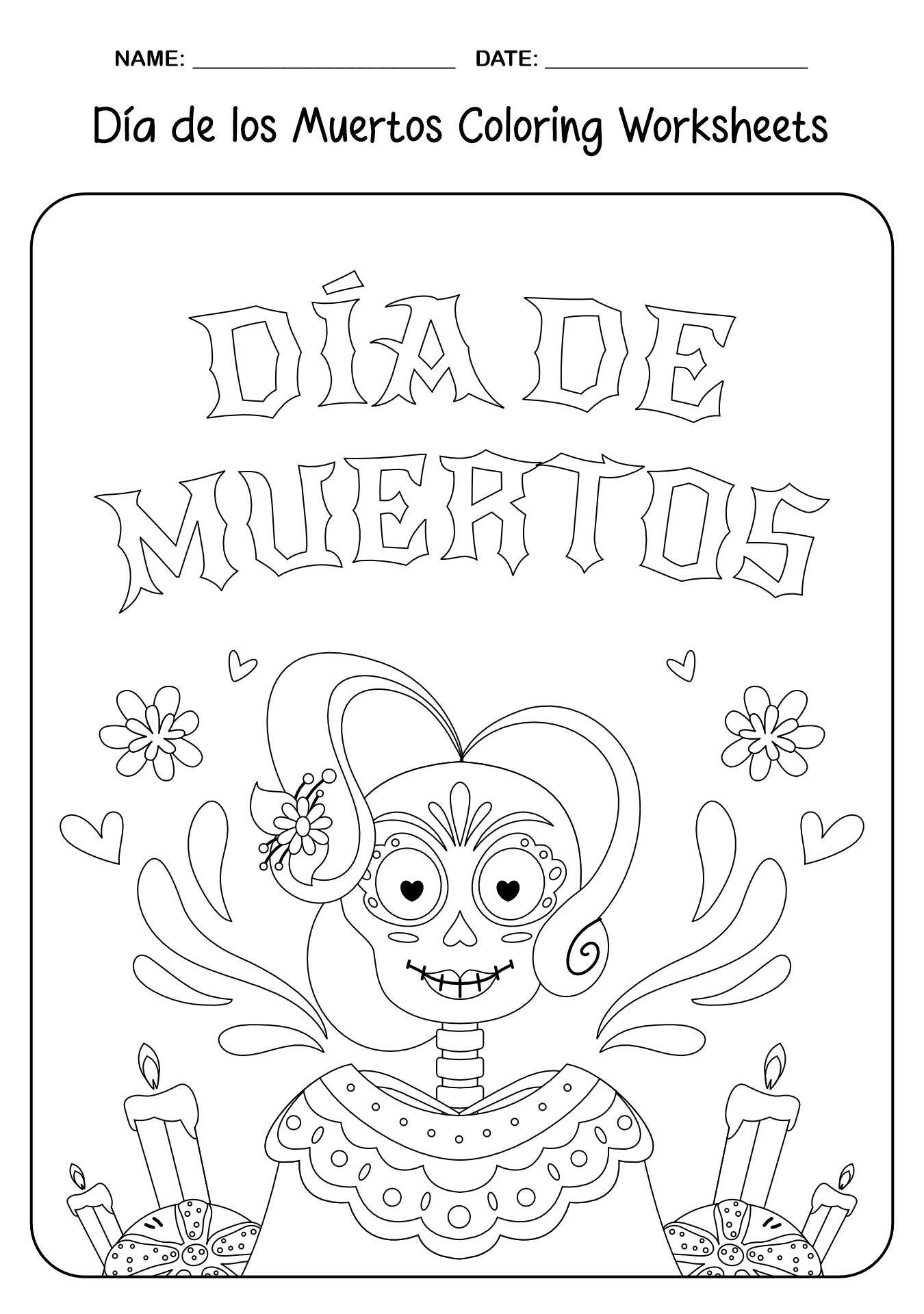
 Día de los Muertos Coloring Worksheets

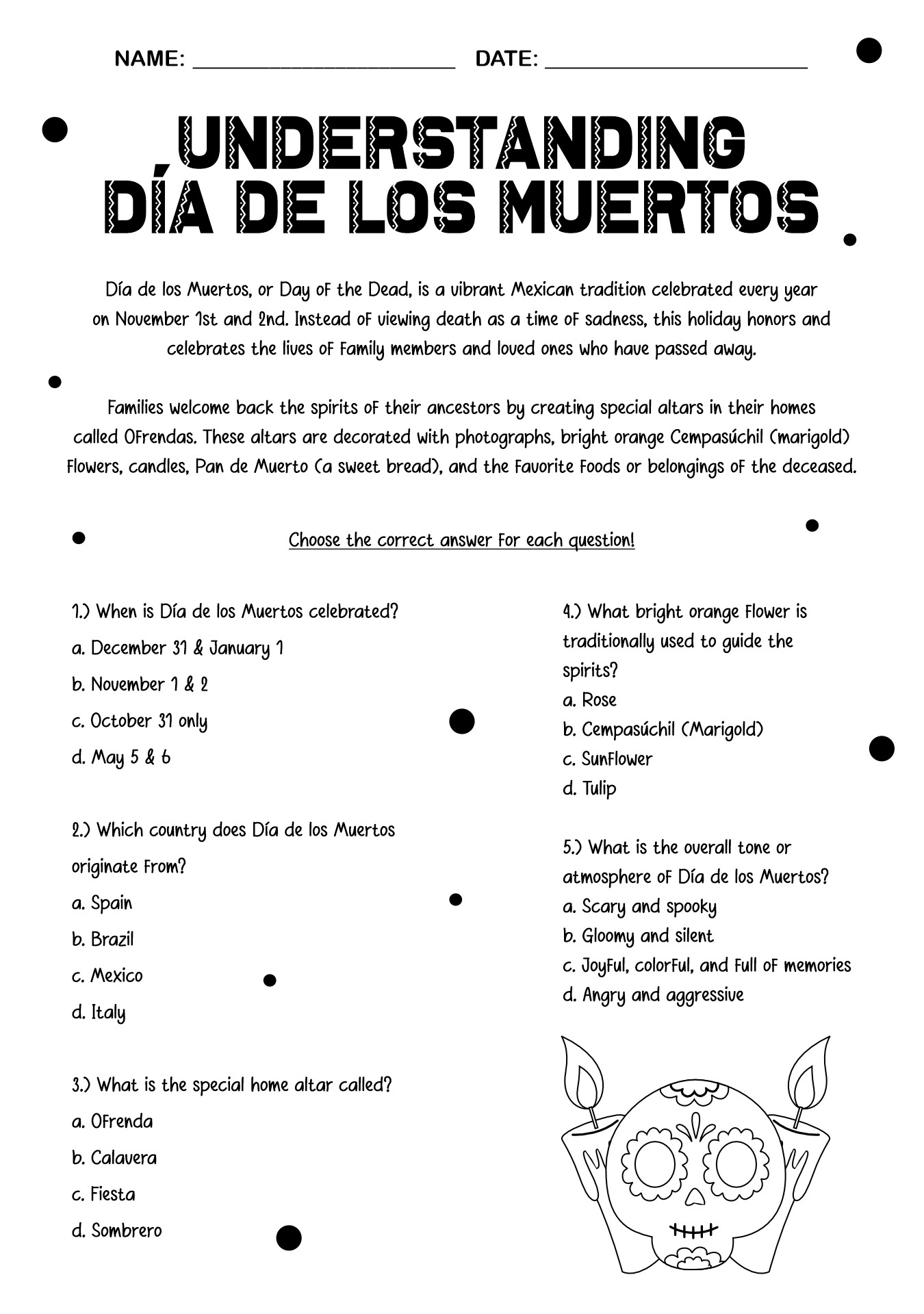
 Día de los Muertos Worksheets for Learning

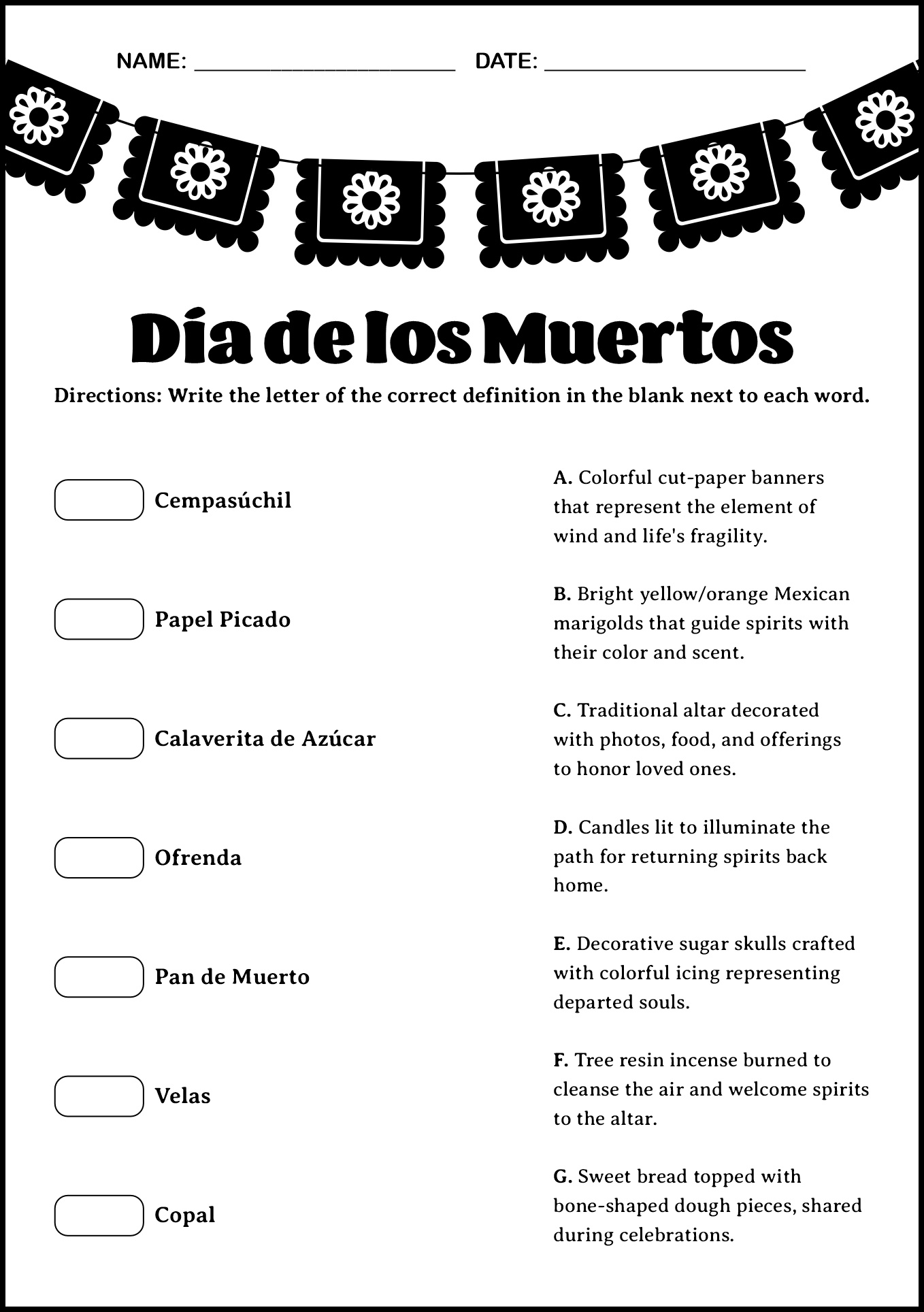
 Interactive Día de los Muertos Worksheets for Children

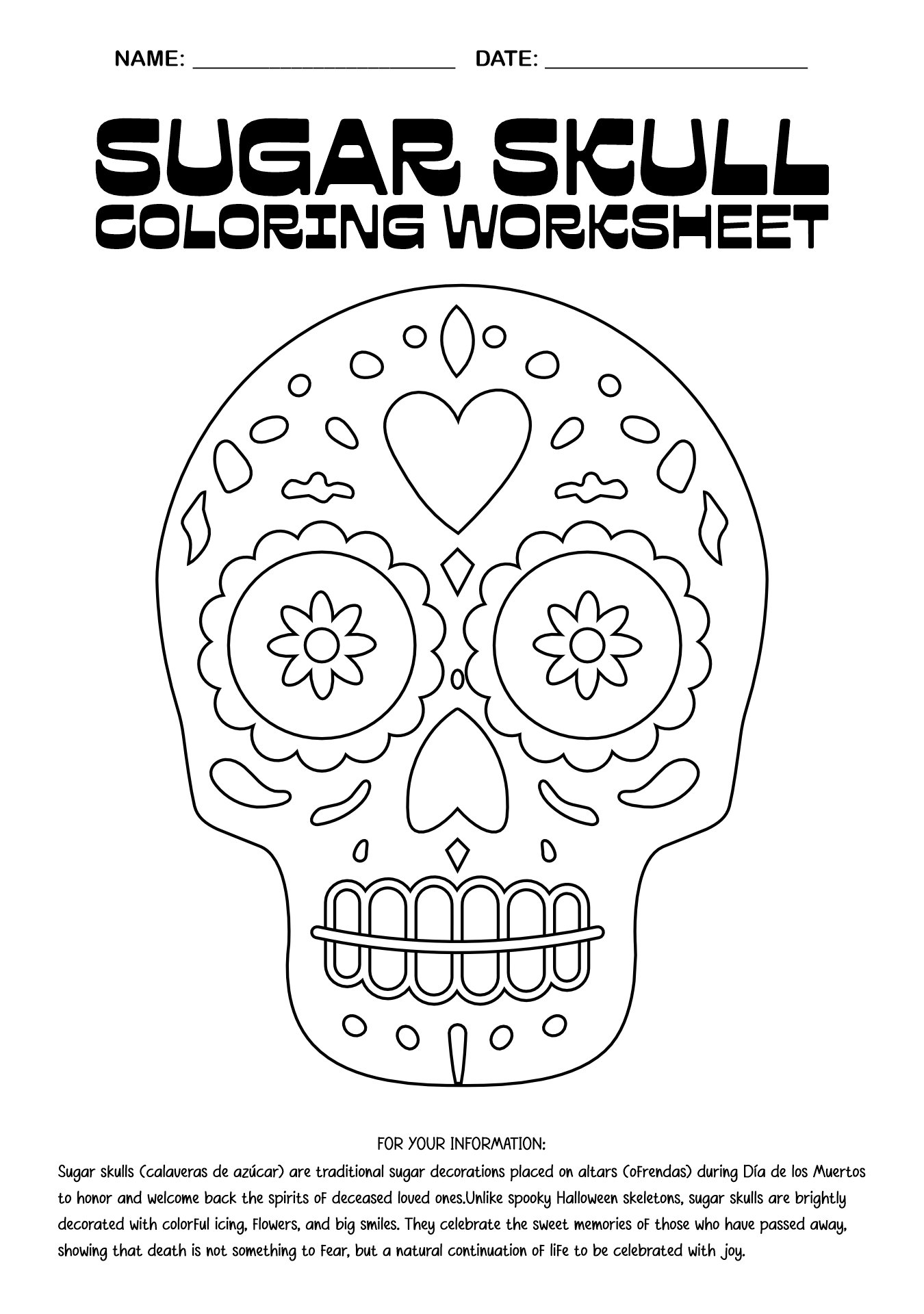
 Día de los Muertos Classroom Worksheets Activities

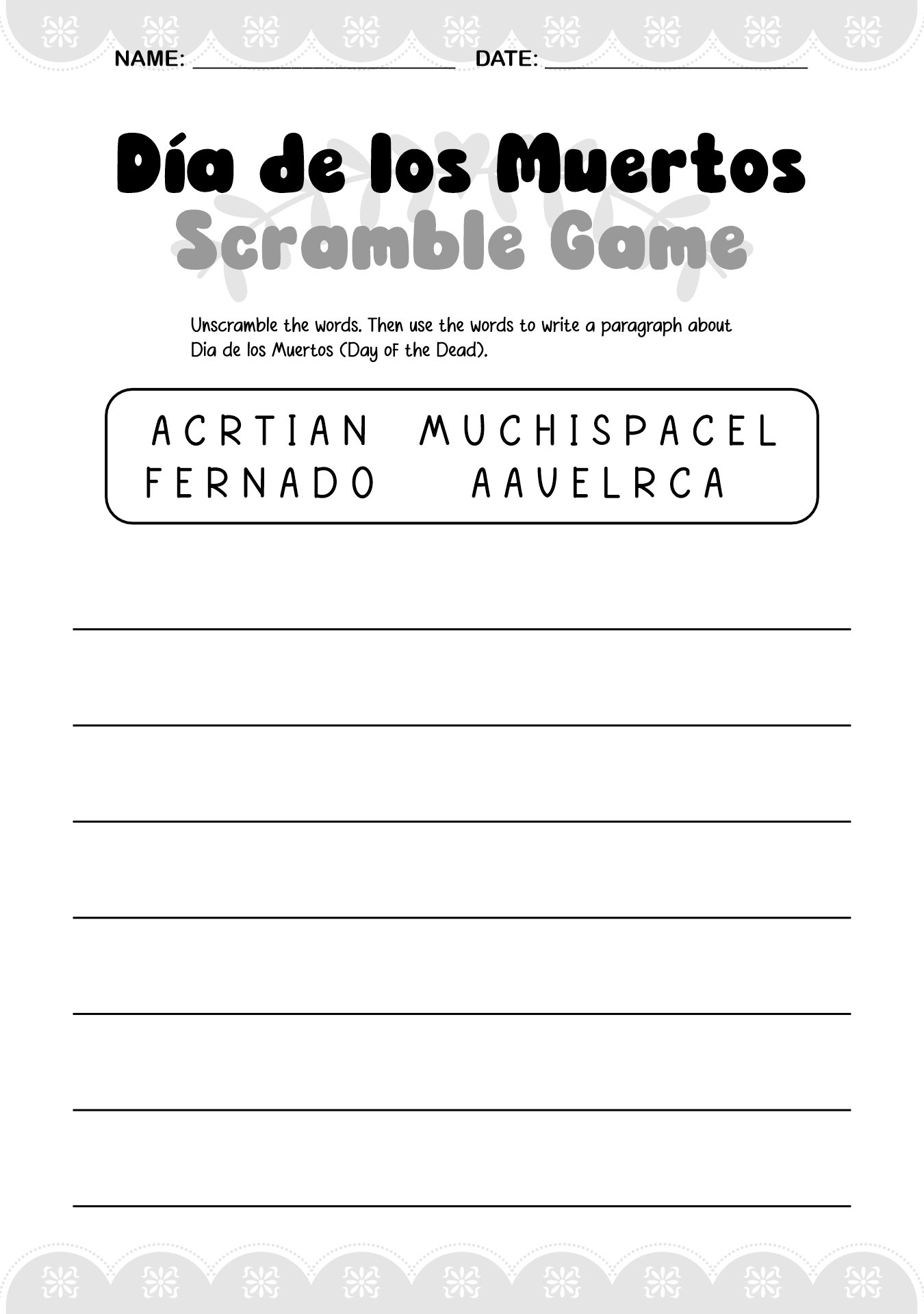
 Cultural Studies Día de los Muertos Worksheets

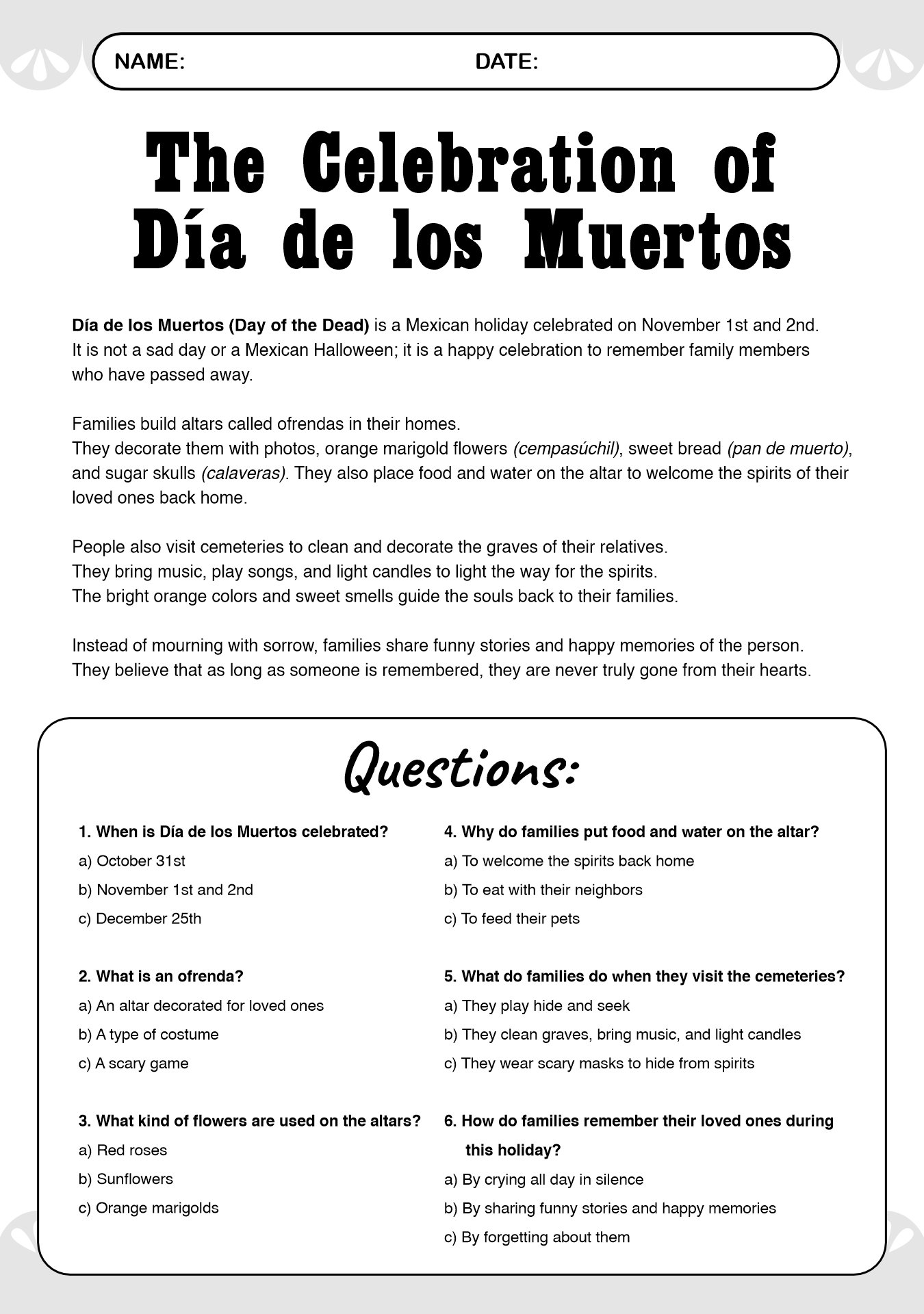
 Spanish Class Día de los Muertos Worksheets

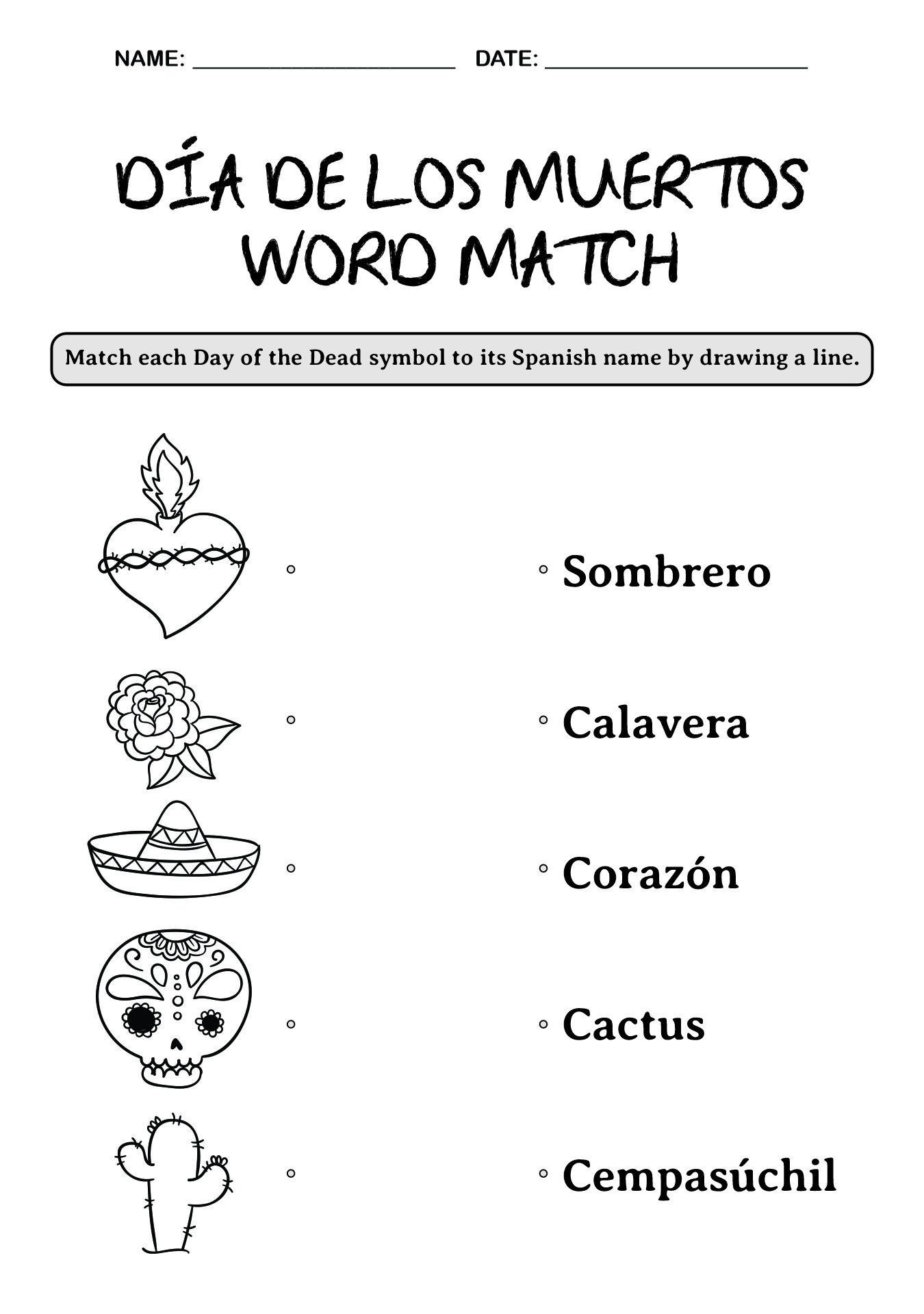
 Printable Día de los Muertos Learning Worksheets

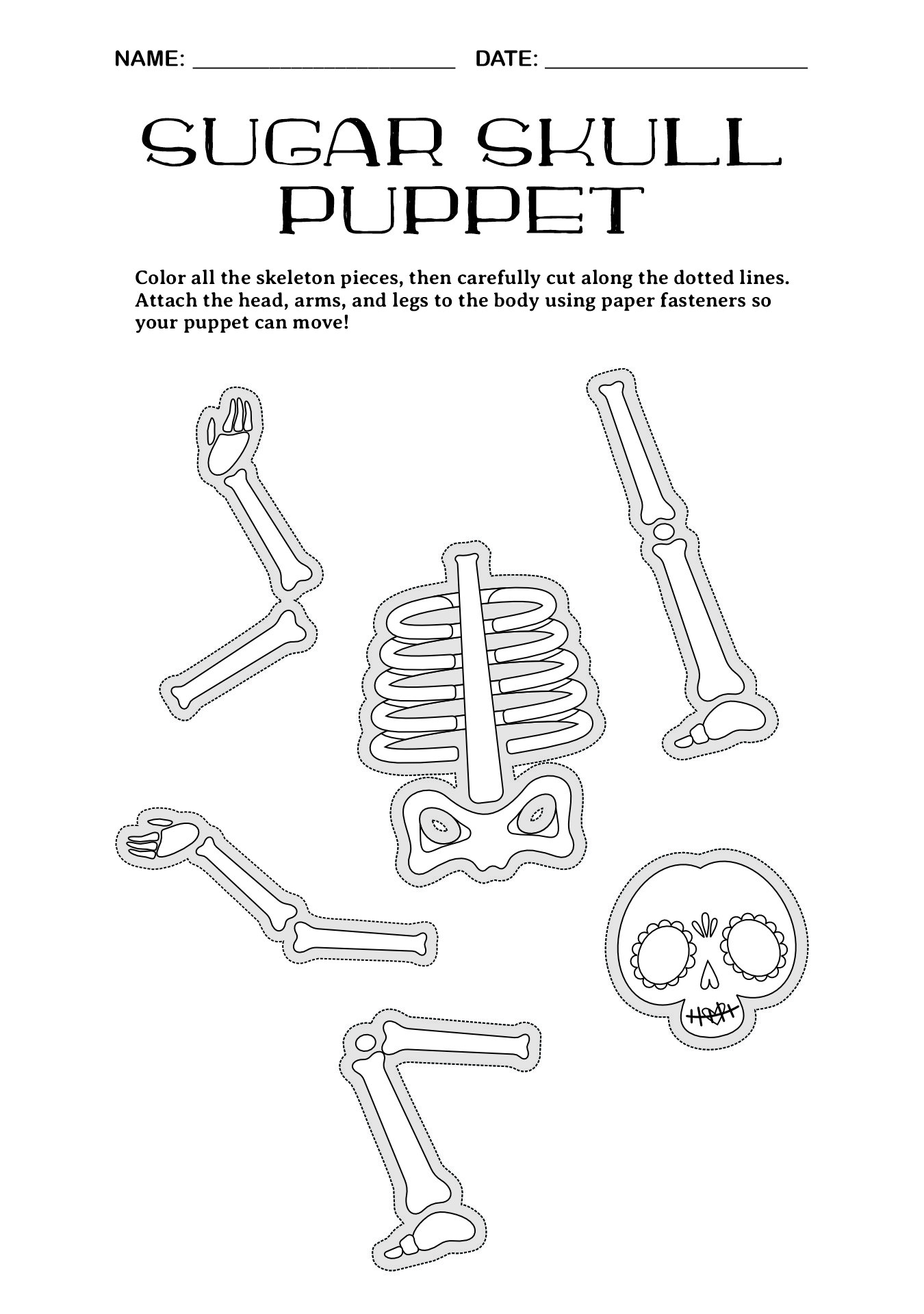
 Día de los Muertos Educational Worksheets for Kids

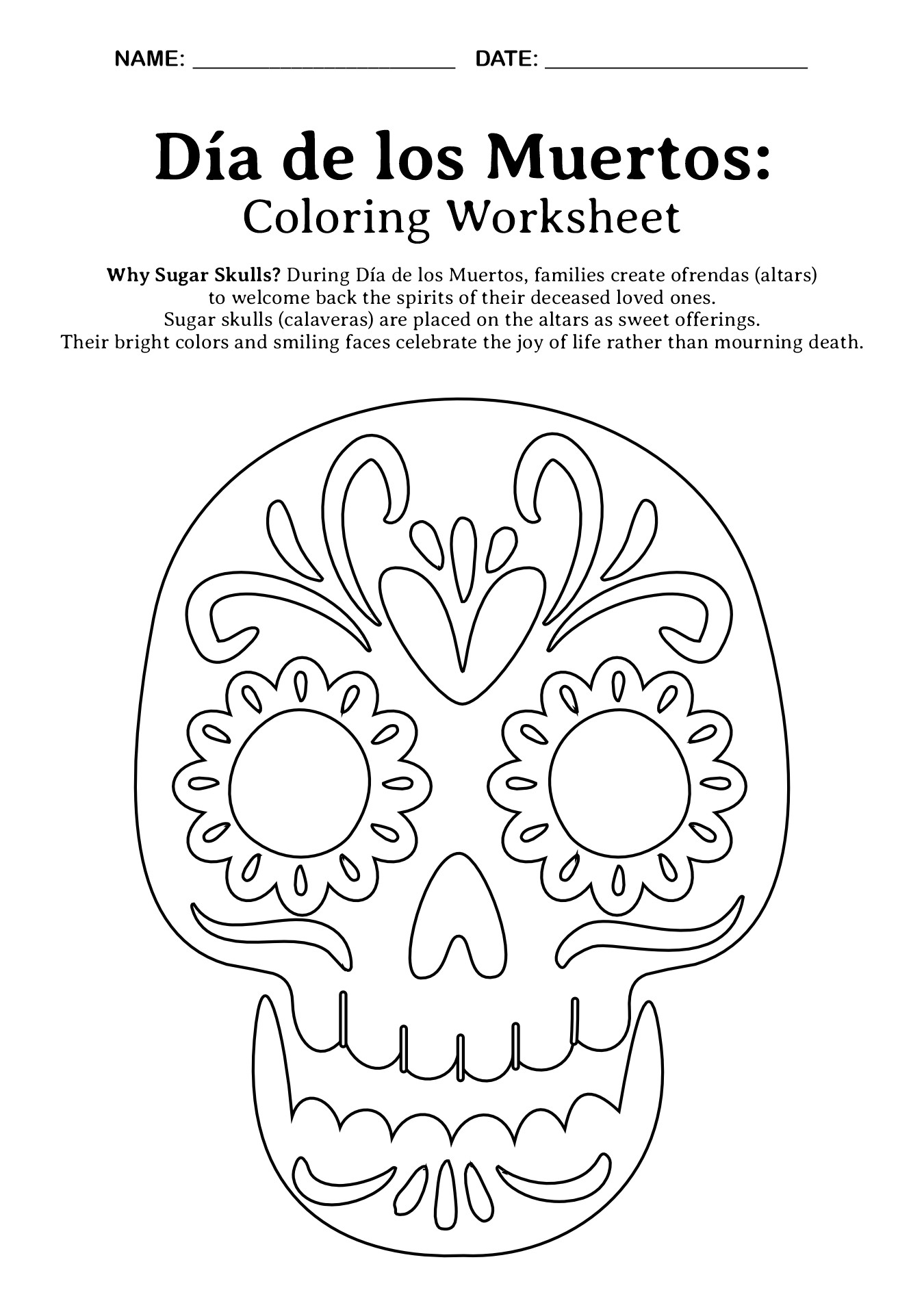
 Día de los Muertos Activity Sheets for Students

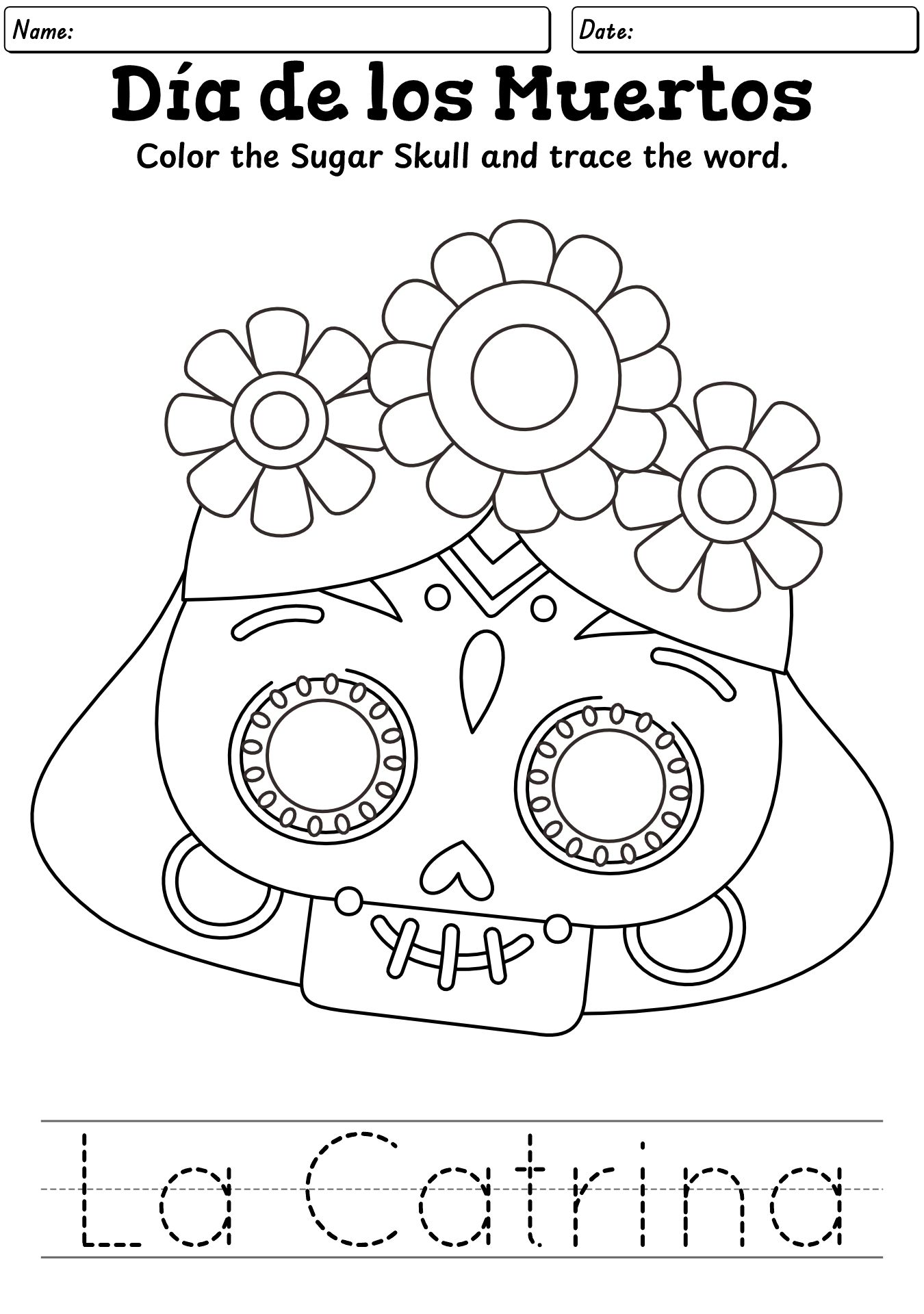
 Dia De Los Muertos Color And Trace Worksheet

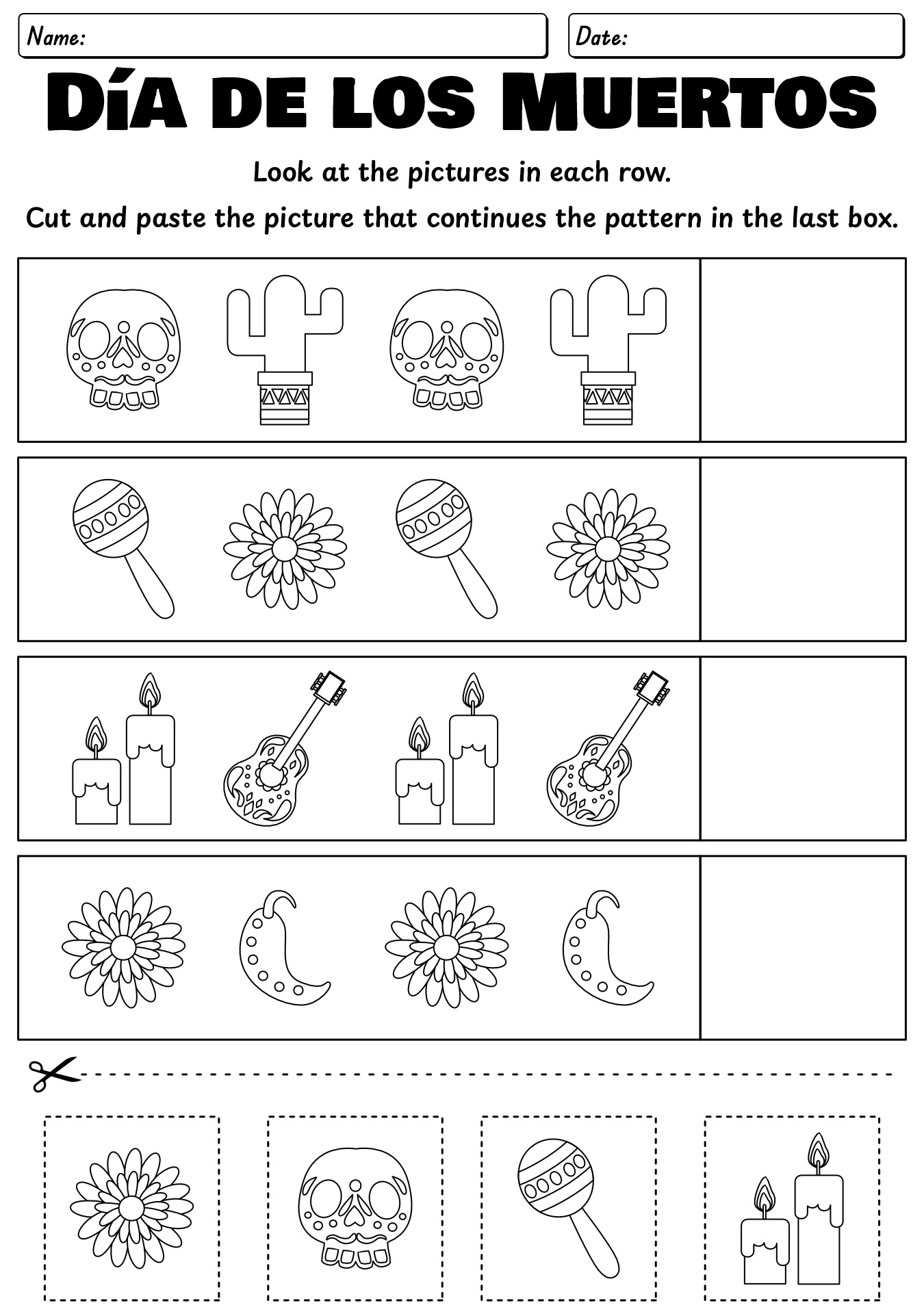
 Día De Los Muertos Traditions And Symbols Worksheet

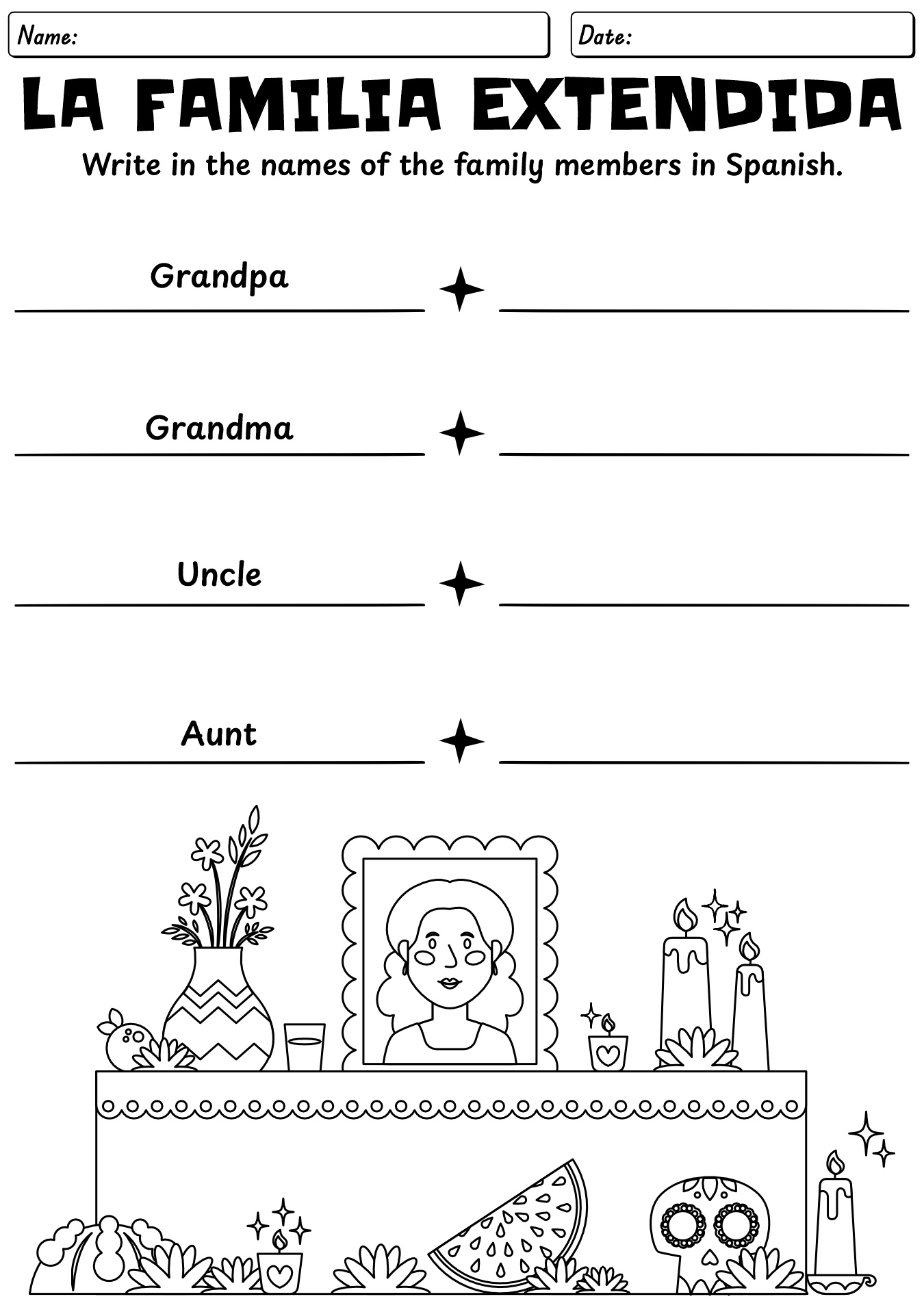
 Día De Los Muertos Family Tree Project Worksheet

More Halloween Worksheets
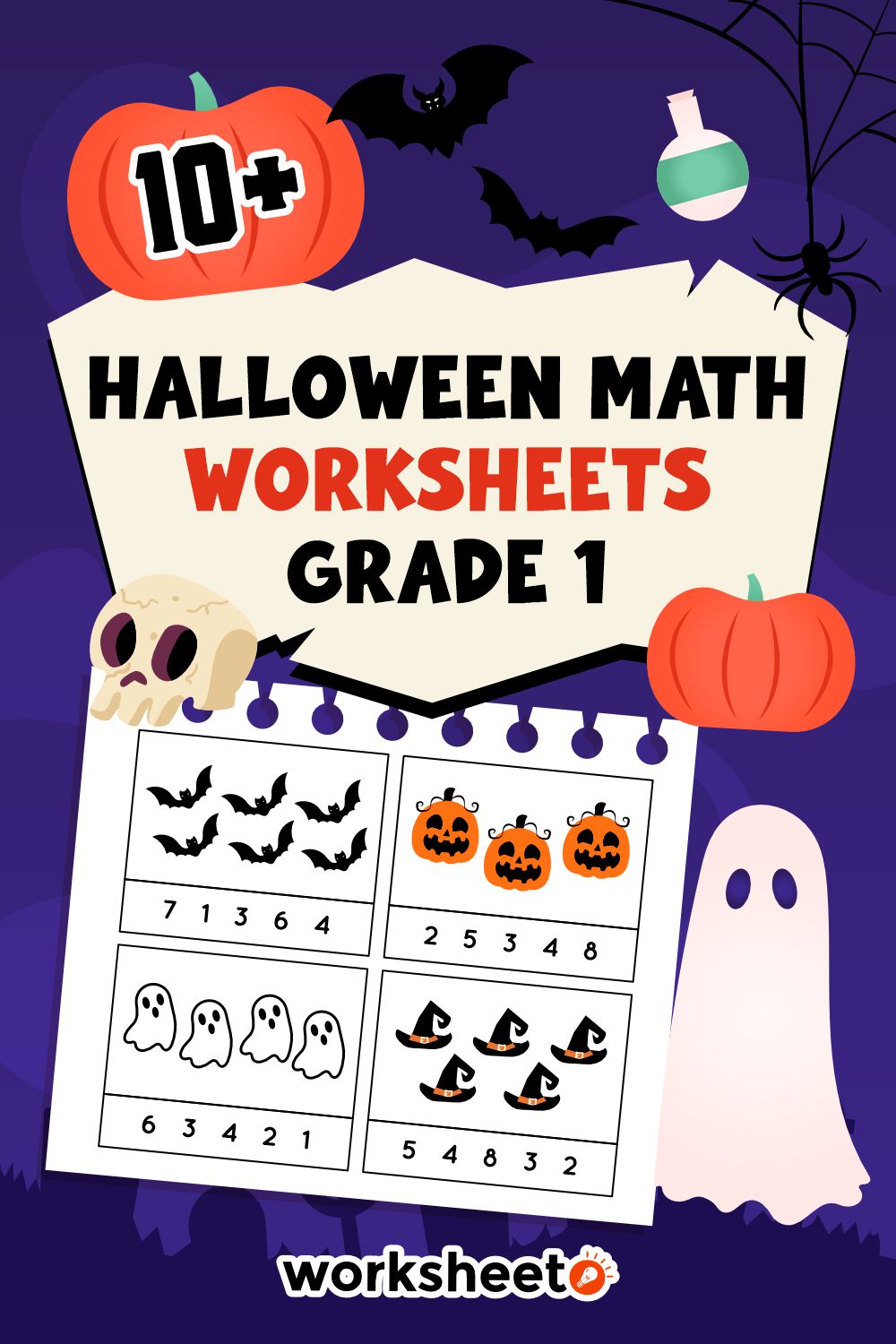
Halloween Reading WorksheetsHalloween Math Worksheets Grade 1
Halloween Worksheet Verbs Nouns
Halloween Worksheets for 2nd Grade
Halloween Word Scramble Worksheet
Halloween Worksheets for Kindergarten
Fall Word Search Worksheets
3rd Grade Fall English Worksheets
Halloween Dot to Dot Worksheets
Halloween Missing Letters Worksheet
How Can Kids Explore Día de los Muertos Worksheet Without Knowing Its Traditions?
Here are a few ways parents and teachers can make the experience more relatable:
- Start with familiar experiences. Ask children how their families celebrate special occasions, display photographs, or remember relatives. These everyday connections give them a starting point for understanding a new tradition.
- Let pictures do some of the explaining. Colorful illustrations help children identify unfamiliar objects before they need to remember their names or meanings.
- Invite questions without expecting perfect answers. Children might wonder why skulls appear in festive decorations or why flowers are placed on altars. Encourage their curiosity and explain the cultural context in age-appropriate language.
Which Traditional Symbols Appear Most Often in Día de los Muertos Worksheets?
Here are some common Día de los Muertos symbols children might encounter:
- Calaveras (skulls): Skulls appear in sugar skull designs, artwork, and decorations. They are associated with the holiday's remembrance of the dead and are often presented in colorful, artistic forms.
- Calacas (skeleton figures): These playful or elaborately dressed skeletons appear in traditional artwork and decorations. Their appearance can help adults explain how death is represented through festive imagery rather than only through sadness.
- Cempasúchil (marigolds): These bright orange and yellow flowers are strongly associated with Día de los Muertos. Their color, scent, and use in traditional displays make them recognizable symbols for children to identify.
- Ofrendas (offering displays): Families arrange photographs, candles, flowers, food, and other meaningful objects on these displays to honor deceased loved ones. An illustration of an ofrenda gives children a chance to learn how different objects contribute to a shared tradition.
- Papel picado (decorative cut-paper banners): These colorful banners feature intricate cutout patterns and are used for festive decoration. They offer a natural connection to art activities involving shapes, patterns, and fine motor coordination.
- Pan de muerto (bread of the dead): This traditional bread is prepared for the holiday. Its distinctive shape and cultural significance can introduce children to the role food plays in family traditions.
- Candles and photographs: Candles may symbolize hope or remembrance, while photographs help families honor particular loved ones. Their placement and meaning can vary across households.
How Can Teachers Use This Día de los Muertos Worksheet in Spanish Class?
For beginners: Picture and vocabulary matching
Give students a short vocabulary list featuring words such as flores (flowers), velas (candles), pan (bread), and calavera (skull). They can match each word with its corresponding illustration before practicing pronunciation as a class.
For students with some Spanish experience: Labeling and sentence building
Ask students to label objects in an ofrenda illustration. Then, invite them to write simple sentences using familiar vocabulary.
For example:
- Hay flores: There are flowers.
- Veo una vela: I see a candle.
- La calavera está en el altar: The skull is on the altar.
How Can a Día de los Muertos Worksheet Support Children's Development?
Depending on the Día de los Muertos Worksheet's design, children can practice academic abilities while developing habits that help them interact with new ideas and people.
Hard skills children can practice
- Vocabulary and early literacy: Matching Spanish terms with pictures helps children connect written words with meaning. Reading short instructions and identifying familiar letters can also support early literacy.
- Fine motor development: Drawing details on sugar skulls, coloring small illustrations, and following tracing lines give children a fun way to practice precise movements.
- Visual discrimination and attention to detail: Finding differences between symbols, recognizing patterns in papel picado, or matching similar images encourages children to examine visual information carefully.
- Following instructions: For example, they might identify an object, match it with a word, and color the corresponding illustration.
Soft skills children can develop
- Cultural awareness and respect: Learning why families celebrate Día de los Muertos introduces children to traditions beyond their immediate experience. Adults can encourage respectful questions and explain that customs differ between cultures, communities, and households.
- Curiosity and critical thinking: Children may ask why marigolds are important or why families display photographs.
- Creativity and self-expression: Coloring decorative skulls, designing paper banners, or creating an illustrated vocabulary page gives children room to make choices and express their ideas.
- Confidence and independence: Completing a matching activity or recognizing a new Spanish word can give children a sense of progress.
- Communication and cooperation: When children work in pairs, they can compare answers, explain their choices, and listen to other perspectives.
So, Why Not Introduce Kids to Día de los Muertos With Our Free Day of the Dead Activity Worksheet?
Ready to bring this cultural discovery into your home or classroom? Download our free printable Día de los Muertos Worksheet from this article and choose the format that works best for your needs. The templates are available in PDF or JPG, making them easy to print and use for individual practice, small-group activities, or an extra classroom exercise.
So, let these Day of the Dead worksheets become the starting point for a bigger conversation about traditions, family memories, and the many ways people celebrate and honor their loved ones!


Have something to share?
Popular Categories
Who is Worksheeto?
At Worksheeto, we are committed to delivering an extensive and varied portfolio of superior quality worksheets, designed to address the educational demands of students, educators, and parents.

Comments