
Appropriate Language Worksheet
Navigating the world of educational resources can be overwhelming. That's why you need appropriate language worksheets! So, what truly defines a language worksheet?
It’s more than just a sheet of paper, it's a strategic tool designed to build specific literacy skills effectively. An appropriate language worksheet is engaging, aligns with learning objectives, and is tailored to a student's developmental level. It should practice key concepts without causing frustration, making learning both productive and positive.
For teachers and parents seeking the perfect resource, understanding these elements is the first step toward fostering a genuine love for language and reading. So, let’s explore the key qualities that make this language worksheet a true asset for your kids’ learning!
Table of Images 👆
- Appropriate Conversation Worksheets
- Workplace Appropriate Language Exercise Sheet
- Formal vs Informal Language Worksheet
- School Setting Language Usage Worksheet
- Appropriate Language Skills Worksheet
- Politeness and Etiquette Language Worksheet
- Effective Speaking Language Worksheet
- Using Appropriate Language Worksheet
- Is It Formal Or Informal Language Worksheet
- Classroom Language And Vocabulary Worksheet
- Word Usage Worksheets
- Polite Word Choice Worksheets
- Word Choices Worksheets
- Formal Language Writing Practice
- Classroom Language Etiquette Practice Worksheet
- Appropriate Language Practice Worksheet For Kids
- Match Language To The Appropriate Worksheet
- Formal Or Informal Language Worksheet With Answer
- Formal Vs Informal Language Worksheet
 19 Images of Appropriate Language Worksheet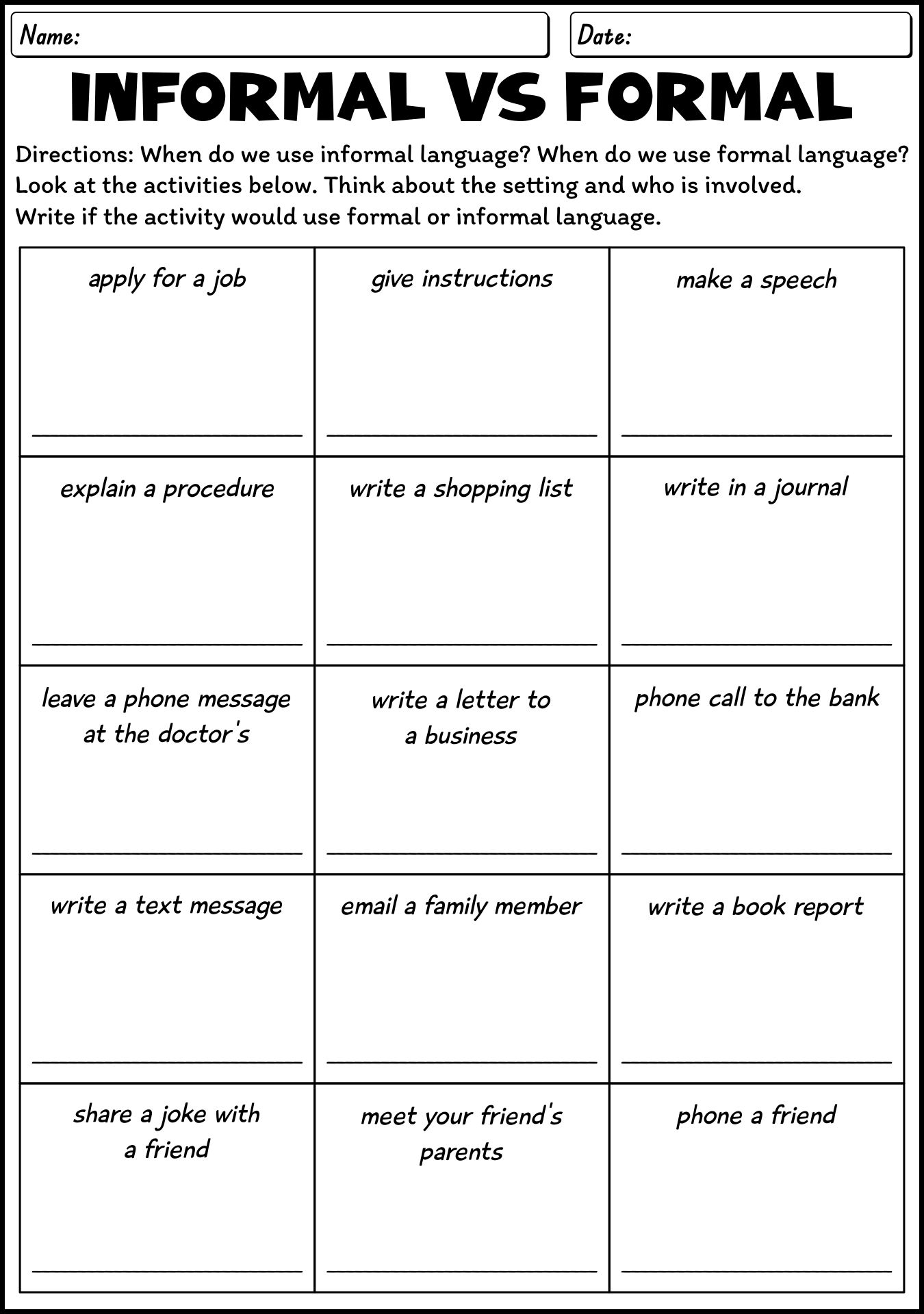
 Appropriate Conversation Worksheets
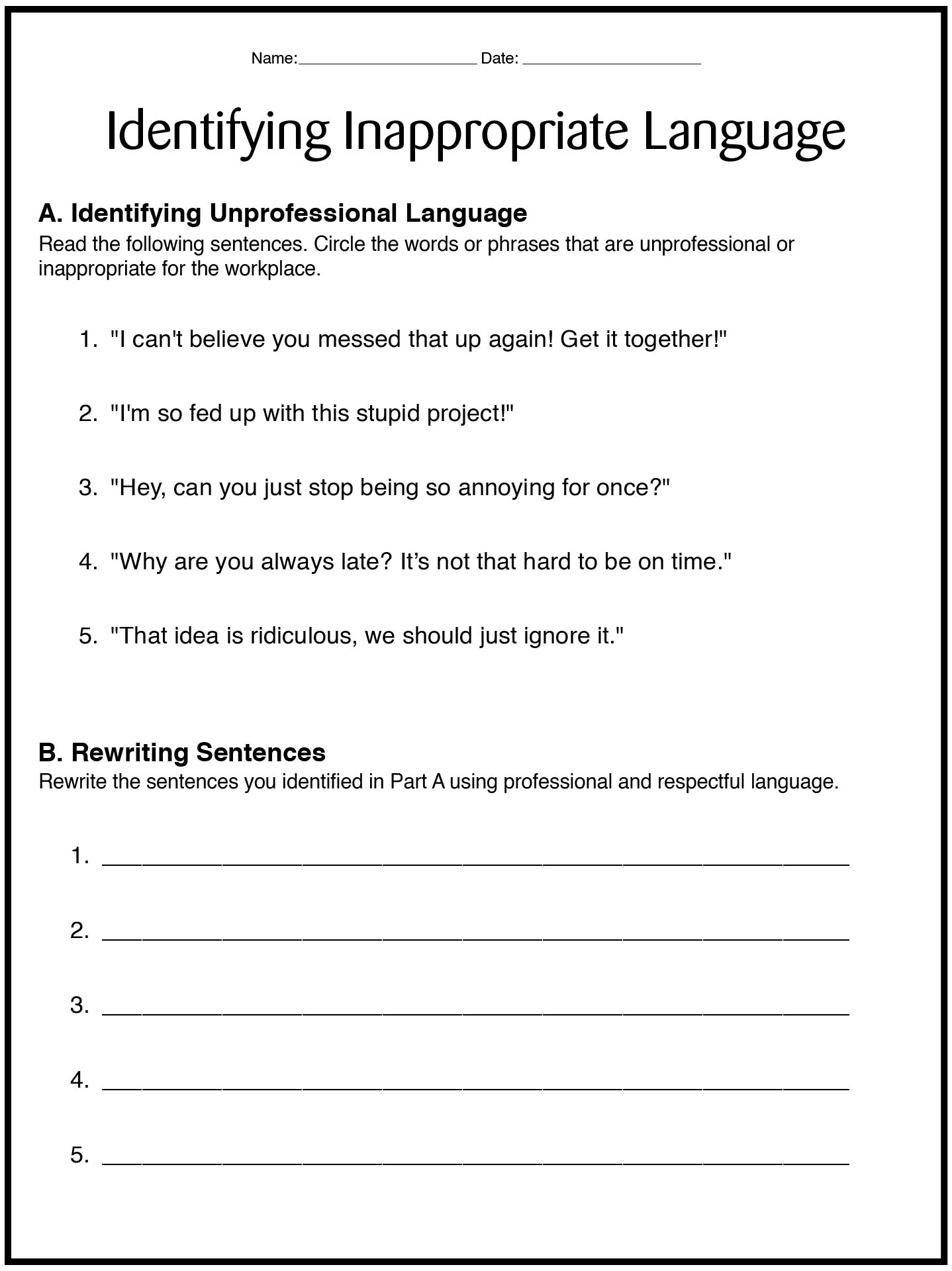
 Workplace Appropriate Language Exercise Sheet
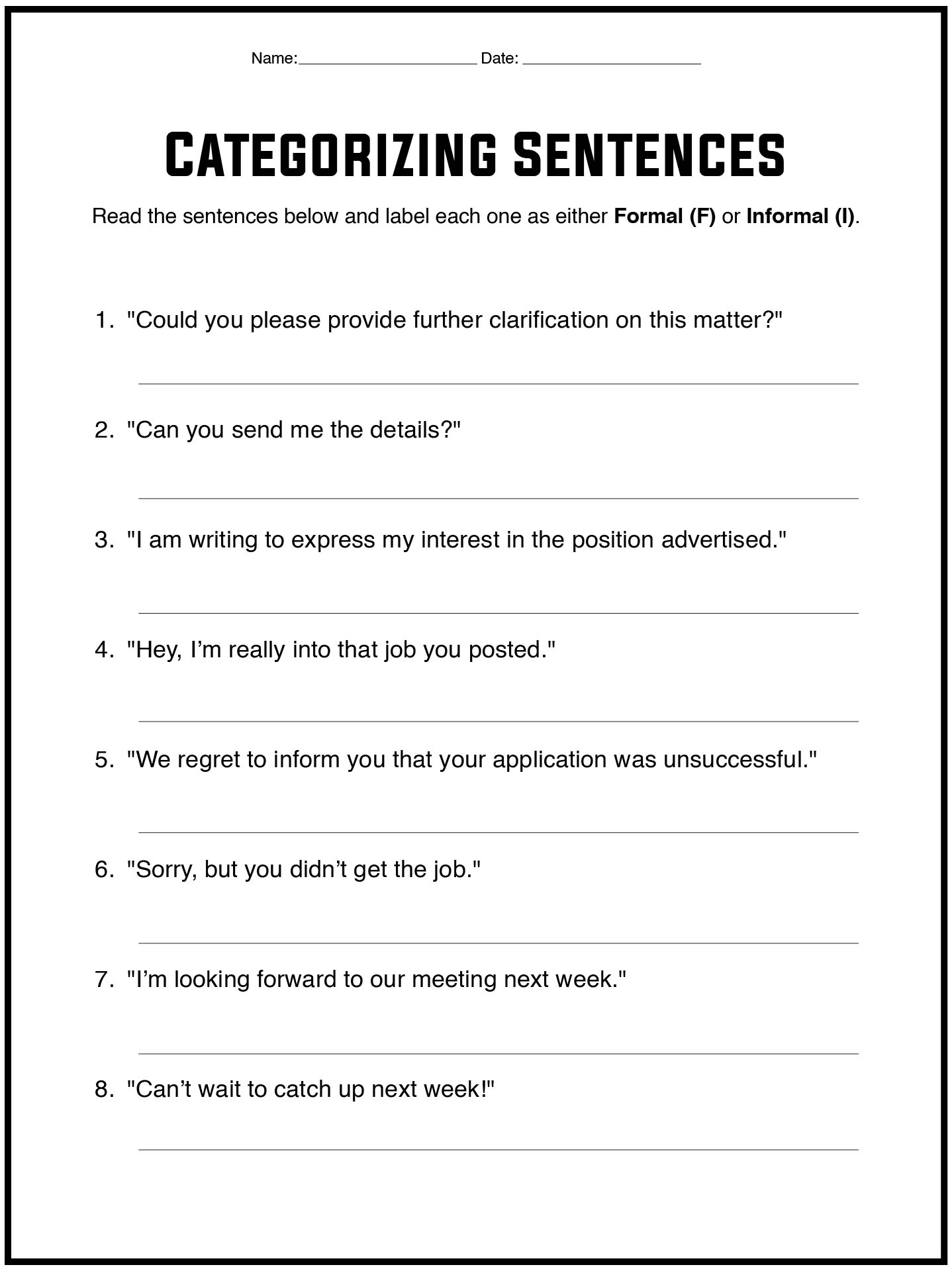
 Formal vs Informal Language Worksheet
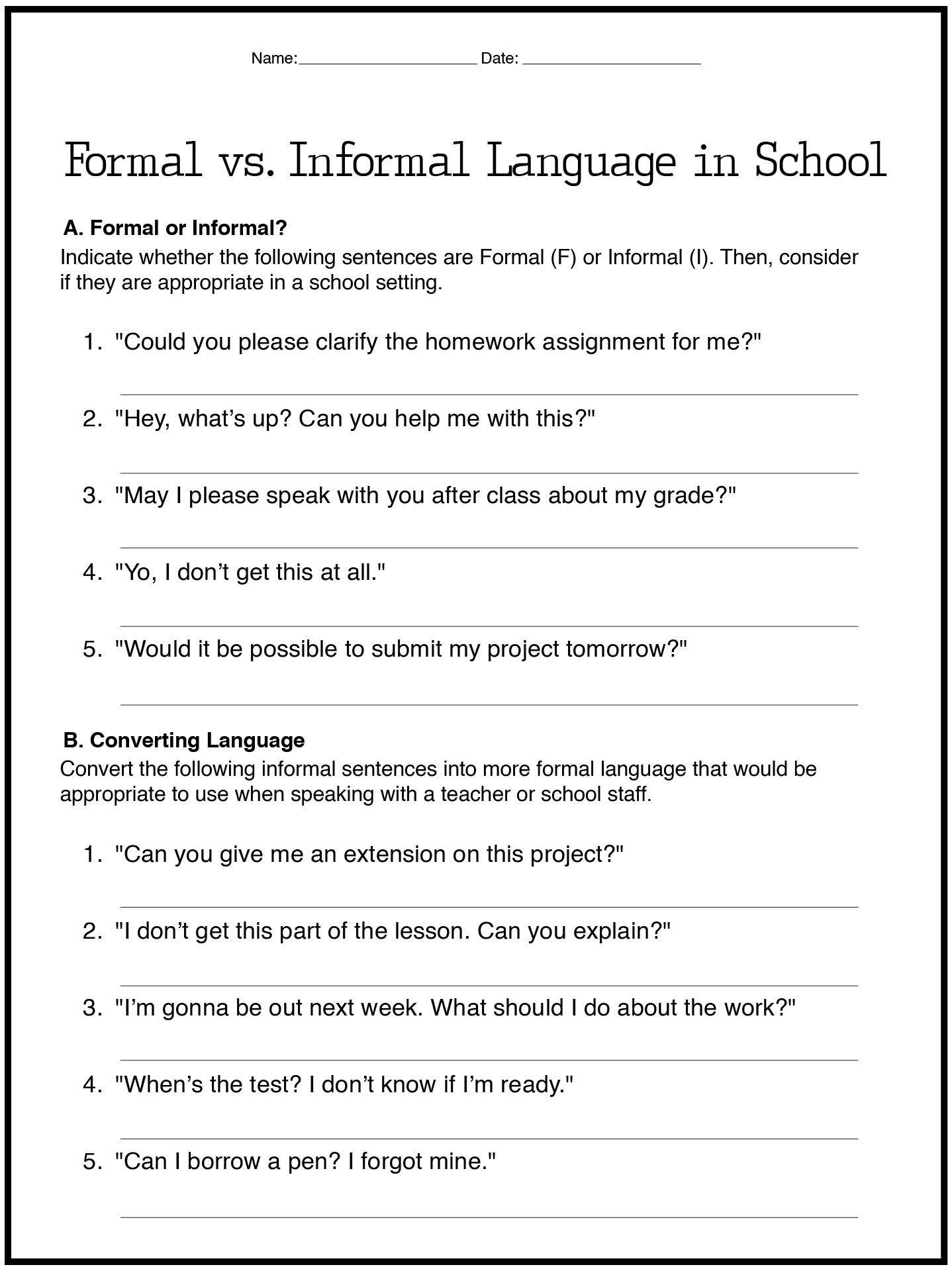
 School Setting Language Usage Worksheet
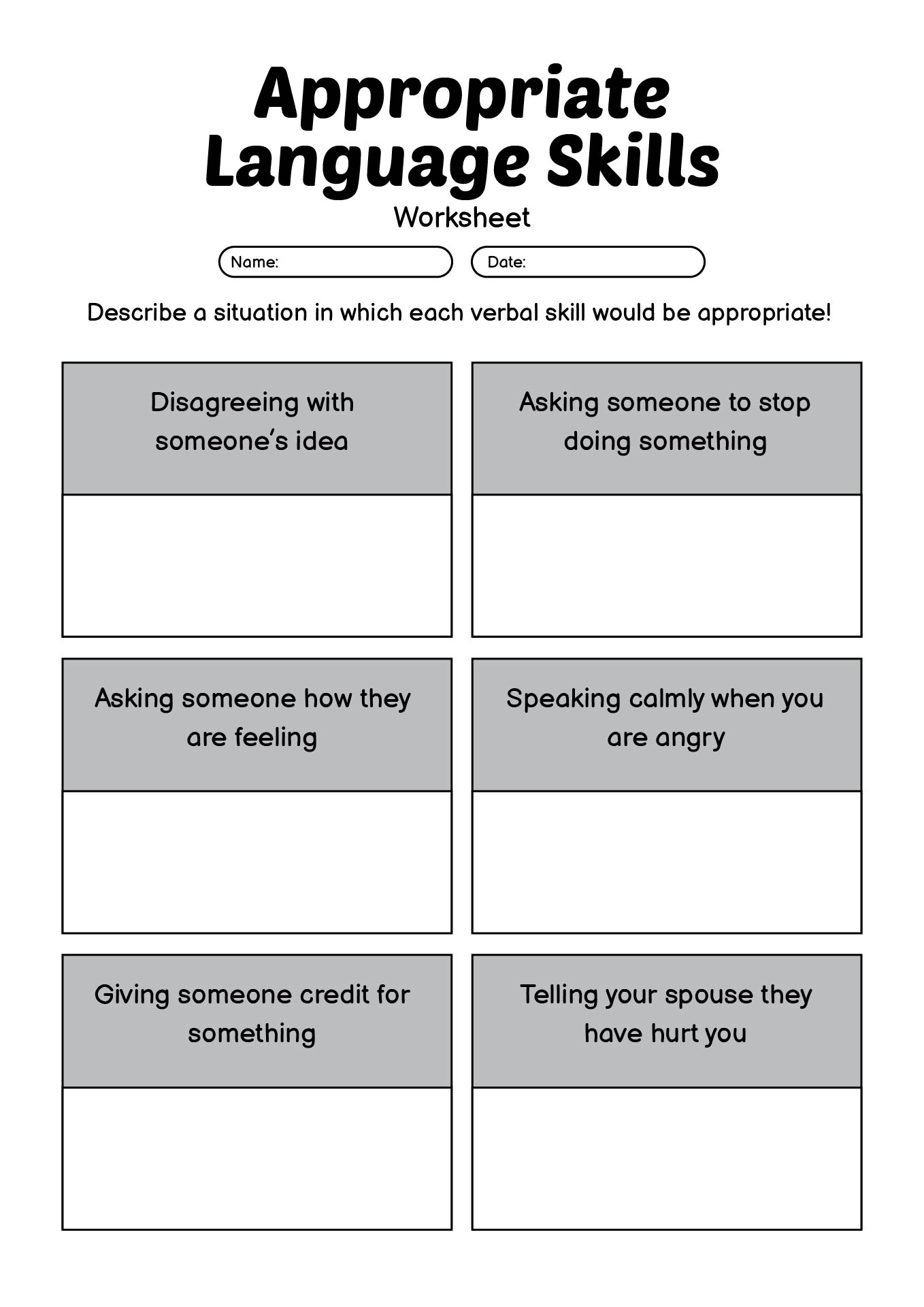
 Appropriate Language Skills Worksheet
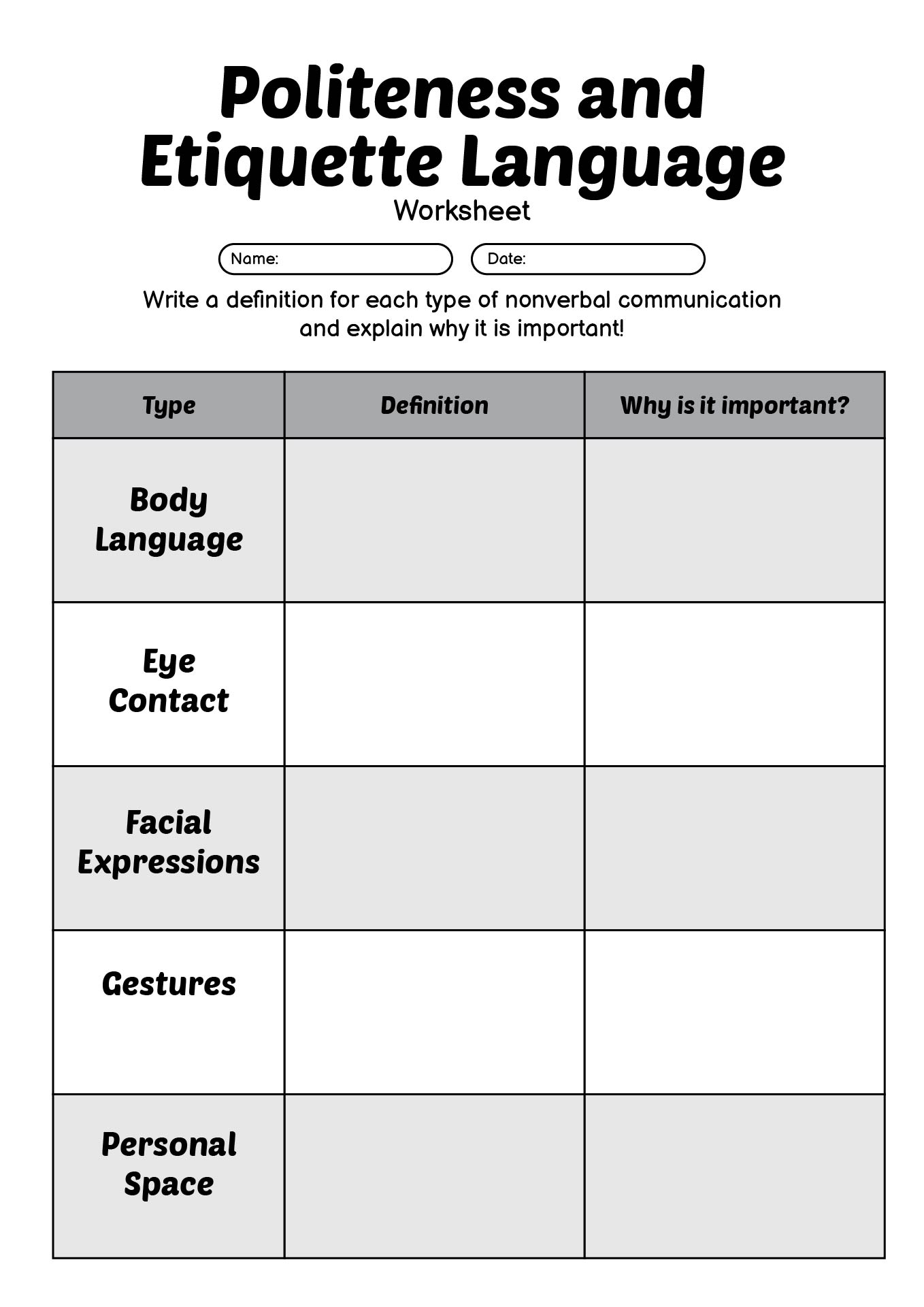
 Politeness and Etiquette Language Worksheet
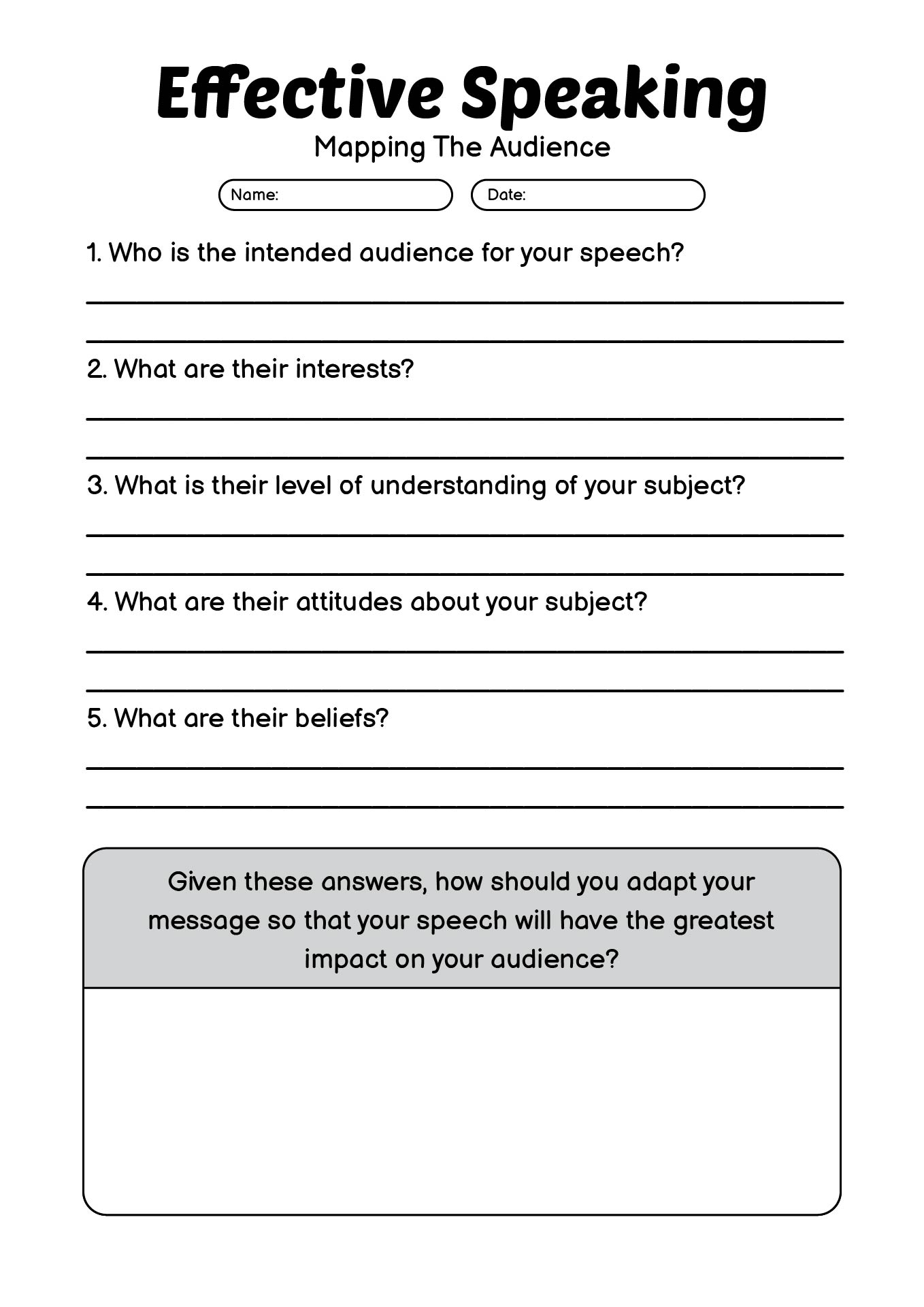
 Effective Speaking Language Worksheet
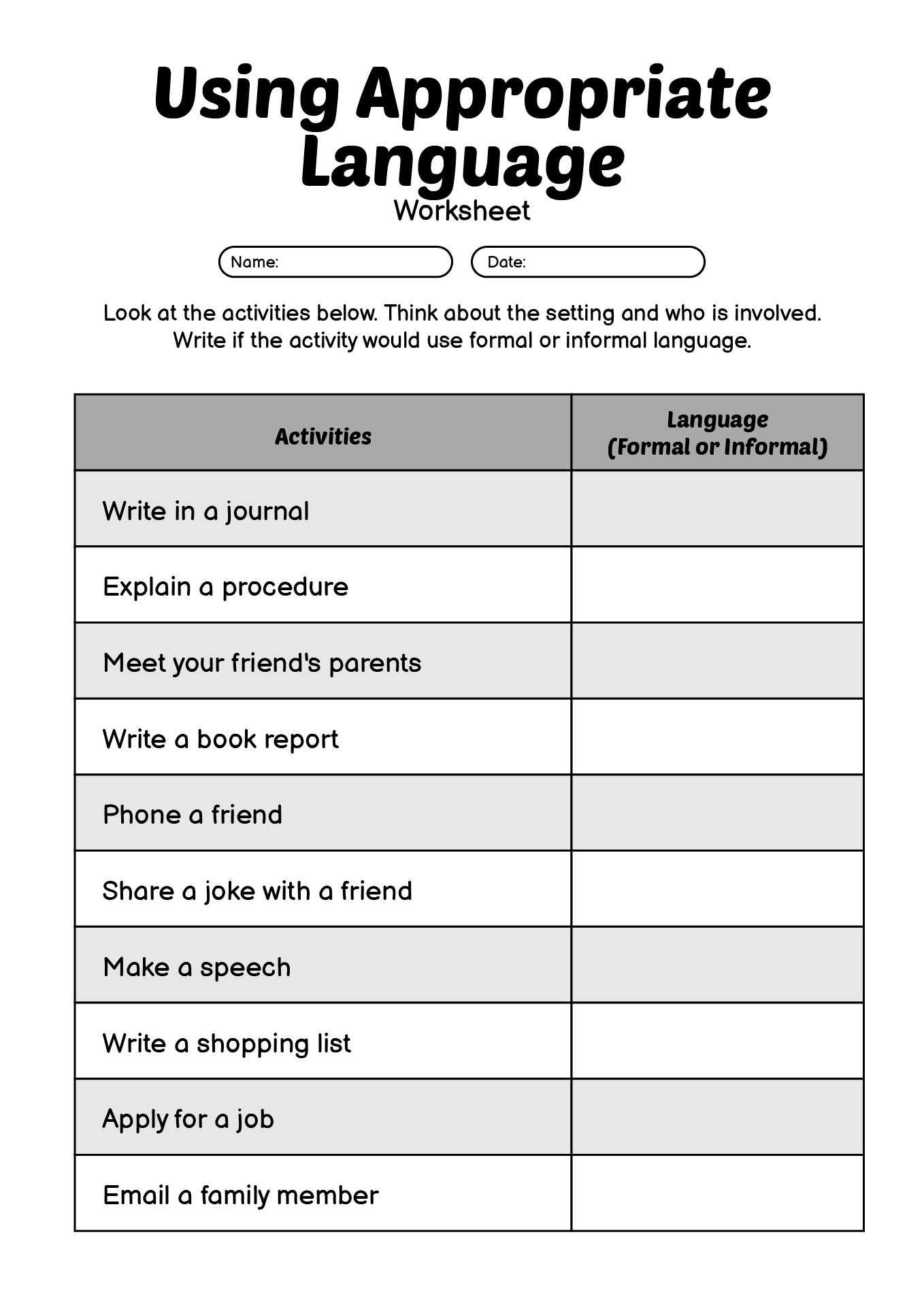
 Using Appropriate Language Worksheet
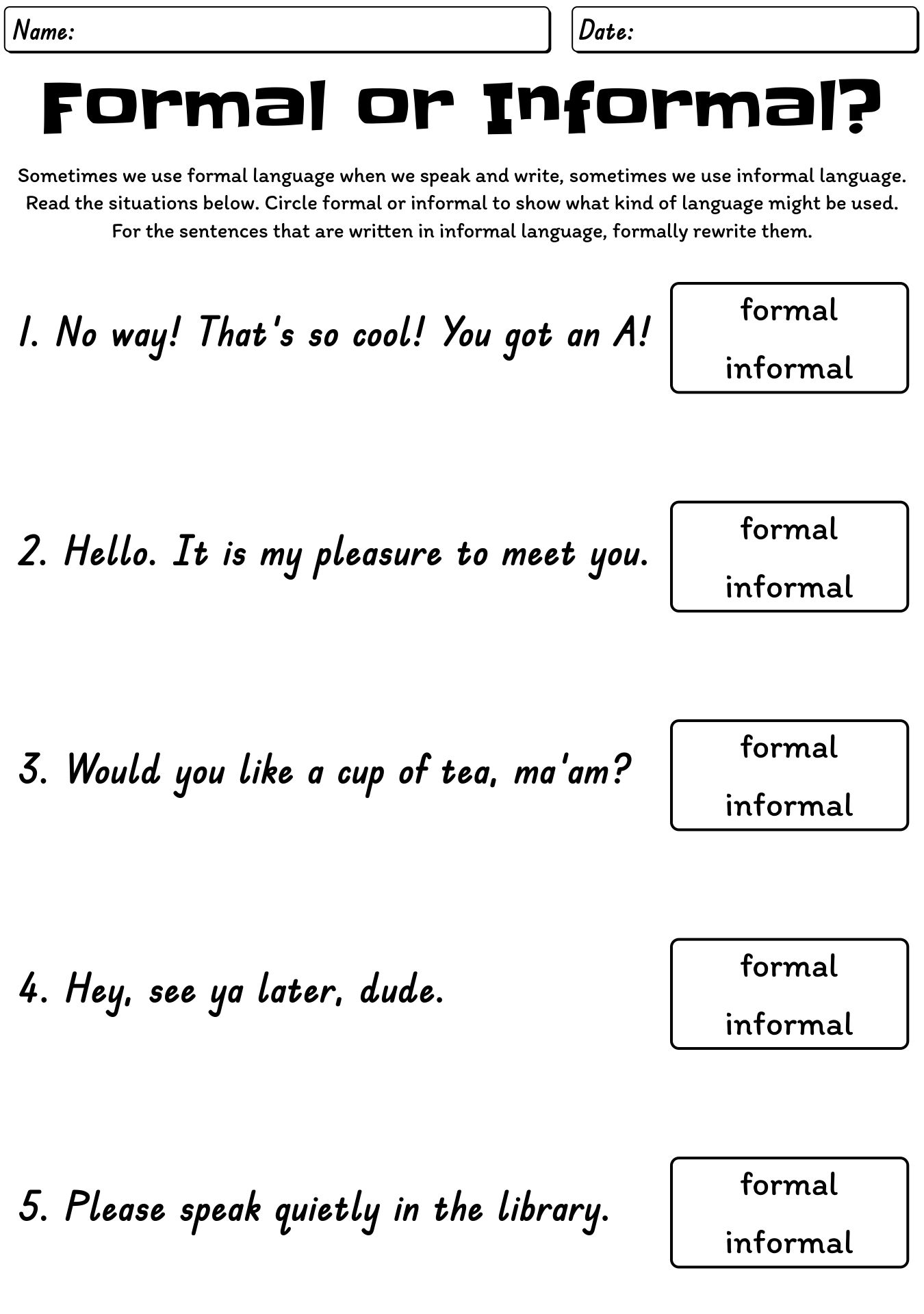
 Is It Formal Or Informal Language Worksheet
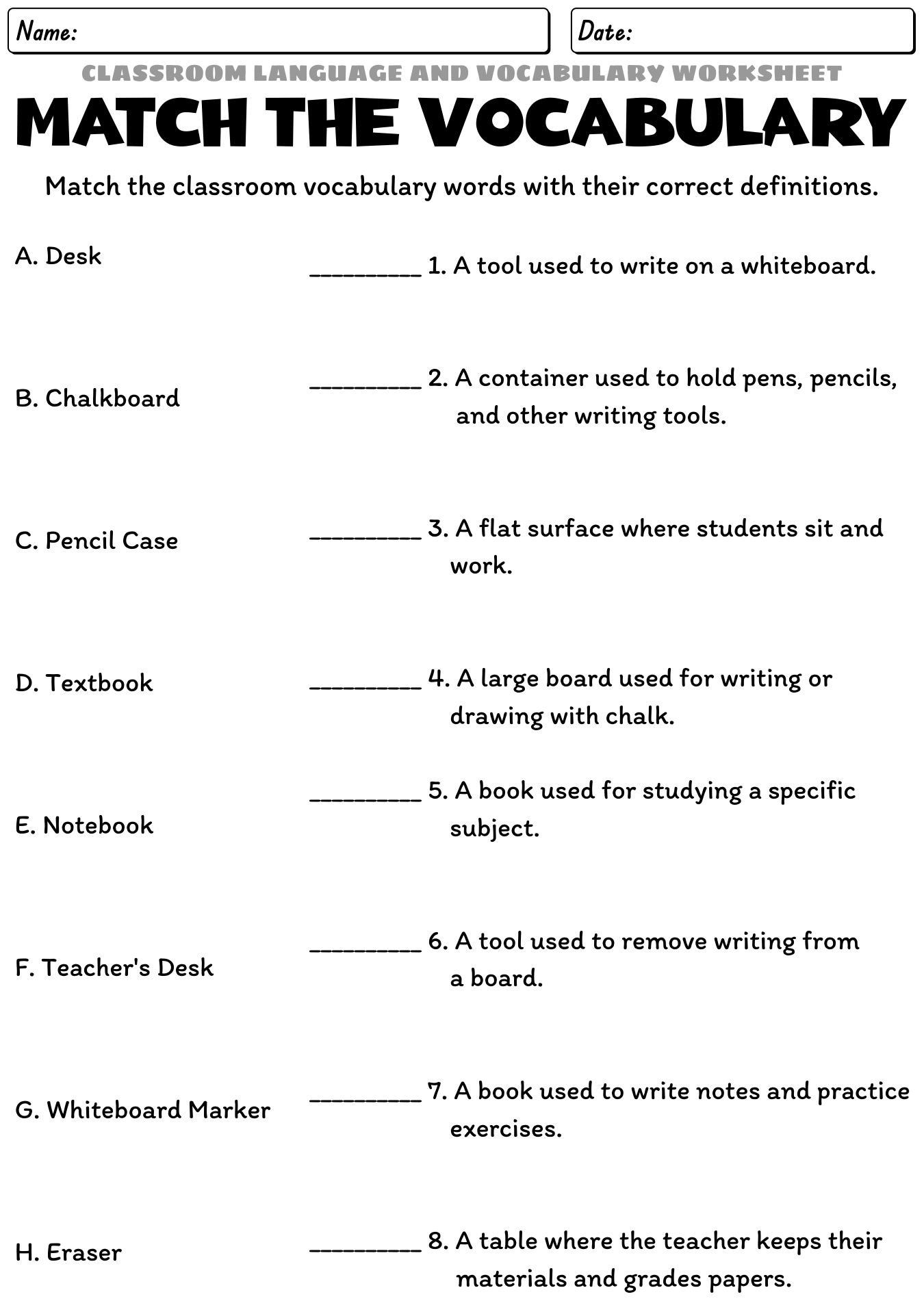
 Classroom Language And Vocabulary Worksheet
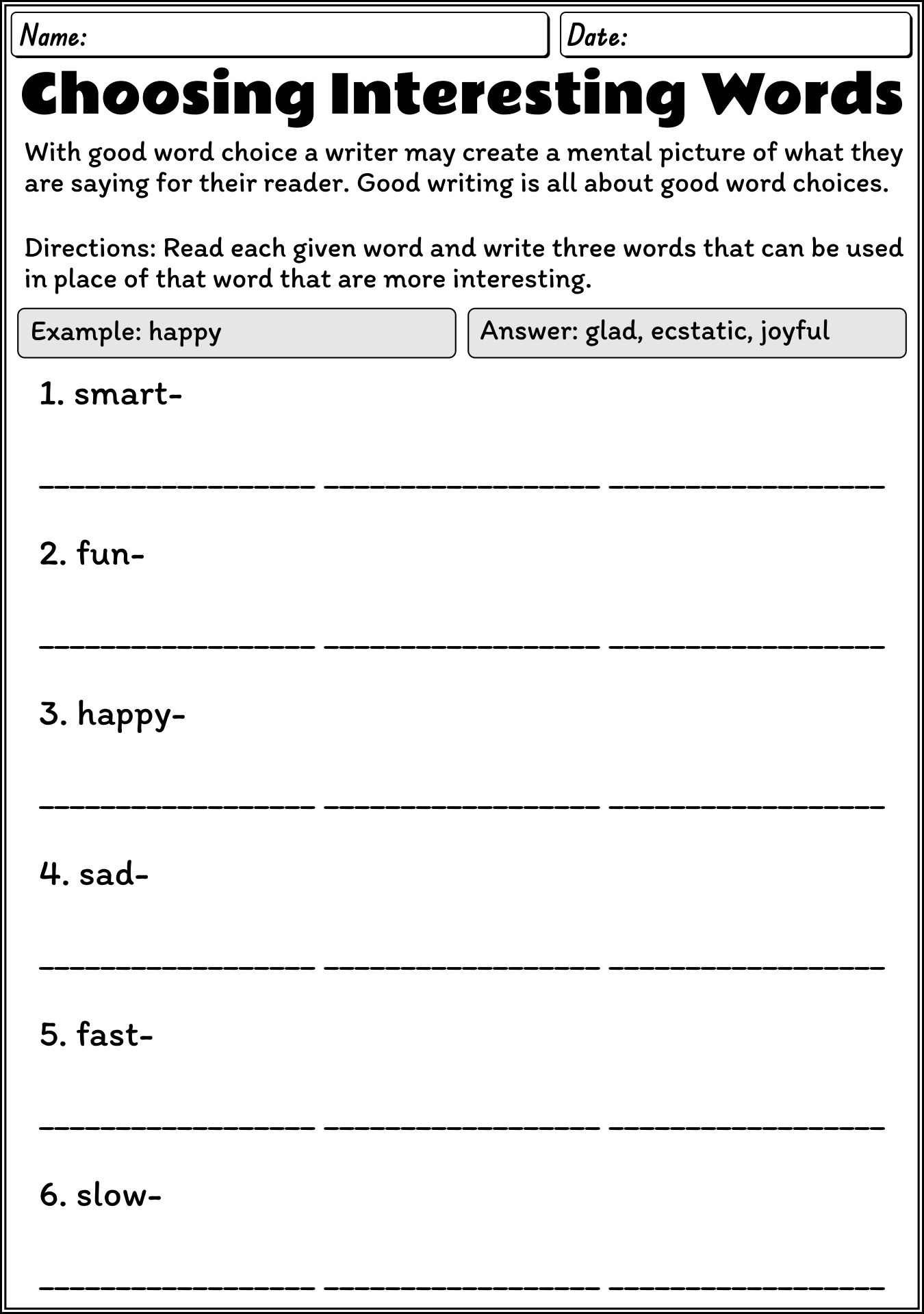
 Word Usage Worksheets
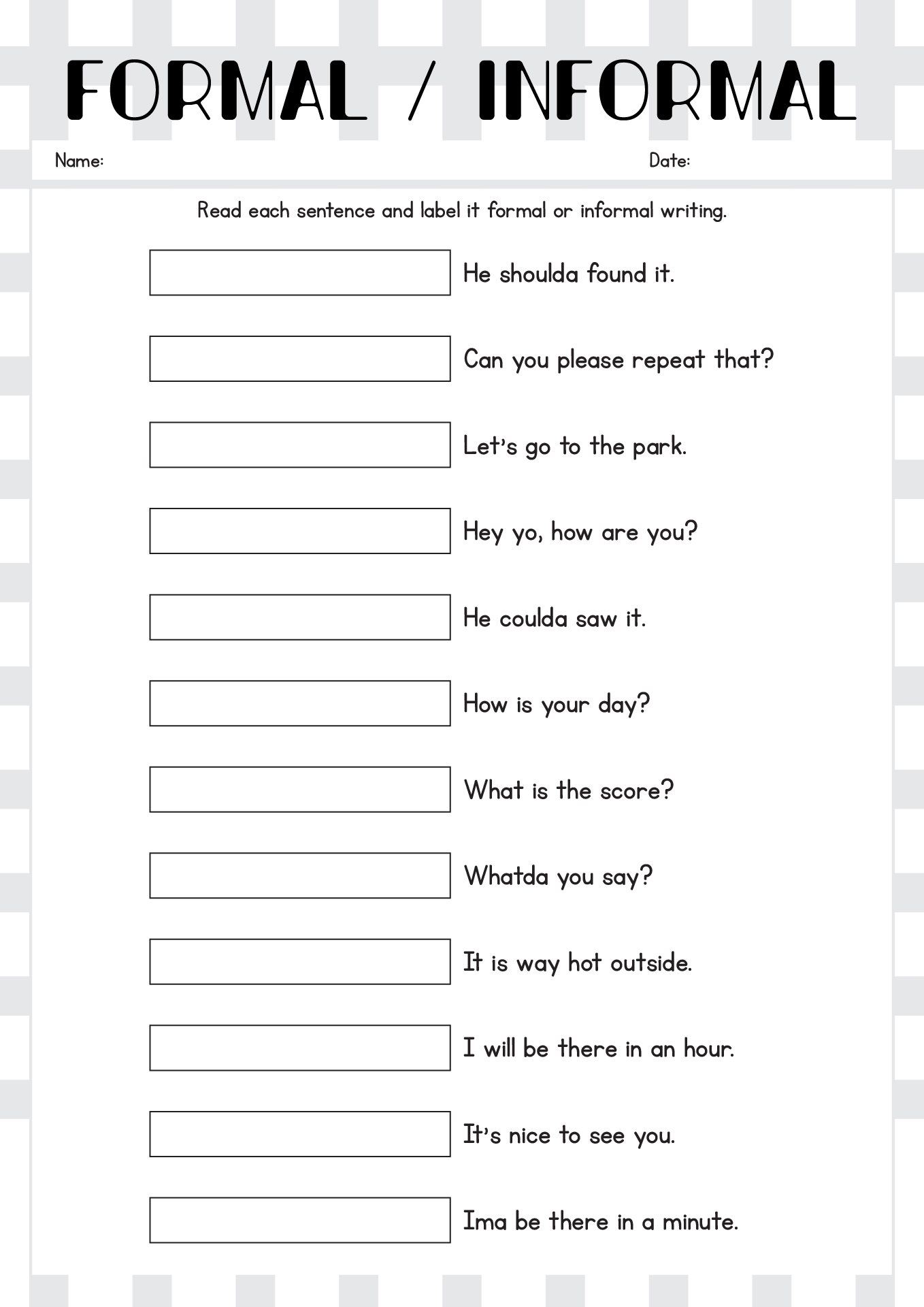
 Polite Word Choice Worksheets
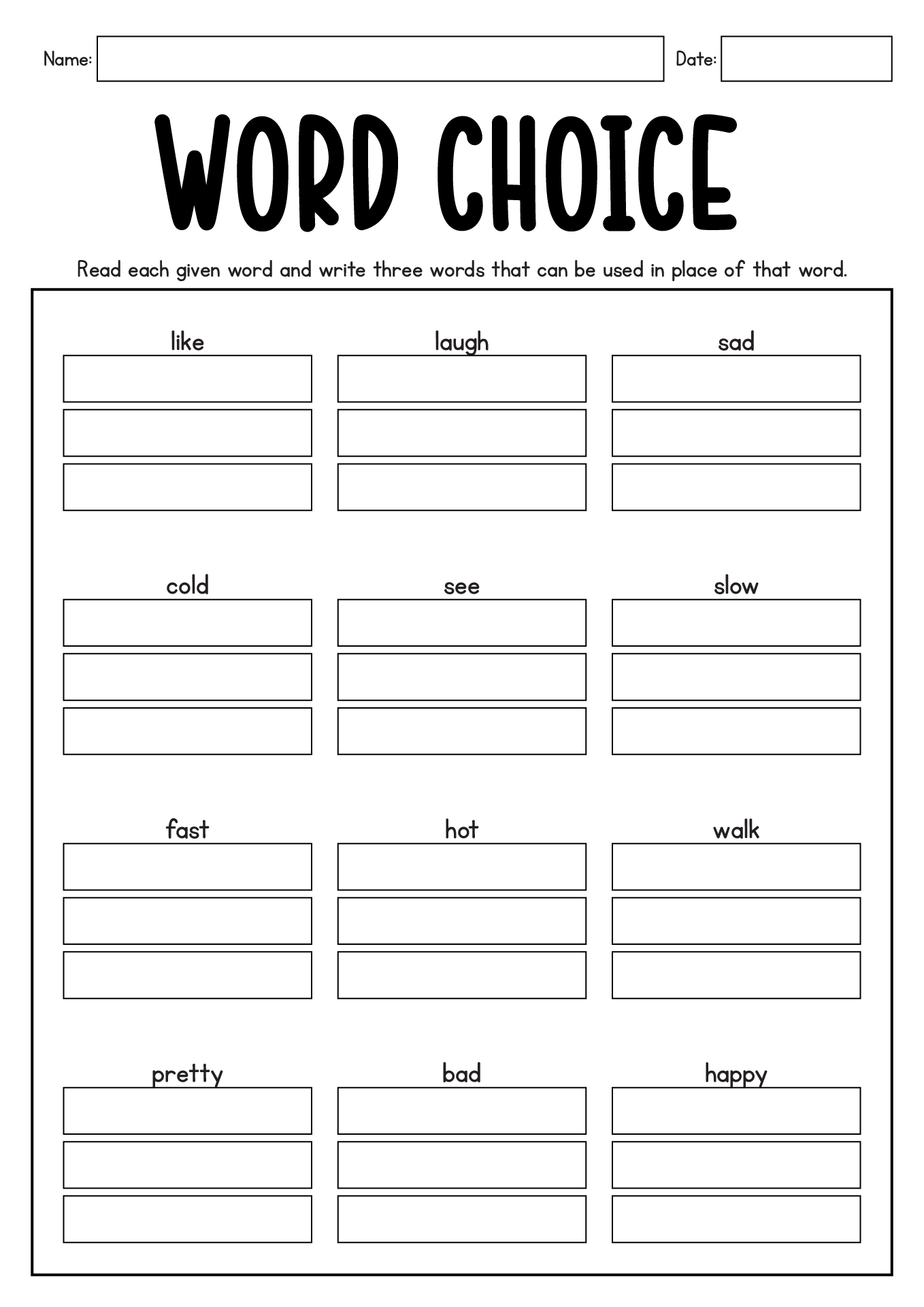
 Word Choices Worksheets
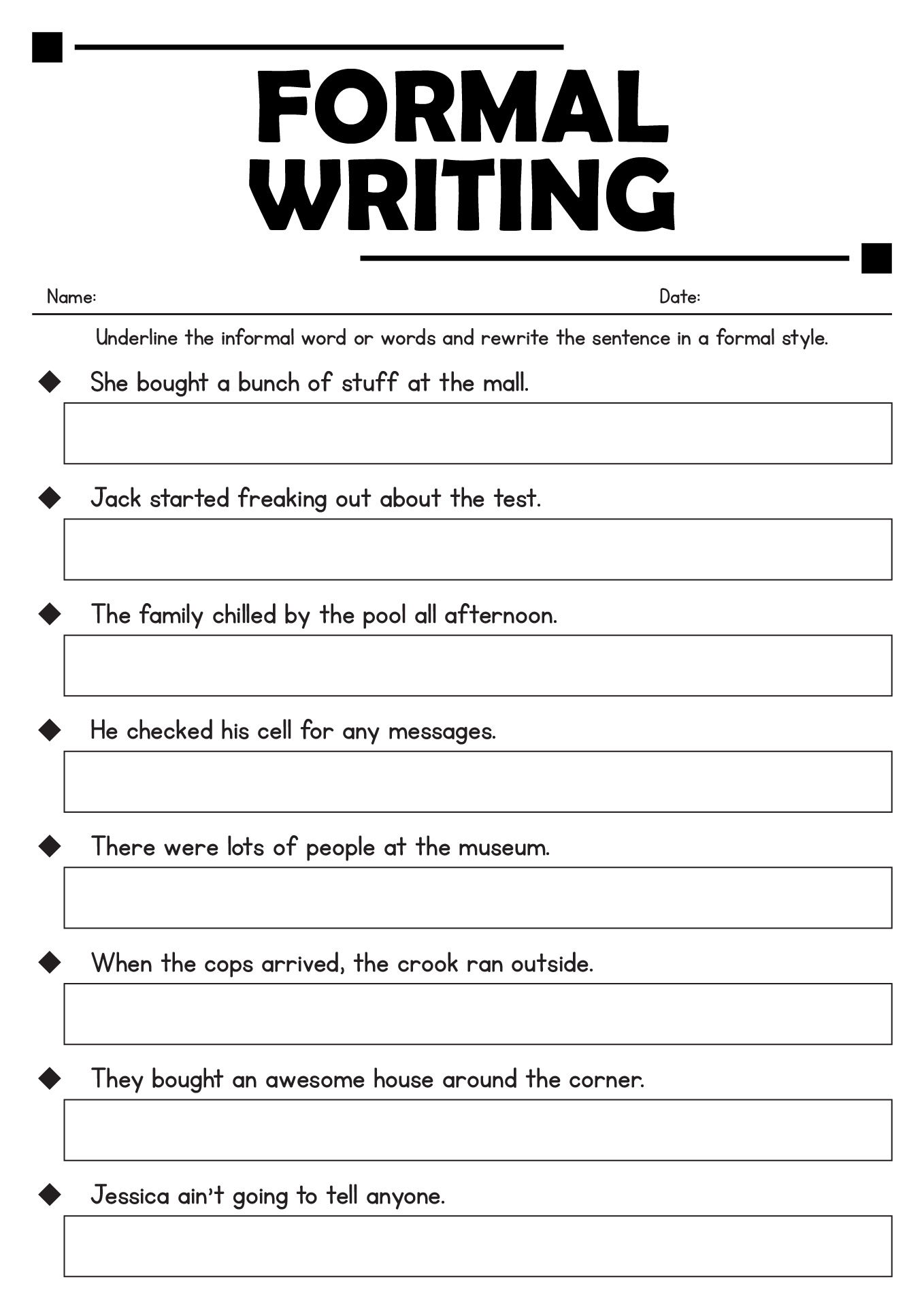
 Formal Language Writing Practice
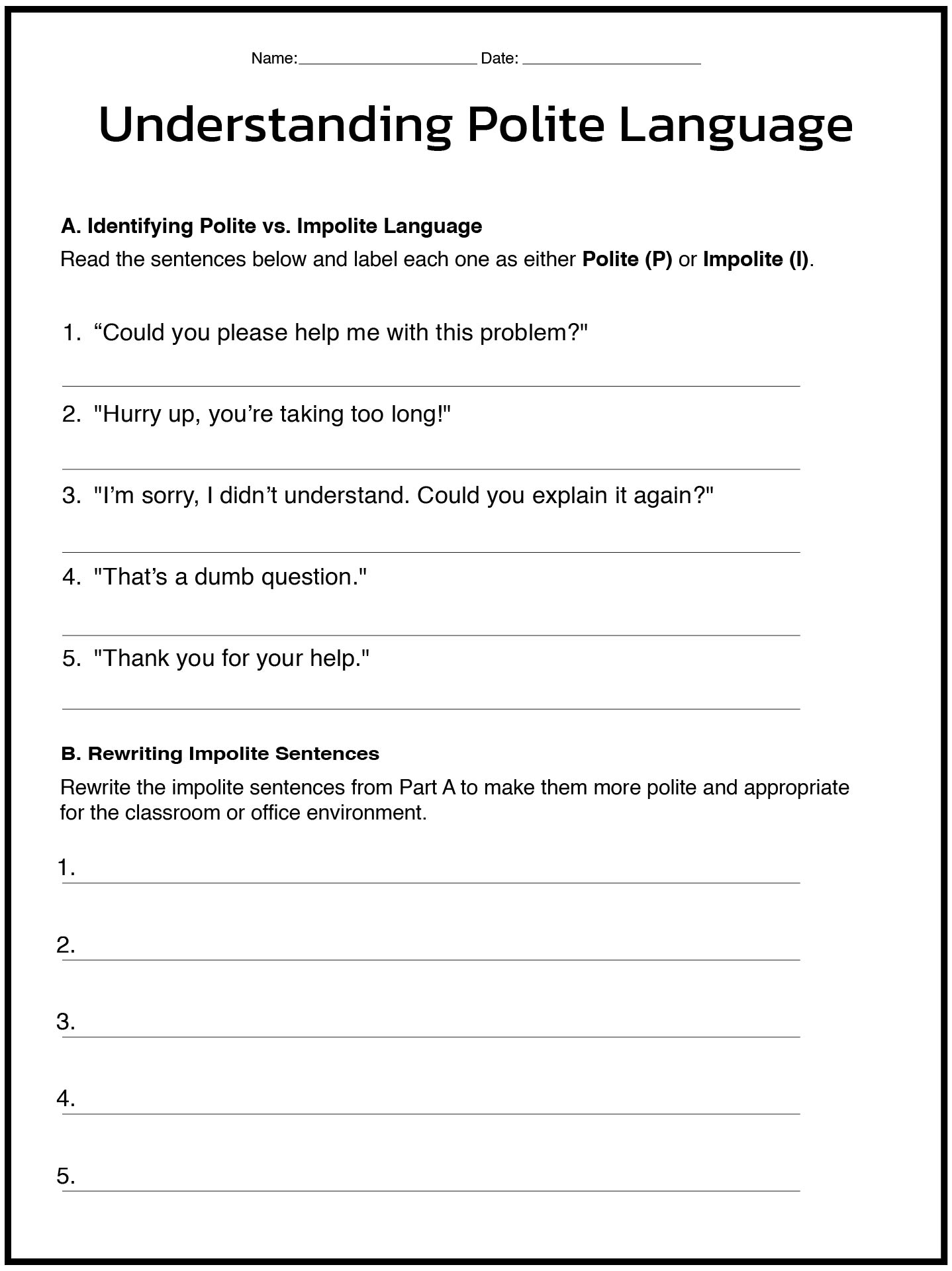
 Classroom Language Etiquette Practice Worksheet
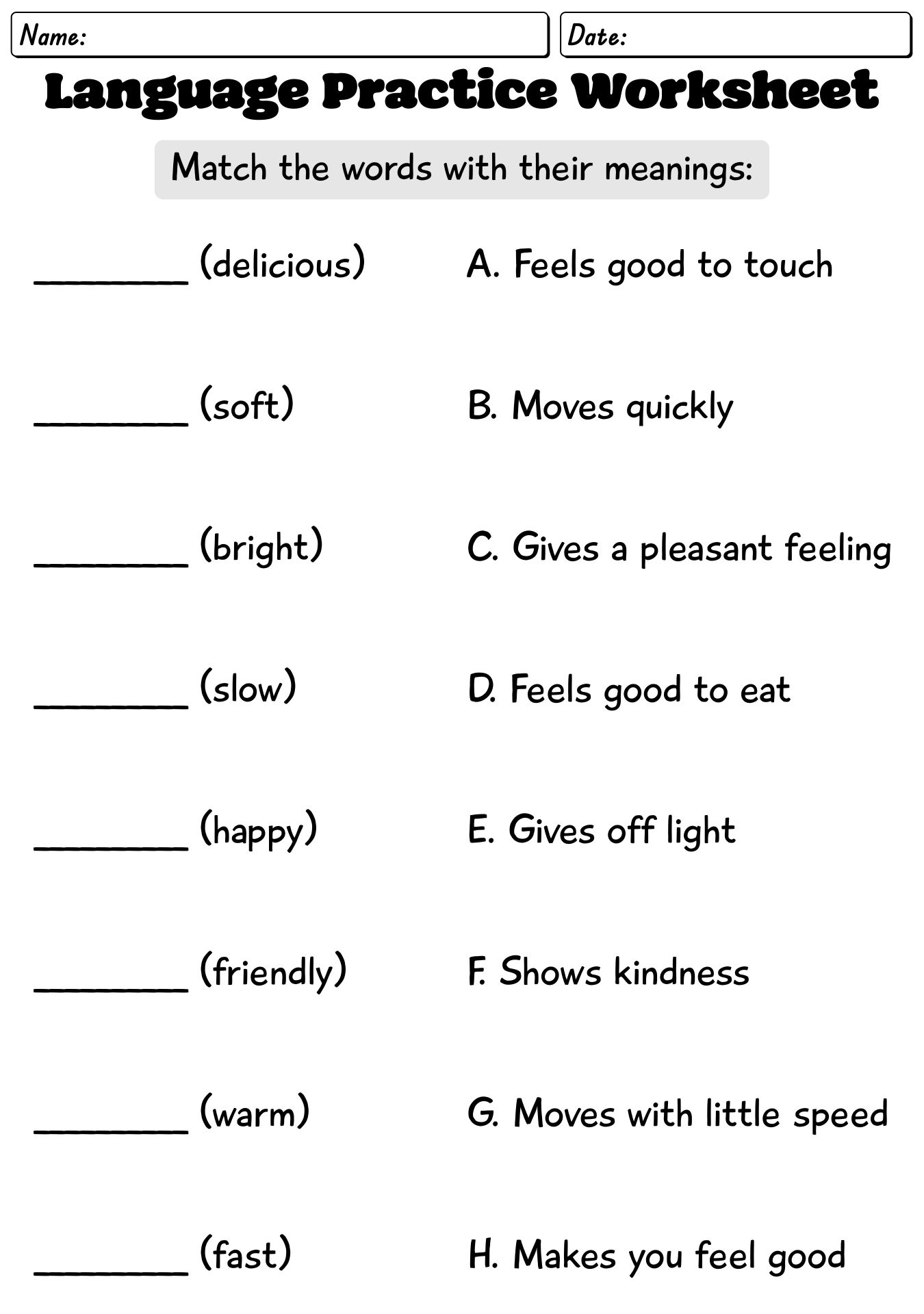
 Appropriate Language Practice Worksheet For Kids
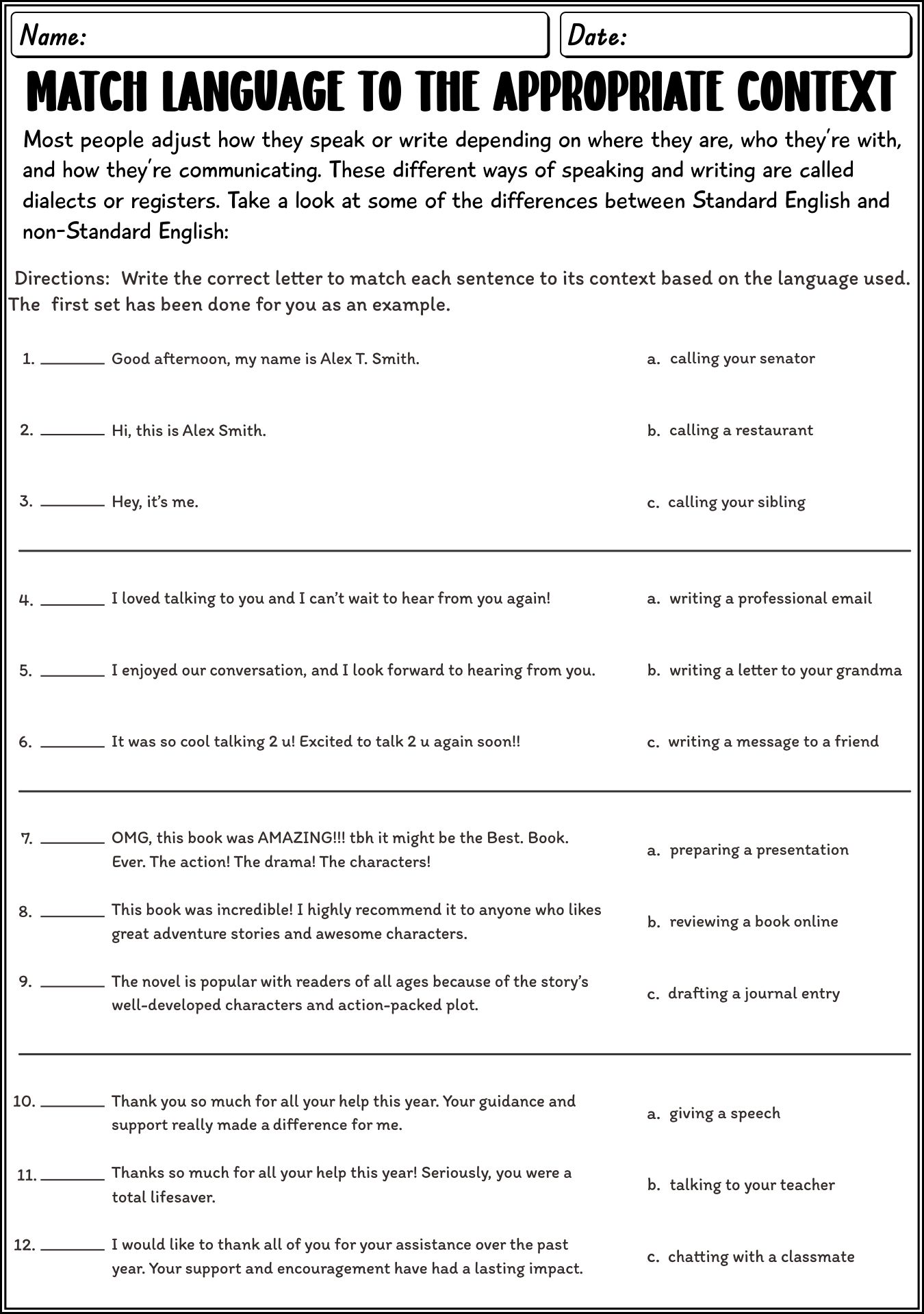
 Match Language To The Appropriate Worksheet
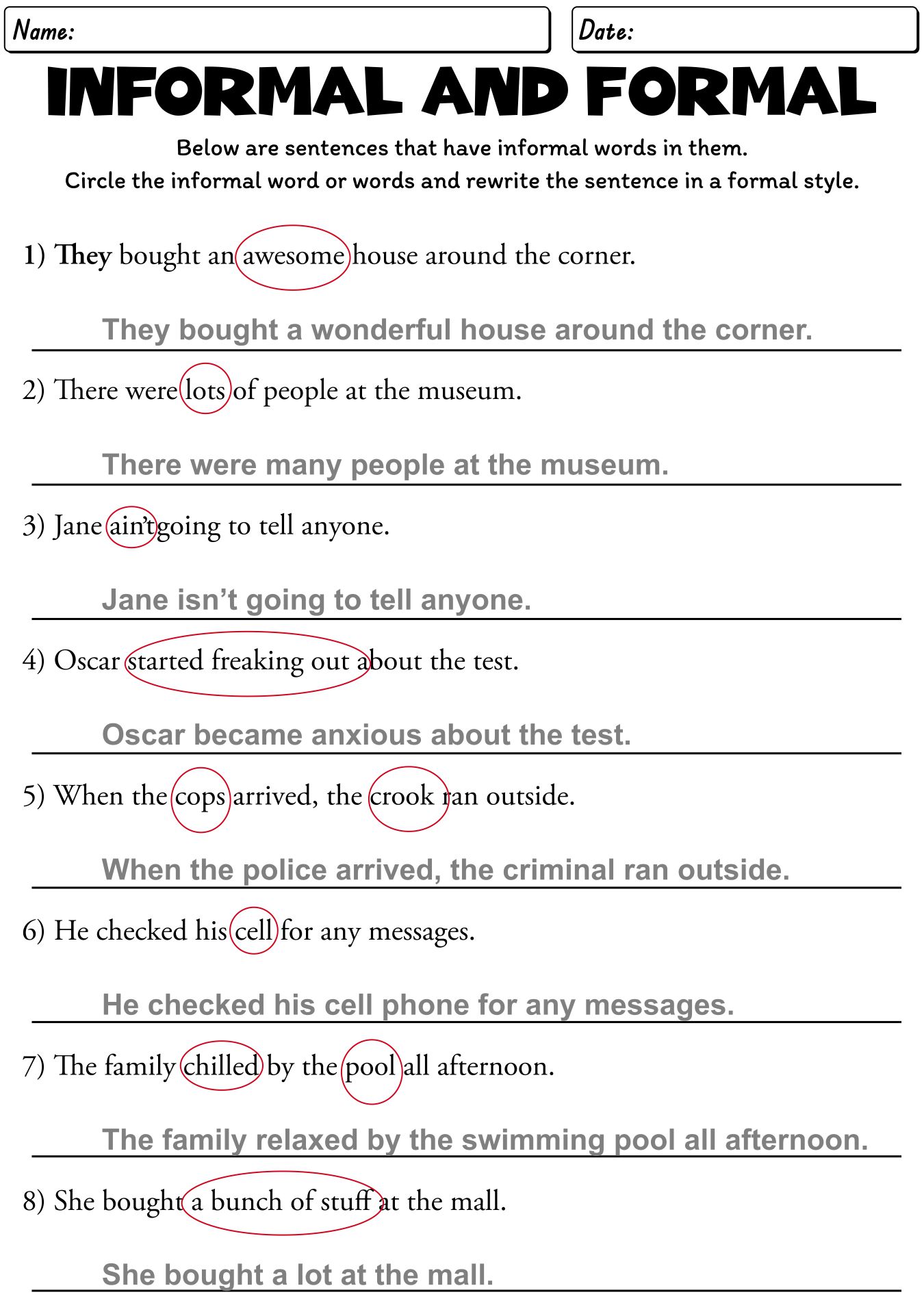
 Formal Or Informal Language Worksheet With Answer
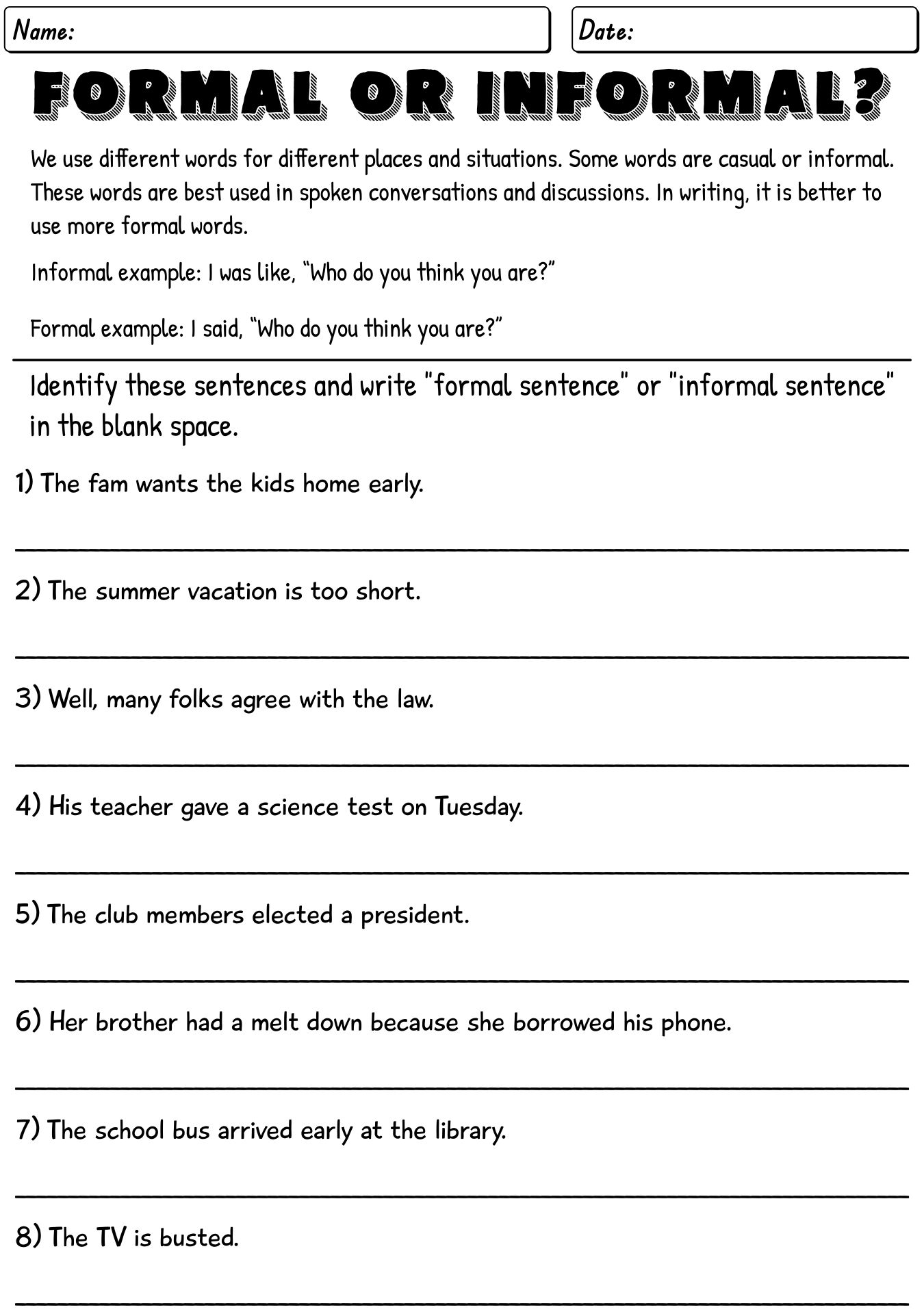
 Formal Vs Informal Language Worksheet
More Language Worksheets
9th Grade Language Arts Worksheets6th Grade Language Arts Worksheets
Kindergarten Language Arts Worksheets
High School English Language Arts Worksheets
Easter Language Arts Worksheets
What is an Appropriate Language Worksheet?
An appropriate language worksheet is a key tool in helping students improve their language skills in a fun and interactive way. Language worksheets serve as a supplementary resource to help students practice and reinforce their language skills.
These worksheets can cover a wide range of topics, from grammar and vocabulary to reading comprehension and writing exercises. So, this language worksheet can be tailored to the specific needs and proficiency level of the students.
What Key Elements Make an Appropriate Language Worksheet Work?
- Clarity and Conciseness: One of the most important elements of a language worksheet is clarity. The instructions, questions, and examples should be clear and easy to understand for the learners. So, keep the content concise and to the point, focusing on the main learning objectives without unnecessary distractions.
- Relevance to Learning Objectives: The content of the worksheet should align with the specific language skills that the students are expected to develop. Whether it is vocabulary, grammar, reading comprehension, or writing practice, the worksheet should target the key areas of improvement required for the learners.
- Varied and Diverse Content: A good language worksheet should offer a variety of content to cater to different learning styles and preferences like a mix of text, images, audio, and video materials to appeal to visual, auditory, and kinesthetic learners.
- Feedback and Assessment: Lastly, an appropriate language worksheet should include feedback and assessment mechanisms to help students track their progress and identify areas for improvement. Provide answer keys, self-assessment tools, or peer review opportunities to give students feedback on their performance.
How Do You Use an Appropriate Language Worksheet to Reinforce a Specific Grammar Rule?
Before selecting a language worksheet, it is crucial to have a clear understanding of the specific grammar rule you want to reinforce. Whether it is subject-verb agreement, punctuation, or verb tenses, knowing the ins and outs of the rule will help you tailor the worksheet to meet the needs of your students effectively.
Make sure to choose a worksheet that includes a variety of exercises such as fill-in-the-blanks, multiple-choice questions, and sentence restructuring to cater to different learning styles. Additionally, provide clear instructions and examples to guide students through the exercises.
To make the language worksheet more engaging and relatable, consider incorporating real-life examples that demonstrate the grammar rule in action. This could include excerpts from books, conversations, or even social media posts. By connecting the rule to everyday scenarios, students will better understand its practical application.
How Do You Know If an Appropriate Language Worksheet is Truly Aligned with Your Curriculum?
- Evaluating the Content: One of the first things to assess when determining if a language worksheet is aligned with your curriculum is to evaluate the content. Does the worksheet cover the specific language skills and topics that are outlined in your curriculum? Are the vocabulary and grammatical structures appropriate for the proficiency level of your students? It is essential to carefully review the content of the worksheet to ensure that it complements and enhances the learning objectives of your curriculum.
- Assessing Learning Objectives: Do the activities and exercises in the worksheet help students achieve the desired language proficiency levels? Are the tasks designed to promote the development of the necessary language skills, such as listening, speaking, reading, and writing? By evaluating the alignment of learning objectives, you can ensure that the appropriate language worksheet contributes effectively to the overall language learning goals of your curriculum.
- Checking for Cultural Relevance: In addition to content and learning objectives, it is essential to consider the cultural relevance of the language worksheet. By selecting worksheets that are culturally relevant, you can create a more engaging and meaningful learning experience for your students.
- Verifying Language Proficiency Levels: Moreover, it is crucial to verify that the language proficiency levels targeted in the worksheet align with the levels of your students.
- Utilizing Assessment Tools: By administering pre-tests and post-tests, you can determine if the worksheet has effectively contributed to the learning outcomes of your curriculum.
How Can You Quickly Customize an Appropriate Language Worksheet?
Add Visuals and Art
- Use icons, emojis, or clipart to illustrate words or instructions. For example, for “fruit vocabulary,” add tiny fruit images next to the words.
- Highlight sections with color blocks or borders so the appropriate language worksheet doesn’t look plain.
Use themed backgrounds lightly, like clouds for a weather lesson or animals for a zoo theme, but keep readability in mind.
Incorporate Games
- Replace some exercises with simple puzzles. Students learn vocabulary while playing.
- Turn vocabulary lists into bingo cards or mini flashcards embedded in the worksheet.
- Give students multiple options to complete sentences, making it a mini interactive story.
Use Fun Formatting
- Change fonts for headings or key words, but keep body text readable.
- Add speech bubbles or thought clouds for dialogue practice.
- Use arrows, boxes, or lines for connect-the-word exercises or sequencing activities.
Make It Interactive
- Leave spaces for drawing, coloring, or doodling related to the lesson.
- Encourage cut-and-paste exercises for hands-on learners.
So, start using our appropriate language worksheet today and see the positive impact they can have on your language skills!


Have something to share?
Who is Worksheeto?
At Worksheeto, we are committed to delivering an extensive and varied portfolio of superior quality worksheets, designed to address the educational demands of students, educators, and parents.

Comments