
Worksheets Word Ladder
Helping children build a larger vocabulary is important because language skills play a huge role in everyday communication, reading development, and confidence at school. However, kids can easily lose interest when vocabulary practice feels too repetitive or overly academic. That is why many parents and teachers prefer using Worksheets Word Ladder to make learning feel more interactive and enjoyable.
These worksheets challenge children to change letters step by step to form new words, turning vocabulary practice into a fun word game instead of ordinary memorization. Along the way, children also improve spelling recognition, reading fluency, and problem-solving skills. Because the activities are simple and beginner-friendly, they work well for different ages and learning abilities.
Table of Images 👆
- Printable Word Ladder Puzzles Worksheets
- Word Ladder Challenge Worksheets
- Educational Word Ladder Worksheets
- Daily Word Ladder Worksheets
- Beginner Level Word Ladder Worksheets
- Word Ladder For Kids Worksheet
- Fall Word Ladder Worksheet
- 1st Grade Word Ladder Worksheet
- Word Ladder Puzzle Worksheet
- Printable Word Ladder Worksheets for Kids
- Word Ladder Games Worksheets for Learning
- Word Ladder Worksheet For 1st Grade
- Halloween Word Ladder Worksheet
- Word Ladder Fun Worksheet
 14 Images of Worksheets Word Ladder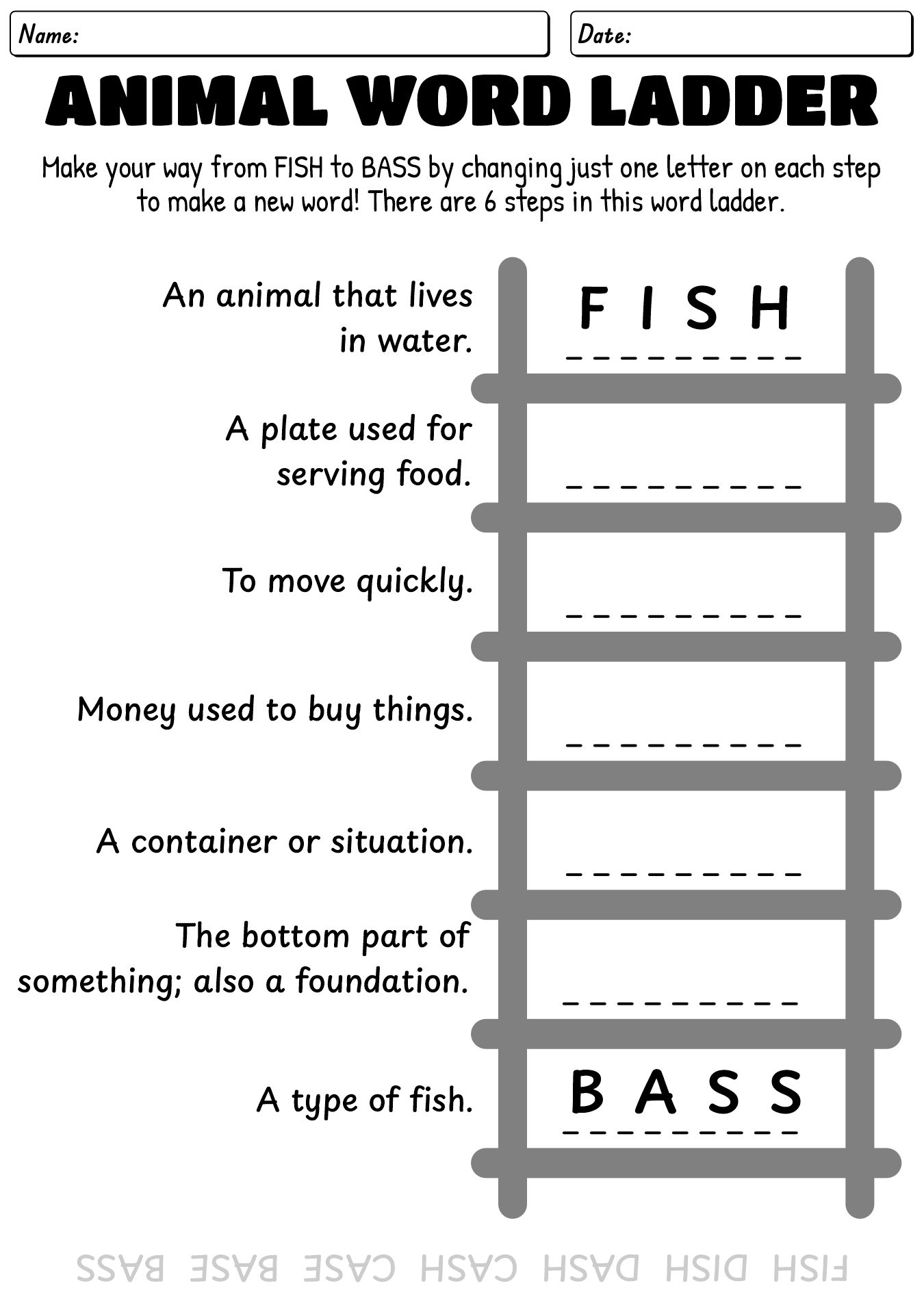
 Printable Word Ladder Puzzles Worksheets
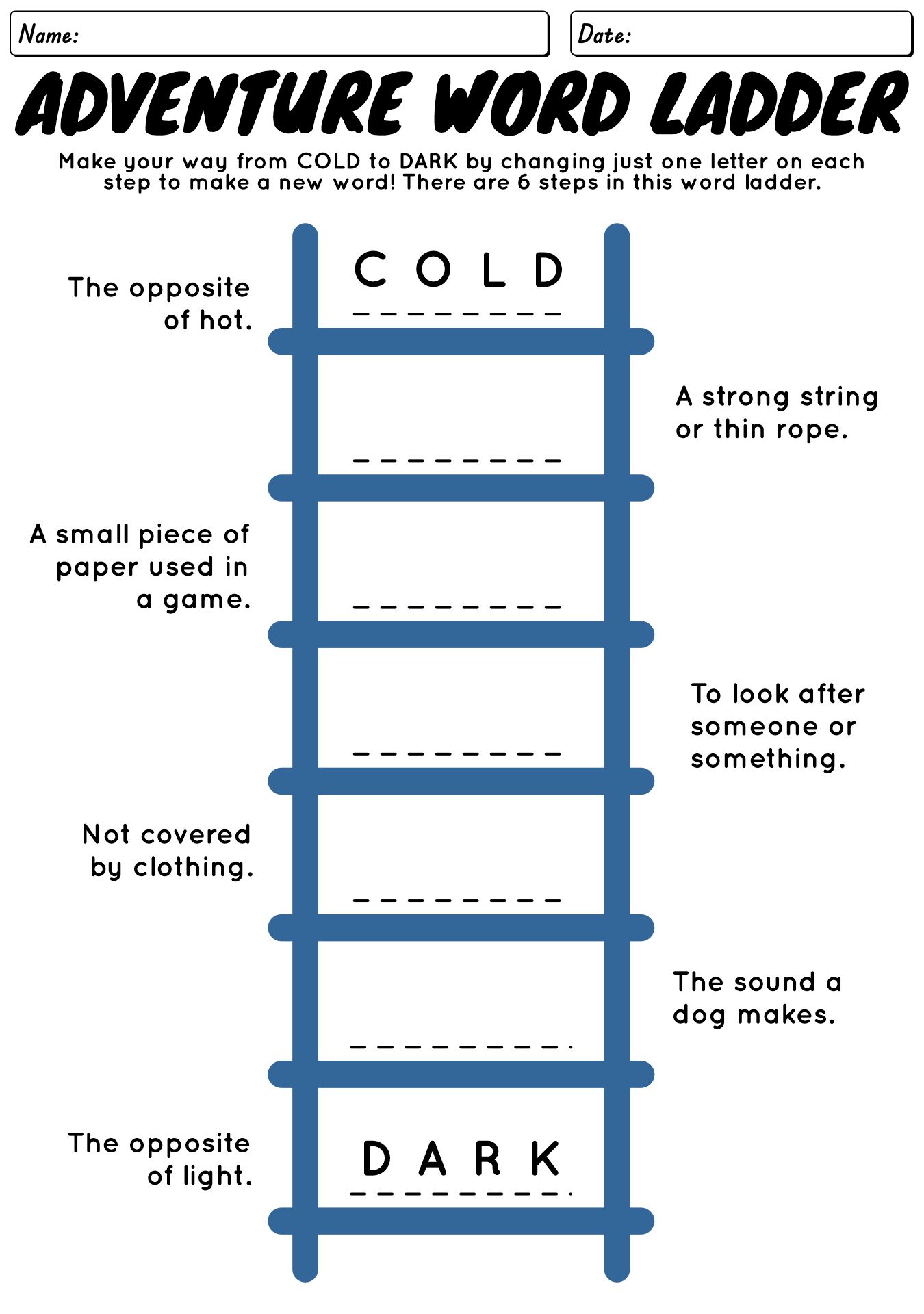
 Word Ladder Challenge Worksheets
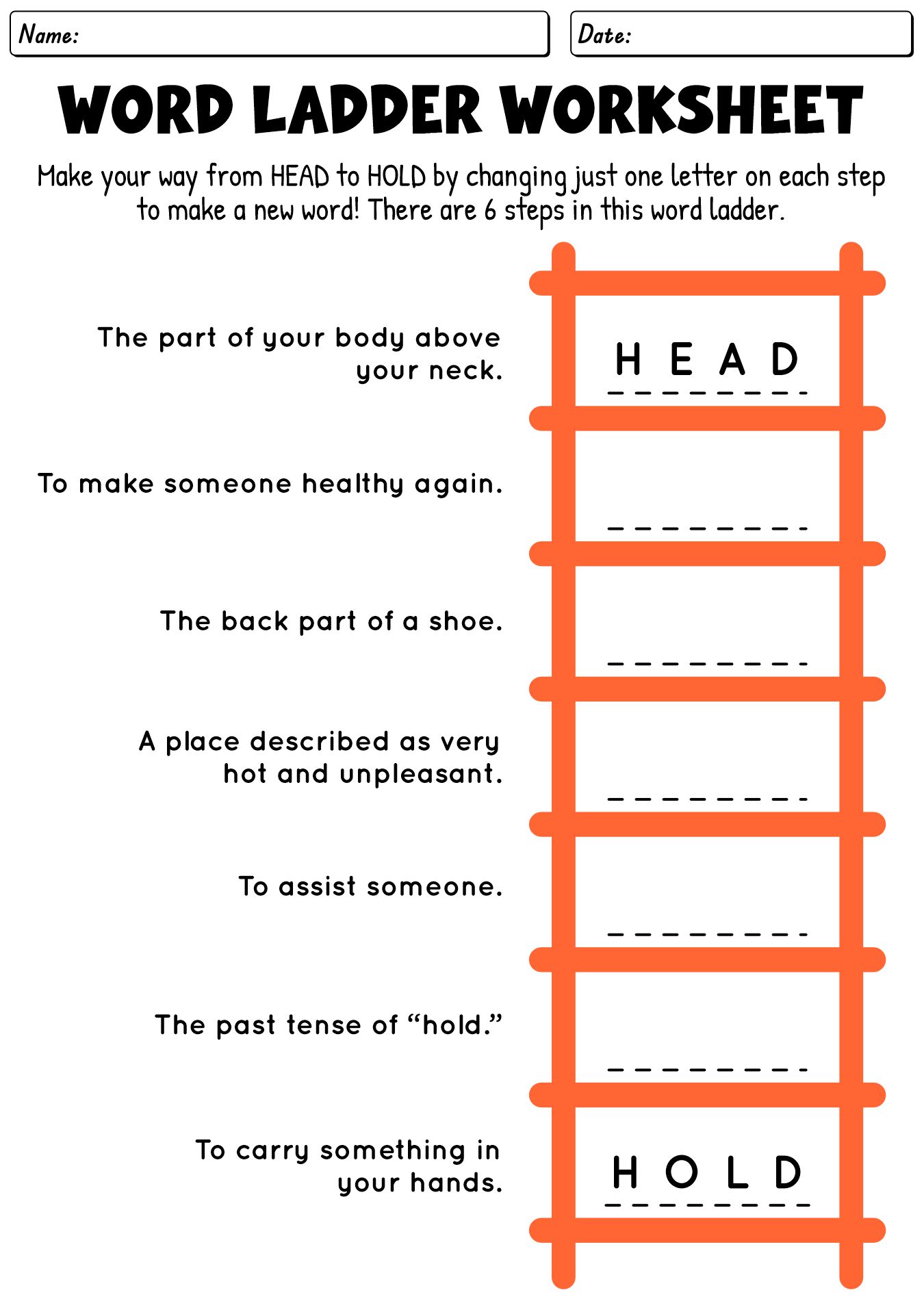
 Educational Word Ladder Worksheets
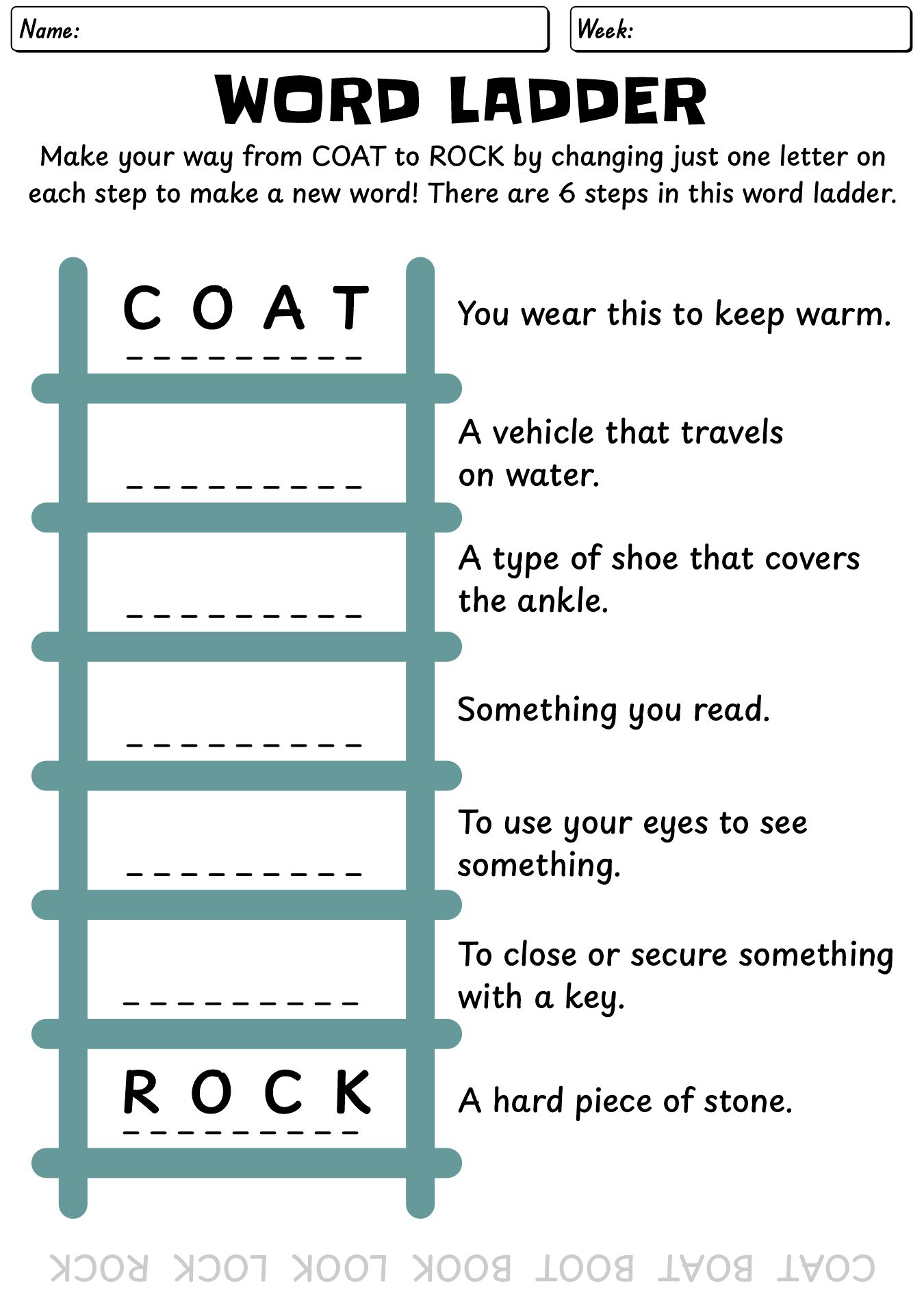
 Daily Word Ladder Worksheets
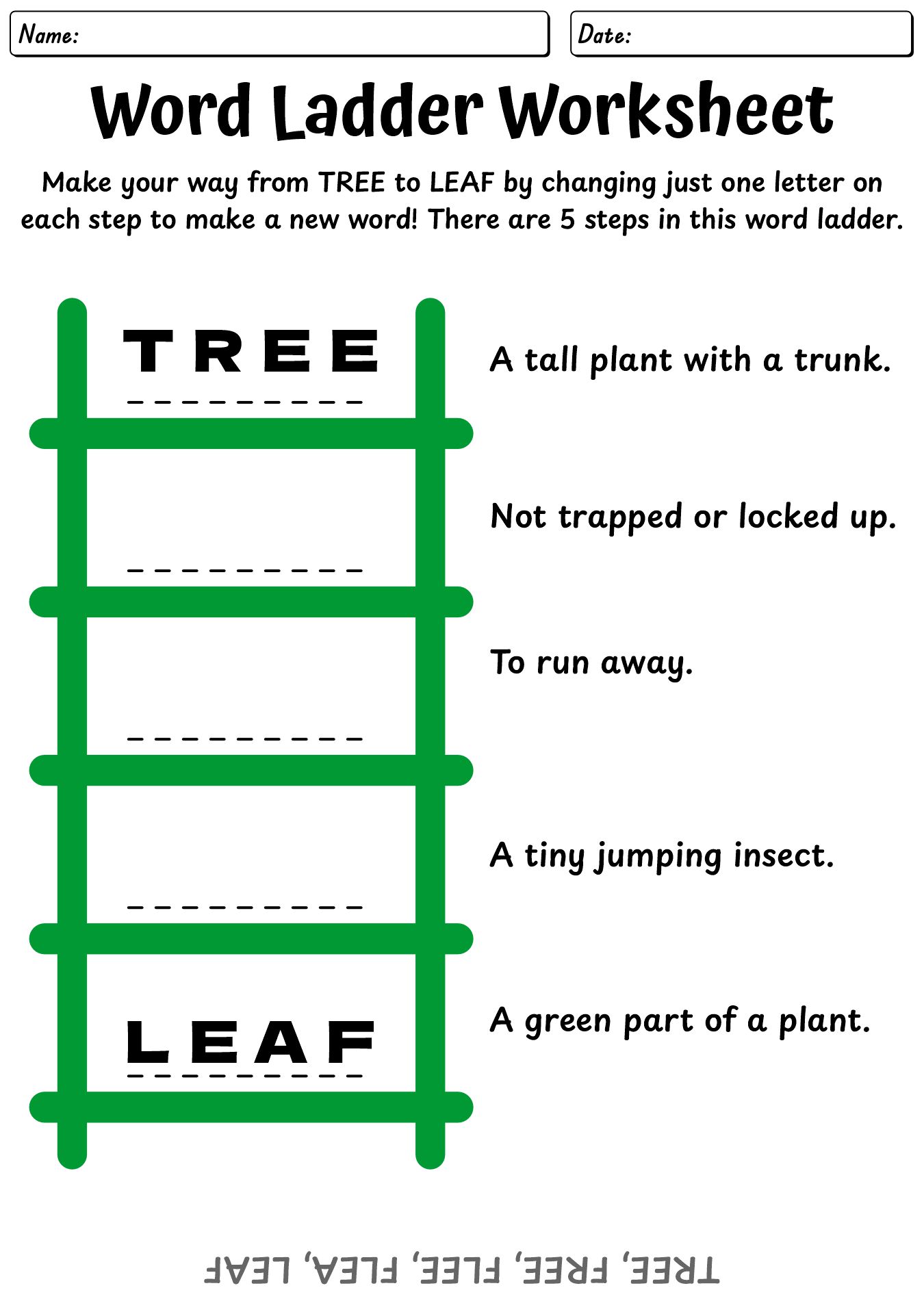
 Beginner Level Word Ladder Worksheets
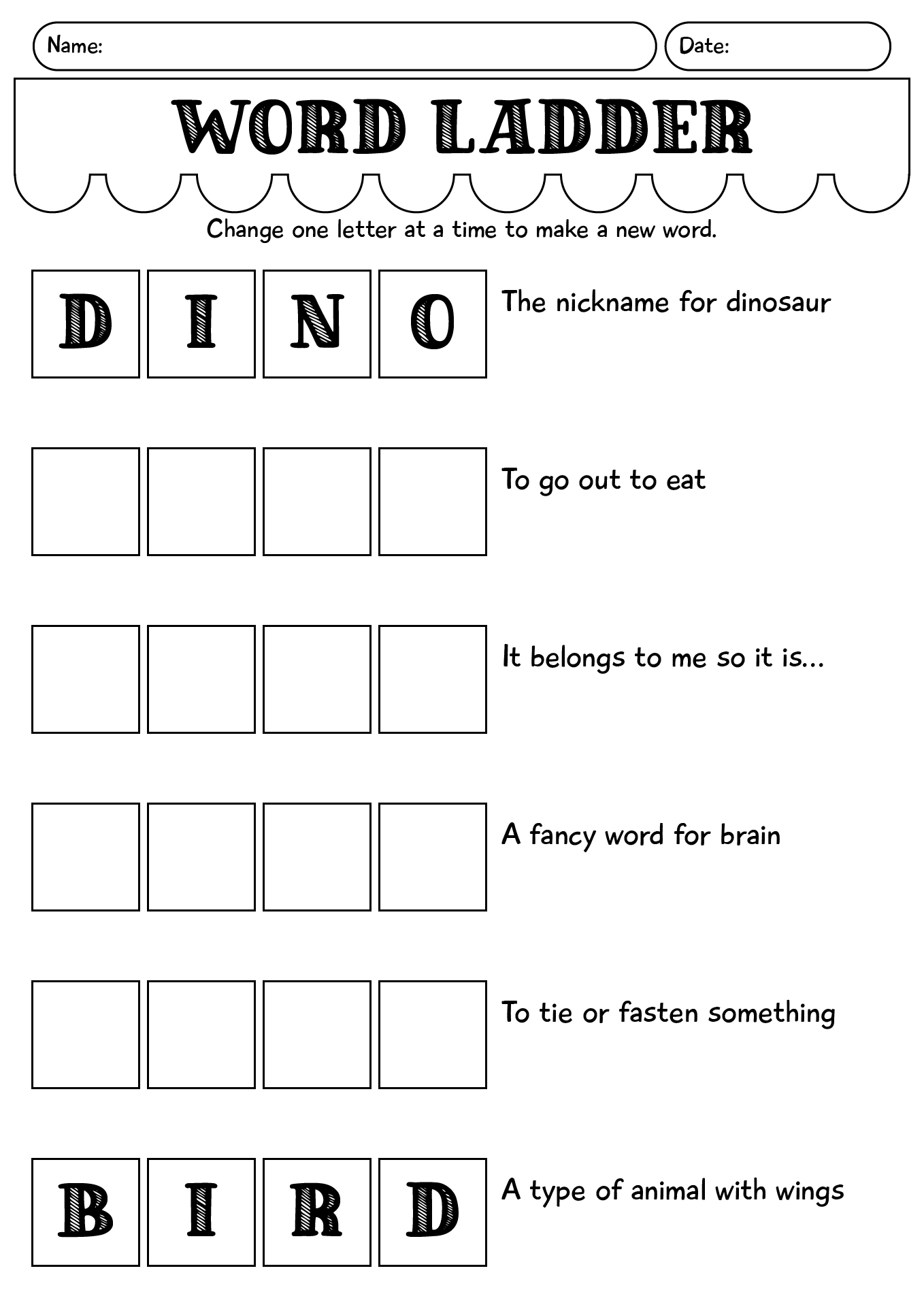
 Word Ladder For Kids Worksheet
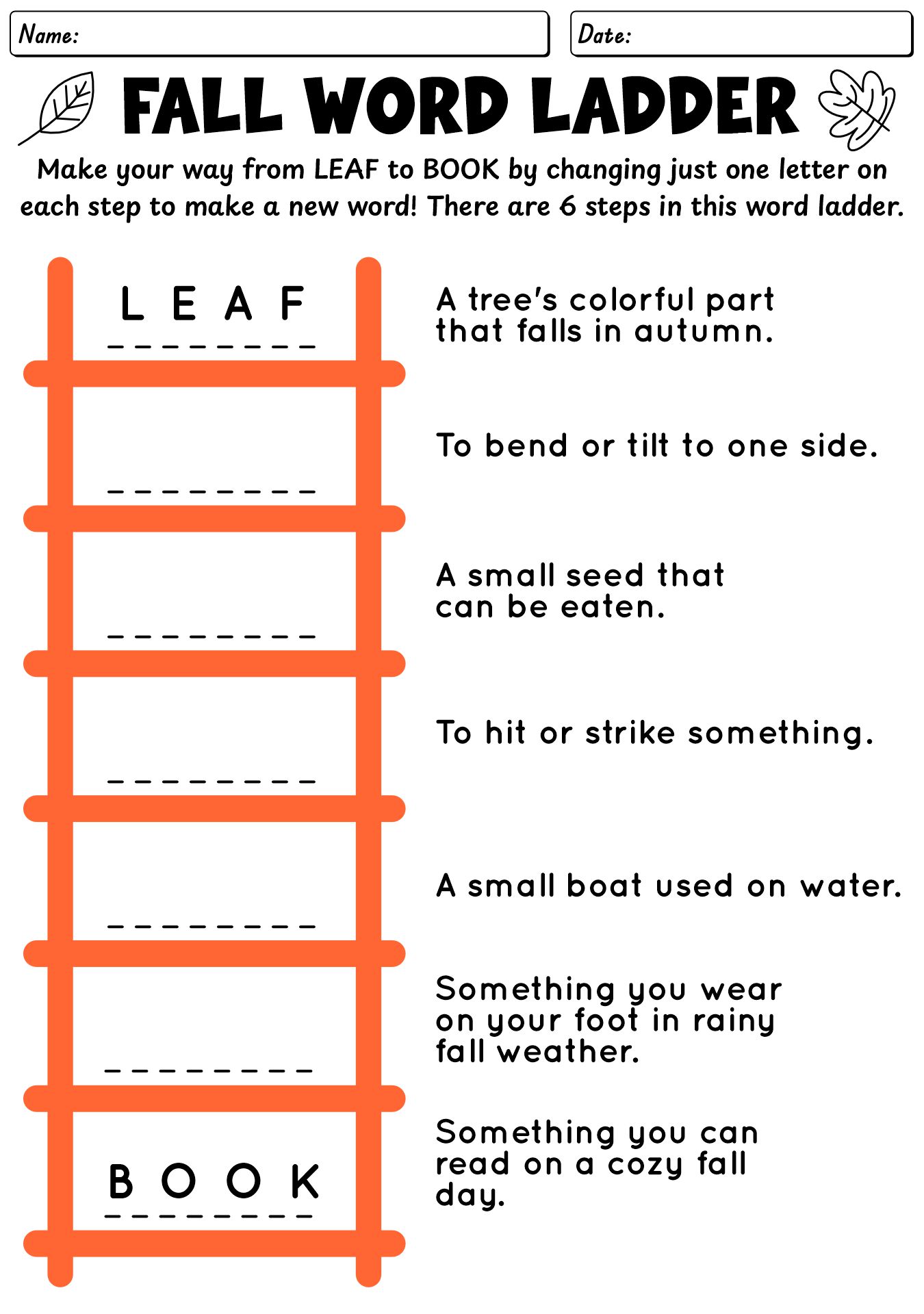
 Fall Word Ladder Worksheet
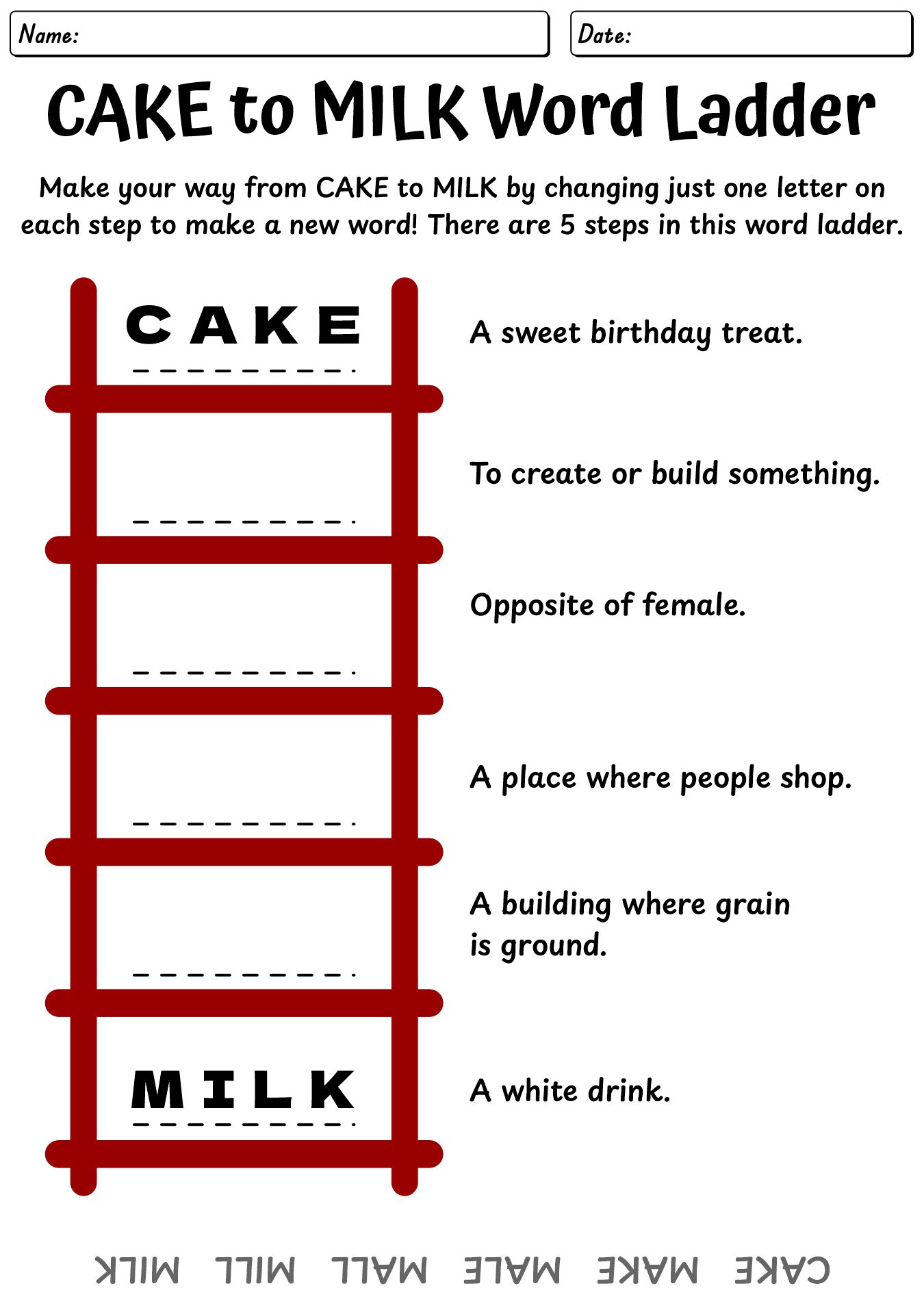
 1st Grade Word Ladder Worksheet
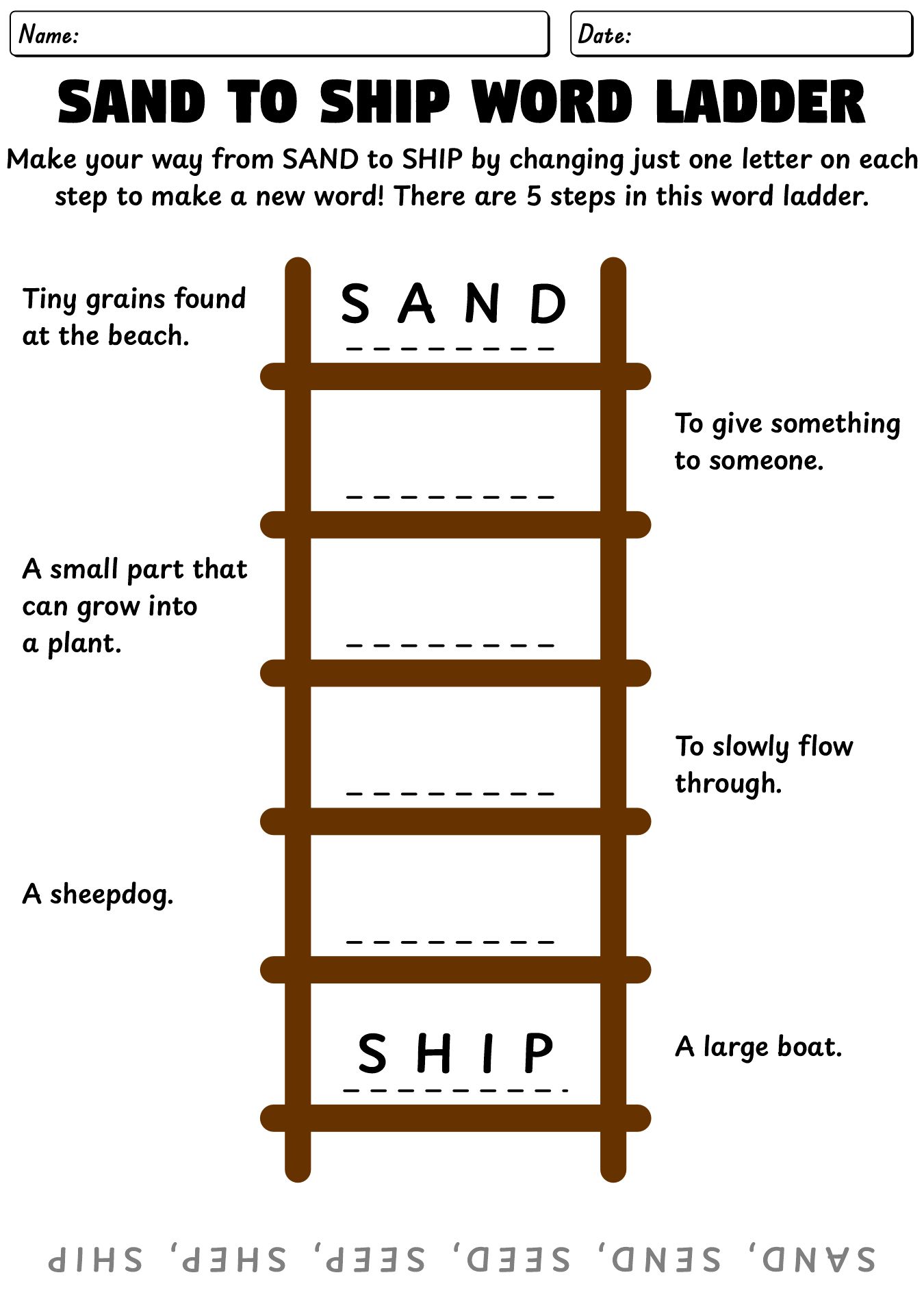
 Word Ladder Puzzle Worksheet
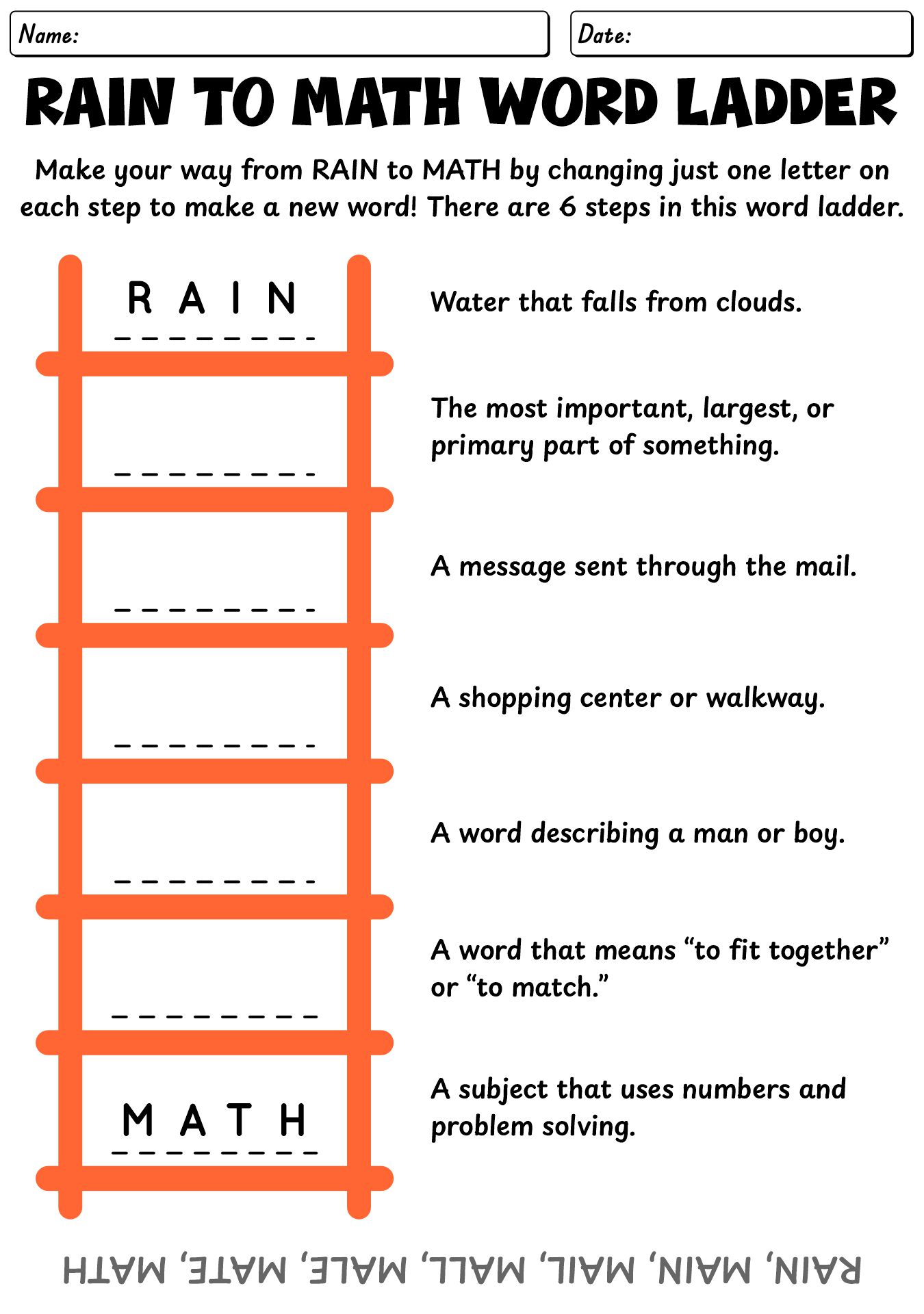
 Printable Word Ladder Worksheets for Kids
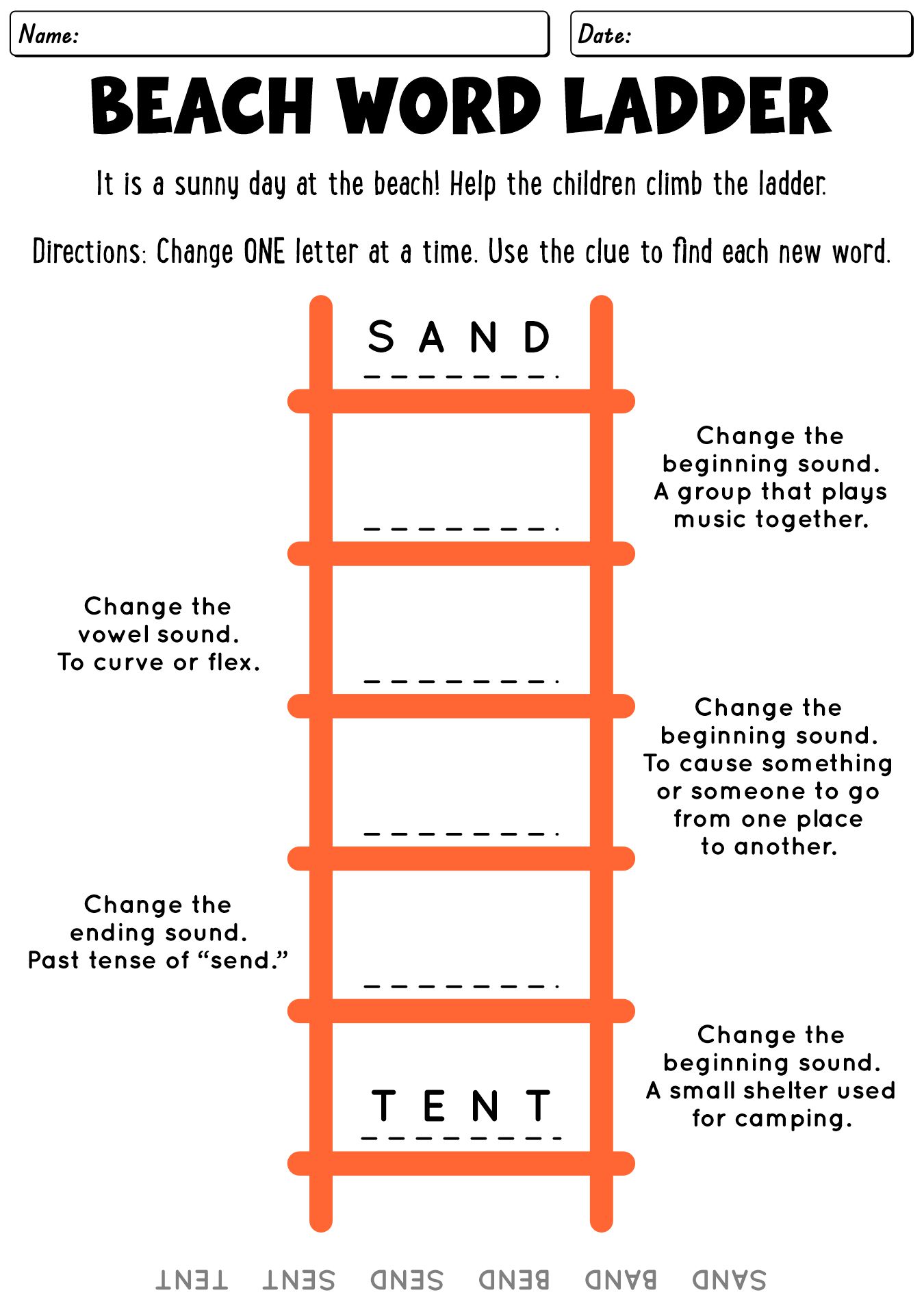
 Word Ladder Games Worksheets for Learning
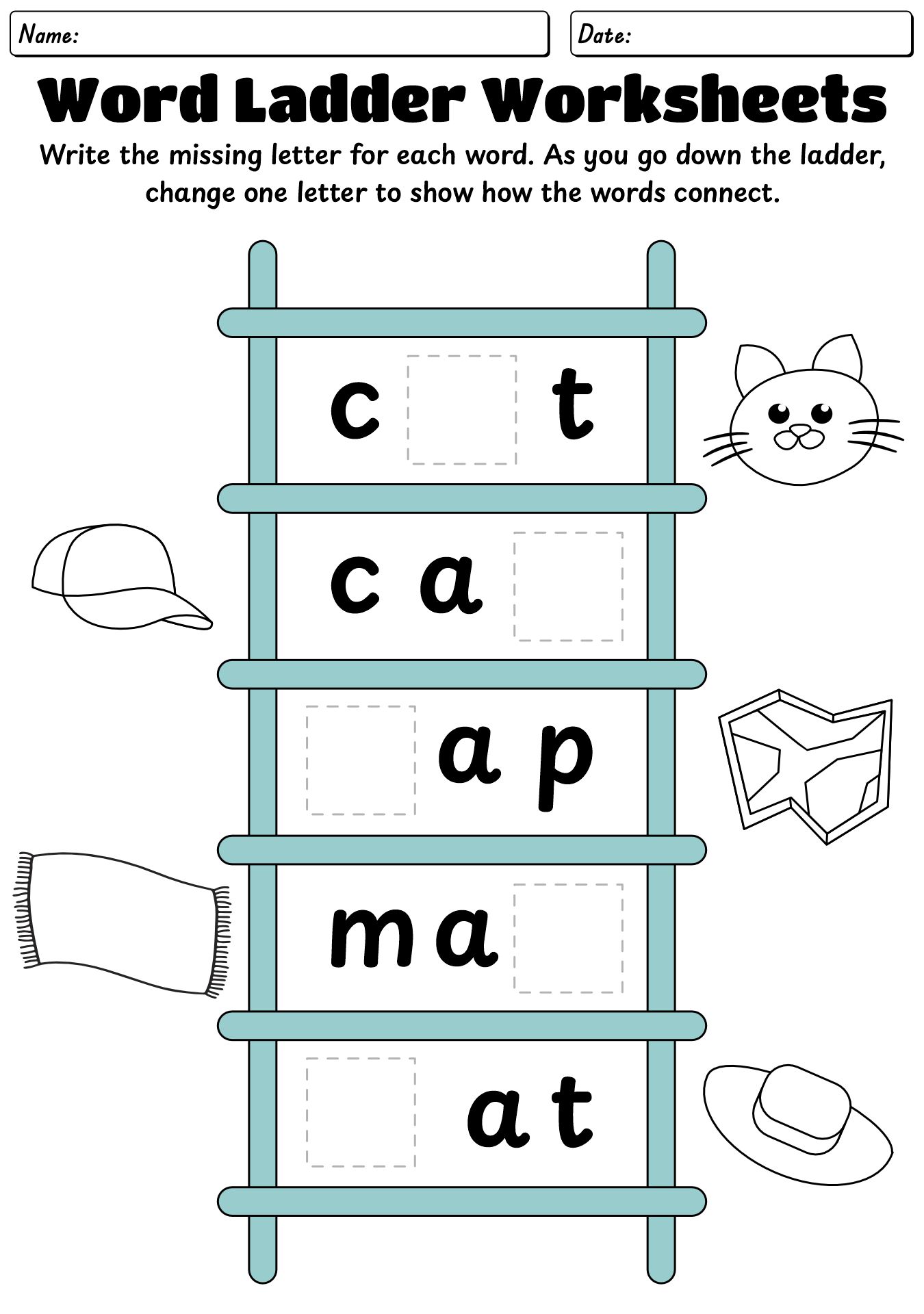
 Word Ladder Worksheet For 1st Grade
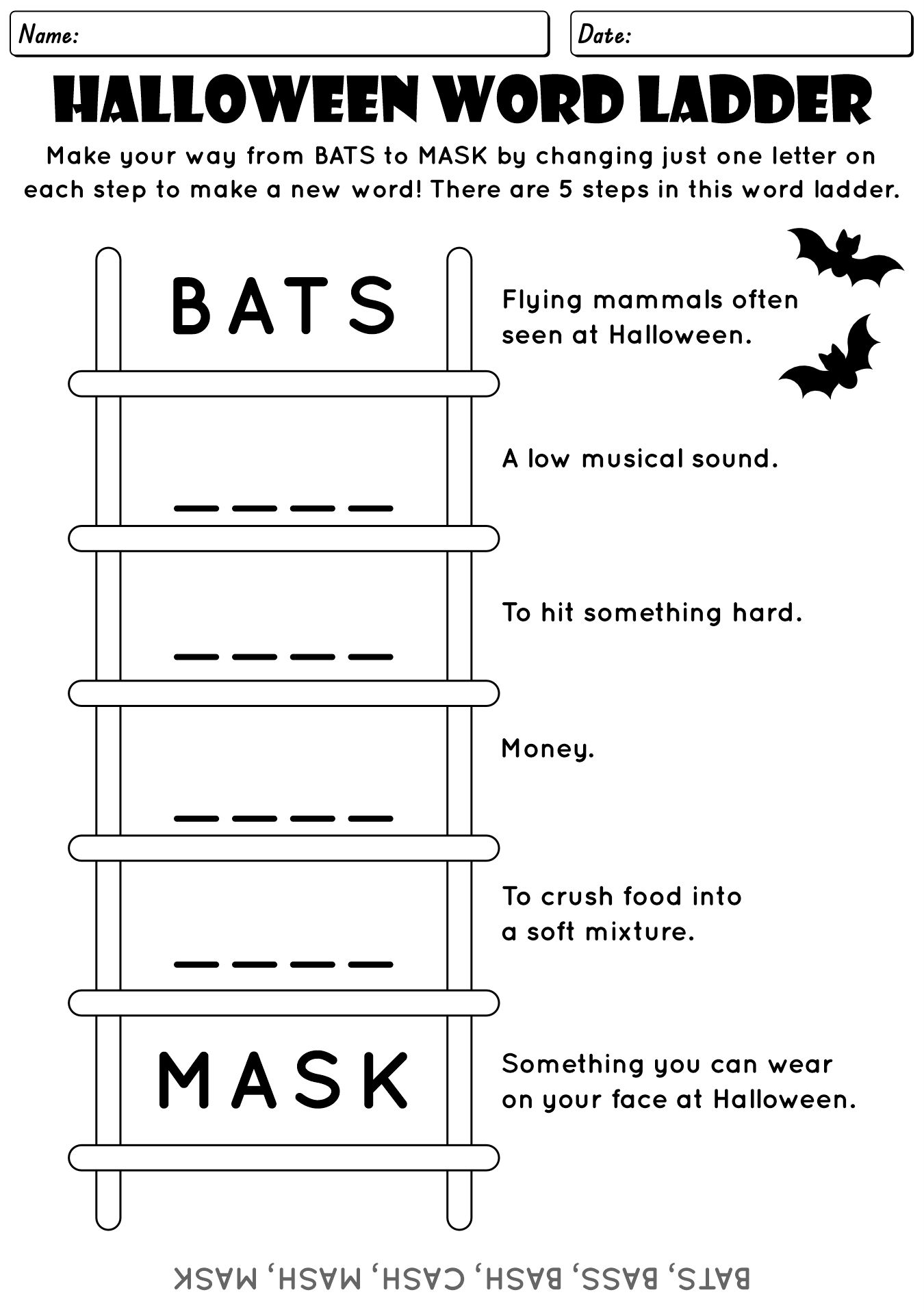
 Halloween Word Ladder Worksheet
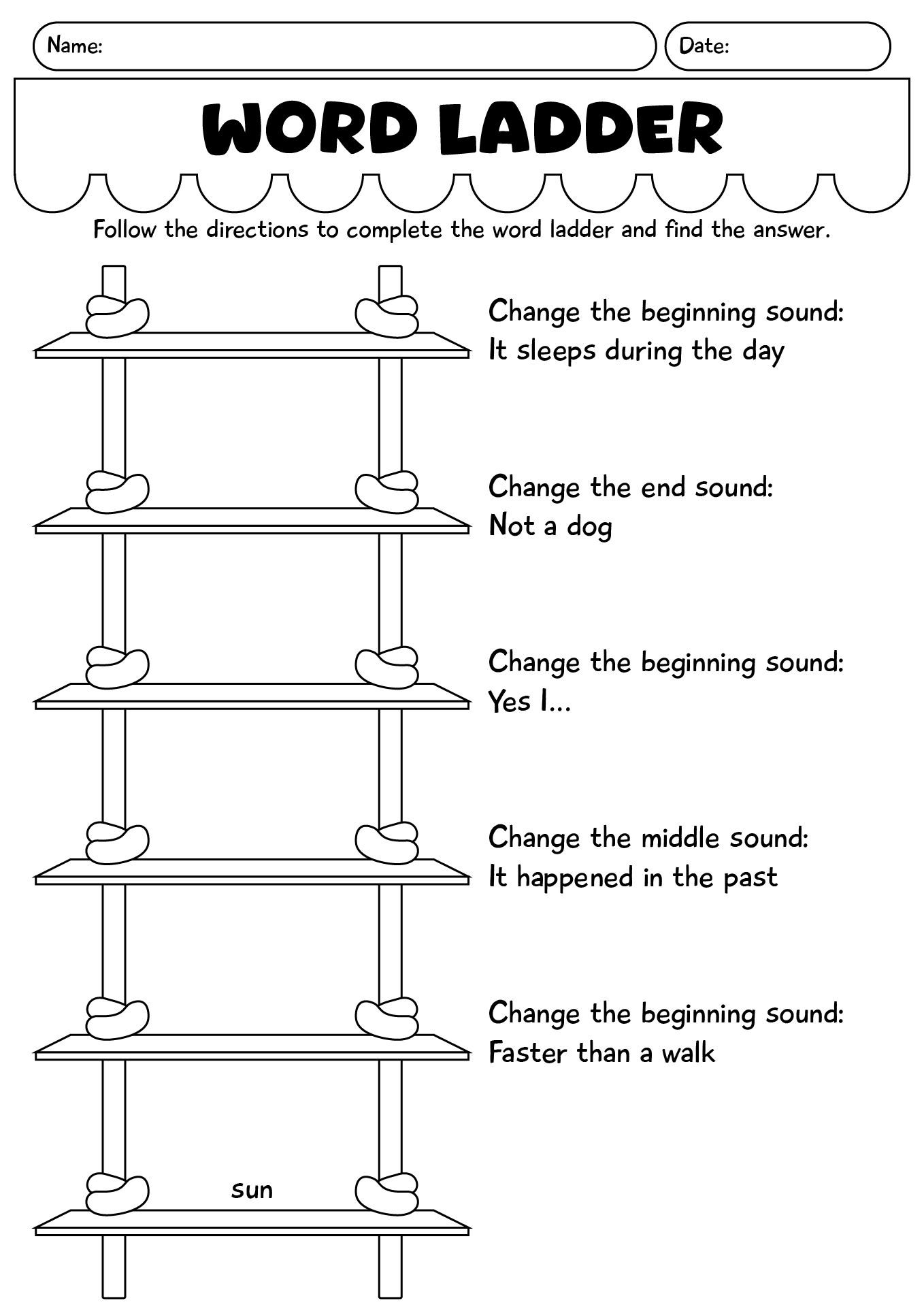
 Word Ladder Fun Worksheet
More Word Worksheets
7th Grade Spelling Words WorksheetsPractice Writing Words Worksheets
2nd Grade Compound Words Worksheets
Spelling Words Worksheets Grade 2
Have Sight Word Worksheet
Compound Words Worksheets
First Grade Sight Word Practice Worksheets
Fry's First 100 Words Worksheets
First 100 Sight Words Printable Worksheets
Blending Words Worksheets for Kindergarten
What are Worksheets Word Ladder?
Worksheets Word Ladder are educational activities where children transform one word into another by changing only one letter at a time. Each step creates a completely new word until they finally reach the target word.
For example:
- Cat → Bat
- Bat → Bag
- Bag → Bug
Most printable Word Ladder worksheets are designed with beginner-friendly layouts and simple instructions, making them easy to use for different age groups. Some worksheets focus on three-letter words, while others introduce more advanced vocabulary for older learners.
These worksheets are commonly used for:
- Reading centers
- Morning activities
- Homework practice
- Homeschool lessons
- Quiet independent learning
- Small group activities
What Language Skills Can Kids Build Through Worksheets Word Ladder Practice?
Phonics Skills
Children begin recognizing how changing one letter can completely change a word’s sound. This strengthens their understanding of phonics patterns and sound relationships.
For example:
- Hat → Hot
- Hot → Hop
Simple changes like these help children hear and identify different vowel and consonant sounds more clearly.
Spelling Development
Word ladders encourage children to pay attention to letter order and spelling structure. Repeating these exercises regularly can improve spelling confidence over time.
Vocabulary Growth
Every new word introduced during the activity becomes part of a child’s growing vocabulary. Kids may discover unfamiliar words while solving puzzles, which creates natural learning opportunities.
Reading Fluency
As children read each word aloud during the activity, they practice smoother and faster word recognition. This can gradually improve overall reading fluency.
Critical Thinking Skills
Children must carefully think through each step before changing a letter. This encourages problem-solving and logical thinking instead of guessing randomly.
Confidence Building
Many children feel proud when they successfully complete a ladder puzzle. Small achievements like this can make reading practice feel rewarding rather than frustrating.
Which Worksheets Word Ladder Are Best for Beginning Readers?
Not all word ladder activities are ideal for younger learners. Beginning readers need exercises that feel manageable, simple, and encouraging. The best Worksheets Word Ladder for beginners usually focus on short words, familiar vocabulary, and easy sound patterns.
So, when choosing worksheets for early readers, parents and teachers should look for activities that gradually build confidence instead of overwhelming children with difficult words.
Simple Three-Letter Words
Short words are easier for young learners to decode and understand.
Examples include:
- Dog
- Log
- Fog
- Dig
- Big
Children can focus on changing one sound at a time without feeling confused.
Familiar Everyday Vocabulary
Worksheets work best when kids recognize most of the words being used. Familiar vocabulary makes the activity feel less stressful and more enjoyable.
Large and Clear Layouts
Young children often struggle with crowded pages. Worksheets with bigger text and clean spacing help maintain focus.
Visual Support
Some printable word ladder activities include fun illustrations that make the exercises easier and more enjoyable for children. Visual cues can help children understand unfamiliar vocabulary more easily.
Gradual Difficulty Levels
The best worksheets start with easier word chains and slowly increase in challenge as children improve.
For example:
- Beginner level: three-letter words
- Intermediate level: four-letter words
- Advanced level: longer word transformations
How Can Worksheets Word Ladder Games Support Classroom Collaboration Skills?
Encouraging Team Discussions
When students work in pairs or small groups, they naturally begin discussing possible word changes and spelling patterns.
For example:
- “What letter should we change next?”
- “Does this word make sense?”
These conversations strengthen communication skills while supporting literacy development.
Building Cooperative Learning Habits
Word ladder games teach children how to:
- Take turns
- Listen to others
- Share ideas
- Solve problems together
Creating Friendly Competition
Teachers sometimes turn word ladders into timed classroom games where groups race to complete puzzles together. This can make reading practice feel more energetic and exciting.
Supporting Different Learning Styles
Some students learn best visually, while others prefer speaking or hands-on activities. Word ladder games combine several learning approaches at once, making them useful for mixed classrooms.
Helping Shy Students Participate
Children who feel nervous during traditional reading activities may feel more comfortable contributing during small group puzzle-solving sessions.
Why Are Free Worksheets Word Ladder Printables Useful for Parents and Educators?
Easy to Access Anytime
Free worksheets can usually be printed instantly whenever extra practice is needed. This is especially helpful for:
- Last-minute lesson planning
- Homework activities
- Weekend learning sessions
- Classroom centers
- Homeschool schedules
Budget-Friendly Learning
Educational resources can become expensive over time. Free worksheets allow parents and teachers to provide engaging activities without additional costs.
Flexible for Different Skill Levels
Many worksheet collections include multiple difficulty levels, making it easier to choose activities that match a child’s current abilities.
Helpful for Independent Learning
Children can often complete worksheets word ladder with minimal assistance once they understand the rules. This encourages more independent learning habits.
Wide Variety of Themes and Topics
On our blog, we provide many types of free printable Word Ladder worksheets designed for different ages and reading levels. Some activities focus on beginner phonics practice, while others introduce more advanced vocabulary and spelling patterns.
So, if you are looking for creative and easy-to-use literacy activities for your kids or students, explore our collection of free printable Worksheets Word Ladder printables and discover fun new ways to make reading practice more exciting!


Have something to share?
Popular Categories
Who is Worksheeto?
At Worksheeto, we are committed to delivering an extensive and varied portfolio of superior quality worksheets, designed to address the educational demands of students, educators, and parents.

Comments