
Story Plot Worksheets Middle School
Stories come in many forms, including adventure tales, mysteries, fantasy novels, historical fiction, and realistic narratives. Story Plot Worksheets Middle School resources help students explore these different types of stories while learning how plots are structured and developed.
Understanding story elements is important because each genre presents unique characters, conflicts, and themes that encourage students to think critically and engage more deeply with what they read. By analyzing plot development across various story types, students learn how events connect, how characters grow, and how authors communicate ideas.
These skills not only improve reading comprehension but also strengthen writing abilities by showing students how effective stories are built. So, learning about different story structures helps middle school students become more thoughtful readers, creative writers, and confident communicators.
Table of Images 👆
- Plot Diagram Worksheets
- Story Plot Diagram Worksheet
- Free Plot Graphic Organizer
- Plot Structure Diagram Template
- Story Maps for Reading Comprehension
- Story Map Graphic Organizer Worksheet
- Beginning Middle and End Worksheet
- Story Plot Diagram Template
- Short Story Plot Worksheet
- Plot Diagram Graphic Organizer
- Narrative Story Map Graphic Organizer
- Plot Diagram Worksheets
- Free Story Map Graphic Organizer
- Story Plot Diagram Template
- Rising Action Story Map
- Plot Structure Diagram Template
- Parts of a Story Plot Worksheets
- Story Map Character Setting Plot
- Narrative Structure Activities Middle School
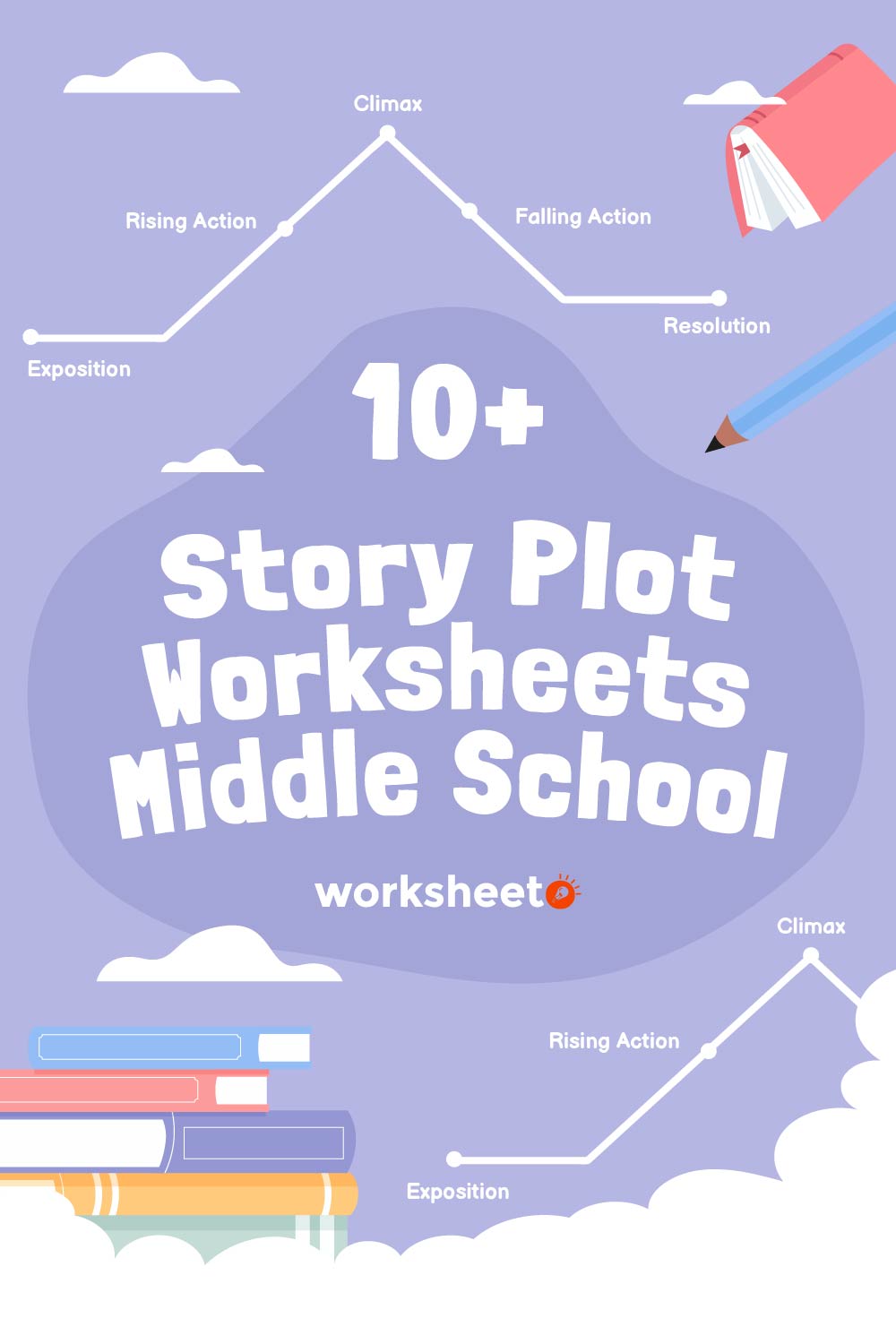
 19 Images of Story Plot Worksheets Middle School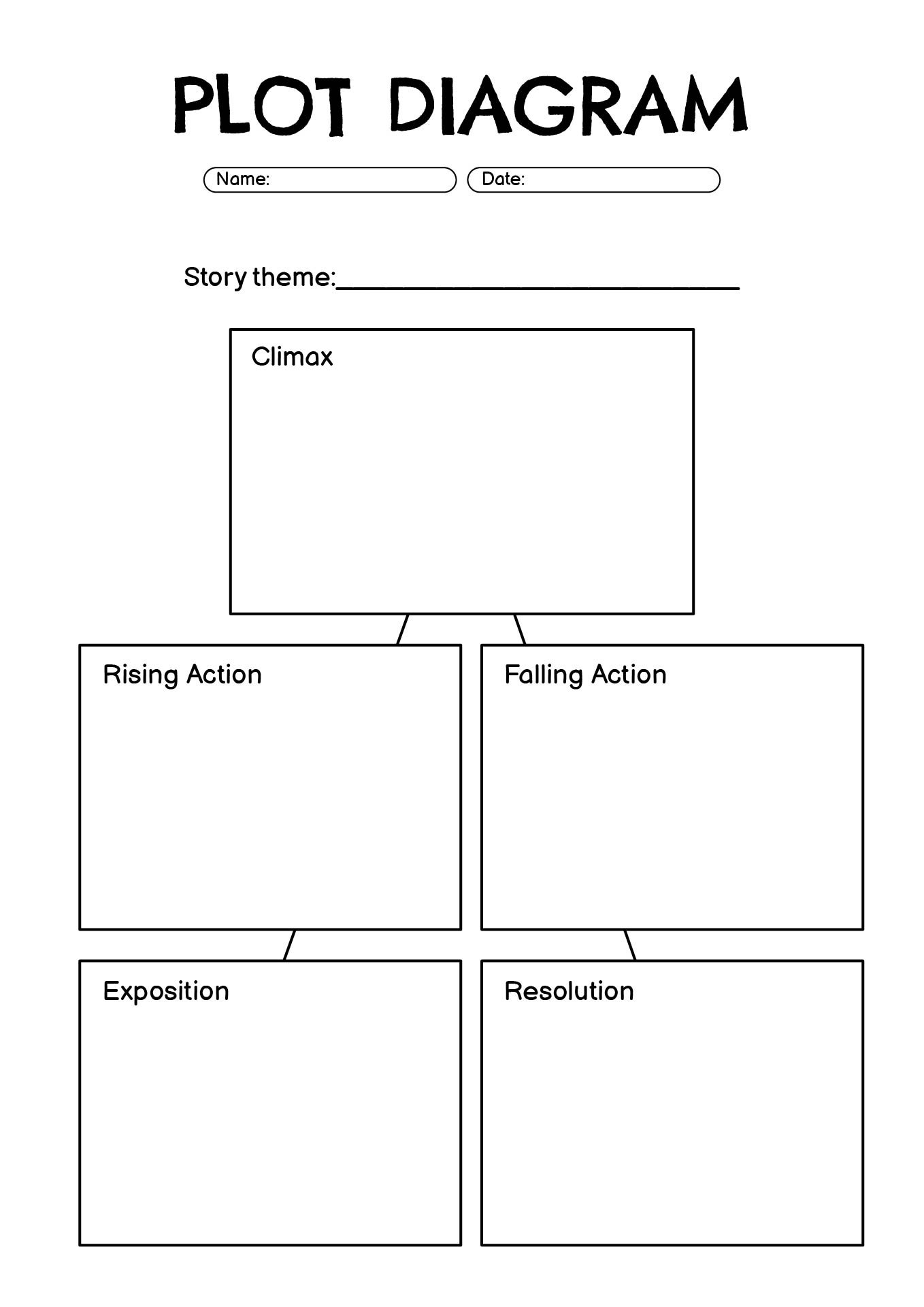
 Plot Diagram Worksheets
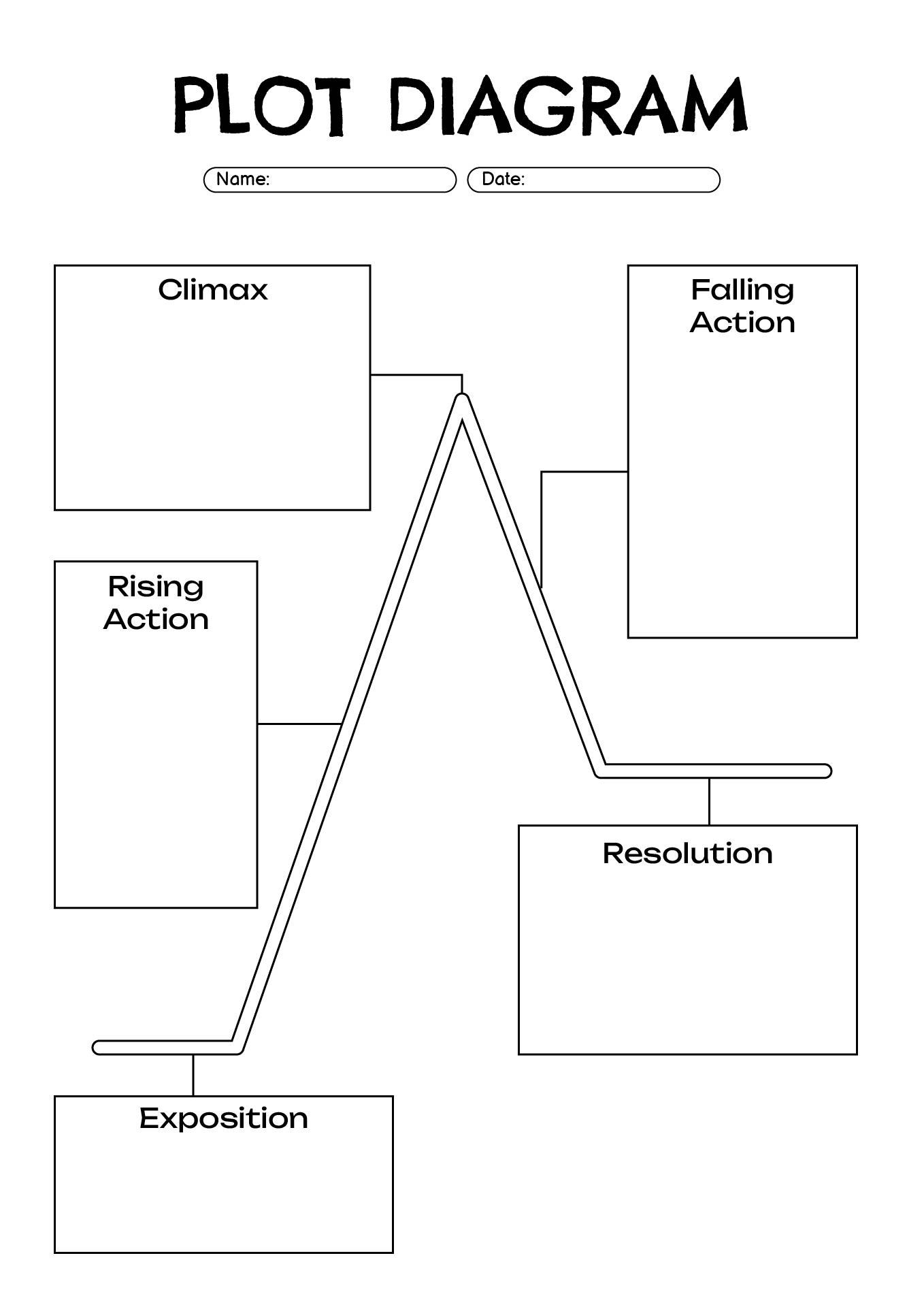
 Story Plot Diagram Worksheet
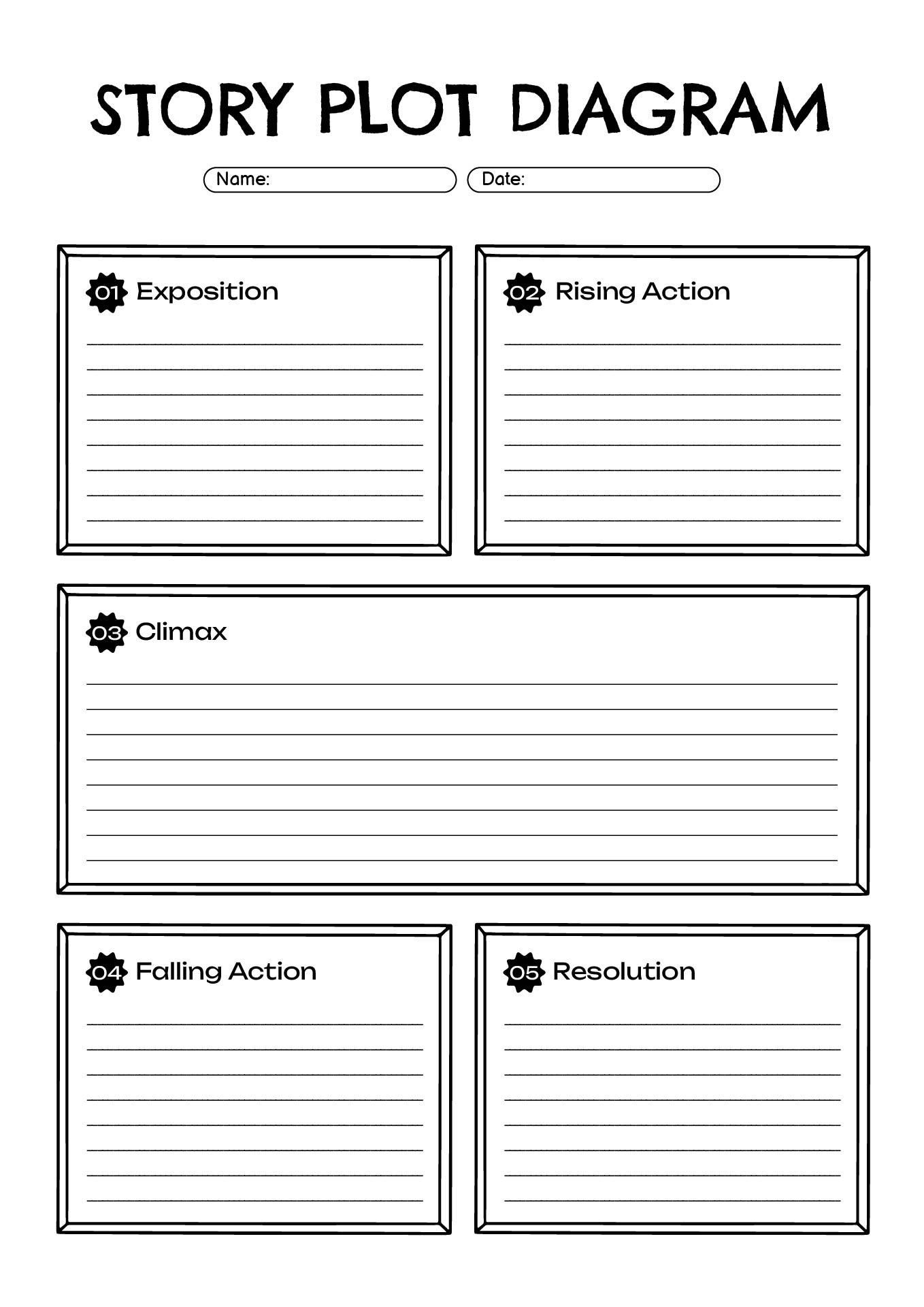
 Free Plot Graphic Organizer
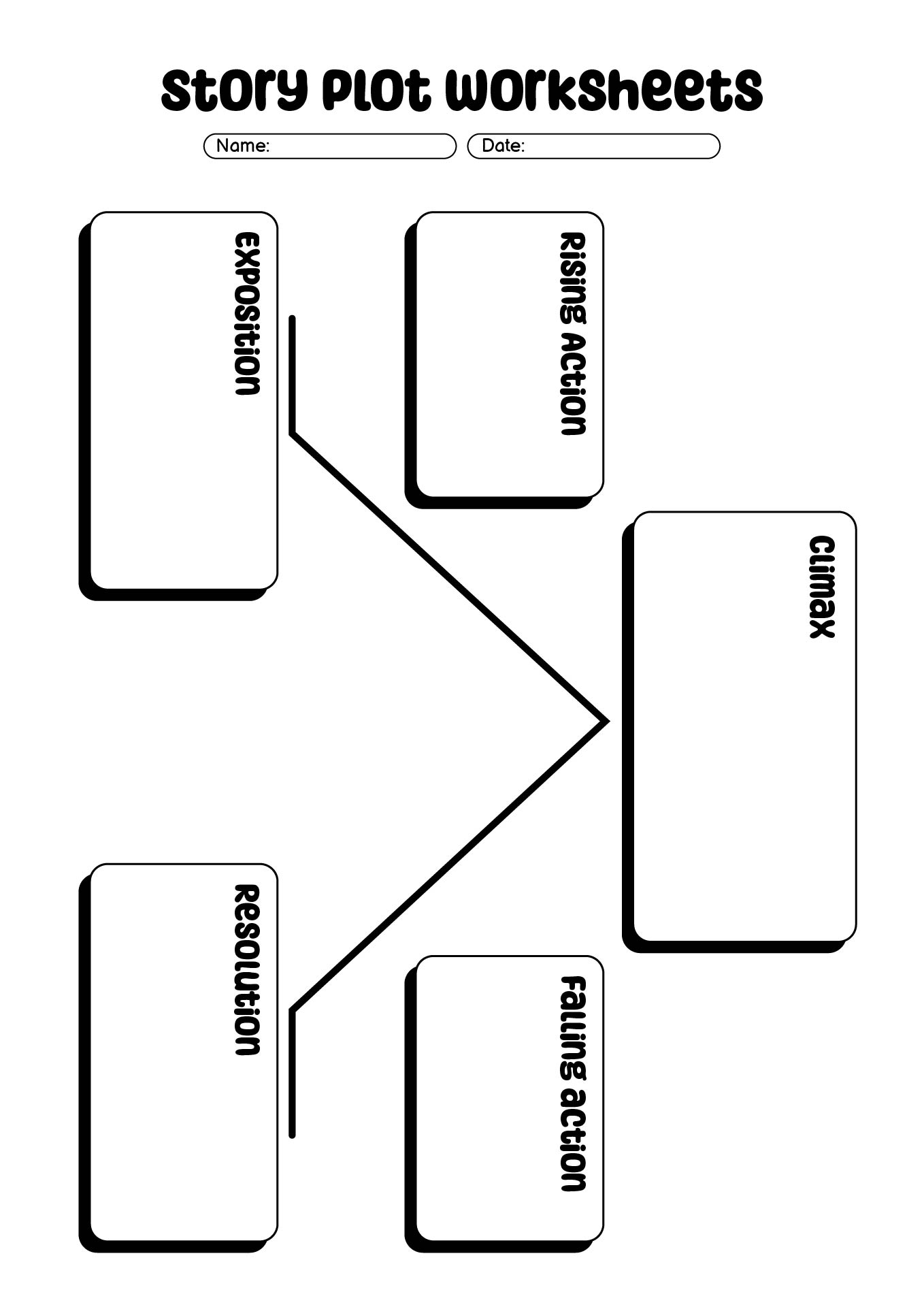
 Plot Structure Diagram Template
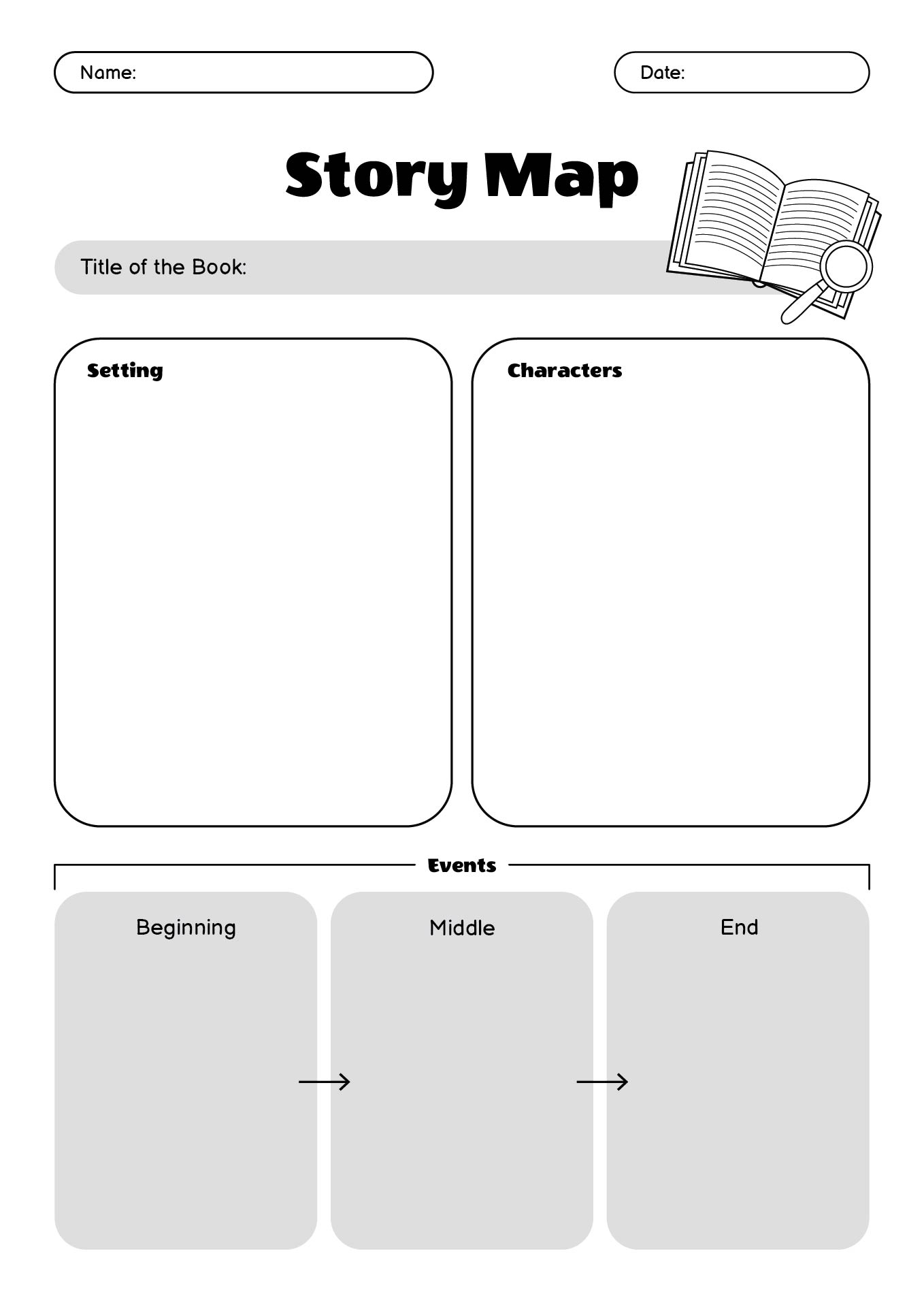
 Story Maps for Reading Comprehension
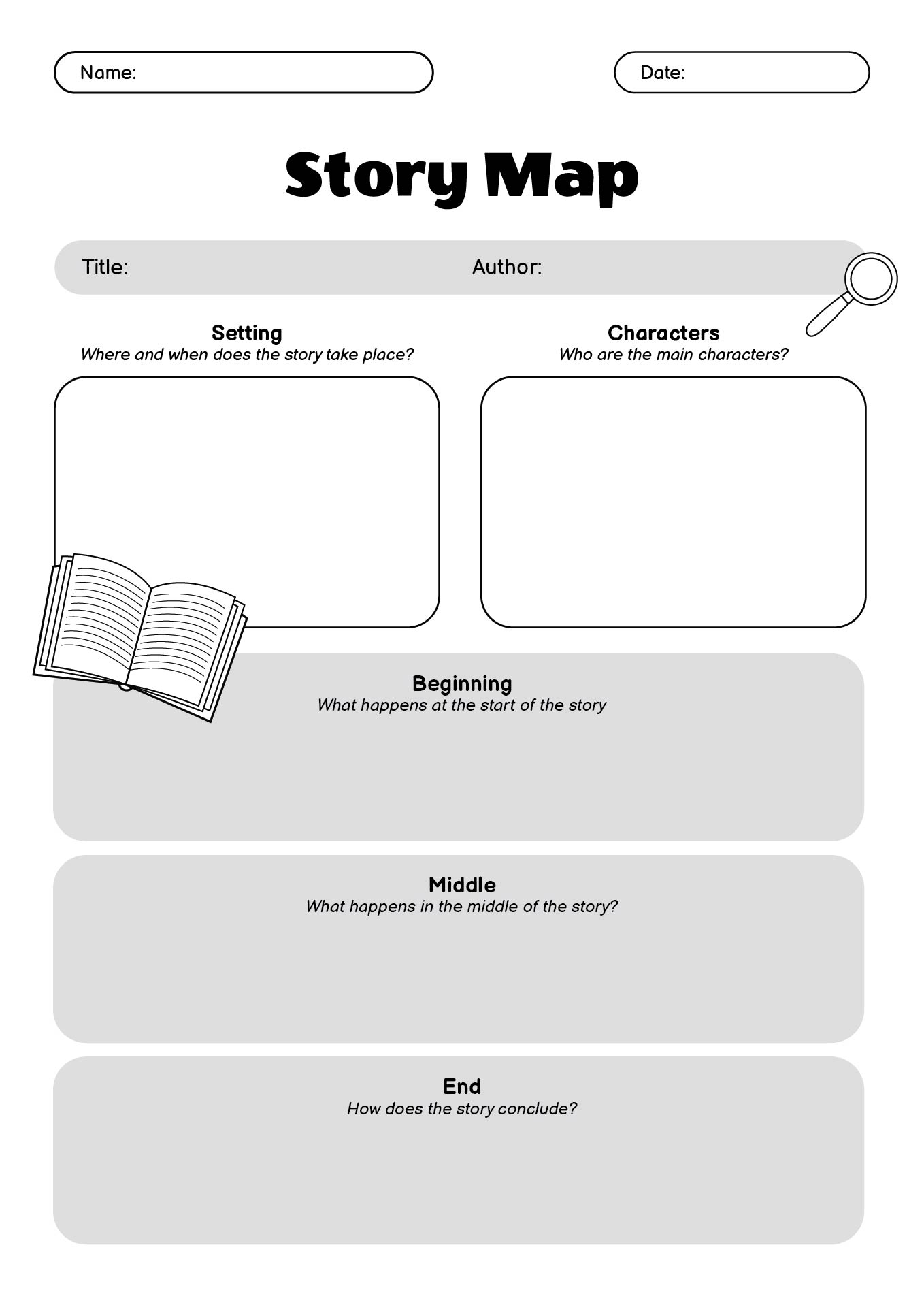
 Story Map Graphic Organizer Worksheet
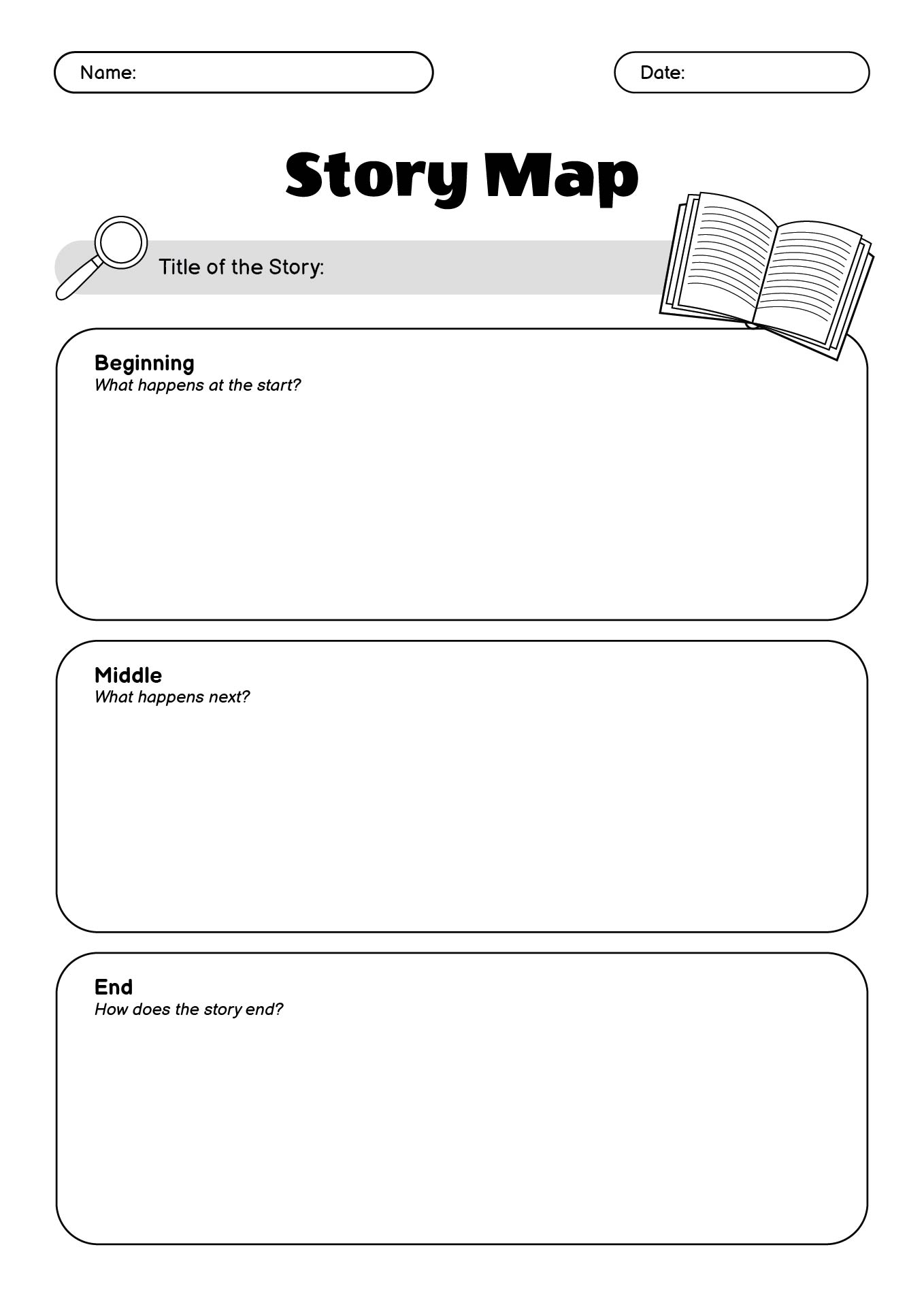
 Beginning Middle and End Worksheet
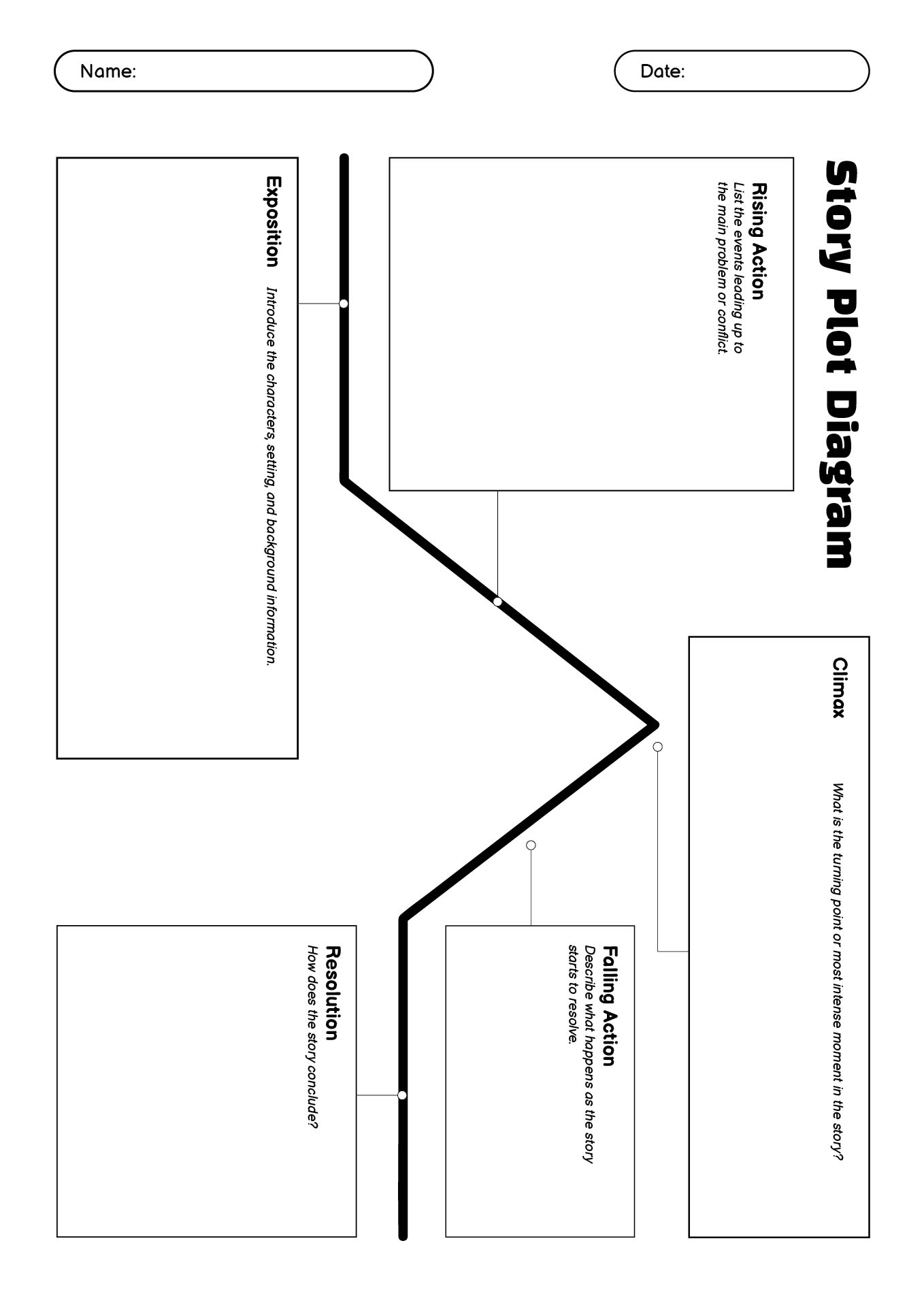
 Story Plot Diagram Template
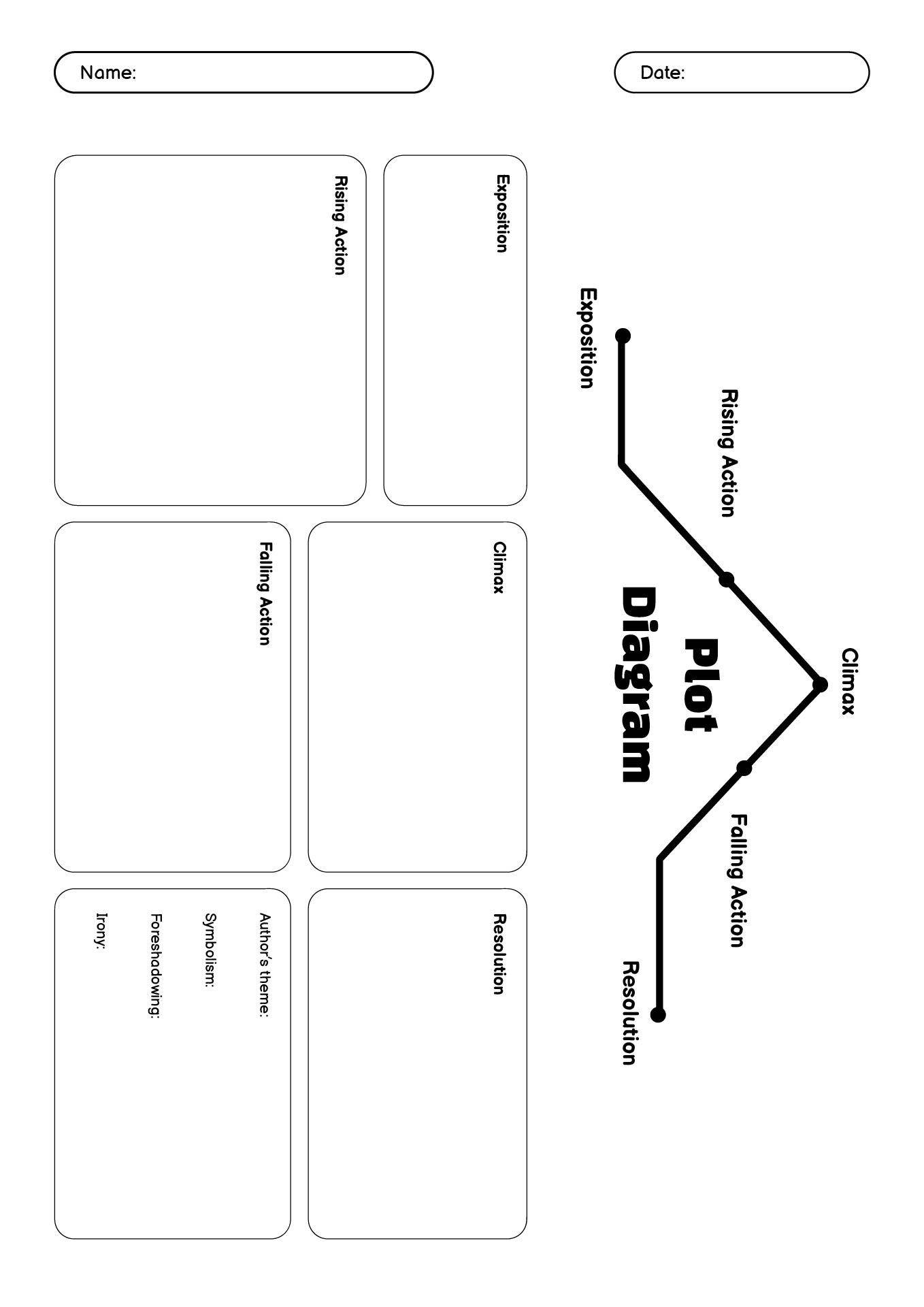
 Short Story Plot Worksheet
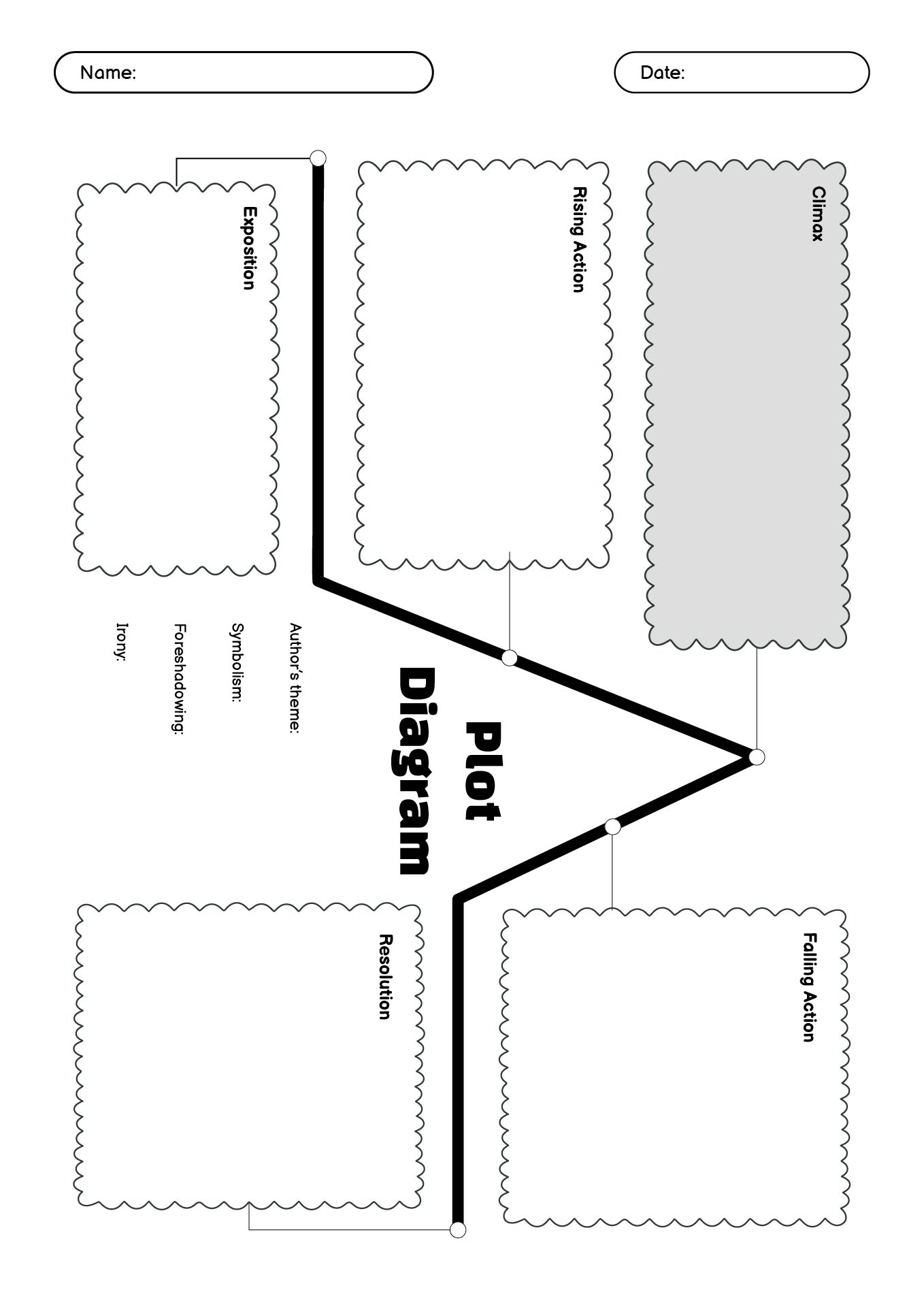
 Plot Diagram Graphic Organizer
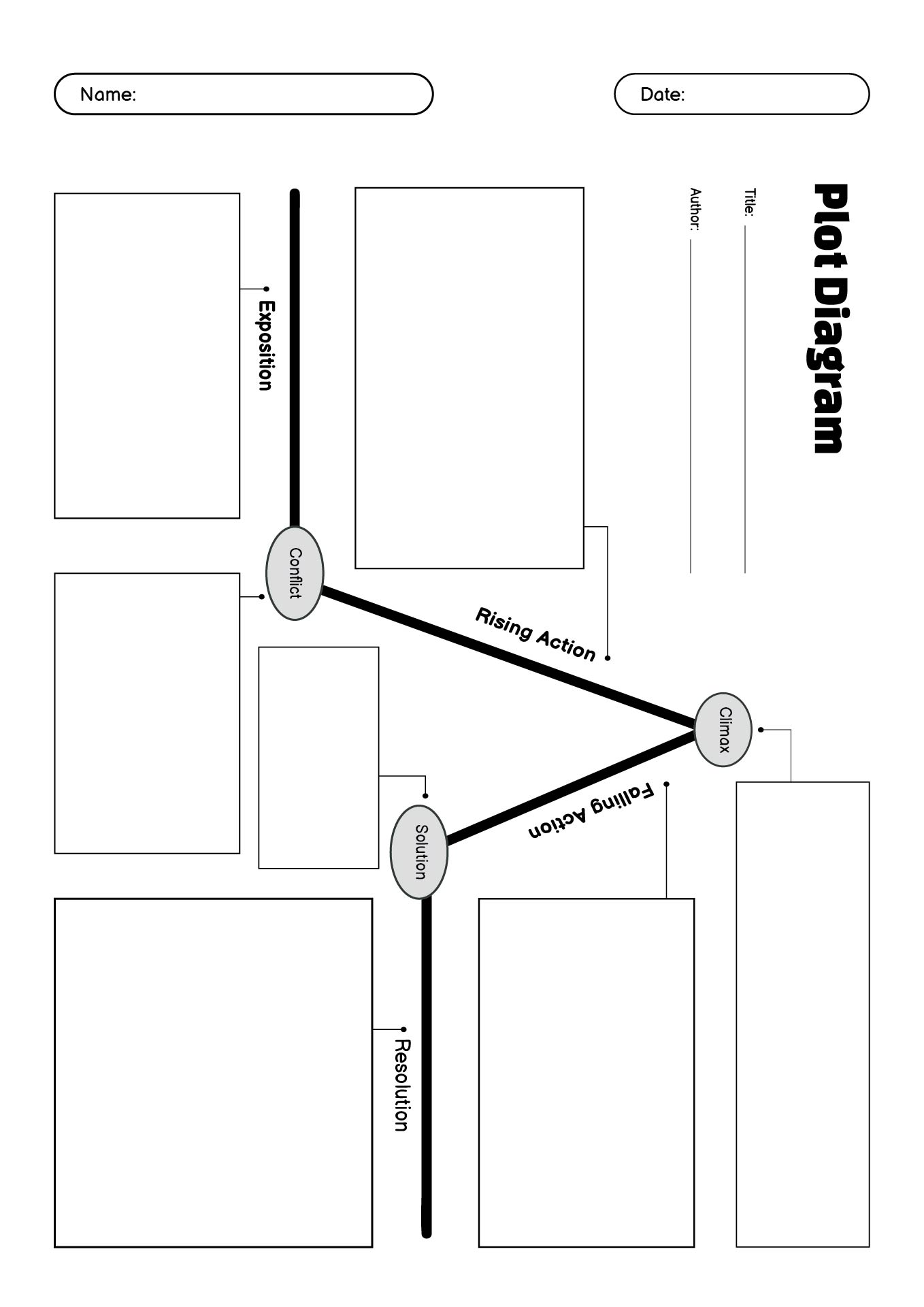
 Narrative Story Map Graphic Organizer
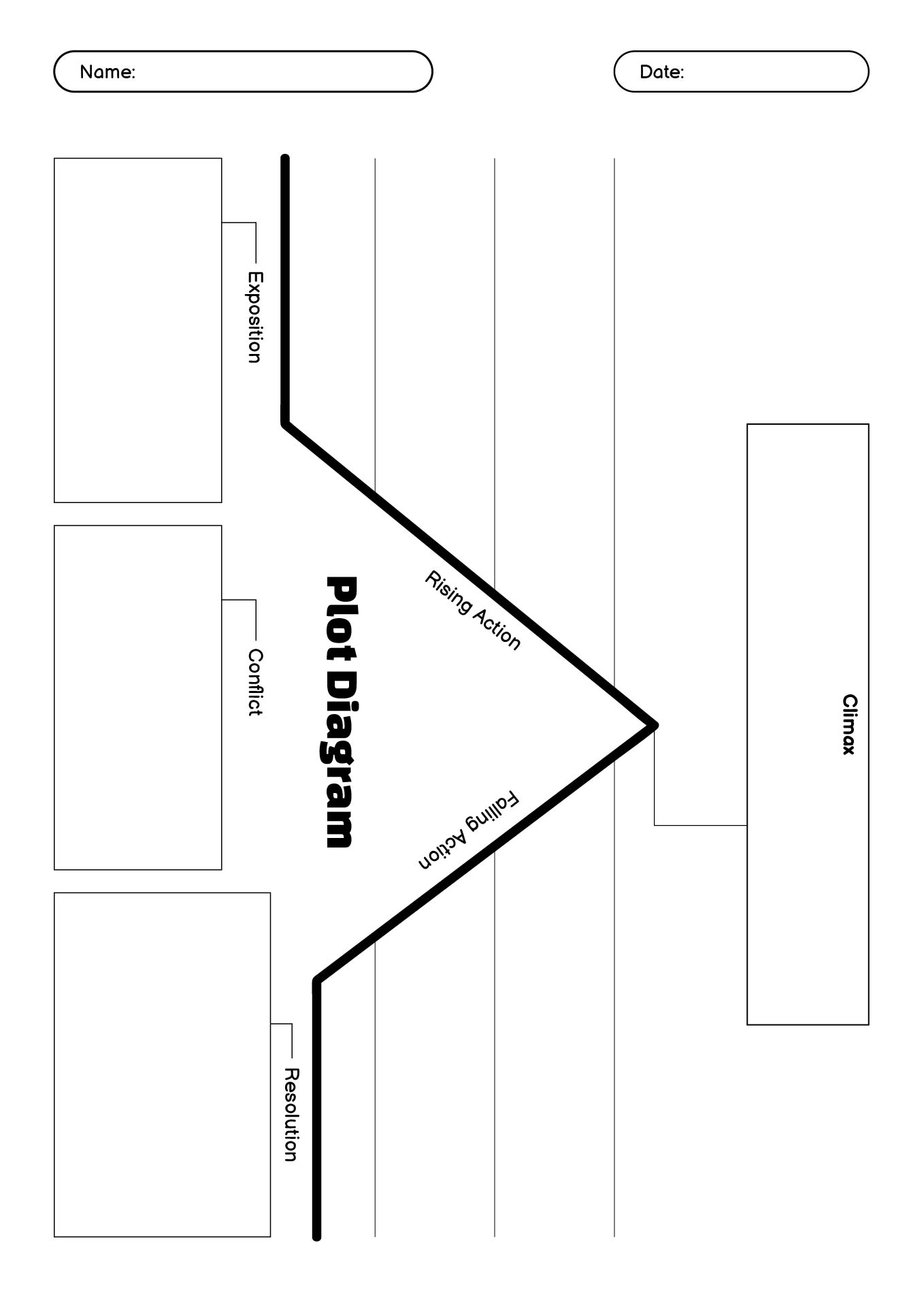
 Plot Diagram Worksheets
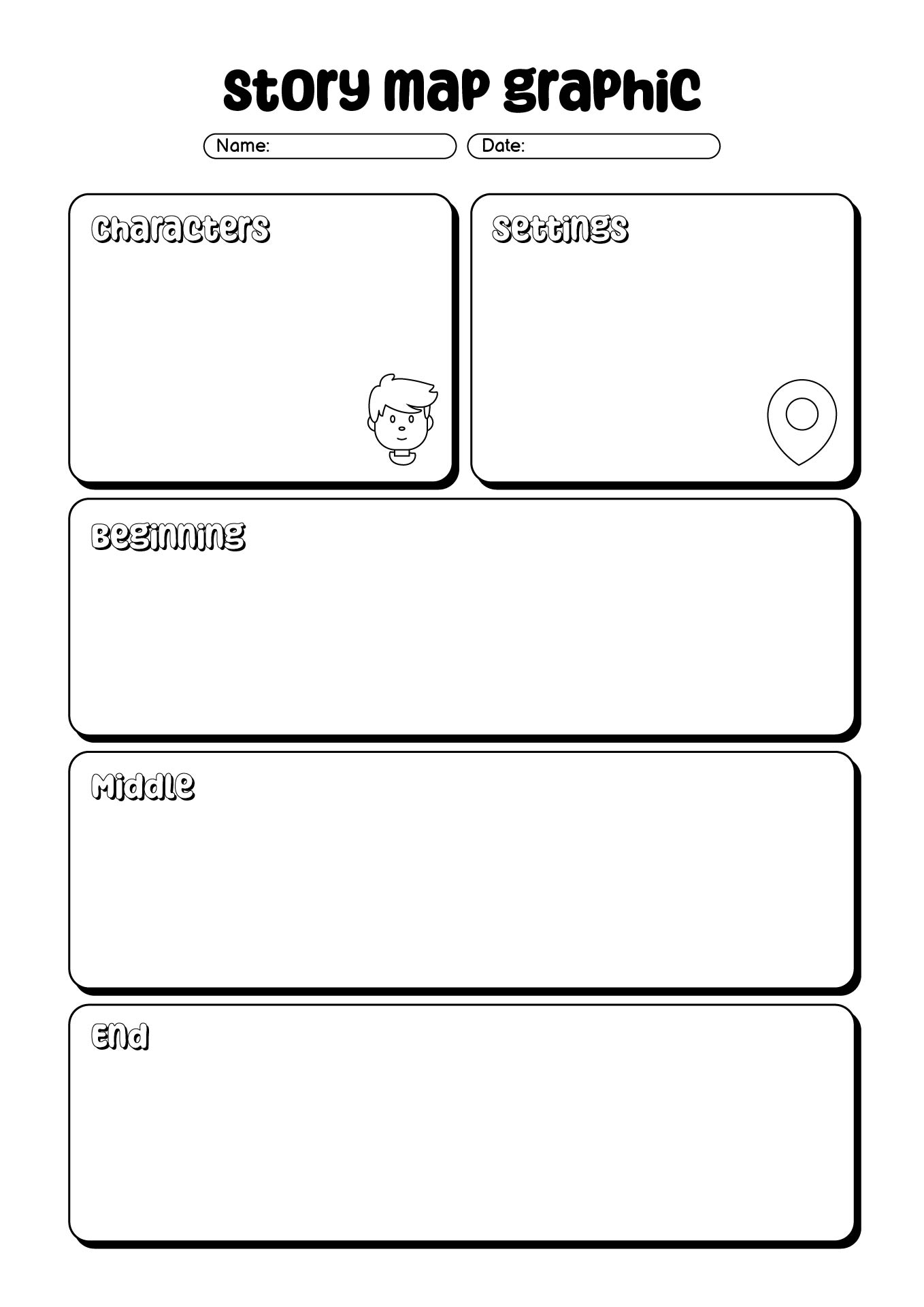
 Free Story Map Graphic Organizer
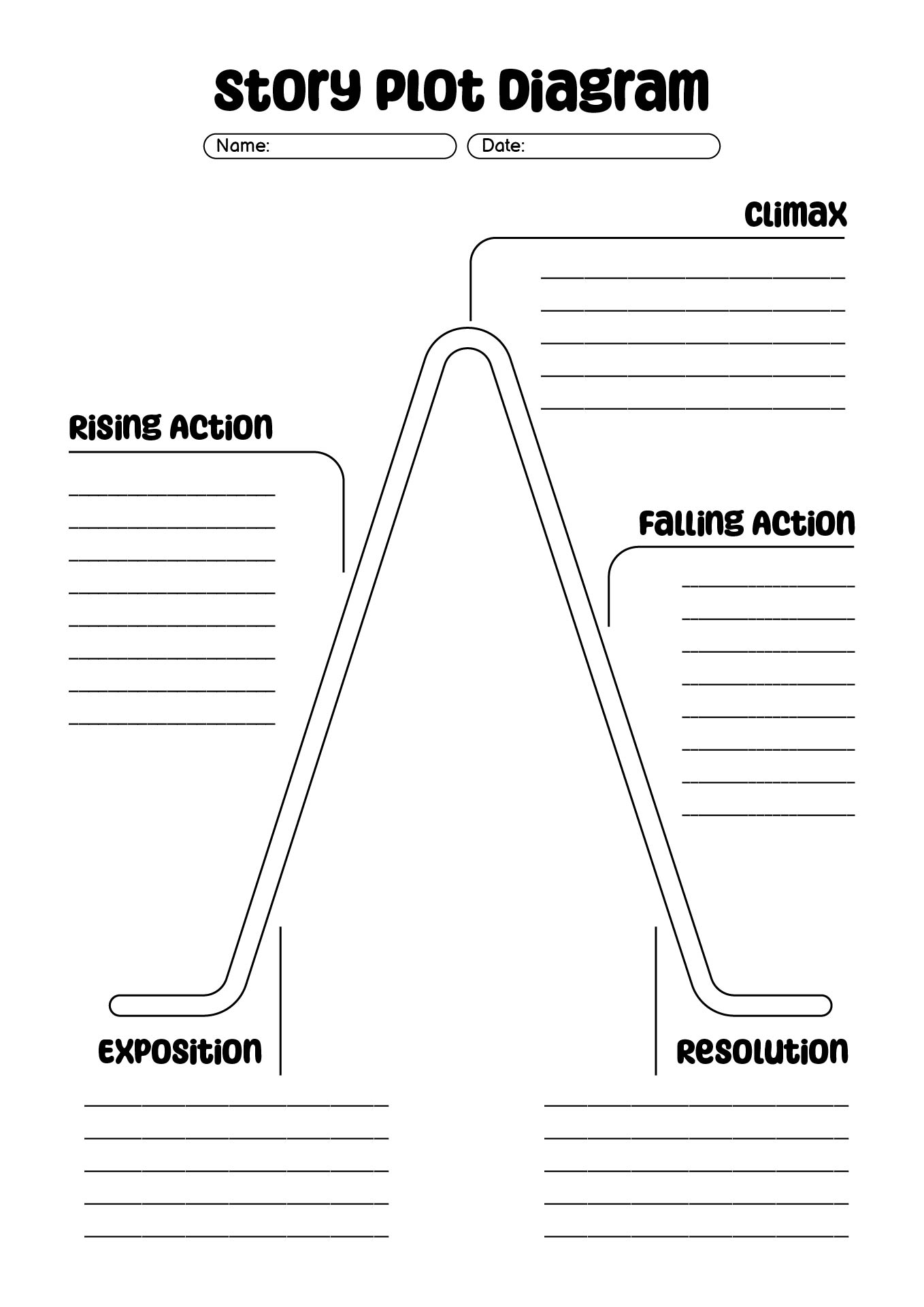
 Story Plot Diagram Template
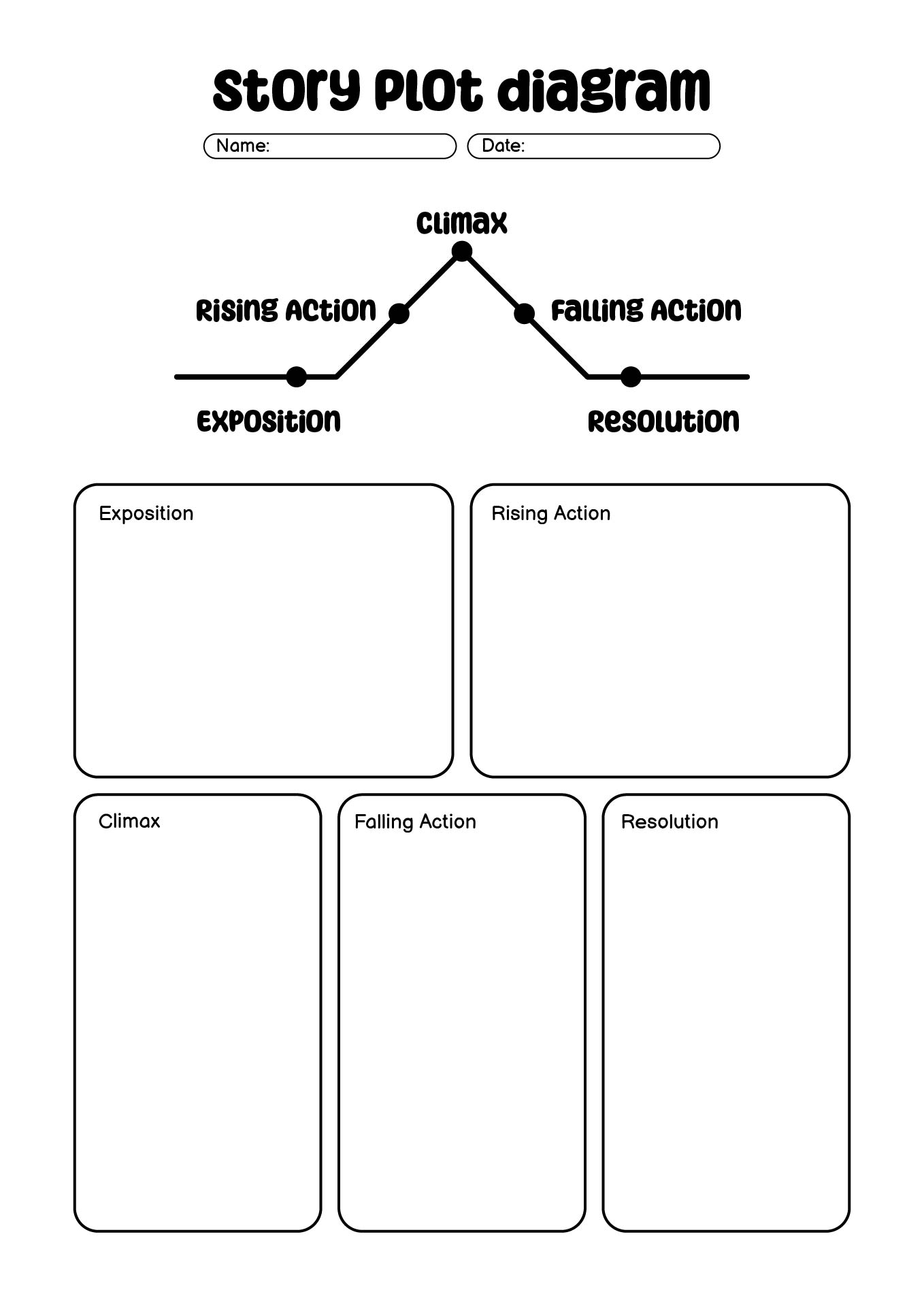
 Rising Action Story Map
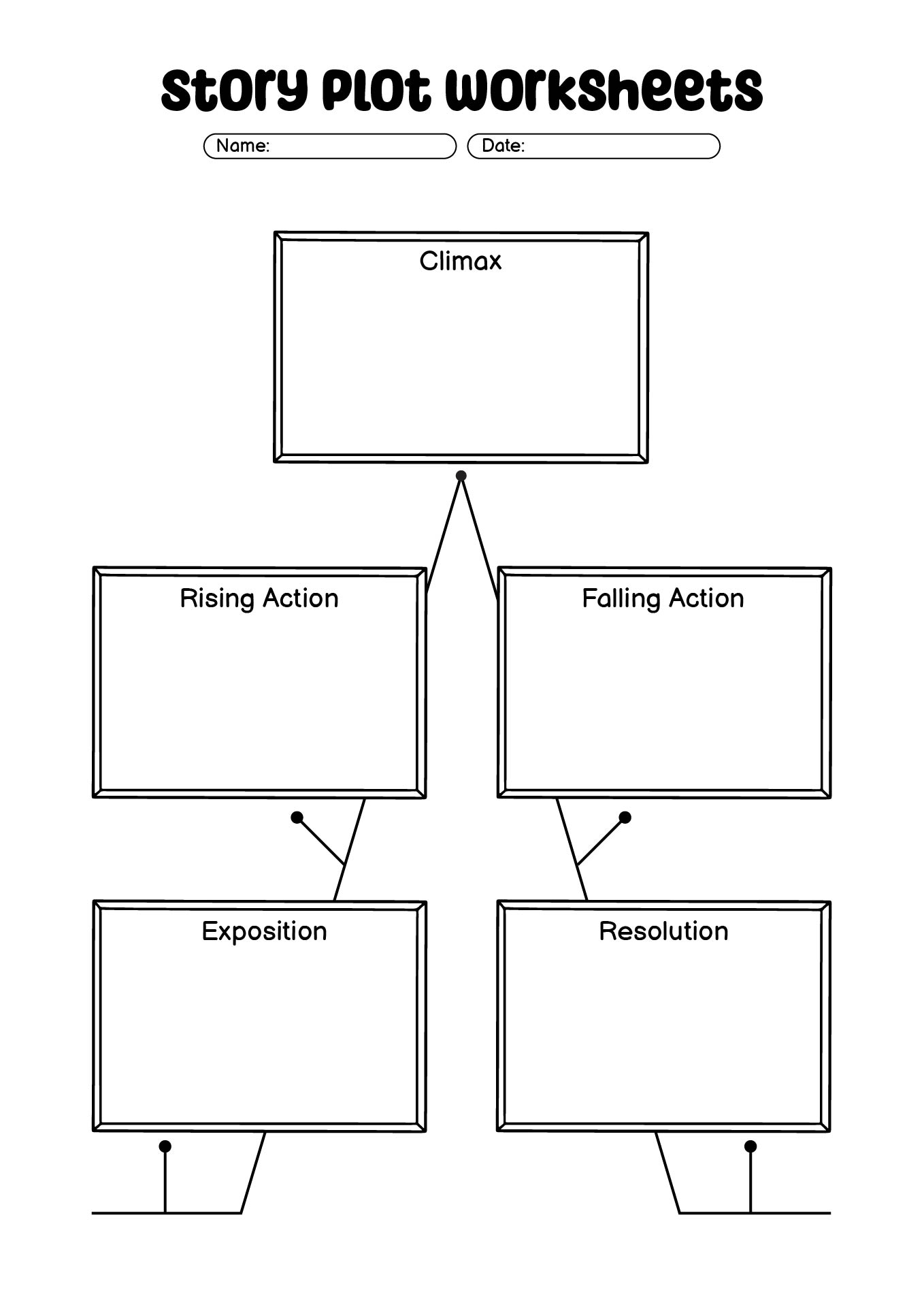
 Plot Structure Diagram Template
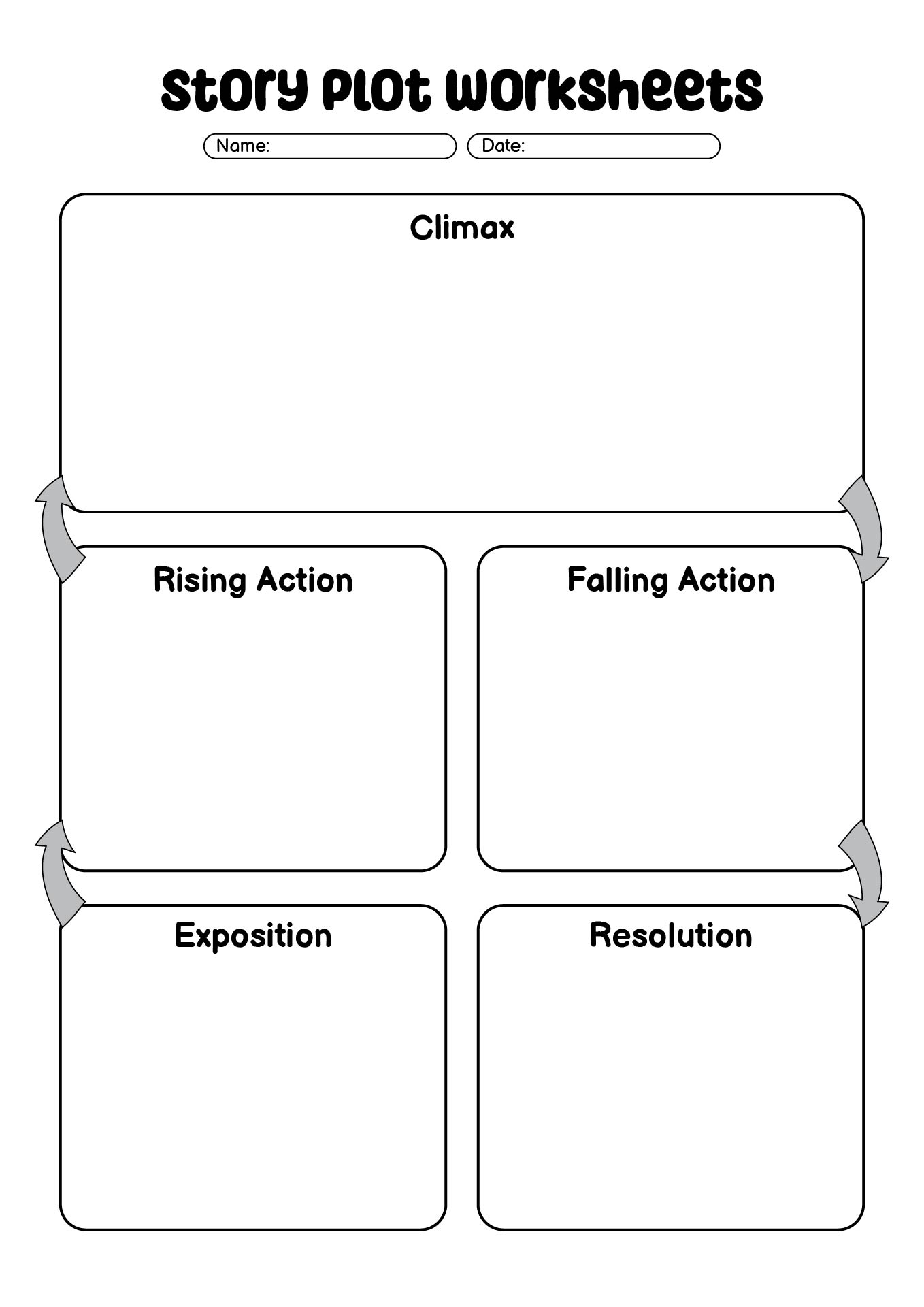
 Parts of a Story Plot Worksheets
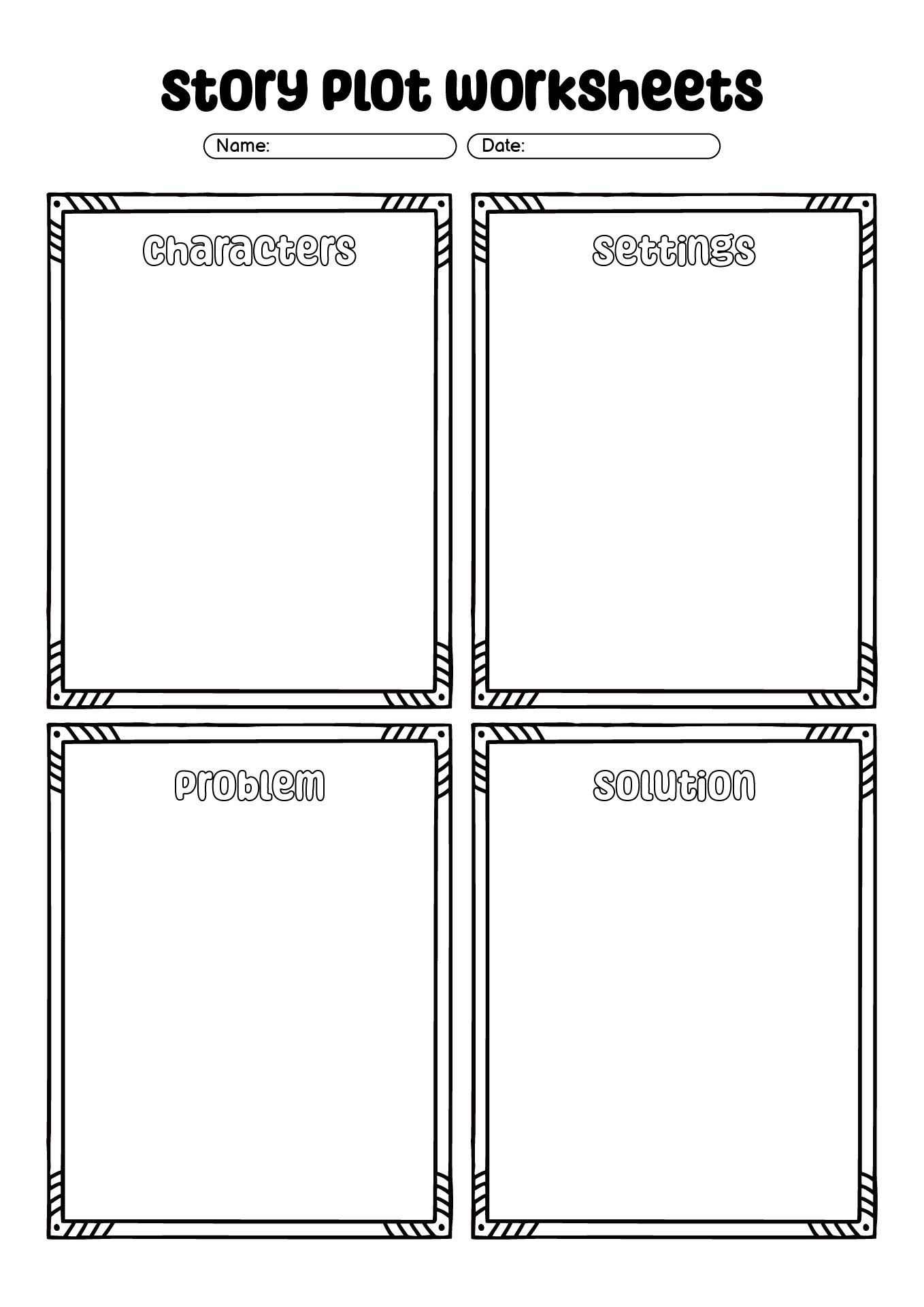
 Story Map Character Setting Plot
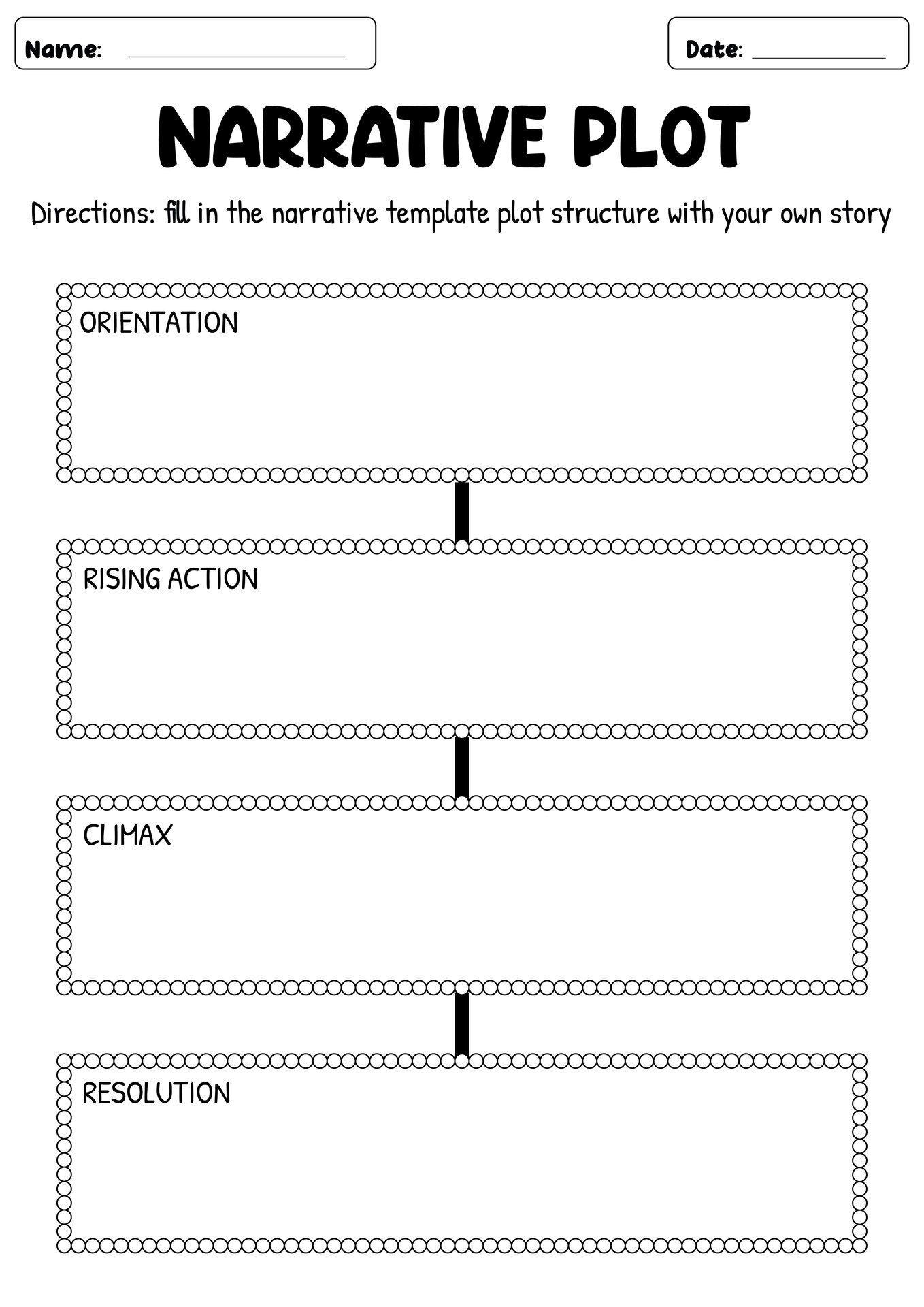
 Narrative Structure Activities Middle School
More Worksheets
What are Story Plot Worksheets Middle School?
Story Plot Worksheets Middle School are designed to help students understand how stories are organized from beginning to end. These activities help learners recognize important story moments, analyze character actions, and understand how problems are introduced and solved.
These worksheets are often used for:
- Independent reading assignments
- Literature circles
- Novel studies
- Homeschool language arts lessons
- Reading intervention activities
- Classroom review sessions
One reason these resources are so popular is that they make abstract literary concepts easier to understand. Students can visually map out events and see how each part of a story contributes to the overall narrative.
What Plot Components Are Covered in Story Plot Worksheets Middle School?
Exposition
The exposition introduces readers to the story world. Students often identify:
- Main characters
- Setting
- Background information
- Initial situation
Understanding the exposition helps students establish a strong foundation before analyzing later events.
Rising Action
This section includes the challenges, obstacles, and events that build tension throughout the story. Students will be asked to:
- List significant events
- Explain character choices
- Identify conflicts
- Track cause-and-effect relationships
The rising action often contains the most important developments in a narrative.
Climax
The climax is usually the turning point of the story. These Story Plot Worksheets Middle School frequently encourage students to answer questions such as:
- What is the most intense moment?
- Which decision changes everything?
- How is the central conflict addressed?
Learning to identify the climax helps students understand why certain moments are more significant than others.
Falling Action
After the climax, the story begins moving toward its conclusion. Students analyze:
- Consequences of major events
- Changes in characters
- Remaining challenges
This stage often reveals how conflicts affect the story's outcome.
Resolution
The resolution provides closure and wraps up the narrative. Students will evaluate:
- How conflicts are resolved
- Lessons learned by characters
- Final outcomes
By practicing these components repeatedly, students become more confident when analyzing unfamiliar stories.
What Story Elements Can Students Practice with Story Plot Worksheets Middle School?
Character Development
Students learn to examine:
- Character traits
- Motivations
- Relationships
- Personal growth
Understanding characters often helps students better understand why plot events occur.
Conflict Analysis
Most stories include some type of conflict. These Story Plot Worksheets Middle School focus on:
- Character vs. character
- Character vs. self
- Character vs. society
- Character vs. nature
Recognizing conflict helps students identify the driving force behind the narrative.
Setting
Students can explore how time and place influence events within a story. Questions include:
- Where does the story occur?
- How does the setting affect characters?
- Could the story happen somewhere else?
Theme
Many worksheets encourage students to think beyond events and explore deeper meanings. They analyze themes such as:
- Friendship
- Courage
- Responsibility
- Perseverance
- Identity
Cause and Effect
Stories are built on connections between events. Activities that focus on cause and effect help students understand how actions lead to consequences throughout the narrative.
What Types of Reading Assignments Pair Well with Story Plot Worksheets Middle School?
Novels
Students can complete activities:
- After each chapter
- At major plot points
- At the conclusion of the book
This helps them keep track of important developments without becoming overwhelmed.
Short Stories
Short stories provide excellent opportunities for quick plot analysis. Because the narrative is condensed, students can often identify all major plot elements in a single lesson.
Independent Reading Projects
When students choose their own books, worksheets provide structure while still allowing reading freedom. Teachers and parents can use completed worksheets to evaluate comprehension and engagement.
Read-Aloud Activities
After listening to a story, students can record:
- Key events
- Character actions
- Important conflicts
- Story outcomes
Looking for Story Plot Worksheets Middle School Resources That Make Story Analysis Click?
If you're searching for engaging literacy resources, explore the worksheet collection available on the Worksheeto blog. Our printable materials are designed to help students understand story structure, identify key plot events, and build stronger reading comprehension skills without feeling overwhelmed.
Our Story Structure Worksheets are easy to download, simple to use, and flexible enough to fit different teaching styles.
Why do parents and teachers choose our free printable worksheets?
- Free and accessible anytime
- Easy to print for classroom or homeschool use
- Suitable for independent work and guided instruction
- Helpful for literature units and reading review
- Designed to reinforce essential reading skills
- Adaptable for different reading levels
Of course, even great worksheets work best when students stay engaged. So, here are a few practical ways to make these Story Plot Worksheets Middle School feel fresh and interesting.
- Let Students Choose the Story: Whenever possible, allow students to work with books or stories they genuinely enjoy. Interest naturally increases participation.
- Turn Plot Analysis Into a Discussion: Instead of reviewing answers immediately, encourage students to explain their thinking and compare ideas with others.
- Connect Stories to Real Life: Ask students how characters, conflicts, or themes relate to their own experiences. This makes literary analysis feel more meaningful.
So, download your favorite printables here, and start using them alongside your next reading lesson. A well-designed worksheet can transform story analysis from a confusing task into an engaging learning experience that students actually enjoy.


Have something to share?
Popular Categories
Who is Worksheeto?
At Worksheeto, we are committed to delivering an extensive and varied portfolio of superior quality worksheets, designed to address the educational demands of students, educators, and parents.

Comments