
Self Portrait Kindergarten Worksheet
Every child has a different way of seeing themselves. Some notice their curly hair first, while others are quick to point out their favorite shirt, round glasses, or the little gap between their front teeth. These small observations can become interesting starting points for creative activities. A Self Portrait Kindergarten Worksheet gives children a dedicated space to put those details on paper, using drawings, colors, and simple written responses.
What makes this Self Portrait Worksheet for Kindergarten interesting is its simple drawing format, which puts children's appearances at the center of the activity. The available space allows them to sketch facial features, hairstyles, and other details freely.
So, are you ready to see what a simple portrait activity can teach young learners?
Table of Images 👆
- Self Portrait Face Template
- Kids Body Outline Template
- Self Portrait Art Activity For Kindergarten
- Kindergarten Self Portrait Drawing Sheet
- My First Self Portrait Worksheet For Kids
- Kindergarten Self-Portrait Art Project
- Drawing Myself Activity Sheet For Kindergarten
- Preschool Self Portrait Art Worksheet
- All About Me Self Portrait Kindergarten Activity
- Drawing My Face Worksheet For Children
- Kindergarten Self Portrait For Kids
- Self Portrait Printable Worksheet
- Self Portrait Frame Worksheets
- Self Portrait Coloring Preschool
- Face Template Worksheet For Kindergarten
- Self-Portrait Frames With Face Shape Worksheet
- School Self Portrait Worksheet

 17 Images of Self Portrait Kindergarten Worksheet

 Self Portrait Face Template

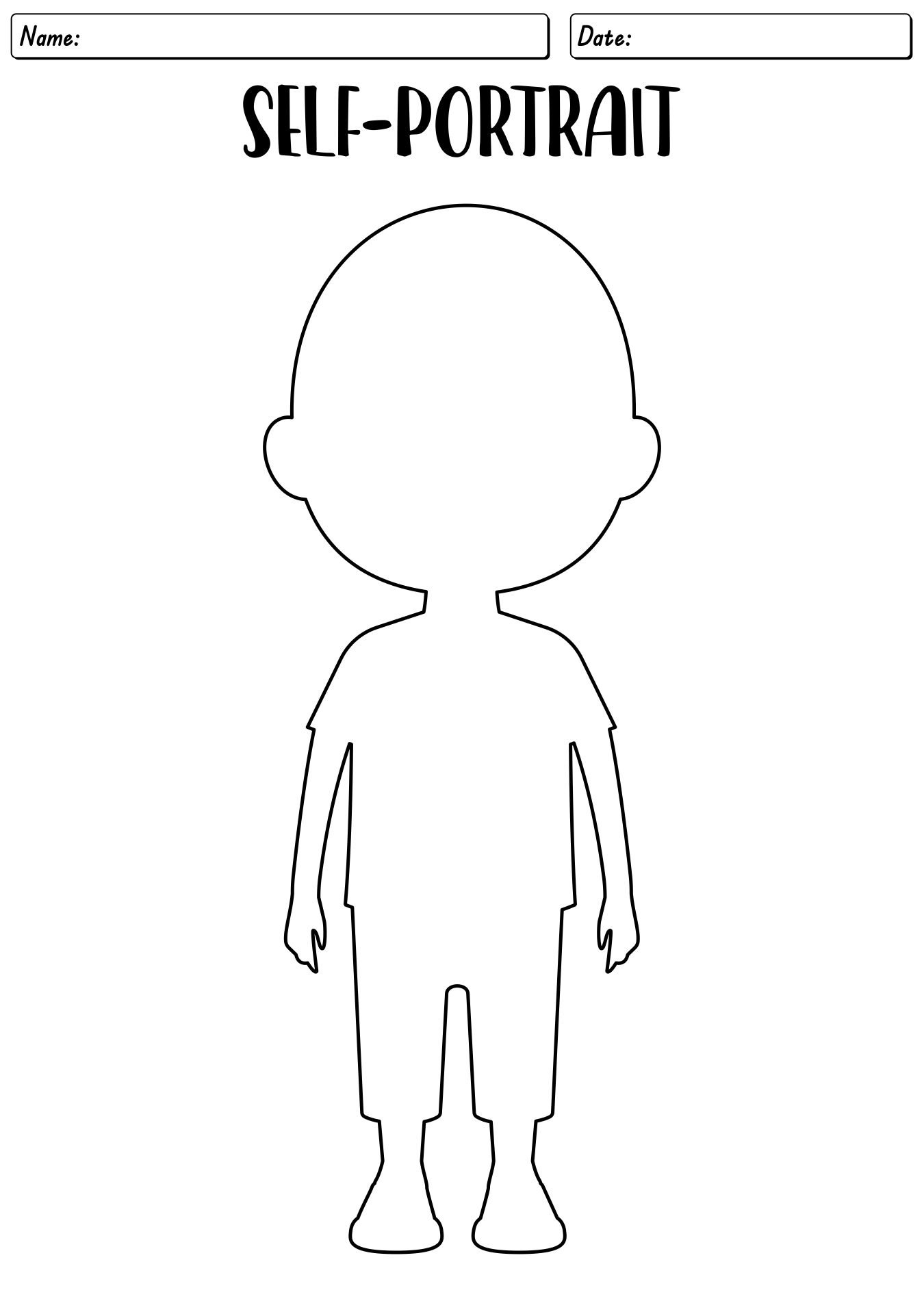
 Kids Body Outline Template

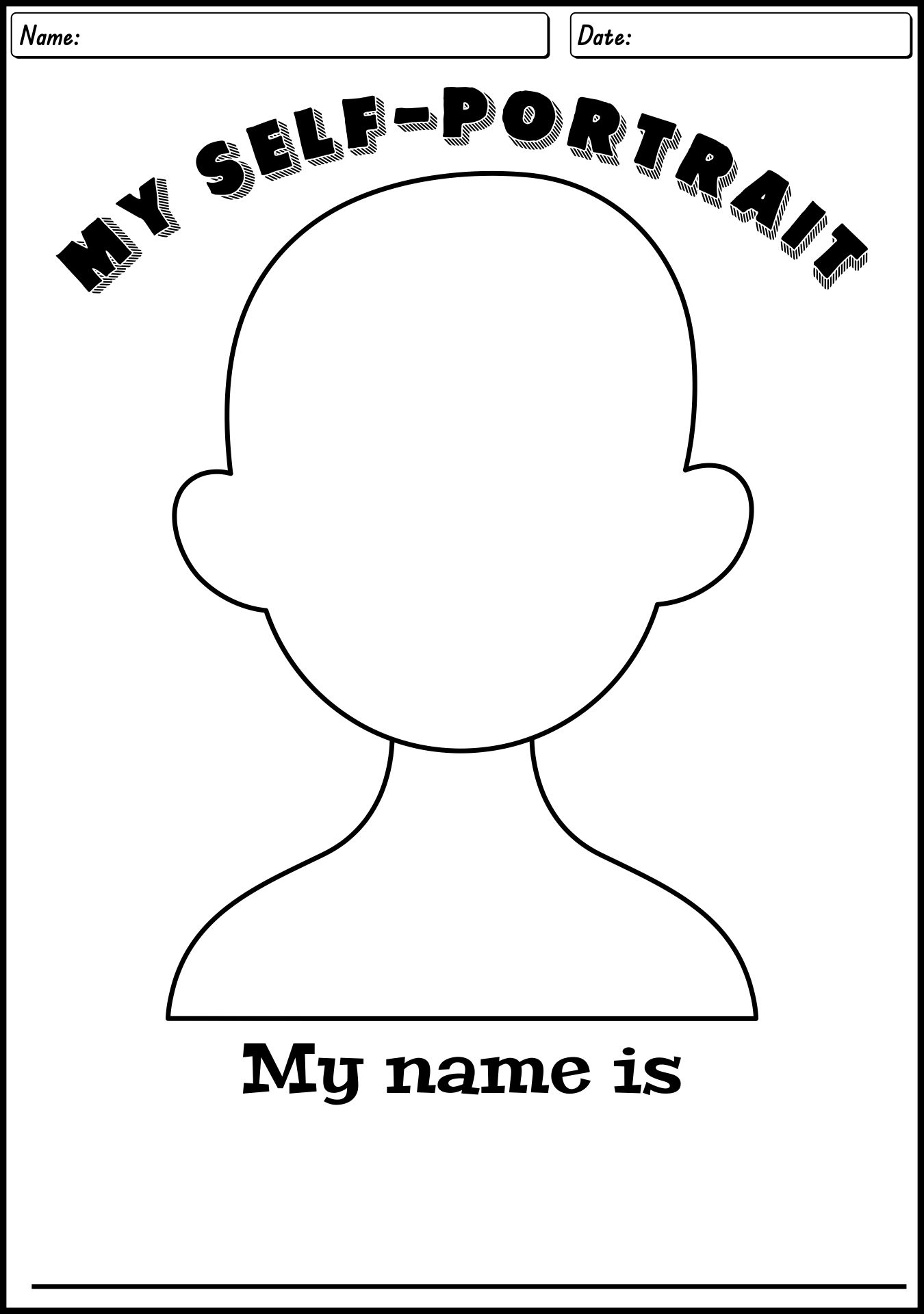
 Self Portrait Art Activity For Kindergarten

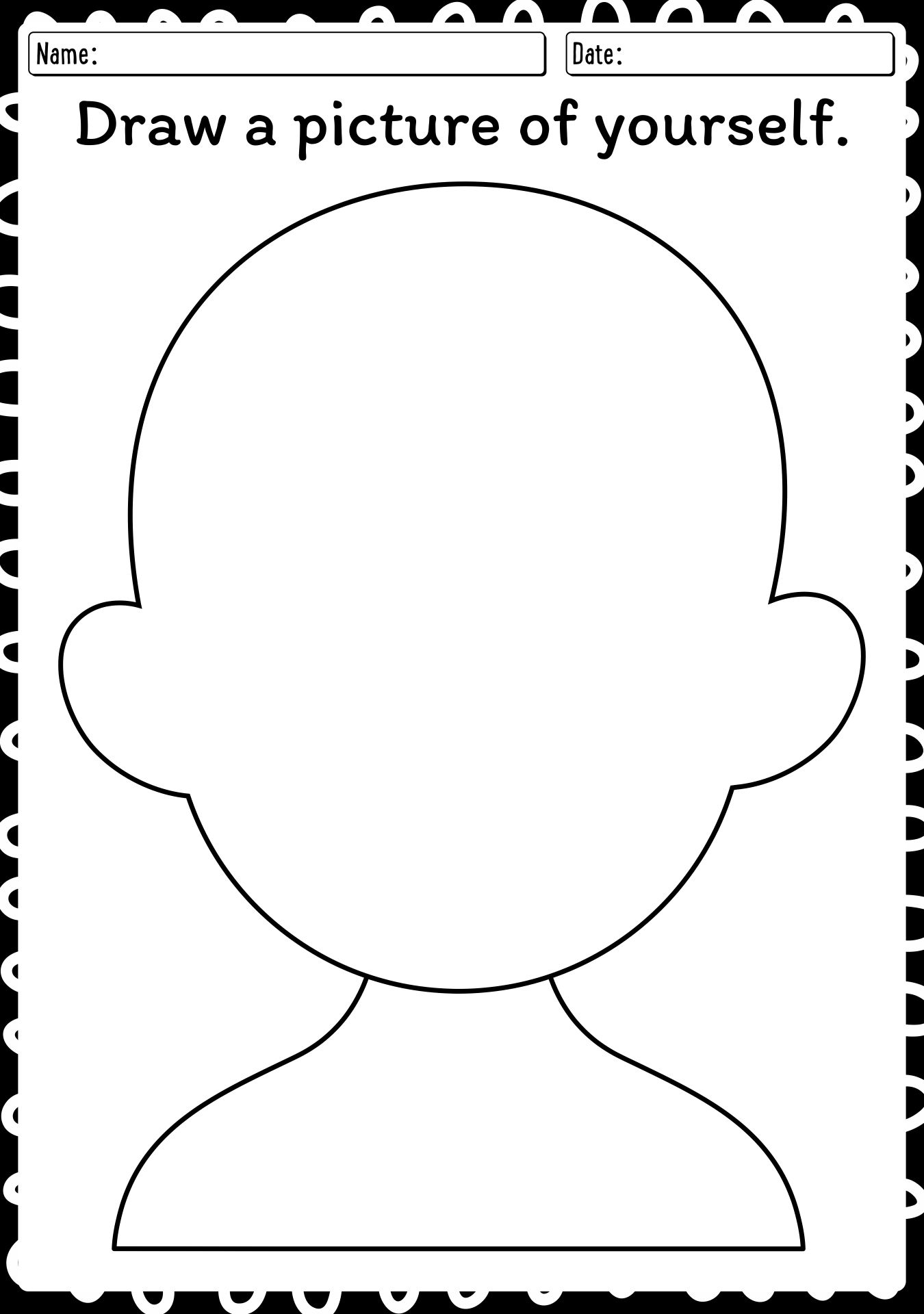
 Kindergarten Self Portrait Drawing Sheet

 My First Self Portrait Worksheet For Kids

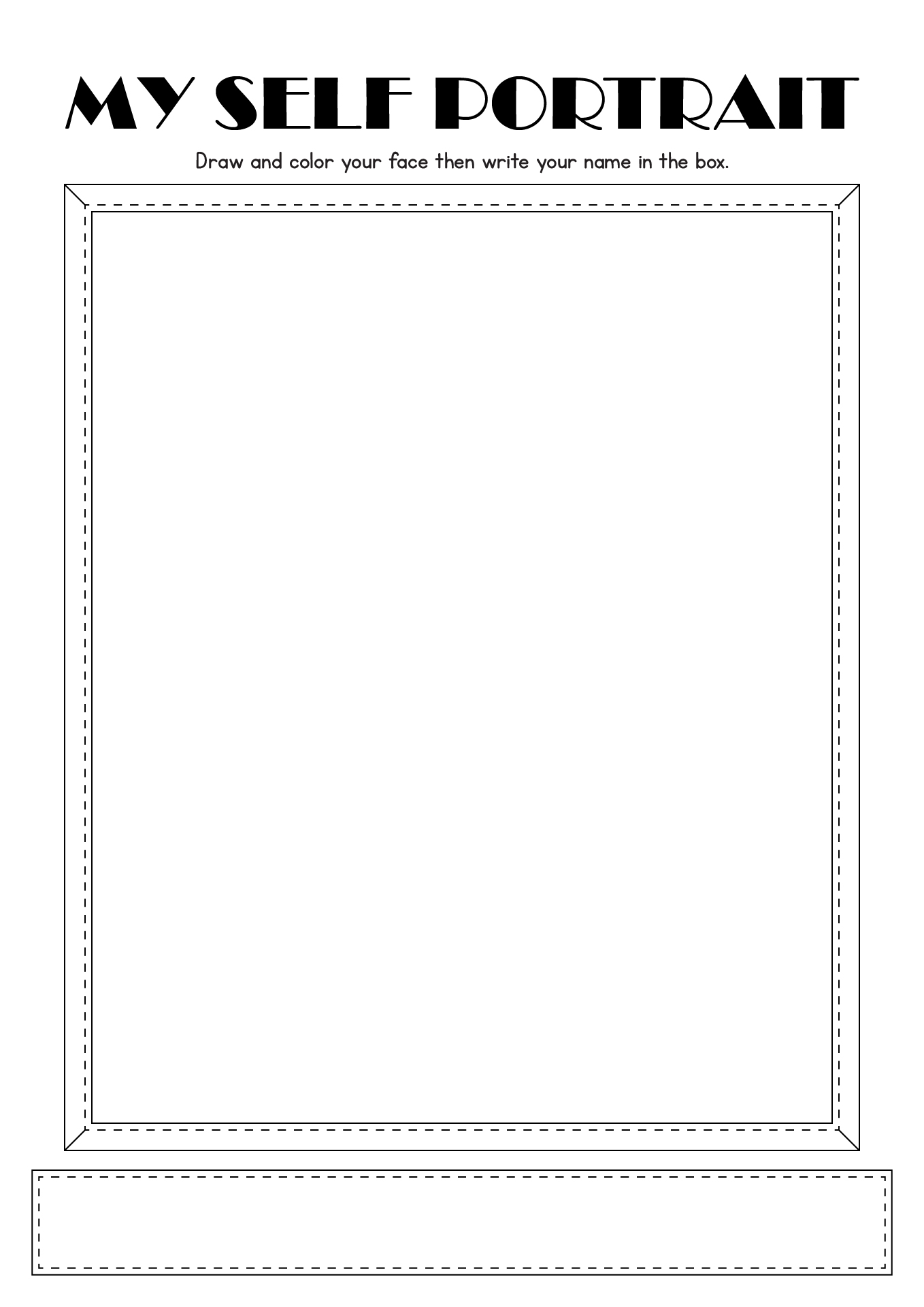
 Kindergarten Self-Portrait Art Project

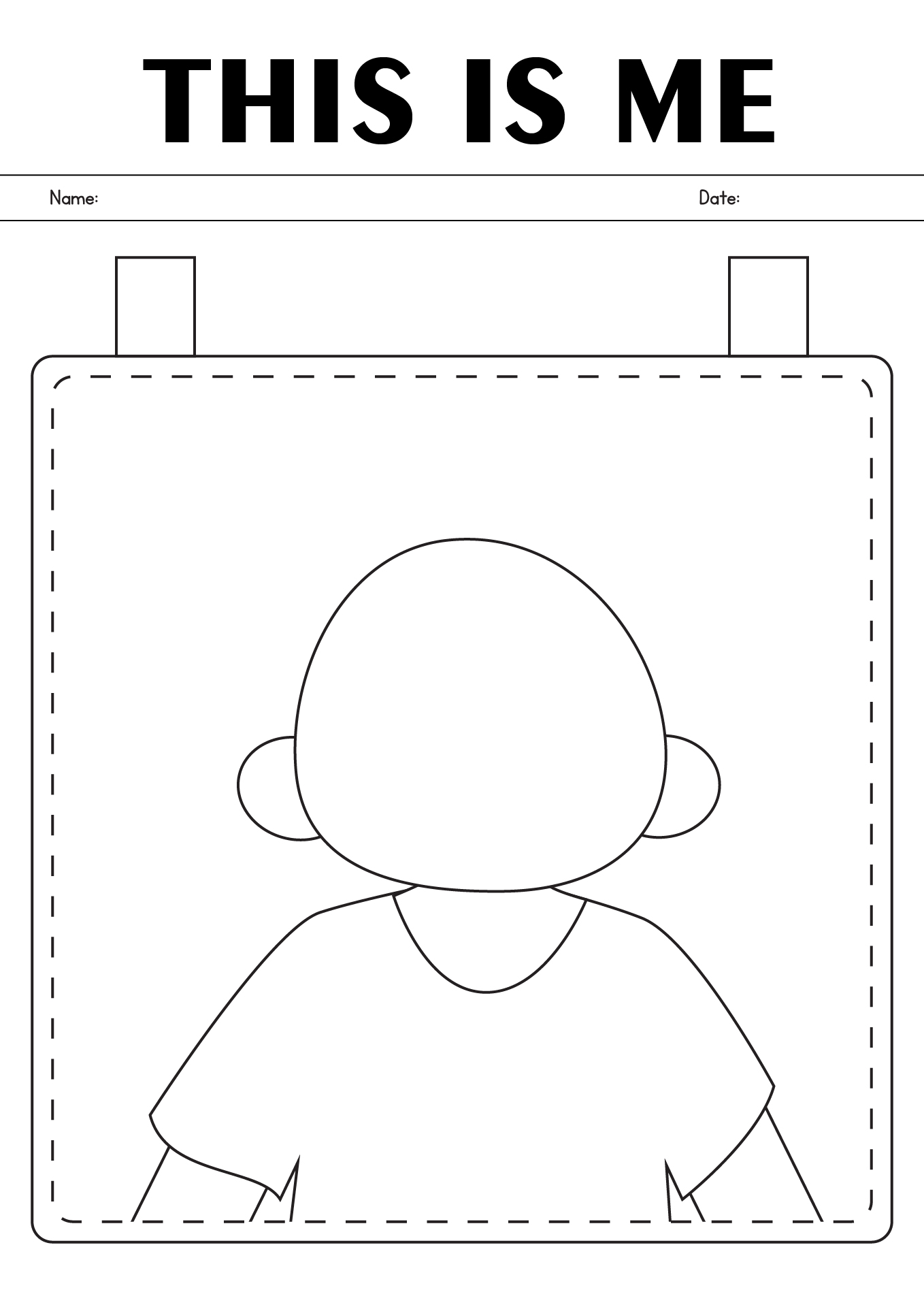
 Drawing Myself Activity Sheet For Kindergarten

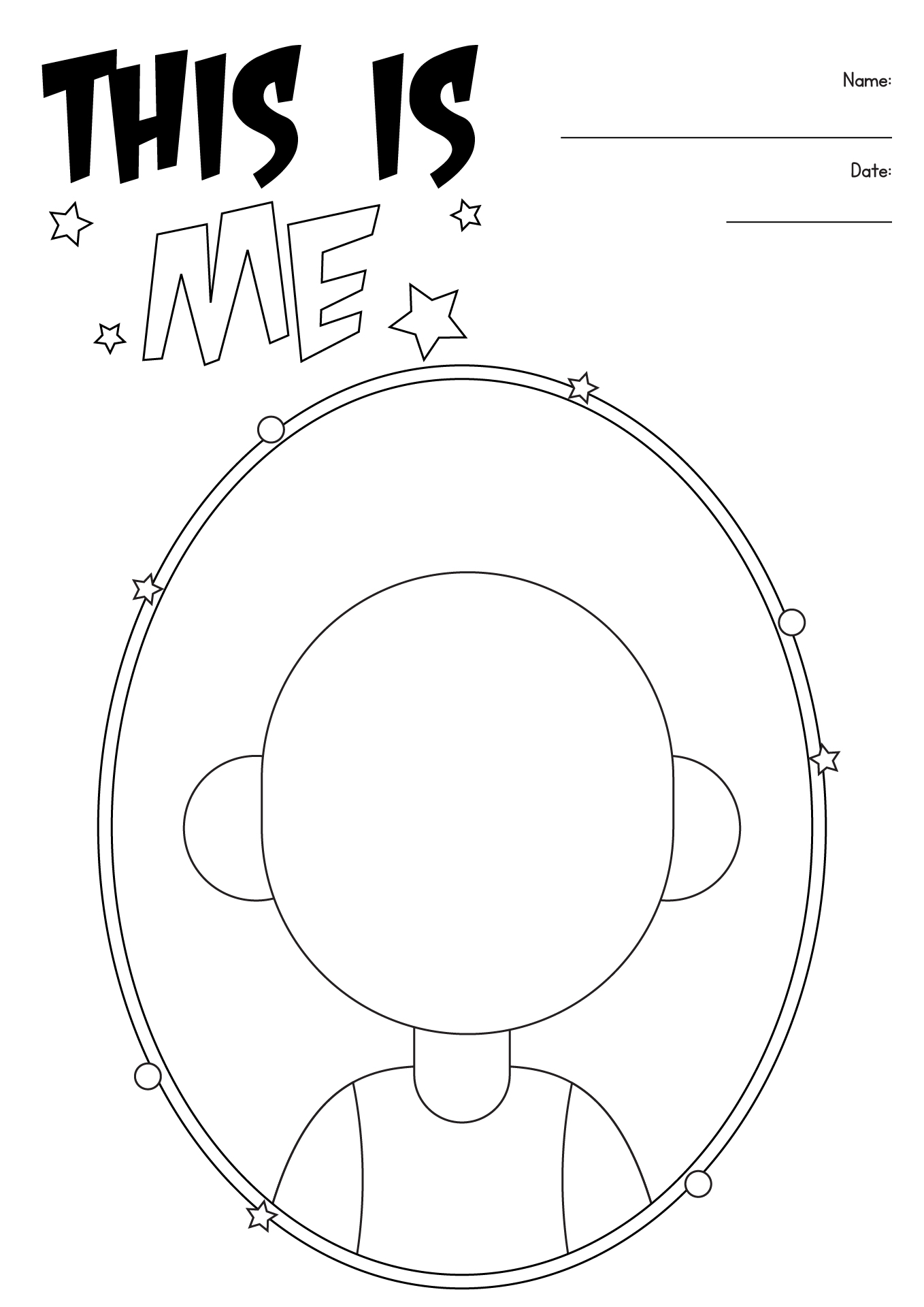
 Preschool Self Portrait Art Worksheet

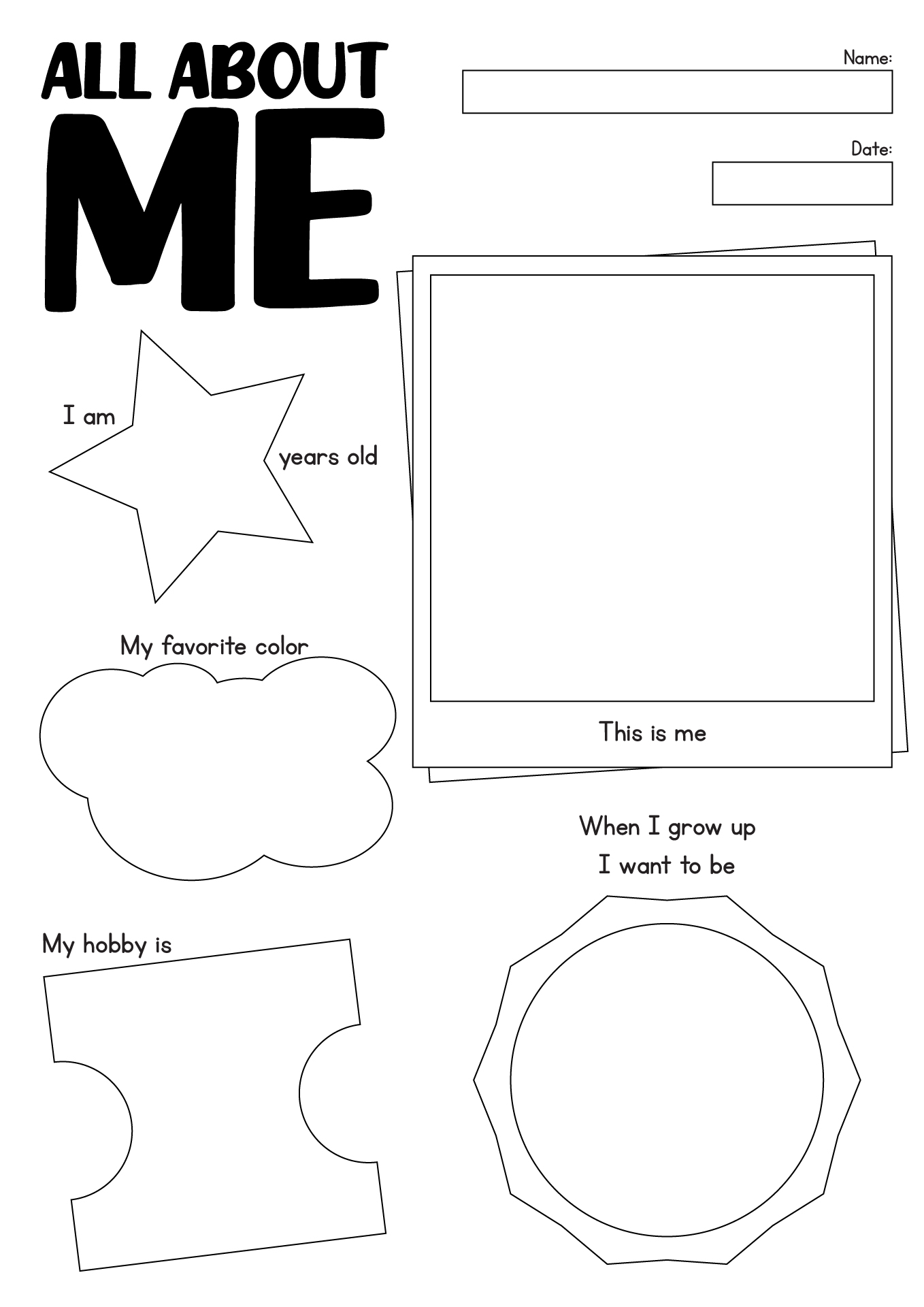
 All About Me Self Portrait Kindergarten Activity

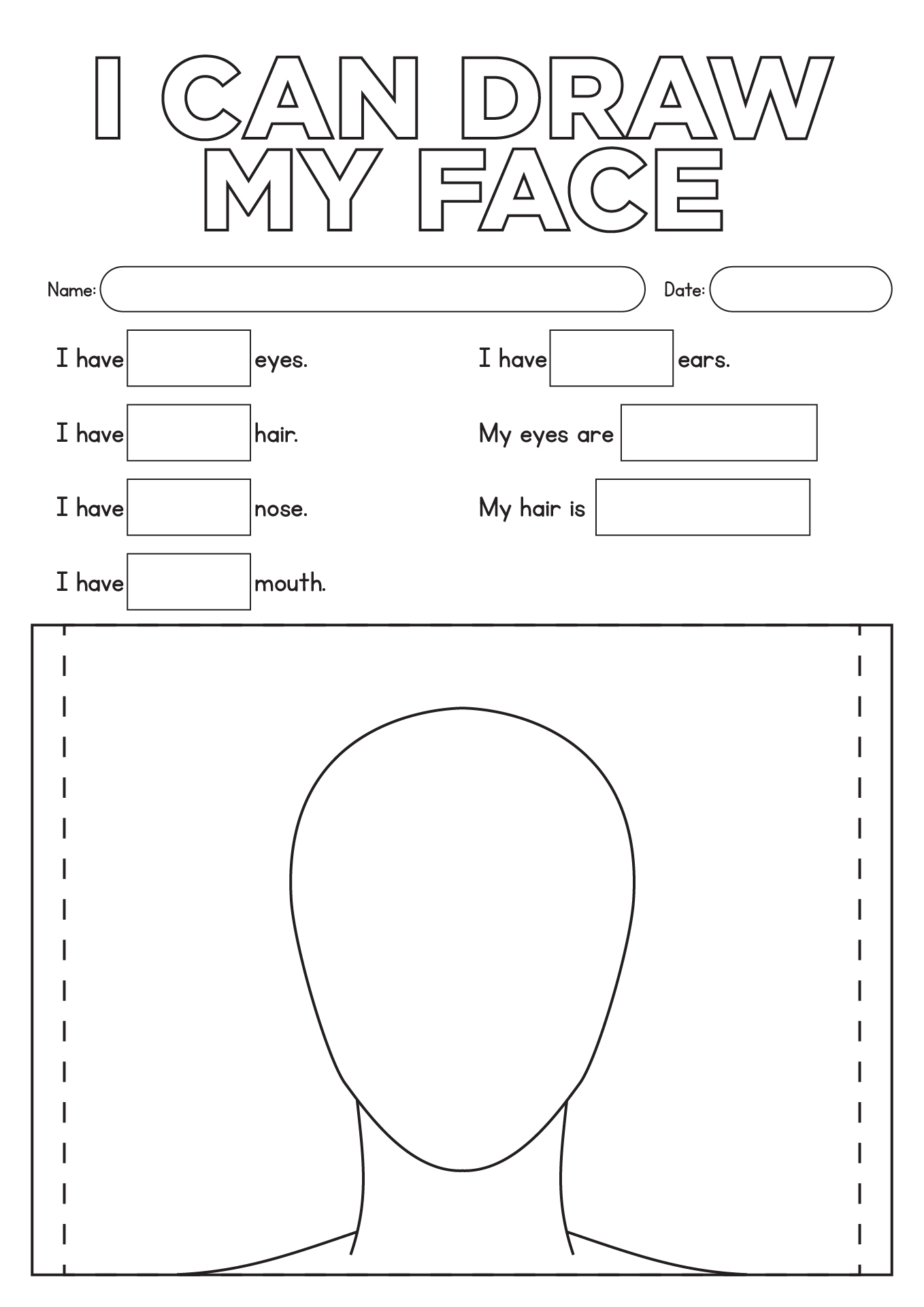
 Drawing My Face Worksheet For Children

 Kindergarten Self Portrait For Kids

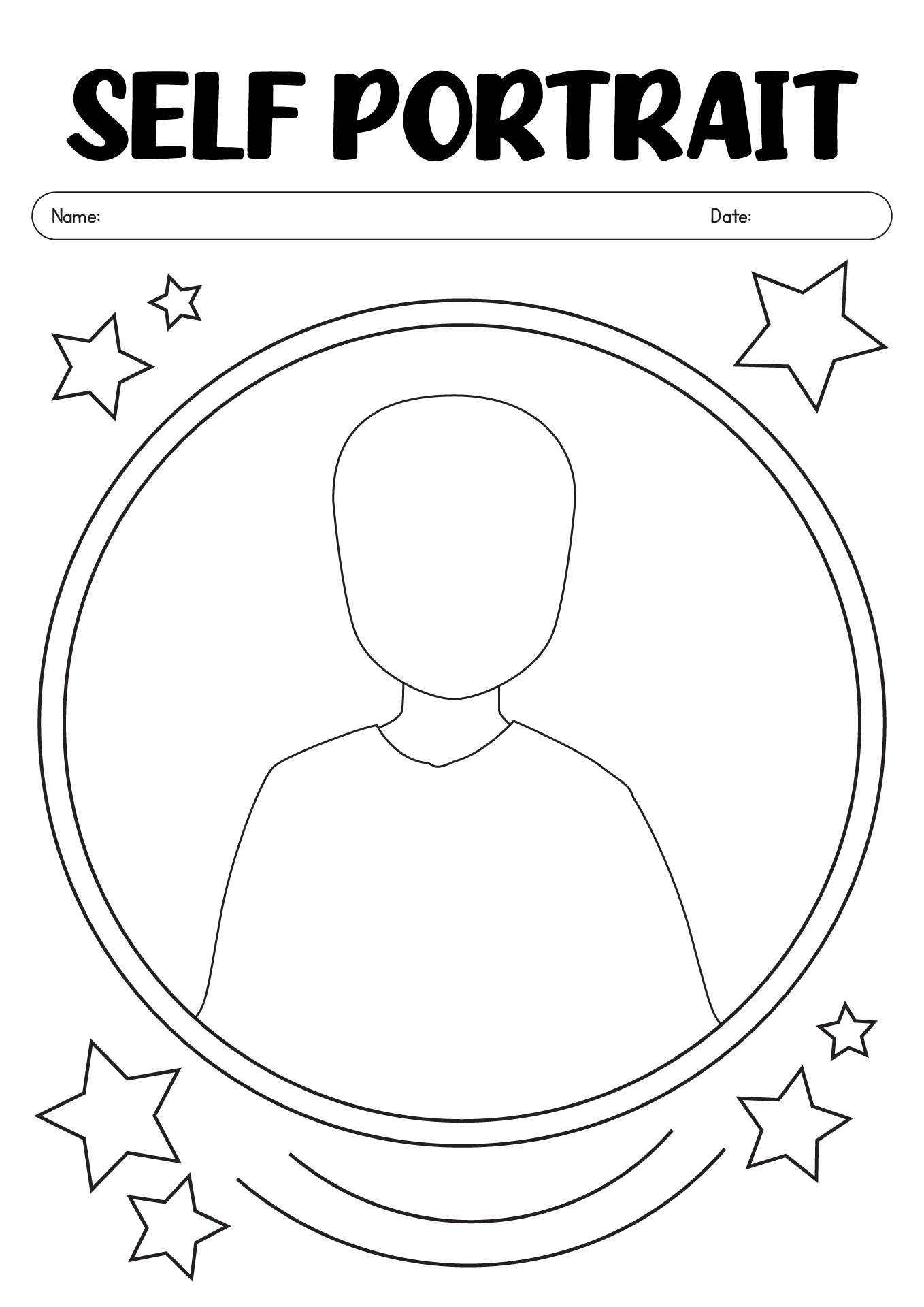
 Self Portrait Printable Worksheet

 Self Portrait Frame Worksheets

 Self Portrait Coloring Preschool

 Face Template Worksheet For Kindergarten

 Self-Portrait Frames With Face Shape Worksheet

 School Self Portrait Worksheet

More Worksheets
What Can Kids Find Inside a Self Portrait Kindergarten Worksheet?
This self portrait template usually contains more than an empty space for drawing a face. Its layout can include different prompts and visual sections that guide children through creating a picture of themselves.
Depending on the design, children might find a simple human figure outline that they can fill with their own appearance. Some versions provide a blank face shape, while others leave the entire body empty so kids have more room to experiment with their drawings.
So, here are some elements commonly included in this printable:
- Blank face outlines: Children can draw their eyes, nose, mouth, eyebrows, ears, and other facial details without worrying about getting every proportion right.
- Full-body illustrations: Some worksheets feature a simple human silhouette that kids can decorate with their hairstyles, clothing, shoes, and accessories.
- Personal information prompts: Small spaces for writing their names, ages, or favorite colors introduce basic self-description.
- Drawing instructions: Short prompts such as "Draw your favorite hairstyle" or "Show your biggest smile" give children a clear starting point.
- Favorite things sections: These spaces allow kids to include toys, animals, foods, or activities they enjoy.
How Does a Self Portrait Kindergarten Worksheet Help Kids Recognize What Makes Them Different?
Children might compare hairstyles, point out different eye colors, or notice that someone wears glasses. These observations create opportunities to introduce the idea that every person has their own characteristics.
A Self Portrait Kindergarten Worksheet gives children a practical way to explore those differences through their own artwork. For example, encourage children to examine their faces in a mirror before drawing. Ask them to pay attention to details such as:
- Hair length, texture, and color.
- Eye shape and eyebrow appearance.
- Skin tone and facial features.
- Freckles, dimples, or other distinctive details.
- Favorite clothing styles and accessories.
Once they have finished their portraits, let them explain which features they chose to include. A child might say that their short hair makes them look different from their older sibling, or that their glasses are the first thing friends notice about them.
How Can Kids Show Different Emotions in a Self Portrait Kindergarten Worksheet?
With a Self Portrait Kindergarten Worksheet, children can experiment with changing facial expressions to represent different emotions. To get started, introduce children to a few expressions, such as:
- Happy: Draw an upward-curving mouth, relaxed eyebrows, and bright-looking eyes.
- Sad: Add a downward-curving mouth, slightly lowered eyebrows, or tears.
- Angry: Use inward-slanting eyebrows, tightly closed lips, and a serious expression.
- Surprised: Draw raised eyebrows, wide-open eyes, and a round mouth.
- Confused: Add one raised eyebrow and a slightly tilted mouth.
- Excited: Create a big smile with raised cheeks and energetic details around the face.
Remember that they do not need to draw only cheerful faces. Sadness, frustration, fear, and confusion are normal emotions, too. Give them room to represent those feelings without judgment. The goal is to help them recognize and communicate emotions, not to encourage them to hide uncomfortable ones.
How Can Teachers Choose the Right Time for a Self Portrait Kindergarten Worksheet?
Here are some moments worth considering:
- During the first week of kindergarten: Kindergarten students are still learning their classmates' names and getting comfortable in the classroom. Ask each child to complete the worksheet, then invite them to show their drawings and share a detail about their appearance with the group.
- When discussing personal identity: A lesson about families, similarities, and differences provides a natural opportunity to introduce self-portraits. Children can compare their drawings with those of family members and discover which features they share or express differently.
- During an emotional learning session: If the class is exploring feelings, invite students to draw themselves experiencing different emotions. Teachers can use their pictures as conversation starters about situations that make children happy, disappointed, excited, or worried.
- At the end of a school term: Ask students to create another portrait and compare it with an earlier version. They might notice changes in their drawing techniques, added details, or new preferences. This comparison also gives teachers a glimpse of how their students approach visual self-expression over time.
Want to Give Your Little Artist a Blank Canvas to Explore Their Identity?
A child's portrait does not need professional drawing skills to become something worth keeping. Sometimes, a few colorful lines, an oversized smile, and a hairstyle that takes up half the page are enough to capture their personality.
That's why we've prepared a Free Self Portrait Template that parents and teachers can use to introduce this activity without having to design everything from scratch. Simply choose a printable that suits your child's age and drawing ability, download it, and prepare the pages for your next creative session.
Ready to see your little artists turn their unique features and feelings into colorful creations? Download our free Self Portrait Kindergarten Worksheet in PDF or JPG format and let every child tell their own story through art!


Have something to share?
Popular Categories
Who is Worksheeto?
At Worksheeto, we are committed to delivering an extensive and varied portfolio of superior quality worksheets, designed to address the educational demands of students, educators, and parents.

Comments