
Rhythm Tree Worksheet
Understanding rhythm is one of the biggest foundations in learning music, but for many kids, it can feel abstract at first. That’s why tools like a Rhythm Tree Worksheet can make such a huge difference!
Instead of guessing how notes relate to each other, learners can actually see the rhythm hierarchy laid out in a visual format. Whether you're a teacher prepping classroom materials or a parent helping your child explore early music concepts, a clear and simple rhythm guide makes learning so much easier.
So, in this article, we’ll walk through how these worksheets work. You’ll also find how our printable rhythm resources can support smoother, more confident music learning!
Table of Images 👆
- Music Note Value Tree Worksheet
- Rhythm Note Value Tree
- Rhythm Note Value Tree
- Printable Rhythm Tree Worksheet
- Rhythm Tree Practice Sheets
- Music Theory Rhythm Tree Worksheet
- Printable Rhythm Tree Exercise
- Interactive Rhythm Tree Activity Sheet
- Beginner Rhythm Tree Worksheet
- Rhythm Tree Worksheet with Answers
- Rhythm Tree Worksheet Activities for Students
- Rhythm Tree Music Worksheet for Beginners
- Simple Rhythm Tree Practice Sheet
- Basic Rhythm Tree Learning Worksheet
- Rhythm Tree Music Notation Exercise Sheet
- Rhythm Tree Structure Practice Worksheet
 16 Images of Rhythm Tree Worksheet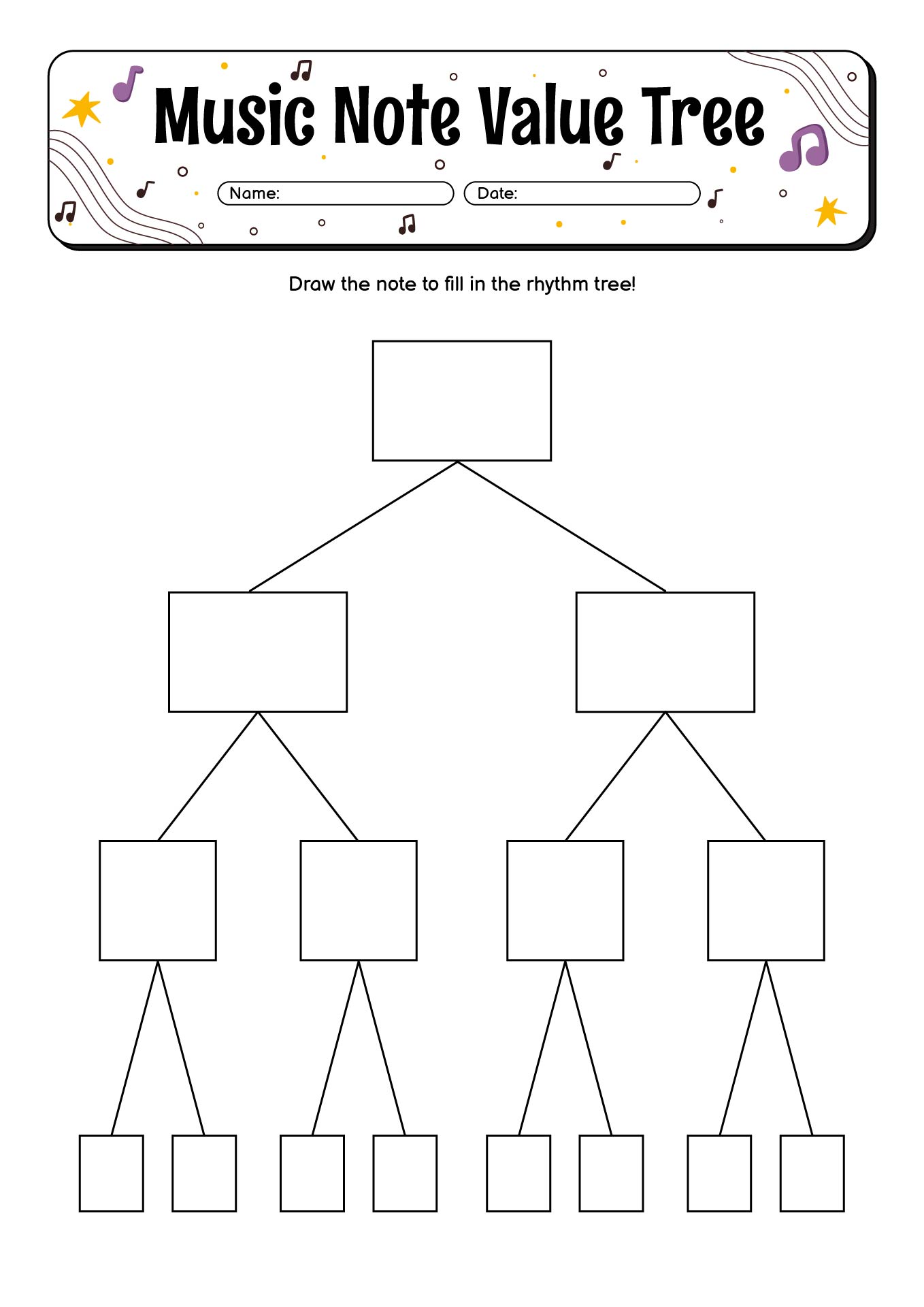
 Music Note Value Tree Worksheet
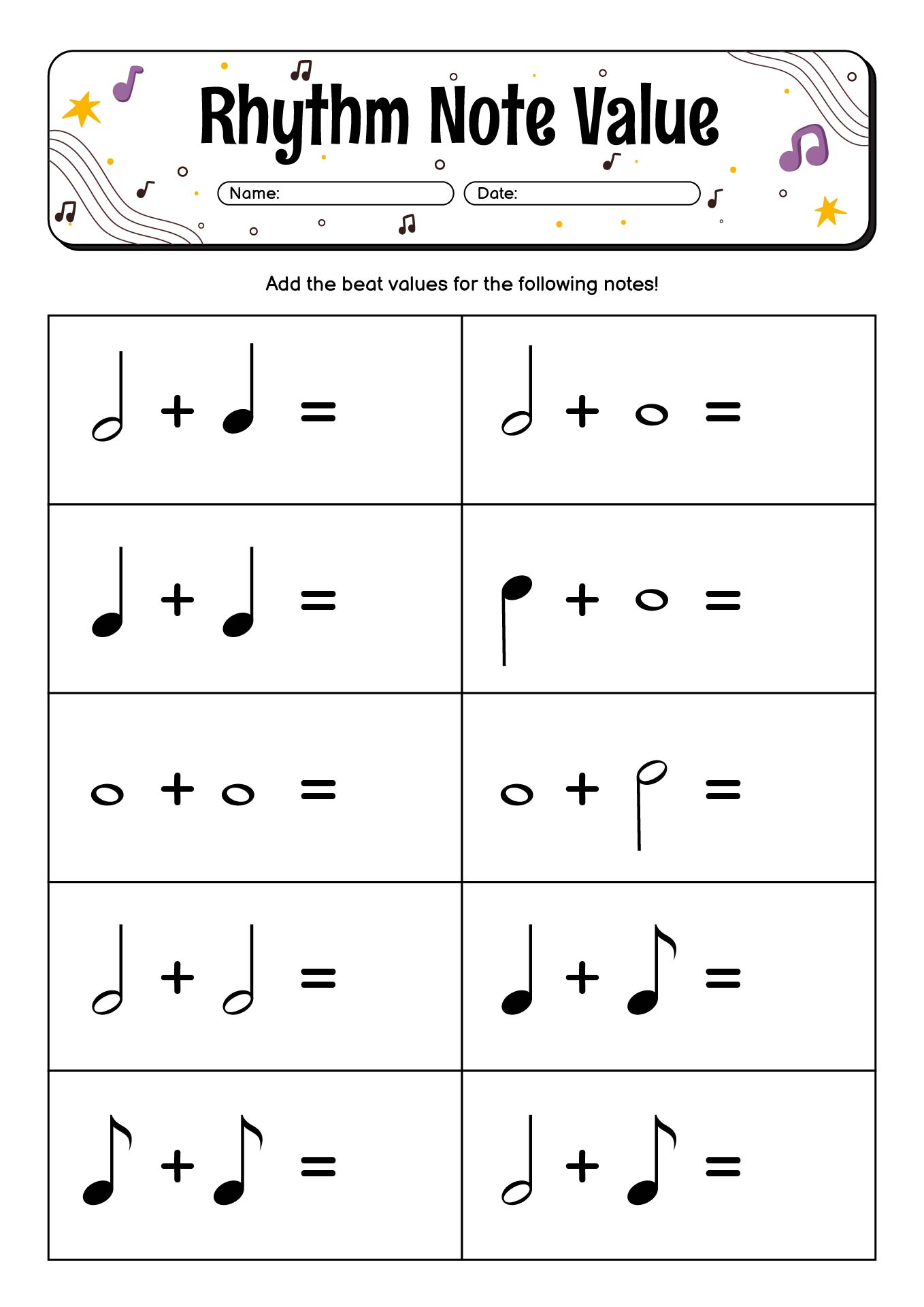
 Rhythm Note Value Tree
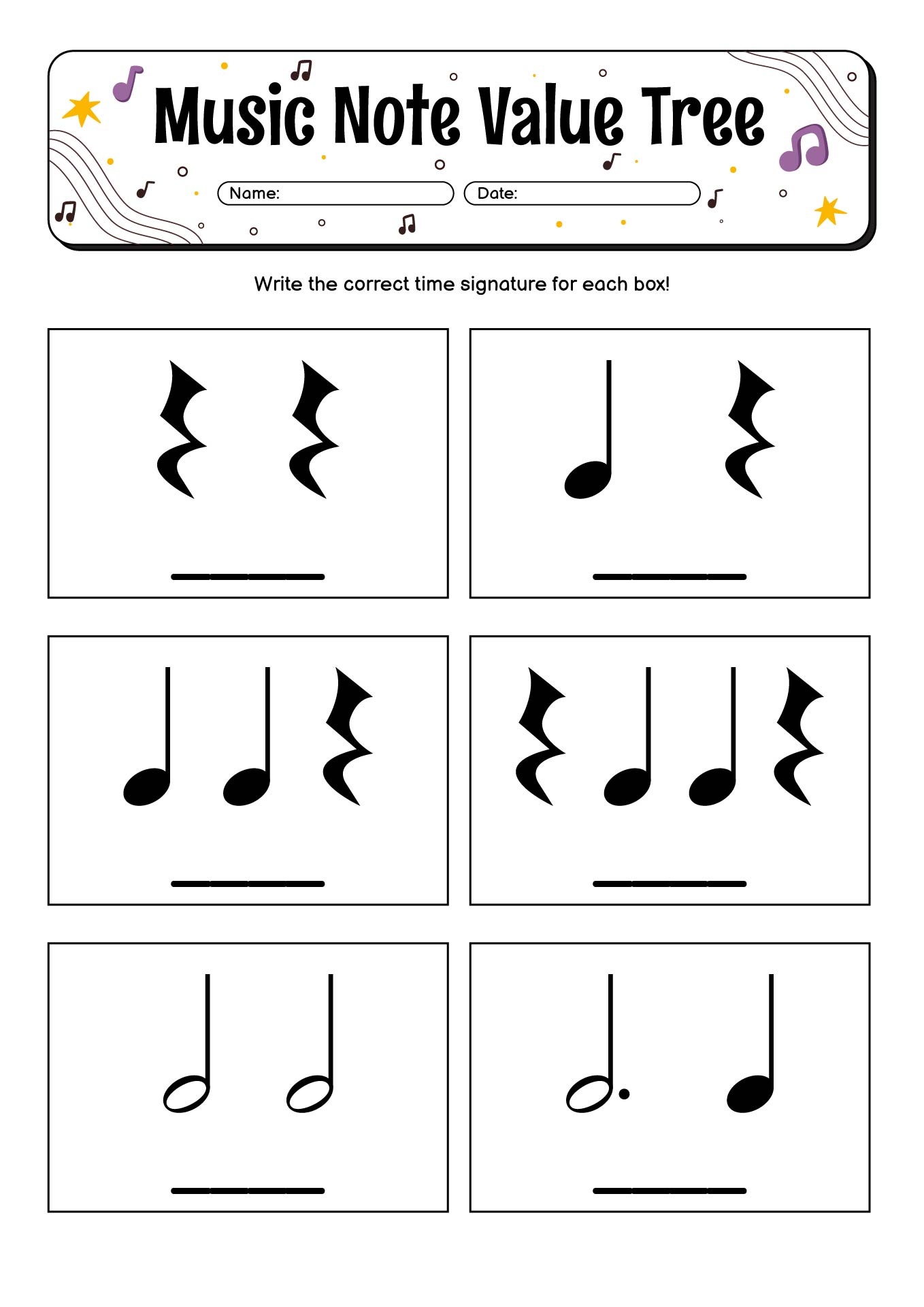
 Rhythm Note Value Tree
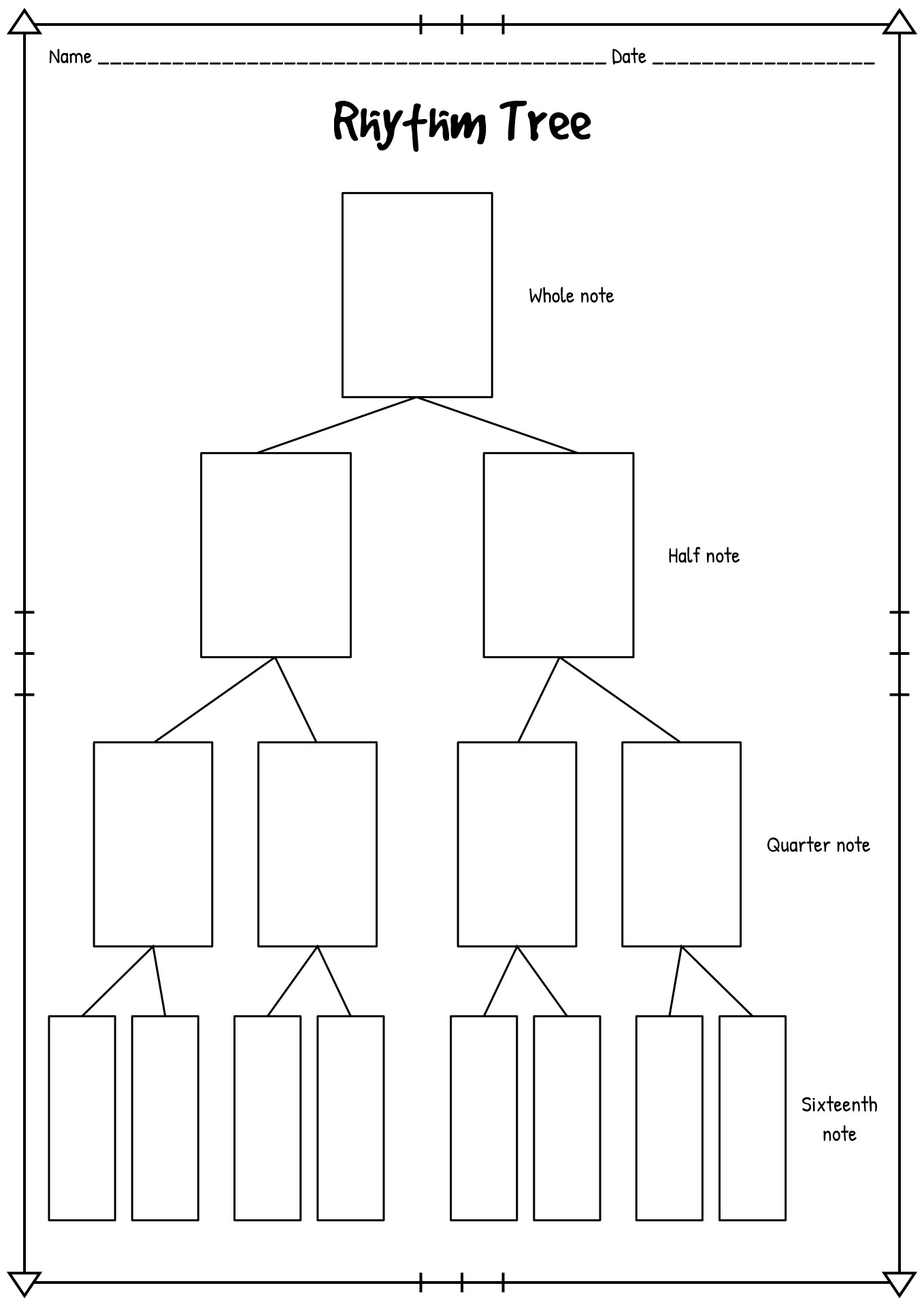
 Printable Rhythm Tree Worksheet
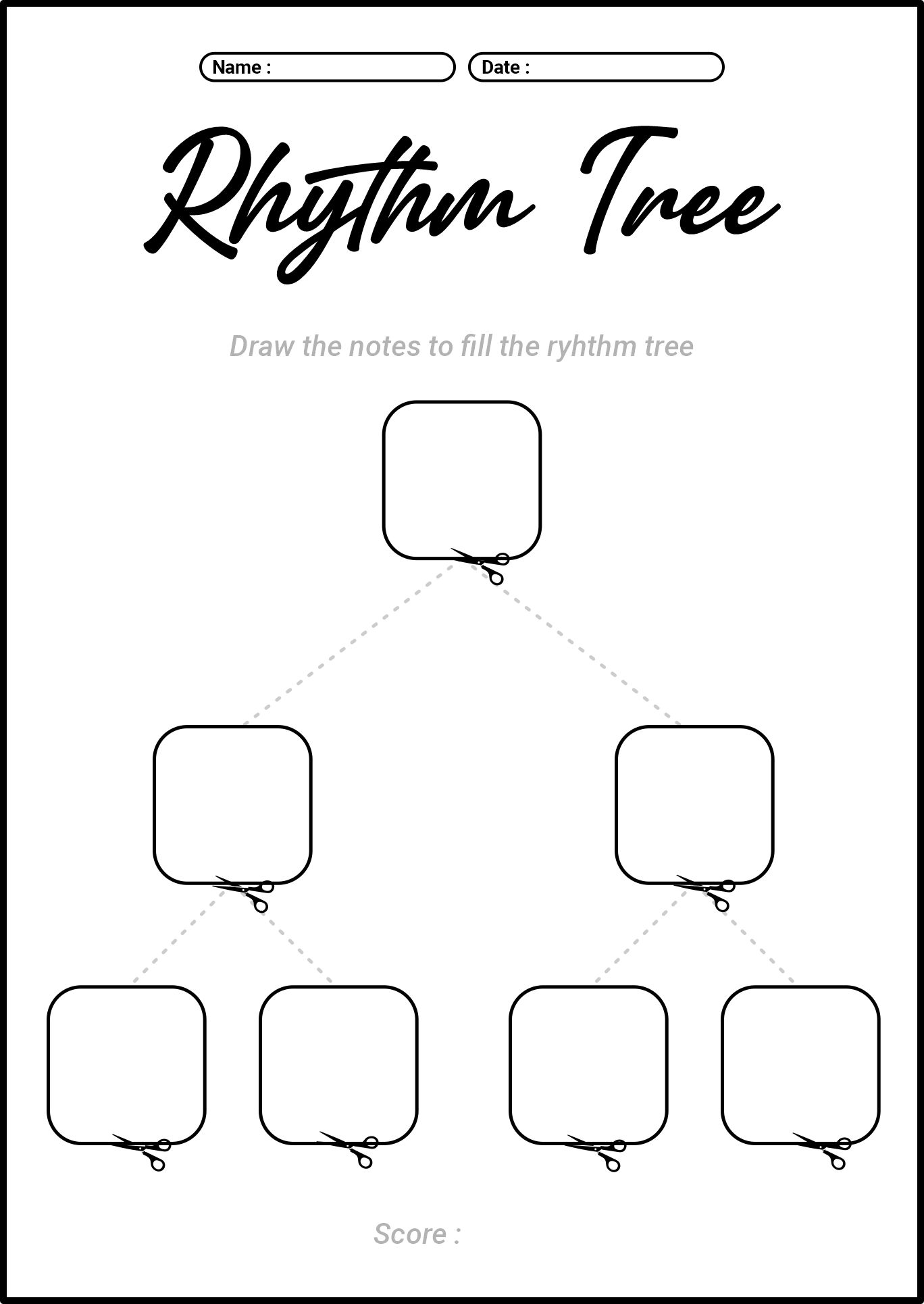
 Rhythm Tree Practice Sheets
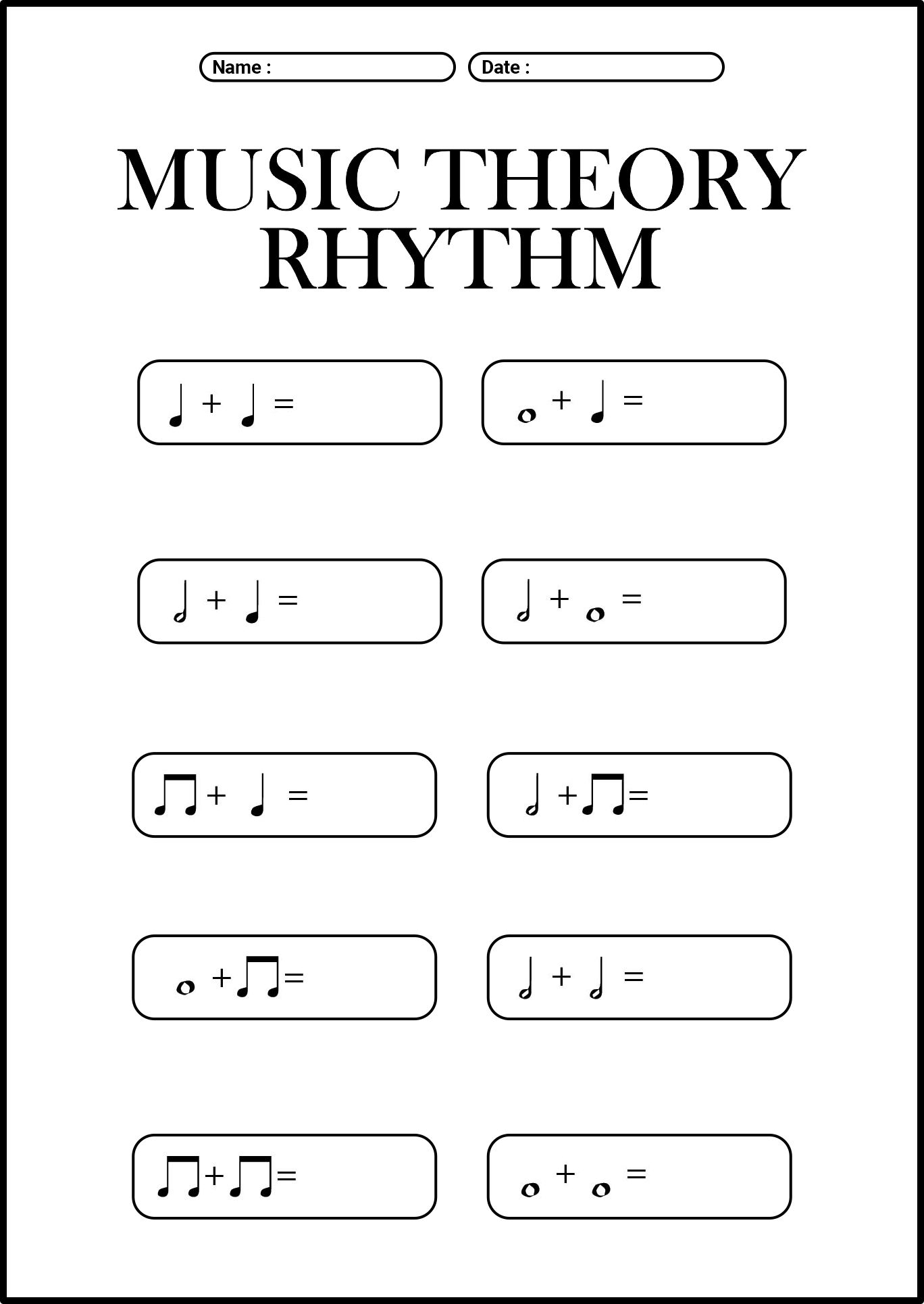
 Music Theory Rhythm Tree Worksheet
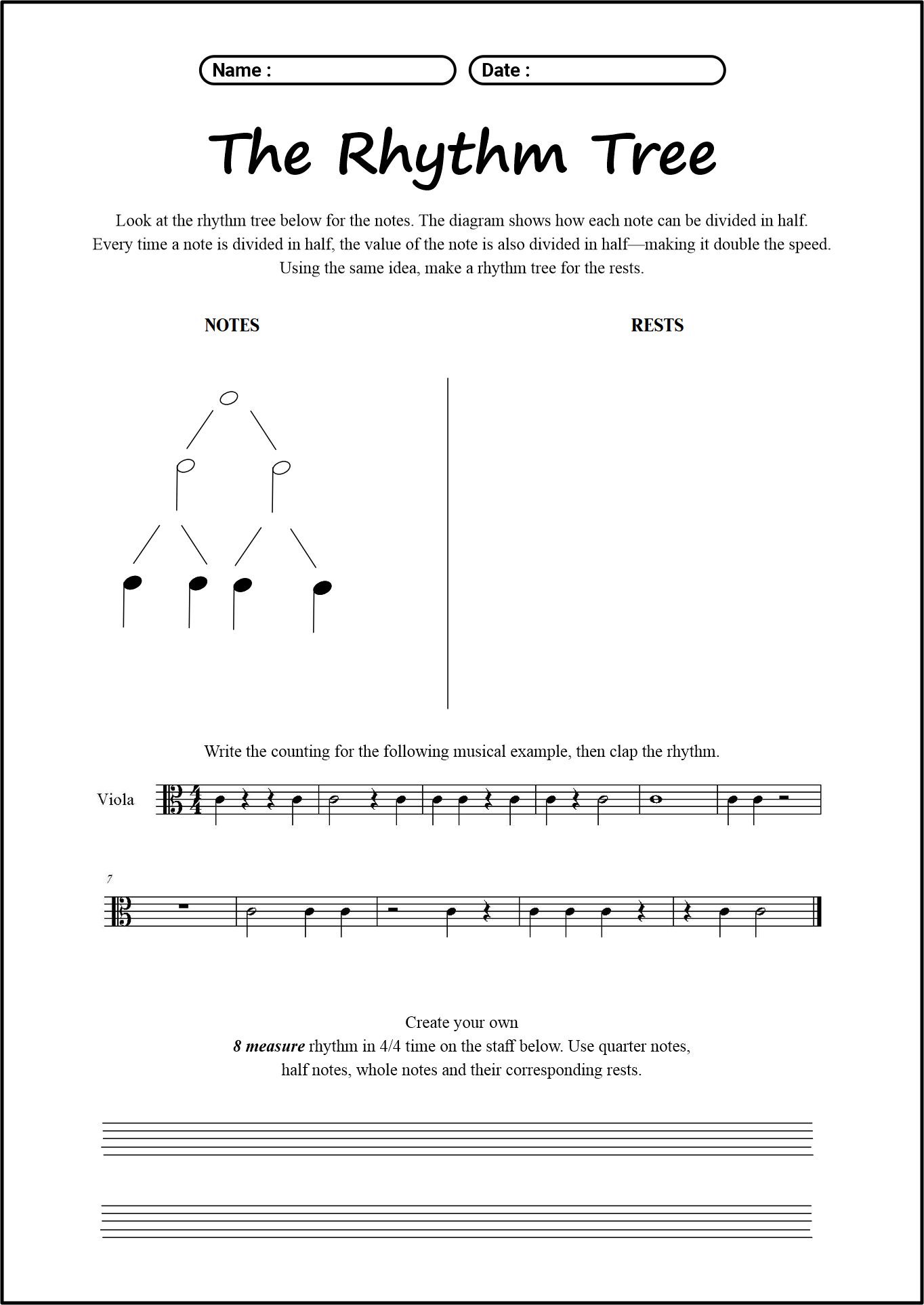
 Printable Rhythm Tree Exercise
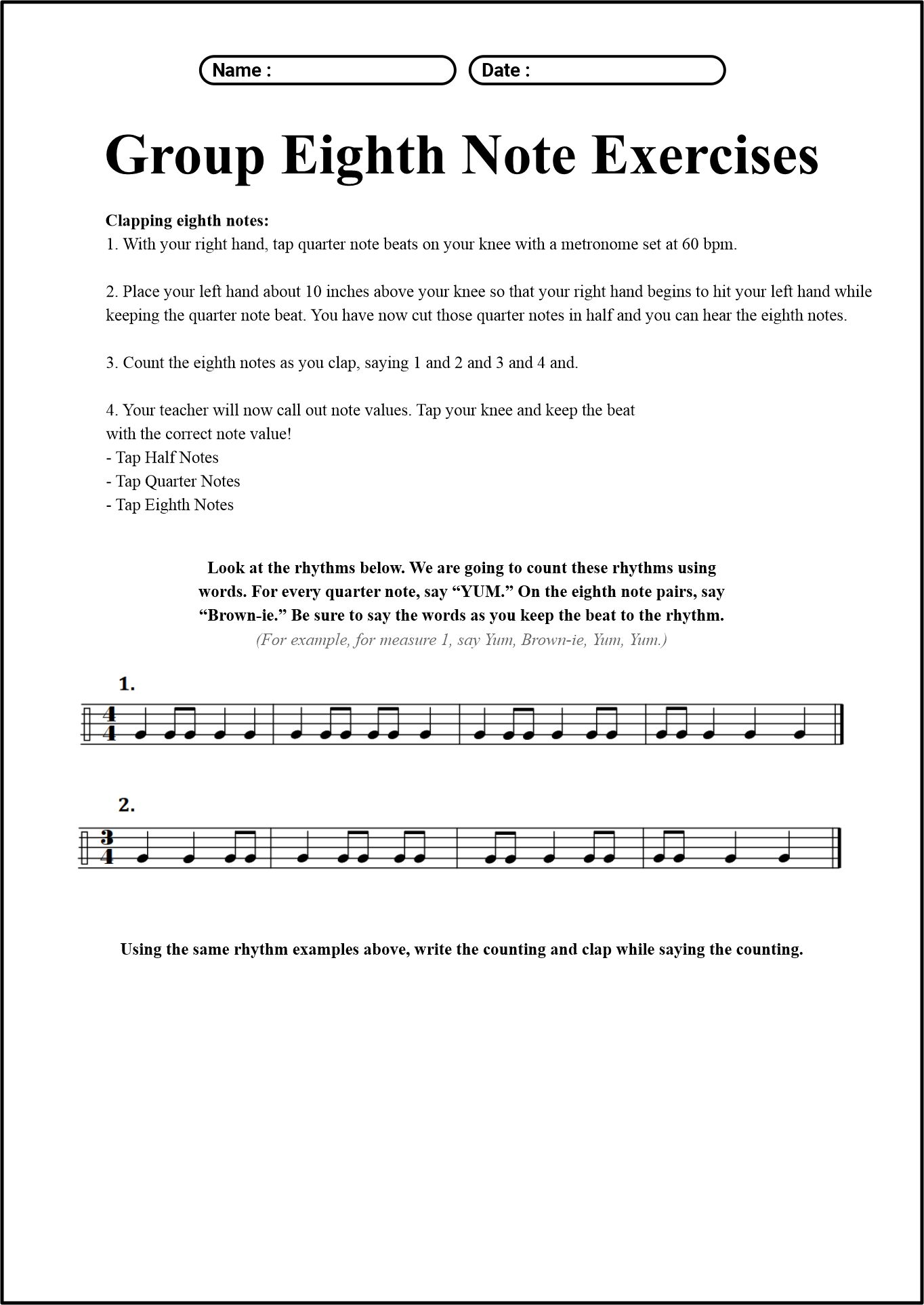
 Interactive Rhythm Tree Activity Sheet
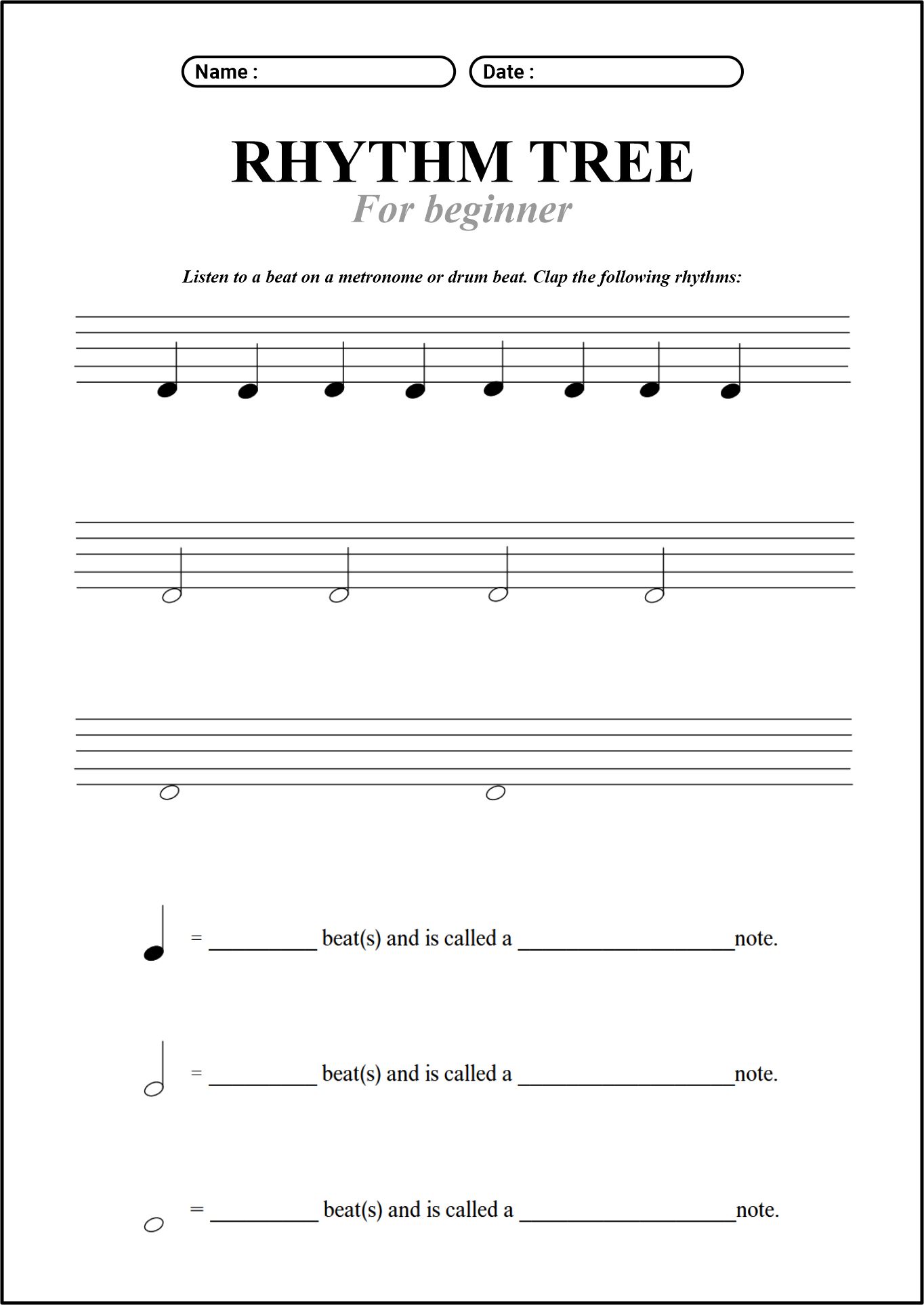
 Beginner Rhythm Tree Worksheet
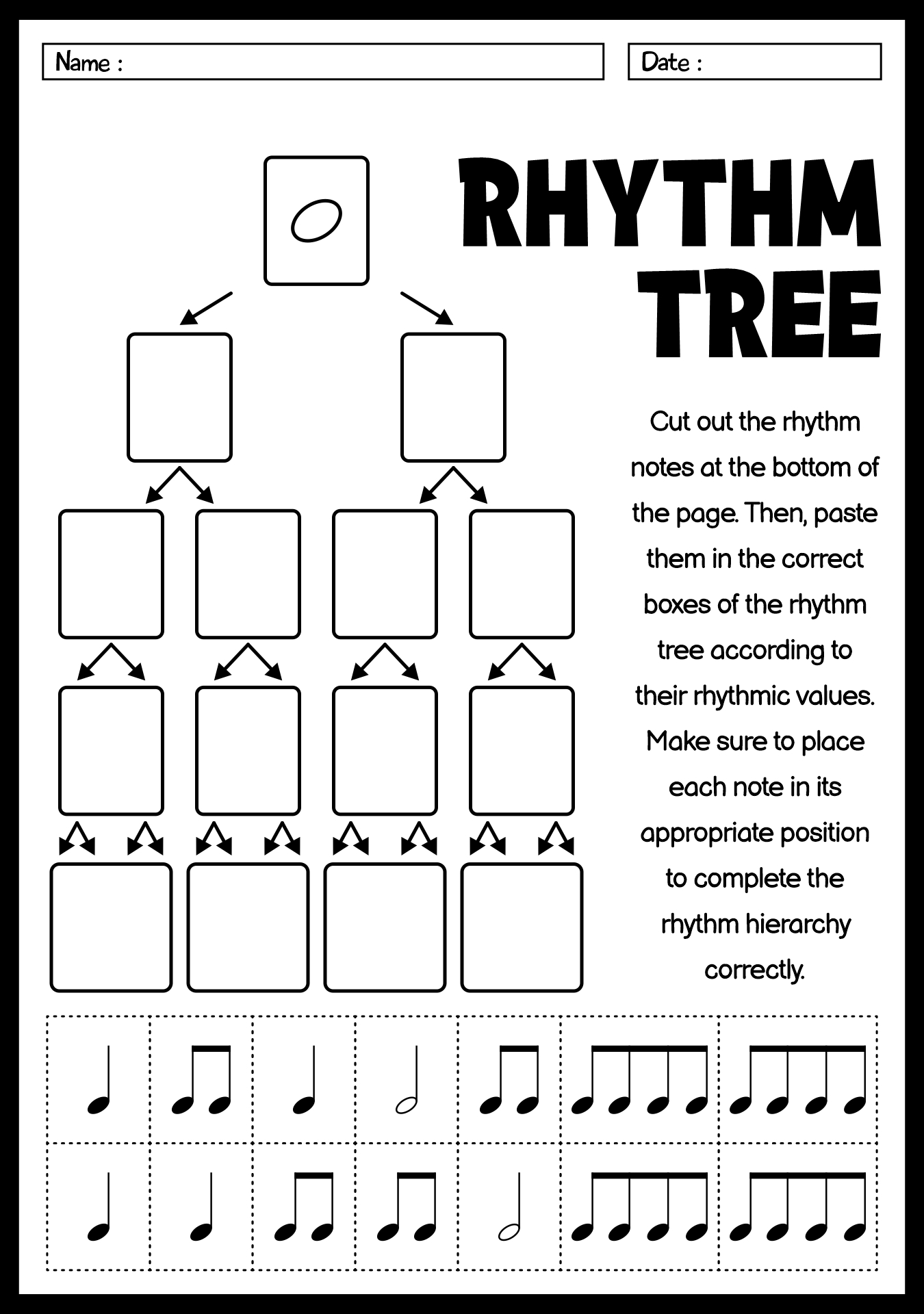
 Rhythm Tree Worksheet with Answers
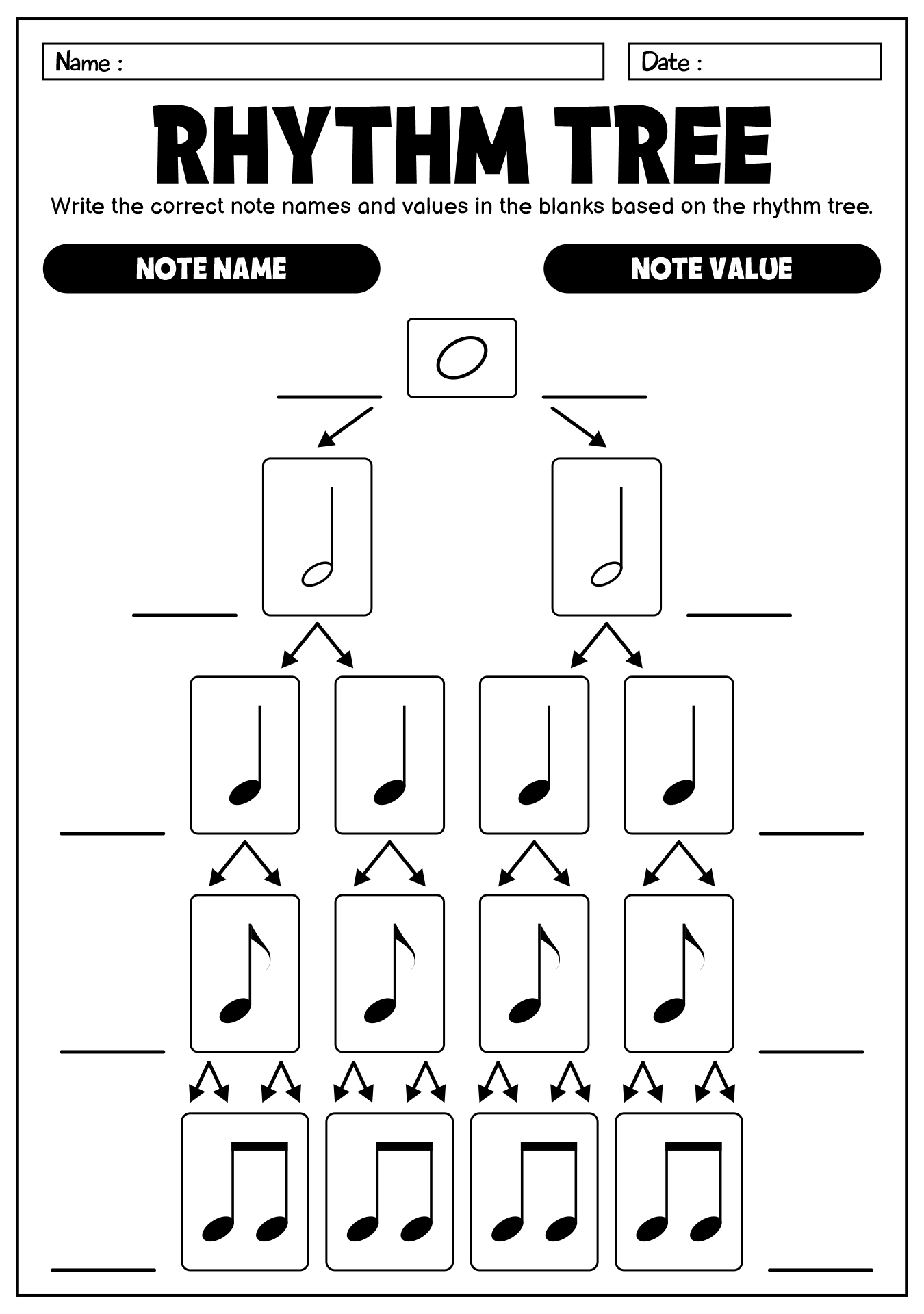
 Rhythm Tree Worksheet Activities for Students
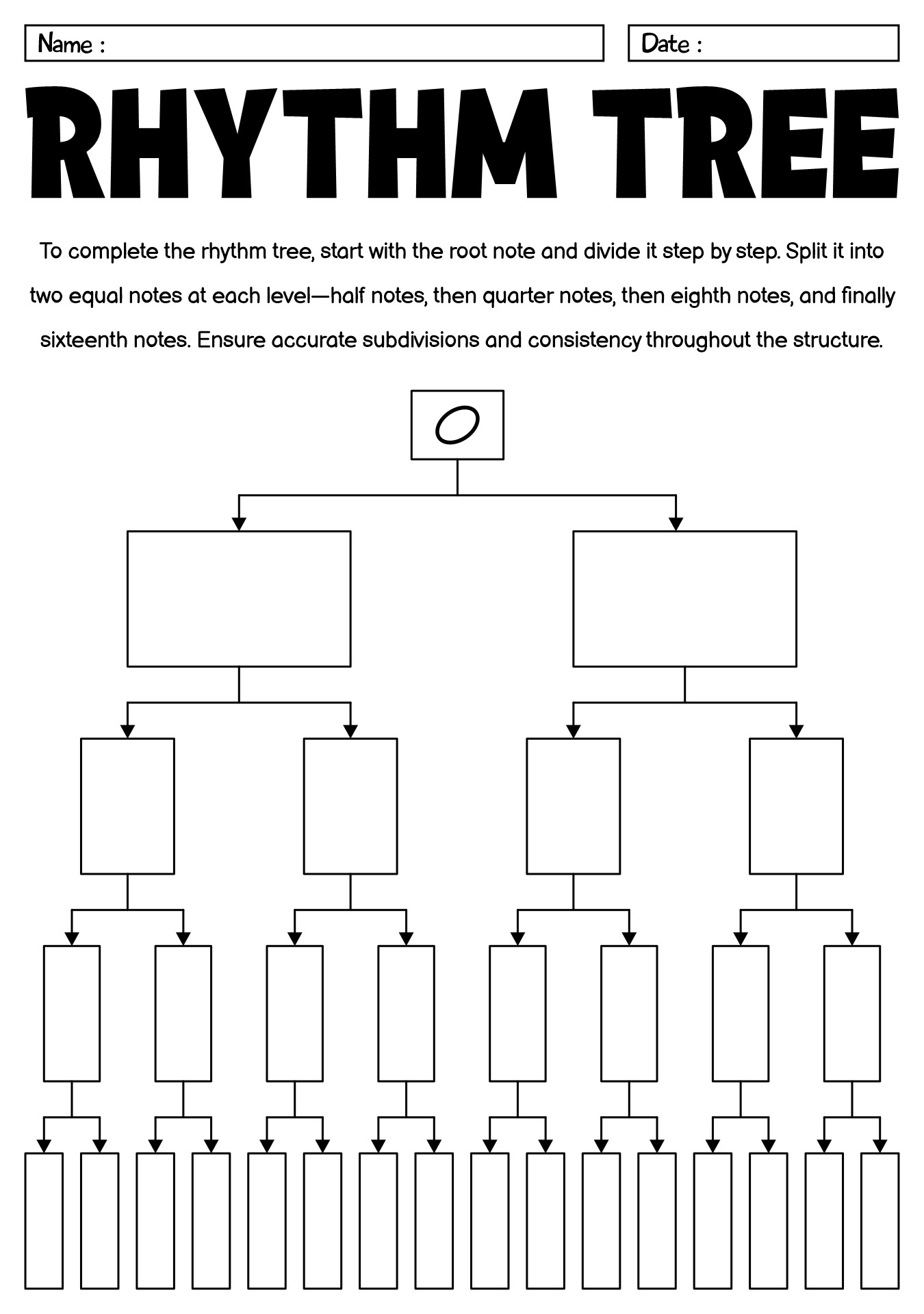
 Rhythm Tree Music Worksheet for Beginners
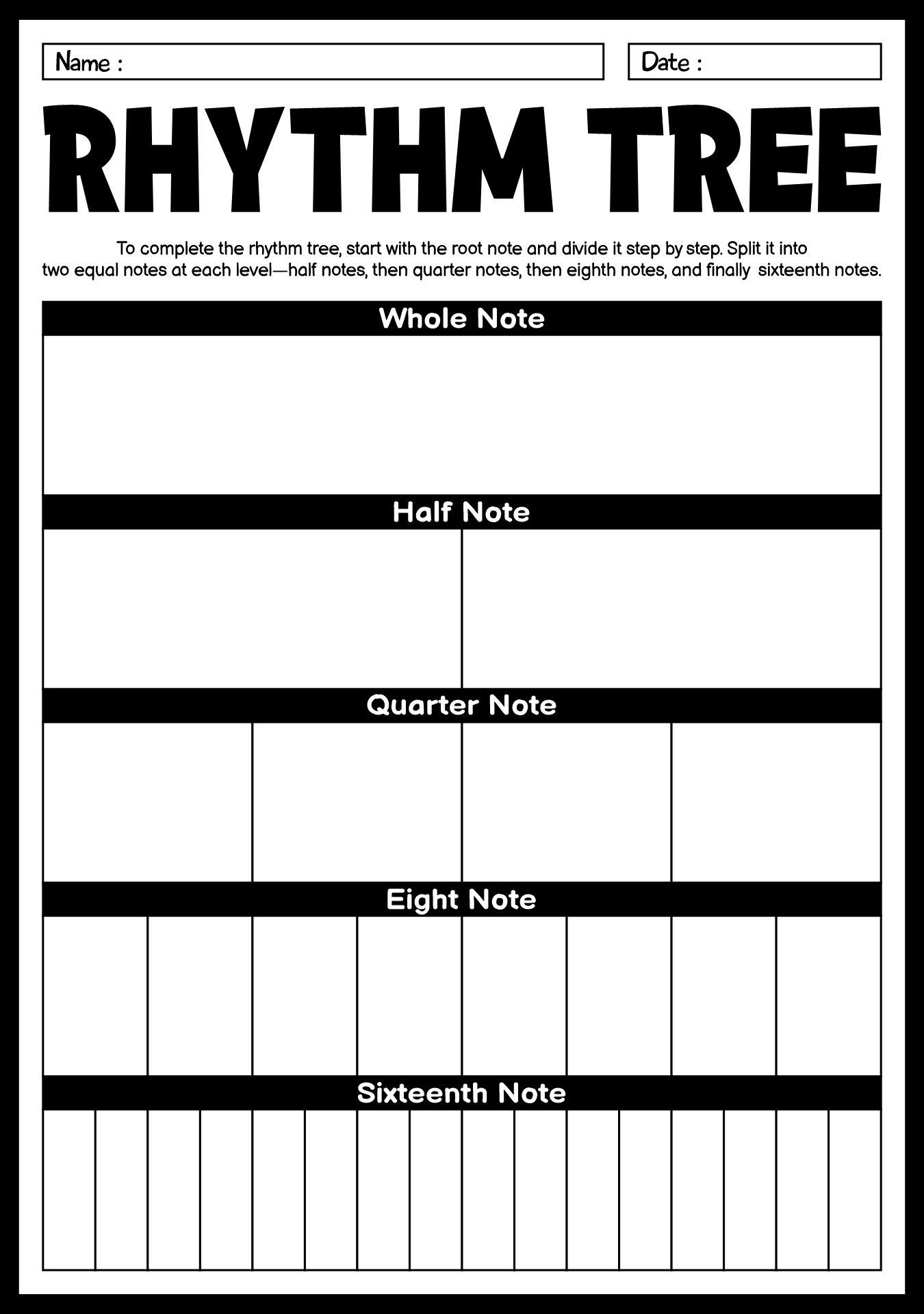
 Simple Rhythm Tree Practice Sheet
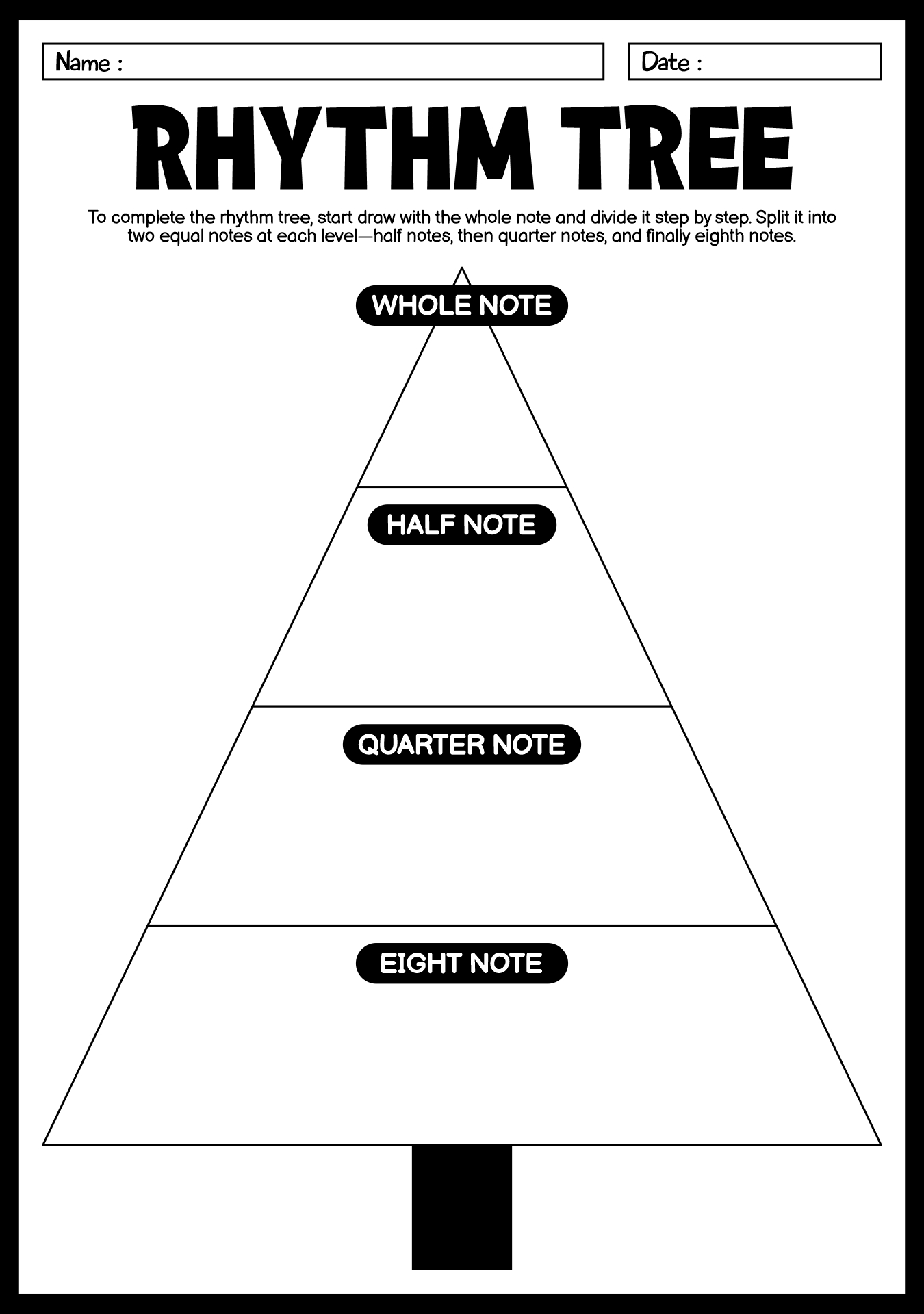
 Basic Rhythm Tree Learning Worksheet
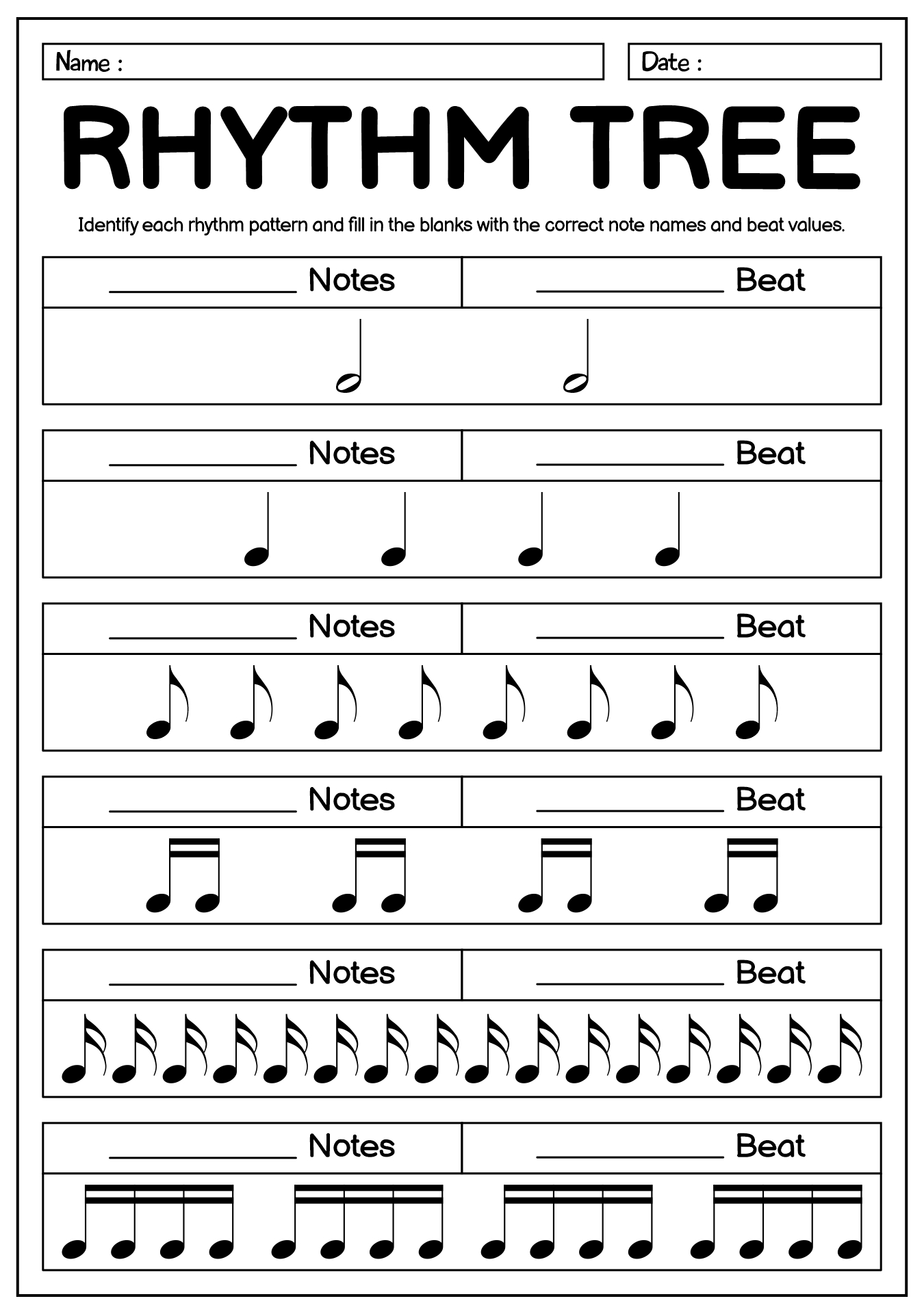
 Rhythm Tree Music Notation Exercise Sheet
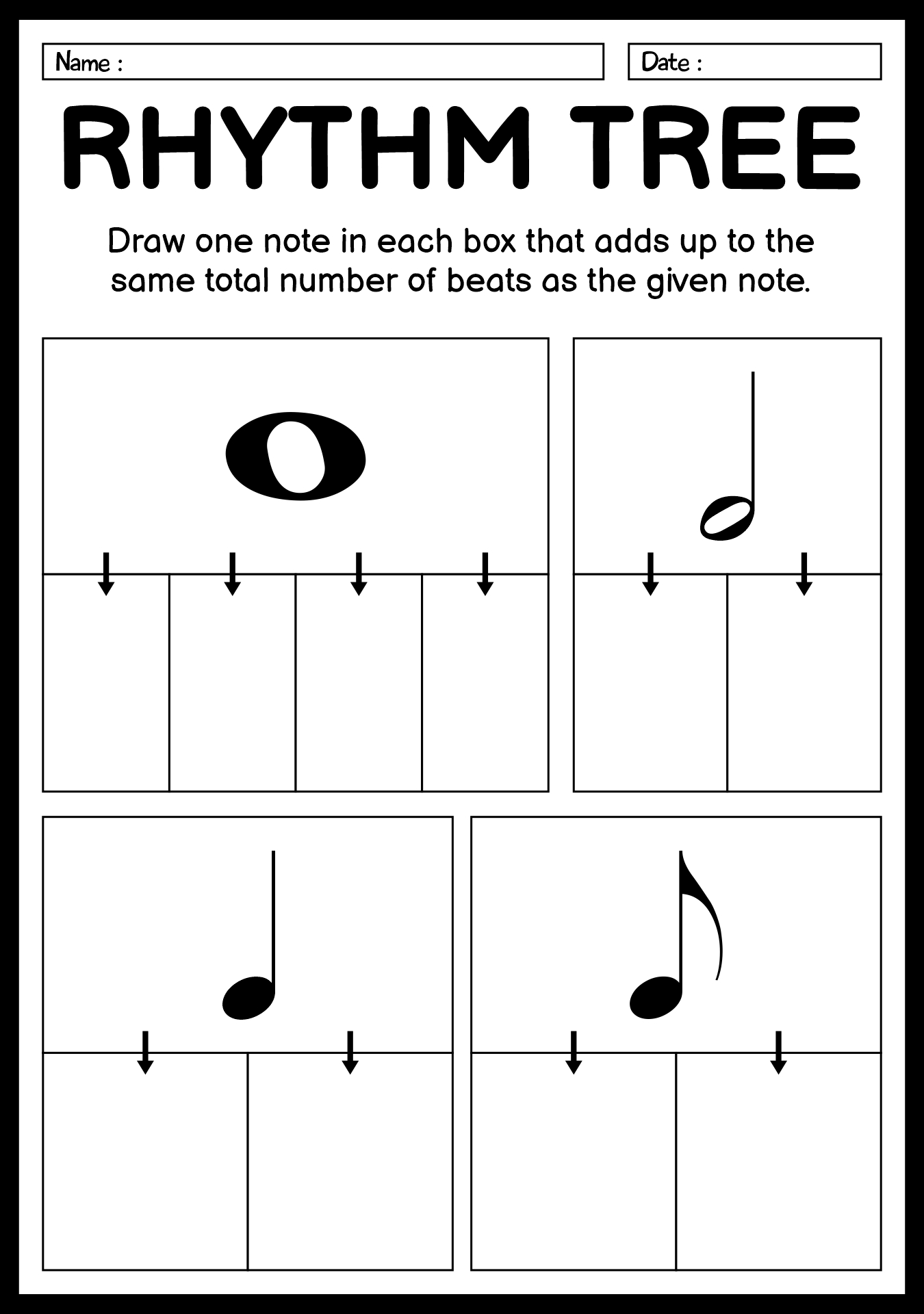
 Rhythm Tree Structure Practice Worksheet
More Other Worksheets
Kindergarten Worksheet My RoomSpanish Verb Worksheets
Spring Clothes Worksheet
For First Grade Phonics Worksheets
Hundreds Chart Missing Numbers Worksheet
Healthy Eating Plate Printable Worksheet
Cooking Vocabulary Worksheet
My Shadow Worksheet
Large Printable Blank Pyramid Worksheet
Relationship Circles Worksheet
What is a Rhythm Tree Worksheet?
A Rhythm Tree Worksheet is basically a visual breakdown of how longer notes divide into smaller ones. Instead of memorizing note values in isolation, kids get a diagram that shows how everything connects like a family tree, but for rhythms. This approach turns rhythm from something vague into something clear and logical.
Here’s what students can typically find inside:
- A simple rhythm tree diagram showing whole notes, half notes, quarter notes, eighth notes, and sixteenth notes
- Visual branches that demonstrate how one note splits into two smaller notes
- Practice sections where learners match, count, or label rhythms
- A beginner-friendly layout that aligns with what is a rhythm tree explanations
So, why it works so well:
- It gives kids a “big picture” of rhythm.
- It reduces confusion about note values.
- It creates faster recognition when reading music.
This makes the worksheet helpful both for structured lessons and independent learning at home.
How Does a Rhythm Tree Worksheet Help Students Visualize Rhythm Hierarchy?
One of the hardest parts of rhythmic literacy is understanding hierarchy. A Rhythm Worksheet solves that by giving kids a chart they can literally follow with their eyes. Every branch, every shape, and every value has a place, making rhythm relationships far clearer than traditional explanations.
Here’s why the hierarchy becomes easier to understand:
Visual Patterns Do the Teaching
Kids don’t just see symbols, but they see how one whole note splits into two half notes, then four quarter notes, and so on. This pattern-based approach builds memory faster.
It Supports Different Learning Styles
- Visual learners understand shapes
- Kinesthetic learners can clap the note divisions
- Auditory learners can connect the diagrams to counting aloud
It Works for Both Beginners and Advanced Learners
The same rhythm tree can be used to introduce basic counting or explain more complex breakdowns later. With repeated use, even with a classroom printout, students start recognizing the structure without needing reminders.
What Steps Should Beginners Follow When Learning Rhythms With a Rhythm Tree Worksheet?
A Rhythm Tree sheet gives a clear roadmap, but beginners still need guidance to get the most out of it. Here’s a simple step-by-step approach that parents and teachers can use.
Start With the Longest Note
Begin with the whole note at the top of the rhythm tree. Explain that everything else branches from this foundation.
Move One Level at a Time
Instead of jumping straight to eighth notes, guide the child through each division slowly.
Combine Counting and Clapping
For example:
- Whole note = clap once, count “1-2-3-4”
- Quarter notes = four claps, “1-2-3-4”
This reinforces rhythm in a multisensory way.
Use the Worksheet to Match Symbols
Kids can draw lines, color sections, or write numbers to show understanding.
Add Simple Practice Patterns
This is where music rhythm tree worksheet printables help. They let kids apply what they learned in short, manageable tasks. With consistent practice, rhythm reading becomes natural instead of intimidating.
Which Parts of Rhythm Literacy Improve First With a Rhythm Tree Worksheet?
A Rhythm Tree Page doesn’t just teach note values, it builds core rhythm skills that make future music learning smoother and more enjoyable. Here are the skills that usually improve first:
- Note Value Recognition: Kids quickly learn which notes last long and which ones move fast.
- Counting Accuracy: Following the tree helps students count evenly, which is essential for reading any piece of music.
- Pattern Awareness: Children begin to see rhythm as patterns rather than random symbols.
- Confidence in Reading Music: Once the rhythm “clicks,” kids feel way more confident trying new songs.
- Smoother Transitions Between Note Values: Instead of guessing how to switch between rhythms, kids understand the structure behind them.
These improvements happen even faster when using a rhythm tree worksheet free version for extra home practice.
Which Common Mistakes Can Be Fixed Faster With Our Rhythm Tree Worksheet?
Most young learners struggle with the same rhythm issues, and a Rhythm Tree Worksheet can fix them surprisingly fast.
Common mistakes this worksheet helps correct:
- Confusing note values (like mixing up quarter and eighth notes)
- Uneven counting, especially when rhythms change mid-measure
- Difficulty seeing patterns in a music line
- Jumping ahead too fast without understanding divisions
- Inconsistent clapping or tapping because the hierarchy isn’t clear
Our printable versions organize everything in a simple structure, making it easier for kids to grasp and apply rhythm concepts during practice. Because the diagram is so visual and predictable, it becomes a go-to reference anytime a rhythm feels confusing.
So, if you want rhythm tools that are simple, visual, and easy for both parents and teachers to use, download our Rhythm Tree Worksheet today. It’s designed to help kids build steady rhythm literacy using clear diagrams, beginner-friendly exercises, and a layout that works perfectly for both classroom lessons and home practice. With the right guidance and the right worksheet, mastering rhythm becomes way more fun, and way more achievable!


Have something to share?
Popular Categories
Who is Worksheeto?
At Worksheeto, we are committed to delivering an extensive and varied portfolio of superior quality worksheets, designed to address the educational demands of students, educators, and parents.


Comments