
Pre-Kindergarten Math Worksheets
Helping young children enjoy math can sometimes feel challenging, especially when they get distracted easily or lose interest after only a few minutes. At the pre-kindergarten stage, kids learn best through colorful activities, hands-on practice, and playful exercises that make numbers feel exciting instead of stressful. That is why many parents and teachers rely on Pre-Kindergarten Math Worksheets to introduce early math concepts in a simple and engaging way.
From counting objects to recognizing shapes and learning patterns, these activities help children build confidence little by little without feeling overwhelmed. The best part is that worksheets can easily fit into daily routines, whether during classroom lessons, homeschooling sessions, or quiet learning time at home.
Table of Images 👆
- Early Childhood Shape Identification Worksheets
- Preschool Number Matching Exercises
- Pre-Kindergarten Measurement Practice Sheets
- Early Learners Addition Math Worksheets
- Pre-K Subtraction Basics Worksheets
- Preschool Pattern Recognition Activities
- Pre-K Counting Activity Sheets
- Preschool Math Practice Worksheet
- Numbers 1 To 10 Math Worksheet For Kids
- Simple Subtraction For Preschool Worksheet
- Color The Number 5 Worksheet
- Comparing Numbers Worksheet For Kids
- Matching Numbers Worksheet
- Kindergarten Simple Math Worksheets
 14 Images of Pre-Kindergarten Math Worksheets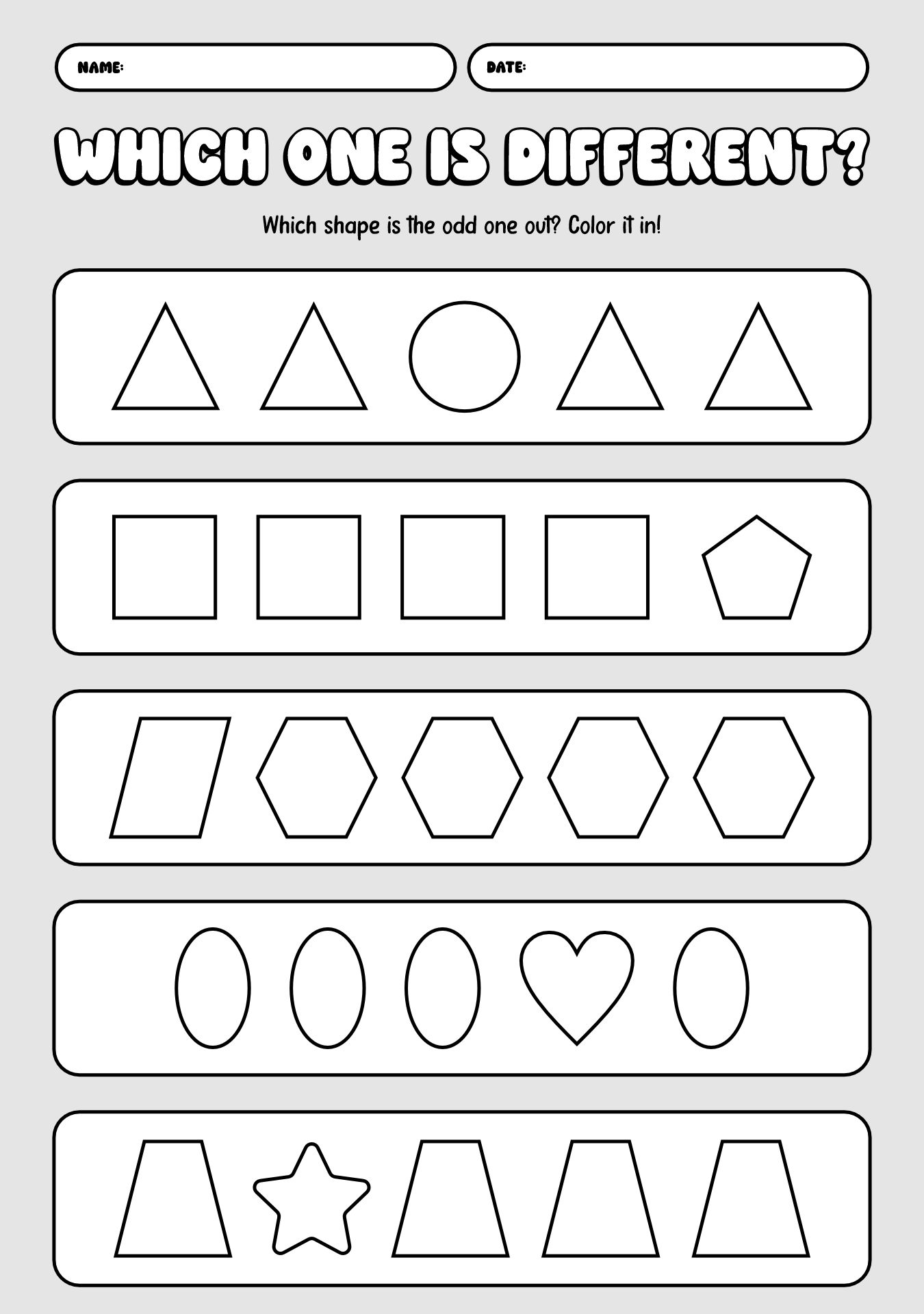
 Early Childhood Shape Identification Worksheets
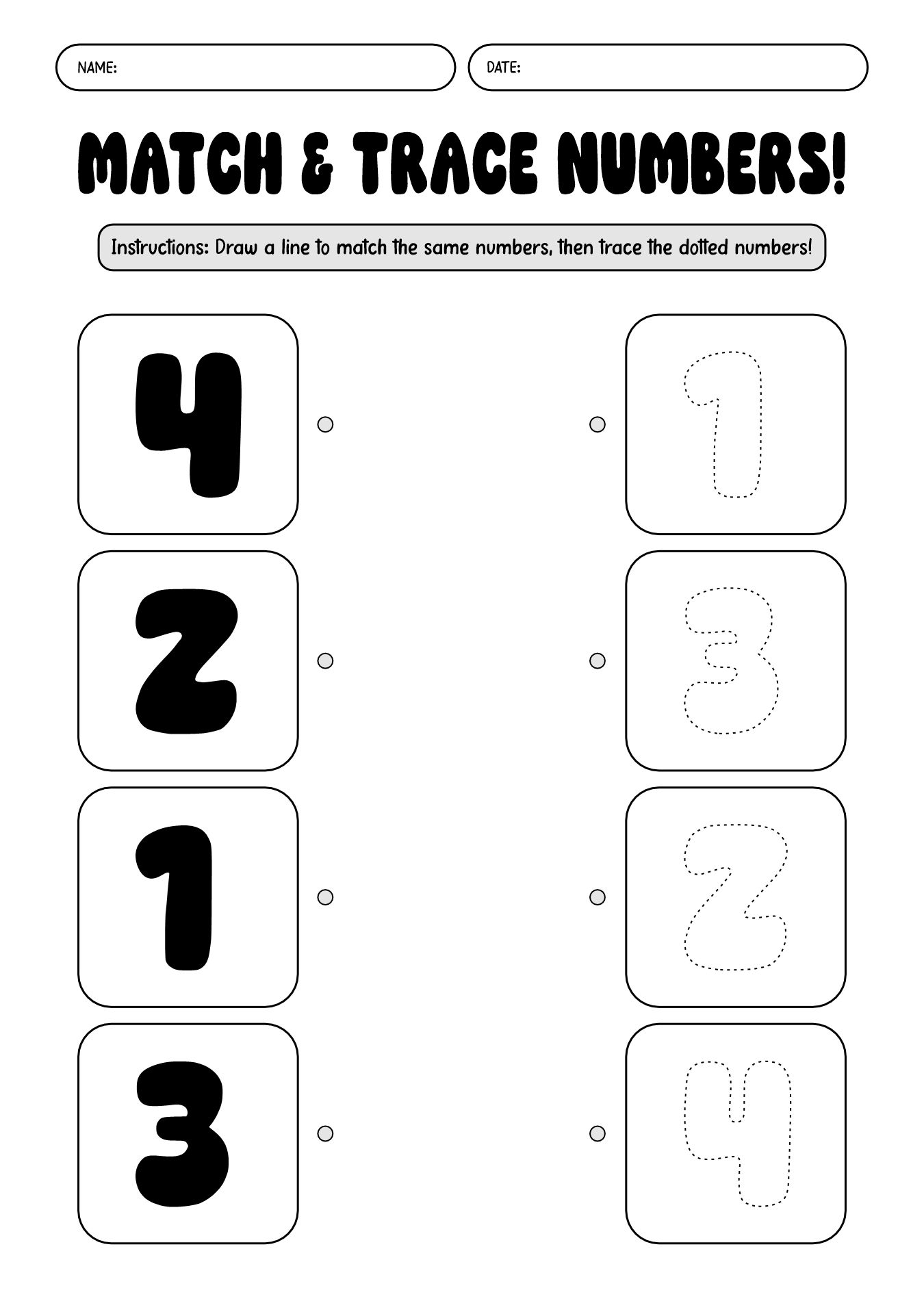
 Preschool Number Matching Exercises
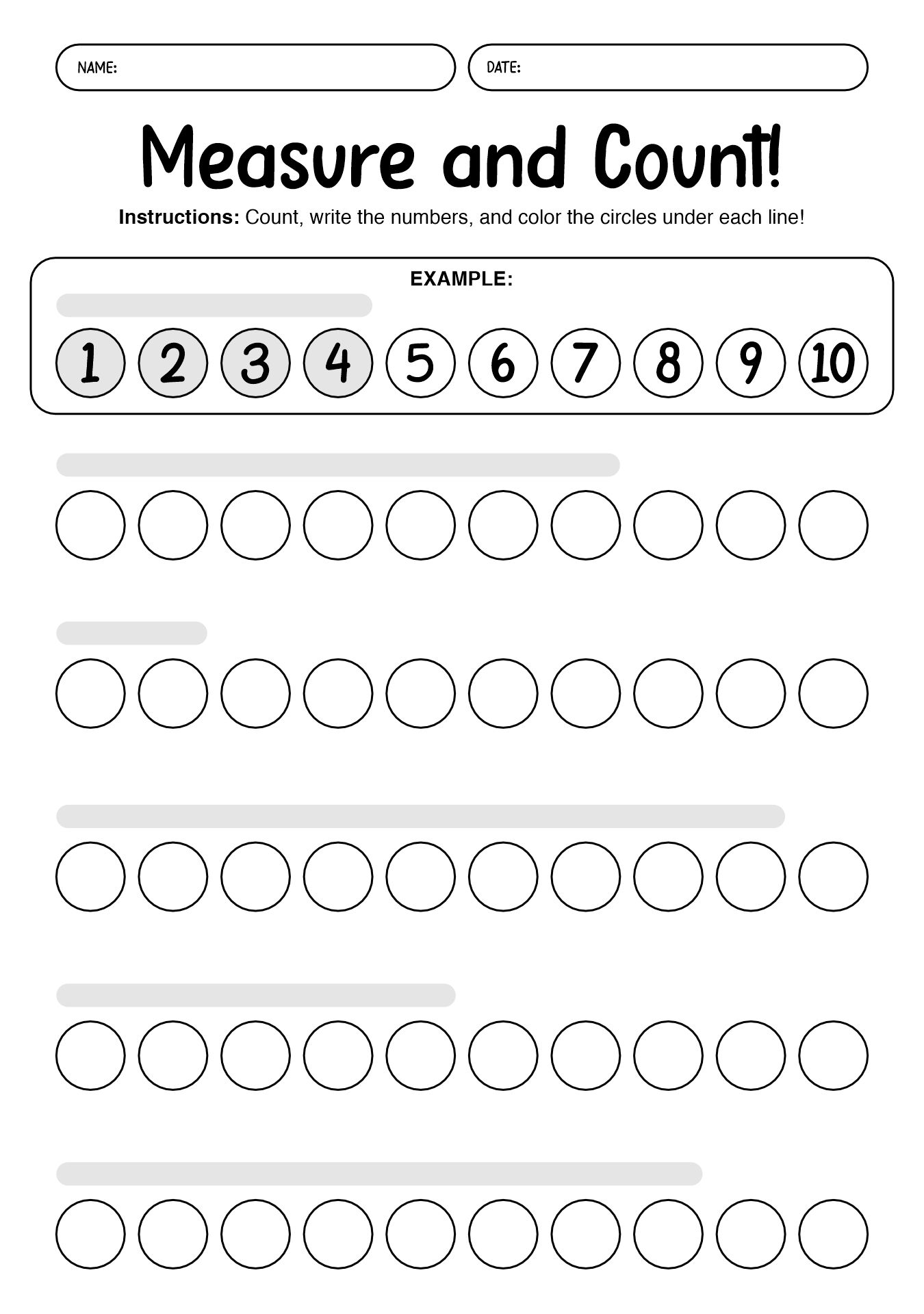
 Pre-Kindergarten Measurement Practice Sheets
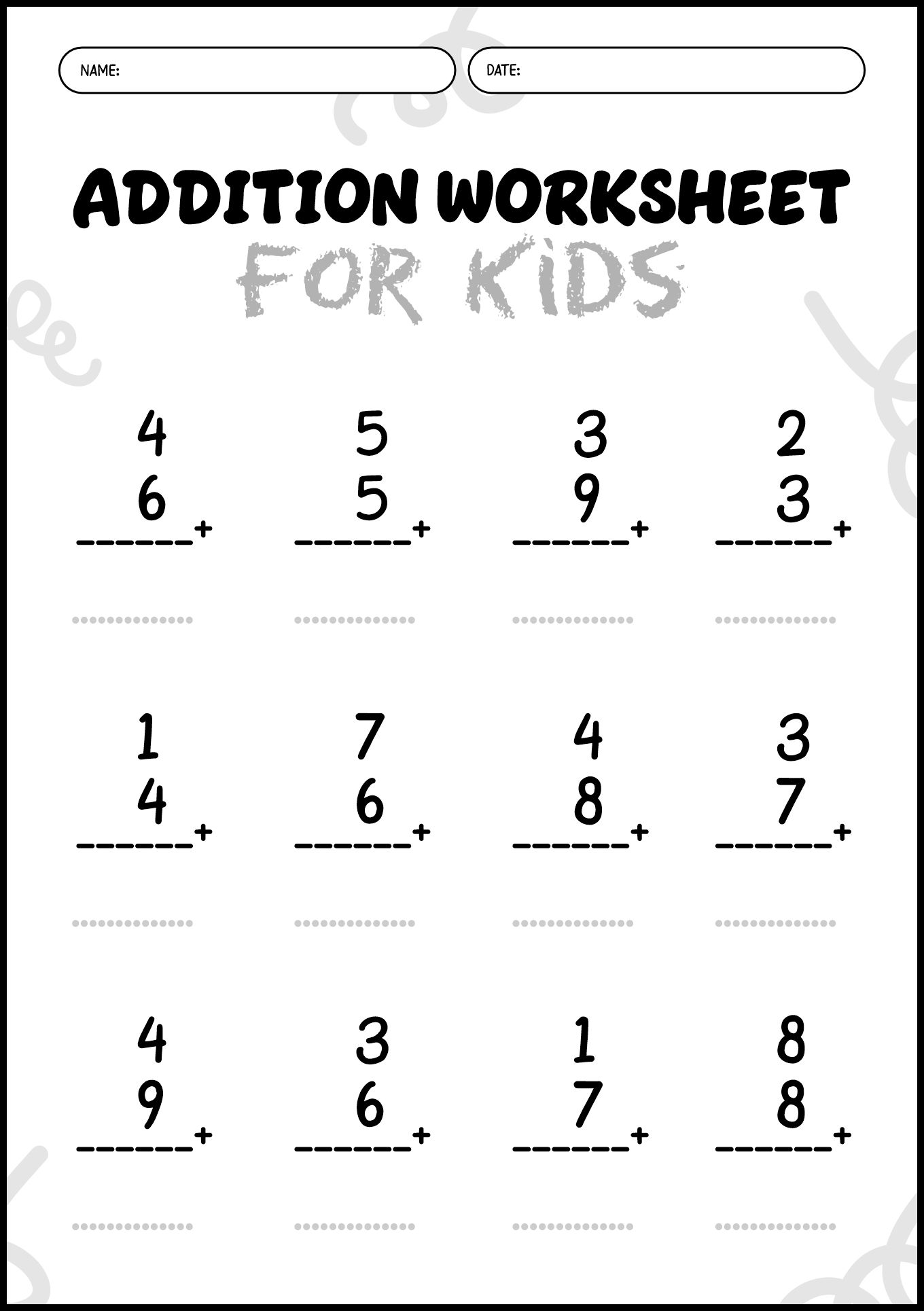
 Early Learners Addition Math Worksheets
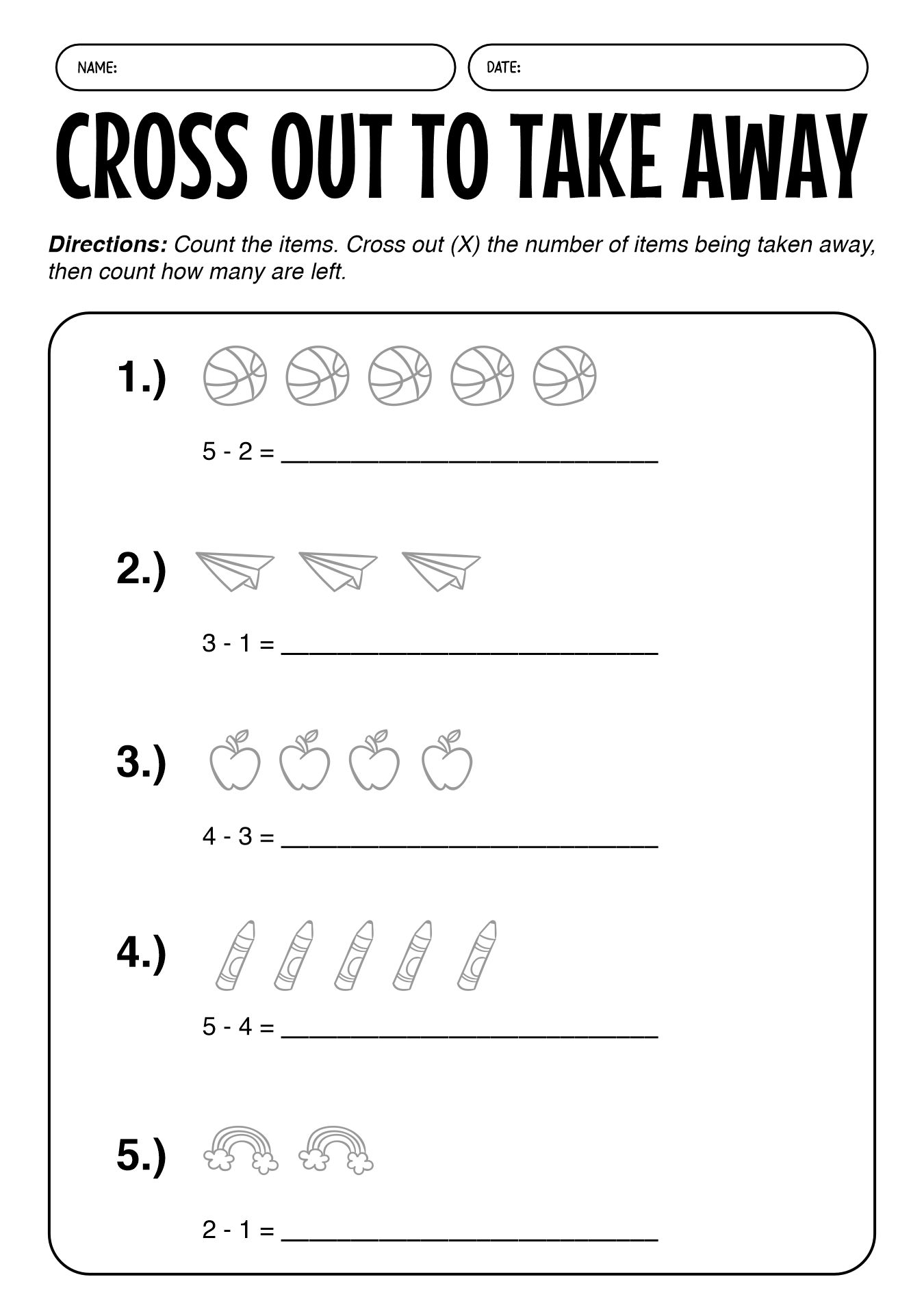
 Pre-K Subtraction Basics Worksheets
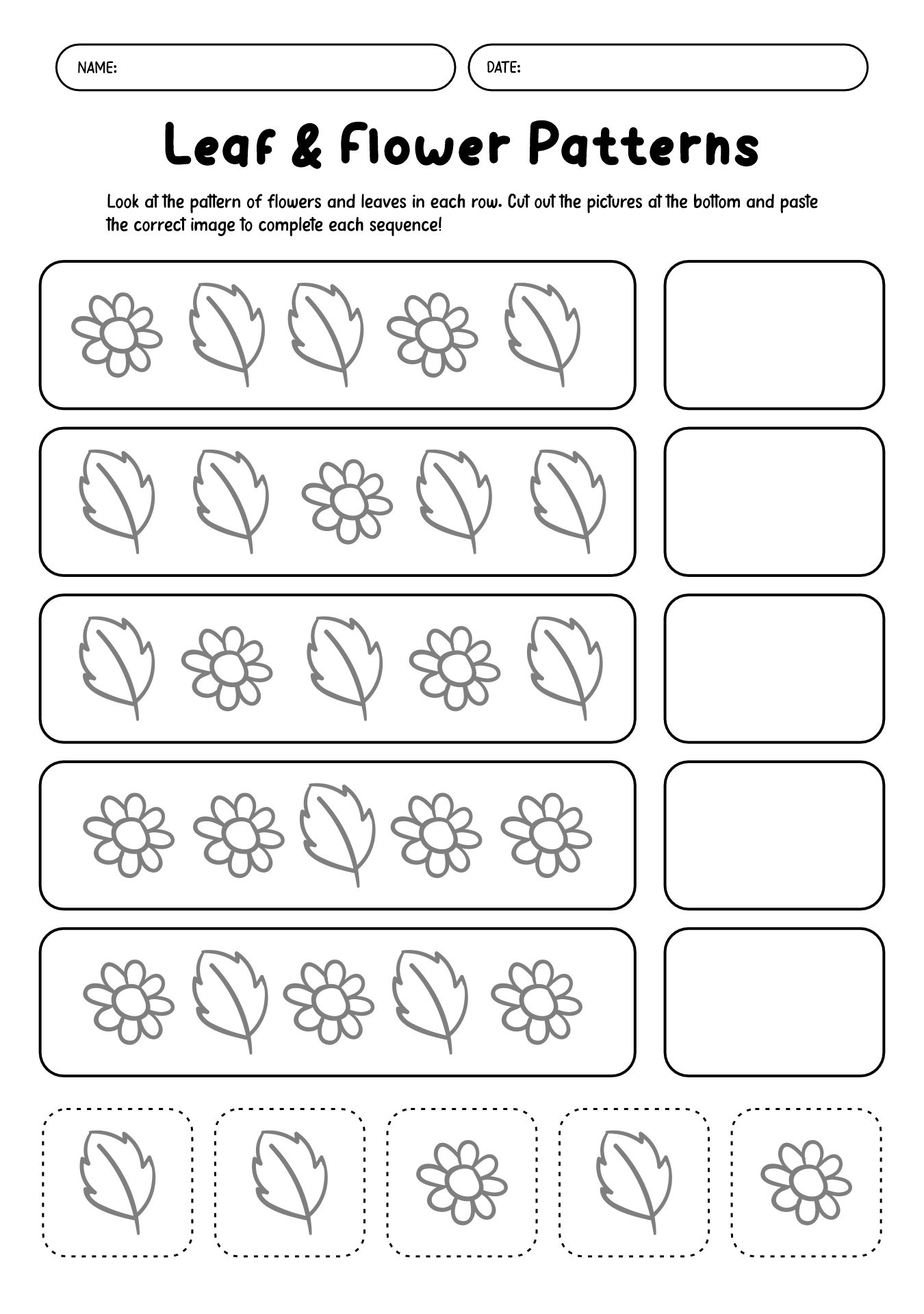
 Preschool Pattern Recognition Activities
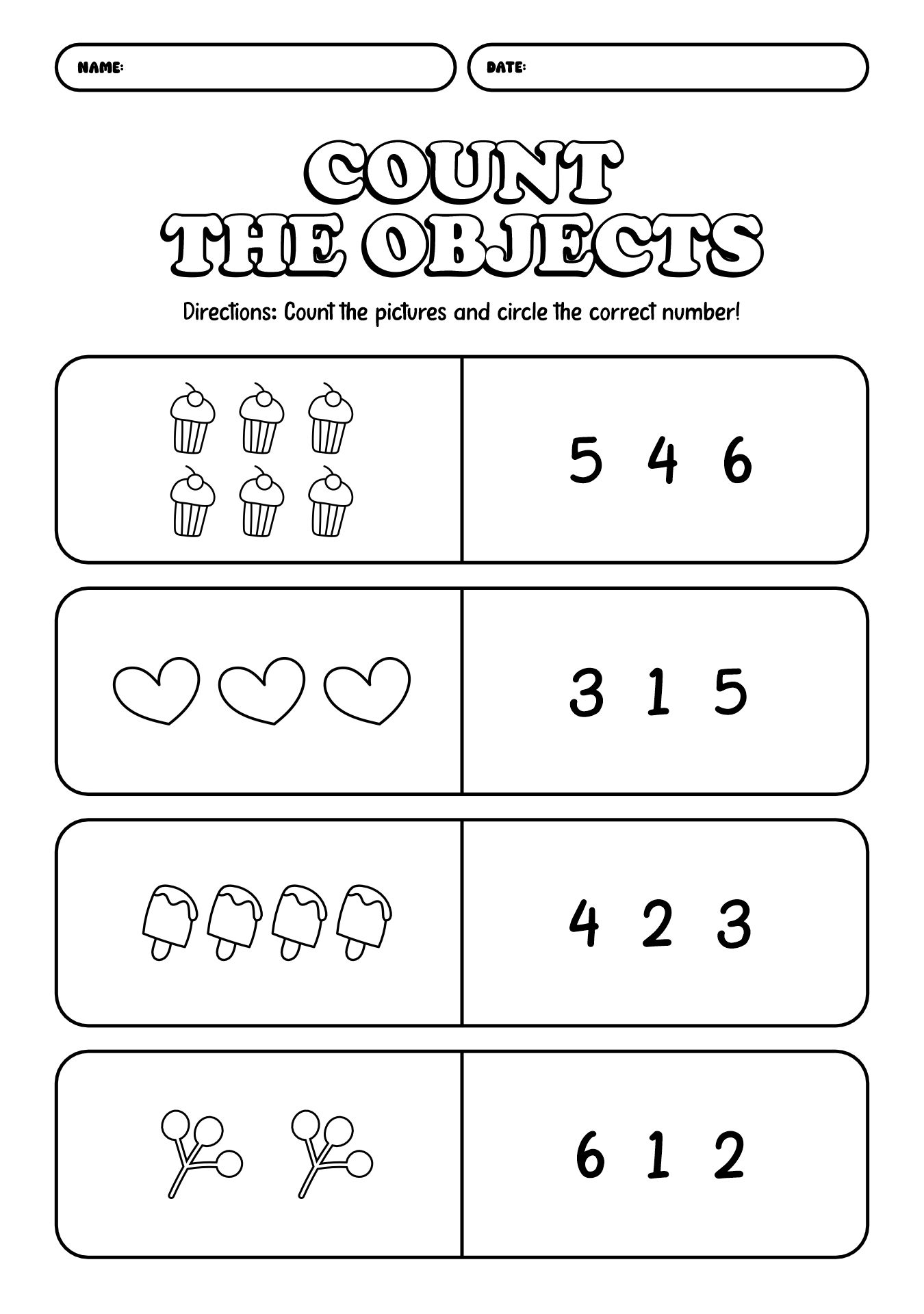
 Pre-K Counting Activity Sheets
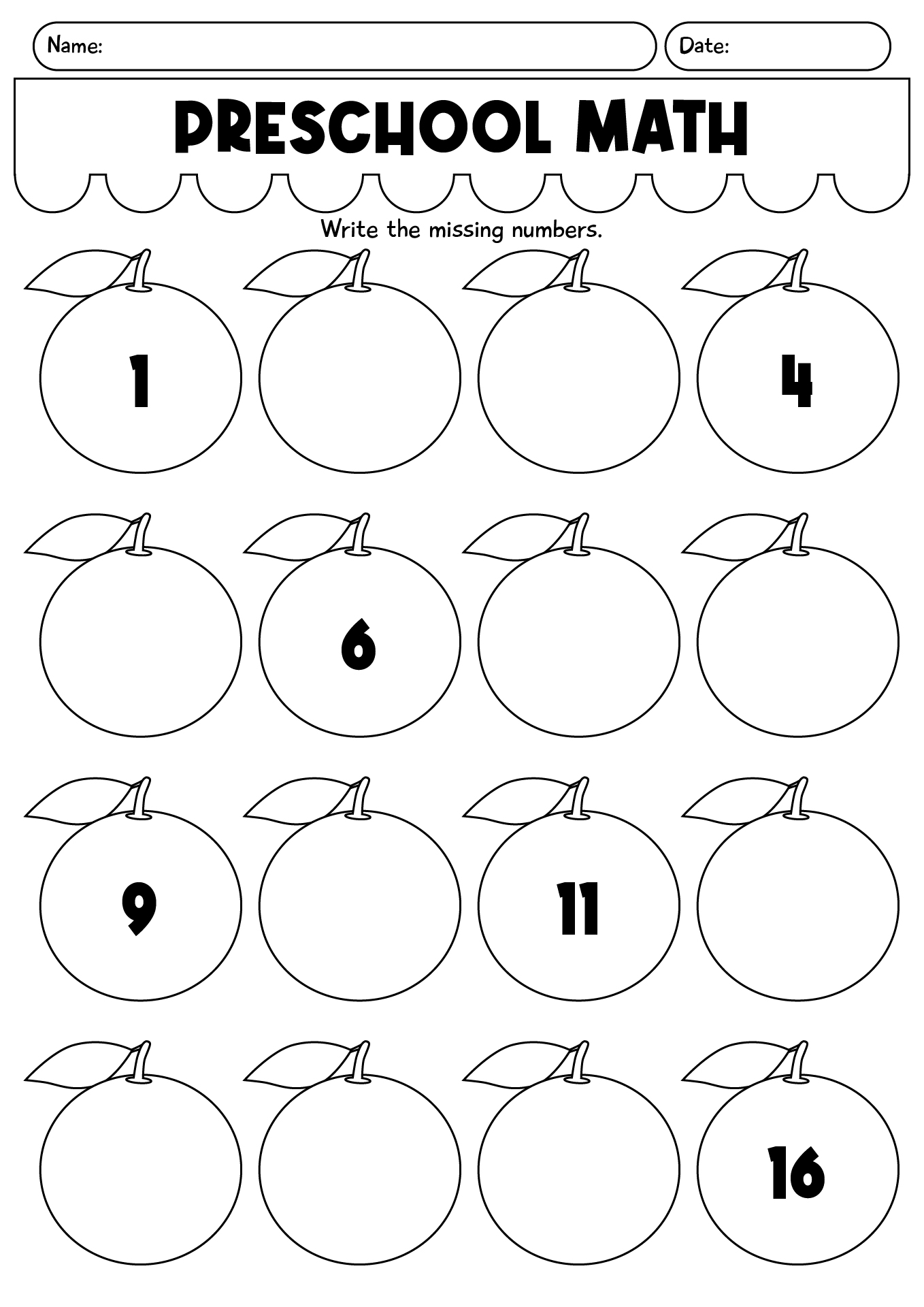
 Preschool Math Practice Worksheet
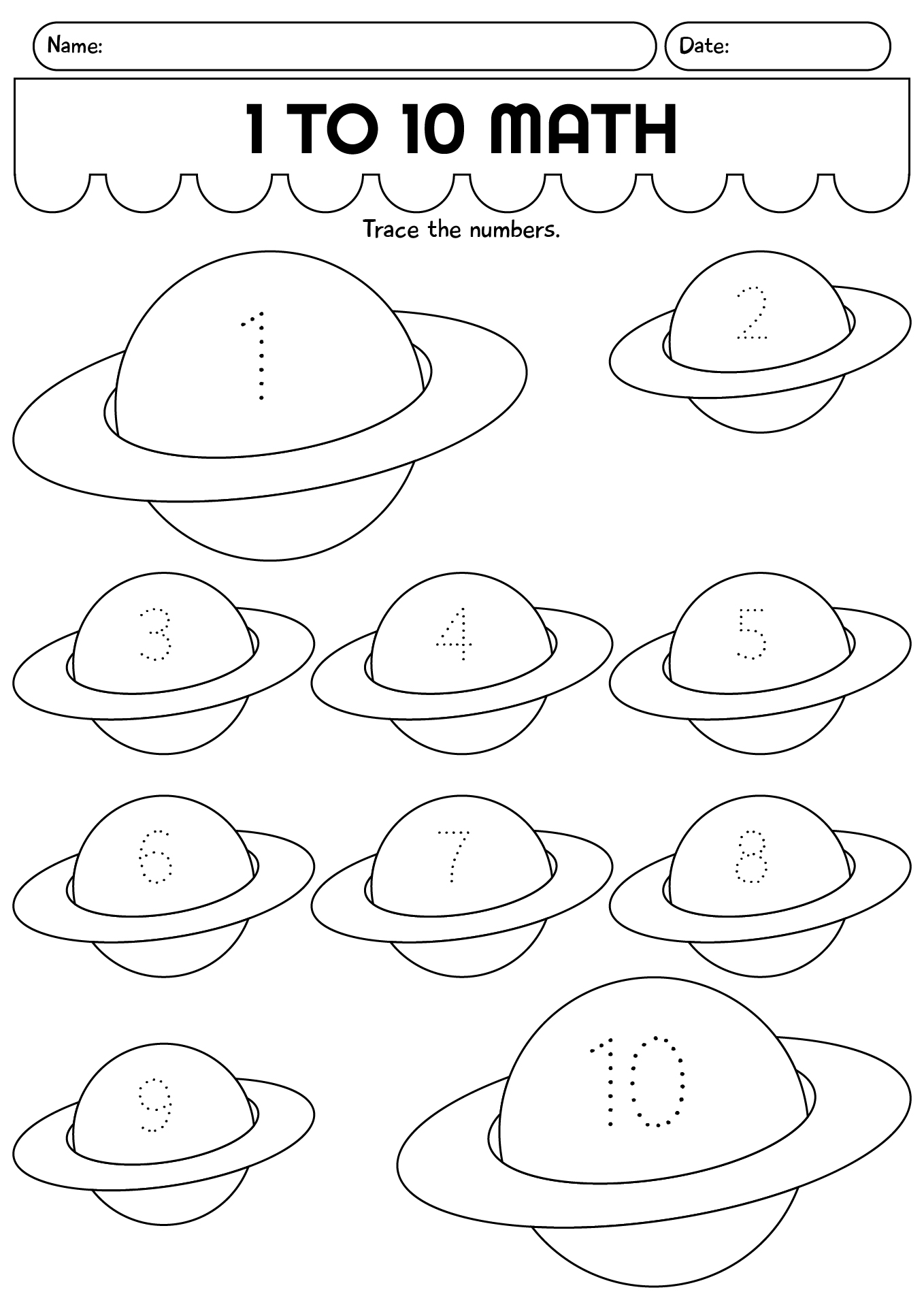
 Numbers 1 To 10 Math Worksheet For Kids
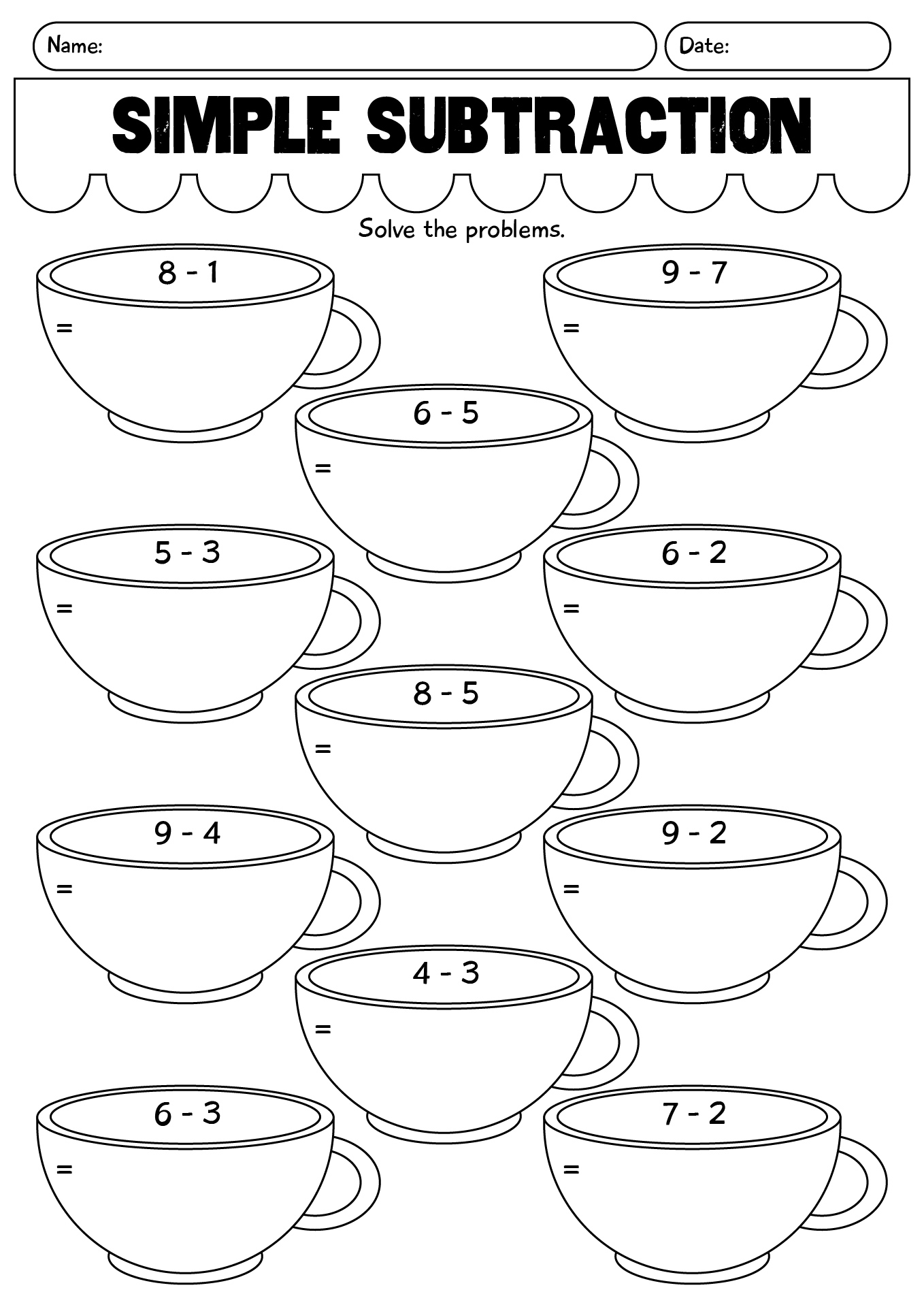
 Simple Subtraction For Preschool Worksheet
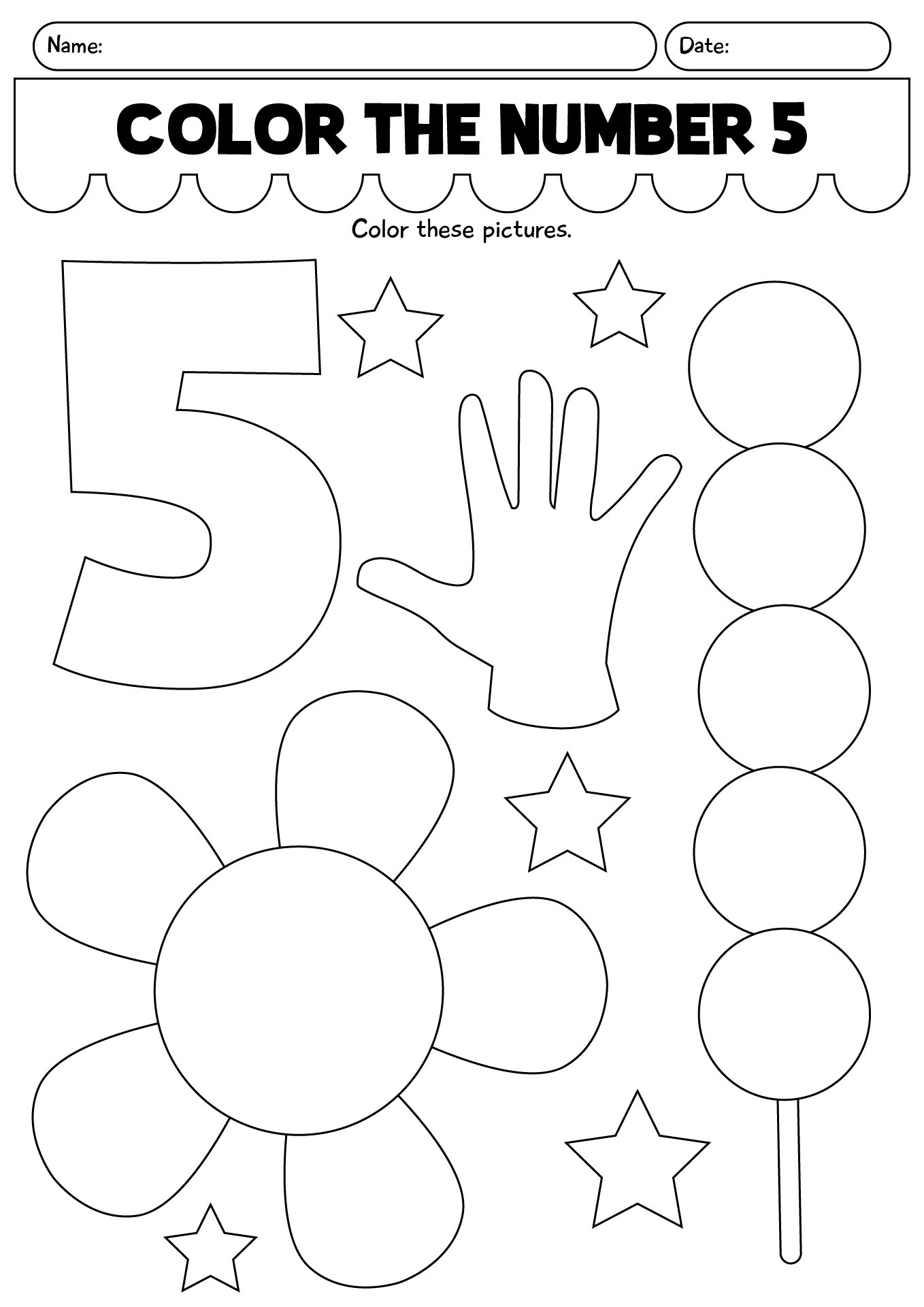
 Color The Number 5 Worksheet
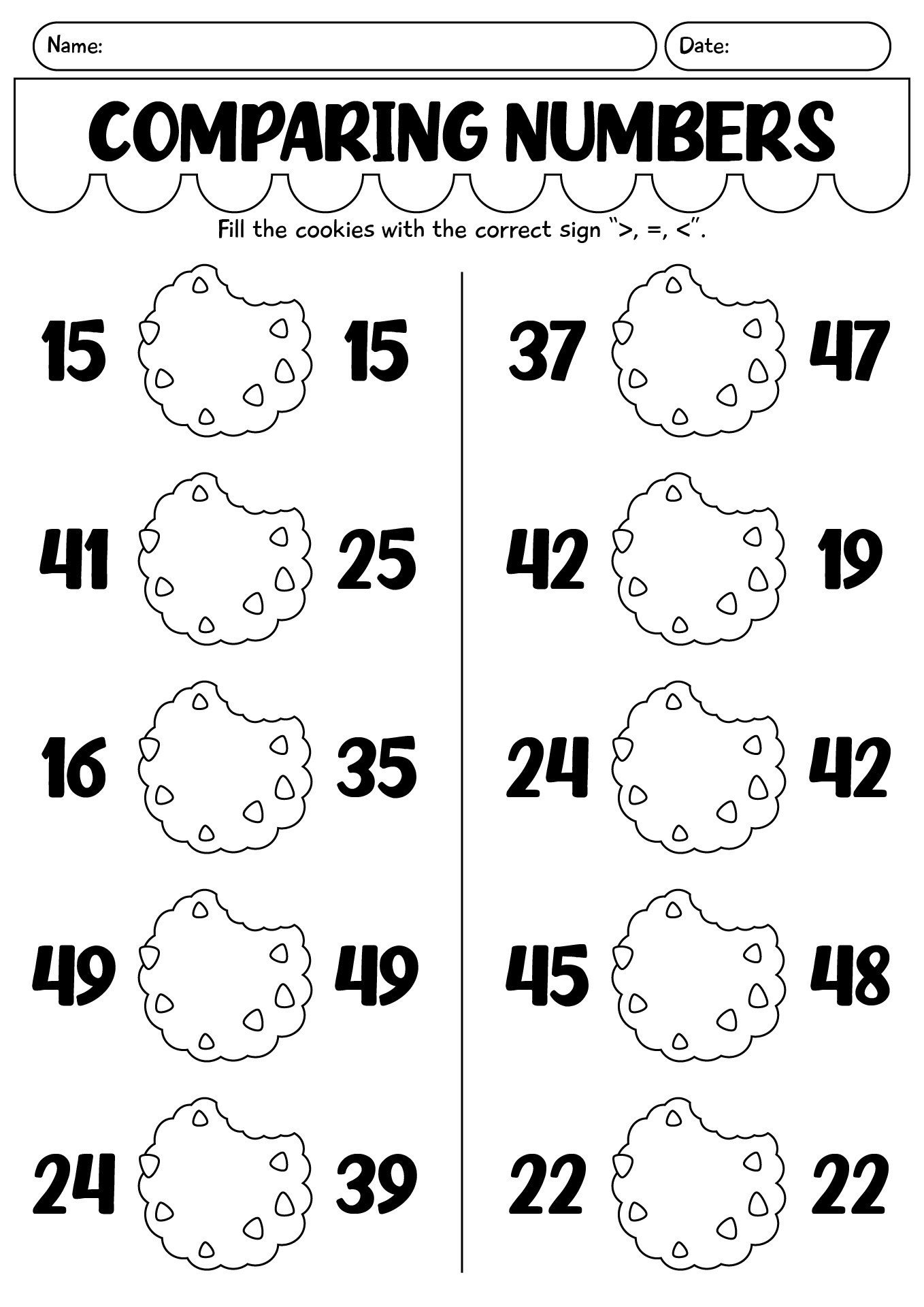
 Comparing Numbers Worksheet For Kids
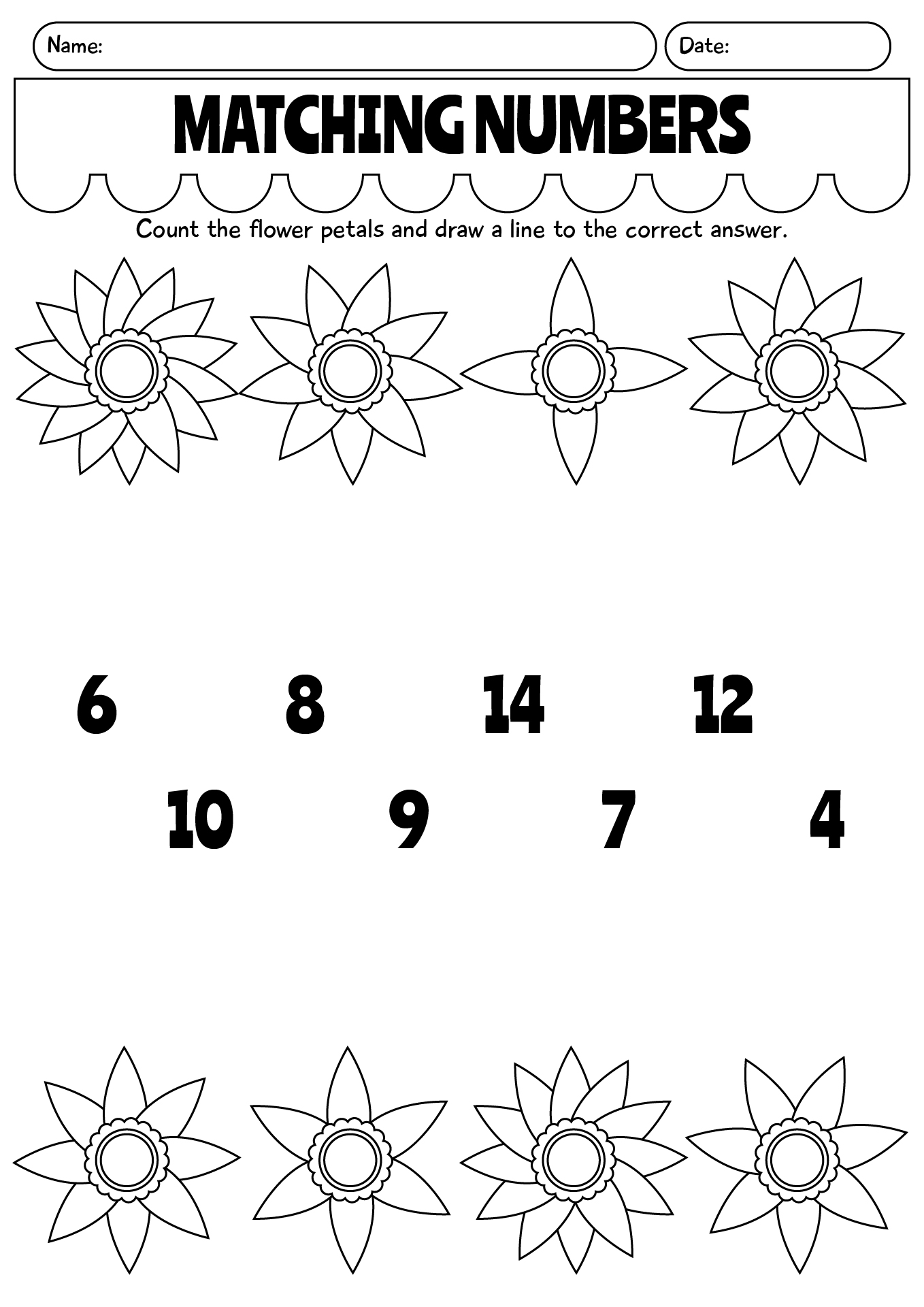
 Matching Numbers Worksheet
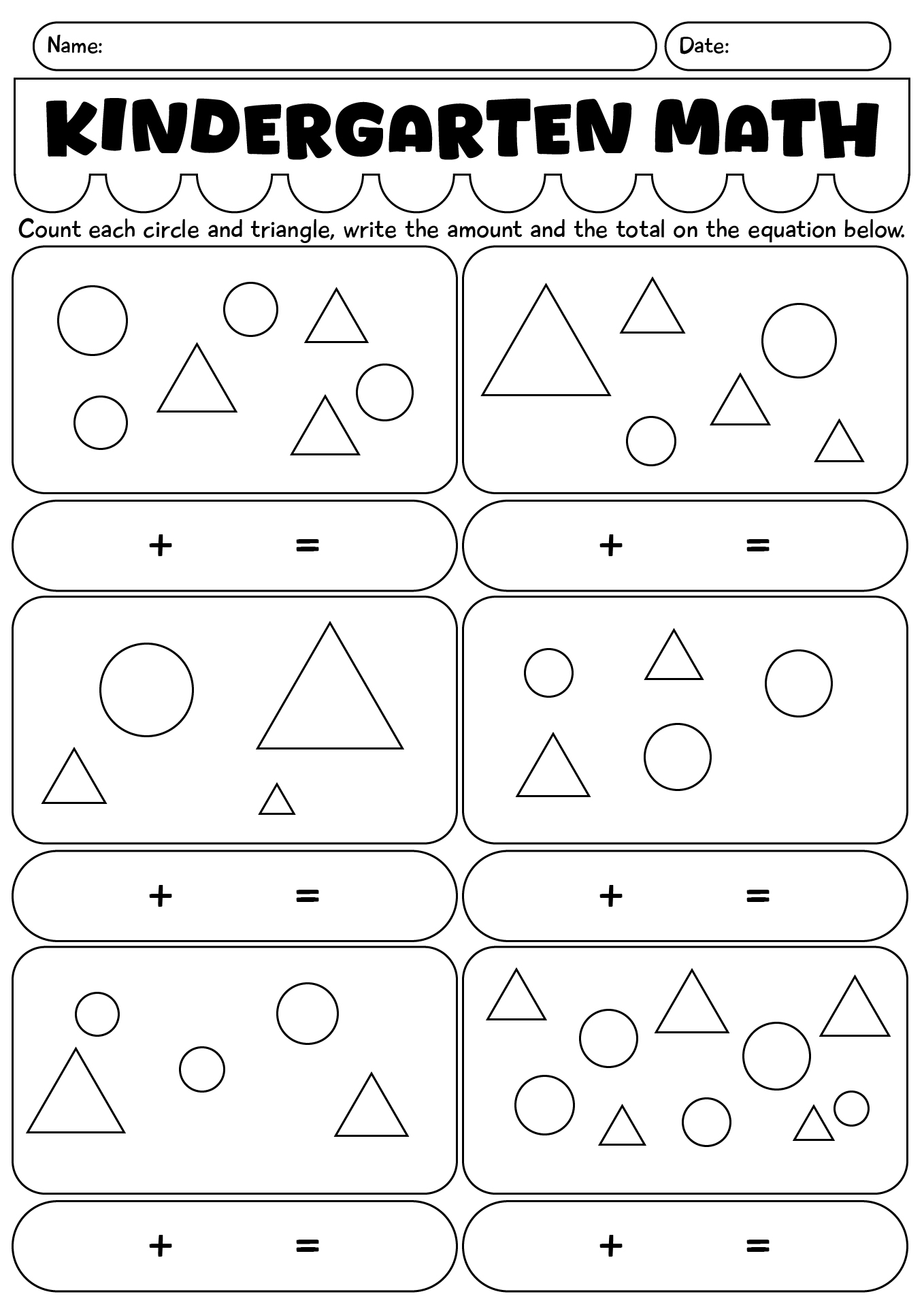
 Kindergarten Simple Math Worksheets
More Math Worksheets
Printable Math WorksheetsMath Worksheets Printable
Printable Math Worksheets Multiplication
Math Worksheets for 2nd Graders
Math Practice Worksheet Grade 6
Math Practice Worksheet Grade 6
Math Multiplication Worksheets
First Grade Subtraction Math Worksheets Printable
Spacecraft Math Practice Worksheet
Math Worksheets Integers
What are Pre-Kindergarten Math Worksheets?
Pre-Kindergarten Math Worksheets are printable learning activities designed to help young children understand basic math concepts before entering kindergarten. These worksheets usually focus on simple and visual exercises that match the learning style of preschool-aged children.
Unlike traditional lessons that feel too formal for younger learners, worksheets for this age group are often filled with pictures, tracing activities, matching games, and playful counting tasks.
Some common activities included in these worksheets are:
- Counting objects
- Number tracing
- Shape recognition
- Sorting and matching
- Simple patterns
- Basic addition concepts
- Comparing sizes like big and small
How Can Pre-Kindergarten Math Worksheets Make Number Practice Less Boring?
One reason children sometimes dislike early math practice is repetition. If they are only asked to repeat numbers over and over again, they may quickly lose focus. Fortunately, Pre-Kindergarten Math Worksheets can turn number learning into something much more exciting.
Young kids naturally enjoy activities that feel playful. Worksheets that include pictures, games, and colorful exercises can make number practice feel less like homework and more like fun exploration.
Here are a few ways these math worksheets help reduce boredom:
They Use Visual Learning
Children at this age often understand visuals faster than explanations. Worksheets with animals, fruits, stars, or toys help make counting more relatable and enjoyable.
They Include Hands-On Activities
Many worksheets allow children to:
- Trace numbers
- Draw lines
- Match objects
- Color pictures
- Cut and paste shapes
They Break Learning into Small Steps
Instead of overwhelming children with difficult math problems, worksheets introduce concepts slowly. A child may first count three apples before eventually learning larger numbers later.
They Feel Like Games
Some preschool math worksheets include puzzles, mazes, or matching activities that feel entertaining rather than academic. This creates a more relaxed learning experience.
What Skills Can Children Build with Pre-Kindergarten Math Worksheets?
Early Number Recognition
Children begin identifying numbers visually and understanding what those numbers represent. Seeing the number “5” alongside five objects helps connect symbols with quantity.
Fine Motor Skills
Tracing numbers, coloring shapes, and drawing lines strengthen hand coordination and pencil control, which are important for future writing skills.
Problem-Solving Skills
Simple math exercises encourage children to think carefully and make decisions independently. Even basic matching activities help develop logical thinking.
Pattern Recognition
Patterns are one of the earliest math concepts children learn. Recognizing repeated colors, shapes, or numbers builds critical thinking skills.
Focus and Patience
Completing a worksheet teaches children to follow instructions and stay focused on one activity for a short period of time.
Confidence in Learning
One underrated benefit of worksheets is confidence building. When children complete an activity successfully, they feel proud of themselves. That positive feeling can encourage them to keep learning.
What Are Creative Pre-Kindergarten Math Worksheets for Learning Measurements?
Measurement activities can be surprisingly fun for young learners when introduced creatively. Instead of teaching complicated units, Pre-Kindergarten Math Worksheets usually focus on simple comparisons and observations that children can easily understand.
At this stage, measurement learning often includes concepts like:
- Tall vs short
- Heavy vs light
- Long vs short
- Full vs empty
- Big vs small
Comparing Everyday Objects
Children look at pictures of pencils, animals, or cups and decide which one is longer or bigger.
Coloring Activities
Some worksheets ask kids to color the tallest tree or circle the smallest object. These simple exercises make learning measurements feel interactive.
Cut-and-Paste Sorting
Hands-on activities where children sort objects by size can improve both math understanding and motor skills.
Real-Life Connections
One of the best things about measurement worksheets is that parents and teachers can easily continue the lesson outside the paper activity.
For example:
- Compare shoe sizes
- Measure toy lengths
- Sort snacks by size
- Talk about heavy and light objects at home
This helps children understand that math exists in everyday life, not only inside classrooms.
What Should Parents Look for in Pre-Kindergarten Math Worksheets?
Simple and Age-Appropriate Design
Young children can become distracted if a worksheet contains too much text or crowded visuals. Worksheets with simple instructions and organized layouts are often easier for children to understand.
Engaging Visuals
Worksheets with friendly illustrations, animals, shapes, and fun themes tend to hold children’s attention longer.
Variety of Activities
A good worksheet collection should include multiple activity types, such as:
- Counting
- Matching
- Tracing
- Coloring
- Patterns
- Shape recognition
Gradual Difficulty
The best worksheets start with easy exercises and slowly increase in difficulty. Children build confidence more effectively when lessons progress naturally.
Printable and Easy to Use
Parents and teachers often prefer worksheets that are simple to download and print without complicated setup.
If you are currently searching for fun and engaging printable activities, our free worksheet collection is designed to support early learners in a simple and enjoyable way. We created these activities to help children practice foundational math skills while still feeling excited about learning.
So, try our free Pre-Kindergarten Math Worksheets and make early math practice feel more enjoyable every day!


Have something to share?
Popular Categories
Who is Worksheeto?
At Worksheeto, we are committed to delivering an extensive and varied portfolio of superior quality worksheets, designed to address the educational demands of students, educators, and parents.

Comments