
Phonics Short Vowels Worksheets for First Grade
Learning to read is a journey filled with small discoveries. For many first graders, recognizing sounds and connecting them with letters is one of the first steps toward becoming confident readers. A Phonics Short Vowels Worksheets for First Grade collection can help children practice these essential skills through simple, engaging activities that feel less like a difficult lesson and more like a fun challenge.
With activities that encourage children to listen, identify, and work with vowel sounds, these resources help create positive learning experiences while building the foundation needed for future reading success.
So, let's dive deeper into these Short Vowels Worksheets and explore how these fun learning tools can support children on their journey to becoming confident readers!
Table of Images 👆
- First Grade Phonics Worksheets
- Free First Grade Phonics Worksheets
- Free Fun Phonics Worksheets
- Short E Sound Words
- Color by Short Vowel Sound
- Free Short Vowel Worksheets for First Grade
- Free Printable R Controlled Phonics Worksheets
- Printable R Controlled Vowels Worksheets
- Beginner Phonics Short Vowel Worksheets For First Grade
- Grade 1 Phonics Practice With Short Vowel Sounds
- Phonics Short Vowels Practice Worksheets For 1st Graders
- First Grade Phonics Worksheets For Short Vowel Sounds
- Phonics Short Vowel Sound Worksheets For Grade 1
- Phonics Worksheets On Short Vowels For 1st Grade Students
- Short Vowel Phonics Worksheets For 1st Grade
 15 Images of Phonics Short Vowels Worksheets For First Grade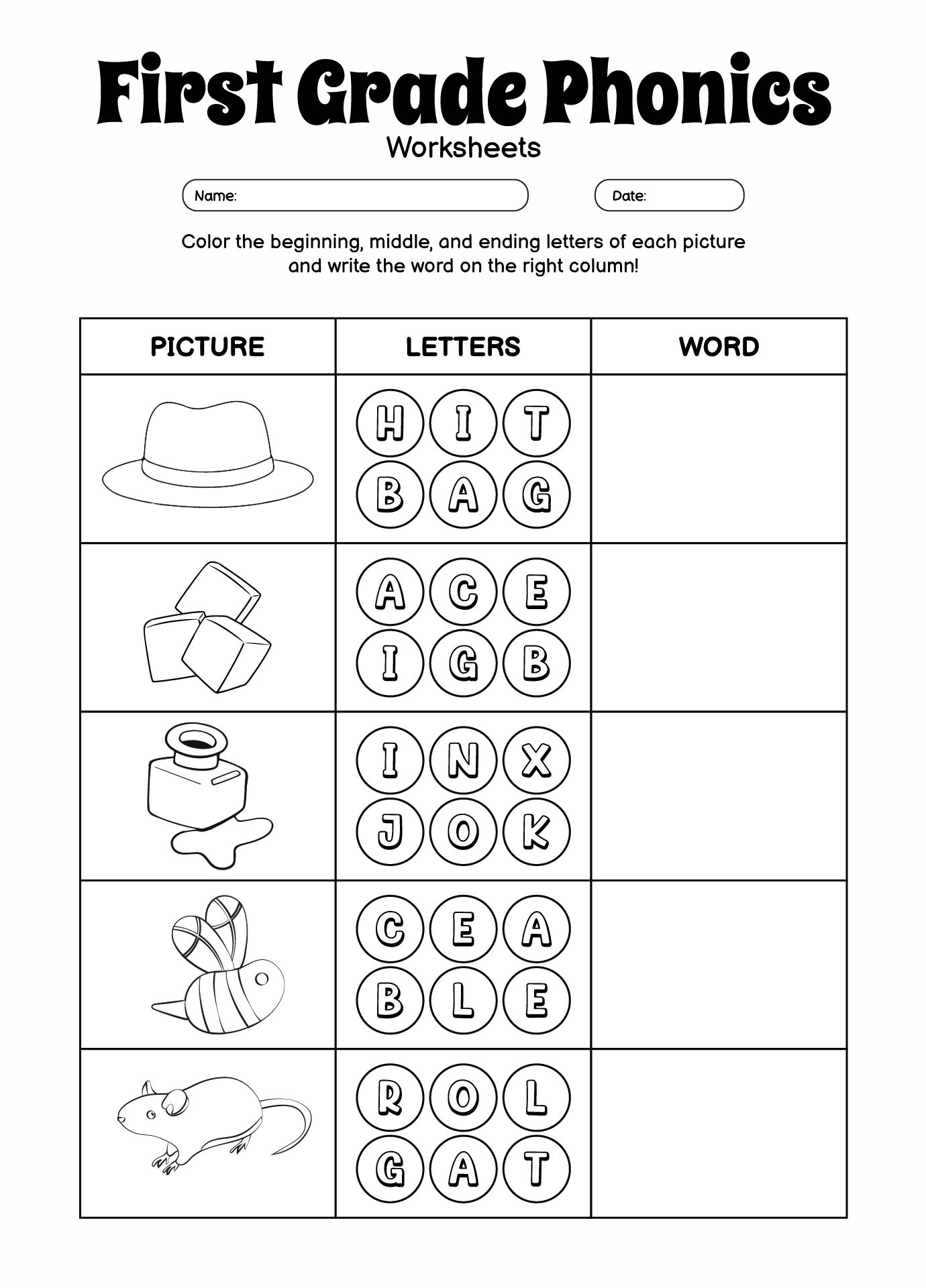
 First Grade Phonics Worksheets

 Free First Grade Phonics Worksheets
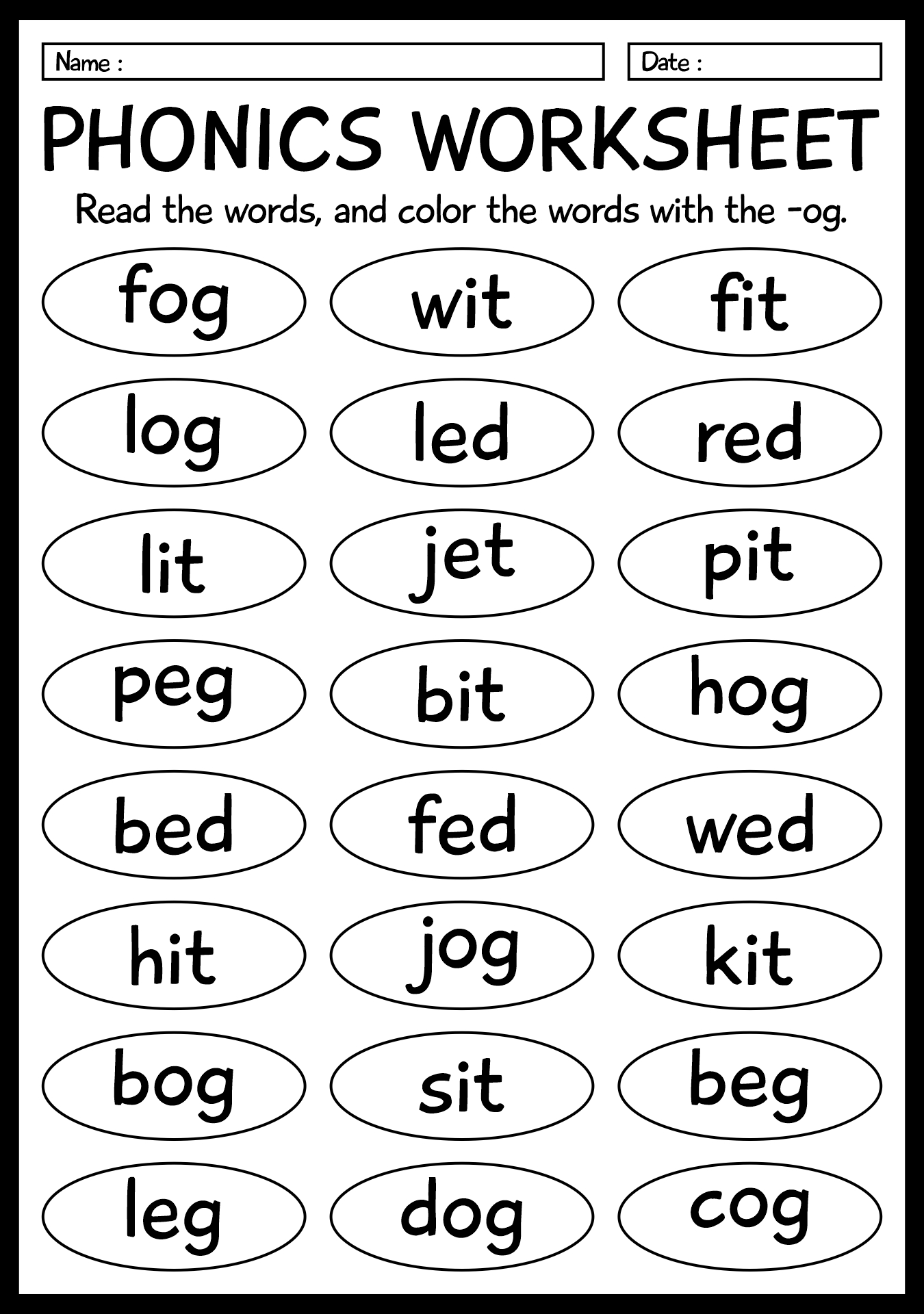
 Free Fun Phonics Worksheets
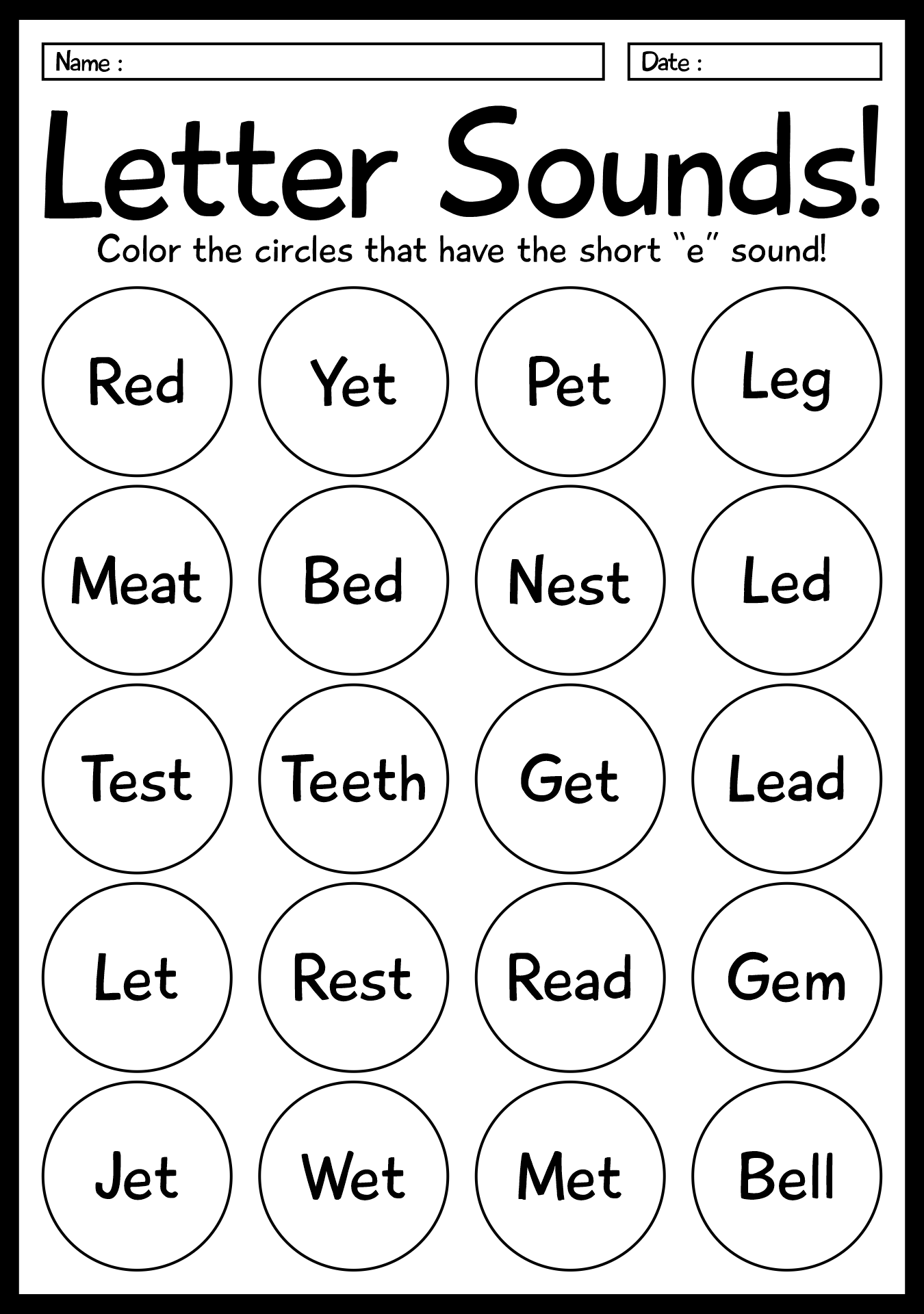
 Short E Sound Words
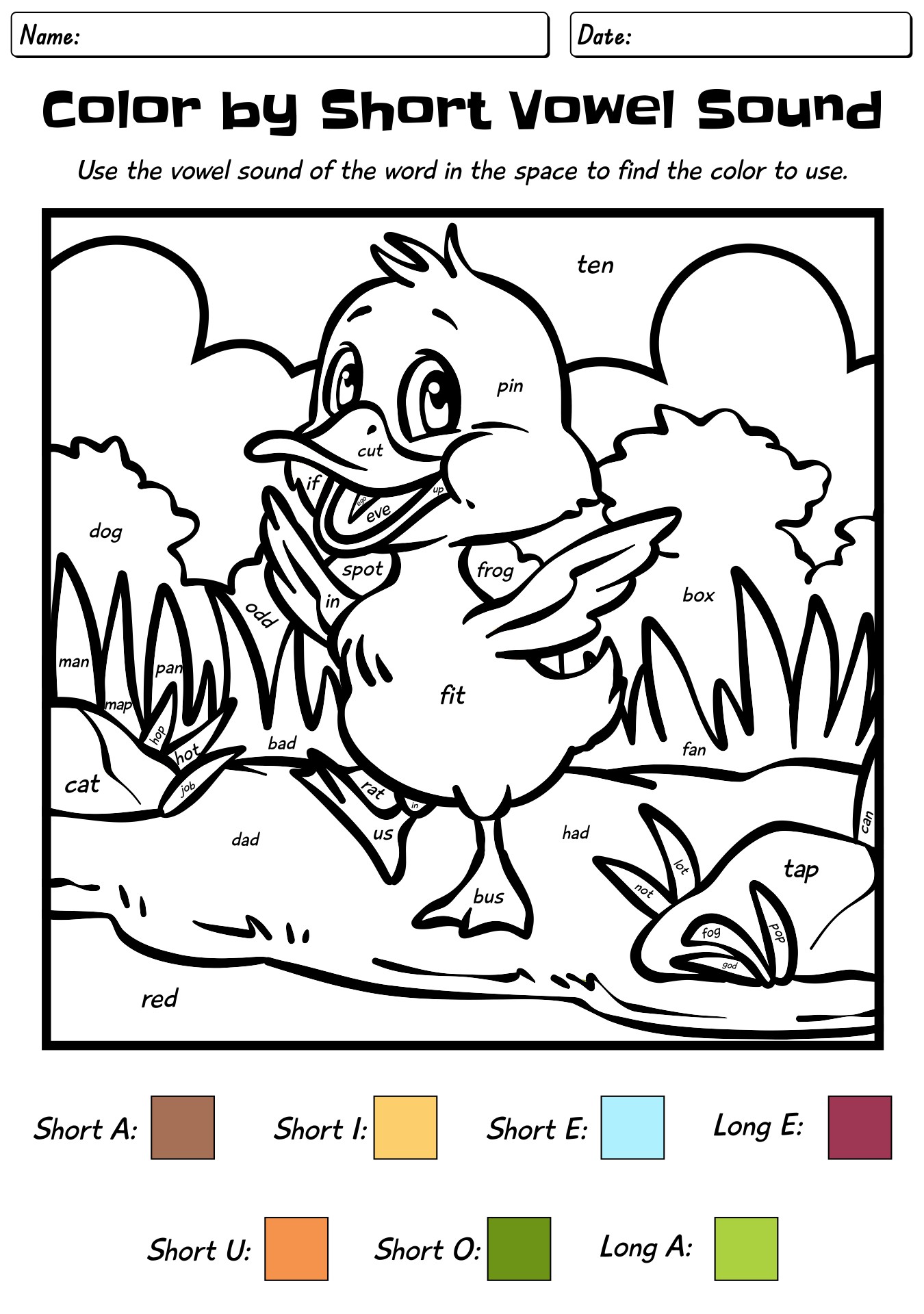
 Color by Short Vowel Sound
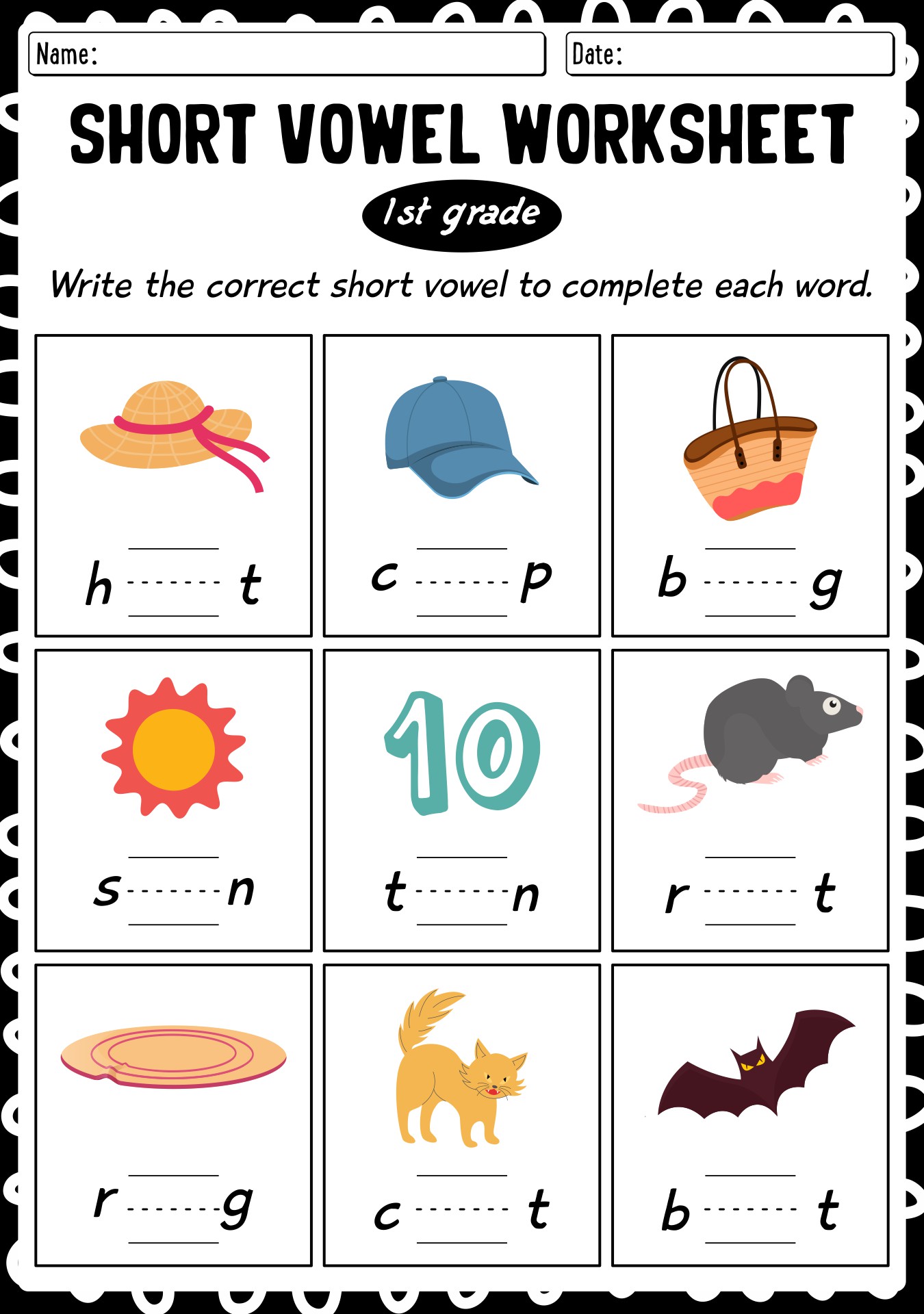
 Free Short Vowel Worksheets for First Grade
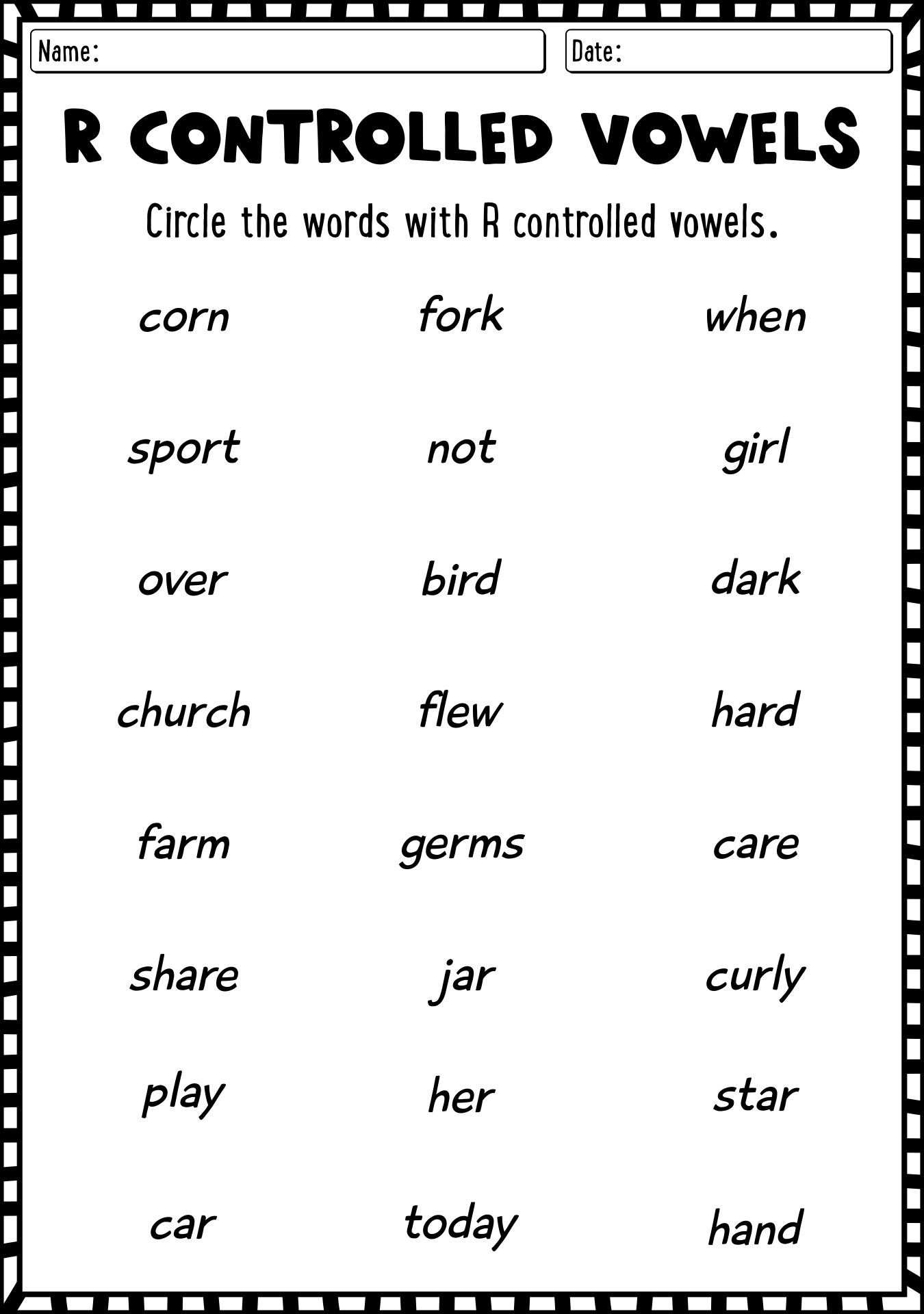
 Free Printable R Controlled Phonics Worksheets
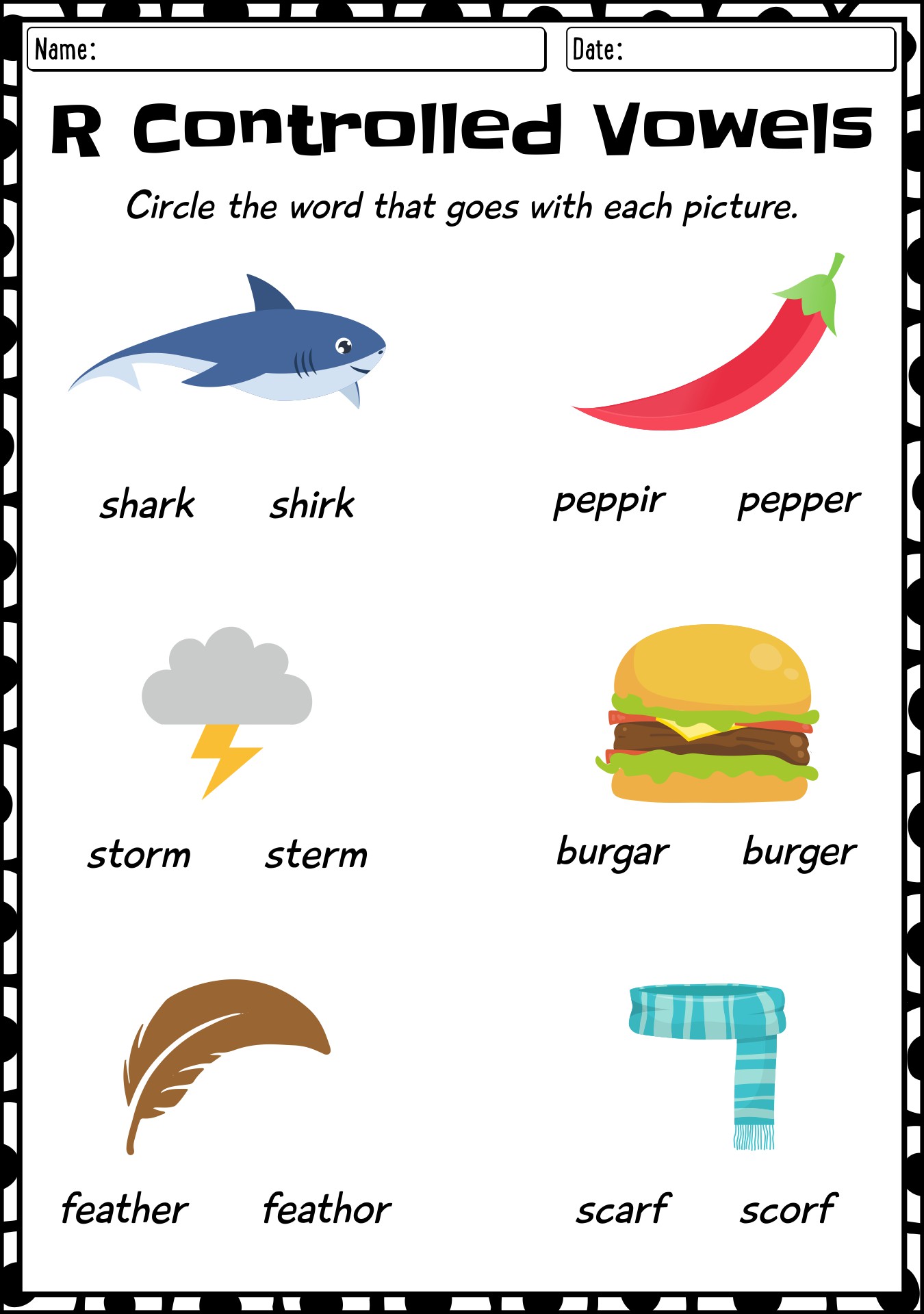
 Printable R Controlled Vowels Worksheets
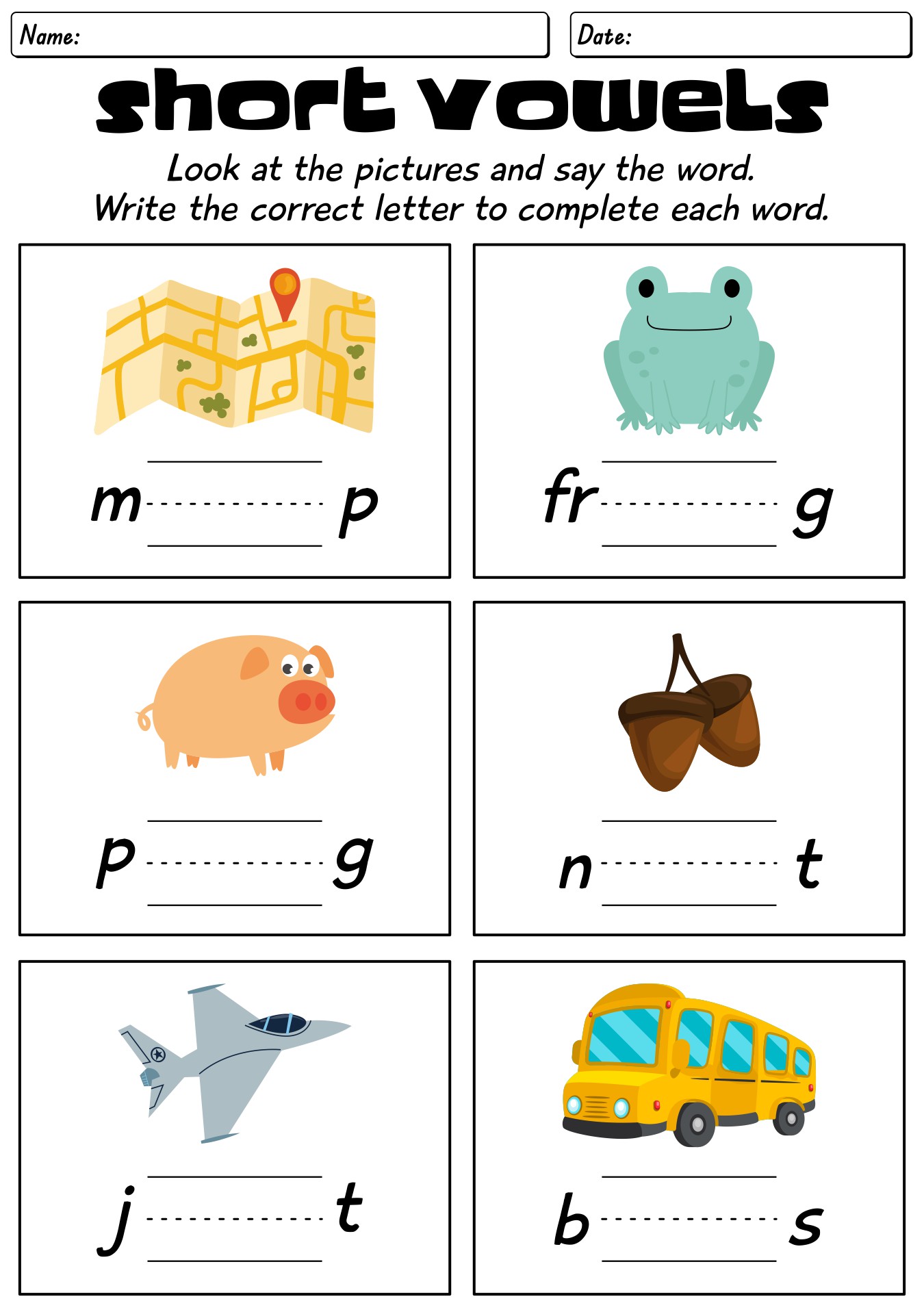
 Beginner Phonics Short Vowel Worksheets For First Grade
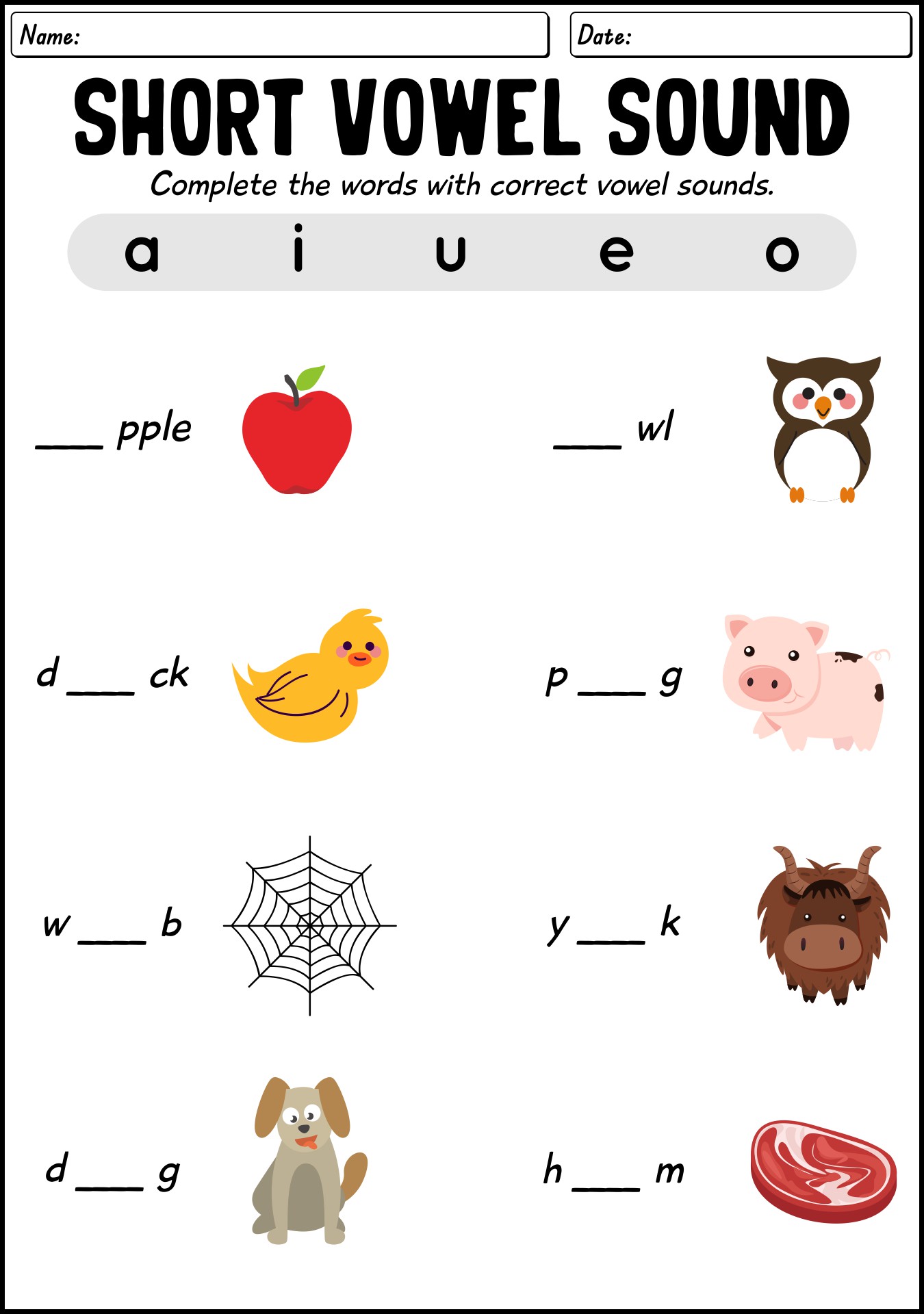
 Grade 1 Phonics Practice With Short Vowel Sounds
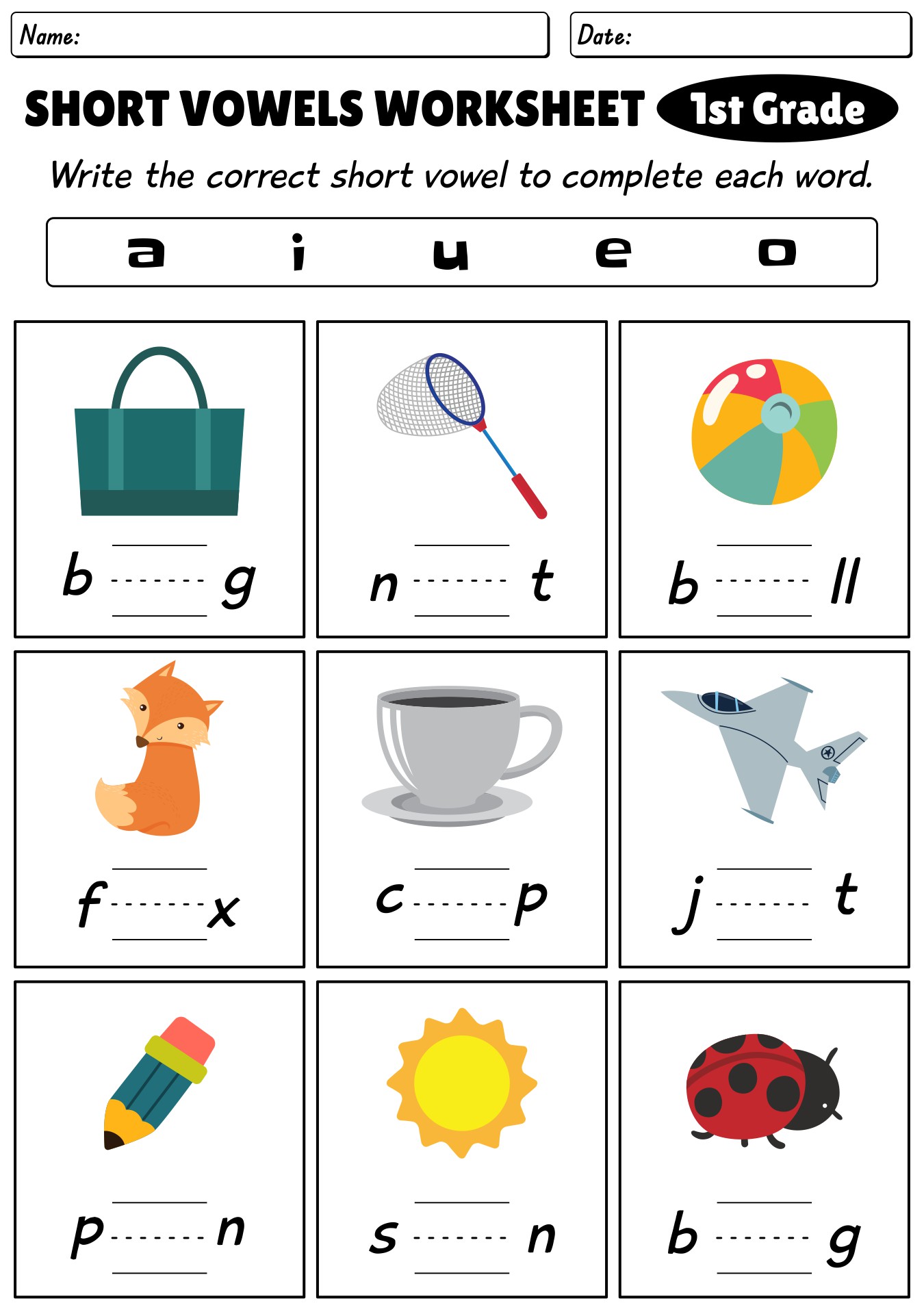
 Phonics Short Vowels Practice Worksheets For 1st Graders
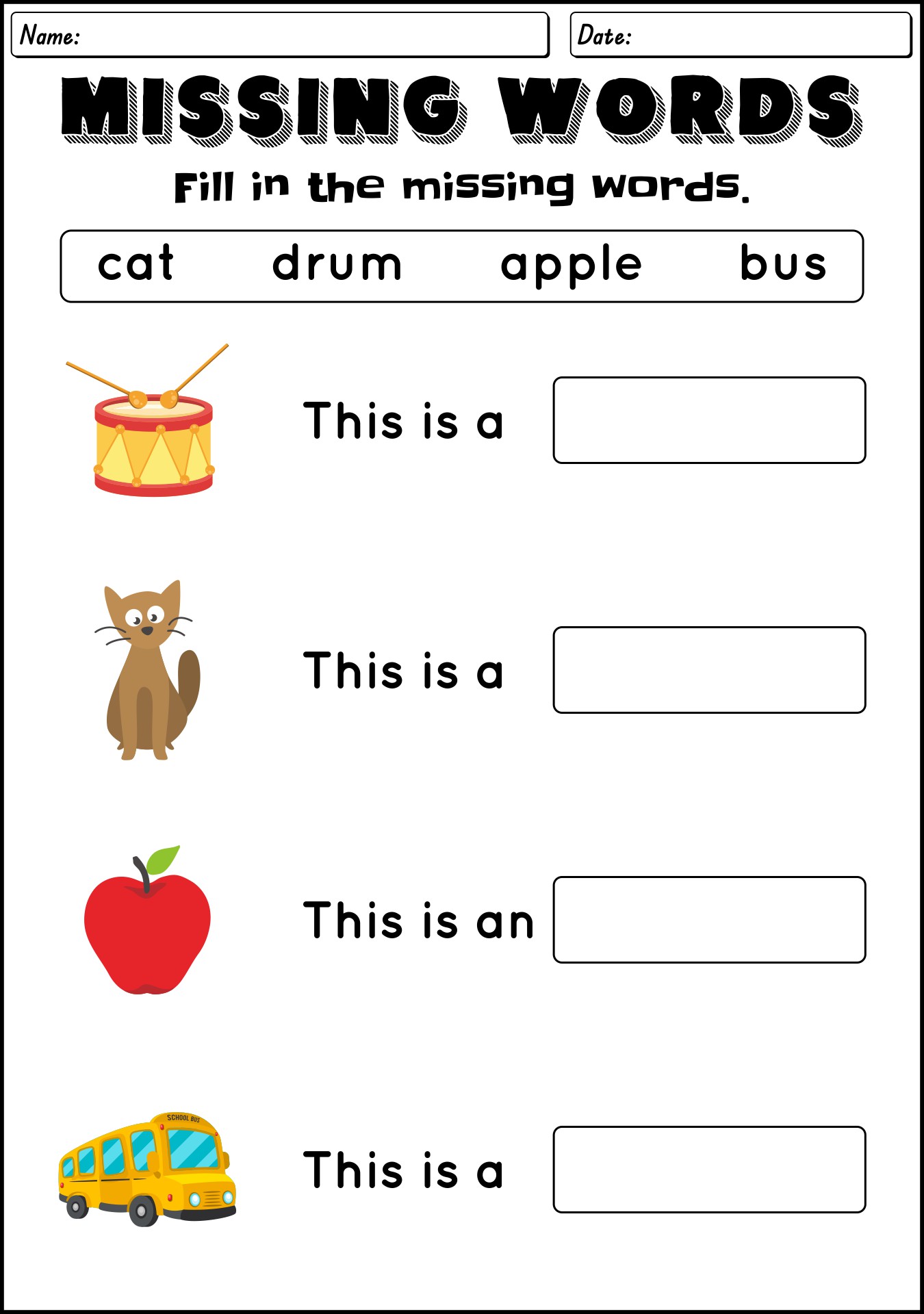
 First Grade Phonics Worksheets For Short Vowel Sounds
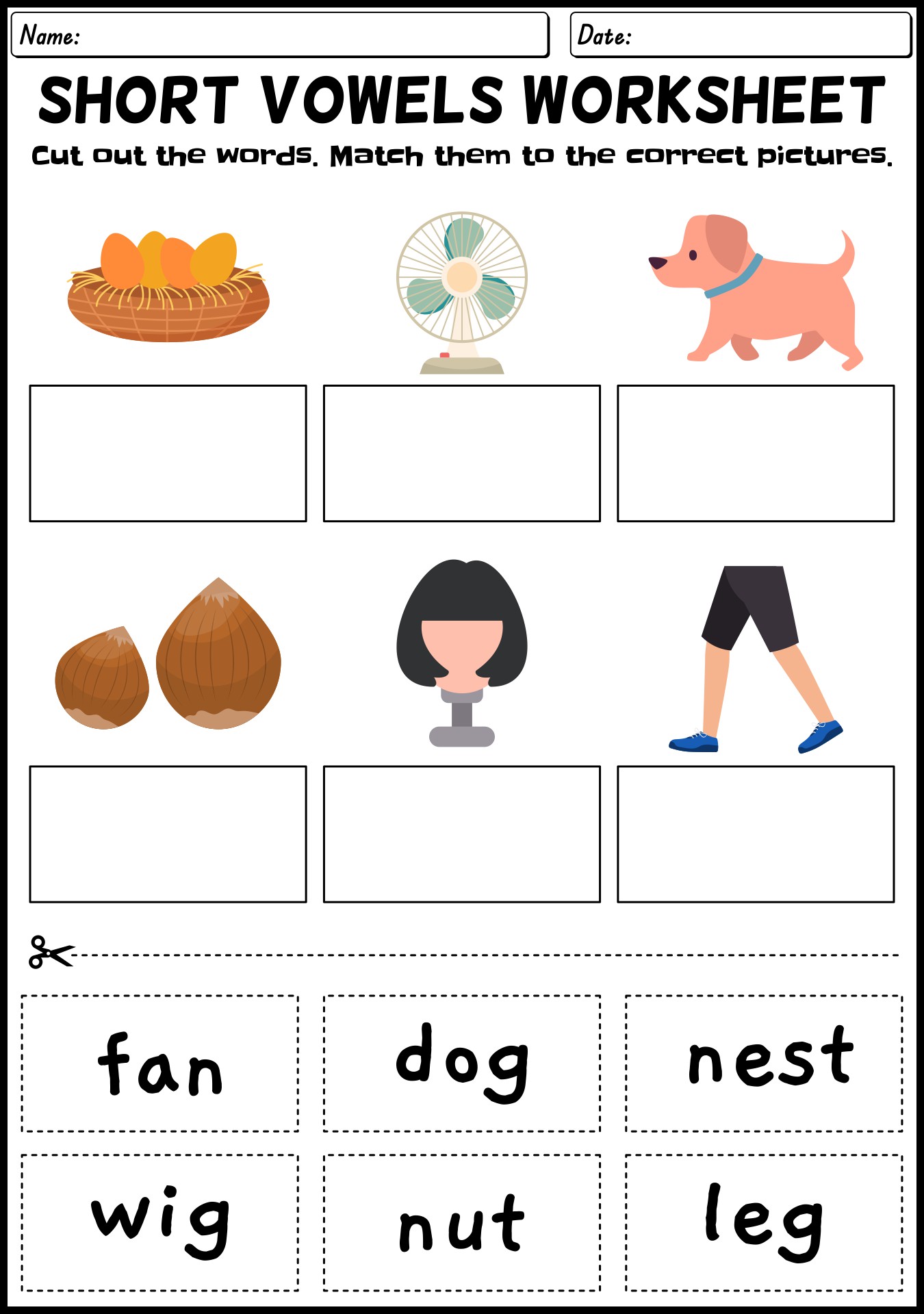
 Phonics Short Vowel Sound Worksheets For Grade 1
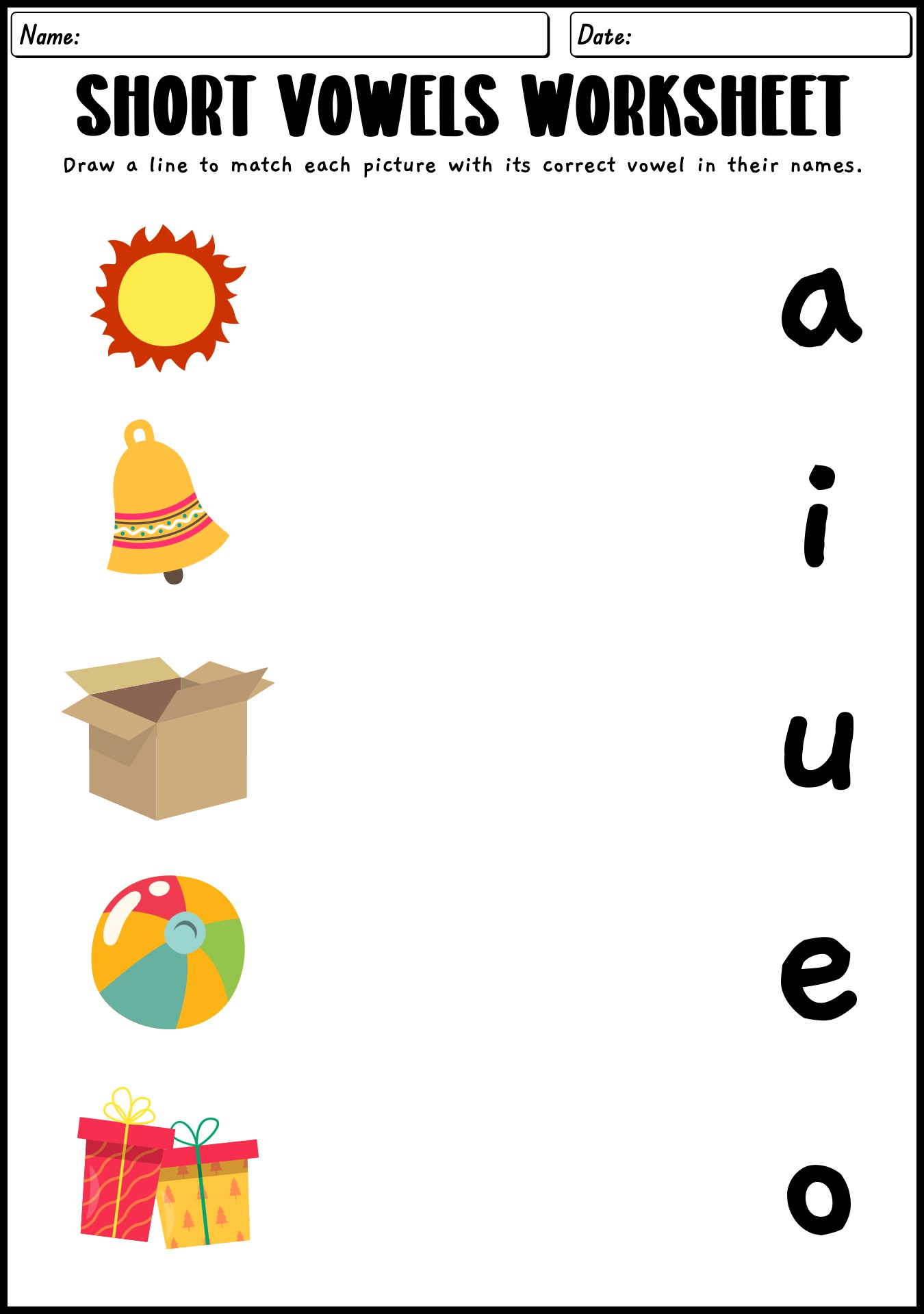
 Phonics Worksheets On Short Vowels For 1st Grade Students
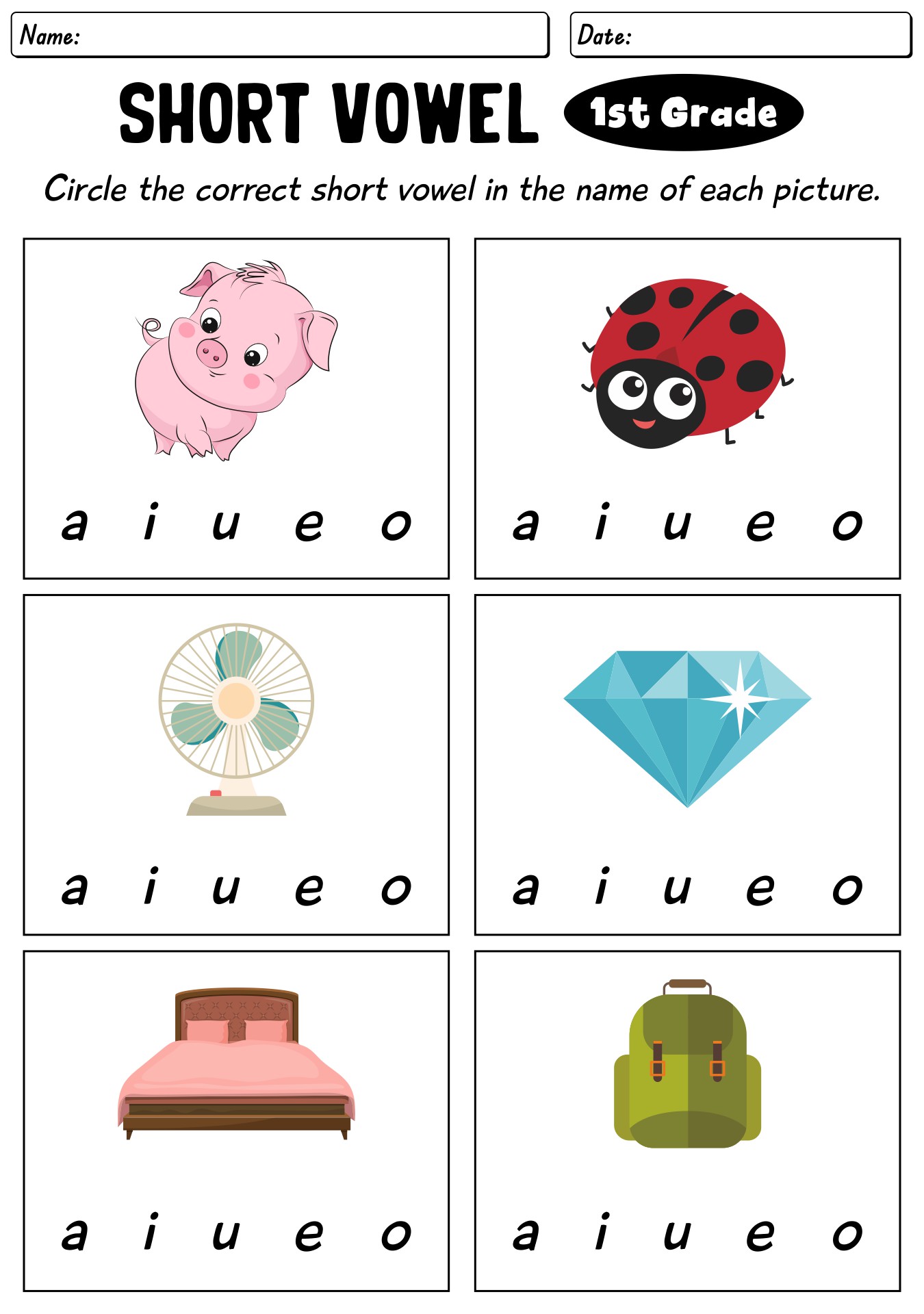
 Short Vowel Phonics Worksheets For 1st Grade
Enhancing your first grader's phonics skills is crucial, with our phonics short vowels worksheets for first grade, you can find excellent practice materials.
More Worksheets
Why Are Phonics Short Vowels Worksheets for First Grade Important for Beginning Readers?
For beginning readers, Phonics Short Vowels Worksheets for First Grade can help with:
- Sound recognition: Children learn to identify the different sounds made by a, e, i, o, and u.
- Word decoding: Kids become more comfortable breaking words into smaller sound parts.
- Spelling development: Understanding vowel patterns makes it easier to write simple words correctly.
- Reading confidence: Regular practice helps children feel more comfortable when encountering new words.
Many first graders learn best when they can see, hear, and practice concepts in different ways. Printable activities provide that extra repetition without making learning feel repetitive or boring.
For example, a child who struggles to remember the difference between the sounds in sit and set can benefit from activities that involve matching pictures, completing missing letters, or sorting words by vowel sounds. These small exercises help children notice patterns naturally.
How Can Phonics Short Vowels Worksheets for First Grade Help Children Hear Sound Differences?
One of the biggest challenges for early readers is learning that small changes in sounds can create completely different words. For example, changing the vowel in cat to make cot changes the entire meaning. Children need plenty of opportunities to listen carefully and compare sounds before these differences become automatic.
Phonics Short Vowels Worksheets for First Grade can support this process by giving children activities that focus on listening and identification skills.
Some helpful worksheet activities include:
- Matching pictures with the correct vowel sounds.
- Finding words that share the same middle sound.
- Filling in missing vowels to complete simple words.
- Sorting words into different vowel groups.
- Reading short words aloud and identifying their sounds.
These activities encourage children to slow down and pay attention to each part of a word. Instead of guessing based on the first letter or picture clue, they begin using phonics knowledge to figure out the answer.
Ready to Find the Right Phonics Short Vowels Worksheets for First Grade in Our Collection?
Finding the right learning resources can make a big difference in how children experience reading practice. Our Phonics Short Vowels Worksheets for First Grade collection is designed to give young learners a variety of activities that feel engaging, approachable, and easy to follow.
Some activities children can enjoy include:
- Vowel identification exercises that help learners recognize short vowel sounds.
- Word-building activities that allow children to practice creating simple words.
- Picture and word matching to strengthen connections between sounds and meanings.
- Tracing and writing practice to support spelling and handwriting development.
- Sorting activities that encourage children to group words based on vowel patterns.
These different approaches help children revisit important concepts in ways that match their learning styles and keep them motivated. This is especially helpful because every learner develops reading skills differently.
And the goal is not just to complete a worksheet. It is to help children feel more comfortable with words, sounds, and early reading challenges.
How Can Our Phonics Short Vowels Worksheets for First Grade Last for an Entire Week?
A single set of Phonics Short Vowels Worksheets for First Grade does not have to be completed all at once. Instead, adults can divide activities into smaller learning sessions that match children's attention spans and progress.
For example, a weekly phonics routine could look like this:
Monday: Introduce the Sound
- Start with one short vowel sound.
- Let children identify examples through pictures and simple words.
- Discuss how the sound appears in different words.
Tuesday: Practice Recognition
- Use matching or sorting activities.
- Ask children to find words with the same vowel sound.
- Encourage them to read answers aloud.
Wednesday: Build New Words
- Practice changing letters to create new words.
- Use word families to show patterns.
- Let children write their own examples.
Thursday: Review and Apply
- Combine different vowel sounds.
- Practice reading short sentences.
- Identify words from previous activities.
Friday: Check Progress
- Complete a final activity.
- Review challenging sounds.
- Celebrate improvement and effort.
The key is creating consistent practice without making reading feel stressful. When children see phonics as a regular and enjoyable part of their routine, they are more likely to approach new words with confidence.
What Mistakes Can Children Avoid After Practicing with Our Phonics Short Vowels Worksheets for First Grade?
Some mistakes these printable short vowel worksheets can help address include:
- Guessing words based on the first letter only: Children learn to pay attention to every sound inside a word instead of relying on guesses.
- Confusing similar vowel sounds: Activities that compare words help children notice the differences between sounds like /a/, /e/, and /i/.
- Skipping vowel letters while reading or writing: Repeated practice helps children understand that vowels play an important role in forming words.
- Struggling to connect sounds with spelling: Writing activities encourage children to link what they hear with the letters they need.
- Feeling unsure when reading new words: Step-by-step practice builds confidence and reduces frustration.
So, explore our free collection now and find Phonics Short Vowels Worksheets for First Grade that help children strengthen their reading foundation one sound at a time!


Have something to share?
Popular Categories
Who is Worksheeto?
At Worksheeto, we are committed to delivering an extensive and varied portfolio of superior quality worksheets, designed to address the educational demands of students, educators, and parents.

Comments