
Math First Grade Reading Worksheets
During first grade, children start developing the ability to read, follow directions, and solve simple problems more independently. Because of this, math first grade reading worksheets become especially useful in helping students build multiple skills at once.
Early math is no longer only about counting, but it also involves understanding questions, recognizing patterns, and explaining ideas using language. When reading and math are practiced together, children learn to process information more clearly and apply concepts with greater confidence.
That’s why these printable Math First Grade Reading Worksheets Templates encourage students to think step by step rather than memorize answers. And with these math worksheets, children can experience learning as something more connected, practical, and enjoyable at home and in the classroom.
Table of Images 👆
- 1st Grade Writing Worksheets
- 1st Grade Math Practice Worksheets
- 1st Grade Math Worksheets Printable
- Grade 1 Math Worksheets
- Ordinal Numbers Worksheet Grade 1
- First Grade Math Worksheets
- 1st Grade Math Worksheets
- 1st Grade Math Problems Worksheet
- 1st Grade Math Worksheets Printable
- 1st Grade Counting Money Math Worksheets
- Math Shapes Worksheets 1st Grade
 11 Images of Math First Grade Reading Worksheets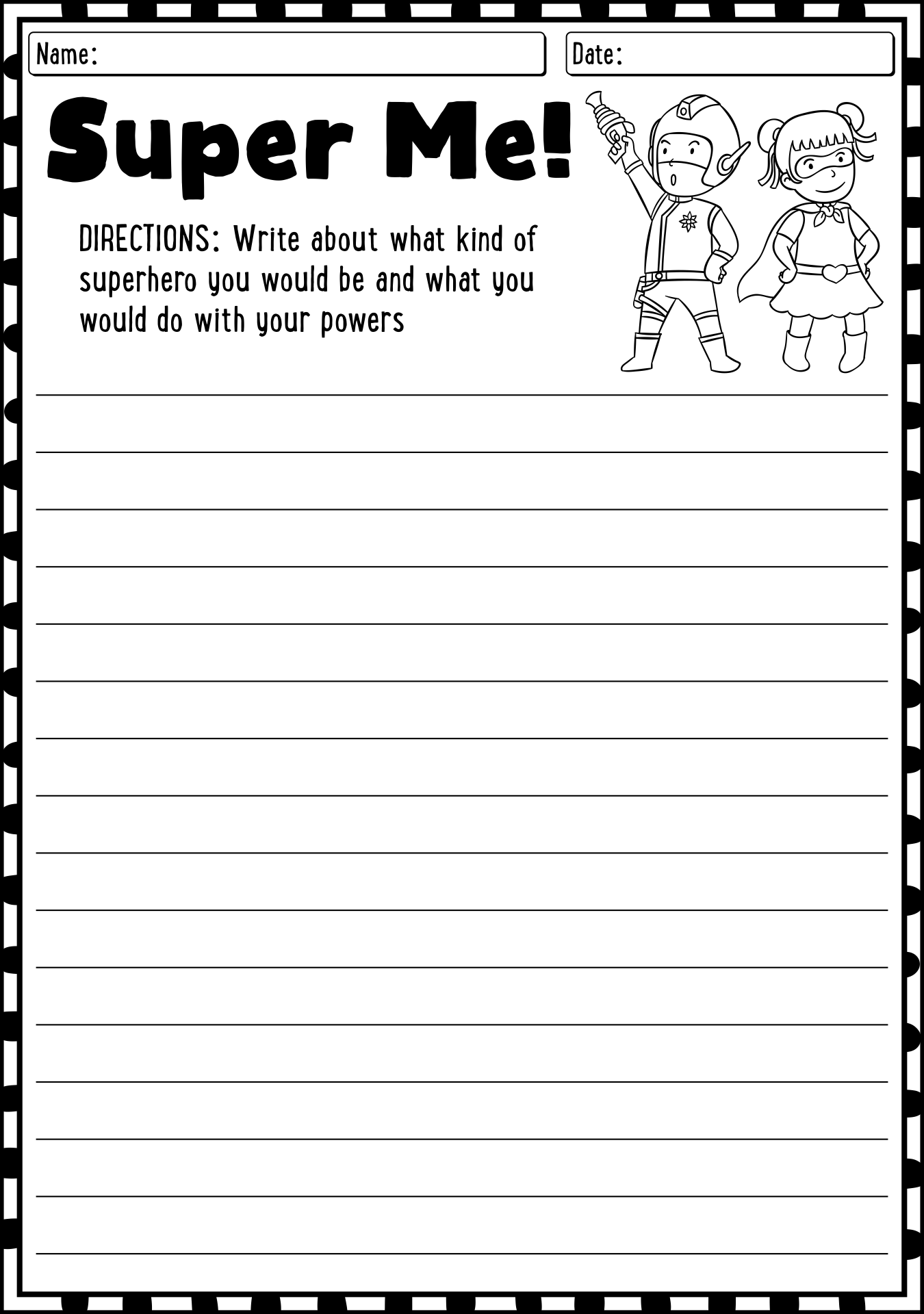
 1st Grade Writing Worksheets
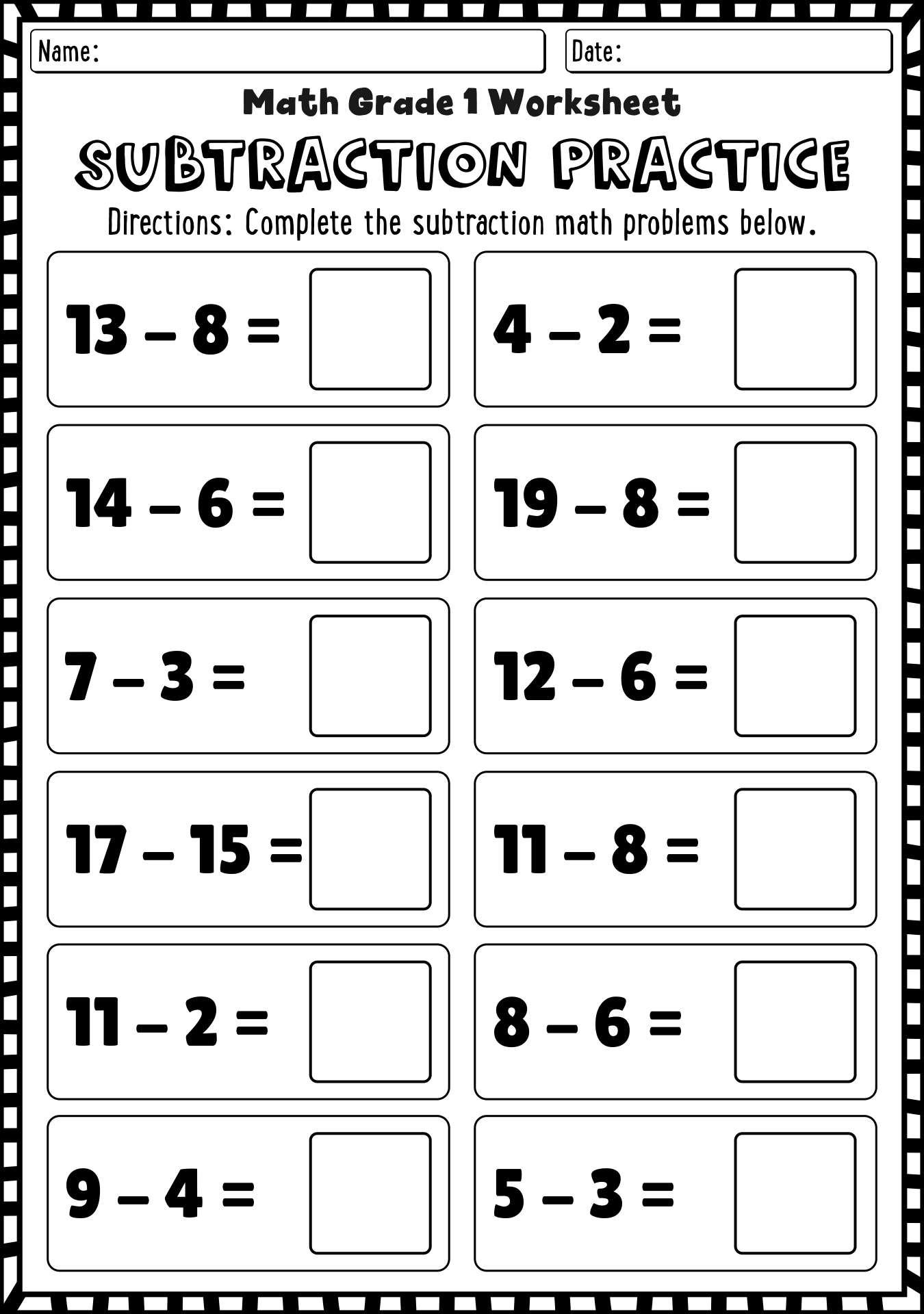
 1st Grade Math Practice Worksheets
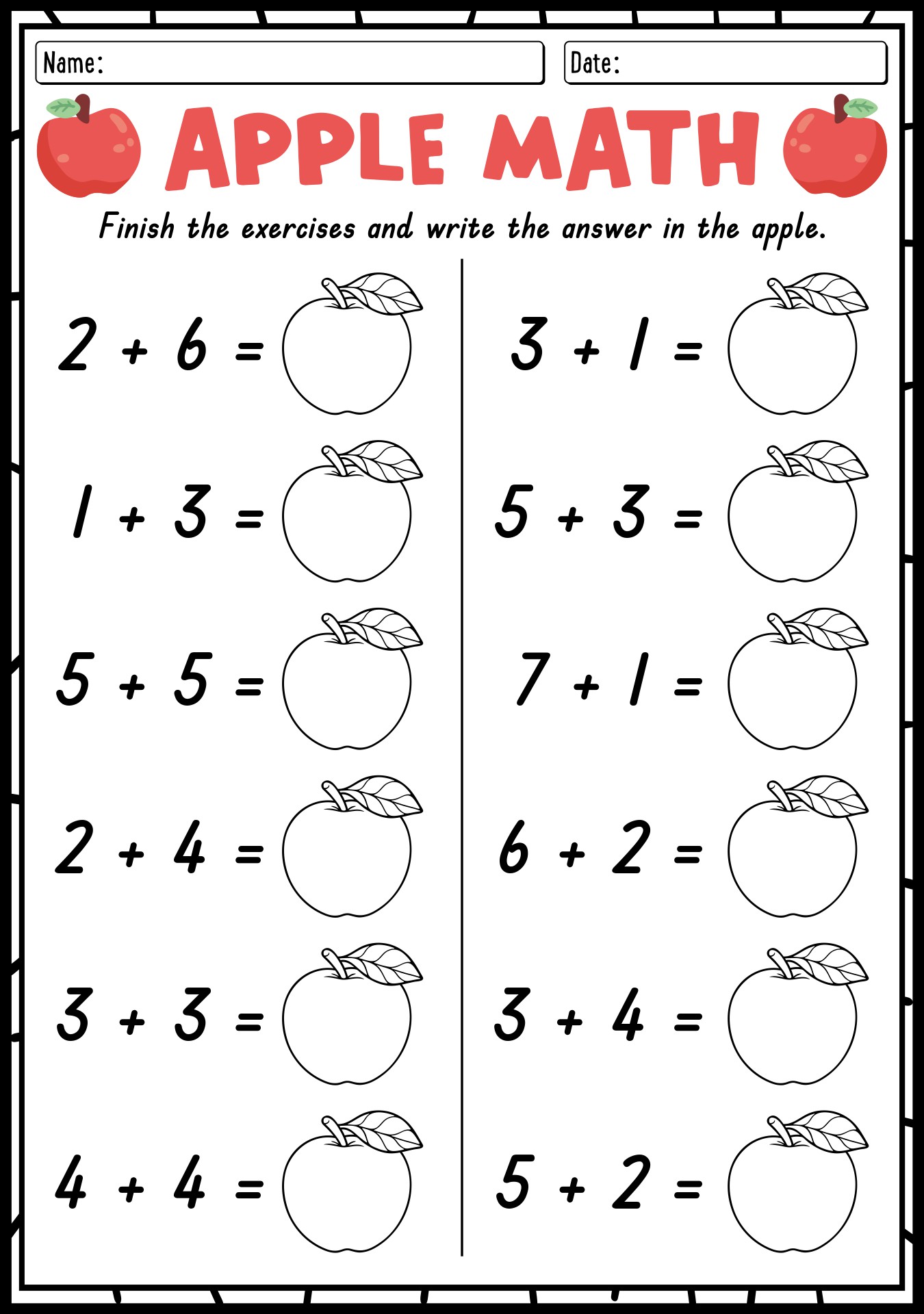
 1st Grade Math Worksheets Printable
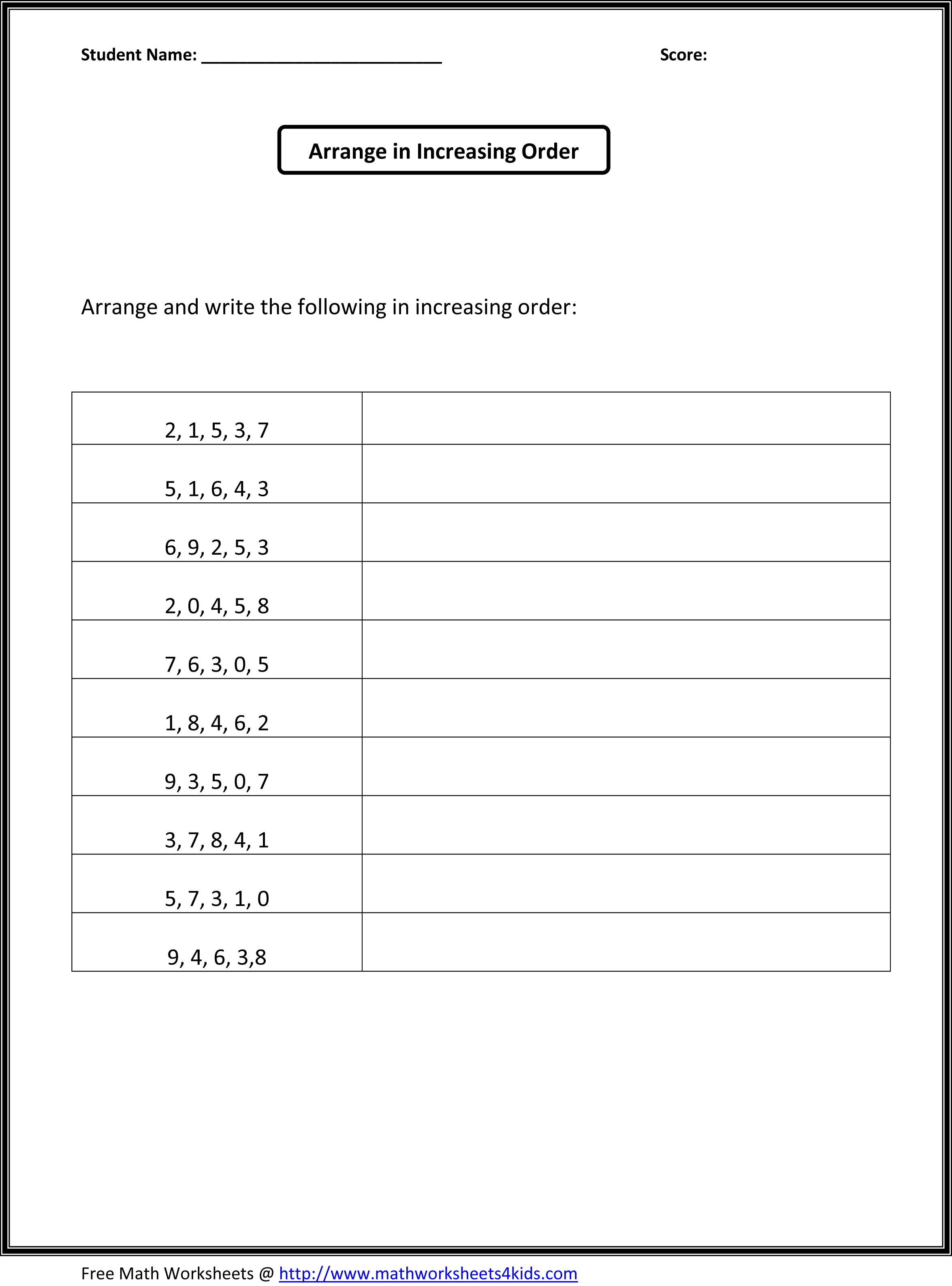
 Grade 1 Math Worksheets
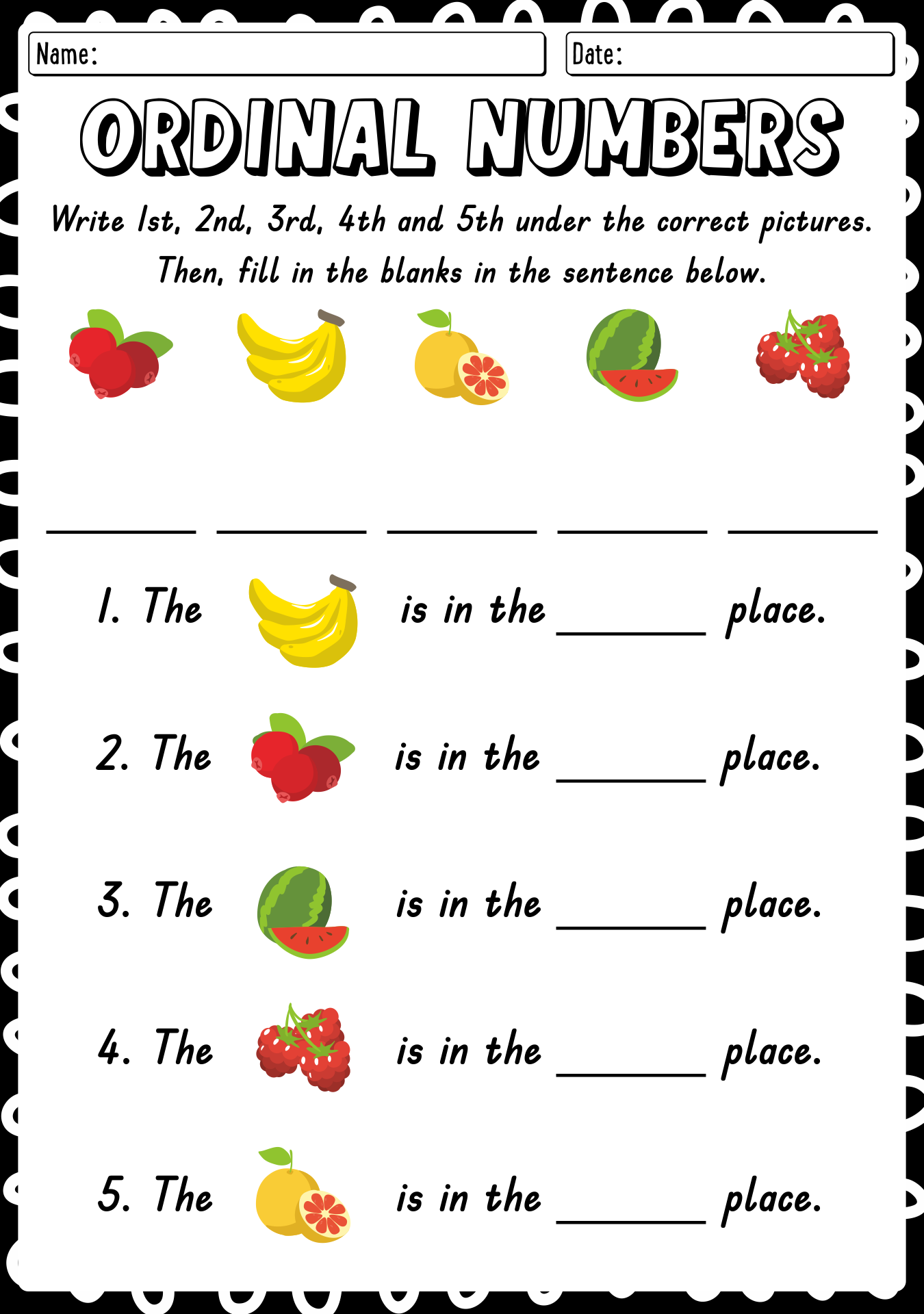
 Ordinal Numbers Worksheet Grade 1
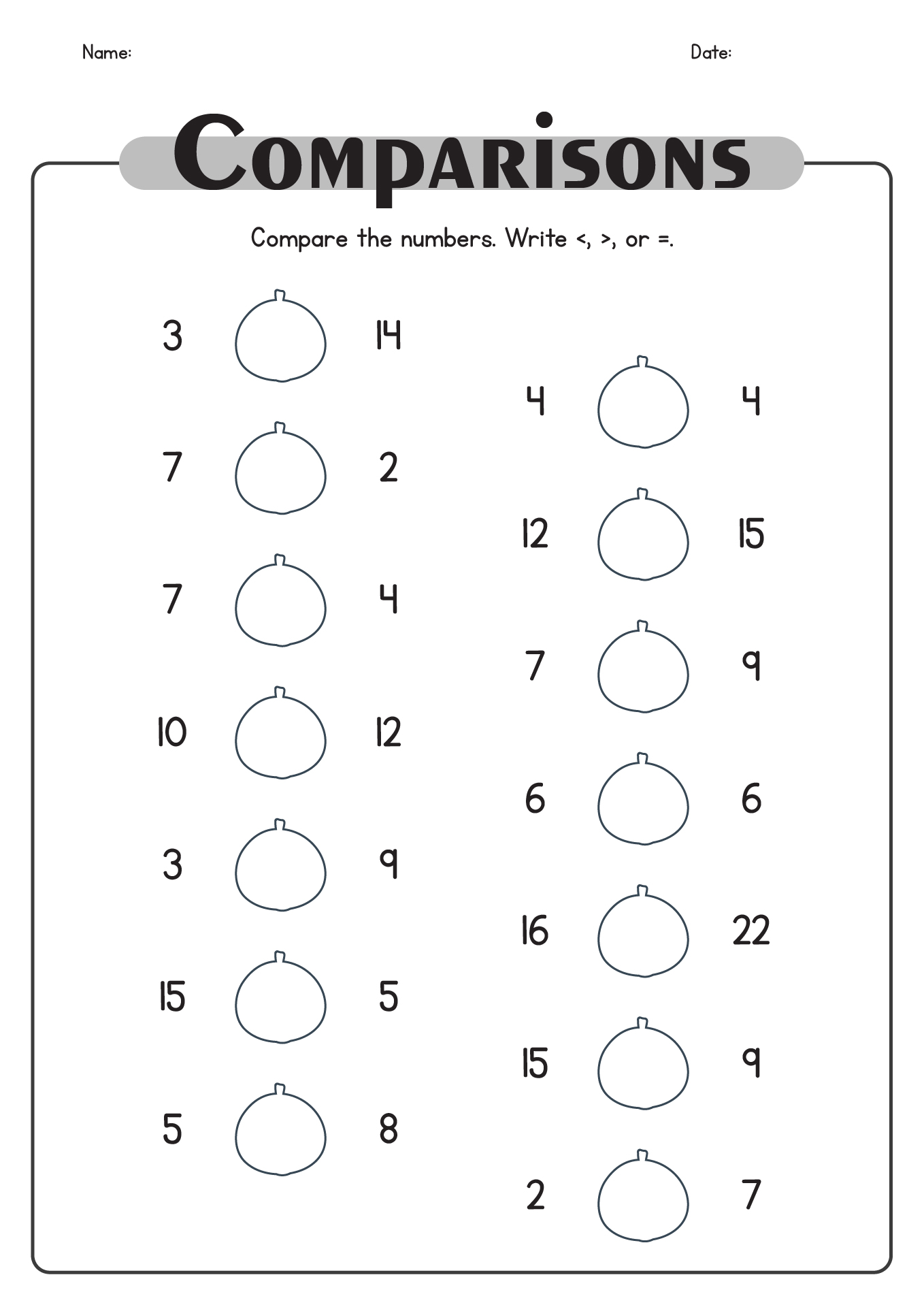
 First Grade Math Worksheets
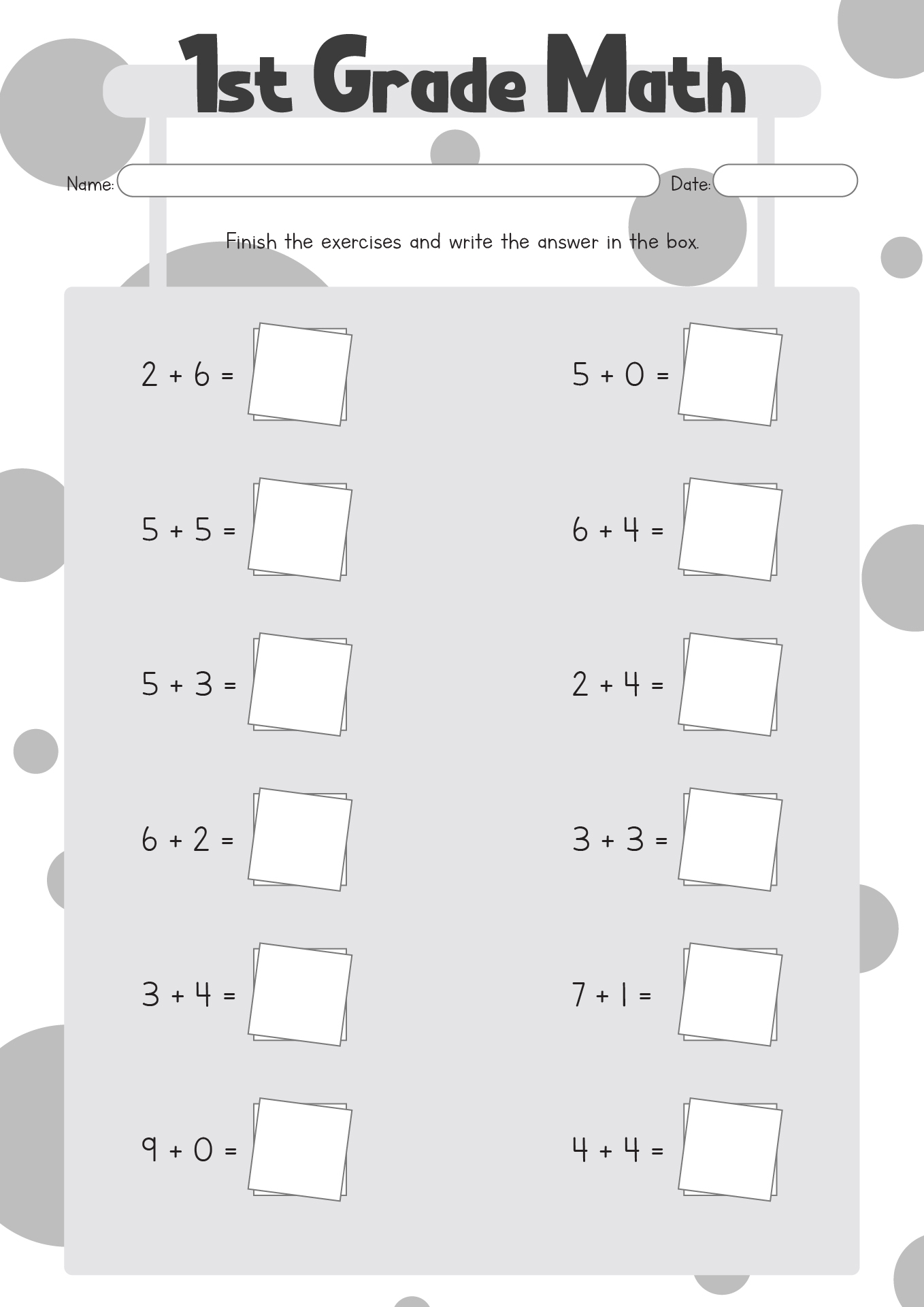
 1st Grade Math Worksheets
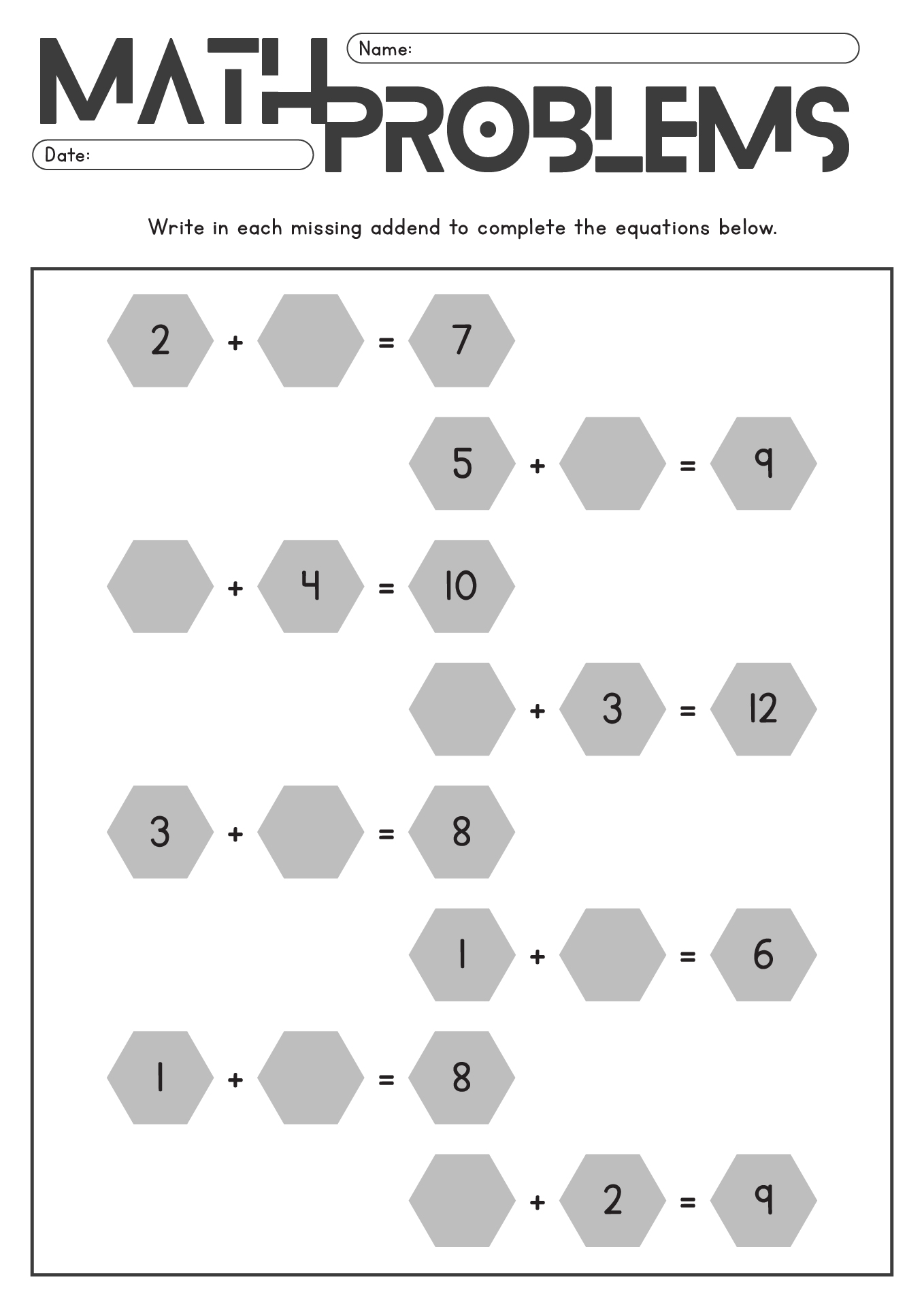
 1st Grade Math Problems Worksheet
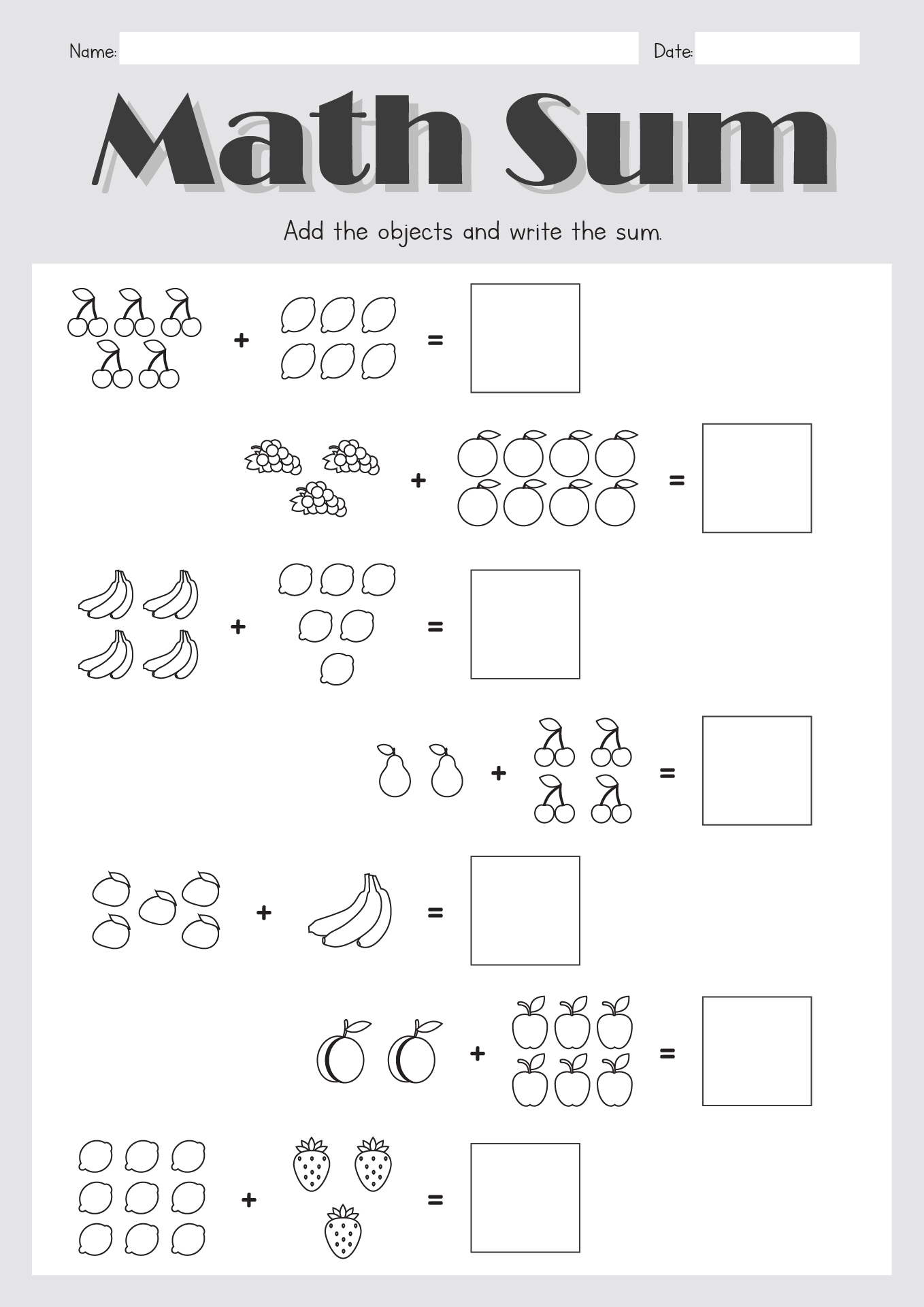
 1st Grade Math Worksheets Printable
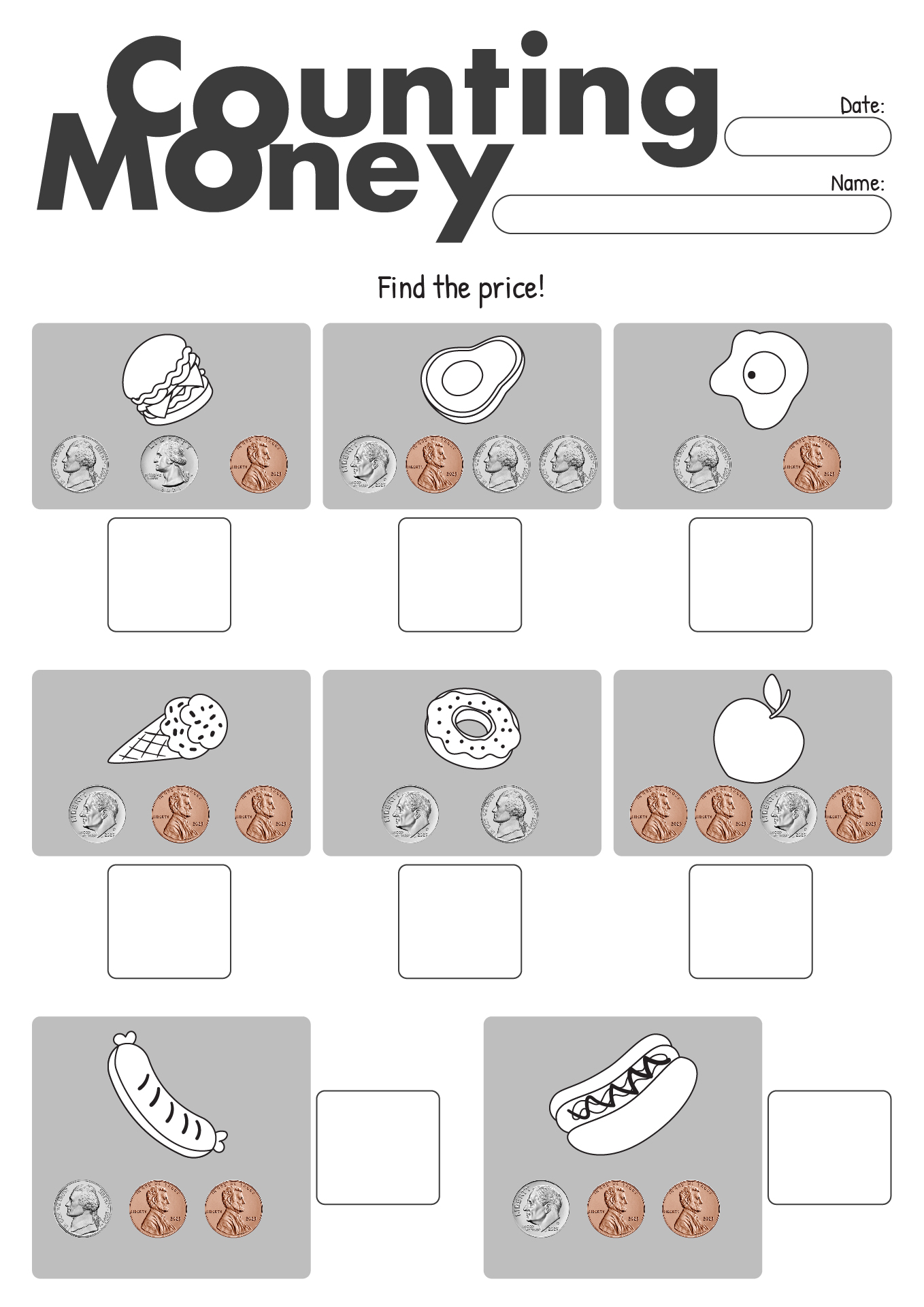
 1st Grade Counting Money Math Worksheets
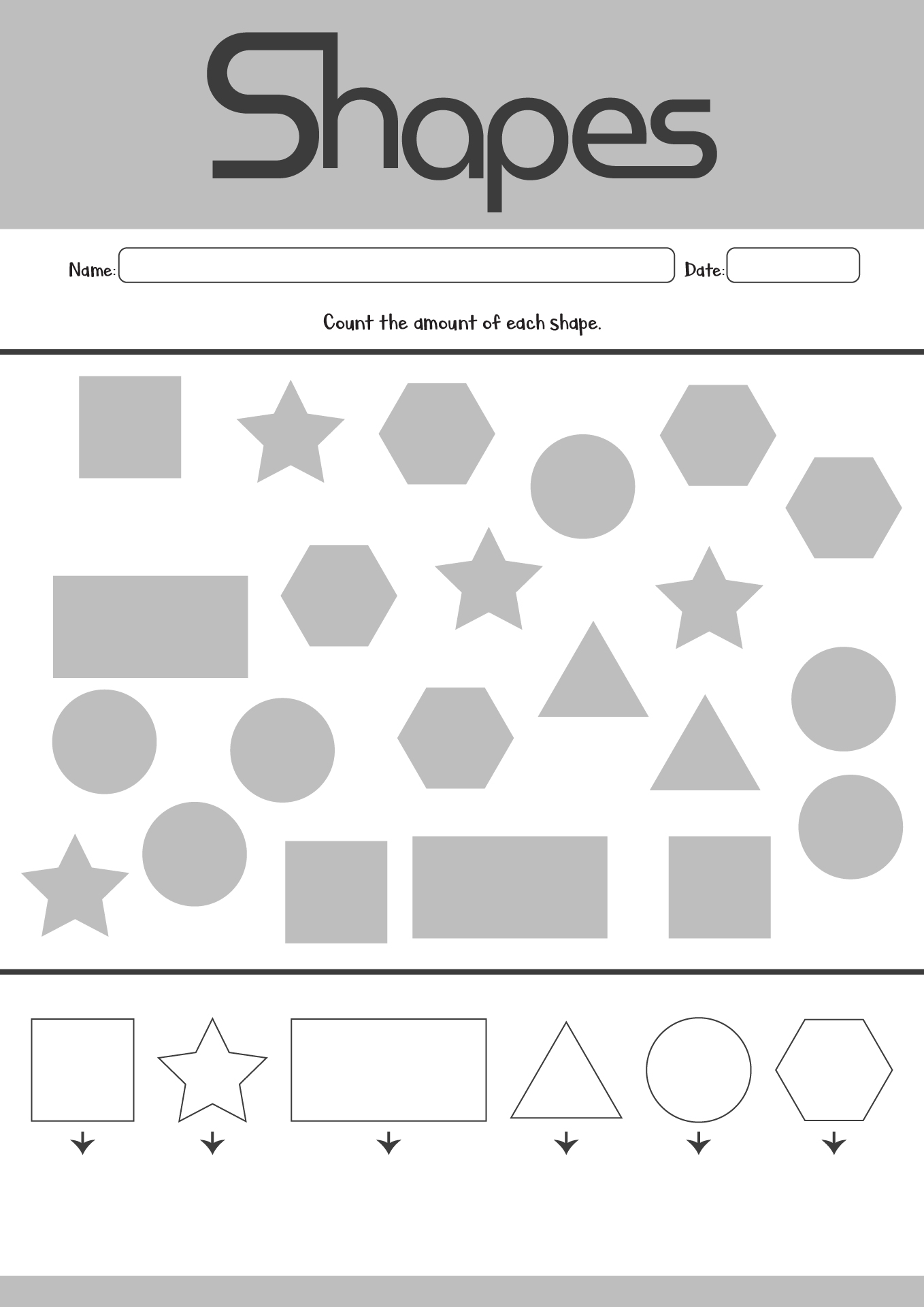
 Math Shapes Worksheets 1st Grade
Enhancing your child's mathematical foundation is crucial, with our math first grade reading worksheets, you can provide excellent resources for their learning journey.
More Worksheets
Why Do Math First Grade Reading Worksheets Help Children Connect Numbers and Language?
Many early math challenges are not actually about calculation. Children often know how to count but struggle to understand what a question is asking.
For example: “Emma has 5 apples and receives 3 more apples. What is the total number of apples she has?”
Some children already understand 5 + 3, but reading and interpreting the sentence creates another layer of thinking. That is where worksheets that combine reading and math become useful.
They encourage children to:
- Read carefully before answering
- Notice keywords connected to operations
- Build vocabulary through repeated exposure
- Translate sentences into numbers
- Explain answers instead of guessing
This combination helps children realize that math is also a language. Over time, students begin noticing patterns in instructions such as:
- “more” often signals addition
- “left” may suggest subtraction
- “equal” introduces comparison
That shift can make math feel more understandable and less dependent on memorization.
How Do Math First Grade Reading Worksheets Introduce Problem Solving Step by Step?
Problem solving sounds advanced, but first grade introduces it in very small and manageable ways. Children are not expected to solve complicated equations. Instead, they learn a process they can repeat.
So, these math worksheets grade 1 guide students through stages like these:
Step 1: Read the Question Slowly
Children practice noticing details.
Example: There are 7 ducks in the pond. Two ducks fly away.
Students identify important numbers.
Step 2: Decide What Is Happening
Ask:
- Are things being added?
- Are things being taken away?
- Are we comparing?
Step 3: Write a Number Sentence
Example:
7 ౼ 2 = ?
Step 4: Solve and Check
Children review whether the answer matches the story. This structure teaches something valuable: solving problems is not random.
Over time, students stop rushing toward answers and begin trusting the process. That habit becomes useful across many subjects, not only math.
So, What Counting Patterns Can Children Discover Through Our Math First Grade Reading Worksheets?
Inside our printable Math First Grade Reading Worksheets, children can explore several types of counting patterns.
Counting by Ones
Example:
12, 13, 14, …
Children develop sequencing skills.
Counting by Twos
Example:
2, 4, 6, 8, …
This introduces early ideas connected to multiplication.
Counting by Fives
Example:
5, 10, 15, 20, …
Useful for time, grouping, and quick counting.
Counting by Tens
Example:
10, 20, 30, 40, …
Children begin recognizing place value naturally.
Finding Missing Numbers
Example:
18, …, 20
This encourages reasoning instead of memorization.
Activities like these create opportunities to talk about numbers instead of simply reciting them. Children also begin noticing relationships such as:
- Numbers increasing
- Repeated intervals
- Predictable changes
These observations support later concepts like multiplication and mental math.
What Strategies Help Children Read and Solve Equations in Our Math First Grade Reading Worksheets?
At first grade level, equations are less about formal rules and more about making numbers feel familiar. Children benefit when equations appear connected to stories and visuals.
For example: Mia has 4 balloons. Her friend gives her 2 more.
Instead of presenting:
4 + 2 = 6
Children are encouraged to move through small thinking steps.
Helpful strategies include:
Turn Sentences Into Equations
Story: There are 9 birds. Three fly away.
Equation:
9 ౼ 3 = 6
Children see that words can become symbols.
Circle Important Numbers
Students underline:
- Quantities
- Actions
- clues
Read Equations Aloud
Example: “Seven plus one equals eight.”
This strengthens number vocabulary.
Check If the Answer Makes Sense
Questions like:
- Is the result bigger or smaller?
- Did we add or subtract?
This develops stronger reasoning habits.
Many adults using these Math Worksheets Grade 1 discover that reading equations aloud reduces careless mistakes and builds confidence. These small strategies make equations feel approachable instead of intimidating.
Why Should Teachers Include Our Math First Grade Reading Worksheets in Early Elementary Learning?
First grade is often where children begin forming opinions about whether learning feels enjoyable or frustrating. These Printable Math First Grade Reading Worksheets alone do not create engagement, but the structure behind them matters. Activities that combine reading and math create more opportunities for active thinking. That’s why teachers often include integrated worksheets because they support multiple goals at once.
Some benefits include:
- Reinforcing classroom lessons
- Encouraging independent work
- Creating consistent routines
- Supporting different learning speeds
- Helping students communicate ideas
They also work well in different settings:
- In the Classroom: Short warm-up activities before lessons.
- At Home: Low-pressure review sessions.
- During Small Group Learning: Students discuss how they solved problems.
- For Independent Practice: Children work through instructions at their own pace.
Adults can focus on one skill or combine several:
- Reading directions
- Identifying numbers
- Solving equations
- Checking answers
This approach creates learning experiences that feel connected rather than fragmented. Children often gain more confidence when they realize that reading and math support each other instead of competing for attention.
So, if you are looking for free printable math reading activities templates that encourage both understanding and early problem-solving habits, explore and download our Free Printable Math First Grade Reading Worksheets collection and give children a fun, structured way to build stronger learning foundations!


Have something to share?
Popular Categories
Who is Worksheeto?
At Worksheeto, we are committed to delivering an extensive and varied portfolio of superior quality worksheets, designed to address the educational demands of students, educators, and parents.

Comments