
Jolly Phonic Printable Worksheets
Introducing phonics to young learners can feel overwhelming at first, especially for parents or teachers who want lessons that are simple, structured, and fun. That’s where Jolly Phonic Printable Worksheets come in!
They offer an easy way to build early literacy skills without needing complicated instructions or long prep time. Whether you're guiding a whole class or supporting a child at home, these worksheets help kids recognize sounds, blend letters, and understand how phonics connects to real reading.
You can combine them with jolly phonic workbooks or even your usual jolly phonic lesson to create a routine that sticks. And the best part? Kids get to practice using activities that feel light, manageable, and designed specifically for early readers!
Table of Images 👆
- Jolly Phonics Sound Sort
- Jolly Phonics Sound Sort
- Jolly Phonics Worksheets
- Free Jolly Phonics Worksheets
- Jolly Phonics Pupil Book 2
- Printable Jolly Phonics Letter Sounds
- Ai Ay Phonics Worksheets
- Letter U Writing Worksheets
- First Grade Vowel Team Oo Worksheet
- Phonics Letter a Coloring Pages
- Sounds Cards Read Write Speed Inc
- Jolly Phonics Coloring Pages
- Jolly Phonics Letter Formation Practice
- Jolly Phonics Initial Sounds Worksheets
- Jolly Phonics Tracing Sheets
- Jolly Phonics Alphabet Worksheets
 16 Images of Jolly Phonic Printable Worksheets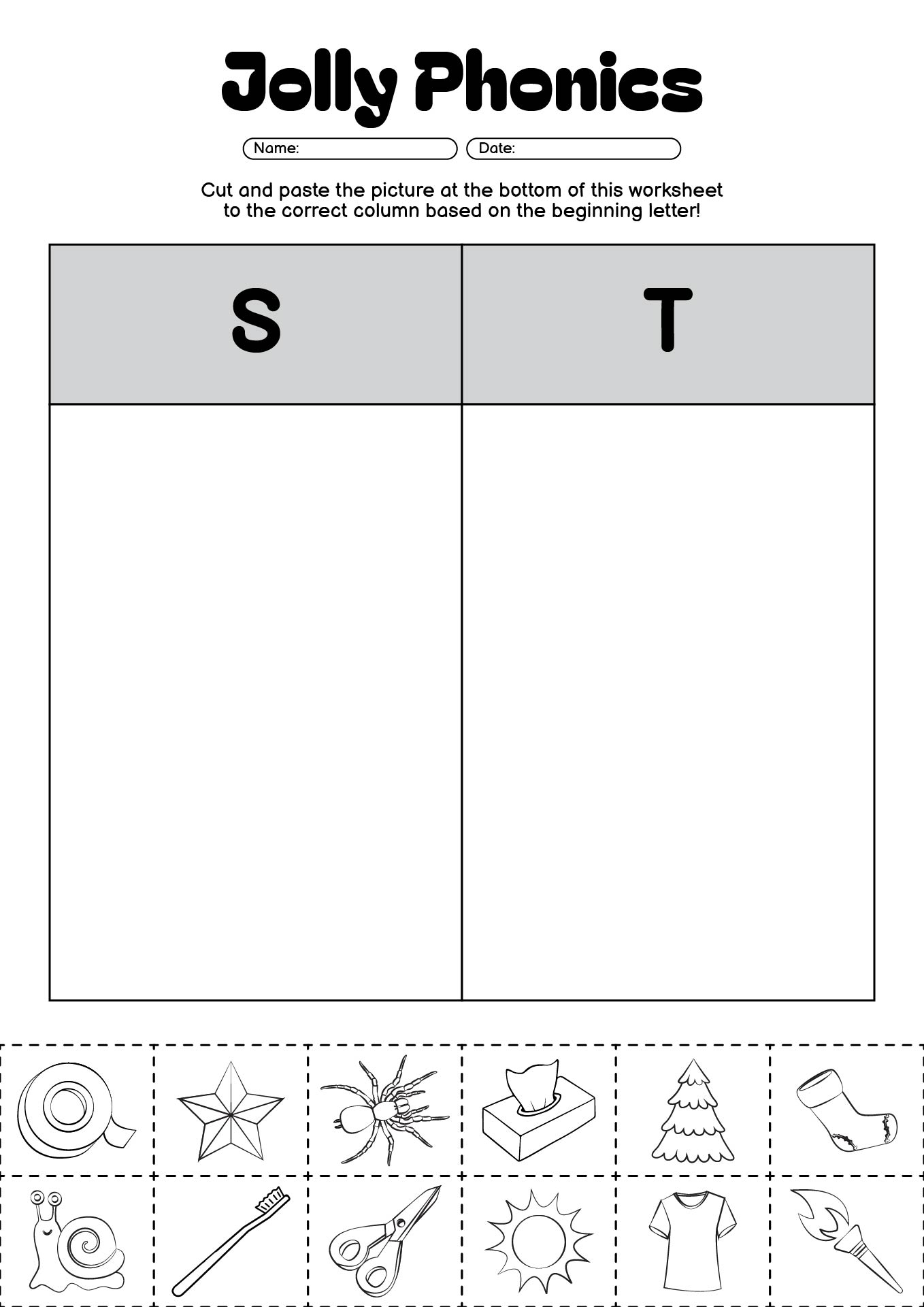
 Jolly Phonics Sound Sort
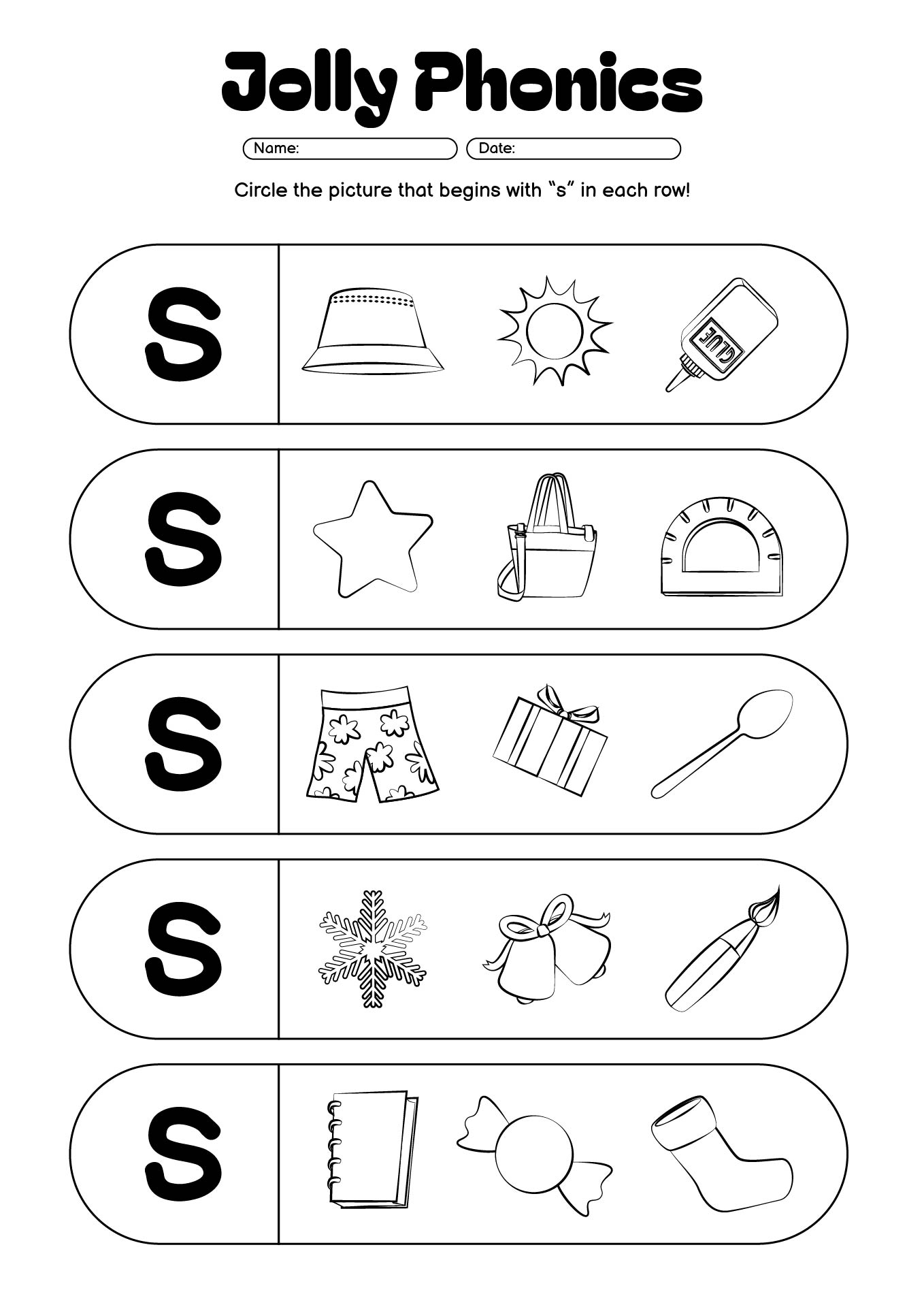
 Jolly Phonics Sound Sort
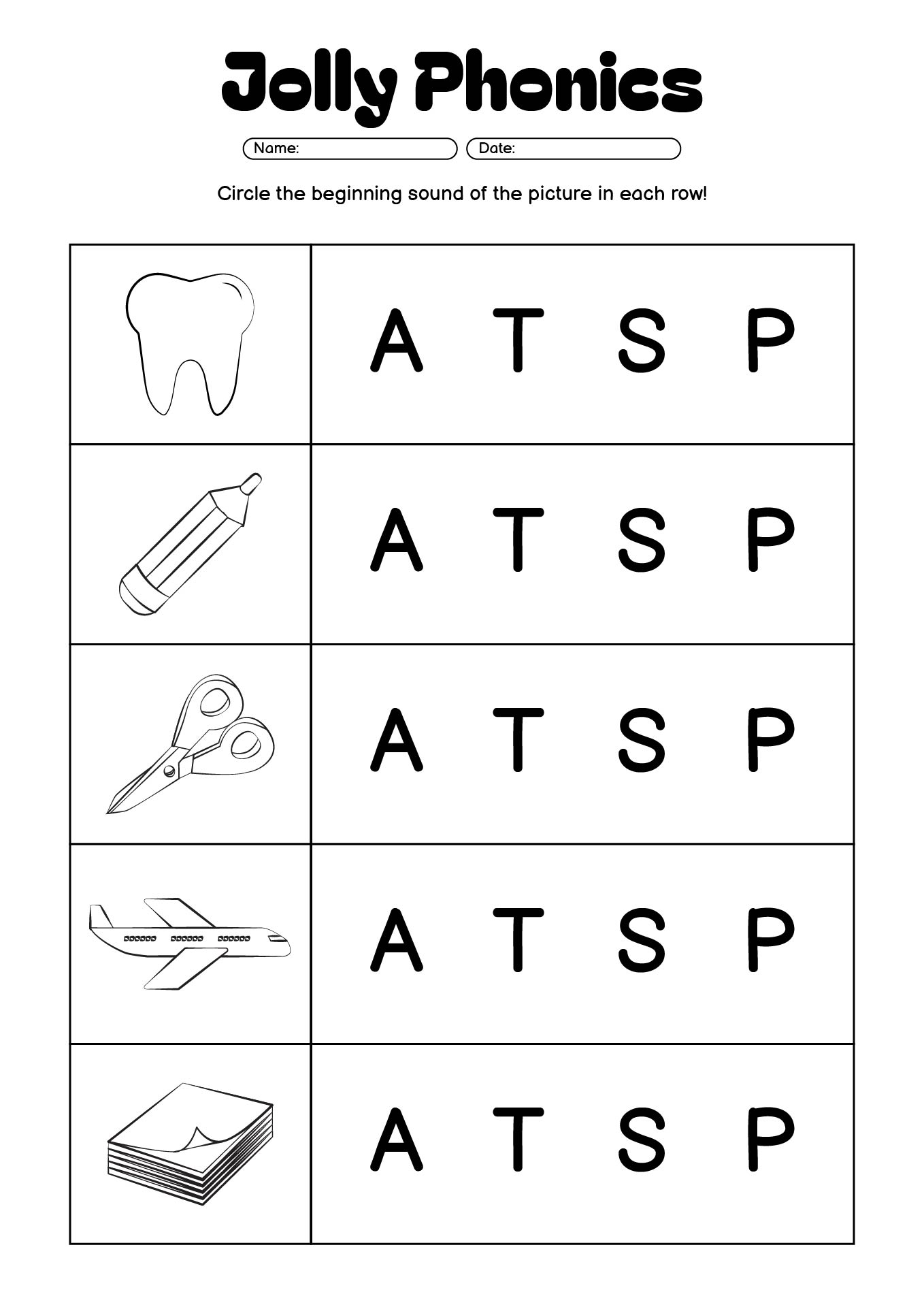
 Jolly Phonics Worksheets
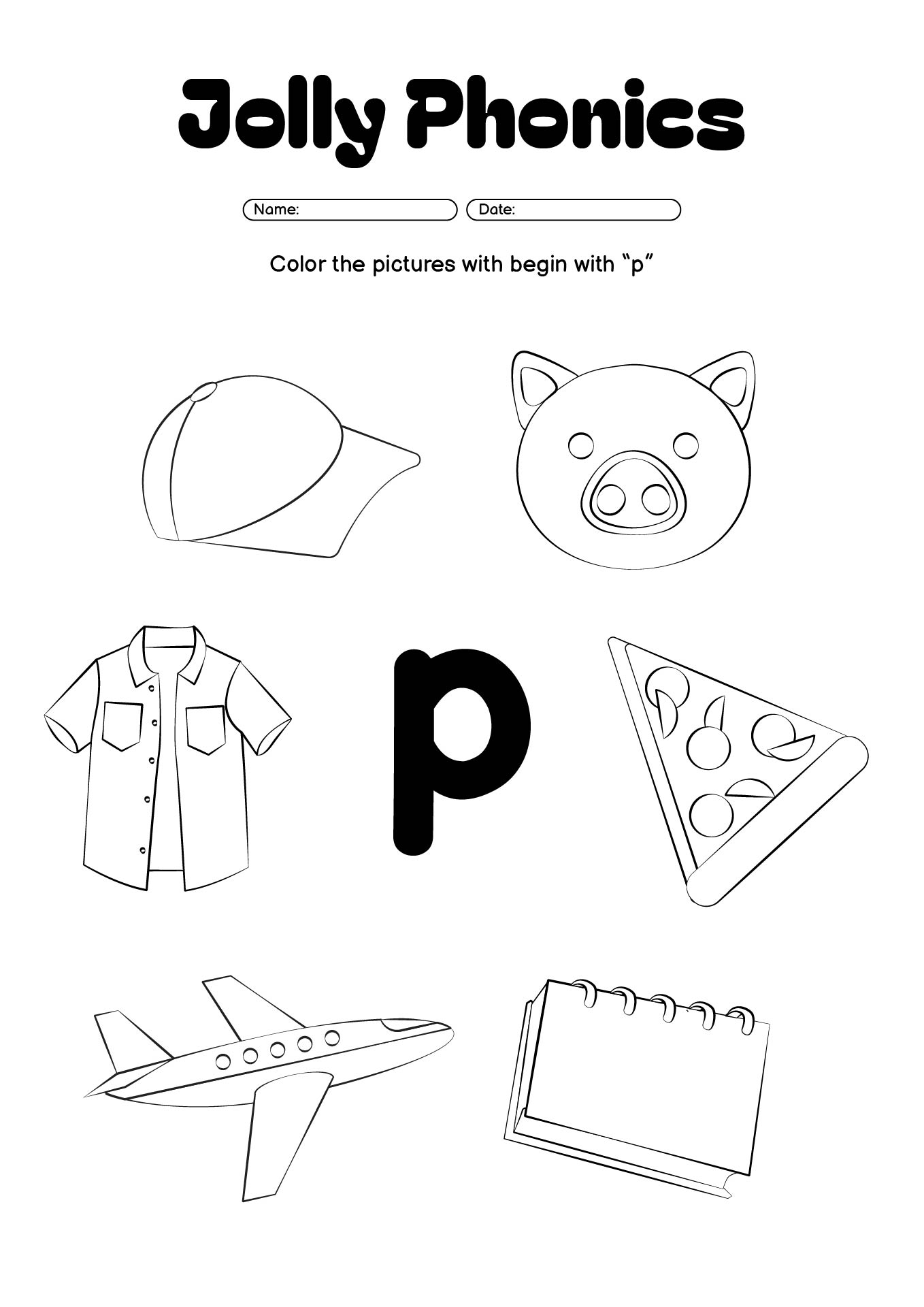
 Free Jolly Phonics Worksheets
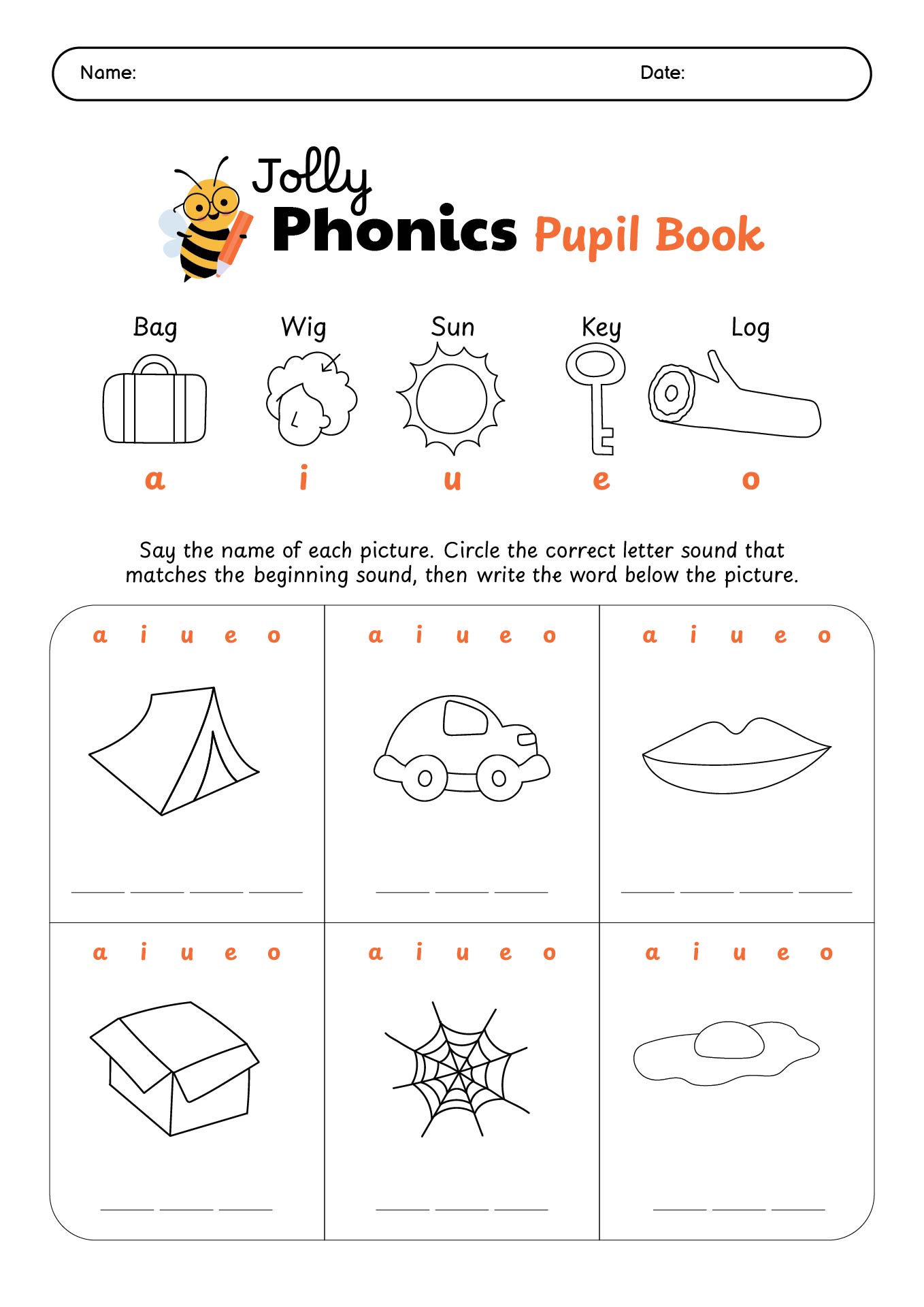
 Jolly Phonics Pupil Book 2
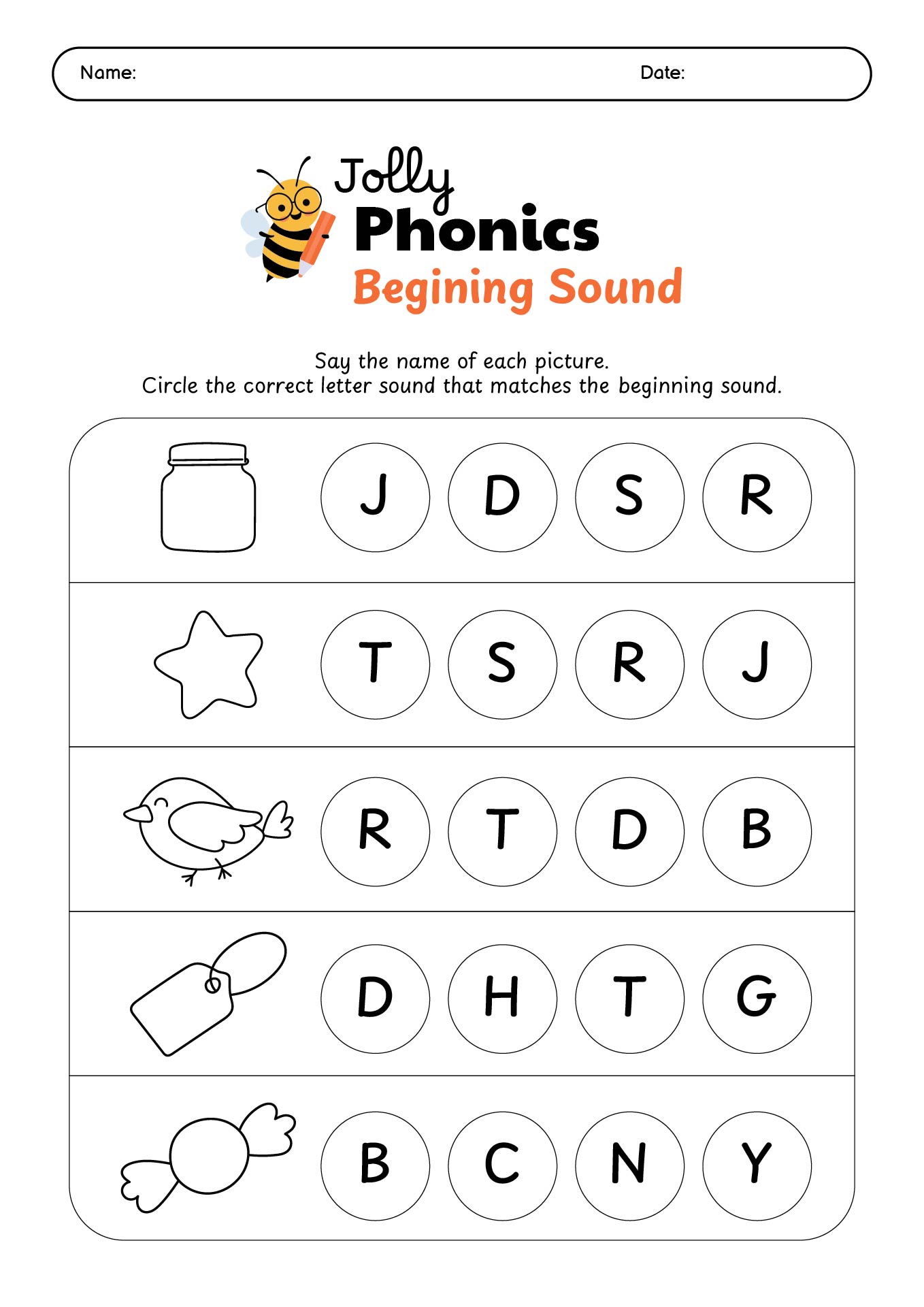
 Printable Jolly Phonics Letter Sounds
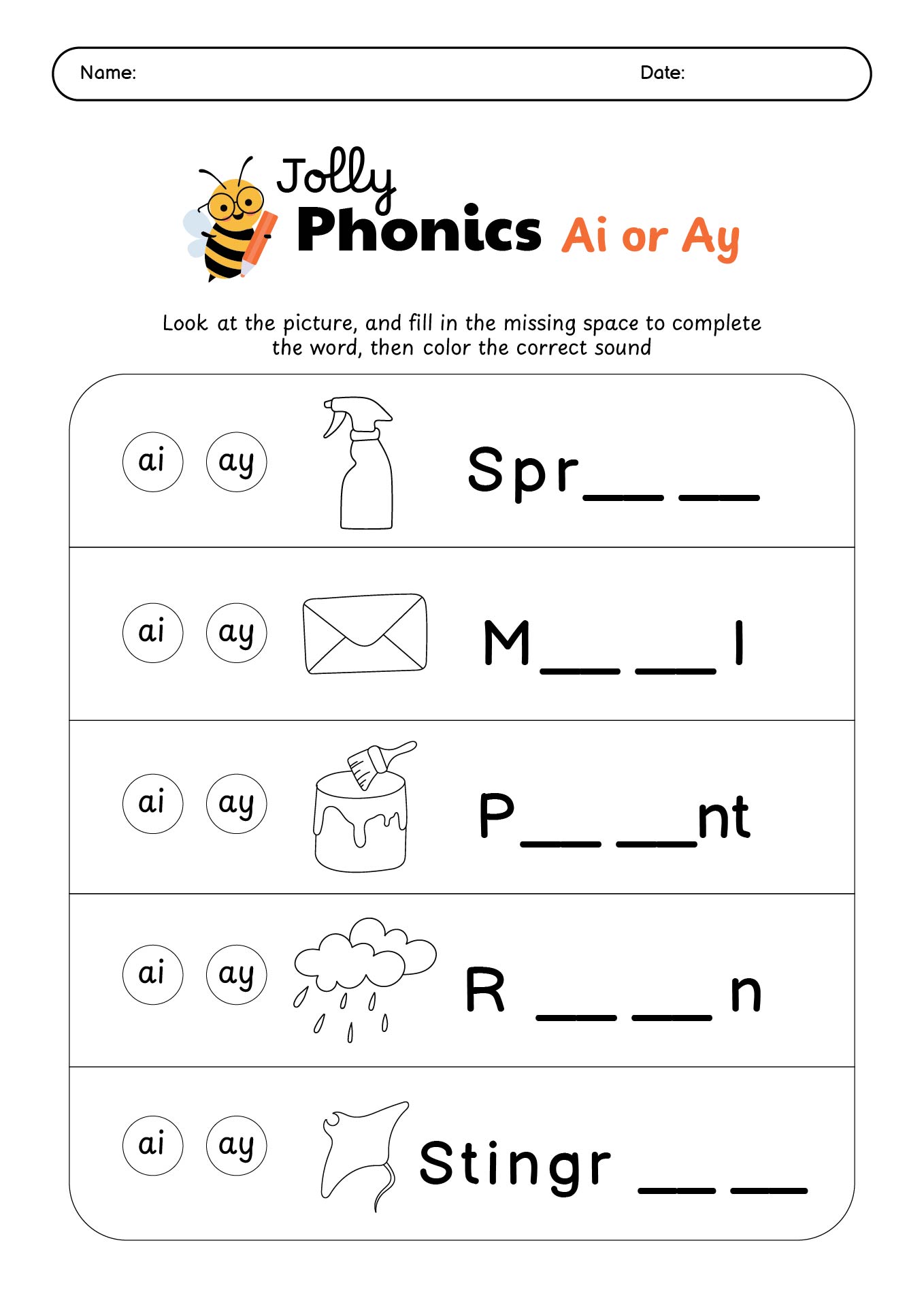
 Ai Ay Phonics Worksheets
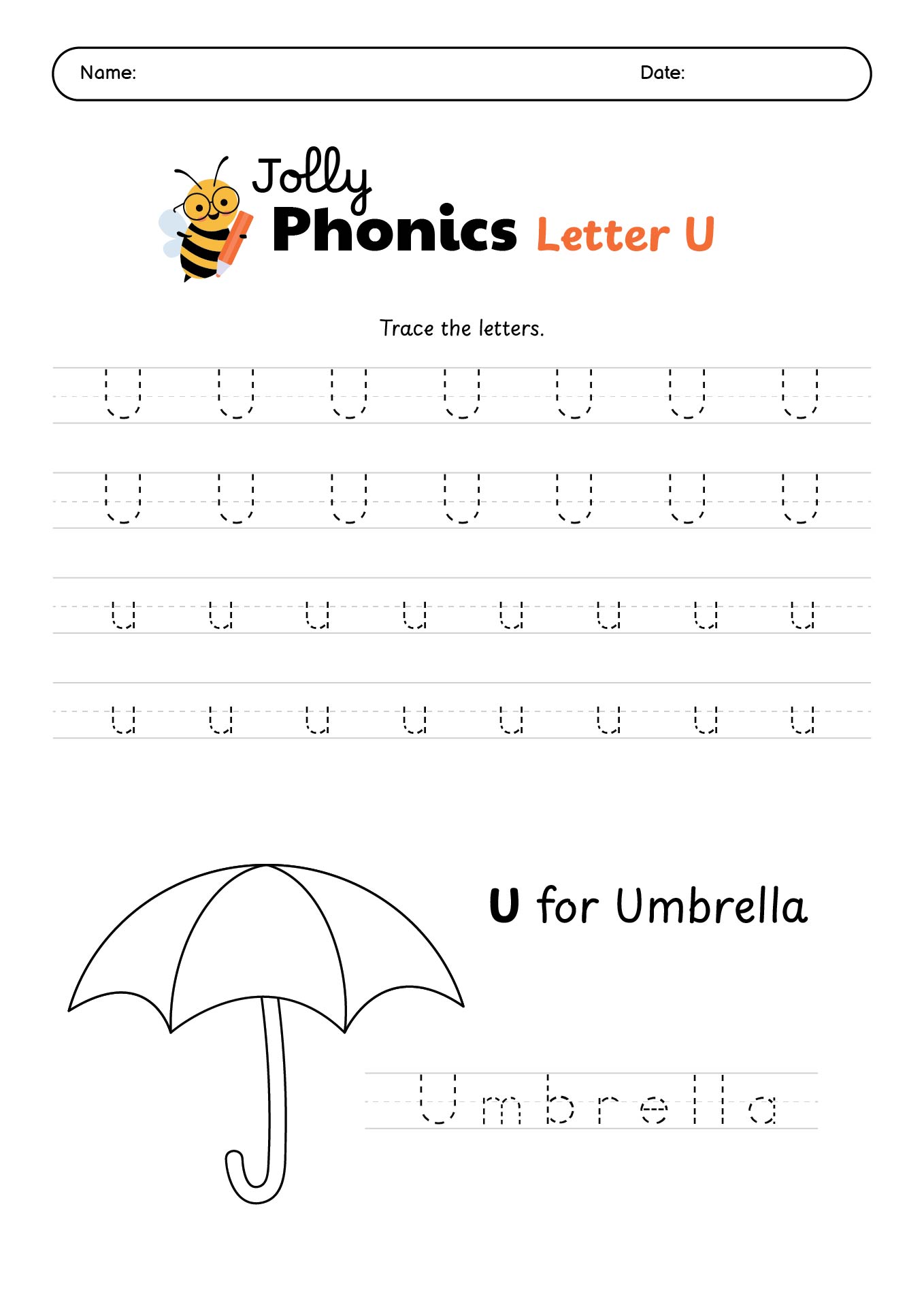
 Letter U Writing Worksheets
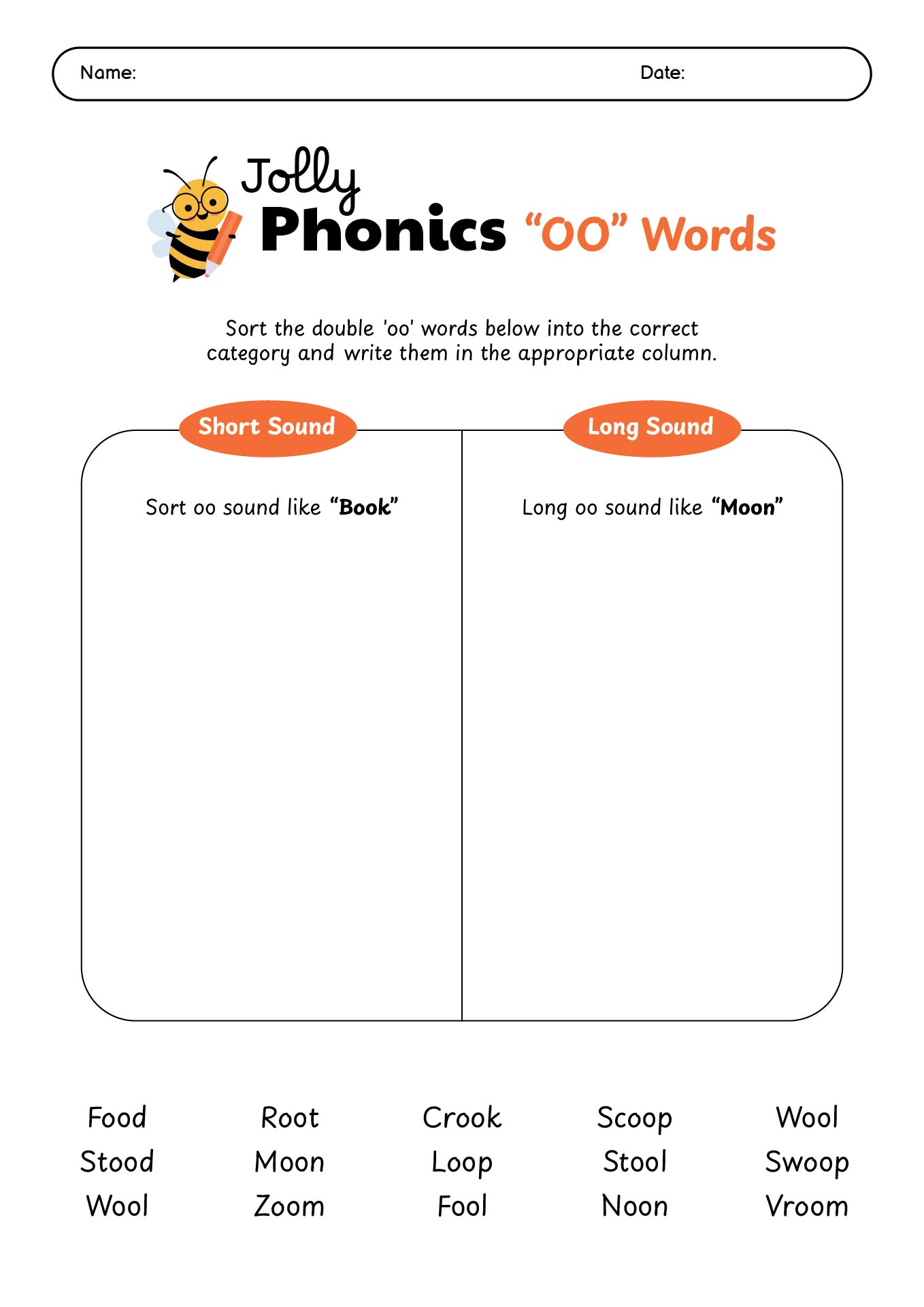
 First Grade Vowel Team Oo Worksheet
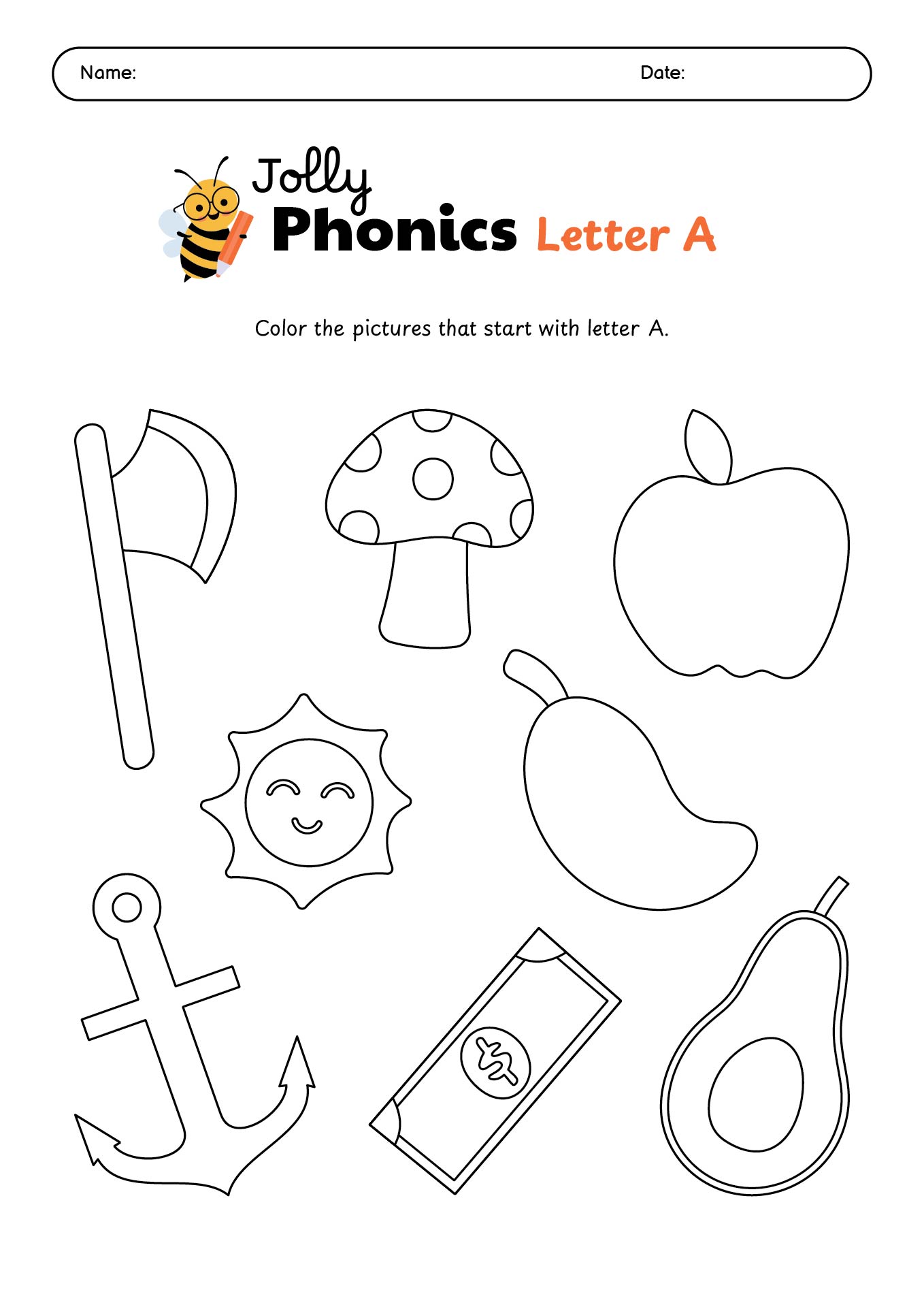
 Phonics Letter a Coloring Pages
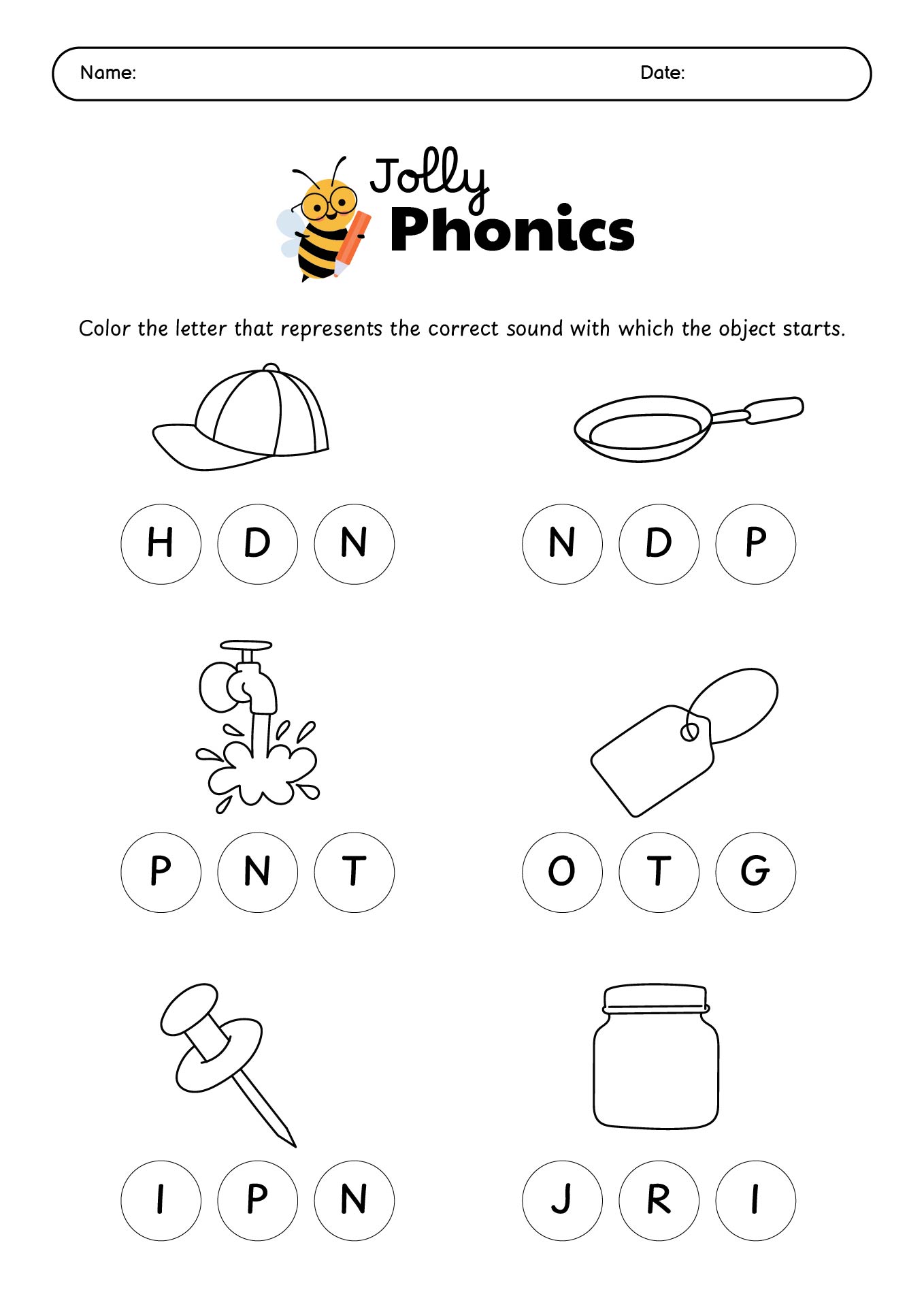
 Sounds Cards Read Write Speed Inc
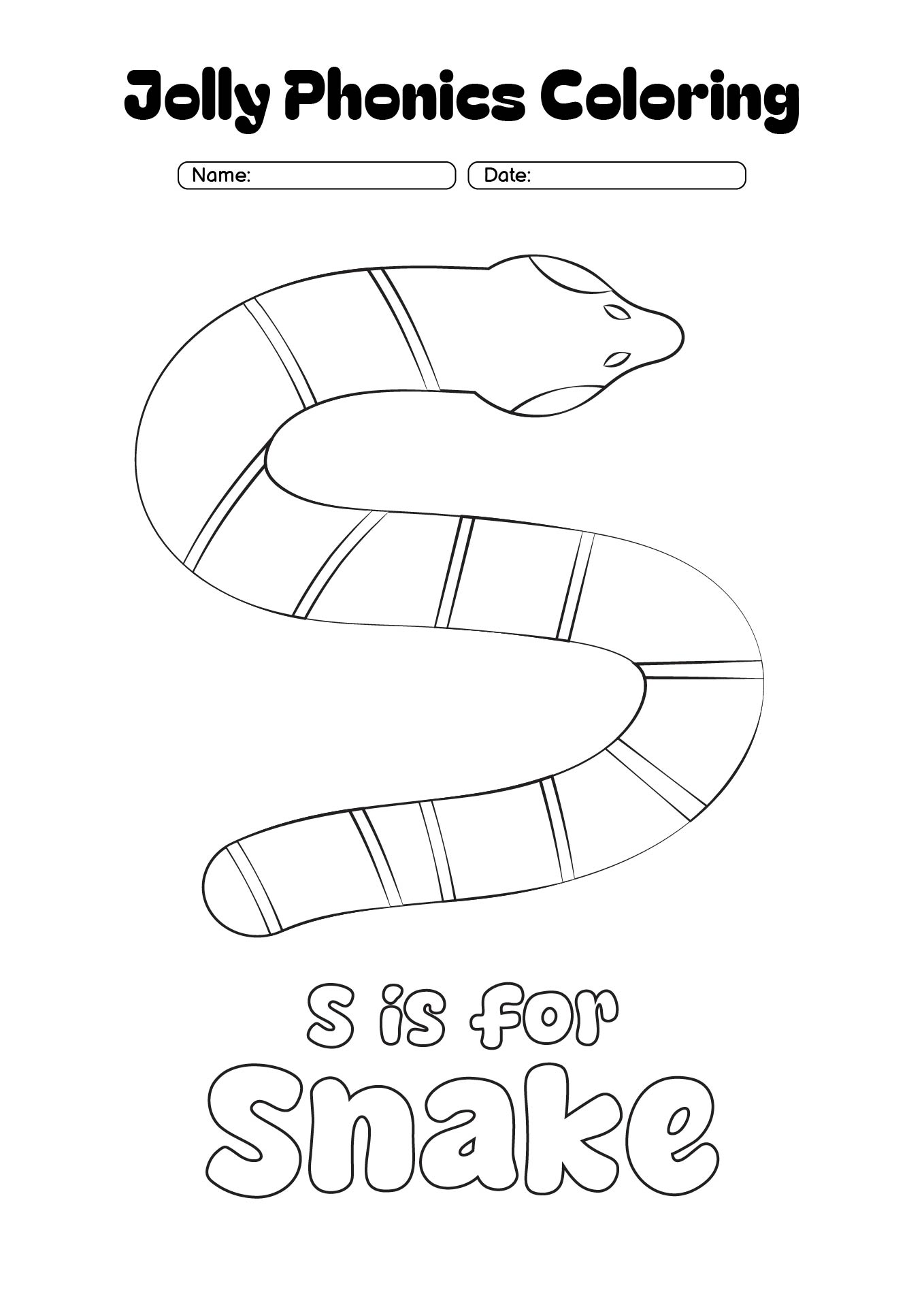
 Jolly Phonics Coloring Pages
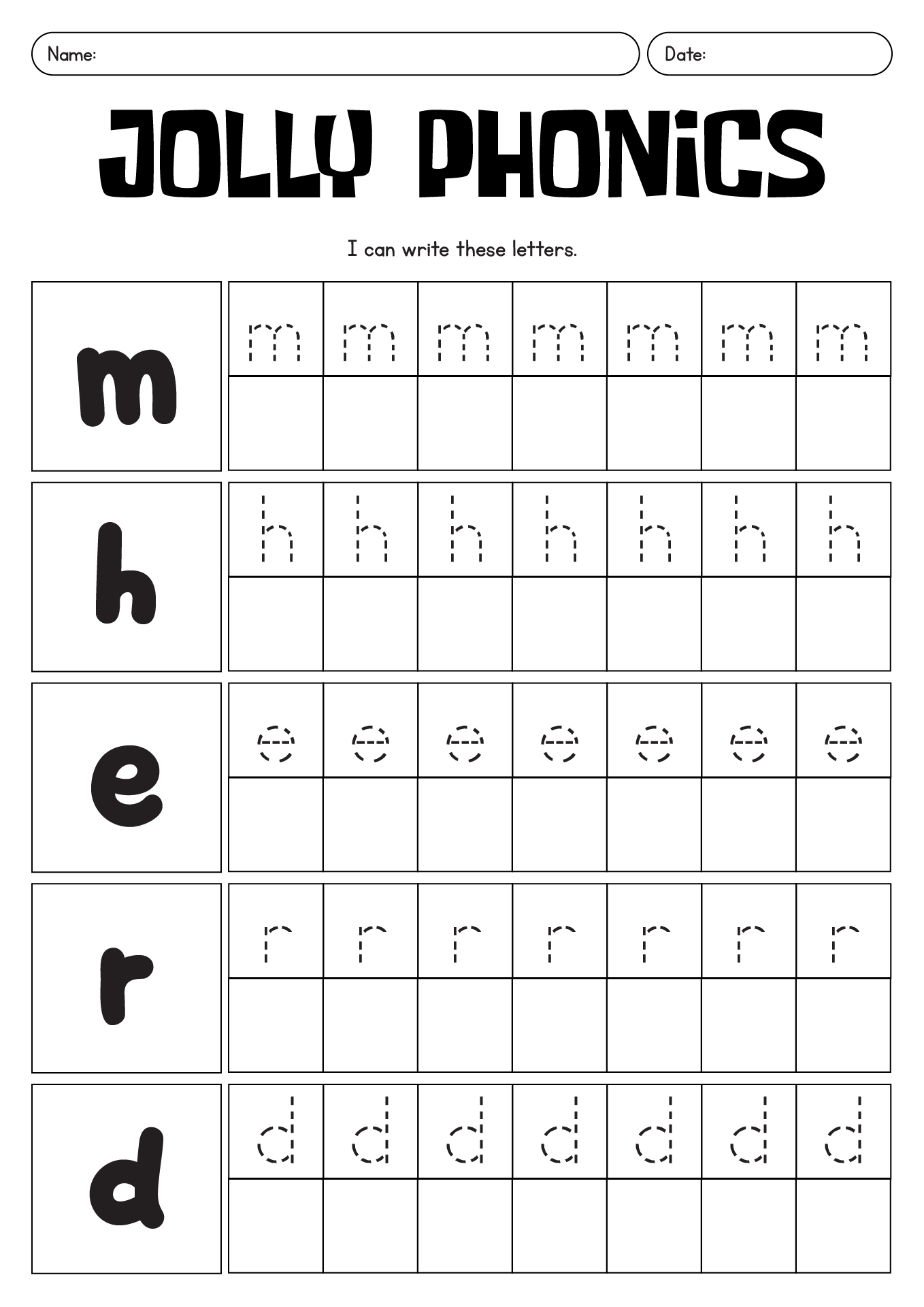
 Jolly Phonics Letter Formation Practice
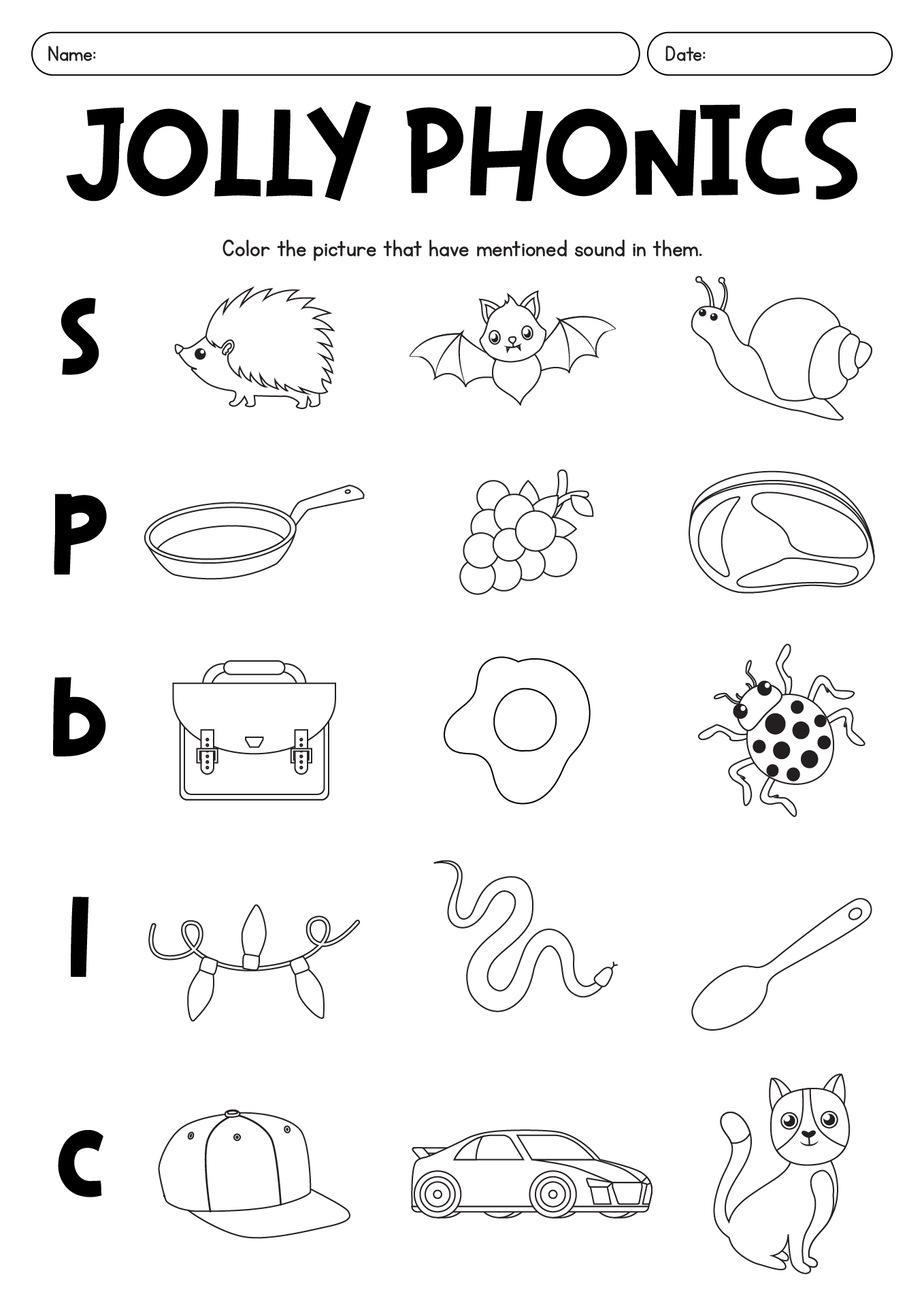
 Jolly Phonics Initial Sounds Worksheets
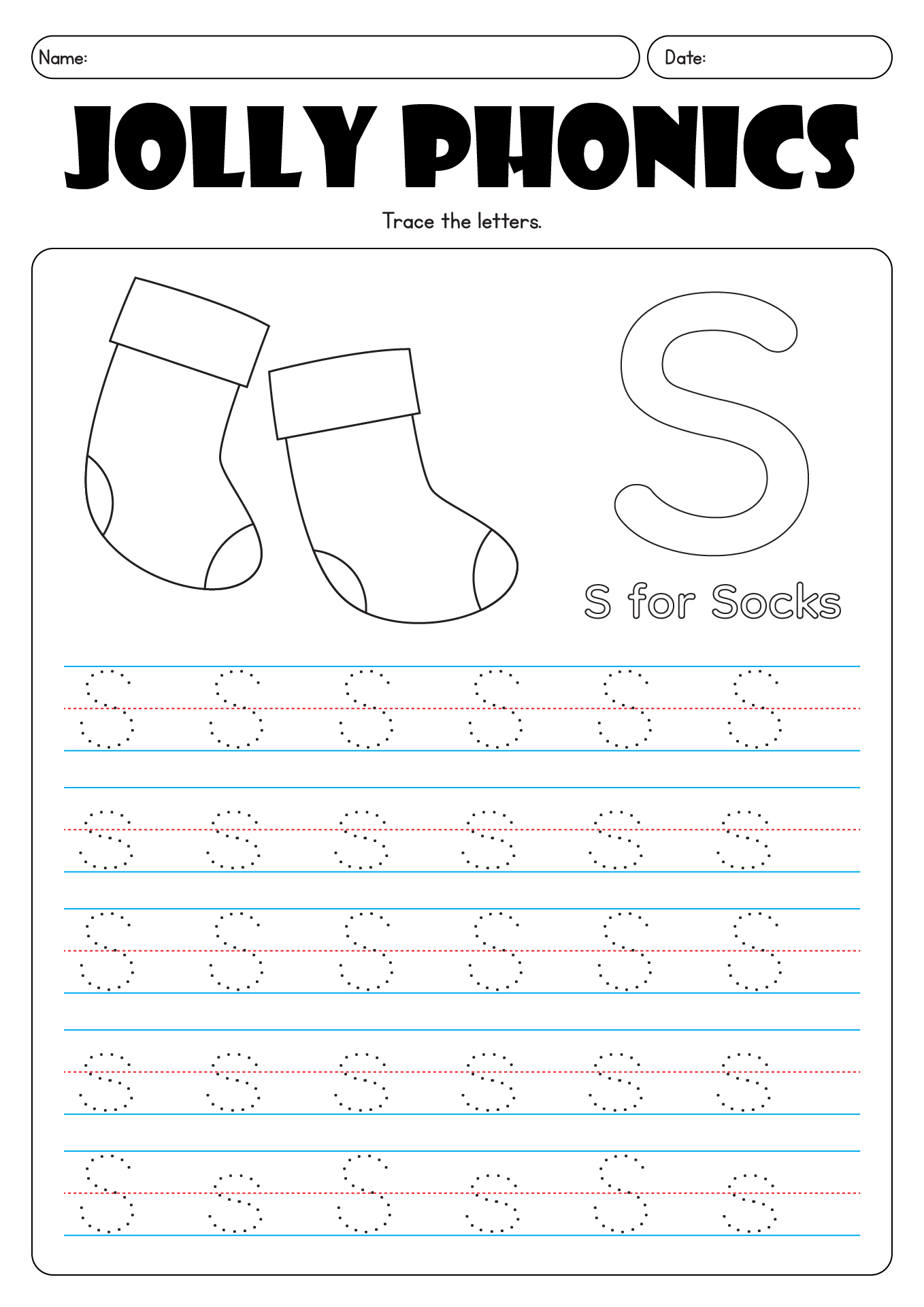
 Jolly Phonics Tracing Sheets
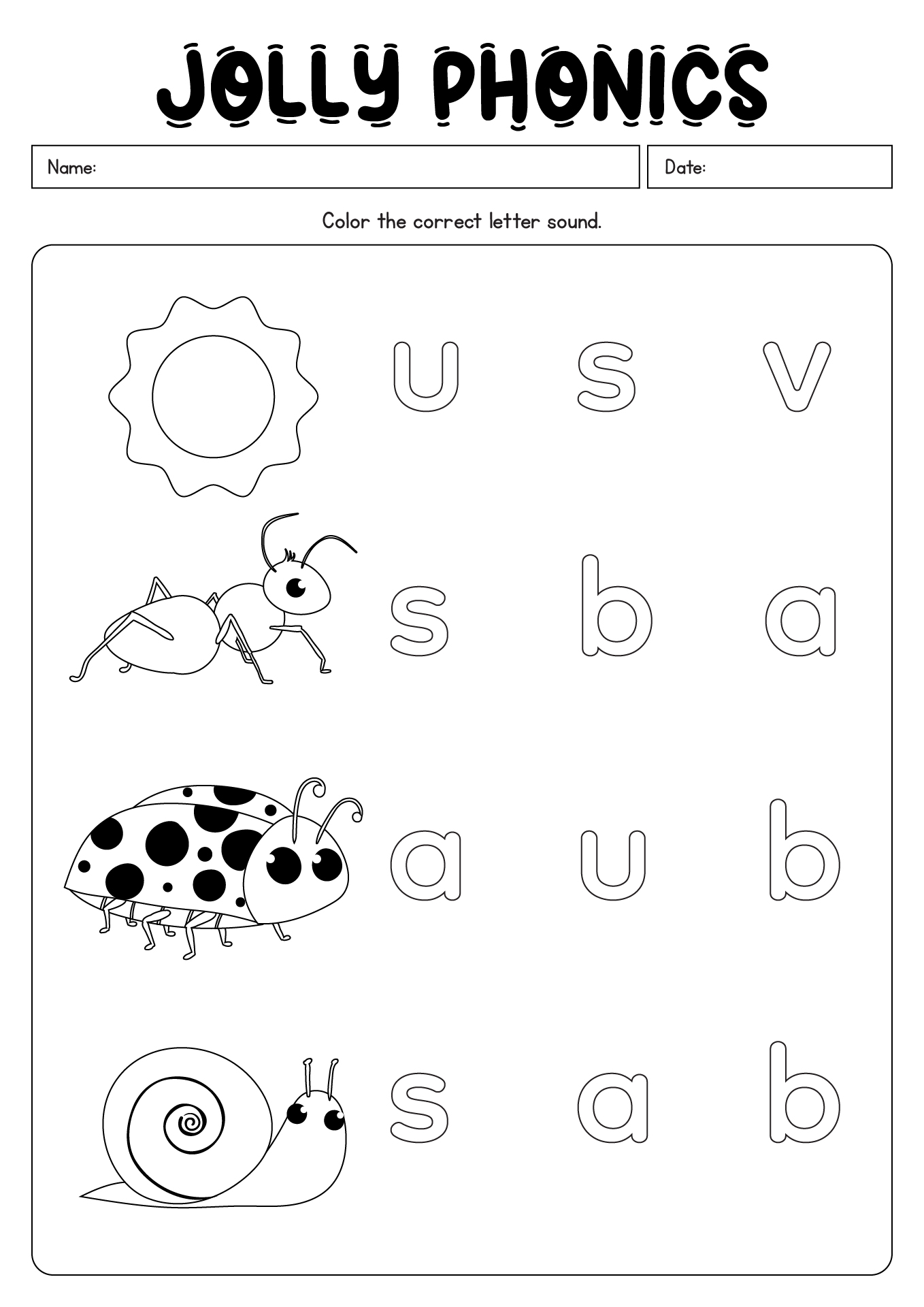
 Jolly Phonics Alphabet Worksheets
More Other Worksheets
Kindergarten Worksheet My RoomSpanish Verb Worksheets
Spring Clothes Worksheet
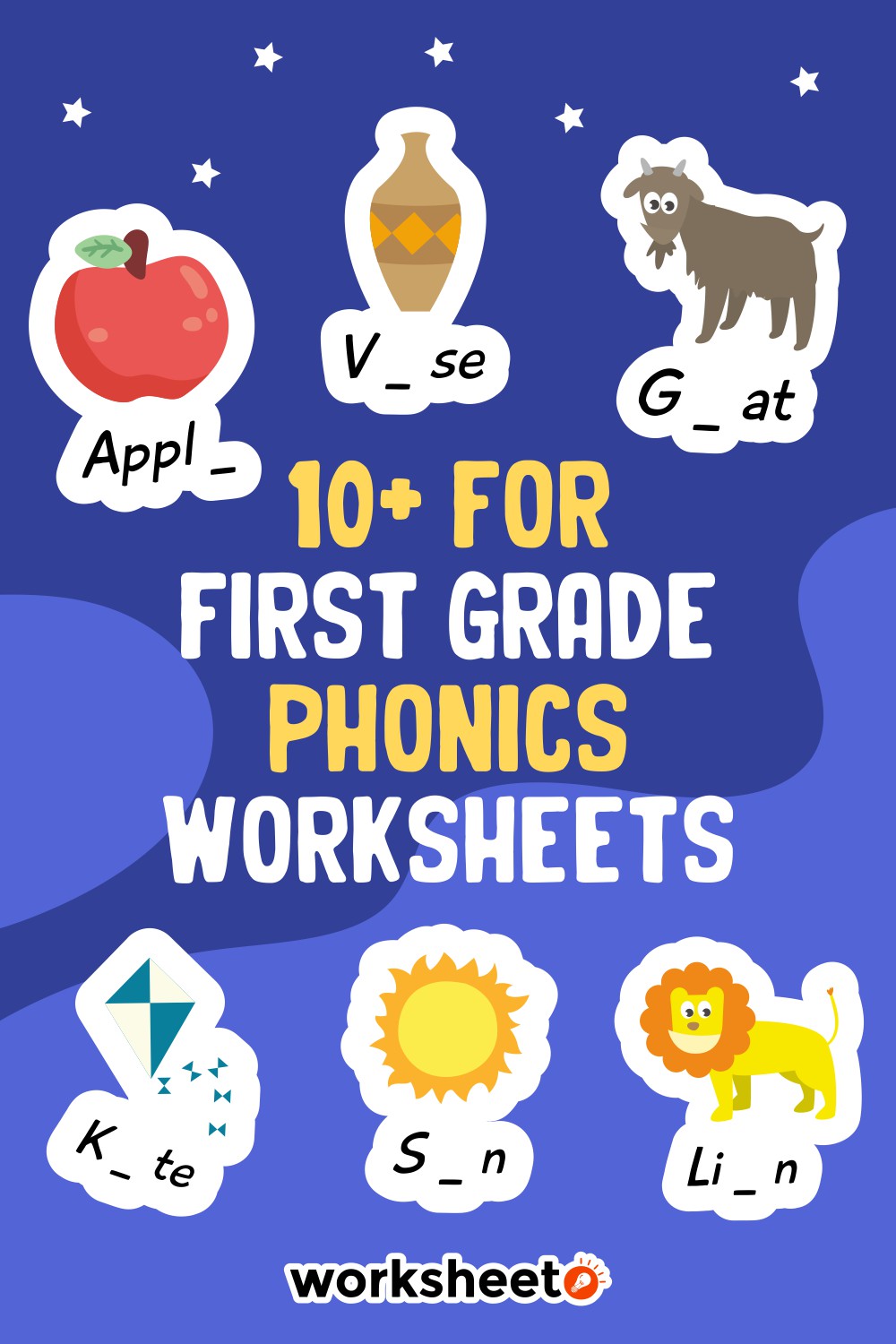
For First Grade Phonics Worksheets
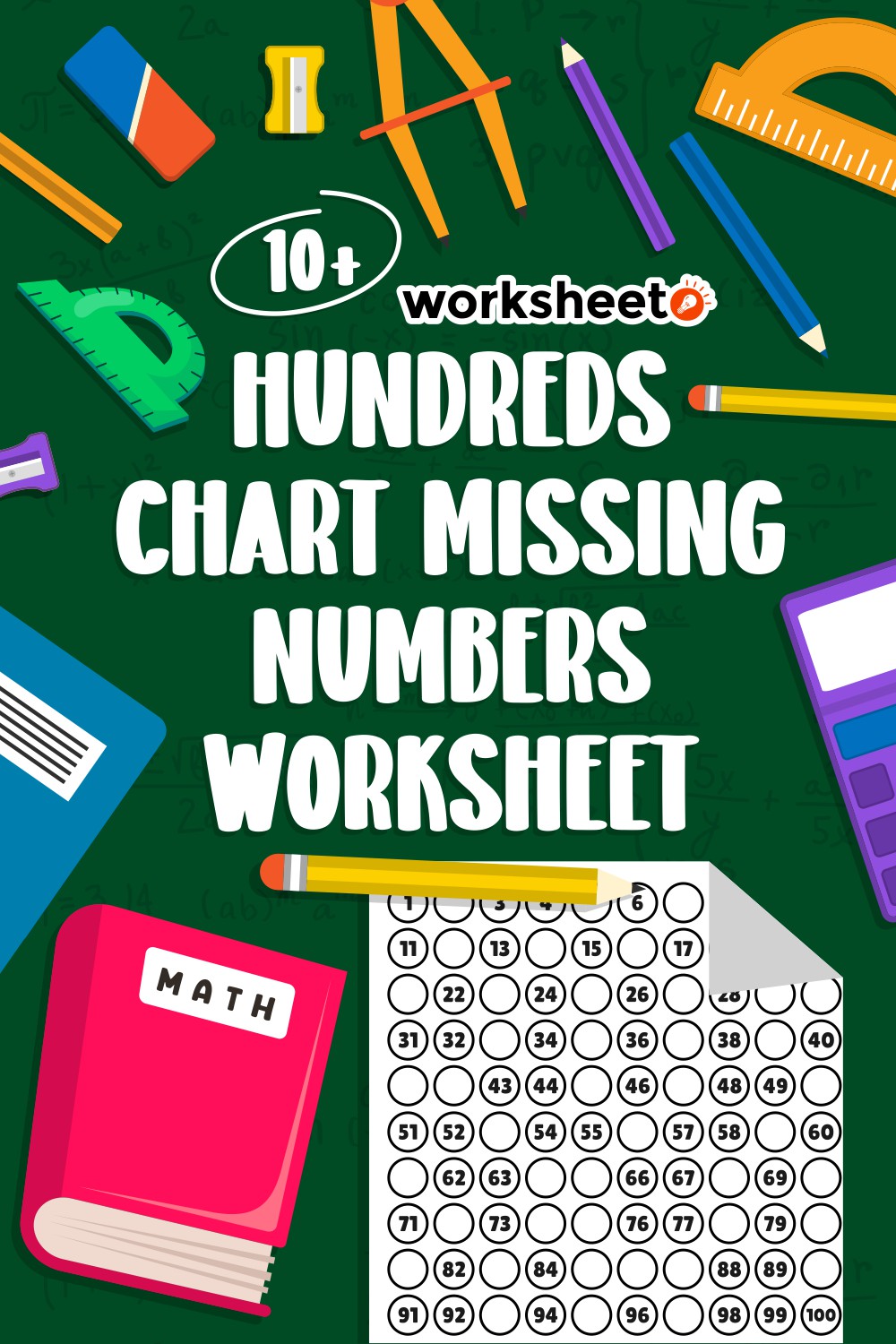
Hundreds Chart Missing Numbers Worksheet
Healthy Eating Plate Printable Worksheet
Cooking Vocabulary Worksheet
My Shadow Worksheet
Large Printable Blank Pyramid Worksheet
Relationship Circles Worksheet
What are Jolly Phonic Printable Worksheets?
Jolly Phonic Printable Worksheets are structured activity sheets that help children learn letter sounds, practice blending, and spot simple jolly phonic words in a way that feels playful instead of rigid. They support early learning by breaking down phonics into small chunks, making it easier for kids to process new information.
Here’s why educators love them:
- They guide students sound by sound, not all at once
- The layout is simple, so even young kids can follow along
- They fit smoothly into any kids jolly phonics routine
Throughout each worksheet, children build confidence using tasks that feel predictable but still exciting enough to keep them engaged.
What Key Sounds Should Be Introduced First Through Jolly Phonic Printable Worksheets?
Choosing which sounds to teach first is key, and printable Jolly Phonic sheets make this part easier. Most educators start with high-utility consonants and vowels that naturally blend well together. This approach helps kids form their first short words quickly.
A typical starter sequence includes:
- s, a, t, i, p, n: these combine easily into early jolly phonic words
- Simple blends like at, in, an, it
- Clear CVC structures before moving to digraphs
Parents can support this at home by repeating the same sound set across different activities, whether coloring, reading, or tracing letters. By using this consistent sequence, you can:
- Helps kids decode earlier
- Reduces confusion between similar sounds
- Creates a smoother learning transition as lessons advance
Which Skills Can You Strengthen With Jolly Phonic Printable Worksheets Week by Week?
The flexibility of Jolly Phonic Printable Worksheets allows teachers and parents to target different reading foundations each week. Because the worksheets progress gradually, children absorb each new concept without pressure.
With steady weekly use, kids can strengthen:
- Sound recognition: Build familiarity with individual letter sounds
- Blending practice: Use sound combinations to form CVC jolly phonic words
- Writing control: Trace letters and shapes that reinforce fine motor skills
- Listening comprehension: Match pictures to sounds for deeper understanding
You can also combine these worksheets with short jolly phonic lesson routines, like singing, storytelling, or guided reading sessions, to make learning feel more dynamic.
Weekly consistency helps children:
- Feel familiar with the sequence
- Build fluency step by step
- Recognize patterns in words
- Move toward independent reading
Which Parts of Early Literacy Improve First When Kids Use Jolly Phonic Printable Worksheets?
When children start practicing with Jolly Phonics sheets, the earliest improvements usually show up in a few core areas of early literacy. Because the activities are structured, repetitive, and visually friendly, kids quickly gain confidence in skills that support long-term reading growth.
Here are the parts of early literacy that tend to improve first:
- Letter formation: Tracing and writing tasks strengthen fine motor control and letter shape memory.
- Vocabulary awareness: Matching pictures with sounds helps them link visuals to meaning.
What Jolly Phonic Printable Worksheets Should Parents Start With for Absolute Beginners?
For kids who are brand new to phonics, choosing the right starting point matters. Parents often wonder which Jolly Phonic Printable Worksheets are best for complete beginners, especially if they’re teaching at home for the first time.
Here are the most beginner-friendly types:
- Letter sound introduction sheets: Trace, color, and say the sound
- Picture-sound matching sheets: Helps build recognition
- First blending exercises: Simple CVC words with visual support
- Cut-and-paste tasks: Boosts motor skills while practicing phonics
Pairing these worksheets with kids routines, like sound songs or short reading moments, helps beginners connect sounds with actual language.
Parents also find it helpful to:
- Stick to one sound per day or per two days
- Use visuals or objects around the house to reinforce each sound
- Keep lessons short, fun, and hands-on
This slow but steady start builds strong reading foundations.
So, Which Challenges Can Kids Overcome Faster With Our Jolly Phonic Printable Worksheets?
Many early readers struggle with blending, identifying similar sounds, or staying engaged long enough to practice. Our Jolly Phonic Printables help solve these challenges because the activities are simple, visual, and intentionally repetitive.
Kids can overcome challenges like:
- Confusing visually similar letters (b, d, p)
- Struggling to blend sounds smoothly
- Forgetting sound-picture associations
- Losing focus during longer reading tasks
- Feeling intimidated by new phonic words
With regular practice, kids start recognizing patterns faster, making reading feel less like a challenge and more like a skill they’re excited to show off. The gentle repetition in each activity helps them remember sounds, blend simple Jolly Phonic words, and follow reading routines with more confidence. Over time, these small improvements stack up and create a strong foundation for long-term literacy growth.
So, if you’re searching for learning tools that are simple to use, visually clear, and effective for both classroom activities and at-home practice, our Jolly Phonic Printable Worksheets are exactly what you need. Each printable is designed to guide young learners step-by-step, making phonics lessons feel manageable for kids and low-prep for adults.


Have something to share?
Popular Categories
Who is Worksheeto?
At Worksheeto, we are committed to delivering an extensive and varied portfolio of superior quality worksheets, designed to address the educational demands of students, educators, and parents.


Comments