
Introductory Paragraph Worksheet
Starting an essay is not always as simple as putting the first thought on paper. Sometimes, students understand their topic perfectly well but struggle to find the right words to introduce it. They might begin with a sentence that feels too broad, jump straight into an argument, or spend too much time explaining background information.
An Introductory Paragraph Worksheet offers a practical way to work through these challenges without making writing feel like a guessing game. Through guided exercises, students can explore different opening techniques, organize their thoughts, and learn how to introduce a subject with confidence.
Ready to give your writing a stronger start? Discover how to craft an effective introductory paragraph here!
Table of Images 👆
- Essay Introduction Paragraph
- Introductory Paragraph Writing Worksheet
- Introductory Paragraph Structure Activities
- Introduction Paragraph Writing Worksheet
- Opening Paragraph Development Worksheet
- Introduction Writing Activities for Students
- Introductory Paragraph Structure Exercise
- Introductory Paragraph Practice Worksheet for High School
- High School Introductory Paragraph Exercises
- Middle School Introduction Paragraph Practice
- Introduction Paragraph Writing Worksheet
- High School Essay Introduction Worksheet
- Introductory Paragraph Practice Sheet for High School
- Argumentative Essay Opening Paragraph Exercises
- Expository Essay Introduction Worksheet
- Research Paper Introductory Paragraph Worksheet
- College Essay Introduction Worksheet
- Beginning Paragraph Practice Worksheet

 18 Images of Introductory Paragraph Worksheet
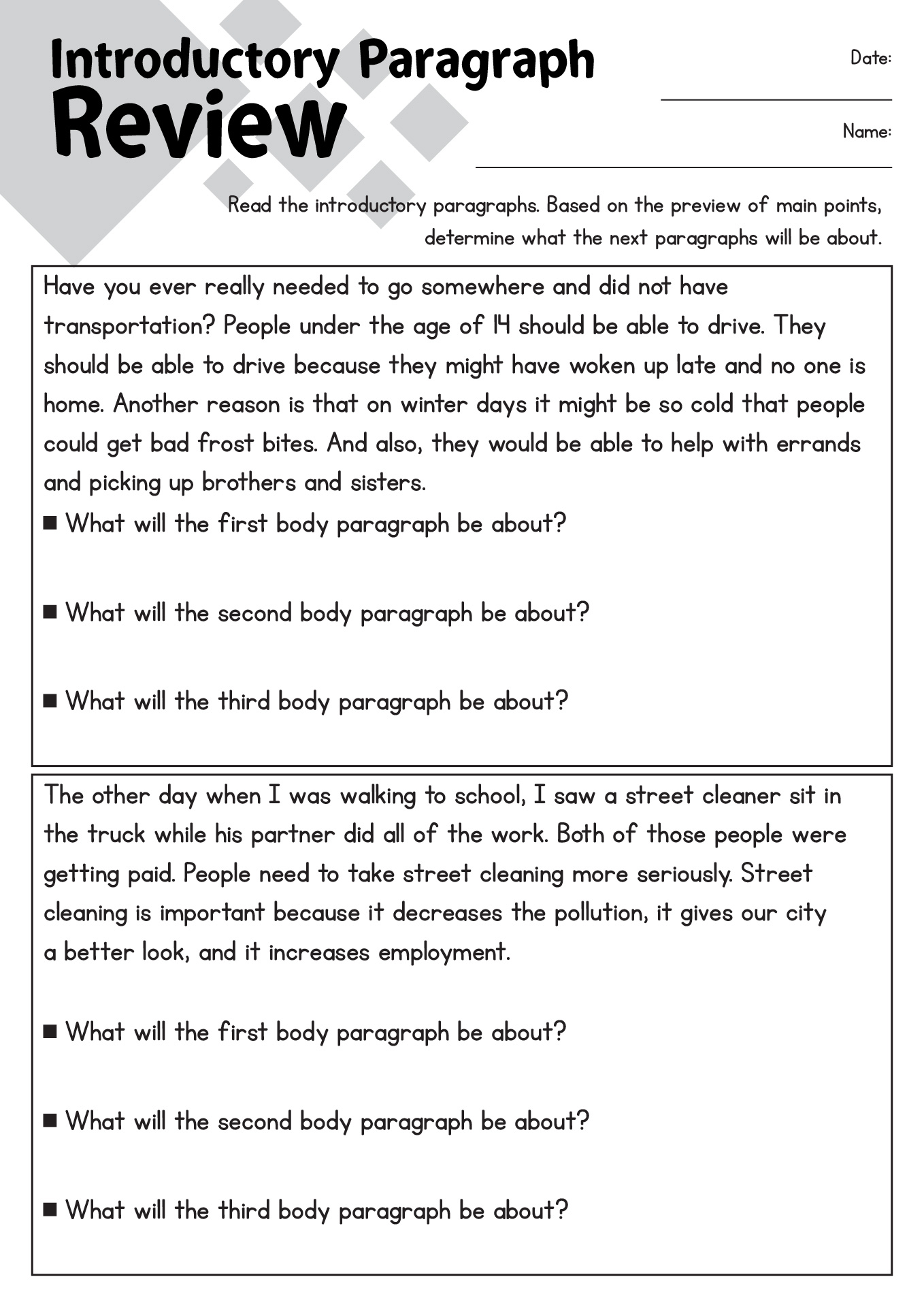
 Essay Introduction Paragraph

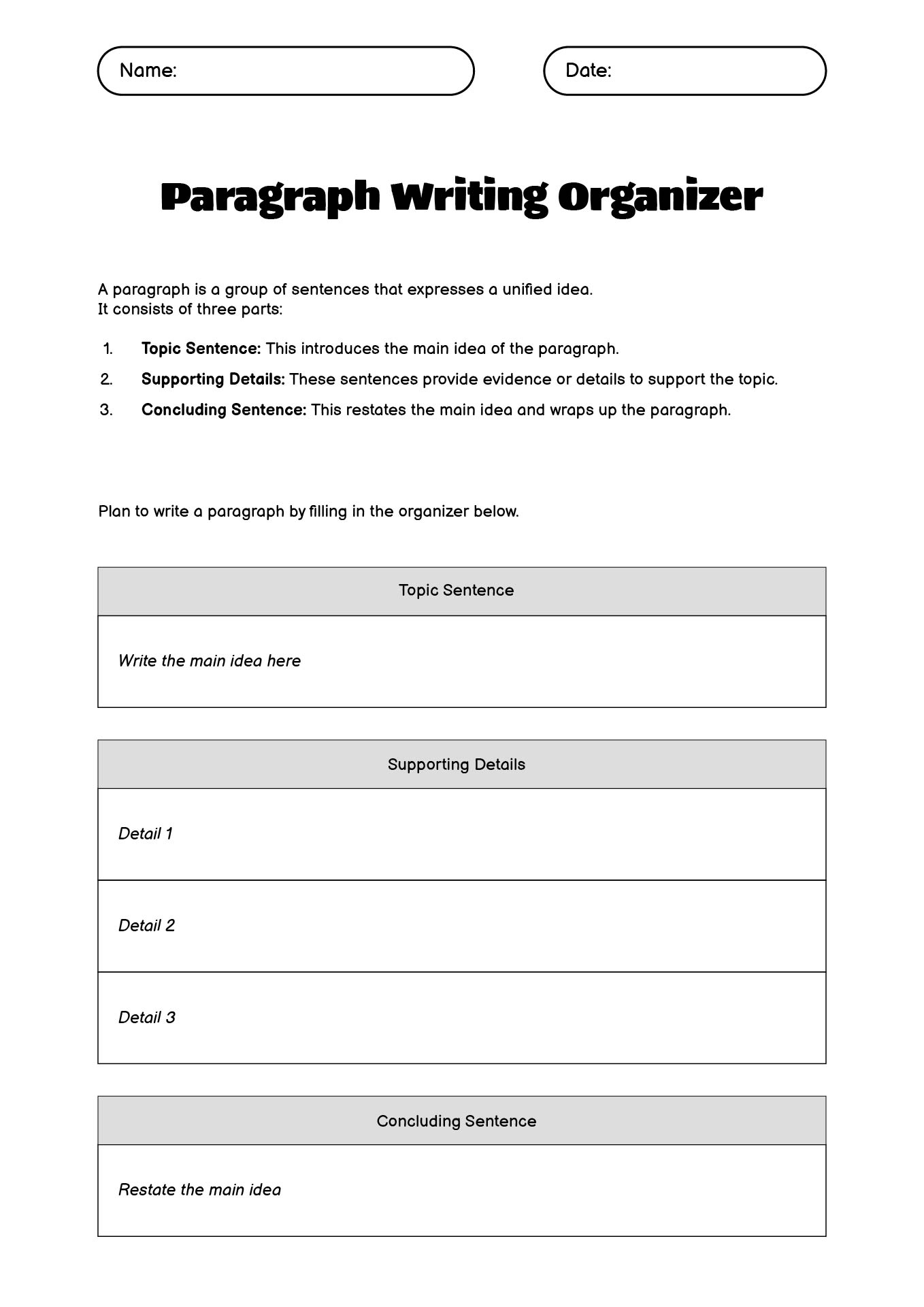
 Introductory Paragraph Writing Worksheet

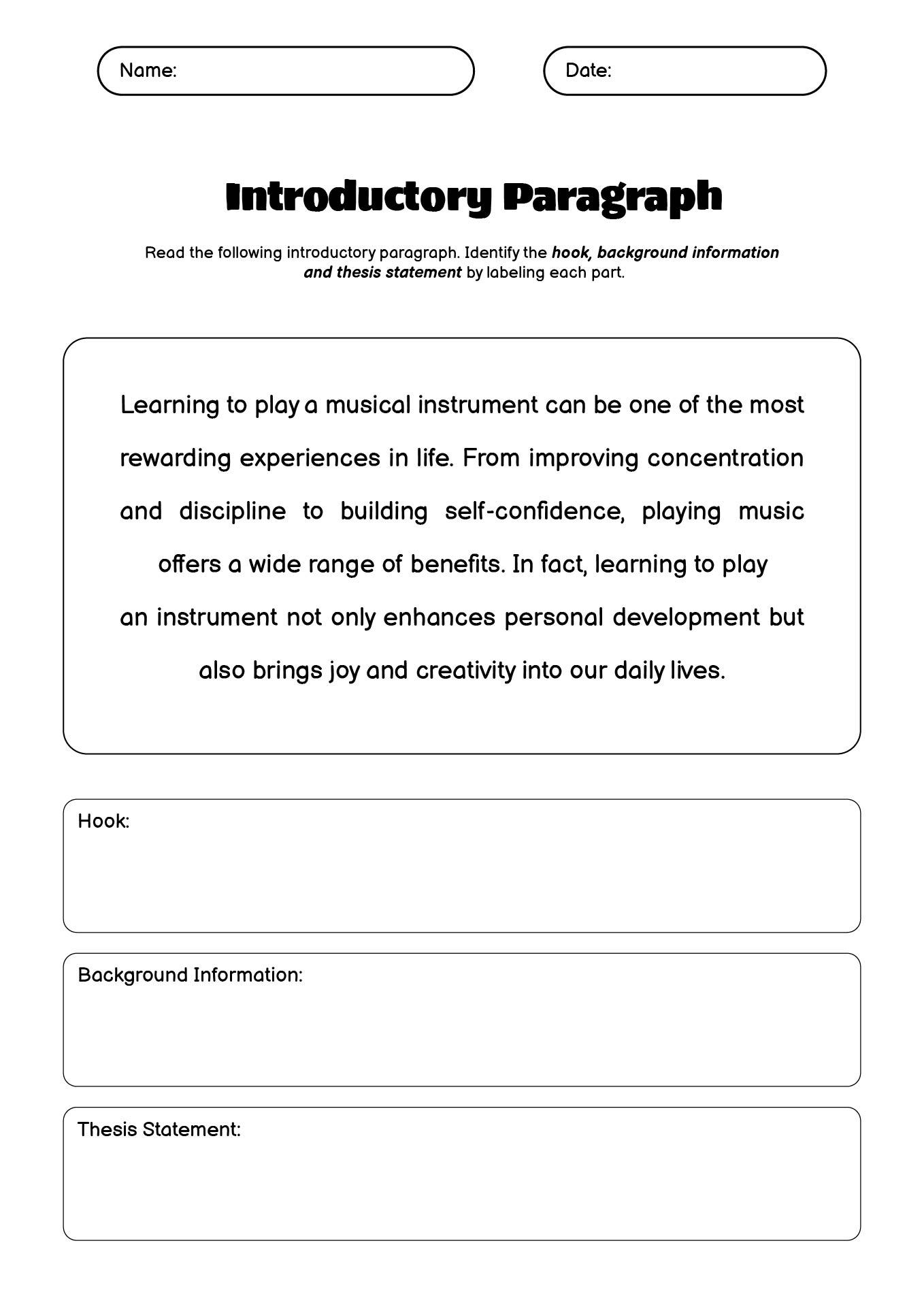
 Introductory Paragraph Structure Activities

 Introduction Paragraph Writing Worksheet

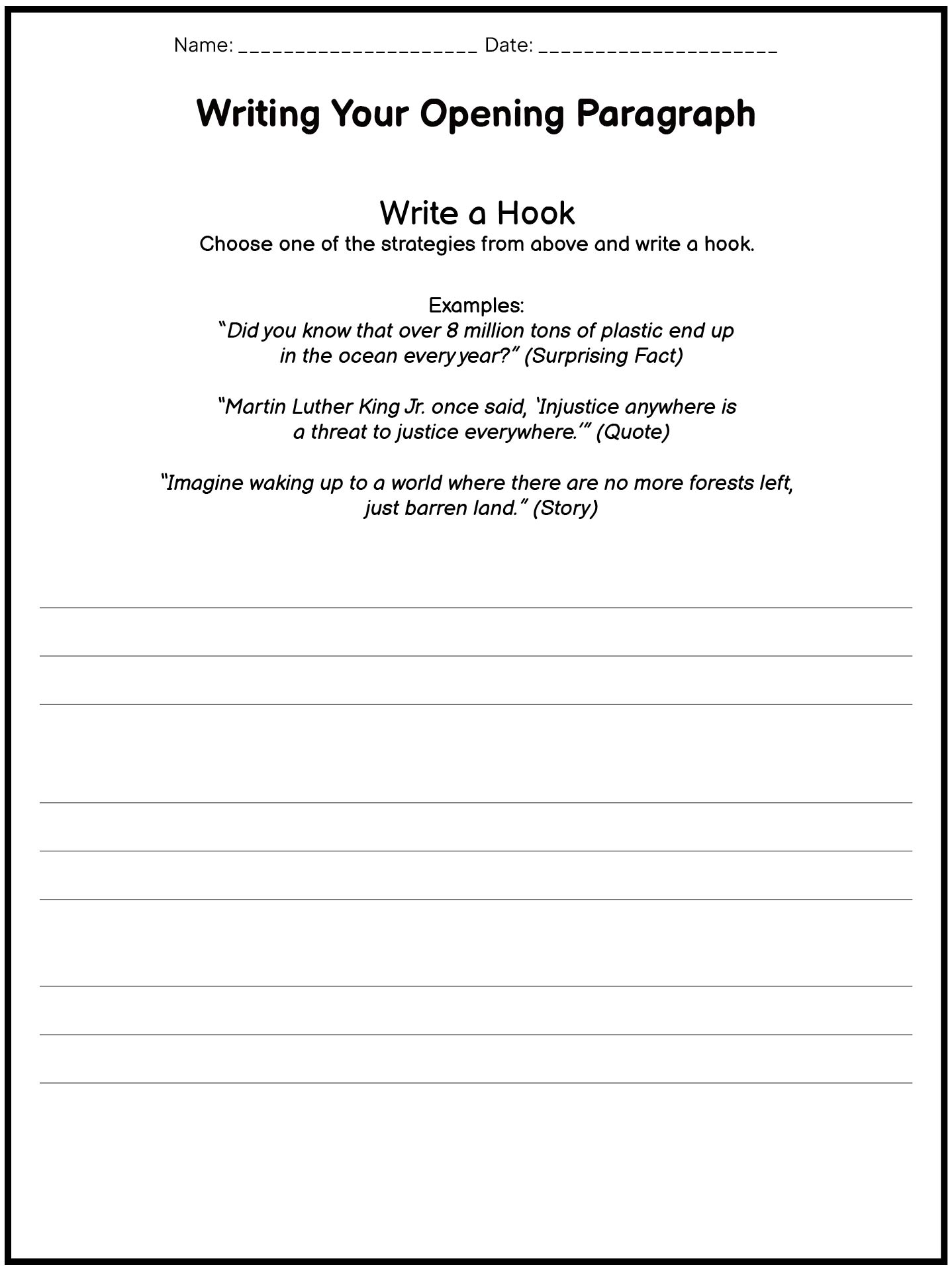
 Opening Paragraph Development Worksheet

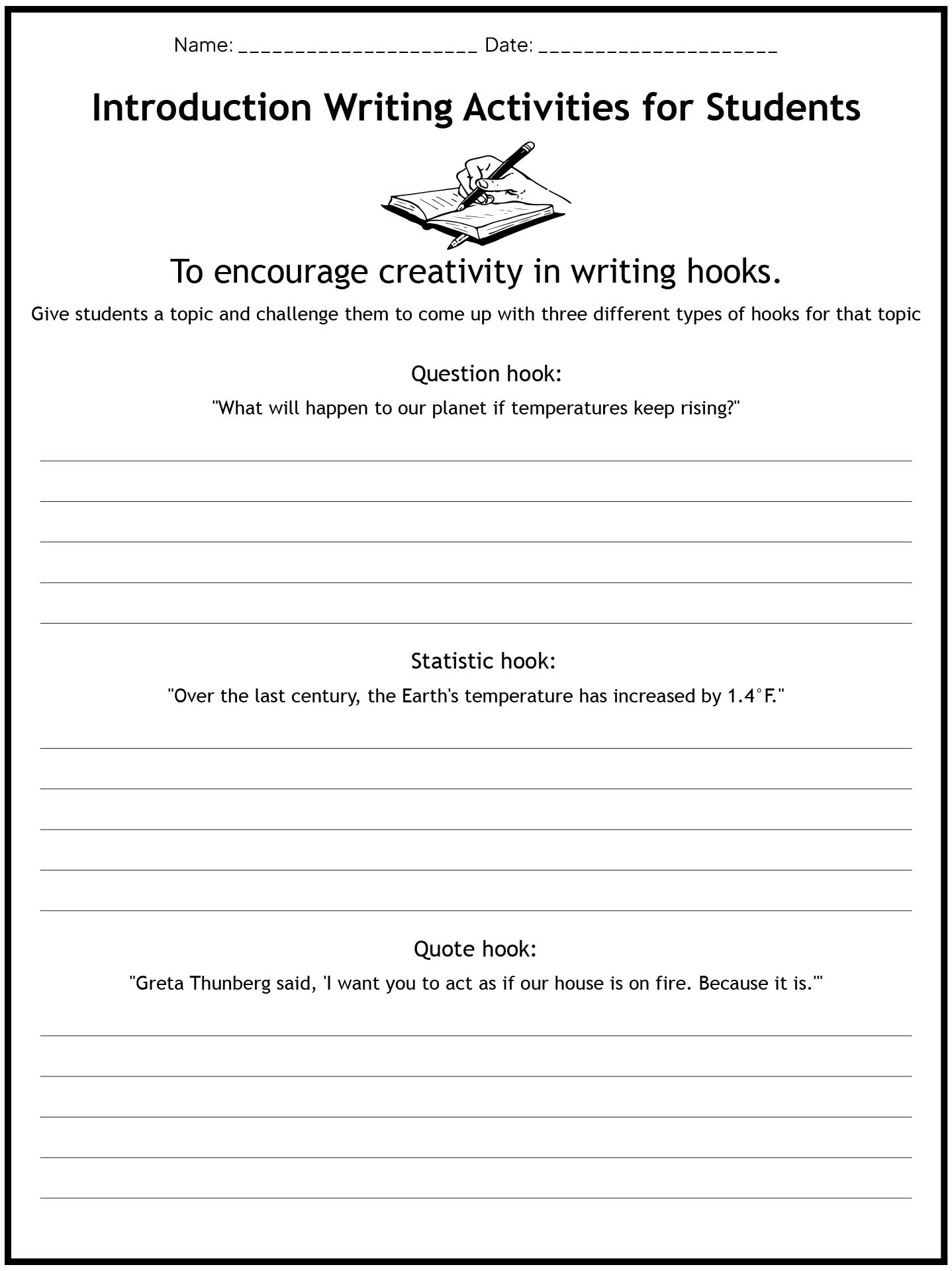
 Introduction Writing Activities for Students

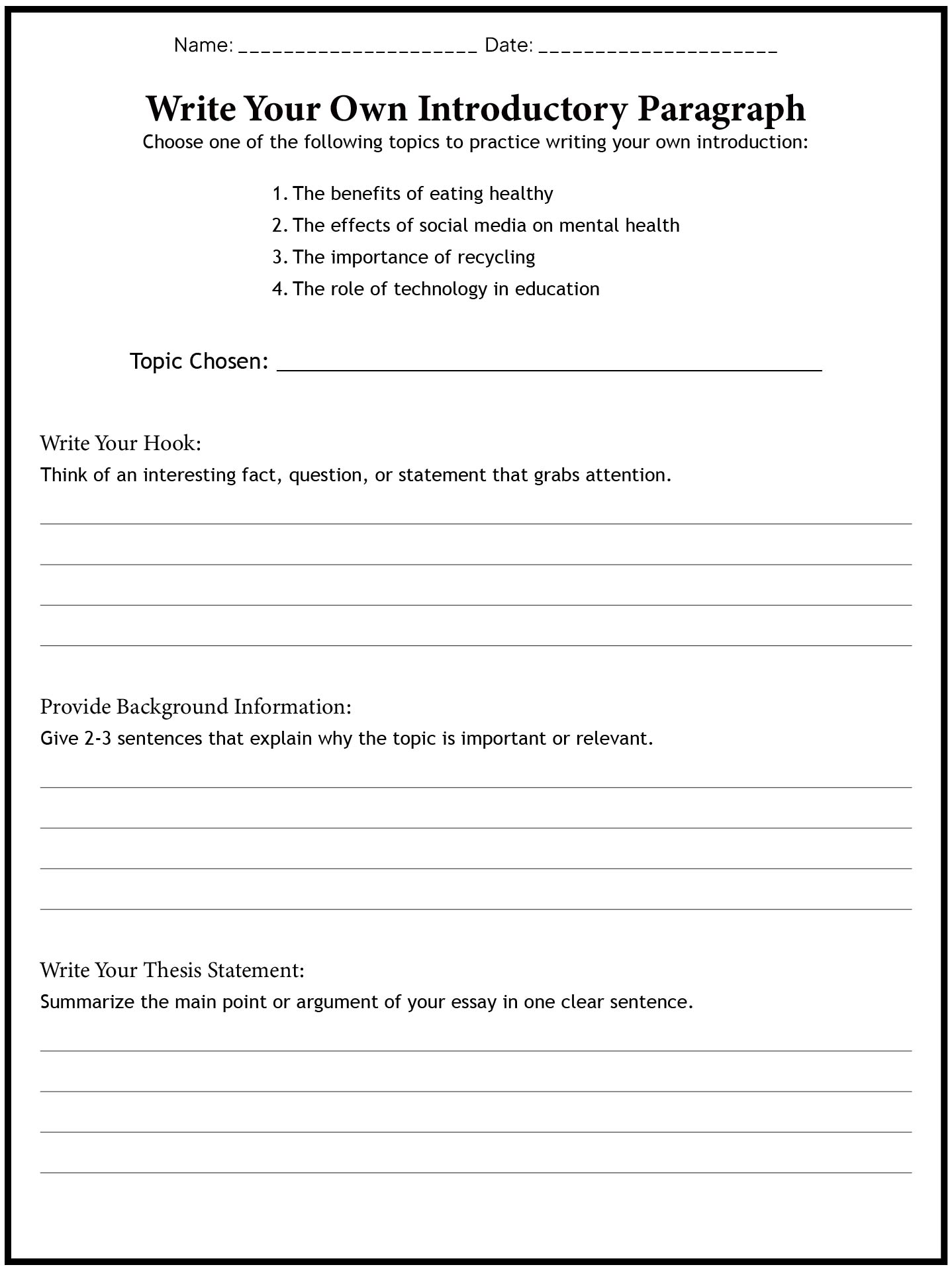
 Introductory Paragraph Structure Exercise

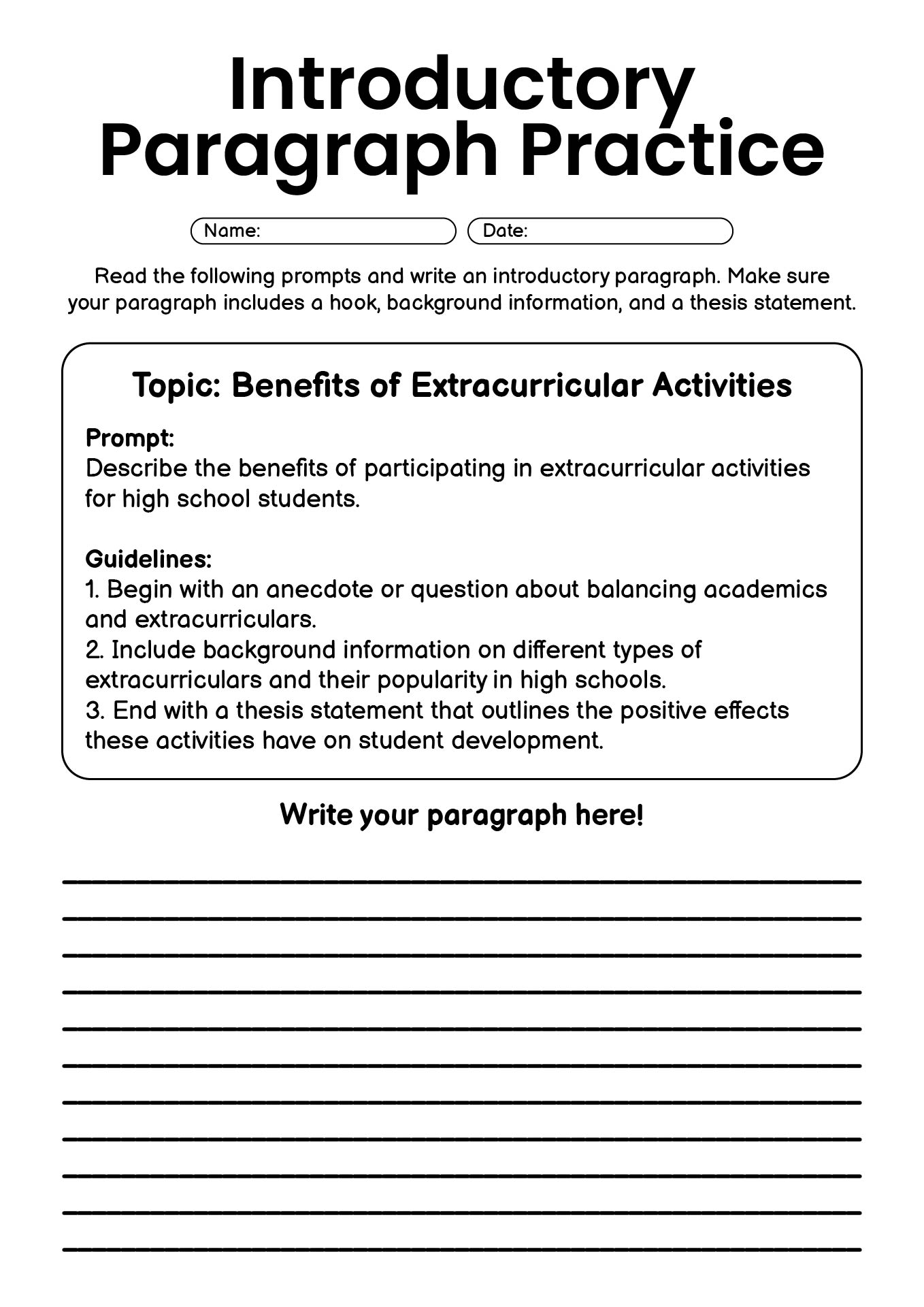
 Introductory Paragraph Practice Worksheet for High School

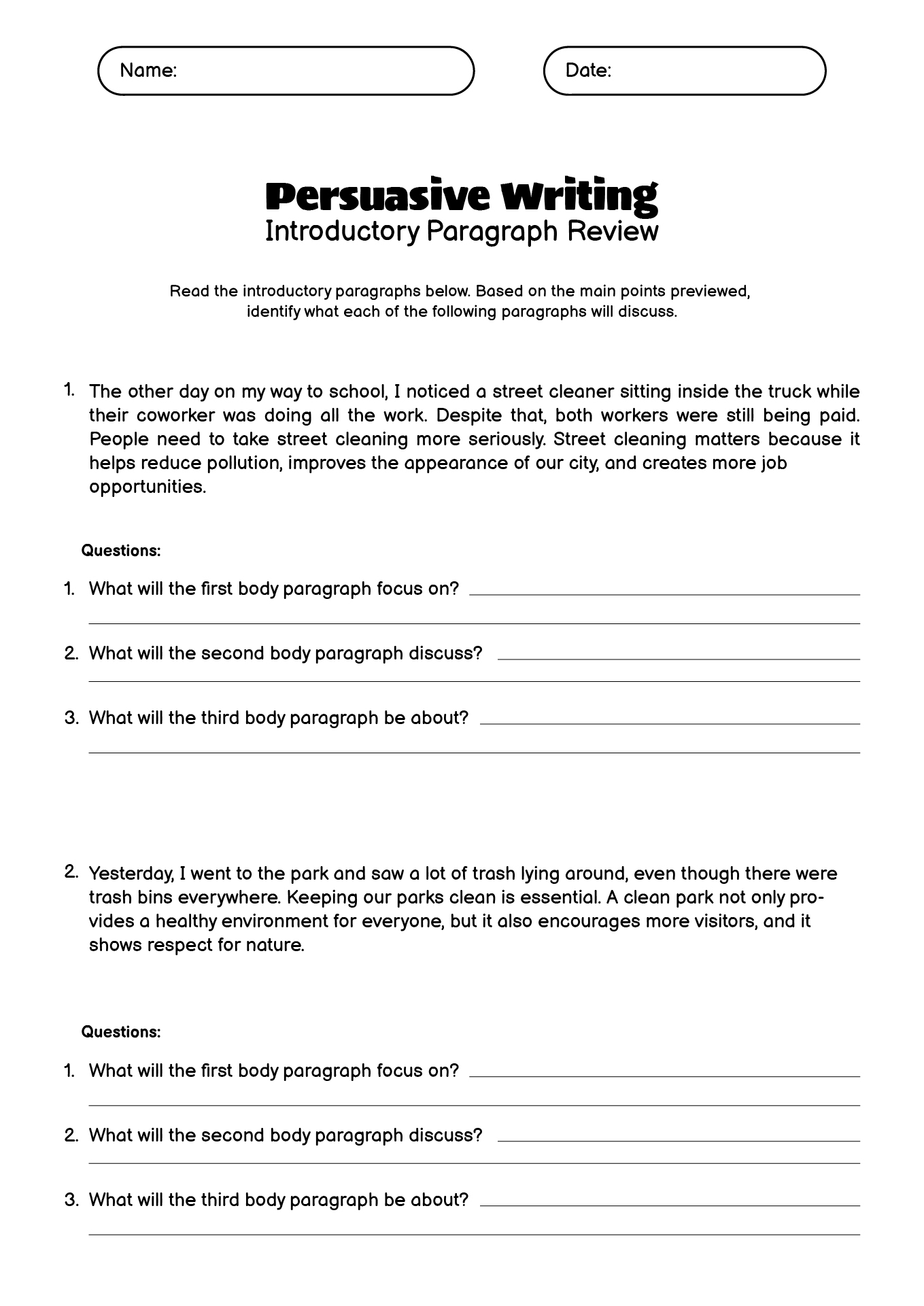
 High School Introductory Paragraph Exercises

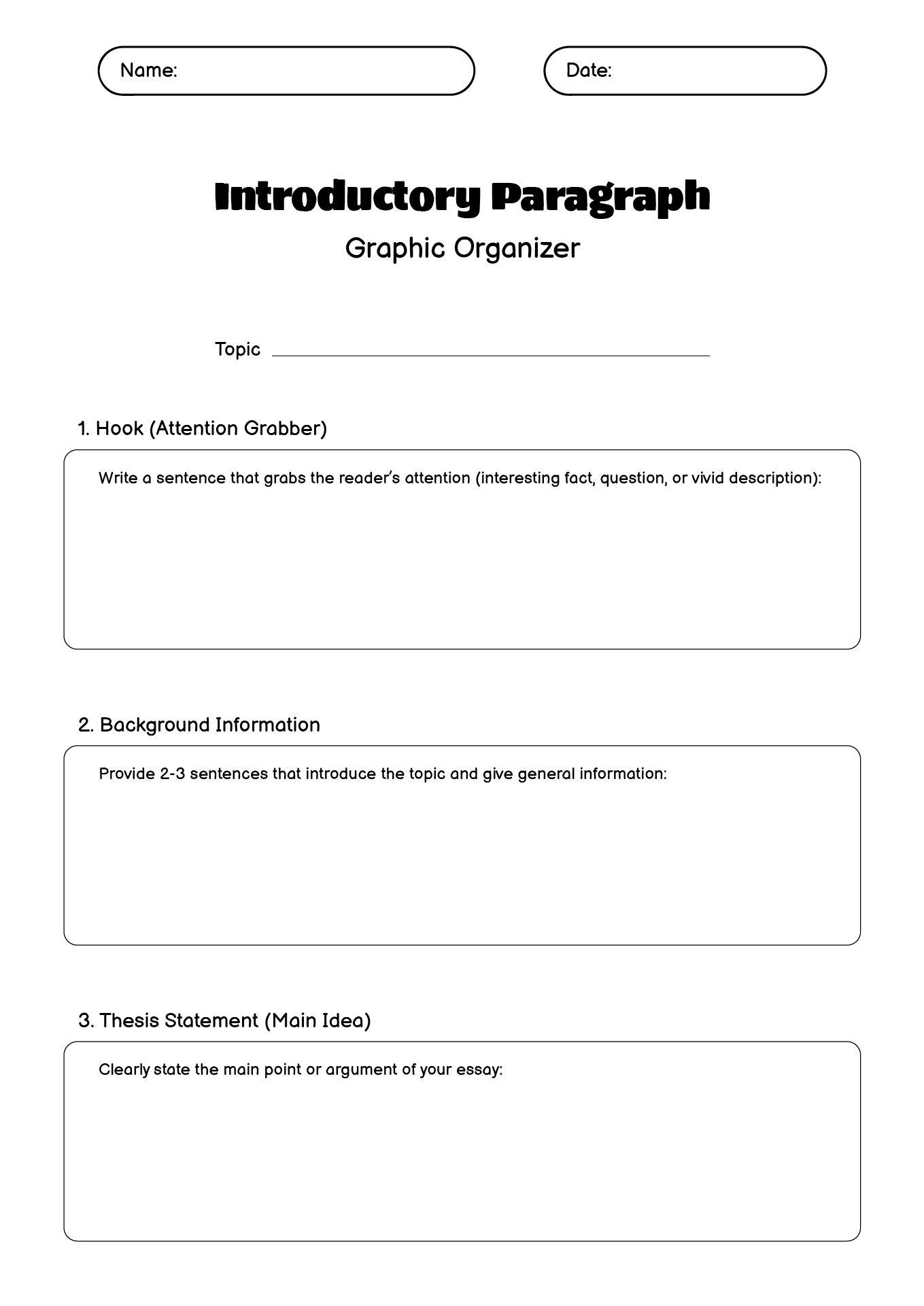
 Middle School Introduction Paragraph Practice

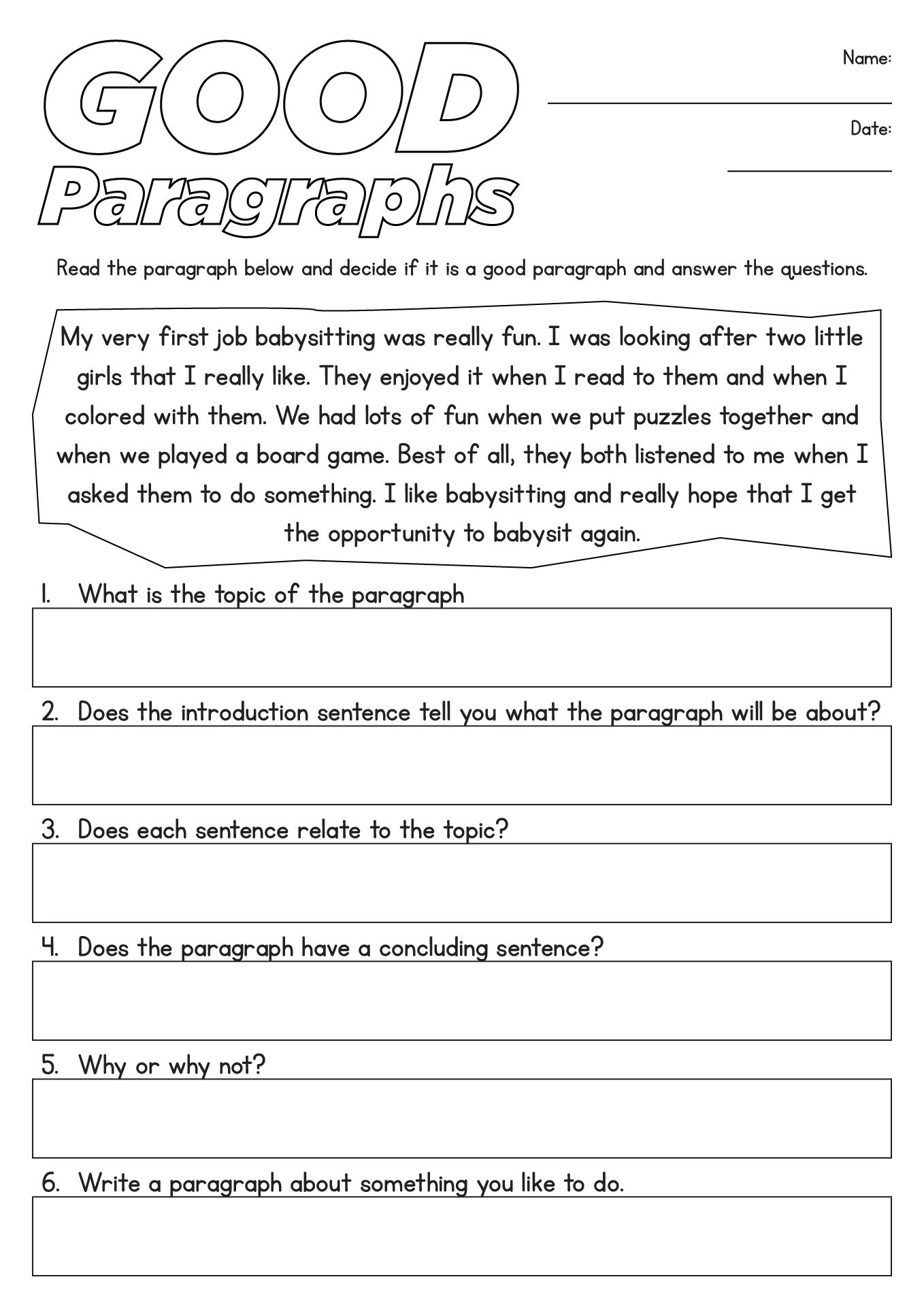
 Introduction Paragraph Writing Worksheet

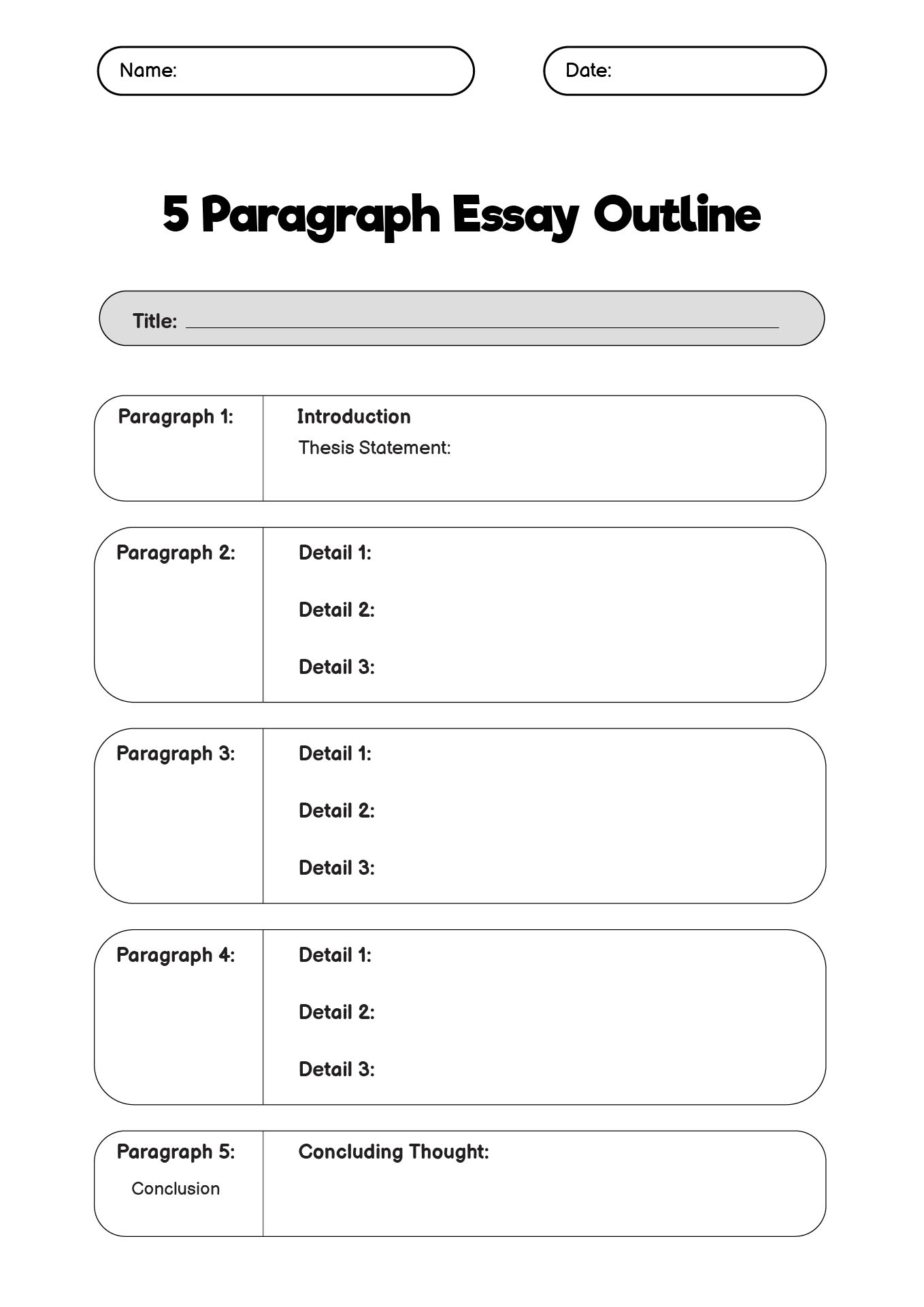
 High School Essay Introduction Worksheet

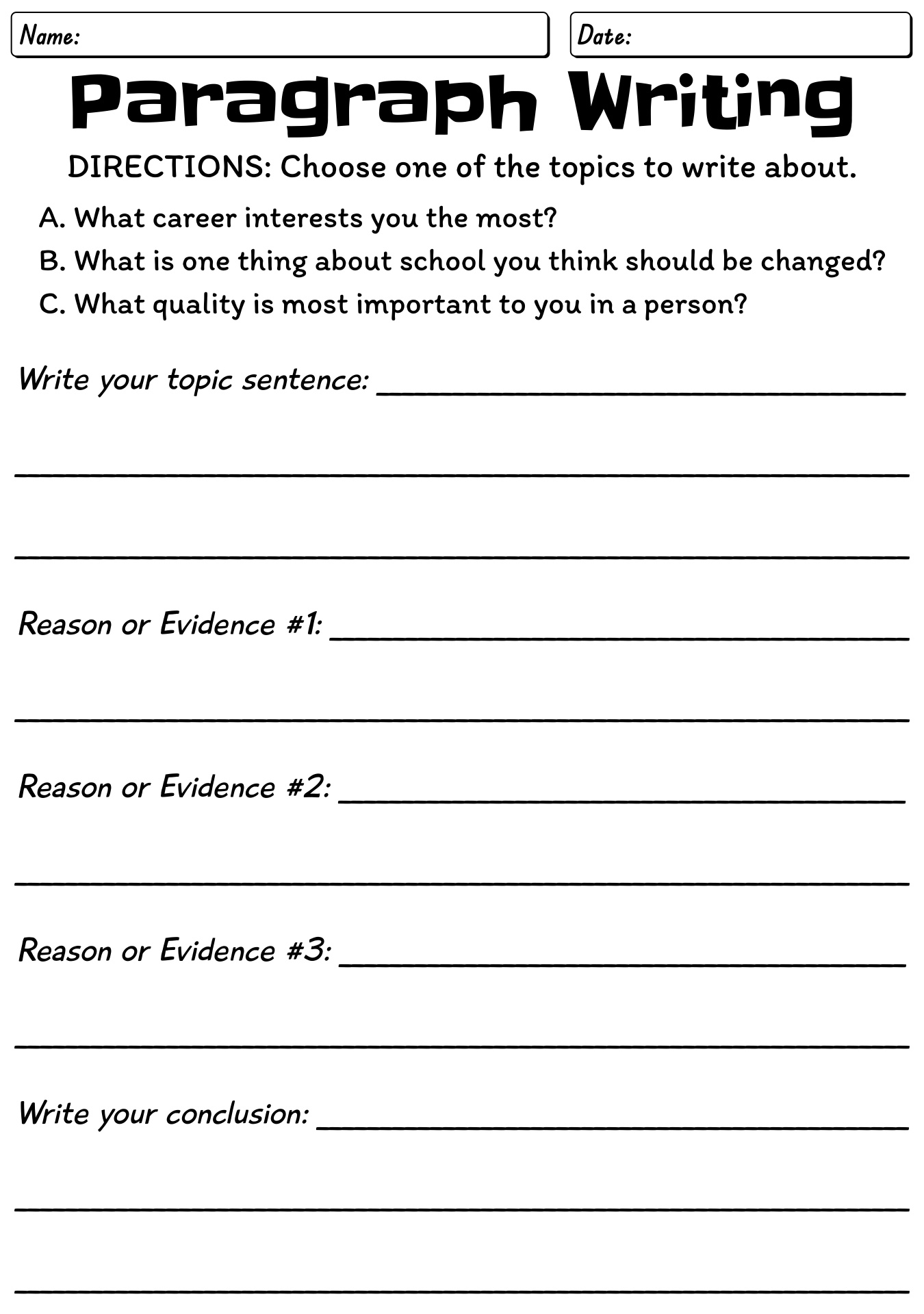
 Introductory Paragraph Practice Sheet for High School

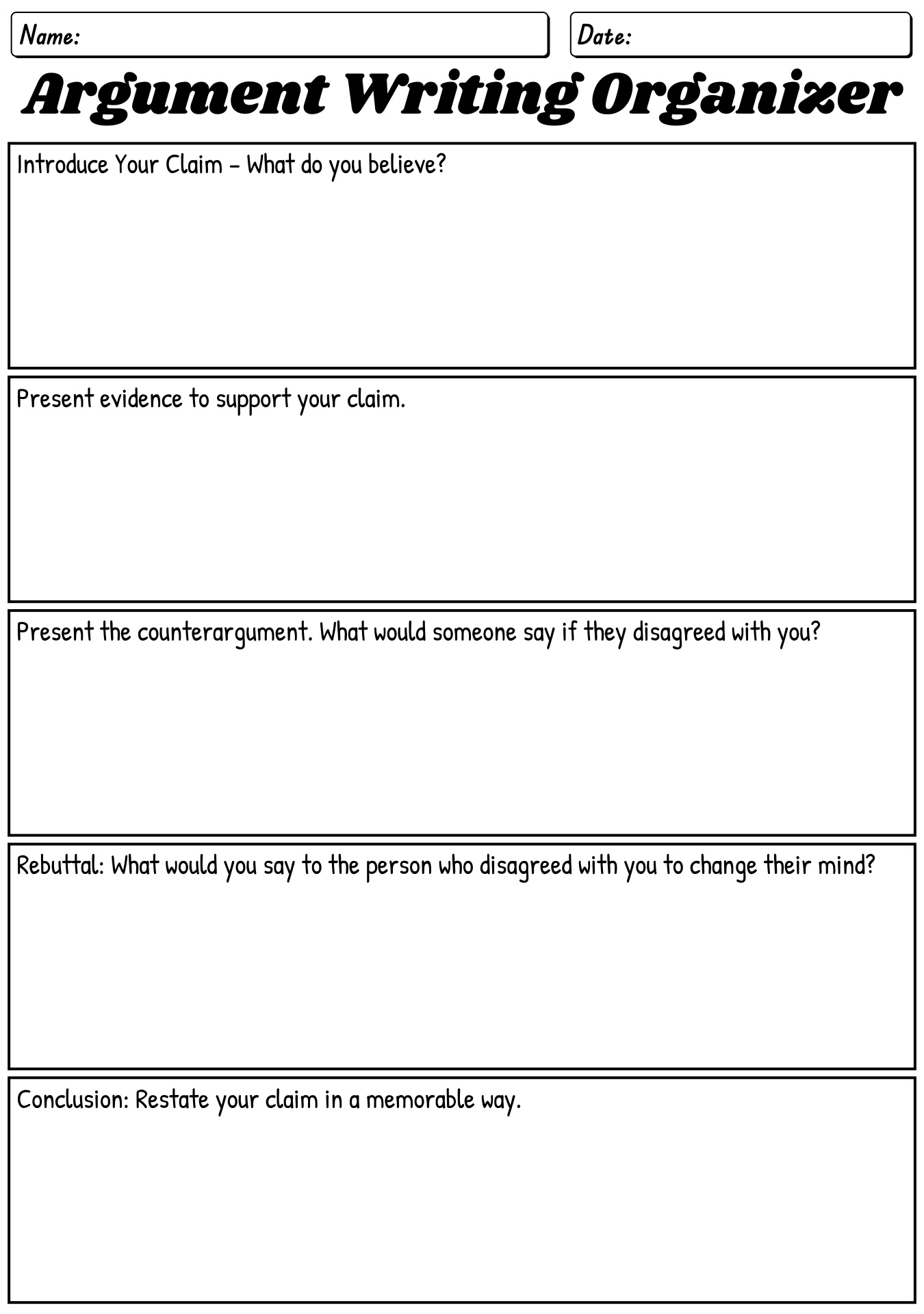
 Argumentative Essay Opening Paragraph Exercises

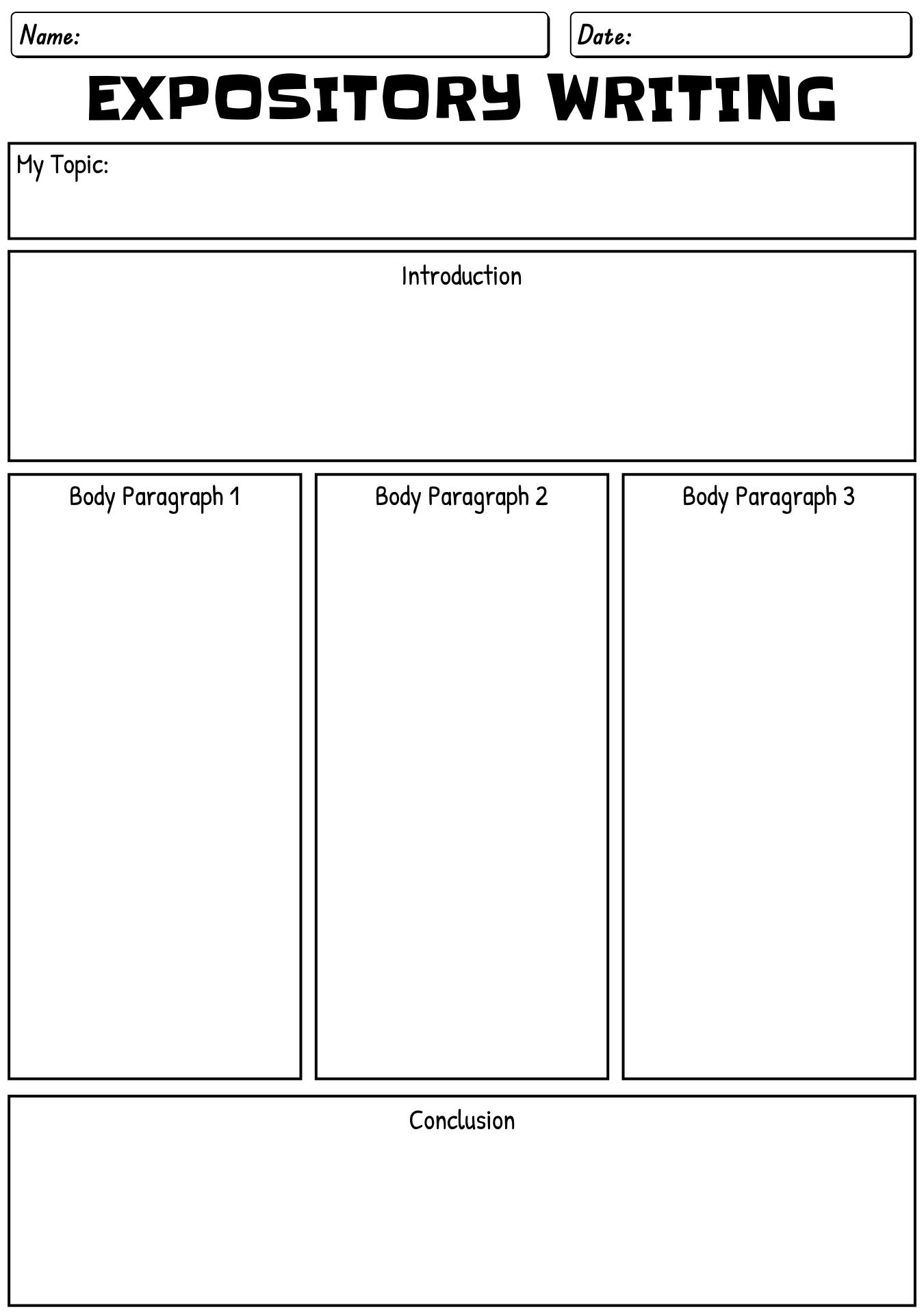
 Expository Essay Introduction Worksheet

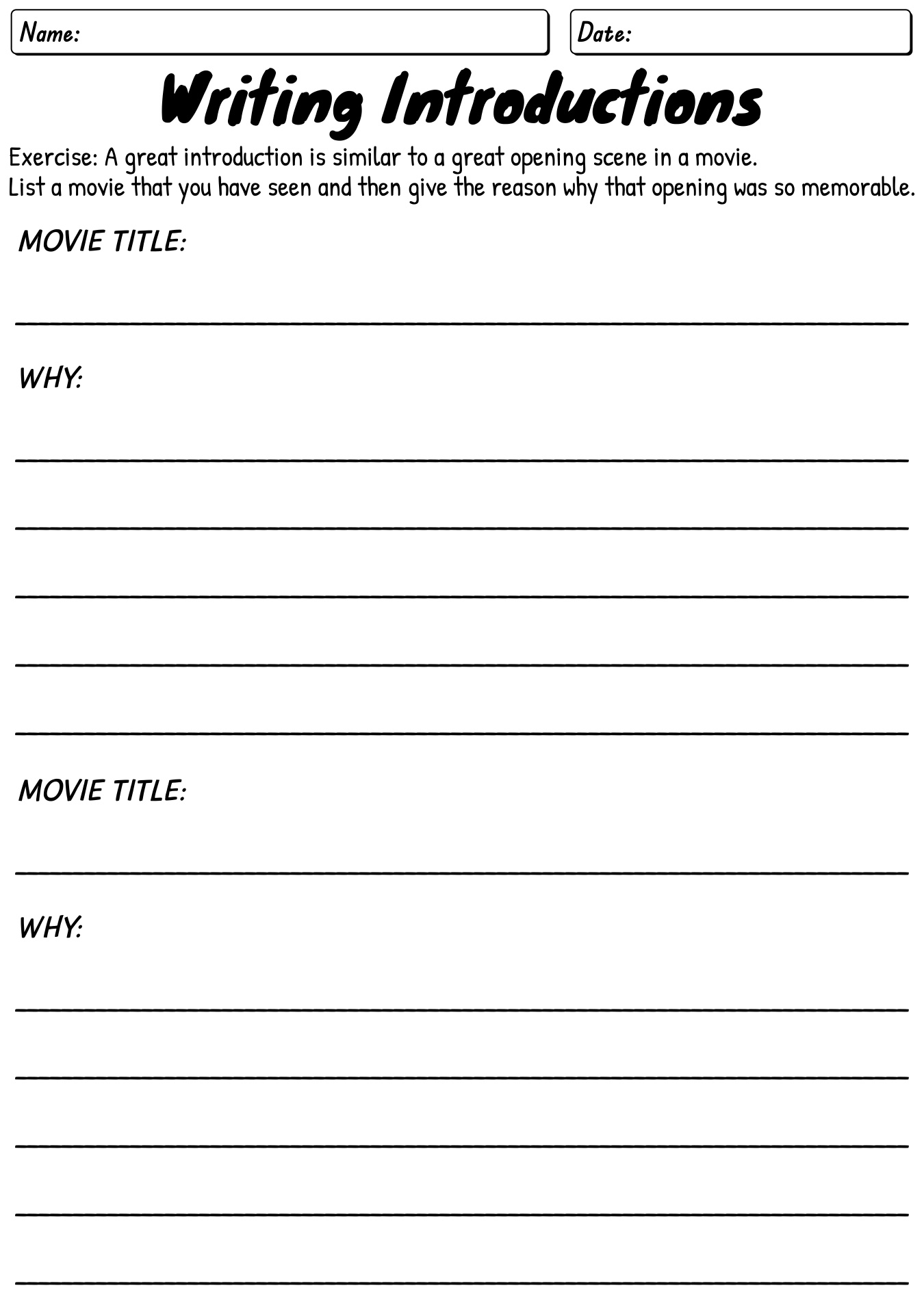
 Research Paper Introductory Paragraph Worksheet

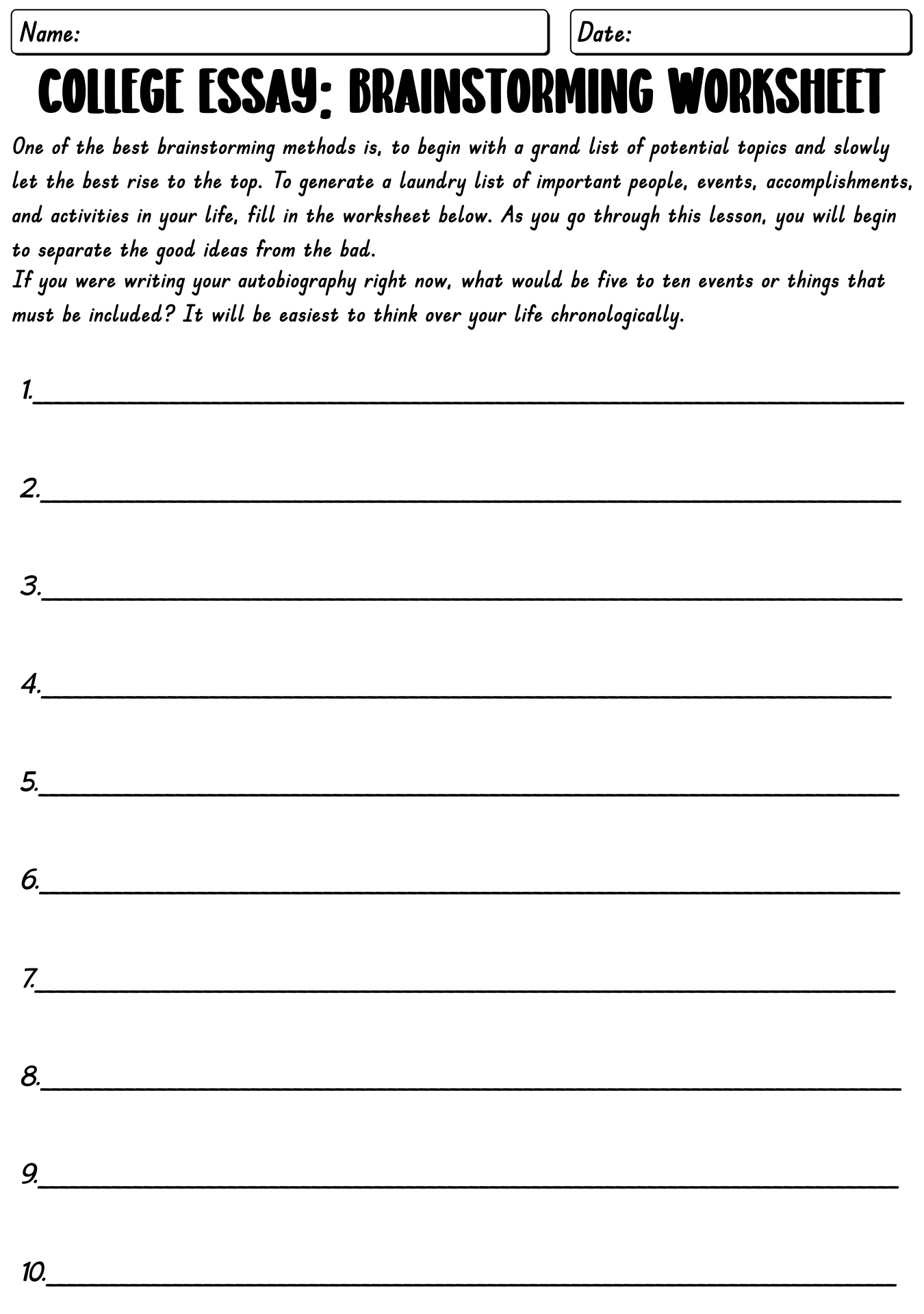
 College Essay Introduction Worksheet

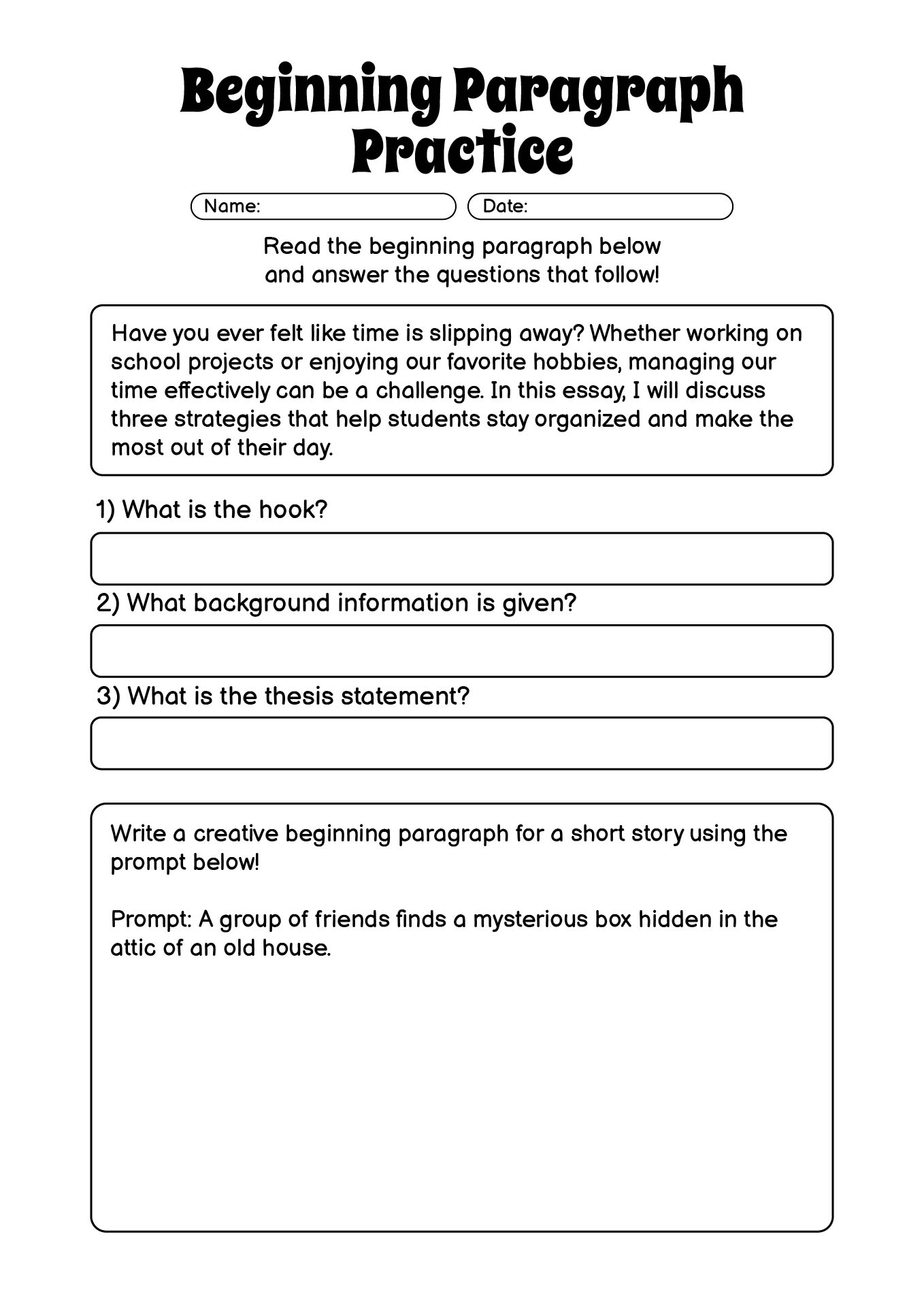
 Beginning Paragraph Practice Worksheet

More Worksheets
What Essential Elements Can Students Learn From an Introductory Paragraph Worksheet?
Here are three essential elements they can explore:
- Hook: This is the first sentence that catches the reader's attention. Students can experiment with surprising facts, interesting questions, short anecdotes, or thought-provoking statements.
- Background information: After introducing an interesting idea, writers need to provide a little context. This section helps readers understand the subject without overwhelming them with unnecessary details.
- Thesis statement: Usually placed near the end of the introduction, this sentence communicates the essay's central idea, position, or purpose. It tells readers what direction the discussion will take.
Can Students Use an Introductory Paragraph Worksheet for Different Types of Essays?
Absolutely! The main difference lies in the kind of opening each essay requires. For example:
- Narrative essays: Students can begin with a memorable moment, a short personal experience, or a description that introduces the setting. For a topic about an unforgettable holiday, they might start by describing an unexpected event during the trip.
- Persuasive essays: The opening needs to introduce an issue and establish the writer's position. When discussing school uniforms, students can begin with a question about whether uniforms create a better learning environment before presenting their argument.
- Expository essays: These introductions should establish the subject and prepare readers for an informative explanation. An essay about recycling, for instance, can open with a statement about the amount of waste produced by everyday activities.
- Descriptive essays: Students can introduce a person, place, object, or experience through sensory details. A paragraph about a favorite beach might begin with a description of the sound of waves and the salty breeze.
How Can an Introductory Paragraph Worksheet Help Students Create More Interesting Opening Sentences?
- Start with a thought-provoking question. Give students a general topic and ask them to create a question that encourages readers to think. For example, an essay about environmental protection could begin with, "What would happen if every person stopped using plastic for one week?"
- Introduce a surprising fact. Ask students to find an interesting piece of information related to their subject. They can use a relevant statistic or an unexpected detail to establish curiosity.
- Use a short anecdote. Encourage students to describe a brief experience connected to the topic. A personal moment can create a natural connection between the writer and the audience.
- Make an interesting statement. Students can write a bold observation that introduces their perspective. For example, "The smallest changes in our daily habits can have a surprisingly large impact on the environment."
Another helpful activity is comparing several introductory paragraph examples for students. Present two or three openings about the same topic and ask which one creates the strongest first impression. Students can explain their choices by considering clarity, relevance, and originality.
Afterward, let them write their own versions using different techniques. They can compare the results and decide which opening best suits their intended audience.
What Writing Mistakes Can Students Identify With an Introductory Paragraph Worksheet?
- Starting with an overly broad statement: An opening such as "The world has many interesting things" does not tell readers much about the actual subject. Students can practice narrowing general statements until they connect directly to the essay topic.
- Using an unrelated hook: An interesting question or fact does not automatically make a strong opening. Its connection to the main subject matters just as much as its ability to attract attention.
- Including too much background information: Some writers explain every detail before reaching their main point. They need to learn which information belongs in the introduction and which details deserve a separate body paragraph.
- Writing an unclear thesis statement: A thesis that introduces several unrelated ideas leaves readers unsure about the essay's direction. Students can revise vague statements to make their central message more specific.
- Repeating the same information: Restating the topic in slightly different words does not add much value. Students should check whether each sentence contributes something new to the introduction.
Ready to Write an Attention-Grabbing Introduction With Our Free Introductory Paragraph Templates?
A blank page does not have to be intimidating when students have a little guidance to get started. Our free introductory paragraph templates offer a convenient way to practice writing hooks, adding background information, and developing clear thesis statements.
You can use our free Introductory Paragraph Worksheet Templates according to your preferred study routine:
- Practice digitally: Open the worksheets on a laptop, tablet, or smartphone and complete the activities using a compatible digital writing or annotation tool. This option works well for students who prefer typing over handwriting.
- Print for traditional exercises: Download and print this Introductory Paragraph Worksheet when you want students to practice with pencils, colored pens, or highlighters. Printed copies also work nicely for classroom assignments and writing sessions at home.
- Include them in writing lessons: Teachers and parents can use individual activities as warm-ups, homework assignments, or short revision exercises.
So, students do not have to stick to one format. They can switch between digital and printed versions whenever their learning routine changes.


Have something to share?
Popular Categories
Who is Worksheeto?
At Worksheeto, we are committed to delivering an extensive and varied portfolio of superior quality worksheets, designed to address the educational demands of students, educators, and parents.

Comments