
Fall Reading Worksheets for Elementary Students
Not every child gets excited about reading assignments, but adding a seasonal theme can make a surprising difference. Autumn is filled with colorful scenery, exciting traditions, and cozy moments that naturally inspire children to explore stories. That's exactly why Fall Reading Worksheets for Elementary Students work so well.
Themed reading passages, vocabulary activities, and comprehension questions help capture students' attention while reinforcing important literacy skills. Parents, teachers, and homeschool educators can easily include these printable fall-themed worksheets in their weekly lessons without spending hours planning new activities.
Better yet, these seasonal worksheets keep learning fresh by introducing topics children are already curious about. When reading reflects the excitement of fall, students are often more willing to participate, practice consistently, and develop stronger reading confidence throughout the season.
Table of Images 👆
- Fall Reading Worksheets for Elementary Students
- Fall Vocabulary Worksheets for Kids
- Fall Reading Comprehension Worksheet
- Fall Themed Reading Worksheets
- Read And Write About Fall Worksheets
- Fall Stories Worksheets For Comprehension
- Fall Reading Comprehension Worksheets for Elementary Students
- Fall Reading Practice for Young Learners
- Reading Worksheet for Fall
- Fall Story Reading Worksheets for Early Grades
- Fall Thanksgiving Reading Worksheet
 11 Images of Fall Reading Worksheets For Elementary Students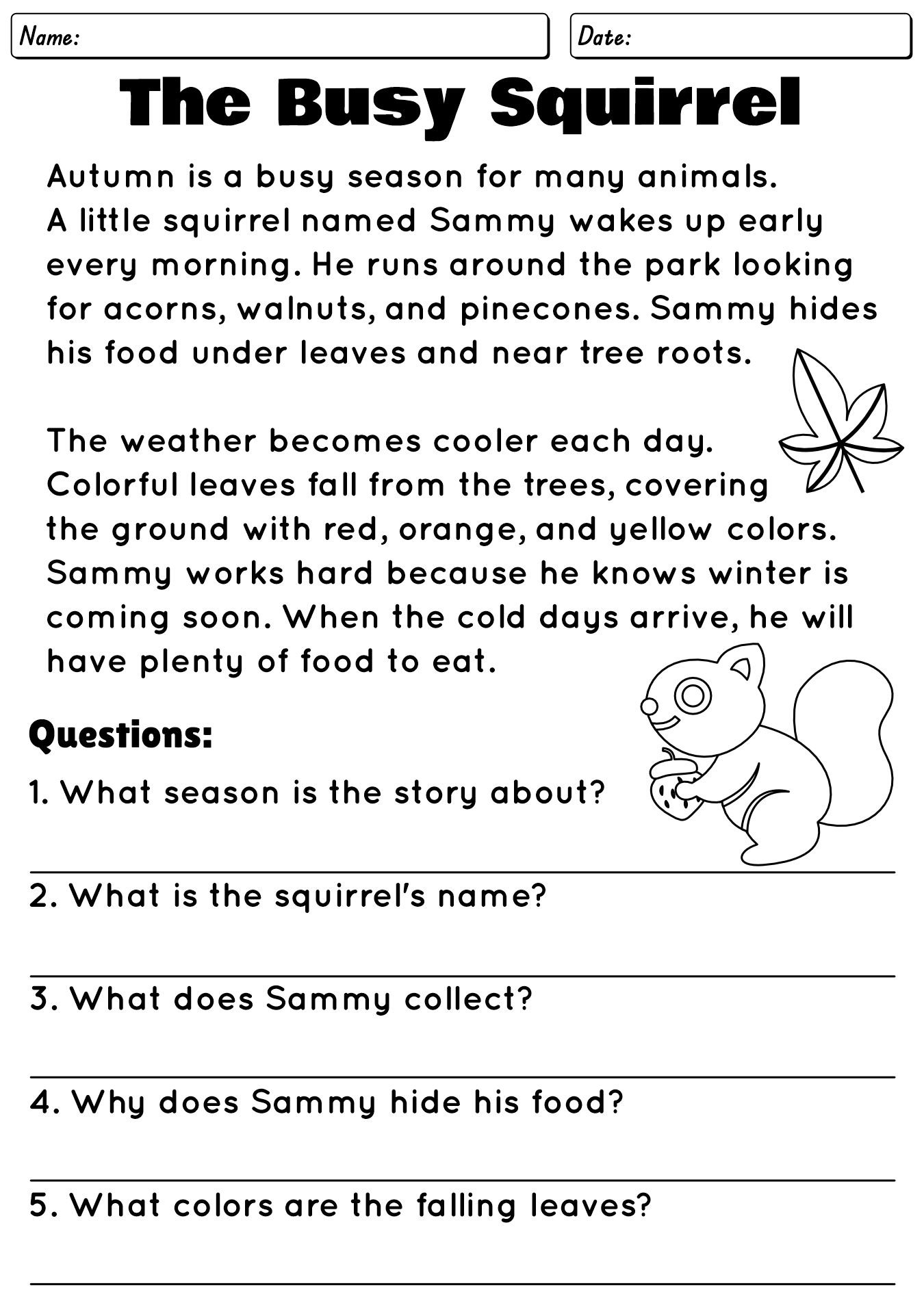
 Fall Reading Worksheets for Elementary Students
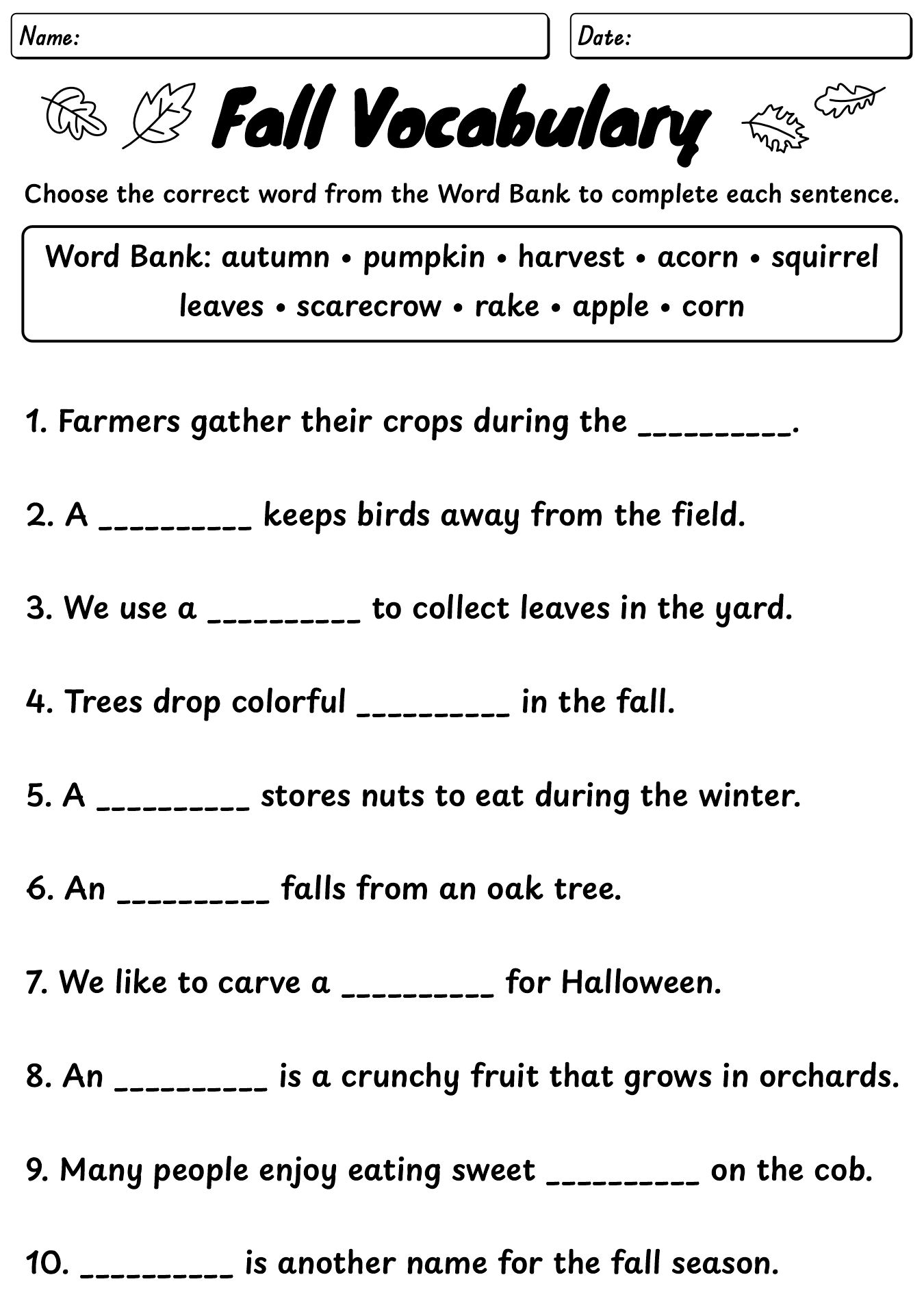
 Fall Vocabulary Worksheets for Kids
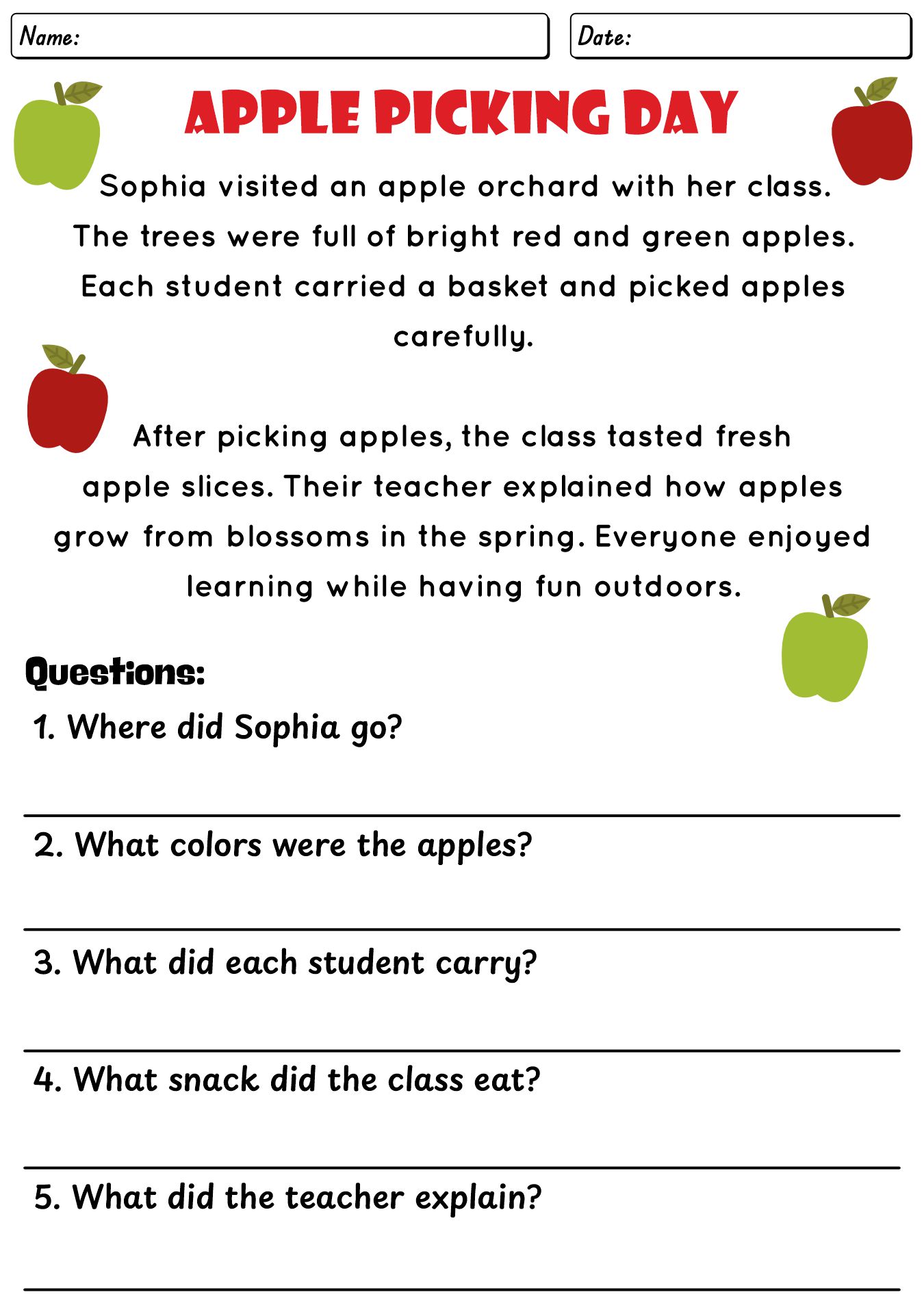
 Fall Reading Comprehension Worksheet
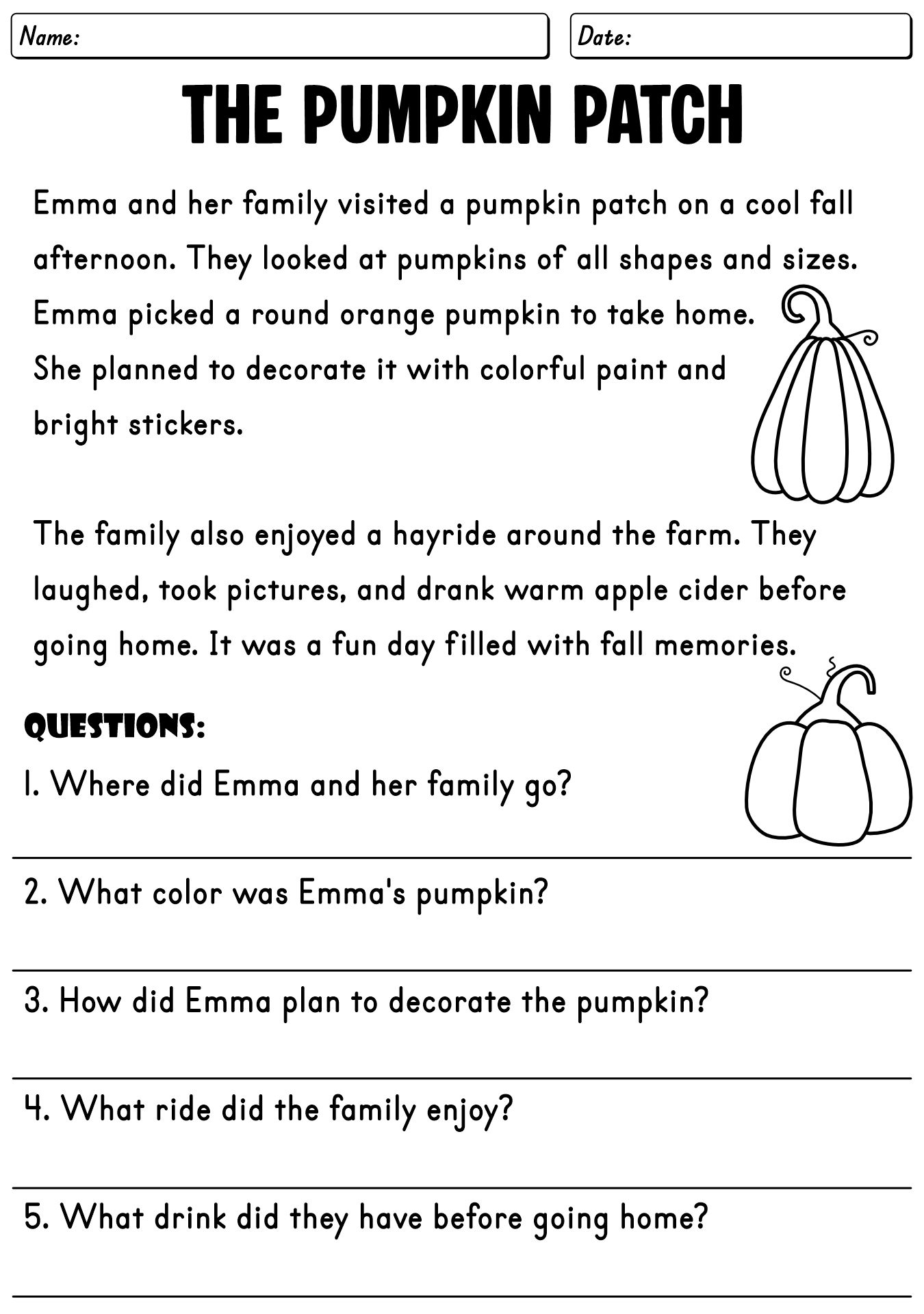
 Fall Themed Reading Worksheets
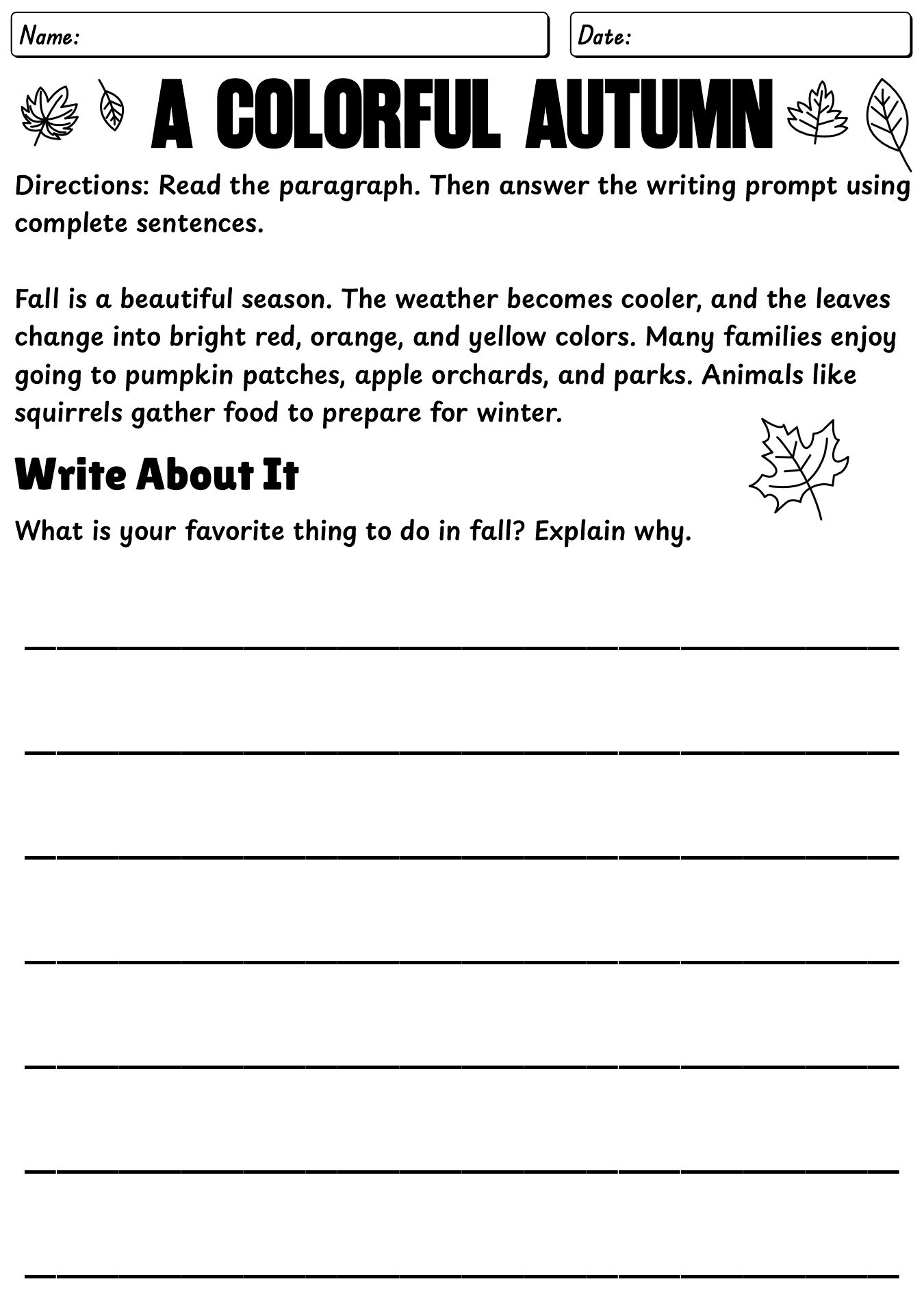
 Read And Write About Fall Worksheets
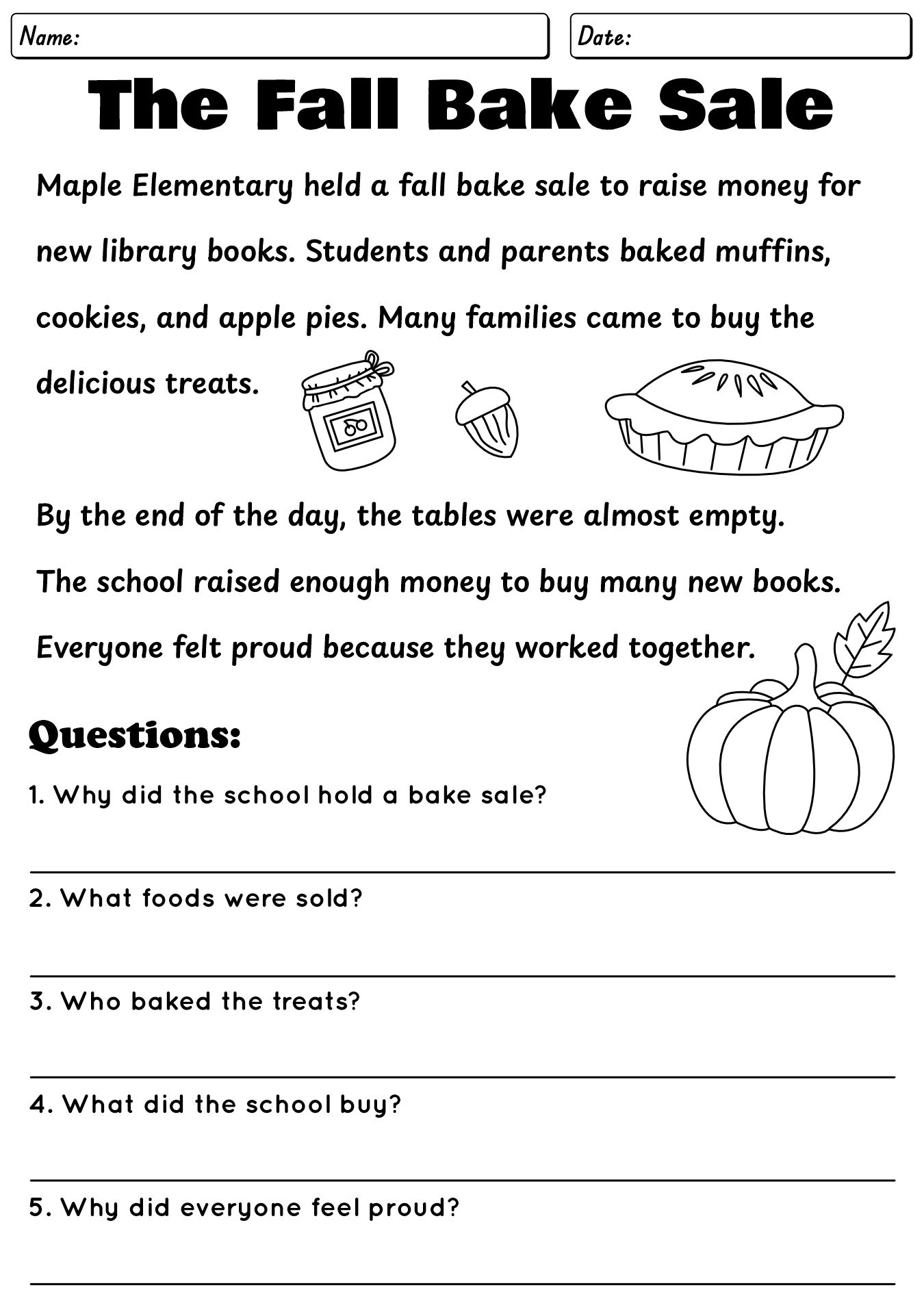
 Fall Stories Worksheets For Comprehension
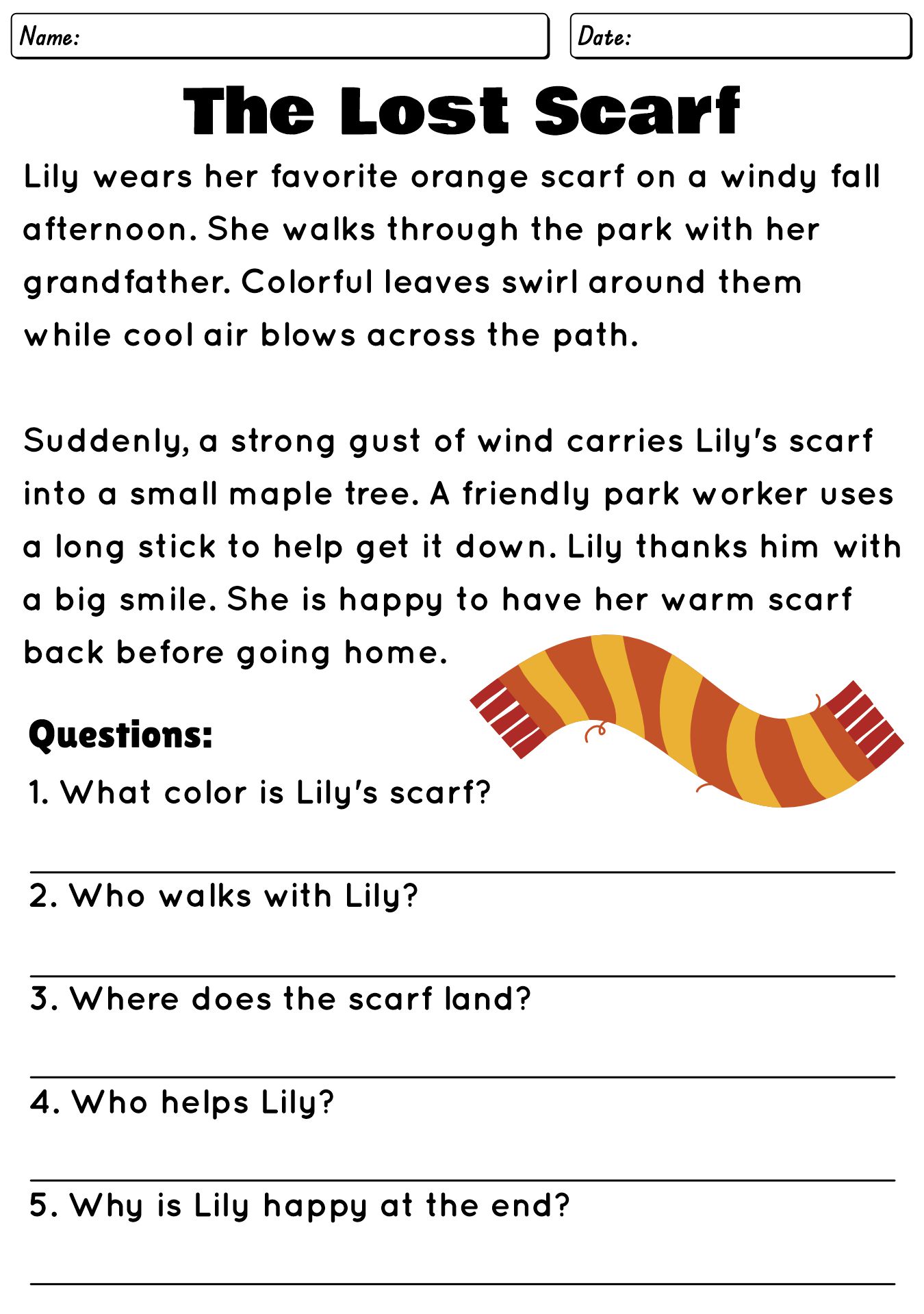
 Fall Reading Comprehension Worksheets for Elementary Students
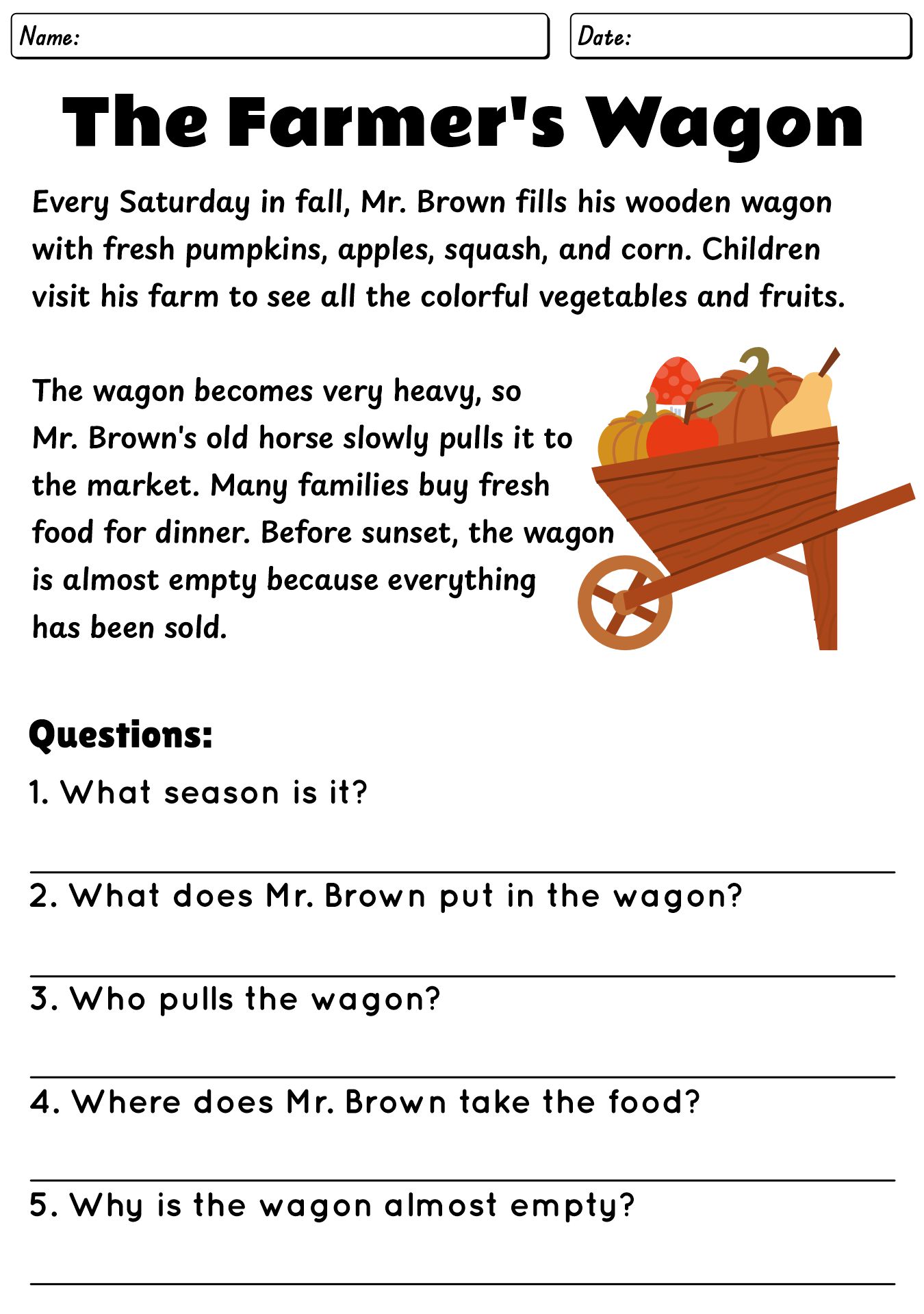
 Fall Reading Practice for Young Learners
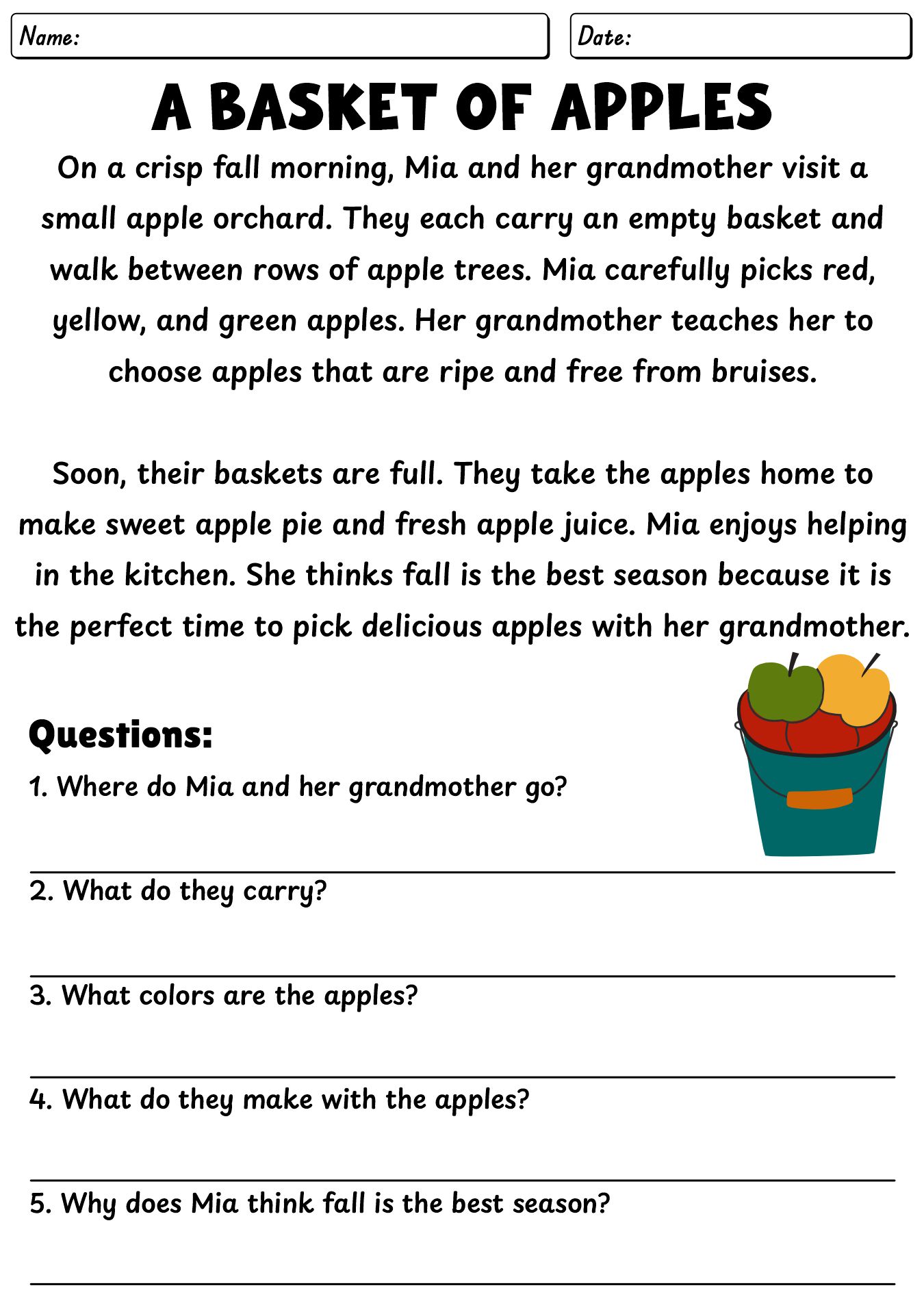
 Reading Worksheet for Fall
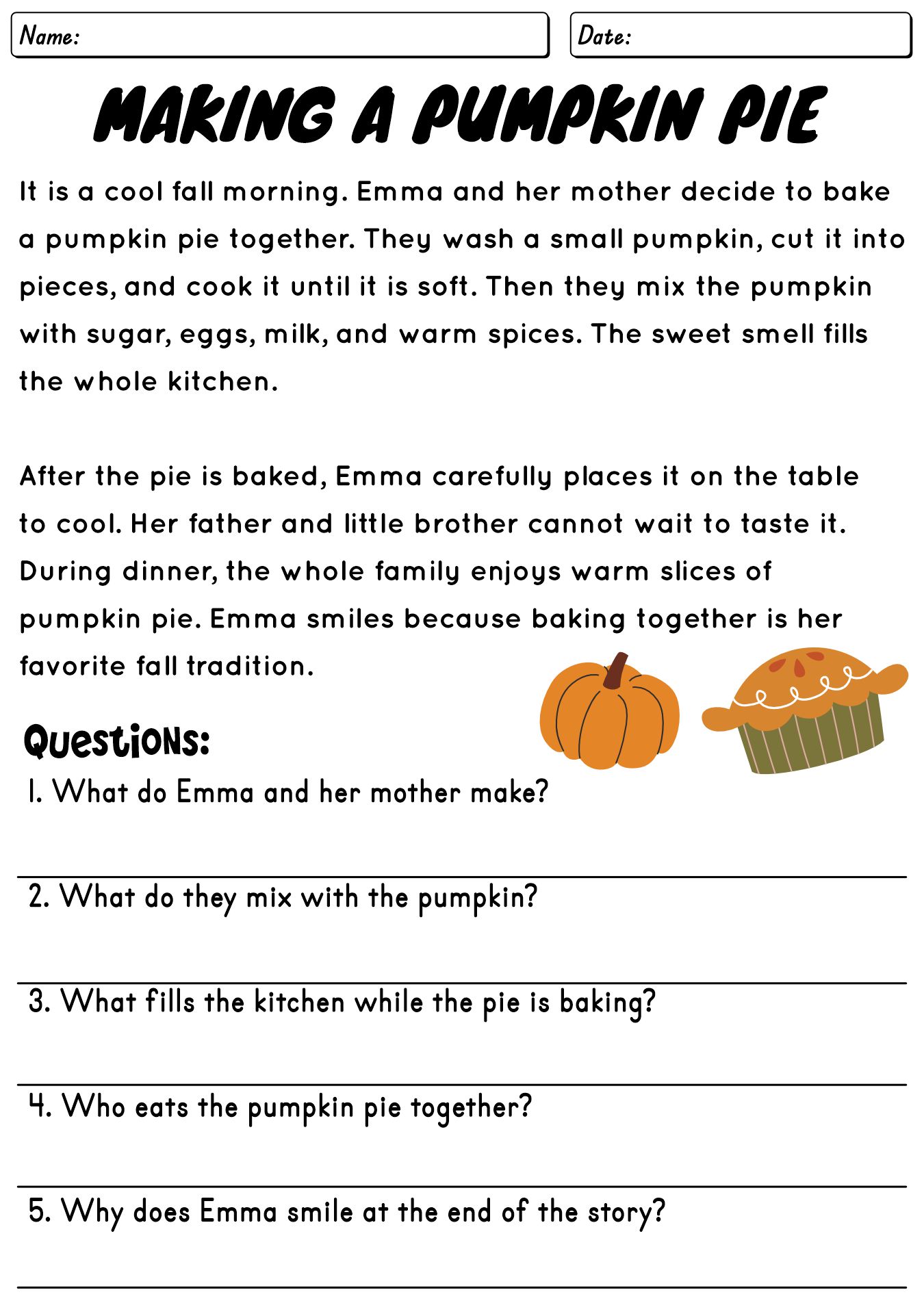
 Fall Story Reading Worksheets for Early Grades
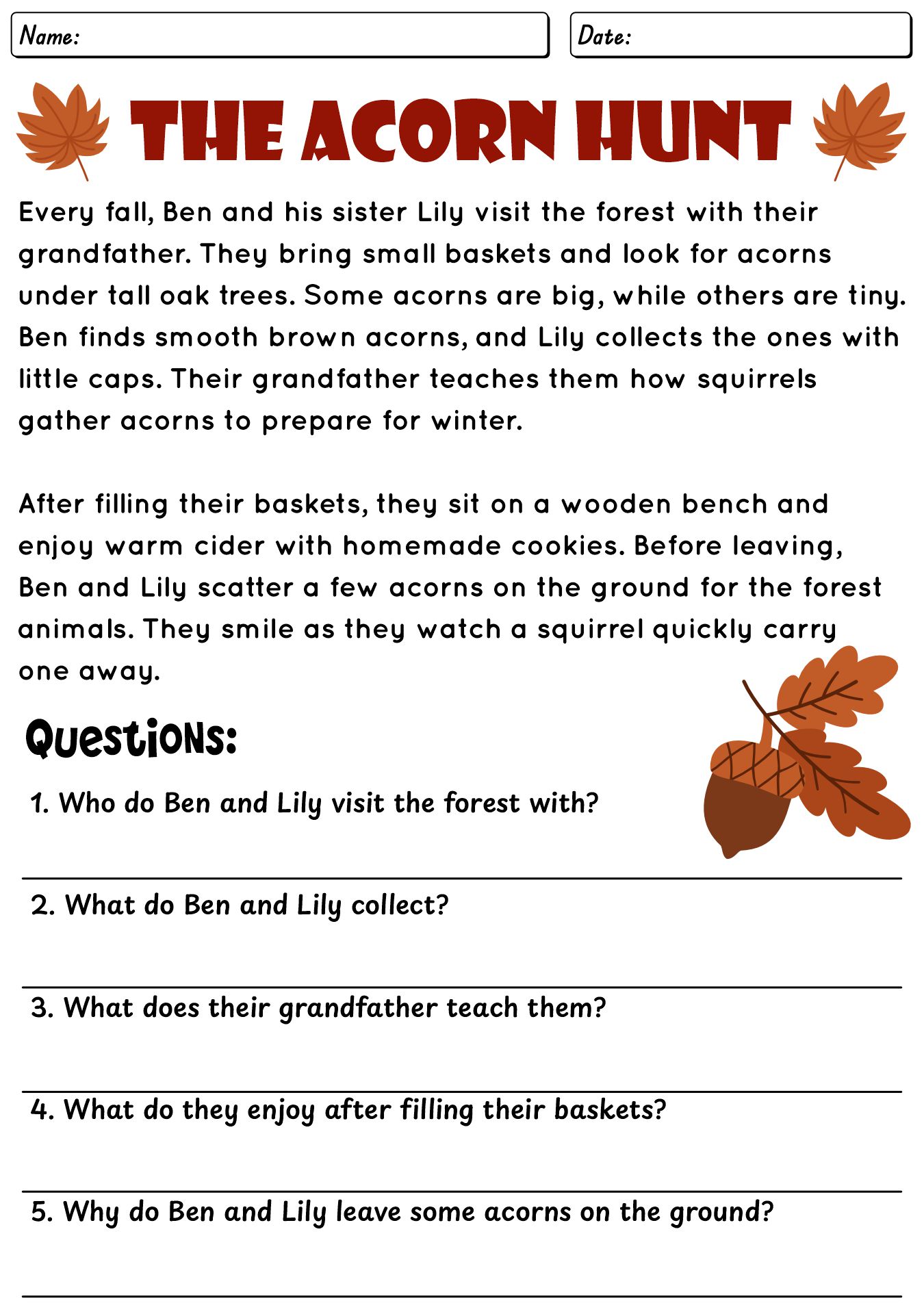
 Fall Thanksgiving Reading Worksheet
More Student Worksheets
Student Behavior Reflection WorksheetsPersonification Worksheets for Students
Middle School Student Goals Worksheet
Who I AM Student Worksheet
Nutrient Worksheets for Students
High School Student Information Worksheet
Student Art Critique Worksheet
Student Getting to Know You Worksheet
Daily Journal Worksheet for Students
Star Student Printable Worksheet
Who Gets the Most Value from Fall Reading Worksheets for Elementary Students?
These worksheets are especially helpful for:
- Classroom teachers who need engaging literacy activities during the fall season.
- Parents looking for meaningful after-school practice.
- Homeschool families building seasonal lesson plans.
- Private tutors who want fresh reading materials.
- Libraries and learning centers offering independent literacy activities.
How Can Fall Reading Worksheets for Elementary Students Help Kids Settle into a New School Routine?
The first months of a new school year often come with plenty of adjustments. Students are getting used to new teachers, different classmates, and unfamiliar classroom expectations.
Adding seasonal reading activities can help create a comfortable learning routine because they feel inviting rather than overwhelming.
A simple daily reading routine might look like this:
- Read a short fall passage.
- Highlight unfamiliar words.
- Answer comprehension questions.
- Talk about the story together.
- Complete a small extension activity.
These consistent habits help children understand that reading isn't only about getting the correct answer. It's about thinking, asking questions, and building confidence one page at a time. Because the activities are short and manageable, they fit easily into busy schedules without making children feel overloaded.
What Kind of Reading Practice Do Fall Reading Worksheets for Elementary Students Naturally Encourage?
Well-designed worksheets naturally encourage skills such as:
- Finding the main idea.
- Identifying supporting details.
- Understanding new vocabulary.
- Making predictions.
- Drawing conclusions.
- Comparing information.
- Practicing critical thinking.
- Answering complete-sentence questions.
Many passages also introduce children to seasonal topics like changing leaves, harvest traditions, woodland animals, and cooler weather. These familiar subjects help students connect new reading material to experiences they've already had.
How Can Our Fall Reading Worksheets for Elementary Students Grow with Your Child Throughout the Season?
Learning isn't something that happens in one afternoon. Children improve little by little through regular practice, and that's exactly how our printable Fall Reading Worksheets for Elementary Students are designed to be used.
Instead of printing everything at once, you can spread the activities throughout the fall months.
For example:
Week 1
- Short reading passages
- Vocabulary practice
Week 2
- Reading comprehension
- Sequencing activities
Week 3
- Inference questions
- Story response pages
Week 4
- Mixed review
- Independent reading challenges
Our worksheets also work well alongside other Fall activity sheets, making it easy to create themed learning days that combine reading with writing, vocabulary, or creative activities.
What Can You Expect Inside Our Fall Reading Worksheets for Elementary Students?
Our goal is simple: make reading practice something children actually enjoy while giving parents and teachers a resource that's easy to use. And, here's what you can expect inside our collection:
- Fall-themed reading passages featuring topics like colorful leaves, pumpkins, apples, woodland animals, changing weather, and other seasonal favorites.
- Reading comprehension questions that encourage children to identify key details, understand the main idea, and think critically about what they've read.
- Vocabulary-building activities that introduce new words in meaningful contexts and help expand everyday language skills.
- Inference and critical thinking exercises that encourage students to read between the lines instead of simply finding answers in the text.
- Sequencing and story order activities to help children understand how events unfold from beginning to end.
- Print-ready pages that can be downloaded and used immediately without extra preparation.
- Flexible worksheets suitable for classrooms, homeschooling, tutoring sessions, literacy centers, homework, or independent practice at home.
Each reading worksheet is designed to be clear, age-appropriate, and easy to follow, allowing children to work confidently while giving adults a reliable teaching resource.Most importantly, every page is created to help elementary students strengthen their reading skills while enjoying the cozy atmosphere of the fall season.
What Small Reading Wins Can Kids Celebrate with Our Fall Reading Worksheets for Elementary Students?
Children don't always notice how much they're improving, which is why celebrating small milestones matters.
Success isn't only measured by test scores. It also appears in everyday moments like these:
- Finishing a reading passage independently.
- Learning five new vocabulary words.
- Reading aloud with more confidence.
- Explaining the main idea correctly.
- Answering comprehension questions without help.
- Staying focused until the last page.
- Feeling excited to start another worksheet.
Parents and teachers can make progress even more meaningful by:
- Praising effort instead of perfection.
- Asking open-ended questions about the story.
- Letting children share their favorite part.
- Displaying completed worksheets proudly.
- Creating simple reading goals for each week.
In short, the goal isn't to rush through as many pages as possible. Instead, it's to help children enjoy reading while steadily developing stronger literacy skills.
As confidence grows, children often become more willing to tackle longer passages and more challenging questions.
So, if you're looking for Fall Reading Worksheets for Elementary Students that are easy to use, enjoyable for young learners, and flexible enough for classrooms, homeschooling, tutoring, or after-school practice, our collection is ready to help!
That’s why you should download our Free Printable Fall Reading Worksheets for Elementary Students now and discover engaging printables that make reading practice feel meaningful all season long. And, pair them with our Fall activity sheets for an even more enjoyable autumn learning experience that children will look forward to again and again!


Have something to share?
Popular Categories
Who is Worksheeto?
At Worksheeto, we are committed to delivering an extensive and varied portfolio of superior quality worksheets, designed to address the educational demands of students, educators, and parents.

Comments