
English Cut and Paste Worksheets
Let’s be honest, most kids would rather cut, glue, and move things around than spend all day listening to grammar explanations or memorizing vocabulary lists. That is why hands-on learning activities are often much more effective for teaching younger children English skills. English Cut and Paste Worksheets combine creativity and learning in a way that keeps kids interested for longer periods of time.
These printable activities make learning feel lighter and more engaging because children get to cut, sort, match, and arrange words or pictures while practicing important literacy skills. Instead of treating English practice like a chore, kids often see these worksheets as fun mini games they can complete independently.
Curious about these worksheets? Check them out here!
Table of Images 👆
- English Sight Words Cut and Paste Worksheets
- English Grammar Cut and Paste Worksheet
- English Word Sorting Cut and Paste Worksheet for Children
- English Language Arts Cut and Paste Worksheet
- Kindergarten English Cut and Paste Worksheets
- First Grade English Cut and Paste Activity Sheets
- ESL English Cut and Paste Practice Worksheets
- English Vocabulary Cut and Paste Worksheets
- English Grammar Cut and Paste Worksheets
- English Reading Cut and Paste Worksheet Practice
- Cut And Paste Spelling Worksheets
 11 Images of English Cut And Paste Worksheets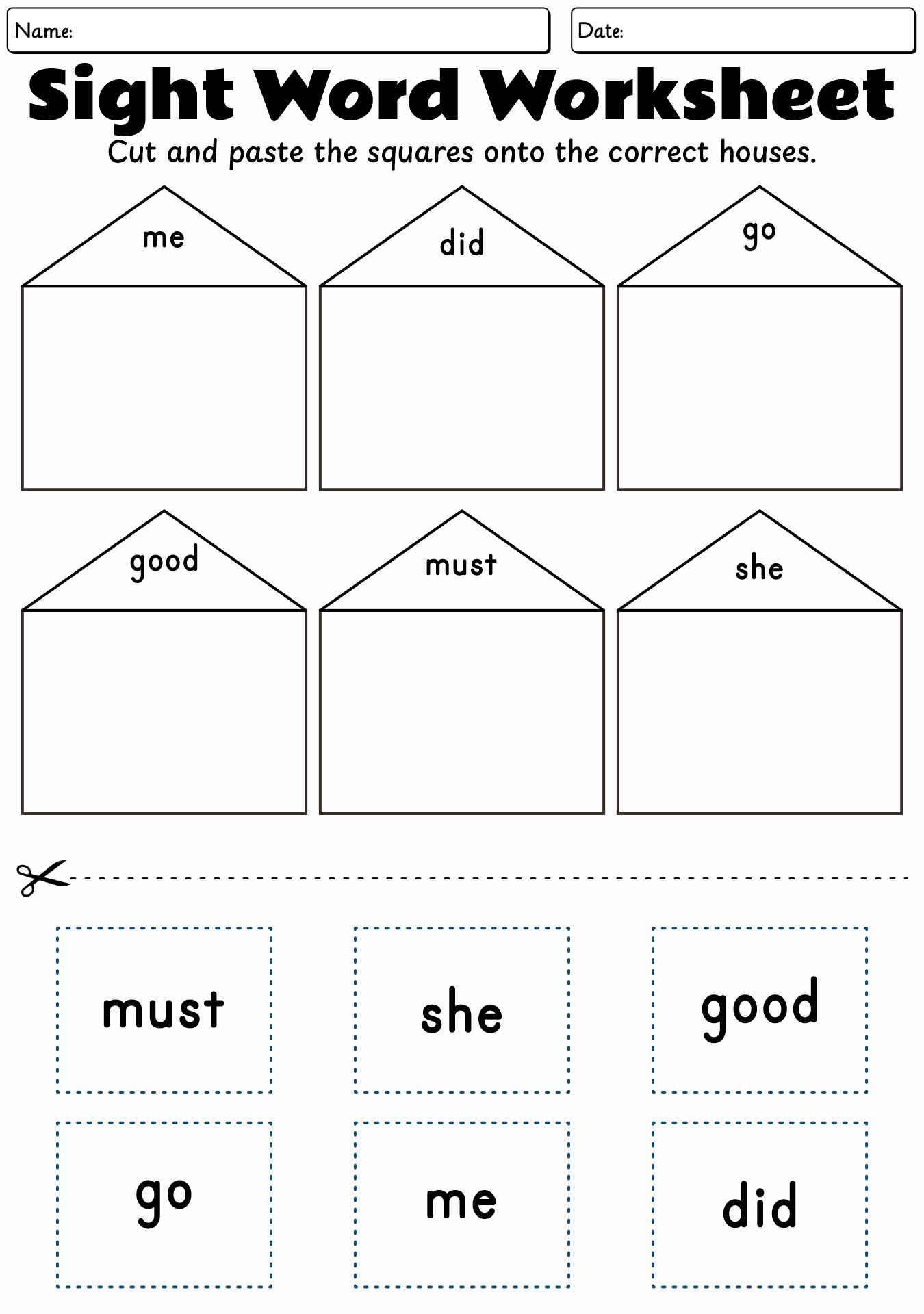
 English Sight Words Cut and Paste Worksheets
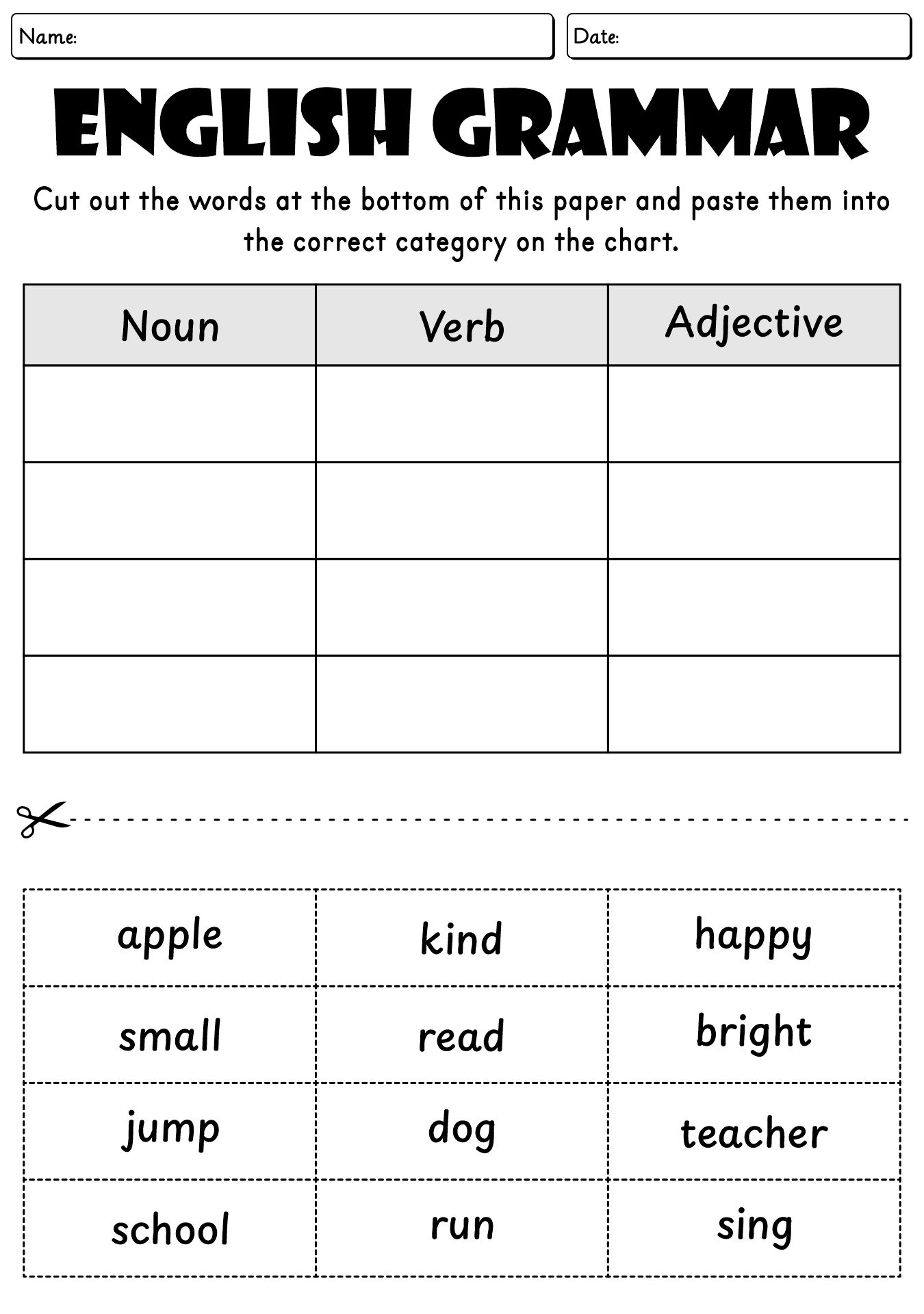
 English Grammar Cut and Paste Worksheet
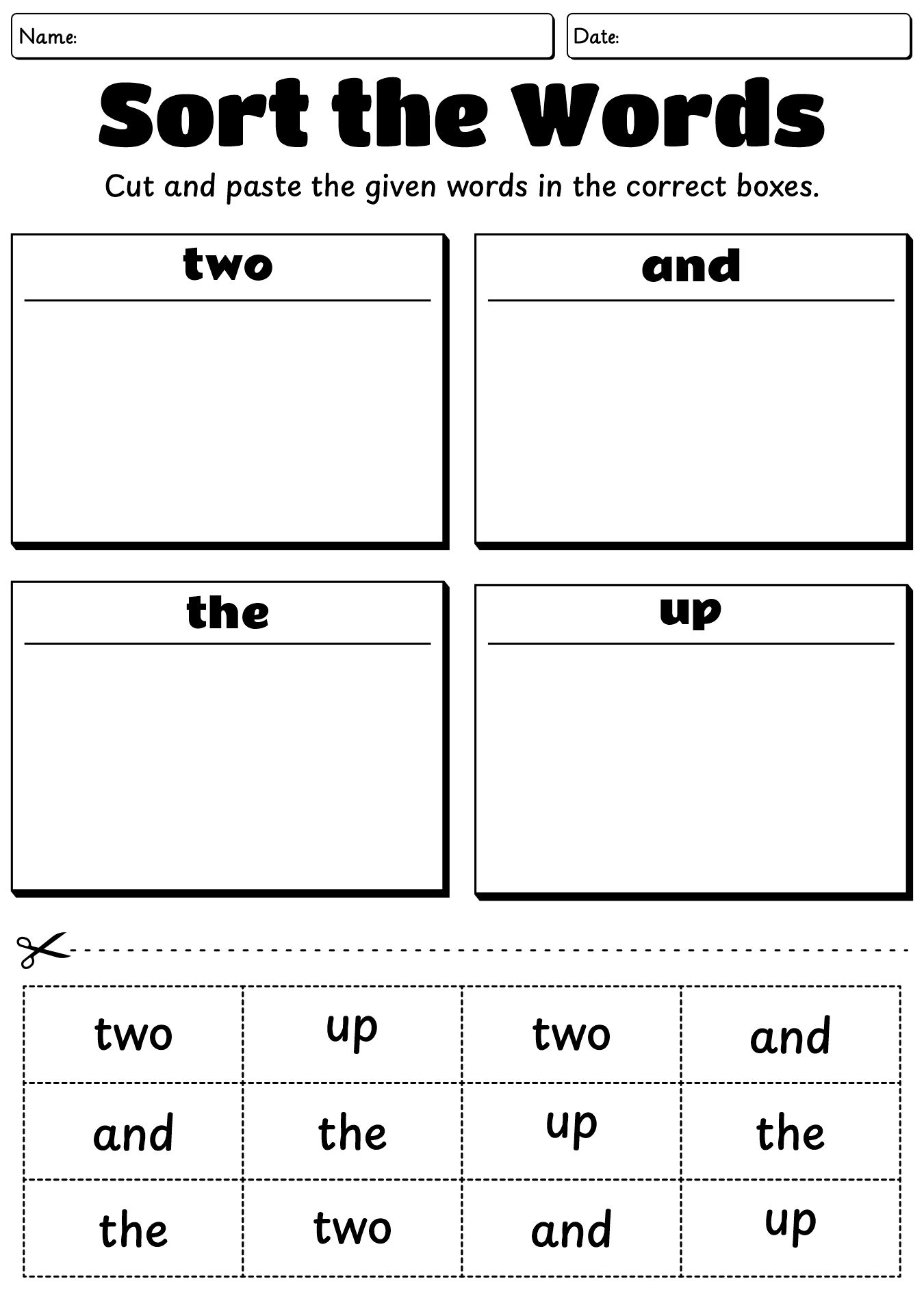
 English Word Sorting Cut and Paste Worksheet for Children
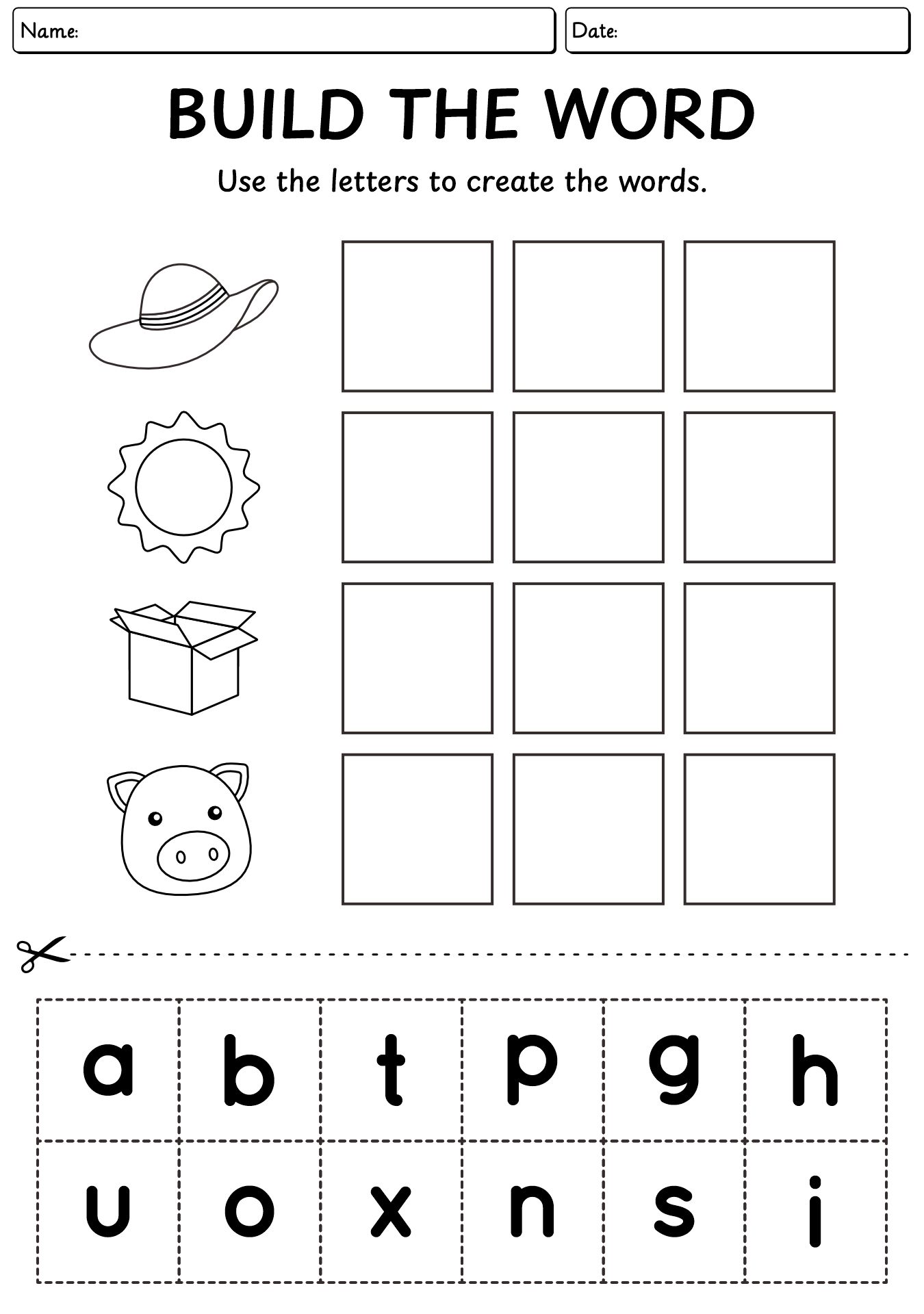
 English Language Arts Cut and Paste Worksheet
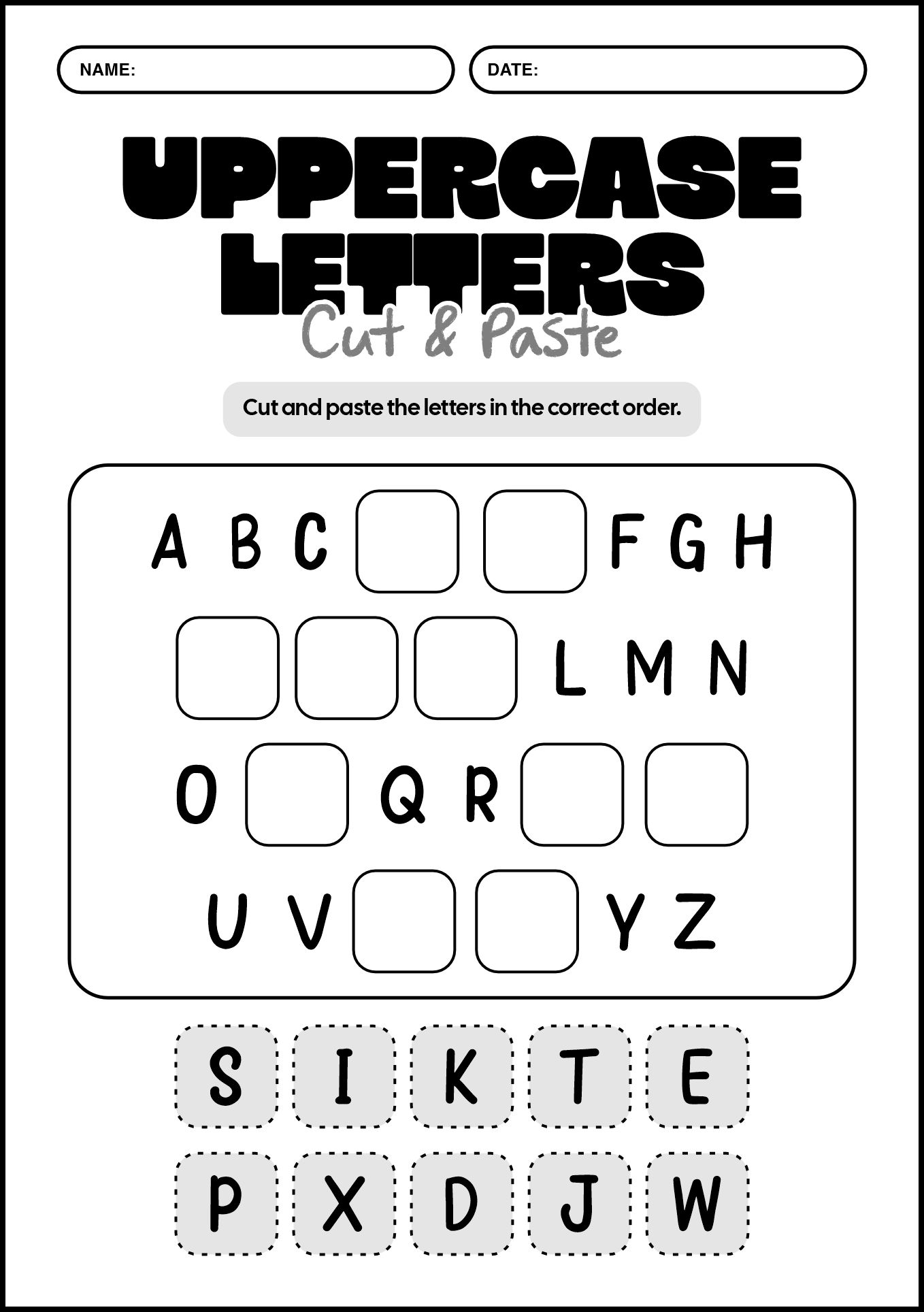
 Kindergarten English Cut and Paste Worksheets
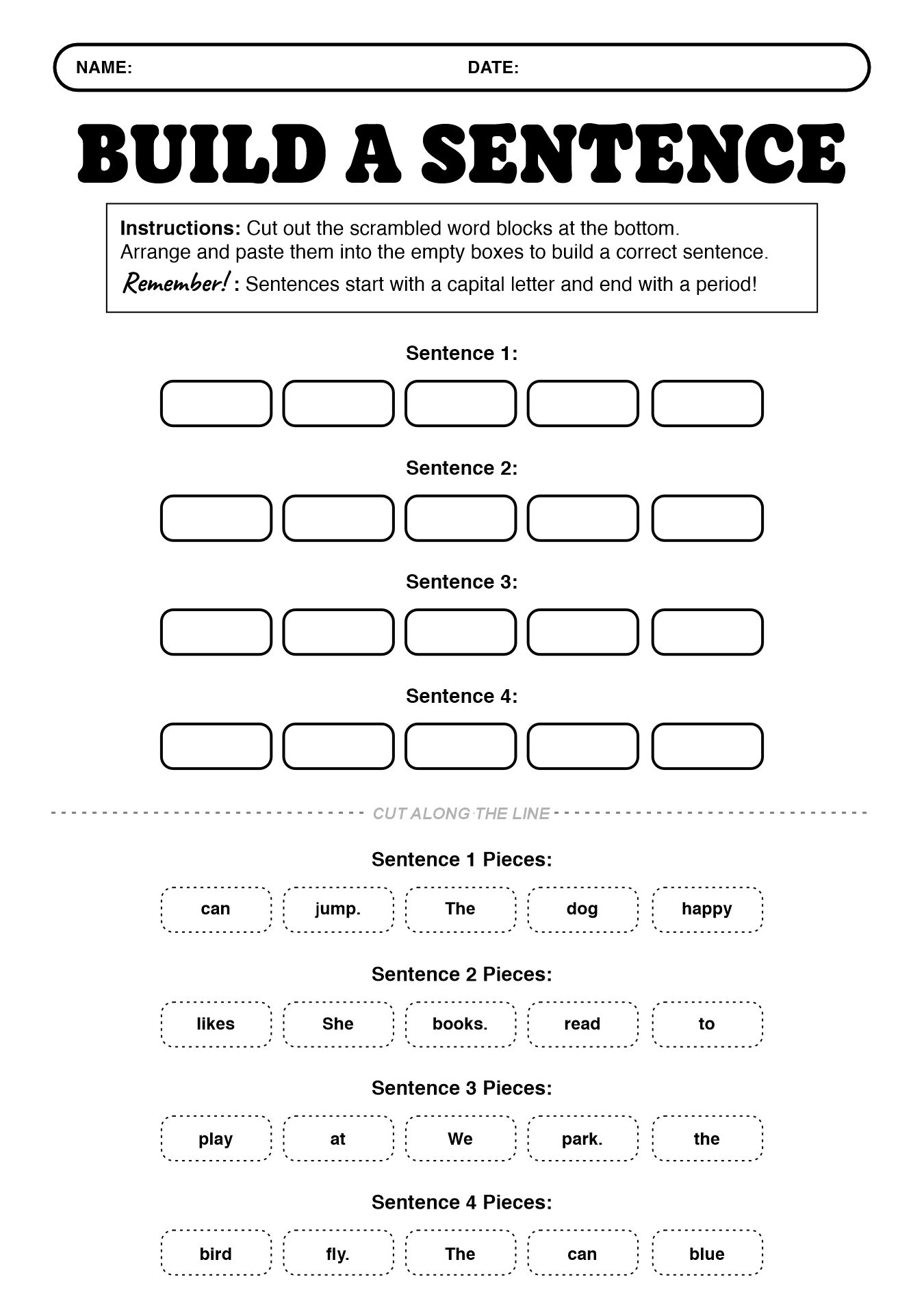
 First Grade English Cut and Paste Activity Sheets
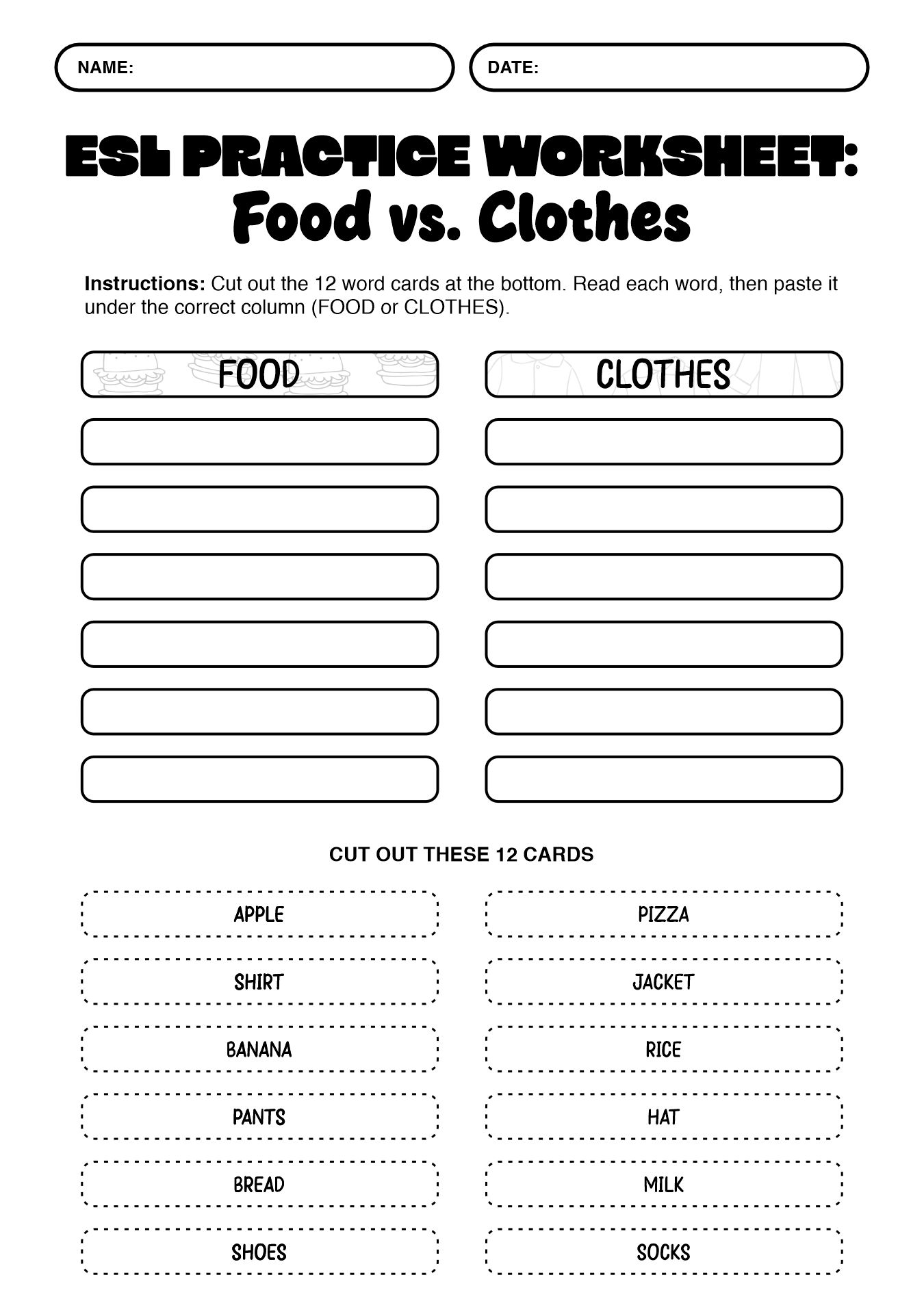
 ESL English Cut and Paste Practice Worksheets
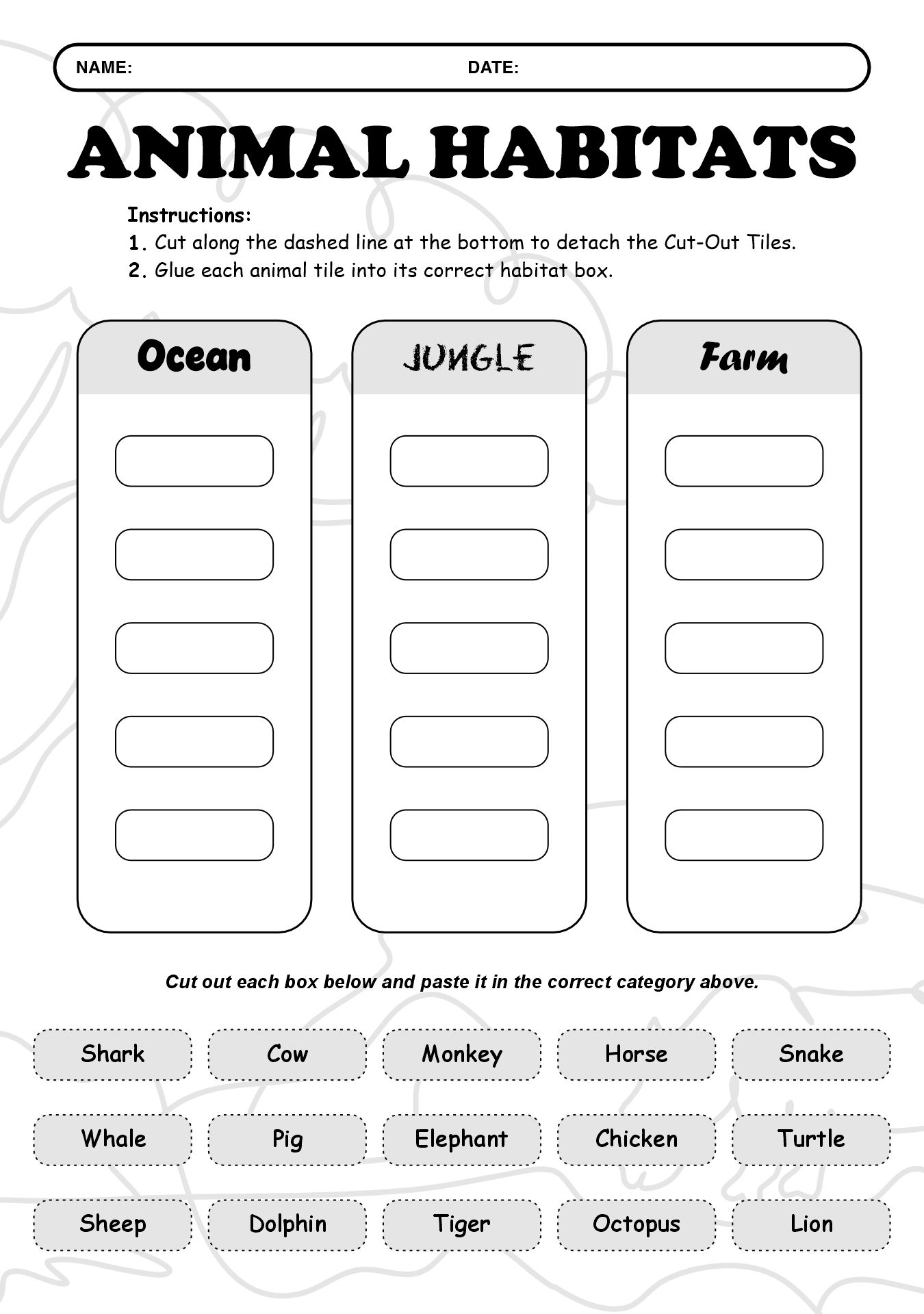
 English Vocabulary Cut and Paste Worksheets
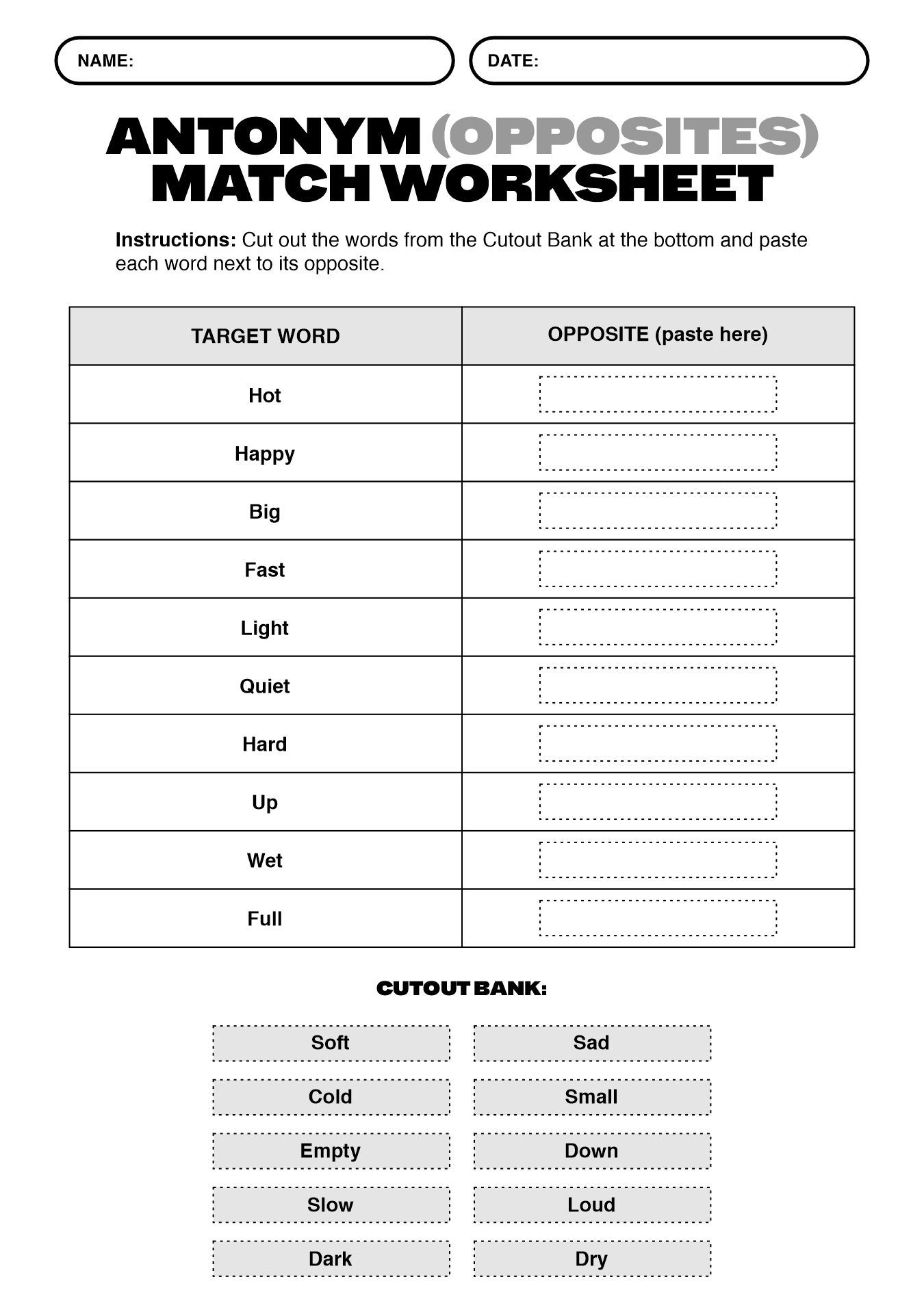
 English Grammar Cut and Paste Worksheets
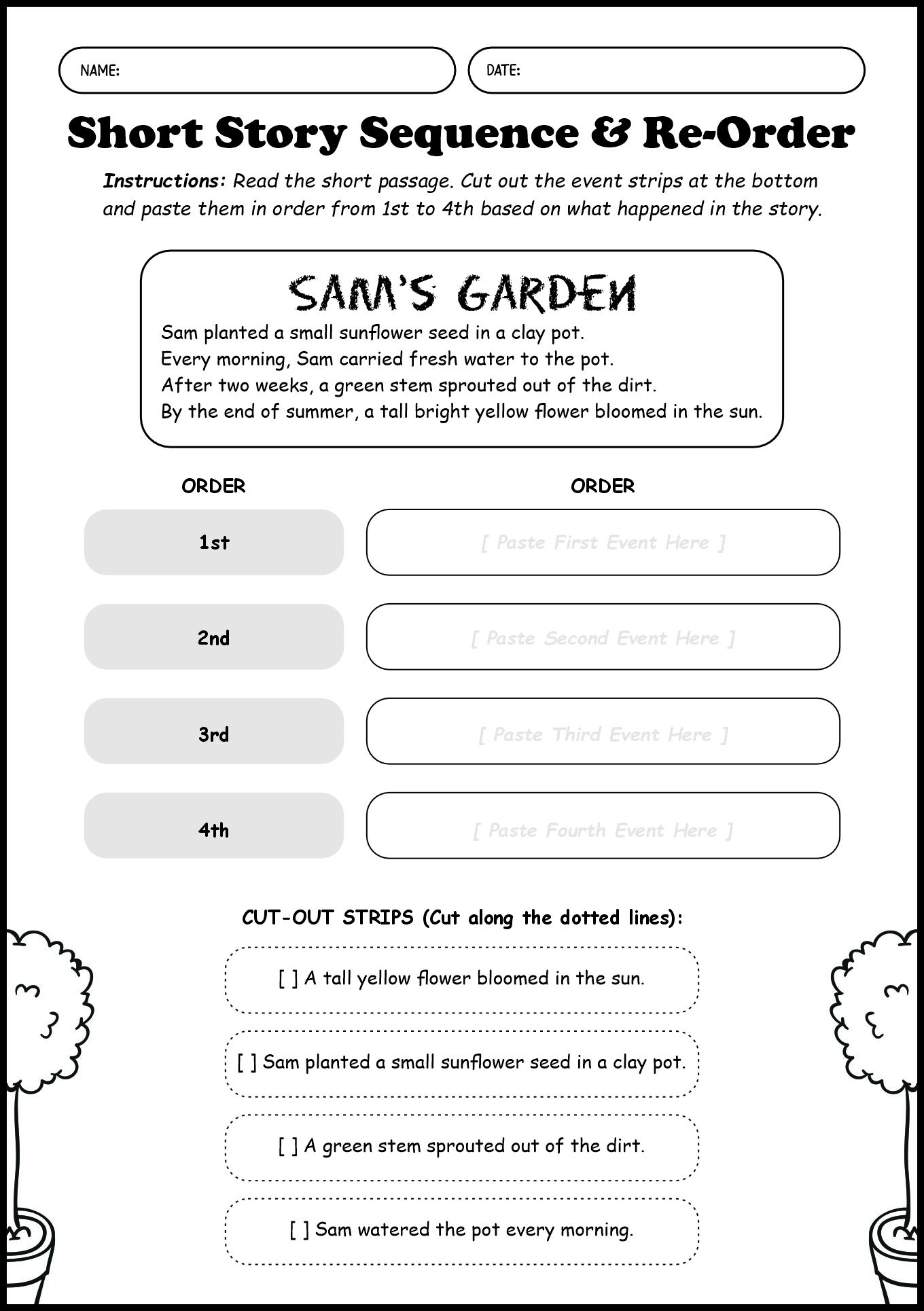
 English Reading Cut and Paste Worksheet Practice
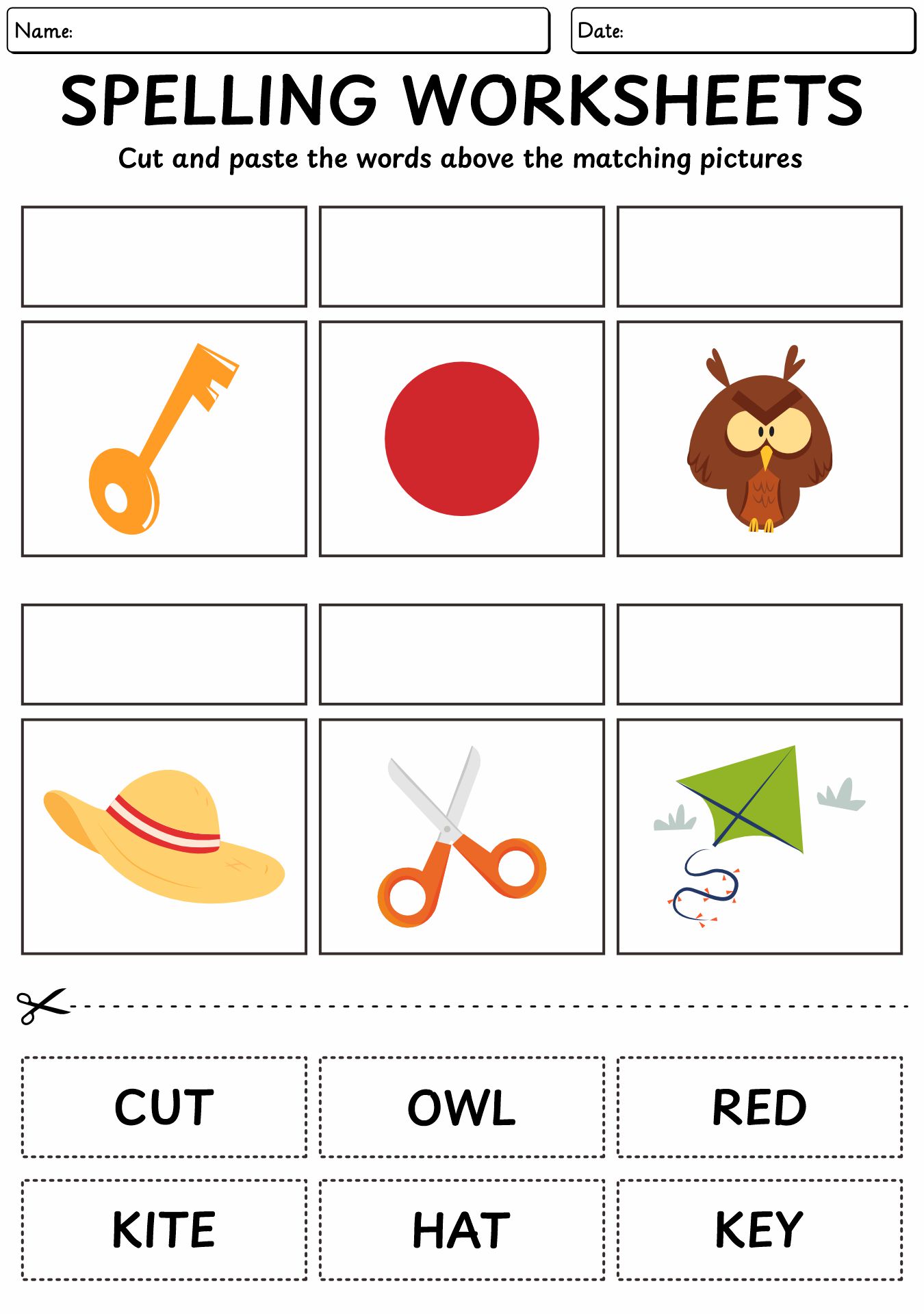
 Cut And Paste Spelling Worksheets
More Cut And Paste Worksheets
Cut and Paste Worksheets for First GradeCut and Paste Worksheets for Kindergarten
Cut and Paste Sentence Worksheets
Cut and Paste Shape Sorting Worksheets
Cut and Paste Plant Worksheets
Months of the Year Cut and Paste Worksheets
Cut and Paste Reading Worksheets
Letter Cut and Paste Worksheets
Fruit and Vegetable Cut and Paste Worksheets
Cut and Paste Weather Worksheets
What are English Cut and Paste Worksheets?
English Cut and Paste Worksheets are interactive printable activities where children cut out pictures, letters, words, or sentences and place them into the correct spaces. Even though the concept sounds simple, these worksheets actually help children practice multiple English skills in a more engaging way.
Unlike traditional worksheets that mostly focus on writing answers, cut and paste activities encourage children to physically interact with the lesson. These worksheets commonly include activities such as:
- Matching pictures with vocabulary words
- Organizing sentences into the correct order
- Sorting words into categories
- Identifying beginning sounds
- Matching uppercase and lowercase letters
- Completing simple reading activities
Most importantly, these worksheets encourage children to learn through exploration instead of pressure. Kids often feel more relaxed while learning when the activity feels playful and creative.
Why Do Some Kids Refuse Regular Worksheets but Enjoy English Cut and Paste Worksheets?
The reason is simple. Children naturally enjoy activities that feel interactive.
Cut and paste activities involve:
- Moving pieces around
- Solving simple visual tasks
- Matching objects
- Using scissors and glue
- Completing mini puzzles
These small actions keep children actively involved in the learning process.
For younger learners especially, movement can improve concentration. Sitting still for long periods may feel difficult for some children, but interactive worksheets help break that routine.
This learning style is especially helpful for:
- Visual learners
- Active children
- Early readers
- Children with short attention spans
- Kids who get bored quickly
Another reason these worksheets work well is because they reduce learning pressure. Instead of worrying about writing perfect answers, children focus more on completing enjoyable tasks step by step.
Parents often notice several positive changes when using these worksheets regularly:
- Children complain less during study time
- Kids stay focused longer
- Learning sessions feel less stressful
- Children become more independent
What Skills Can Children Build Through English Cut and Paste Worksheets?
Literacy Skills
These worksheets can help children improve:
- Vocabulary recognition
- Reading comprehension
- Phonics awareness
- Sentence structure understanding
- Letter recognition
- Sight word familiarity
Fine Motor Development
Using scissors and glue helps strengthen:
- Hand coordination
- Finger control
- Pencil grip preparation
- Hand-eye coordination
Cognitive Skills
Many activities also encourage:
- Problem-solving
- Logical thinking
- Categorization skills
- Sequencing abilities
- Attention to detail
For example, when children organize story events in the correct order, they learn how to think through sequences logically.
Social and Emotional Benefits
Interactive learning activities can also help children:
- Feel more confident
- Work independently
- Practice patience
- Build concentration skills
What Vocabulary Activities Can Children Explore in These Worksheets?
Picture and Word Matching
Children connect pictures with the correct vocabulary words.
Popular topics include:
- Animals
- Food
- Colors
- Clothing
- Transportation
- School supplies
Word Sorting Activities
Children organize vocabulary into categories such as:
- Fruits vs vegetables
- Indoor vs outdoor objects
- Living vs non-living things
Sentence Building Practice
Students cut out words and arrange them into complete sentences. This activity supports:
- Grammar awareness
- Reading flow
- Sentence comprehension
Rhyming and Sound Activities
- Matching rhyming words
- Identifying beginning sounds
- Sorting vowel sounds
Story Sequencing Activities
Students organize pictures or sentences into the correct story order.
This encourages:
- Reading comprehension
- Logical thinking
- Narrative understanding
Are There Easy English Cut and Paste Worksheets for Kindergarten Students?
Yes! Our English Cut and Paste Worksheets are designed to be simple, engaging, and beginner-friendly for kindergarten learners.
We understand that young children learn best when activities feel visual, interactive, and easy to follow. That is why many of our cut and paste printable worksheets include clear instructions, large images, and age-appropriate vocabulary.
Our free cut and paste worksheets include activities such as:
- Alphabet matching
- Simple sentence building
- Vocabulary-picture connections
- Rhyming practice
- Beginning sound identification
- Basic reading activities
These activities work well for:
- Kindergarten students
- Preschool learners
- Homeschool routines
- ESL practice
- Extra learning at home
Children can begin with easier activities first and slowly move toward more advanced worksheets as their confidence grows.
Beginner Worksheets
- Matching activities
- Letter recognition
- Simple cut-and-glue tasks
Intermediate Worksheets
- Vocabulary categorization
- Sentence arrangement
- Reading practice
More Challenging Activities
- Story sequencing
- Reading comprehension
- Multi-step literacy exercises
As children become more comfortable with basic skills, they can also explore more advanced printable activities available on our blog. We provide a wide variety of worksheets so learners can continue practicing without feeling stuck at the same level.
Many parents specifically look for English Cut and Paste Worksheets for Preschoolers because they want activities that grow alongside their children’s abilities. That is exactly why our collection includes both beginner-friendly worksheets and more challenging options for older learners.
And, downloading our English Cut and Paste Worksheets is quick and simple.
- Just browse your favorite worksheet designs on our blog
- Choose the activity that matches your child’s learning level
- Click the PDF or JPG icon to download instantly!
So if you are looking for fun, printable, and easy-to-use learning activities, our Free English Cut and Paste Worksheets are a great place to start. Download your favorite worksheets today and help children enjoy English learning in a more creative and stress-free way!


Have something to share?
Popular Categories
Who is Worksheeto?
At Worksheeto, we are committed to delivering an extensive and varied portfolio of superior quality worksheets, designed to address the educational demands of students, educators, and parents.

Comments