
Early Reading Comprehension Worksheets
Reading a short story is one thing, but figuring out what happens in it is another. A child can recognize familiar words, pronounce simple sentences, and still struggle to explain what they have just read. That's where Early Reading Comprehension Worksheets come in handy!
These reading comprehension worksheets and printables introduce young readers to small reading challenges that encourage them to pay attention to details, connect words with pictures, and understand simple storylines. The activities don't have to involve lengthy passages or complicated questions. A few illustrated sentences, matching exercises, or short stories with simple questions are enough to get started.
So, let's dive in and discover which Early Reading Comprehension Worksheets are worth adding to your child's or students' reading practice!
Table of Images 👆
- Reading Comprehension Worksheets Grade 2
- Reading Comprehension Passages
- First Grade Printable Reading Worksheets
- Daily Reading Comprehension Grade 1
- Reading Comprehension Worksheets Grade 3
- Printable 2nd Grade Reading Books
- Kindergarten Reading Worksheets
- Early Reading Comprehension Worksheets for Grade 1
- Beginner Reading Comprehension Worksheets for Kindergarten
- Kindergarten Reading Comprehension Sheets
- Early Grade Reading Comprehension Activities
- Beginner Reading Comprehension Exercises
- Basic Reading Comprehension Activities
- Kindergarten Reading Comprehension Tasks

 14 Images of Early Reading Comprehension Worksheets
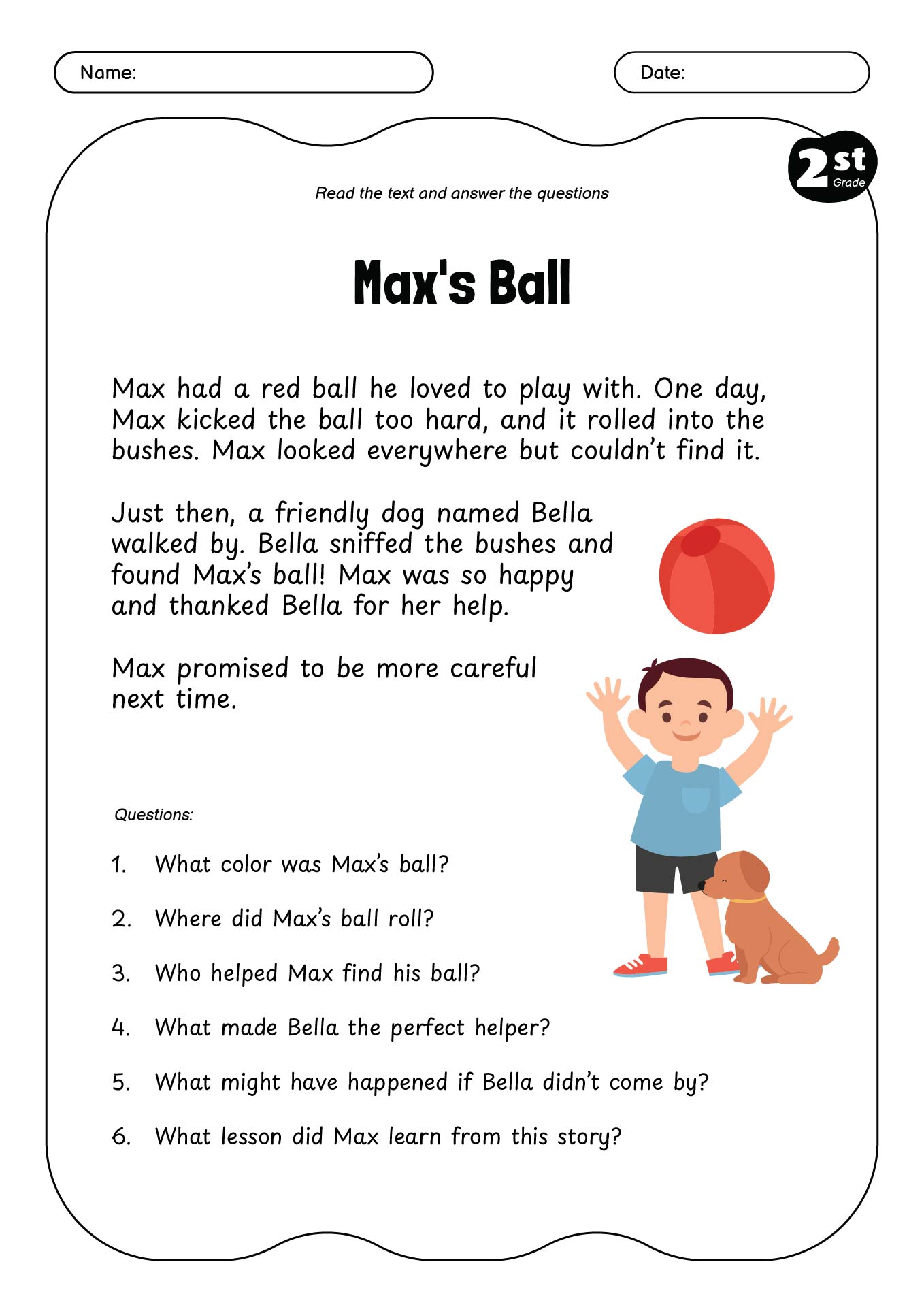
 Reading Comprehension Worksheets Grade 2

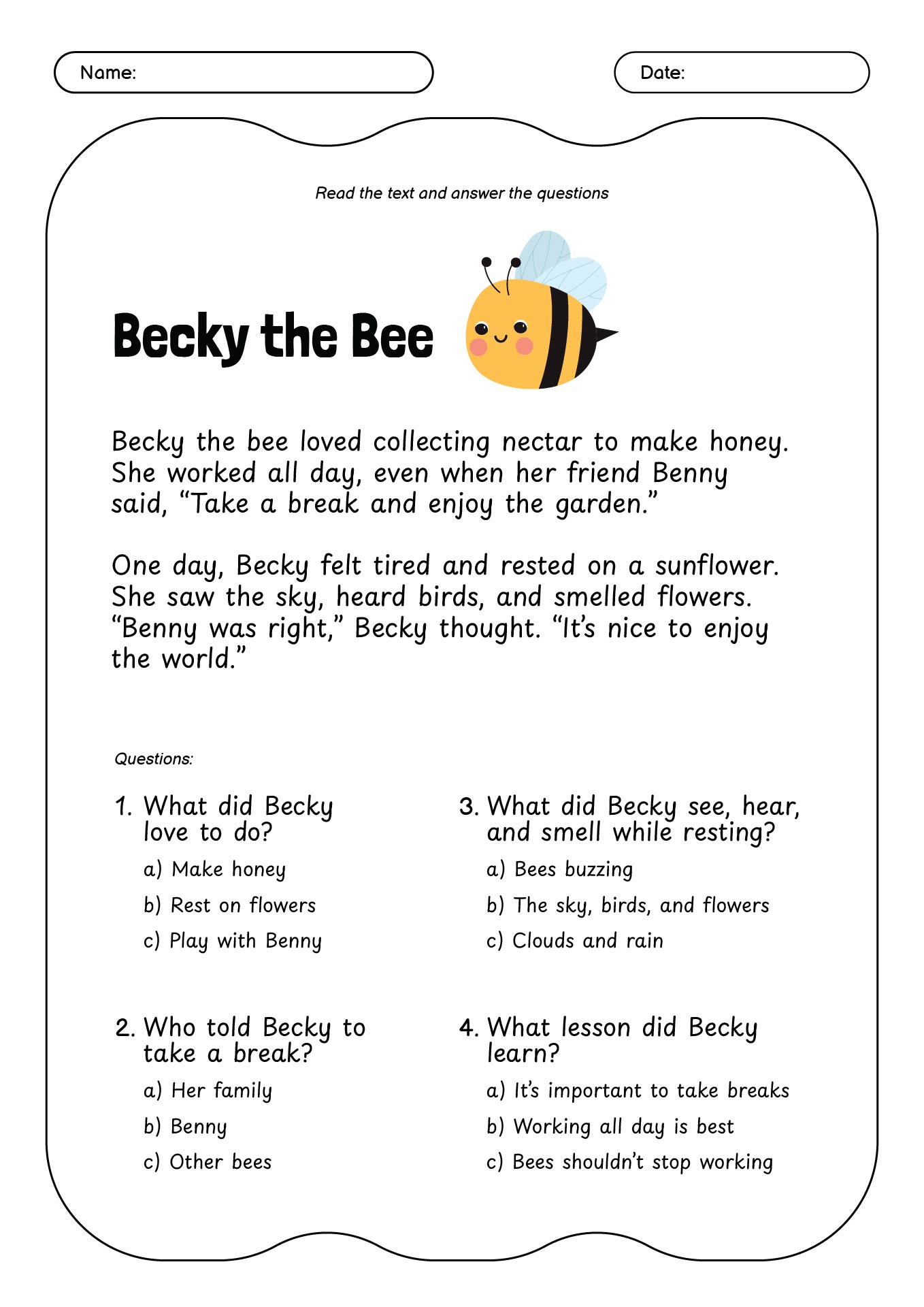
 Reading Comprehension Passages

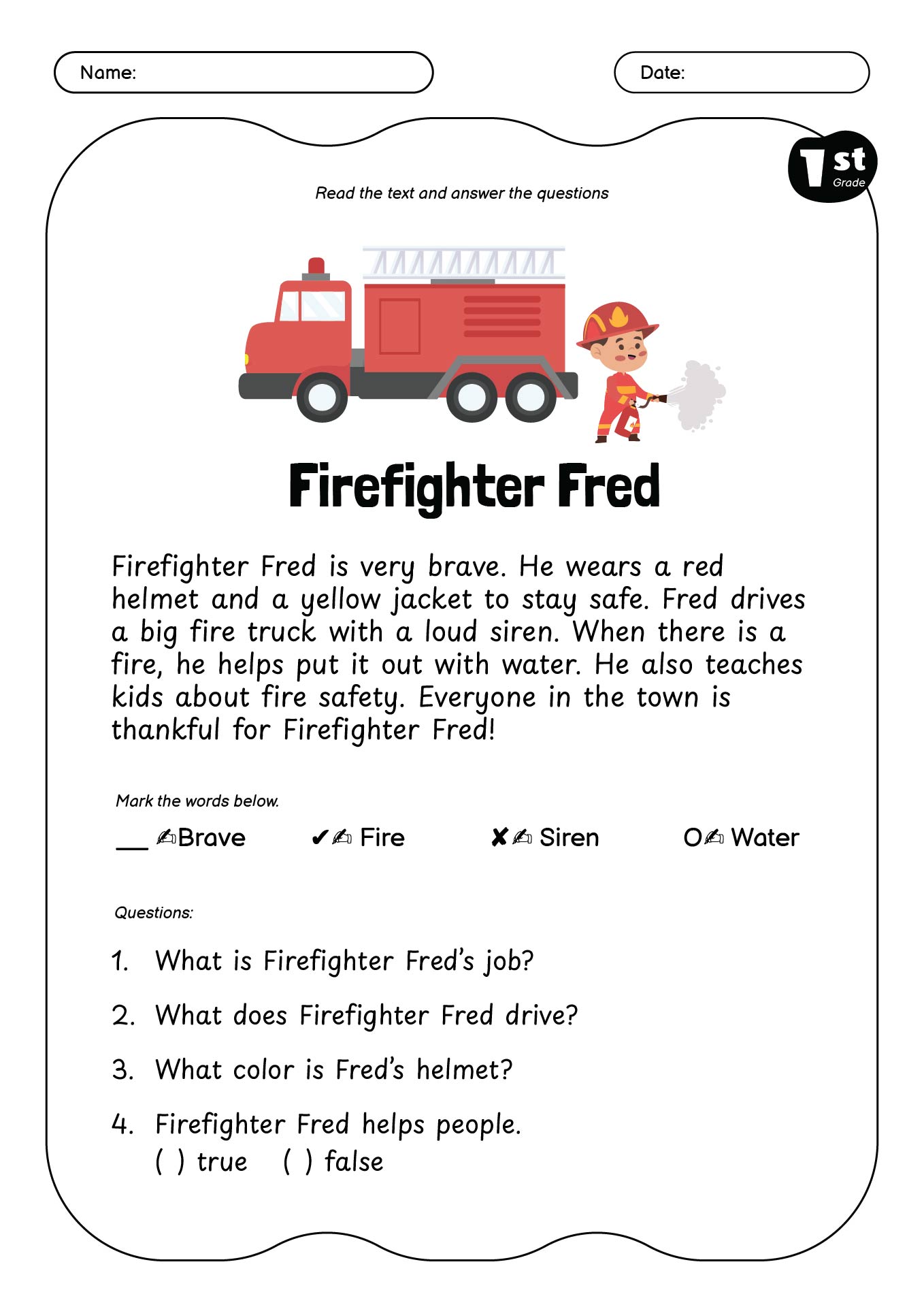
 First Grade Printable Reading Worksheets

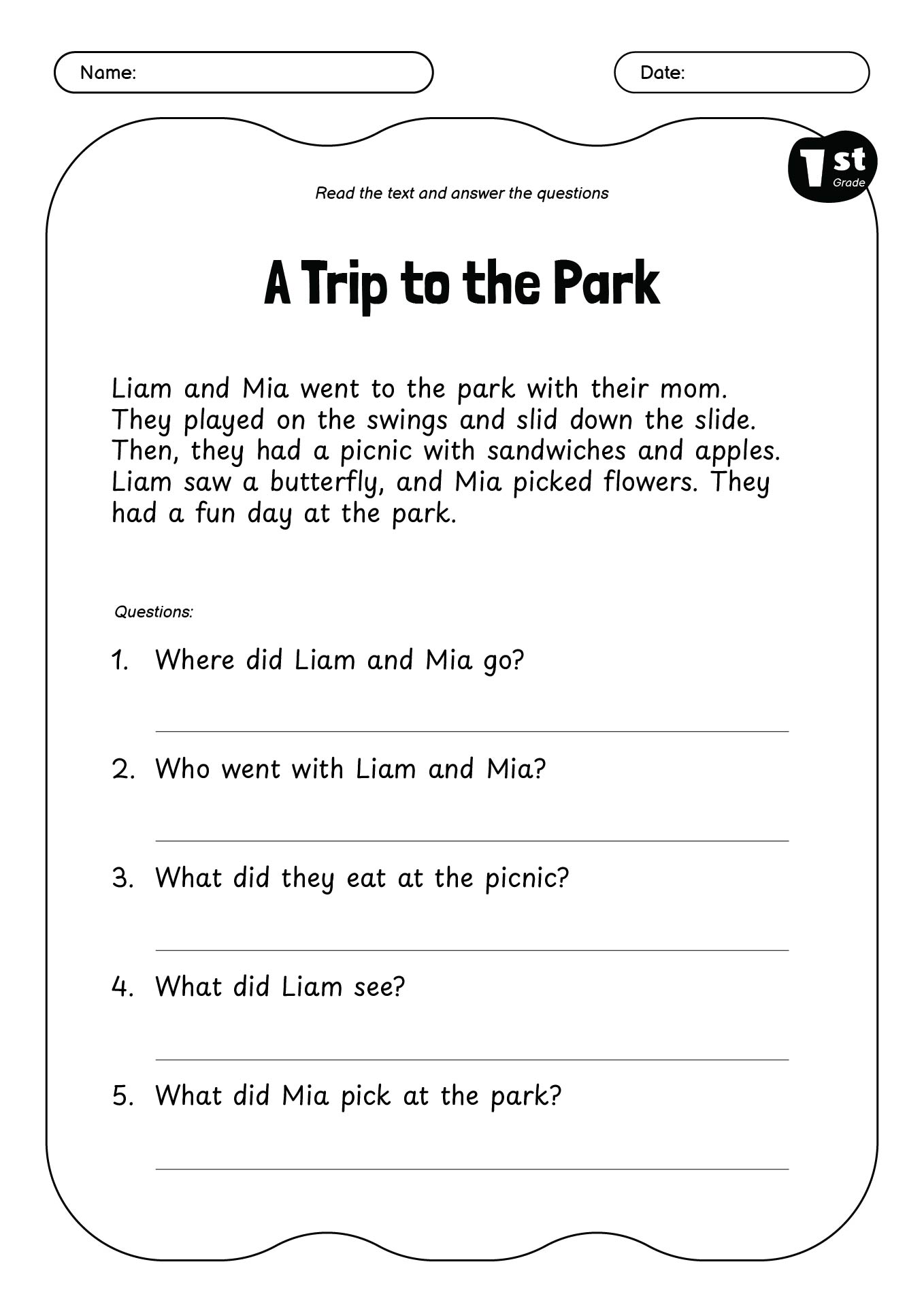
 Daily Reading Comprehension Grade 1

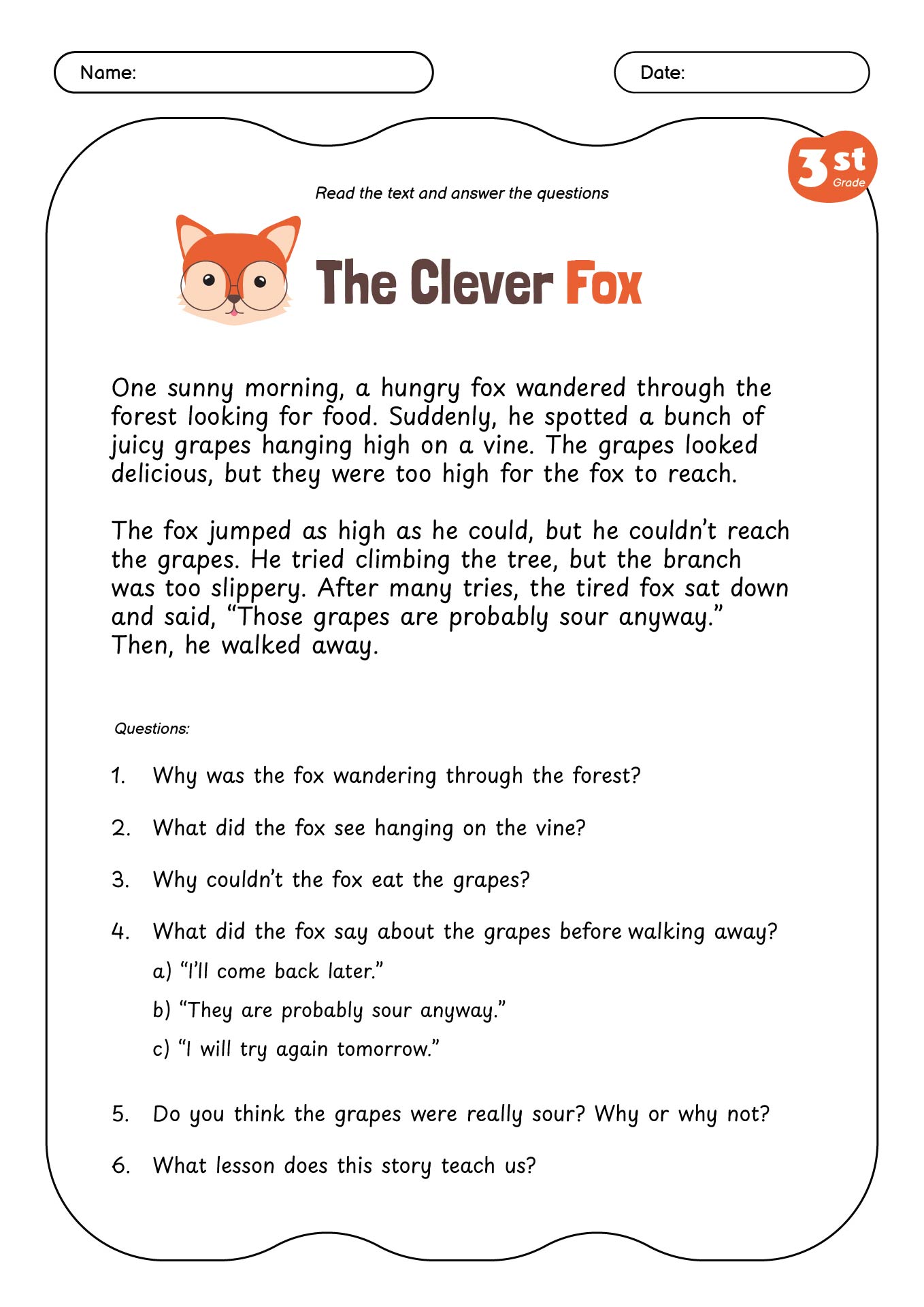
 Reading Comprehension Worksheets Grade 3

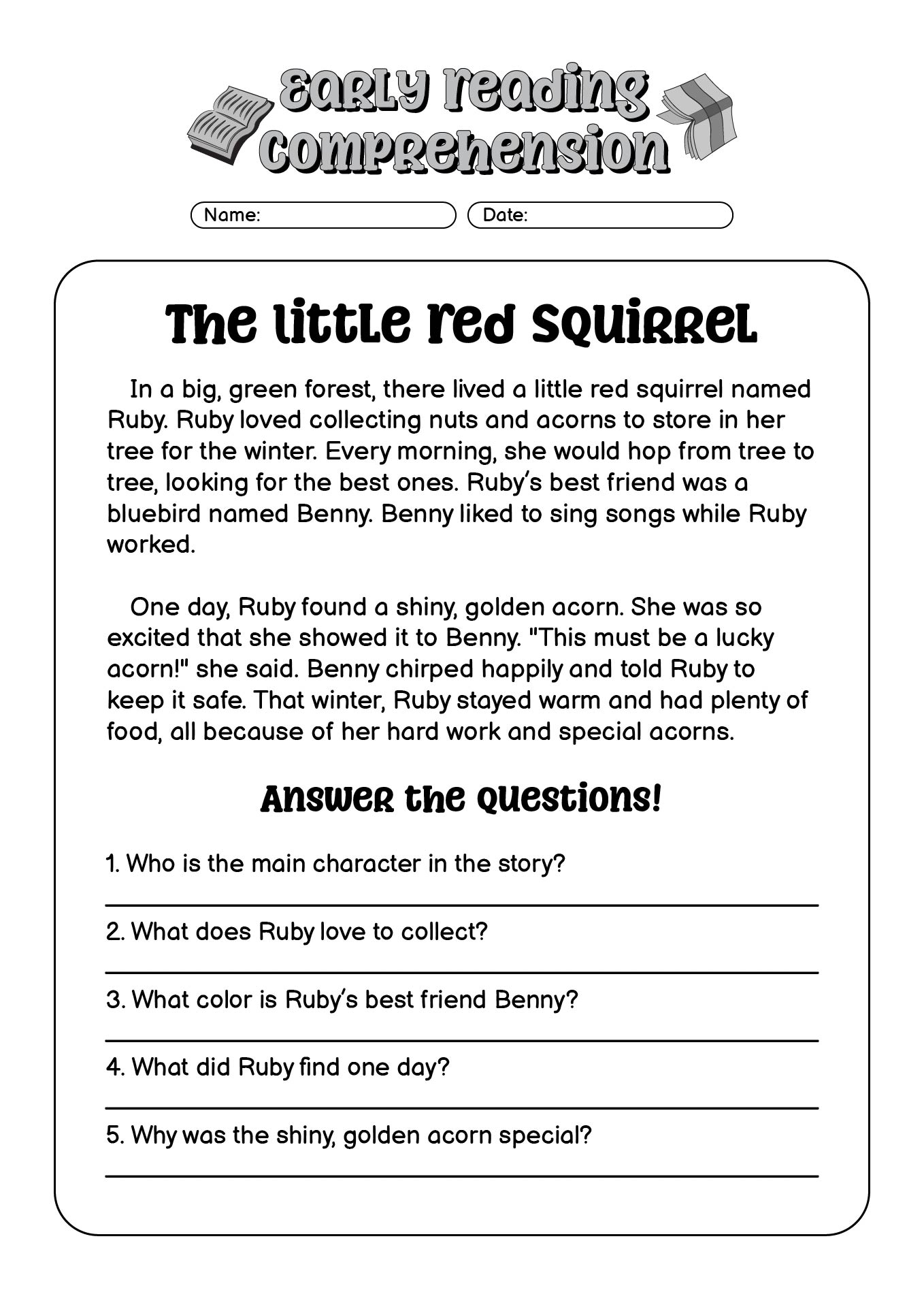
 Printable 2nd Grade Reading Books

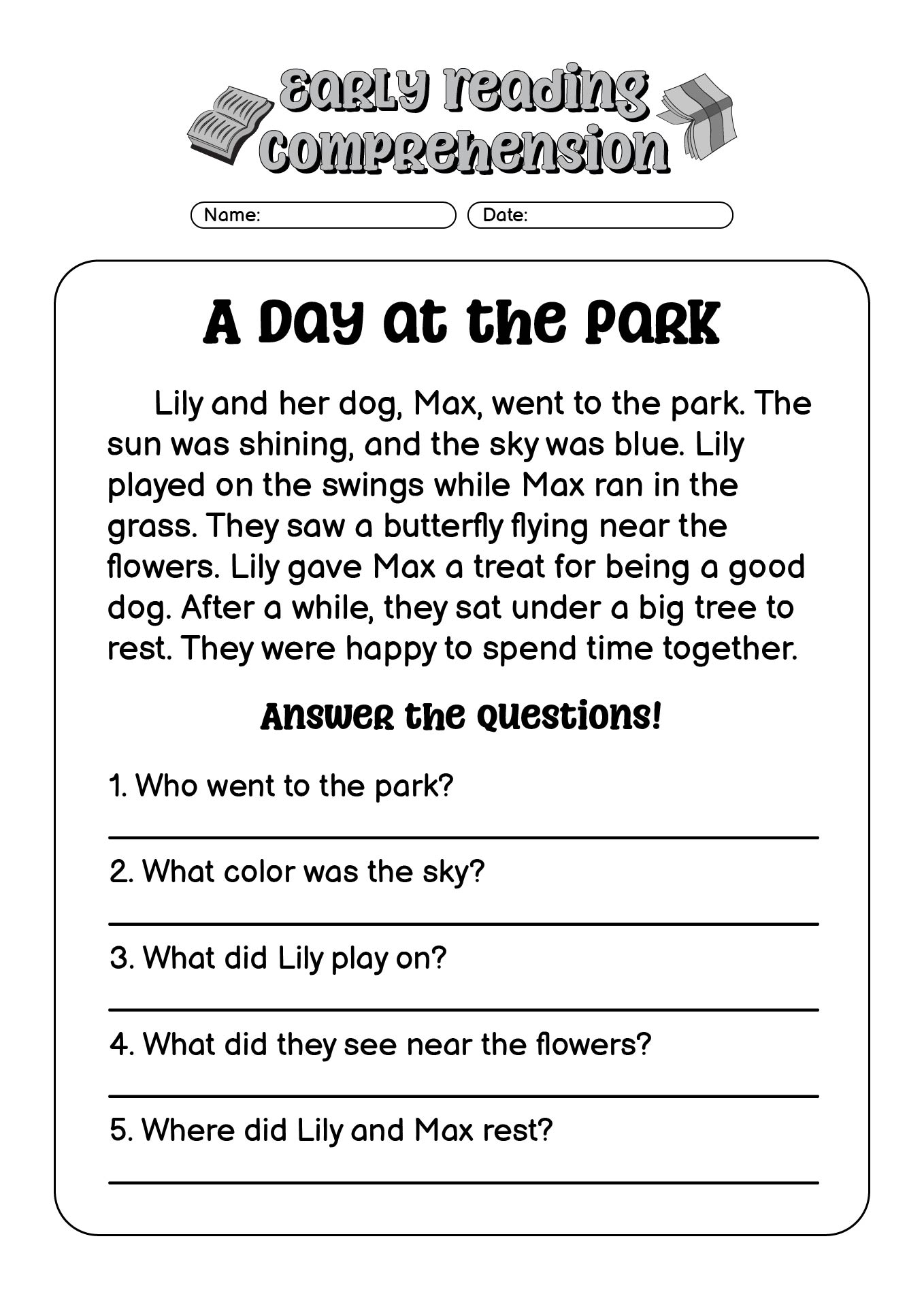
 Kindergarten Reading Worksheets

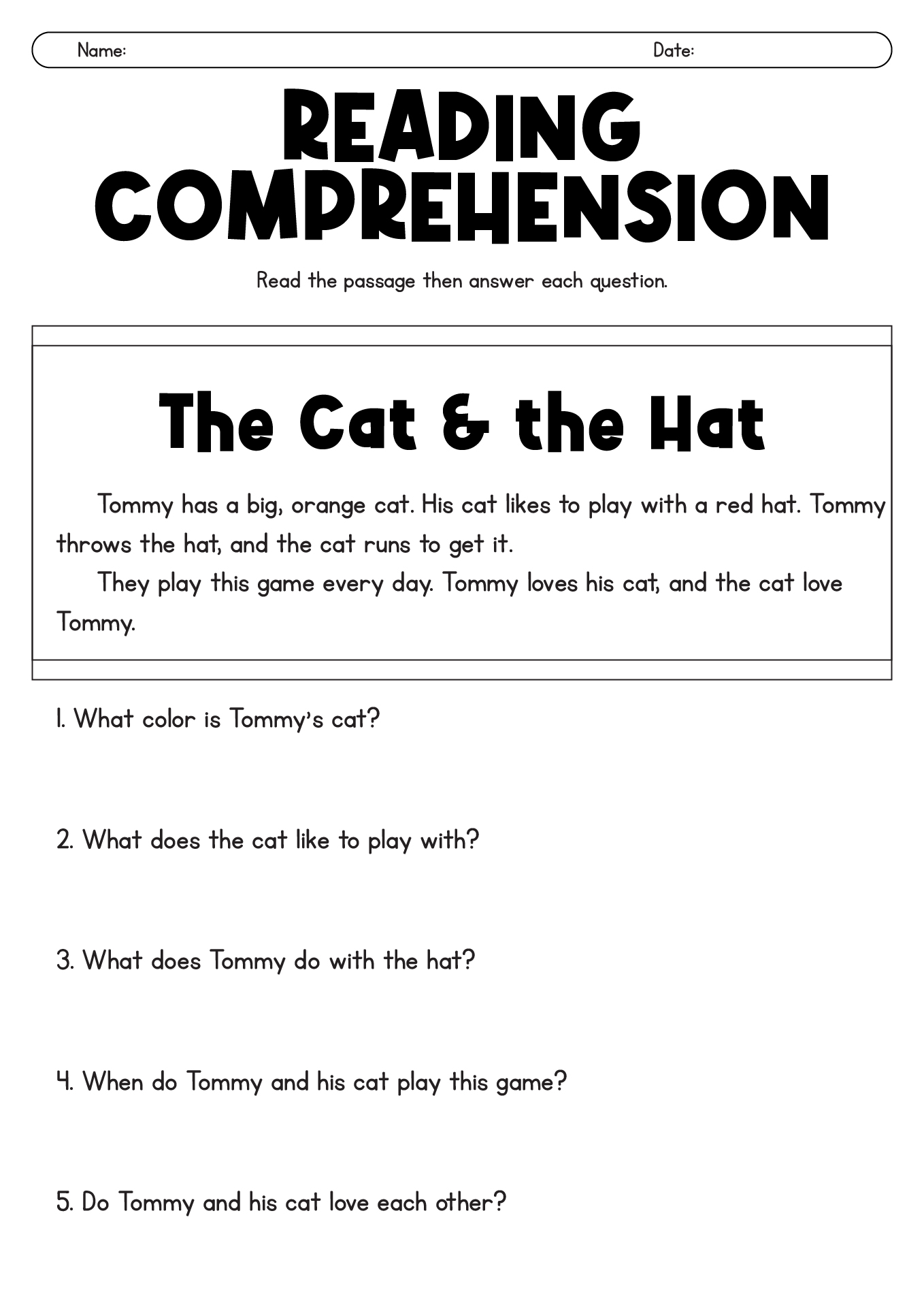
 Early Reading Comprehension Worksheets for Grade 1

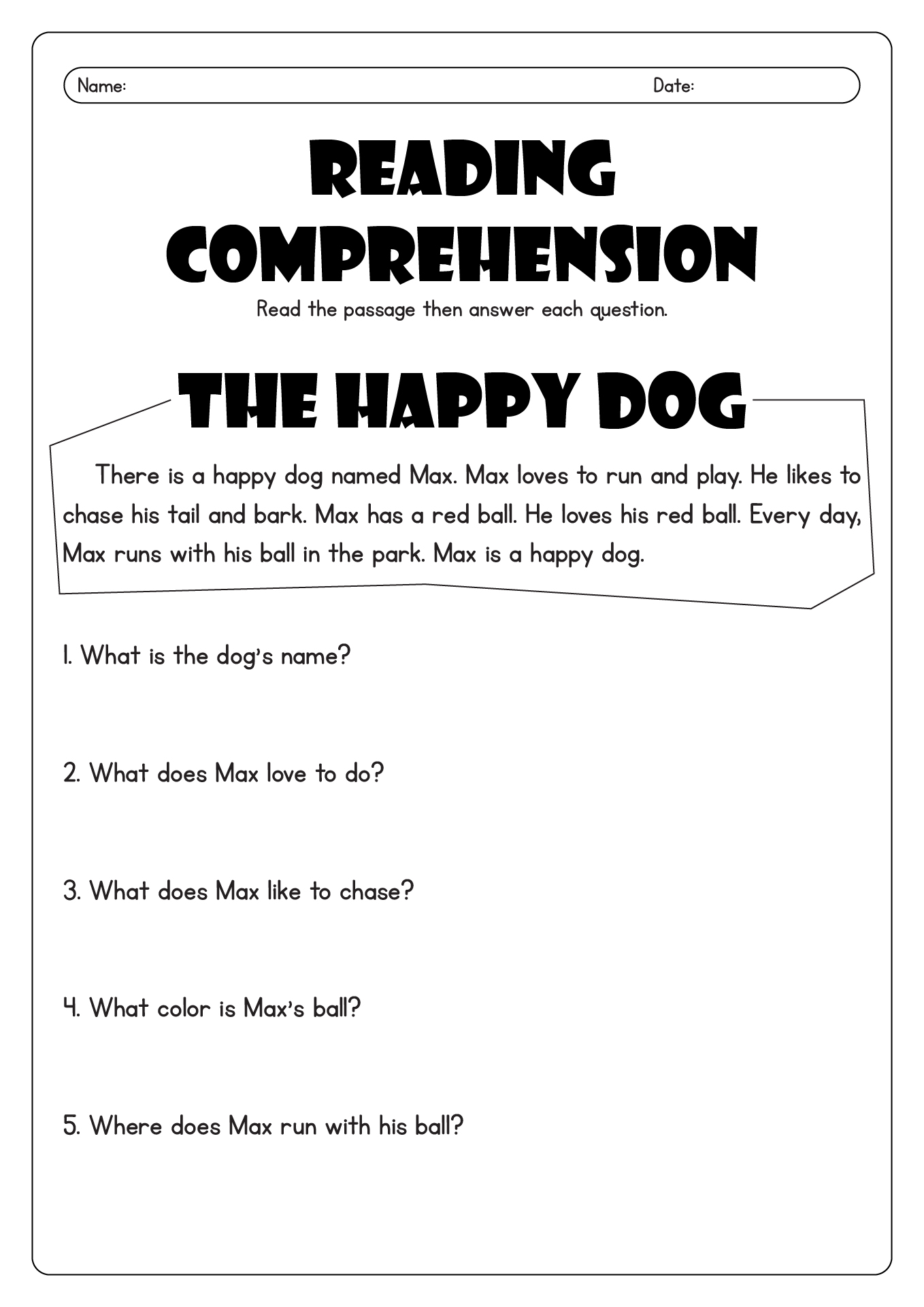
 Beginner Reading Comprehension Worksheets for Kindergarten

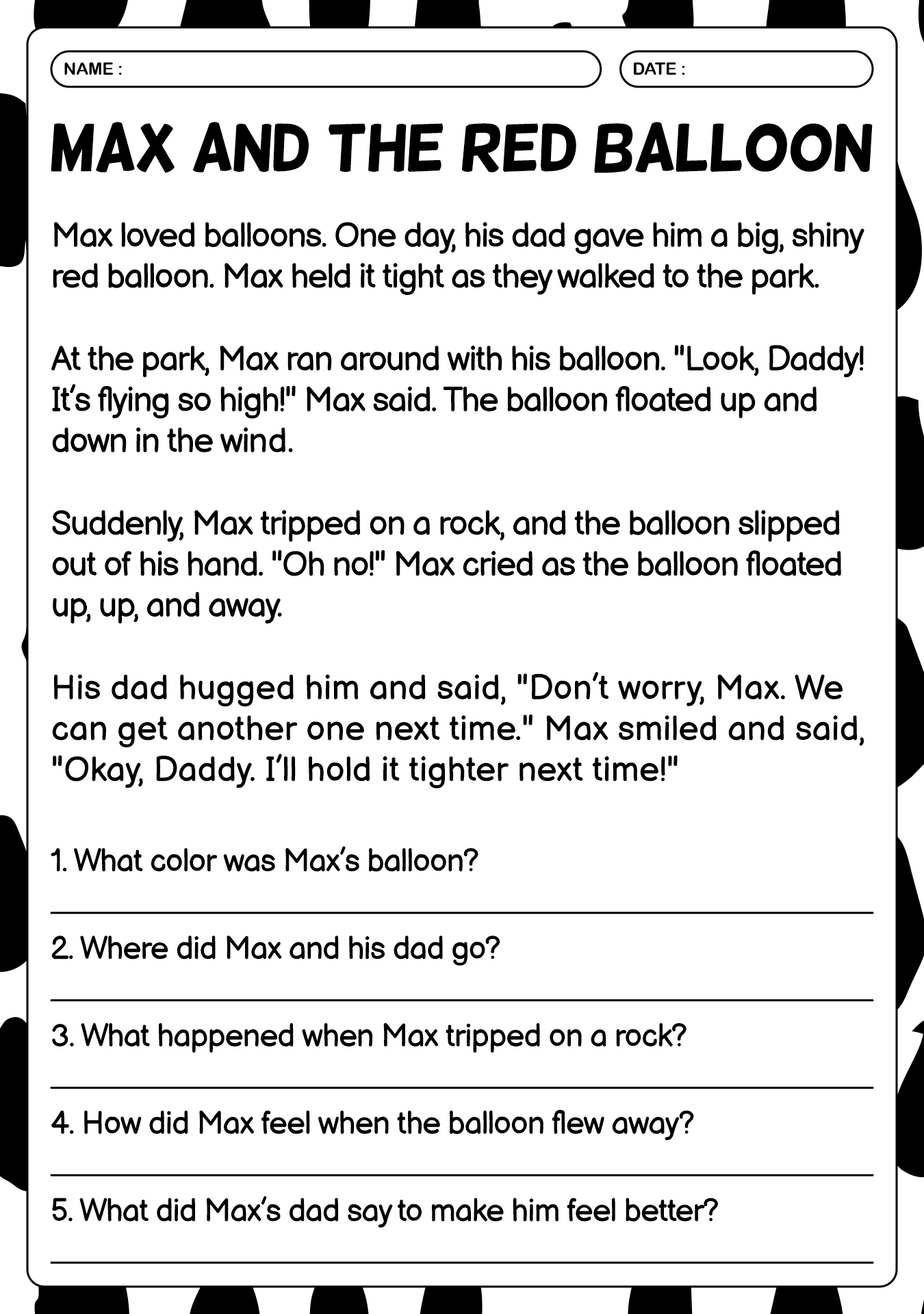
 Kindergarten Reading Comprehension Sheets

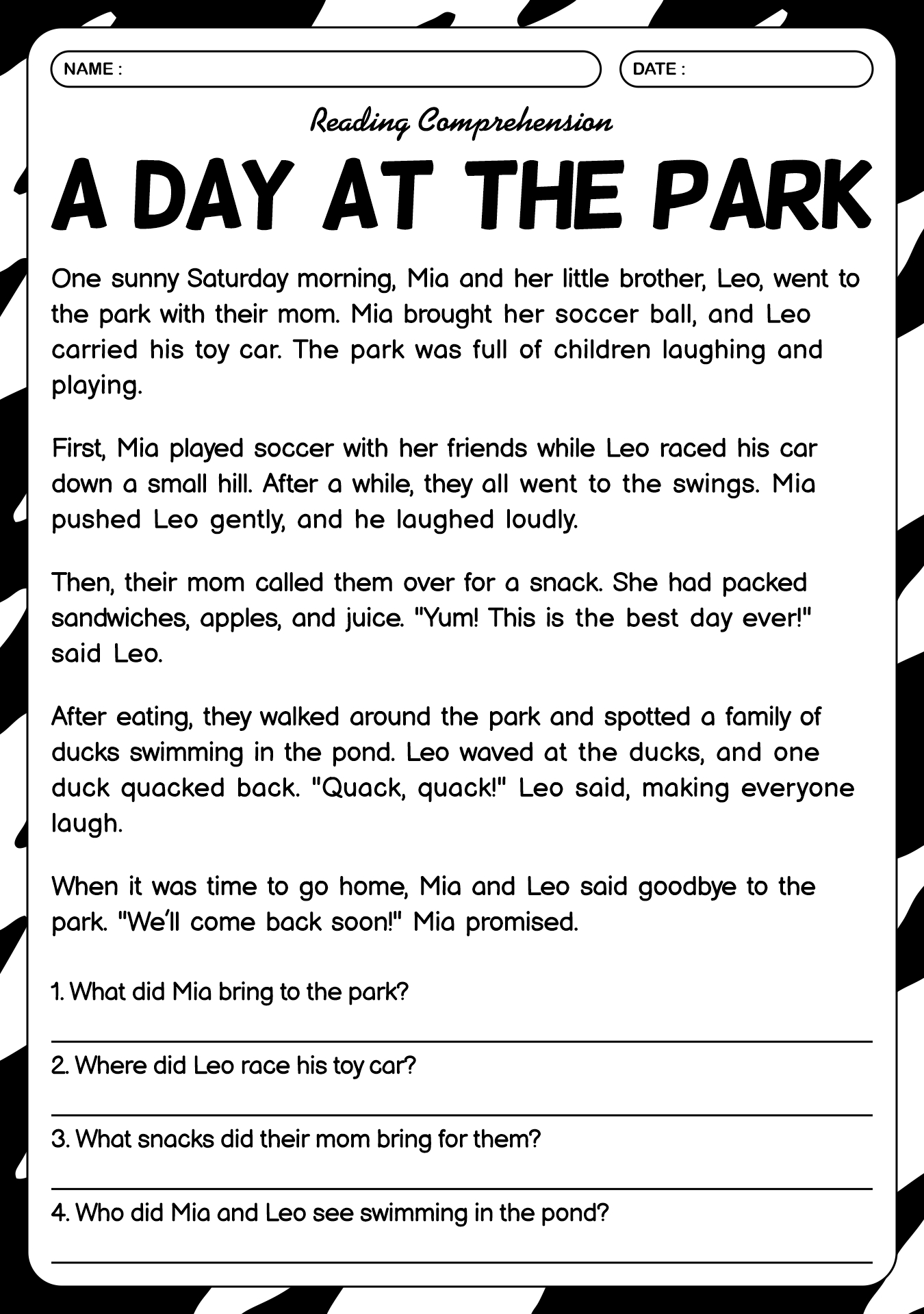
 Early Grade Reading Comprehension Activities

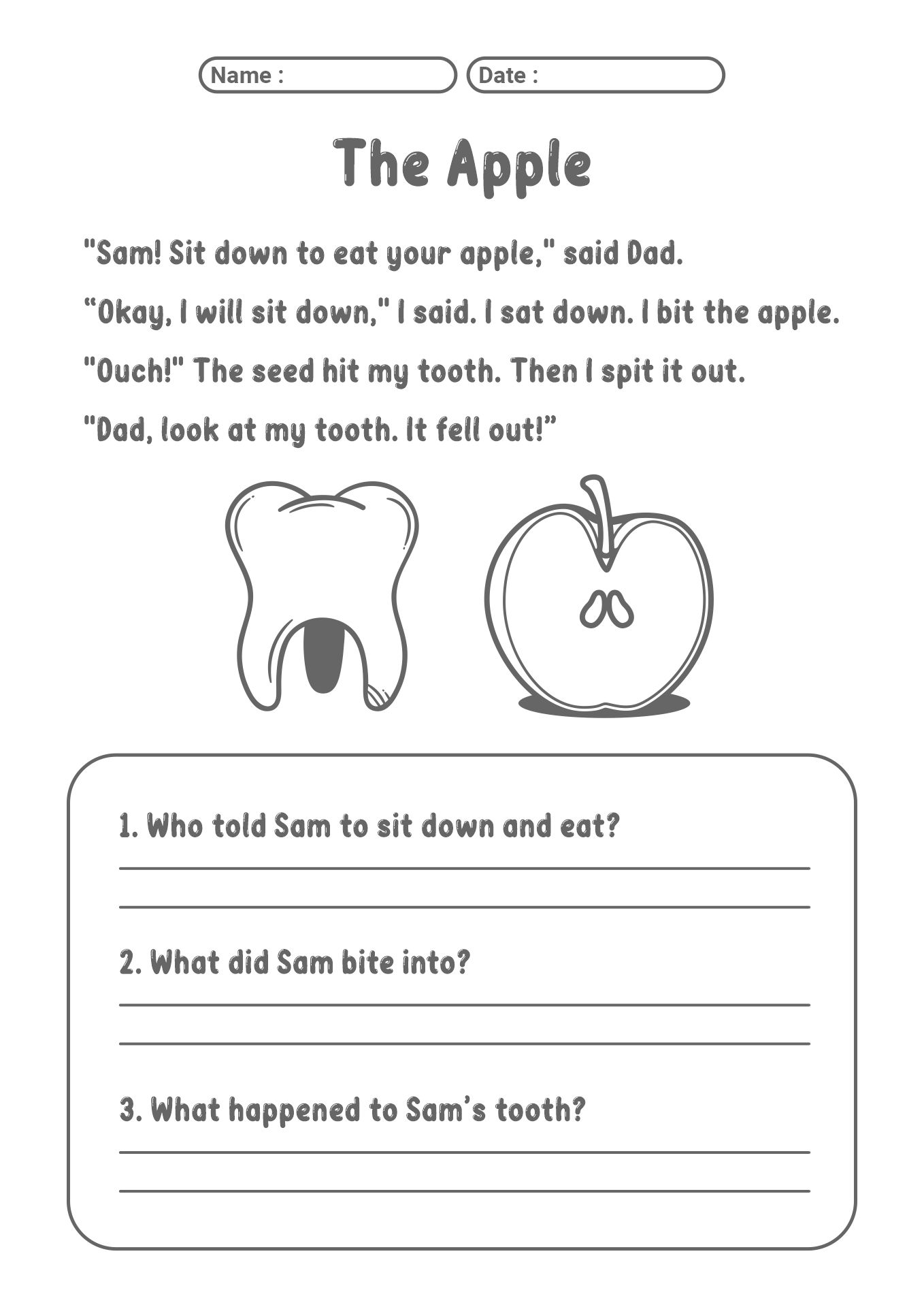
 Beginner Reading Comprehension Exercises

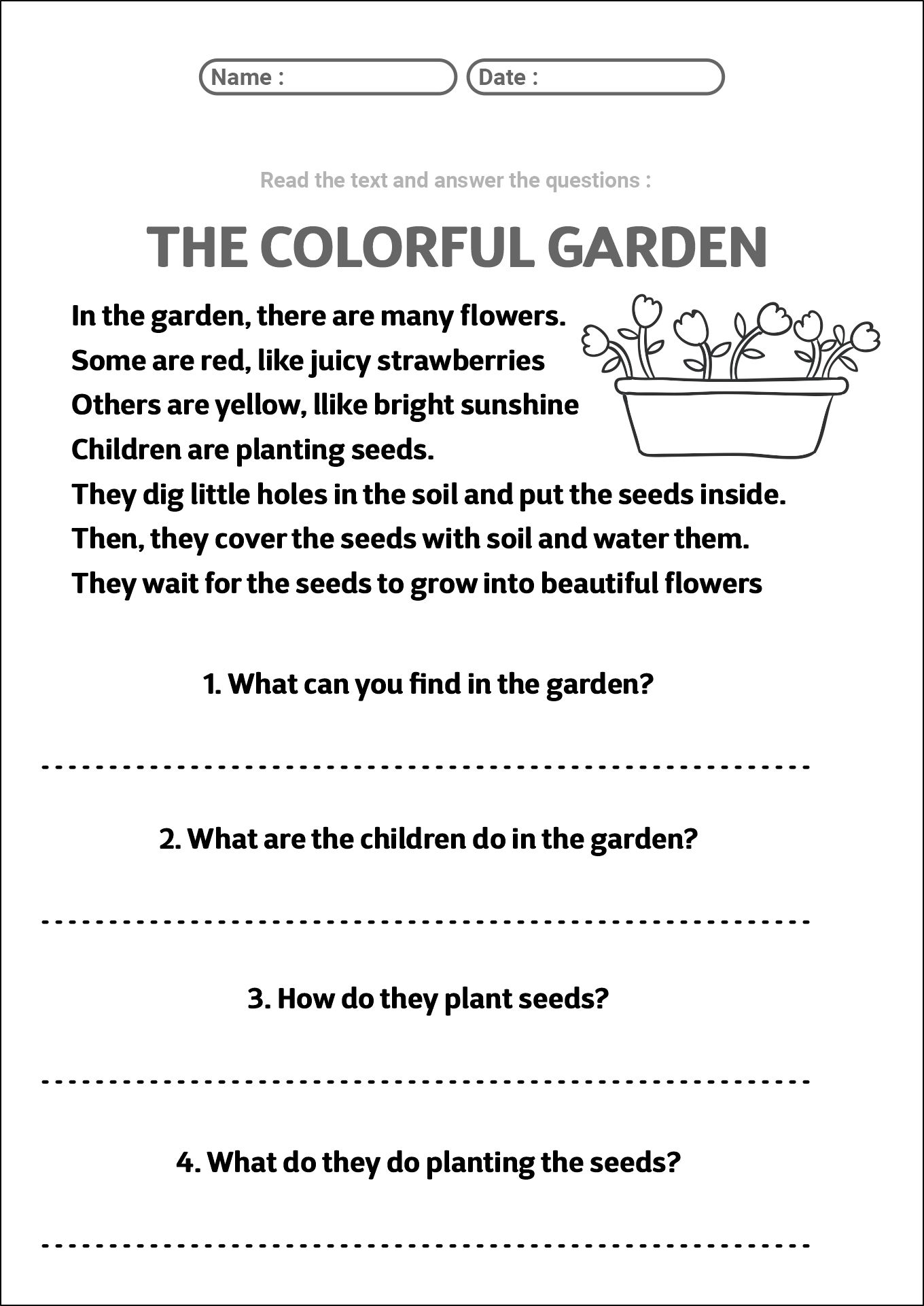
 Basic Reading Comprehension Activities

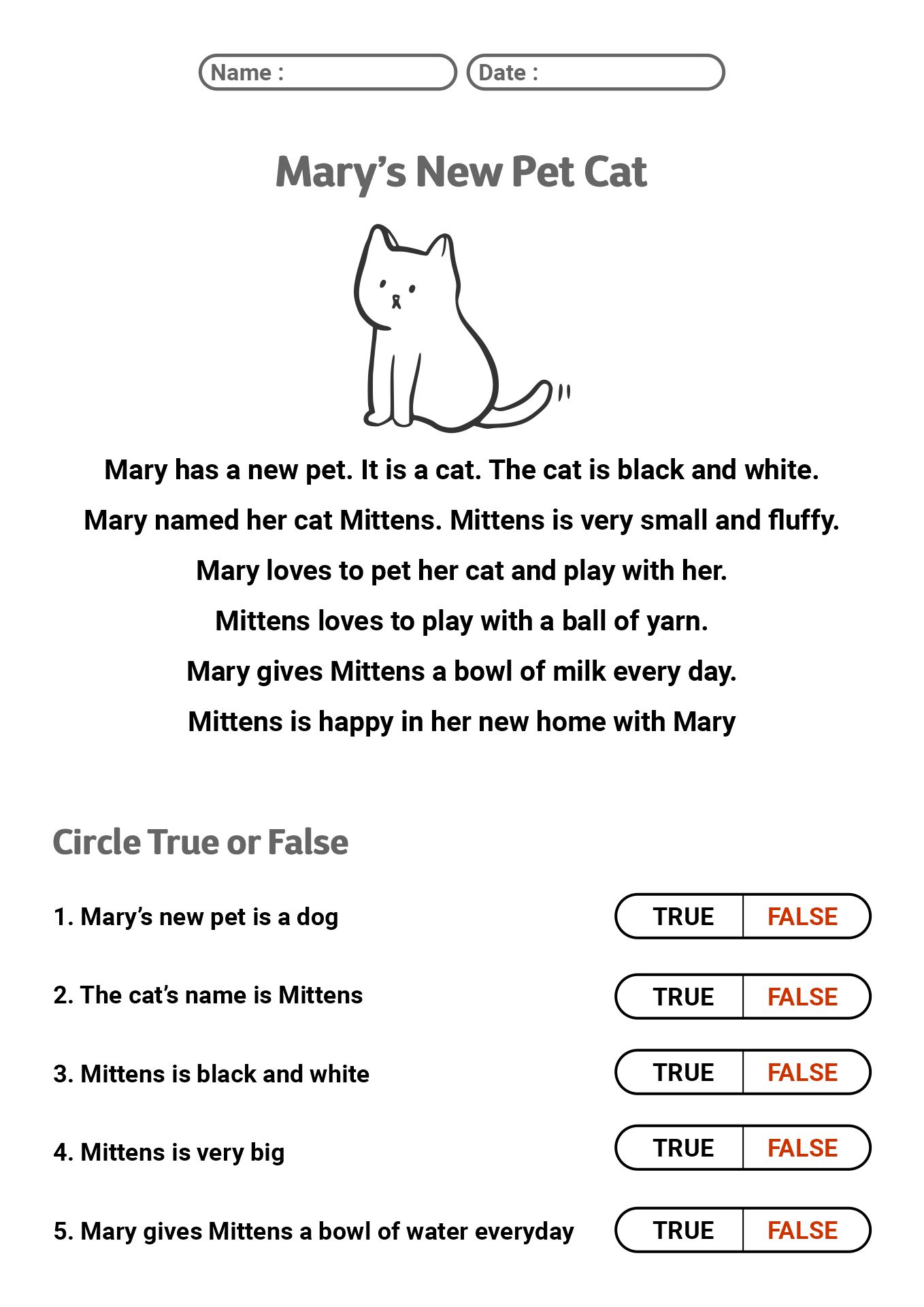
 Kindergarten Reading Comprehension Tasks

More Worksheets
What Reading Activities Can Children Find in Early Reading Comprehension Worksheets?
- Picture and Word Matching: Children read a word or short sentence, then connect it with the correct illustration. For example, a sentence saying "The cat is sleeping" should match a picture of a sleeping cat. This activity helps young readers associate written information with visual clues.
- Story Sequencing: After reading a short story, children arrange several pictures or sentences in the correct order. A simple example is a story about planting a flower, starting with preparing the soil, placing the seed, watering it, and watching it grow. They learn to follow events rather than treating every sentence as separate information.
- WH-Question Practice: A short passage can come with questions such as "Who is playing outside?", "Where does the girl live?", or "What does the boy eat?" These questions encourage children to look for specific details instead of guessing their answers.
- Fill-in-the-Blank Exercises: Children read a sentence with one missing word and select the answer that makes the most sense. For instance, "The bird can …" with options such as fly, swim, and sleep.
- True-or-False Questions: After finishing a passage, children decide whether several statements match the information they have read. This is a simple way to check whether they remember important details.
- Character and Setting Identification: Children identify who appears in a story and where the events take place. They can underline character names, circle location words, or choose the correct picture.
Which Age Groups Should Start Practicing with Early Reading Comprehension Worksheets?
- Preschool (Ages 3-4): Start with large pictures, familiar objects, and very short instructions. Ask children to match words with illustrations, identify an object mentioned in a sentence, or point to the correct picture after listening to you read. At this stage, adult guidance is particularly helpful because some children are still developing their basic letter recognition skills.
- Kindergarten (Ages 5-6): Introduce simple sentences, basic WH-questions, and picture-based story activities. For example, let children read a sentence about a boy feeding a rabbit before choosing the matching illustration. You can also ask them to arrange three pictures according to a short story. Encourage them to explain their answers in their own words.
- First Grade (Ages 6-7): Give students short paragraphs with two or three comprehension questions. They can identify characters, find specific information, recognize the main event, and complete missing words based on the passage. Gradually introduce exercises that require them to write short answers instead of selecting pictures.
Can Early Reading Comprehension Worksheets Be Used Outside the Classroom?
Absolutely! Here are a few ways to use them beyond regular classroom sessions:
- During a Class Picnic: Bring worksheets with short passages about animals, plants, food, or outdoor activities. After reading a passage about butterflies, for example, ask students to identify the details that describe their appearance. They can also look for butterflies around the picnic area and connect the reading material with what they observe.
- On an Outing Class: Visiting a zoo, botanical garden, or local museum creates plenty of opportunities for reading practice. Before the trip, prepare short descriptions of animals, plants, or historical objects. After exploring the location, ask students to complete matching exercises or answer questions based on the information they remember.
Curious About Our Free Reading Comprehension Worksheets?
Scroll through this article again and explore the available Early Reading Comprehension Worksheets templates to find the ones that best match your students' or children's reading abilities. You can download the printable files and prepare physical copies whenever you need an extra activity for a lesson or practice session.
And, you aren't limited to printed pages. These templates also work for online learning, making them a practical option for teachers who handle virtual classes and parents who want to organize reading activities at home.
How Can Teachers Use Our Reading Comprehension Worksheets for Online Learning?
- Share the Worksheets Before Class: Download the selected Early Reading Comprehension Worksheets templates and distribute them as PDF or image files through Google Classroom, WhatsApp, or another learning platform. Students can print the pages at home or keep the files on their devices if they prefer working digitally.
- Display the Exercises During Live Lessons: Open a worksheet and share your screen through Zoom or Google Meet. Read the instructions together, show students how to approach the first question, and give them a few minutes to complete the remaining exercises.
- Encourage Students to Read Aloud: Choose a short passage and invite students to take turns reading individual sentences. This gives teachers an opportunity to observe their pronunciation while checking whether they understand the information in the text.
- Use Digital Annotation Tools: Students who don't have access to a printer can complete suitable exercises using PDF annotation tools or drawing features on their devices. They can circle answers, underline important words, or connect pictures with matching sentences directly on the screen.
With a little preparation, online reading practice can feel less like completing a digital assignment and more like having a shared reading experience!


Have something to share?
Popular Categories
Who is Worksheeto?
At Worksheeto, we are committed to delivering an extensive and varied portfolio of superior quality worksheets, designed to address the educational demands of students, educators, and parents.

Comments