
Coping with Anxiety Worksheets
Anxiety can feel confusing, especially when you are trying to understand why certain situations suddenly make you feel nervous, restless, or overwhelmed. For children, those feelings can be even harder to explain because they may not always have the right words for what is happening inside them. Adults can experience the same challenge in different ways, whether they are managing their own worries or helping someone else work through anxious moments. This is where Coping with Anxiety Worksheets can offer a simple space to slow down, notice patterns, and explore healthier ways to respond.
Instead of expecting someone to figure everything out at once, worksheets can break anxiety-related concepts into smaller, more approachable activities. So, scroll down to explore more Anxiety Coping Skills Worksheets and find the right activities here!
Table of Images 👆
- Coping with Stress Worksheets
- Anxiety Worksheet Kids
- Stress Management Plan Worksheet
- CBT Worksheets for Children with Anxiety
- Coping with Stress Worksheets
- Dealing with Fears Worksheets
- Coping with Stress Worksheets
- Anxiety Therapy Worksheets
- Coping and Relaxation Technique Worksheets
- Dealing with Emotions Worksheet
- Child Anxiety Worksheets CBT
- Coping with Stress Worksheets Printable
- Coping Skills Worksheets
- Coping with Stress Worksheets
- CBT Coping Skills Worksheets
- Coping Skills Worksheets
 16 Images of Coping With Anxiety Worksheets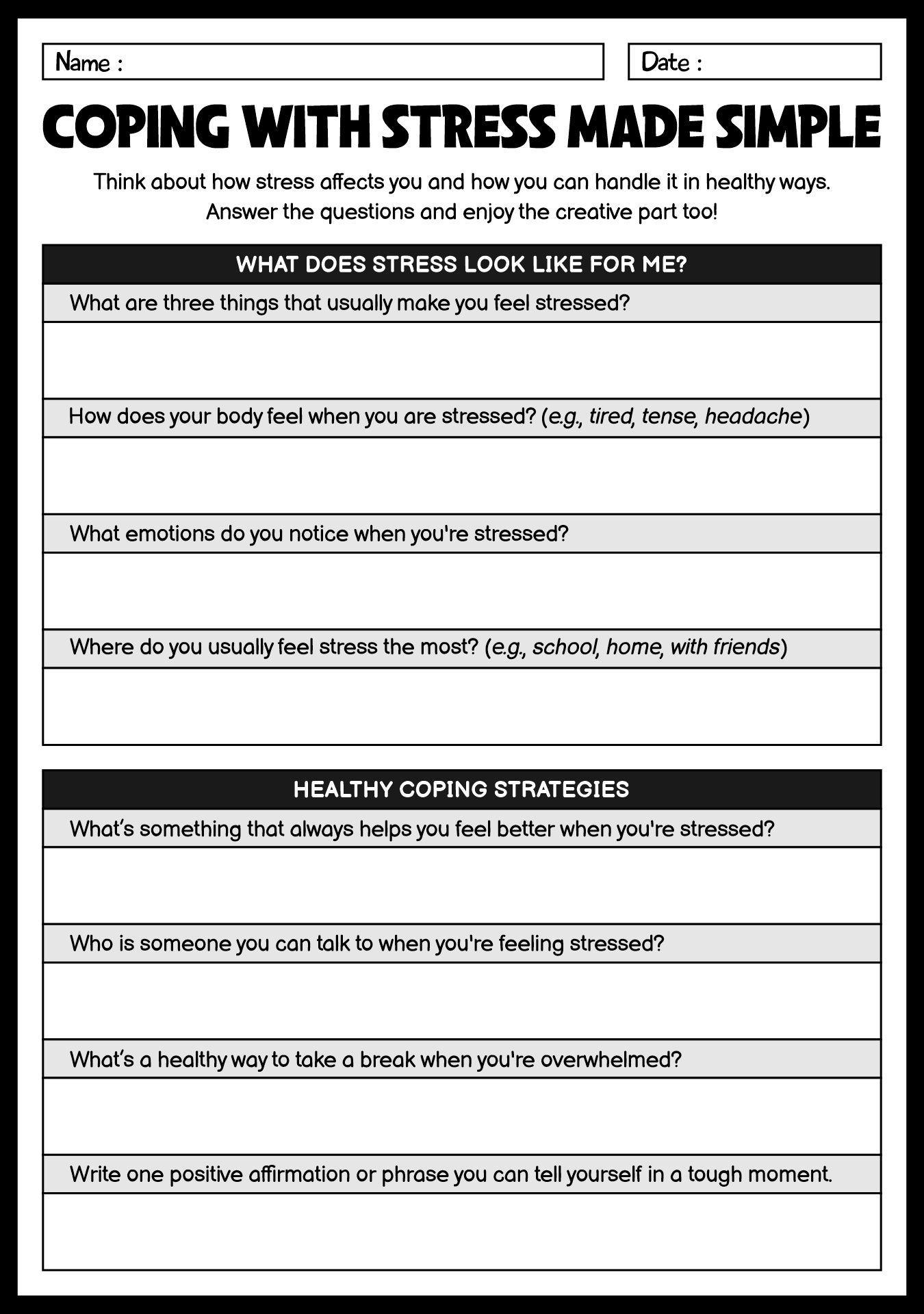
 Coping with Stress Worksheets
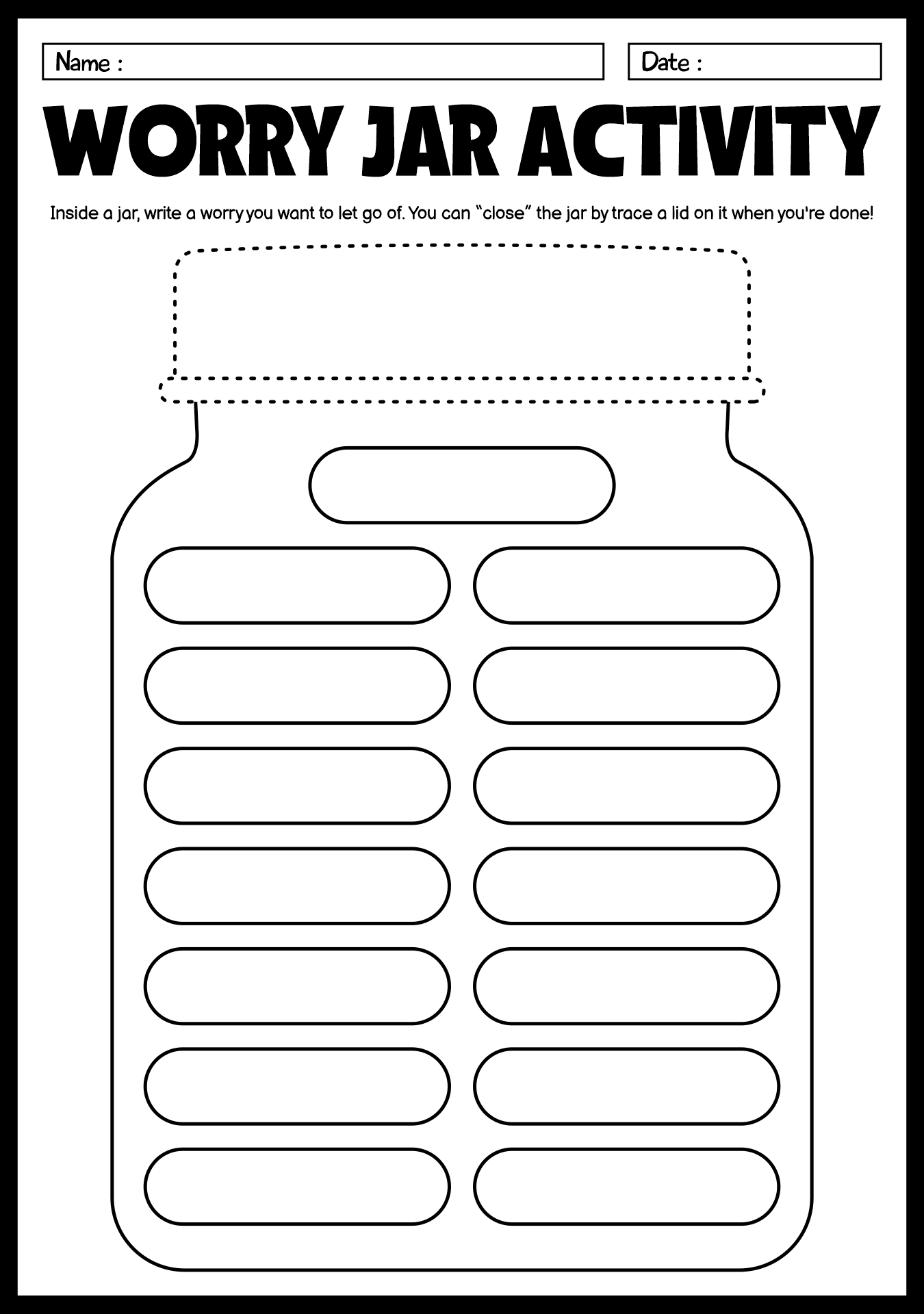
 Anxiety Worksheet Kids
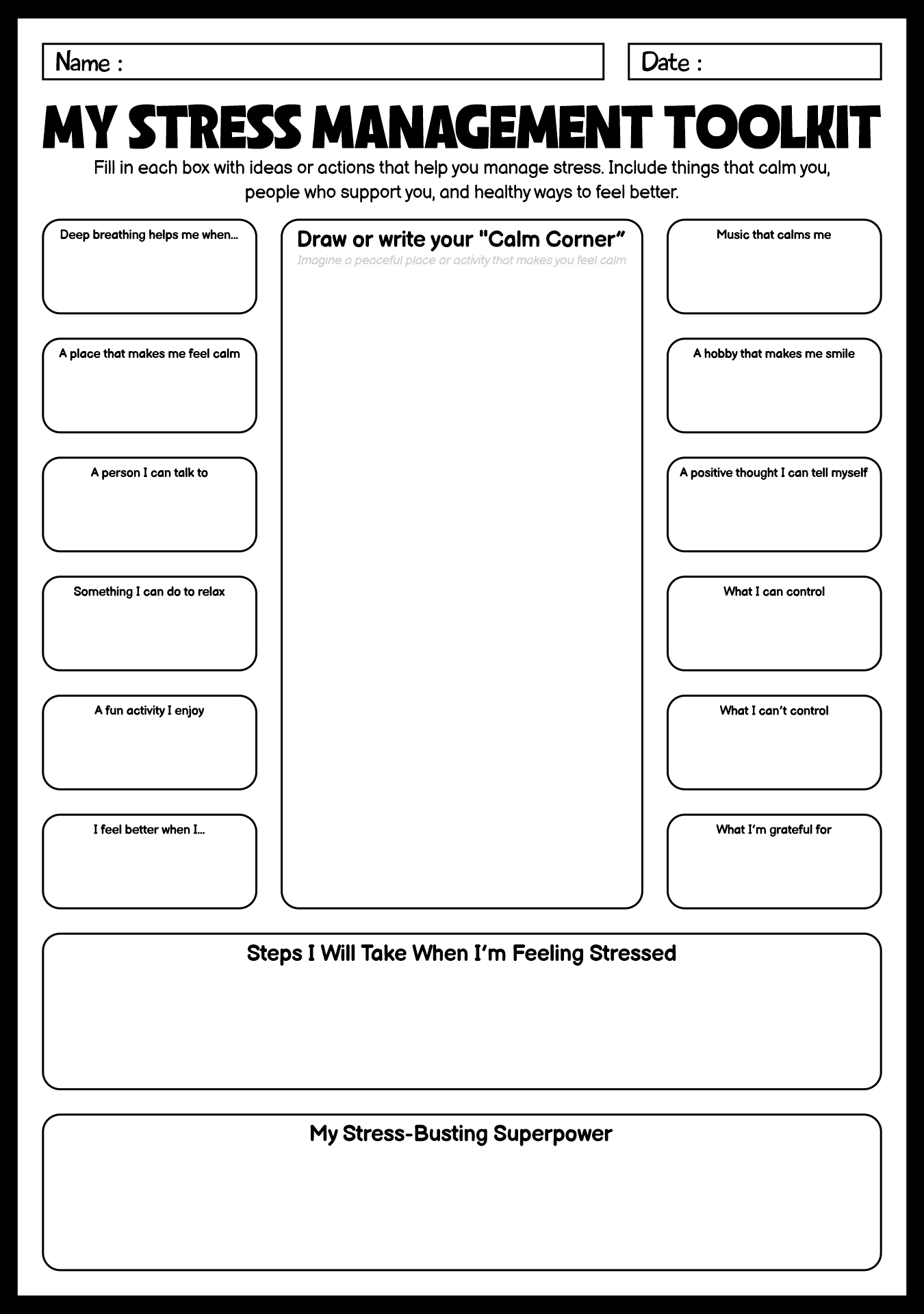
 Stress Management Plan Worksheet
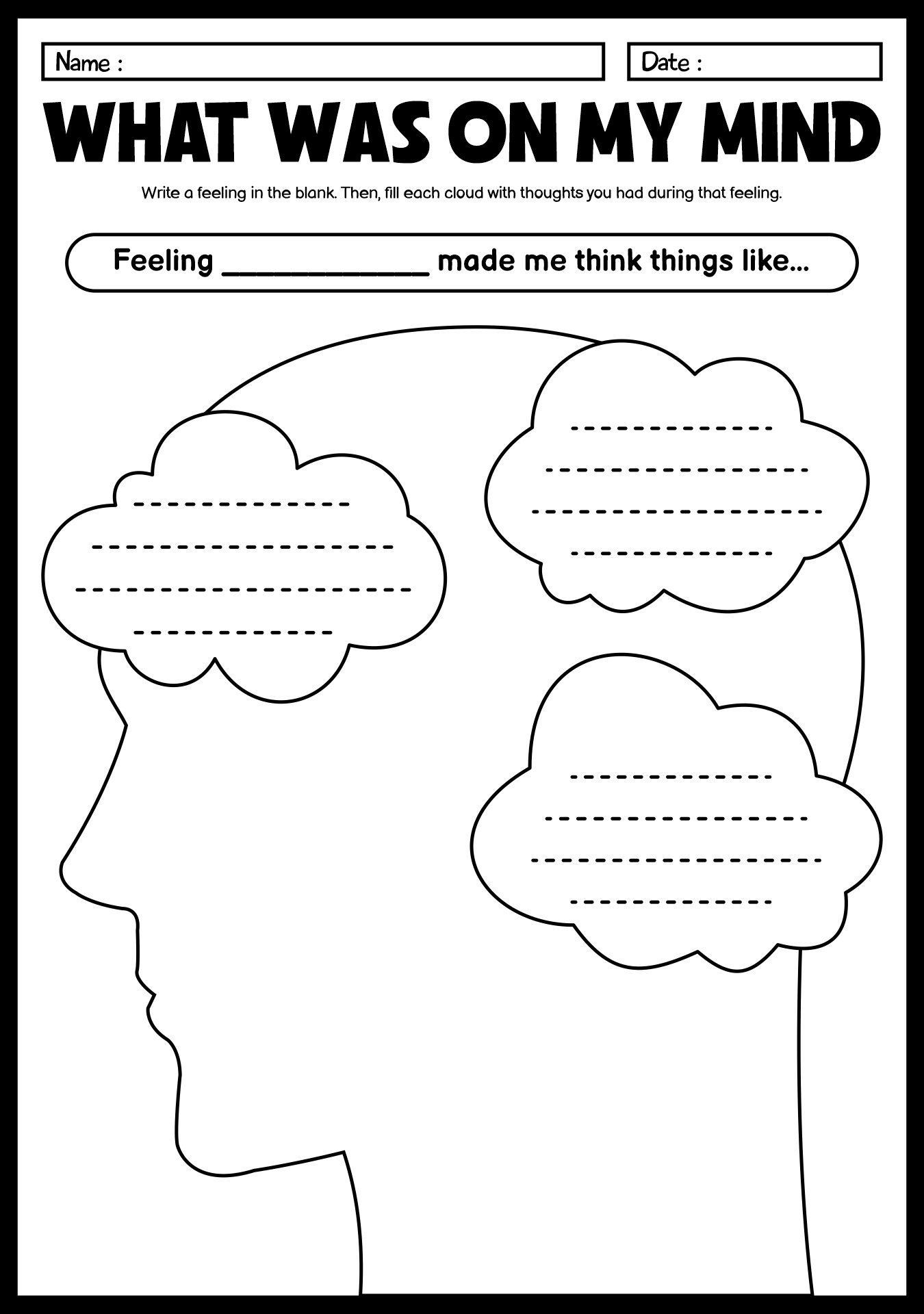
 CBT Worksheets for Children with Anxiety
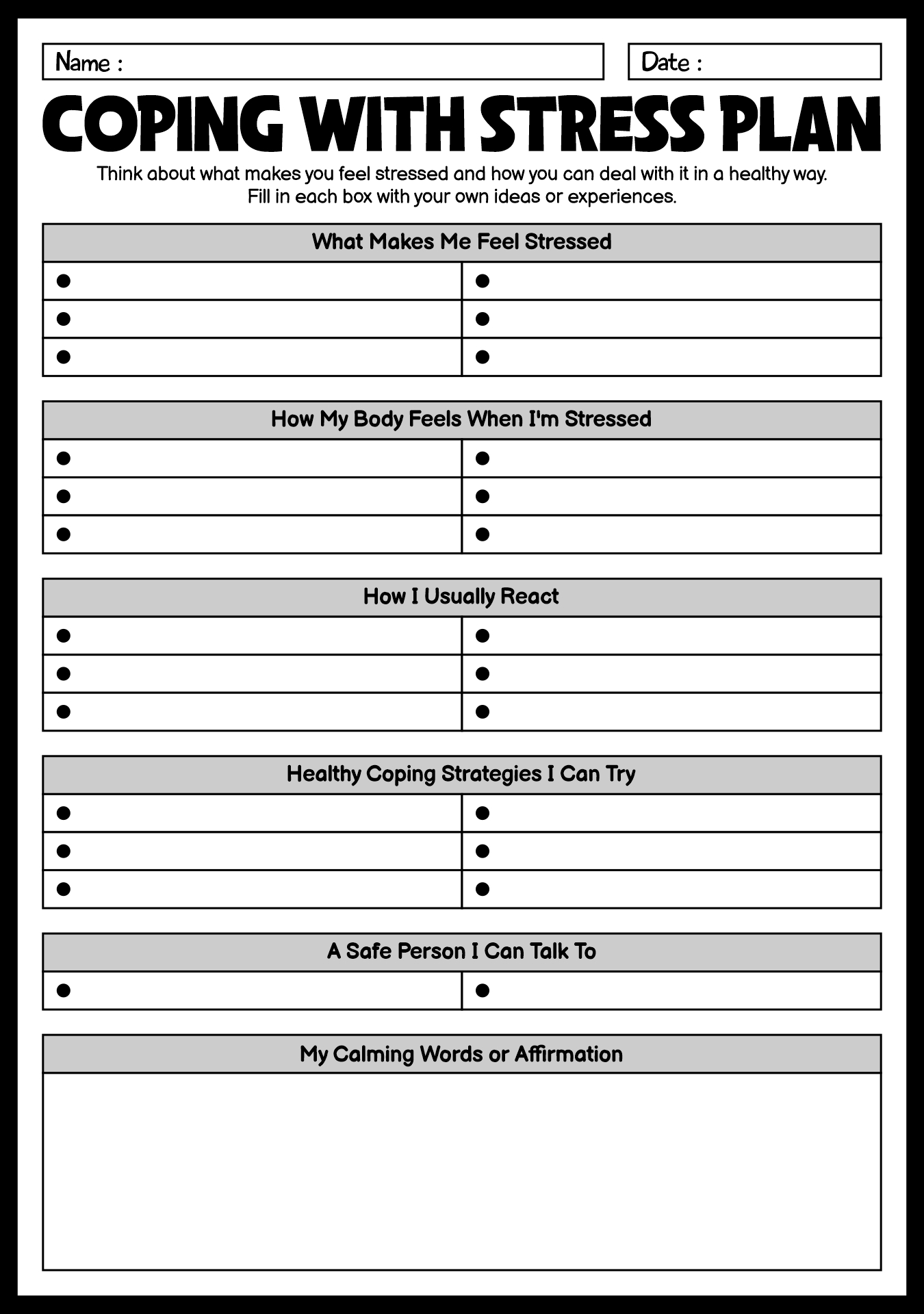
 Coping with Stress Worksheets
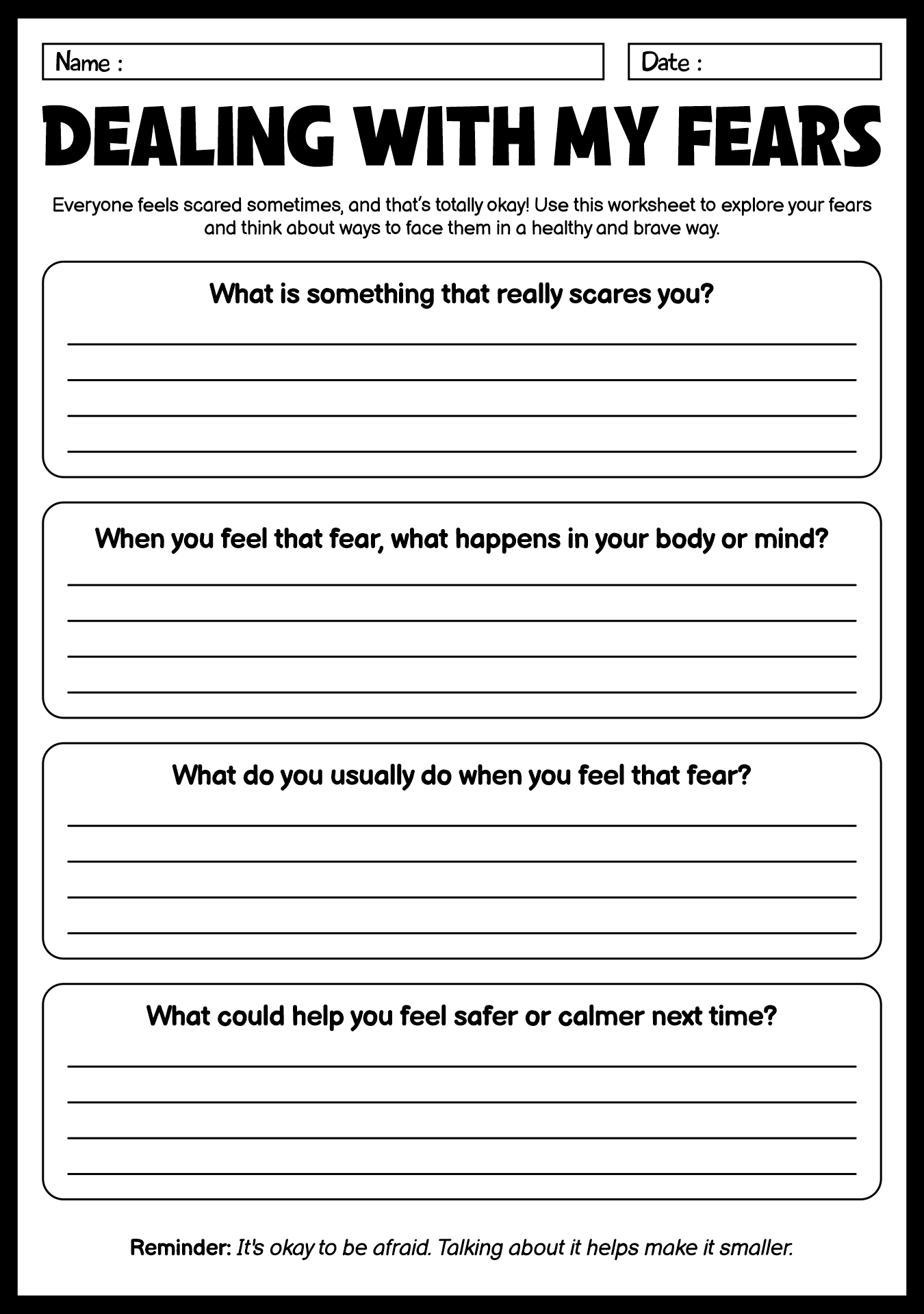
 Dealing with Fears Worksheets
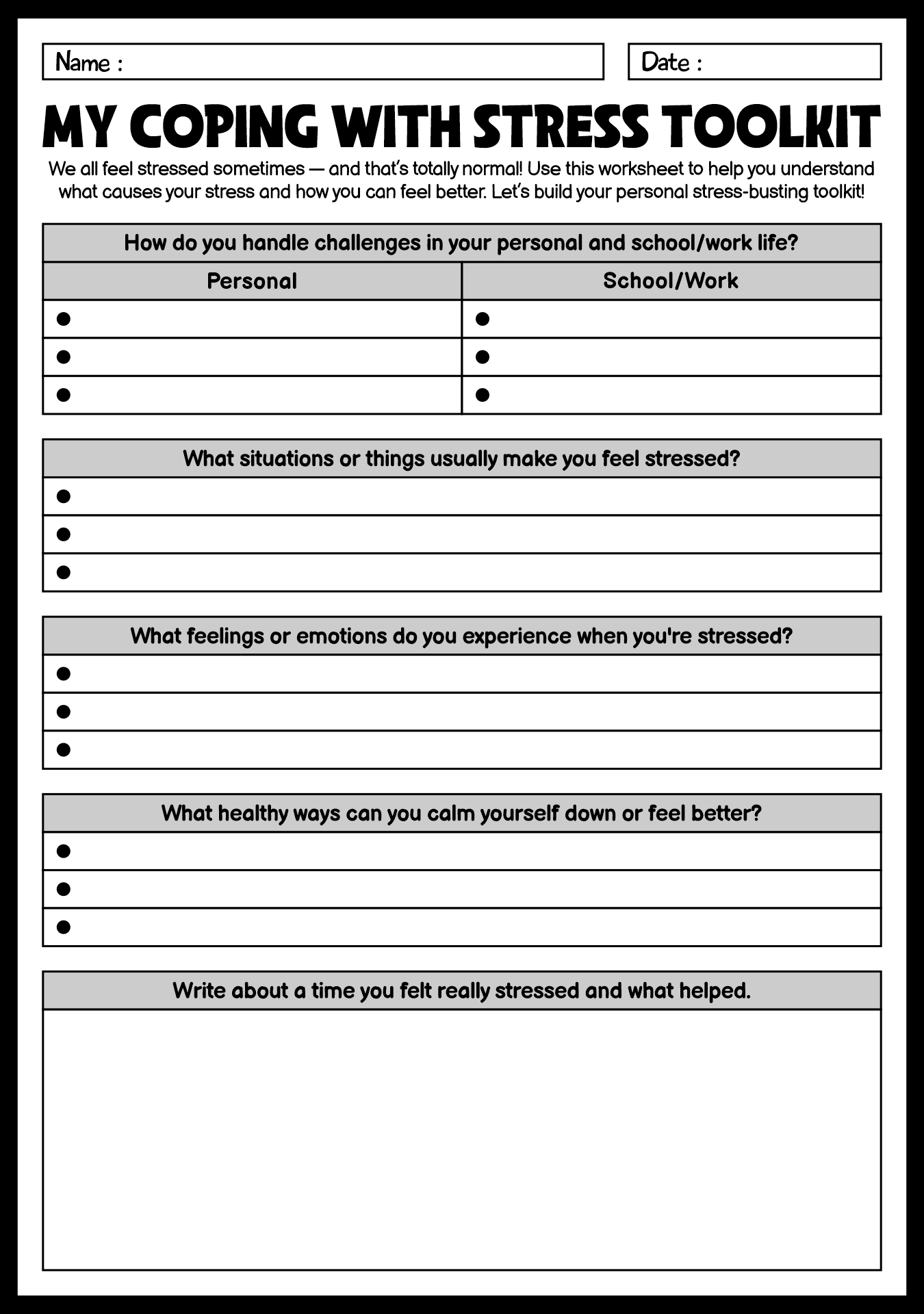
 Coping with Stress Worksheets
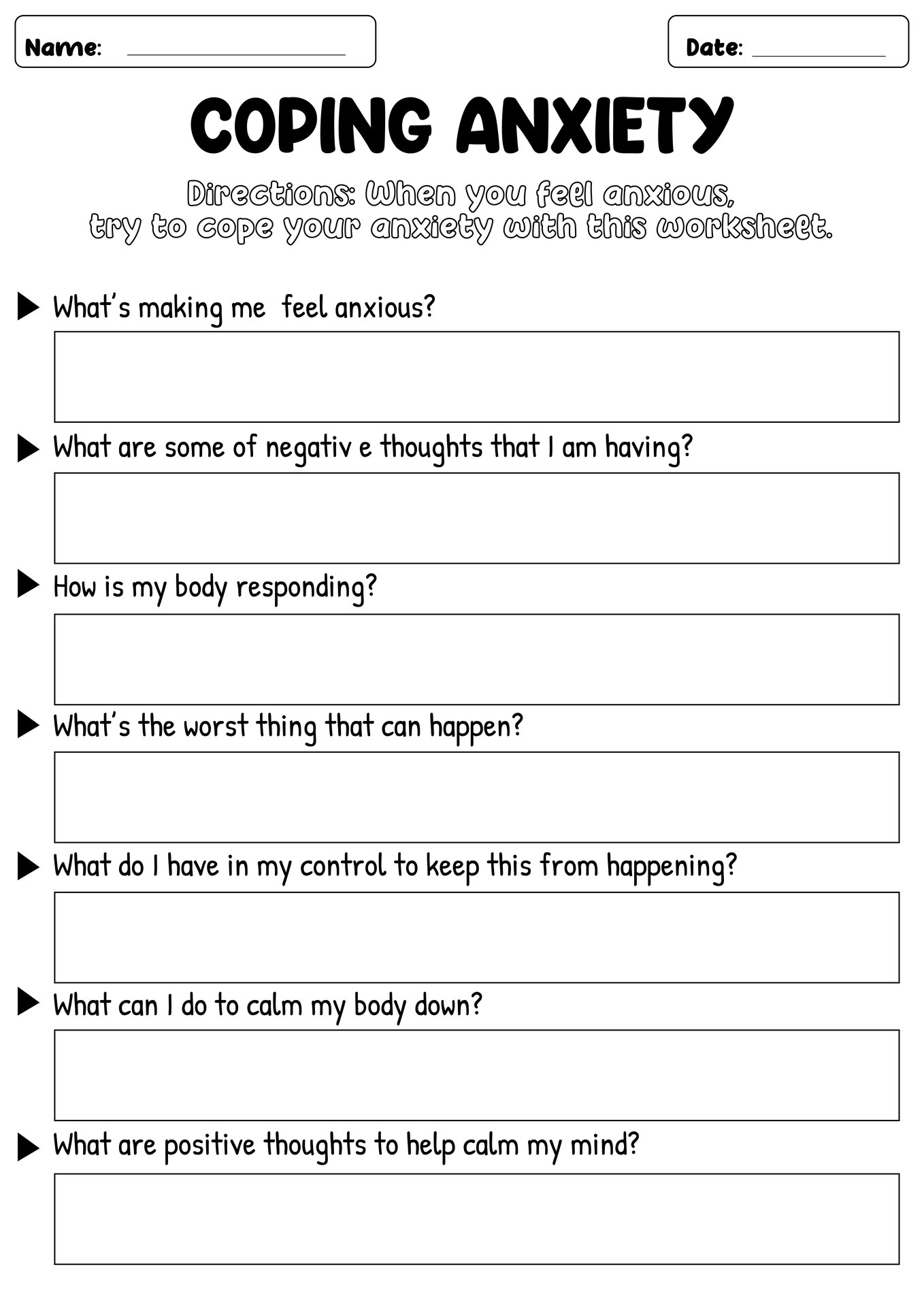
 Anxiety Therapy Worksheets
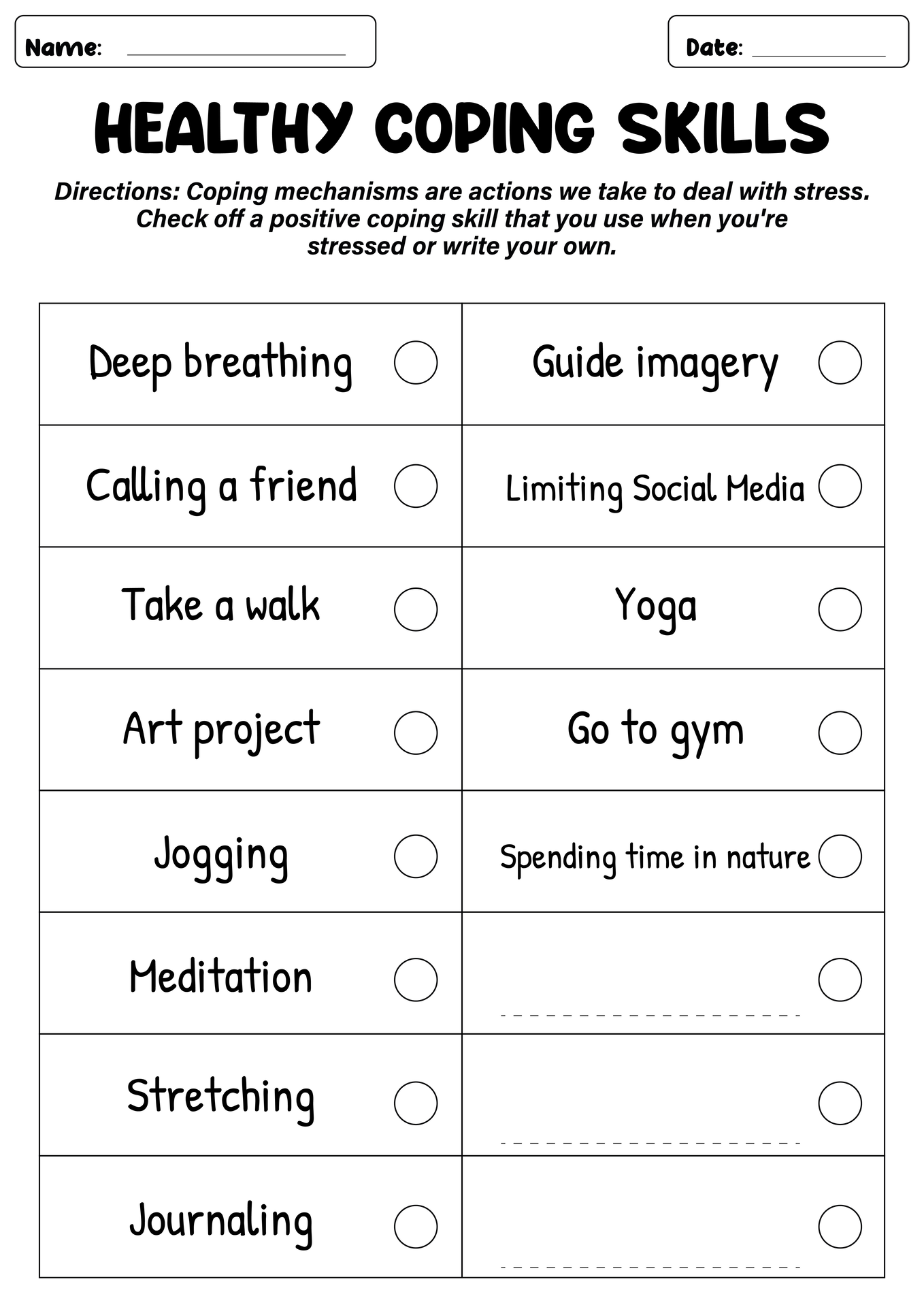
 Coping and Relaxation Technique Worksheets
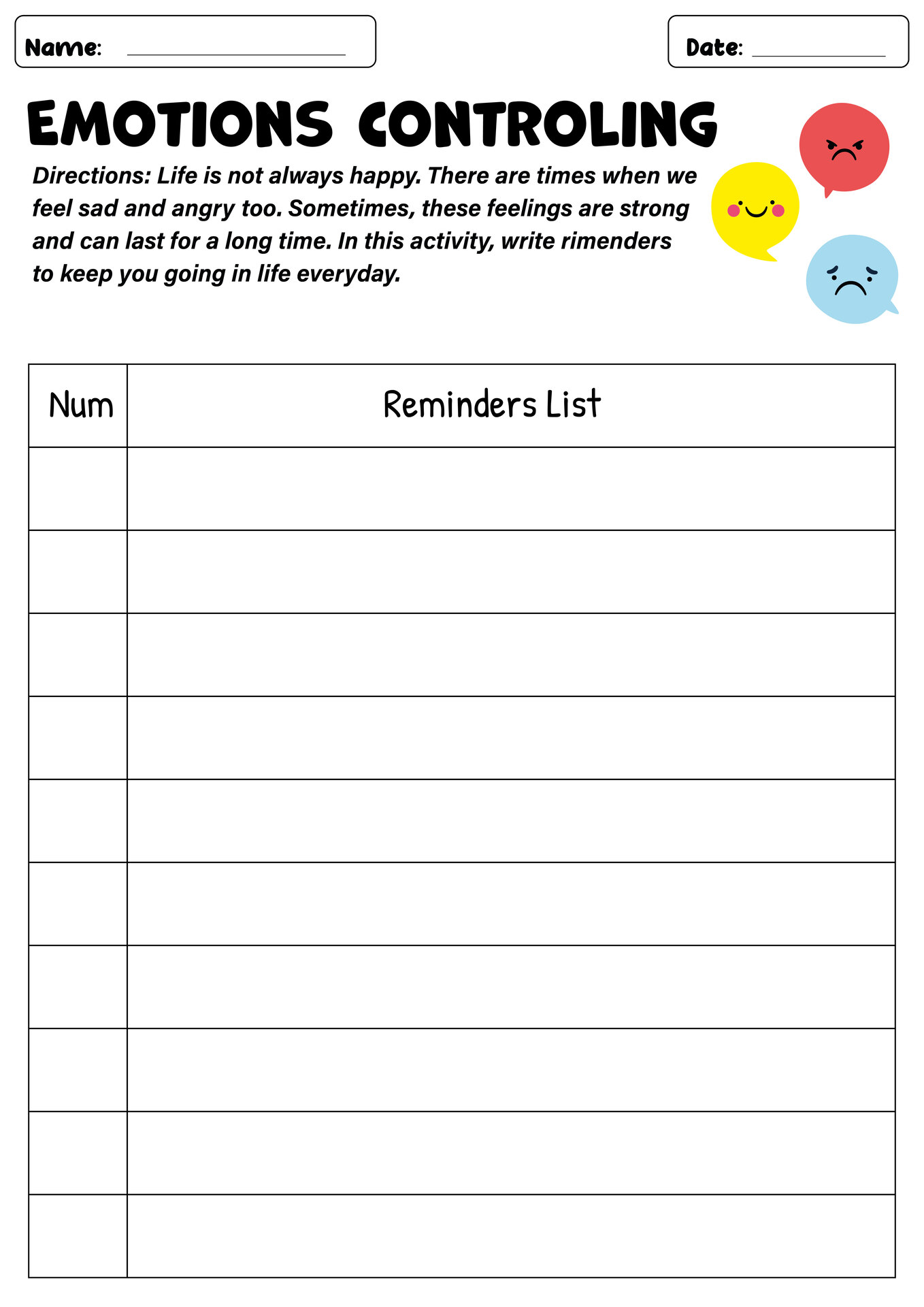
 Dealing with Emotions Worksheet
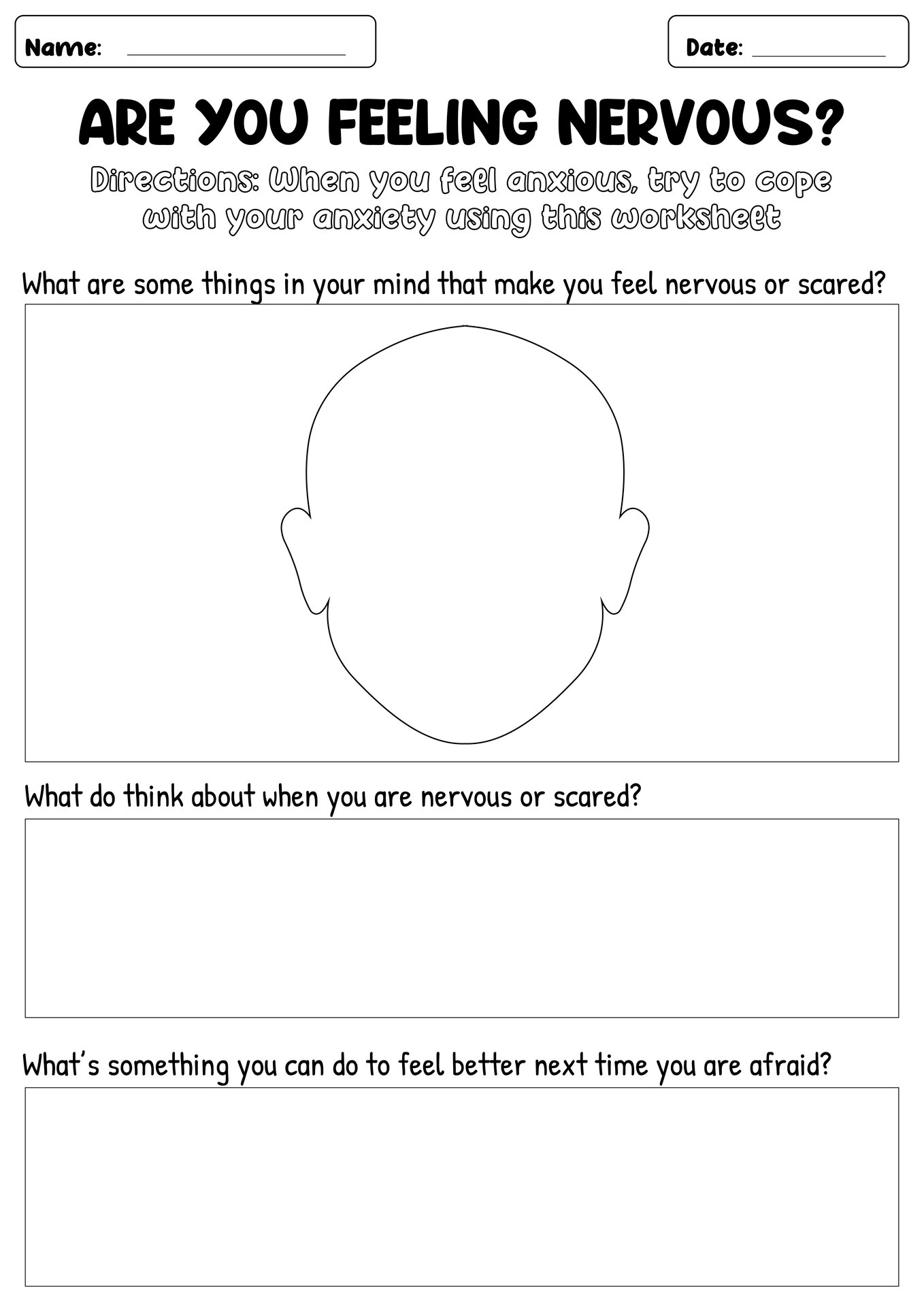
 Child Anxiety Worksheets CBT
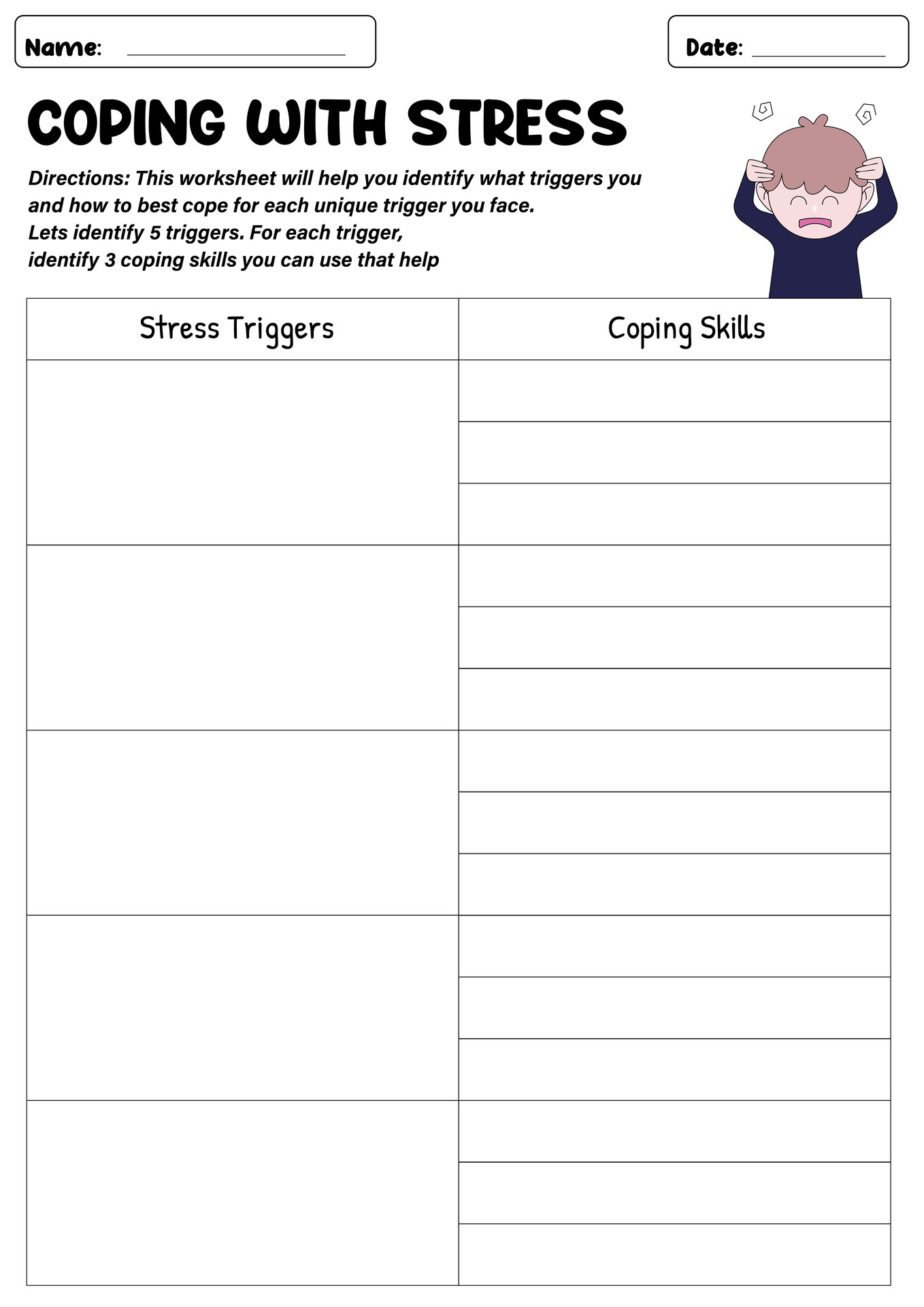
 Coping with Stress Worksheets Printable
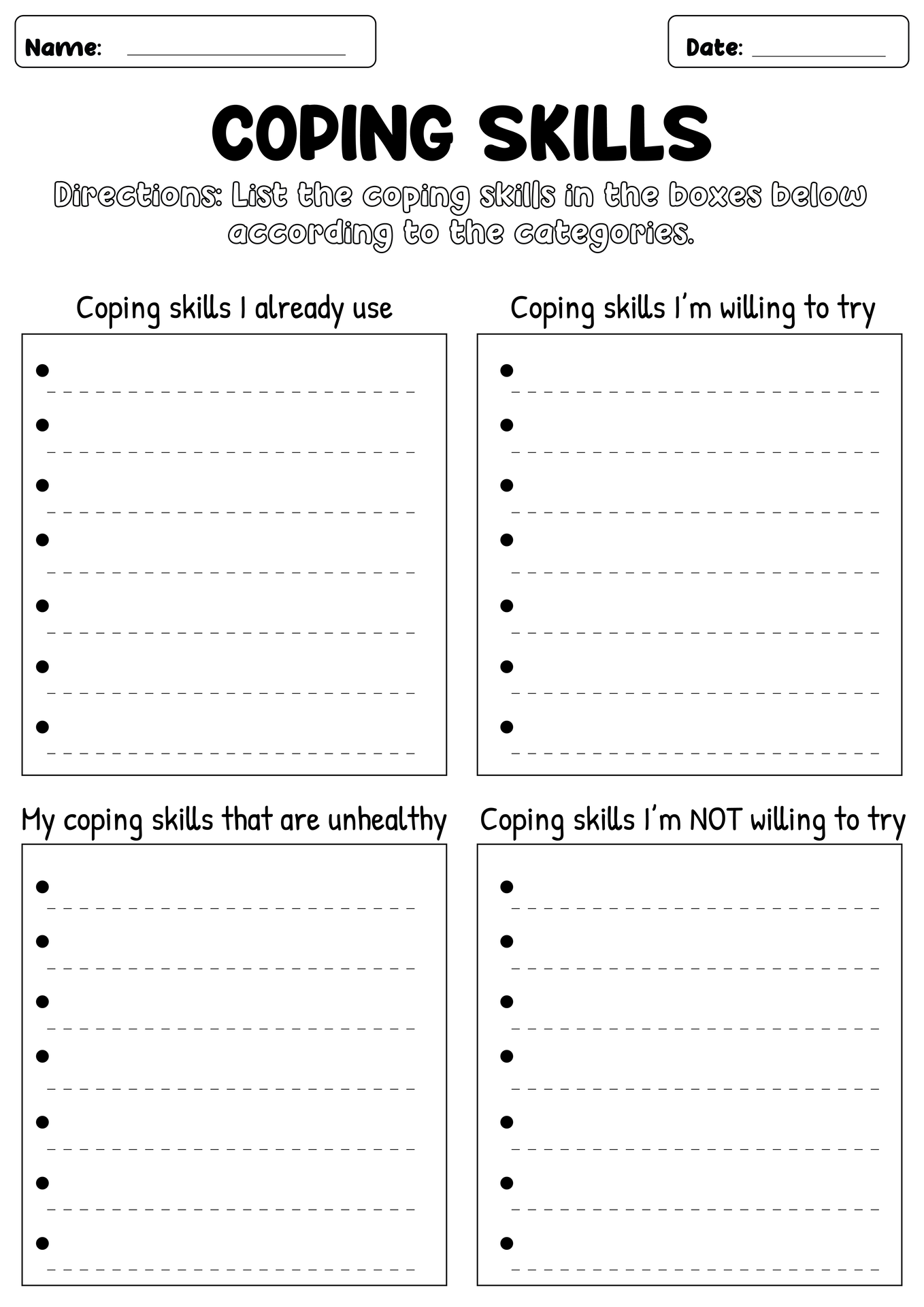
 Coping Skills Worksheets
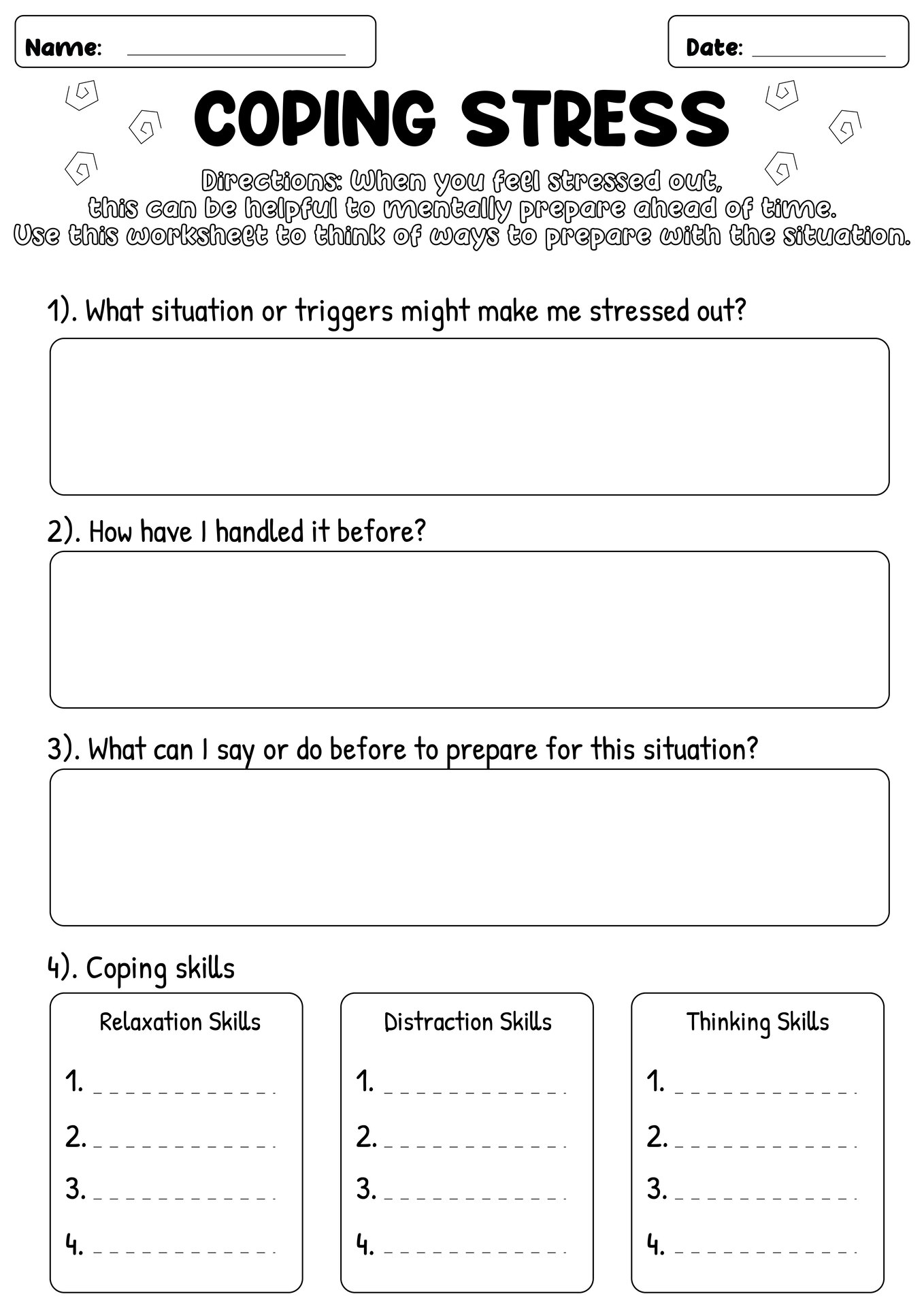
 Coping with Stress Worksheets
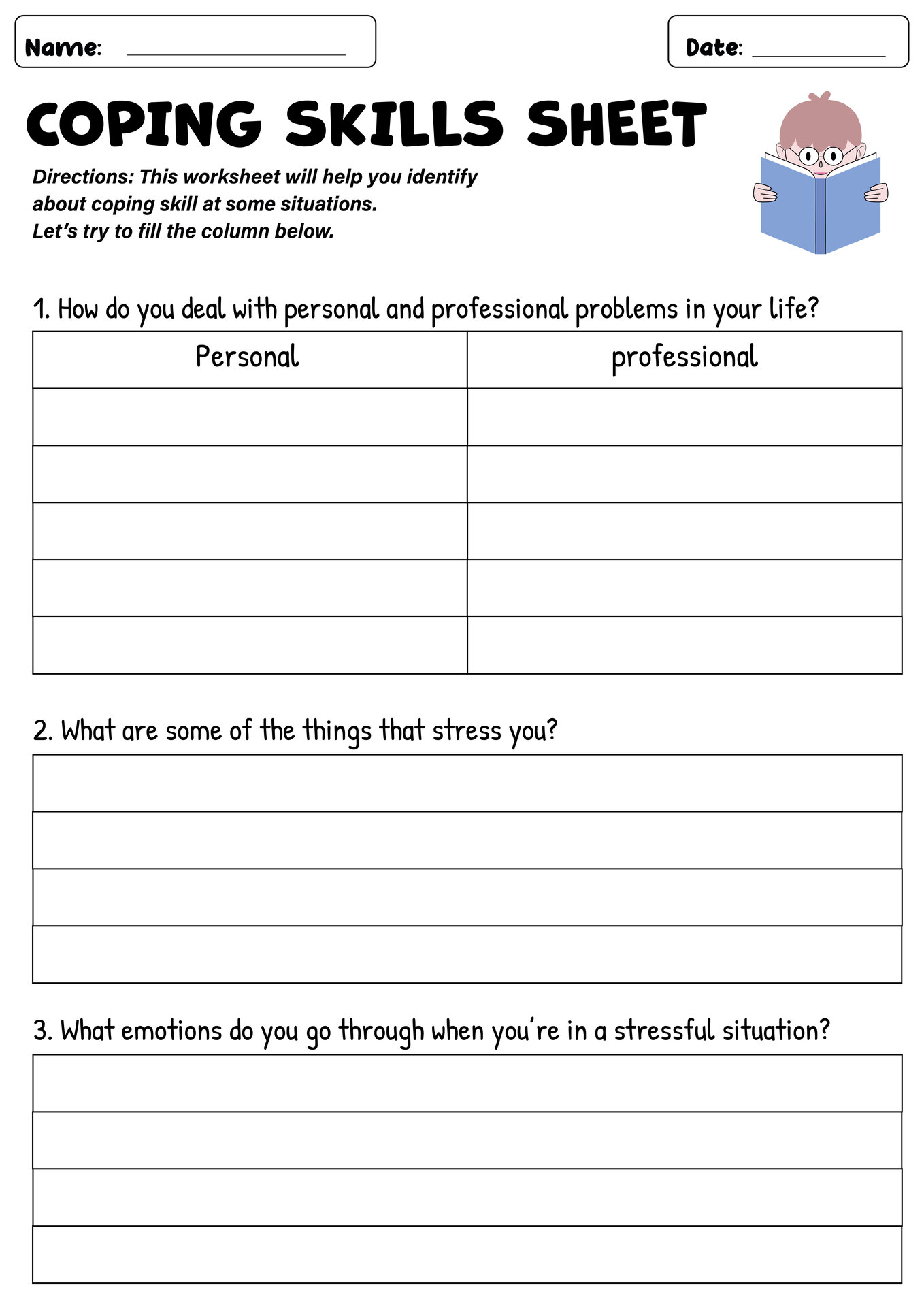
 CBT Coping Skills Worksheets
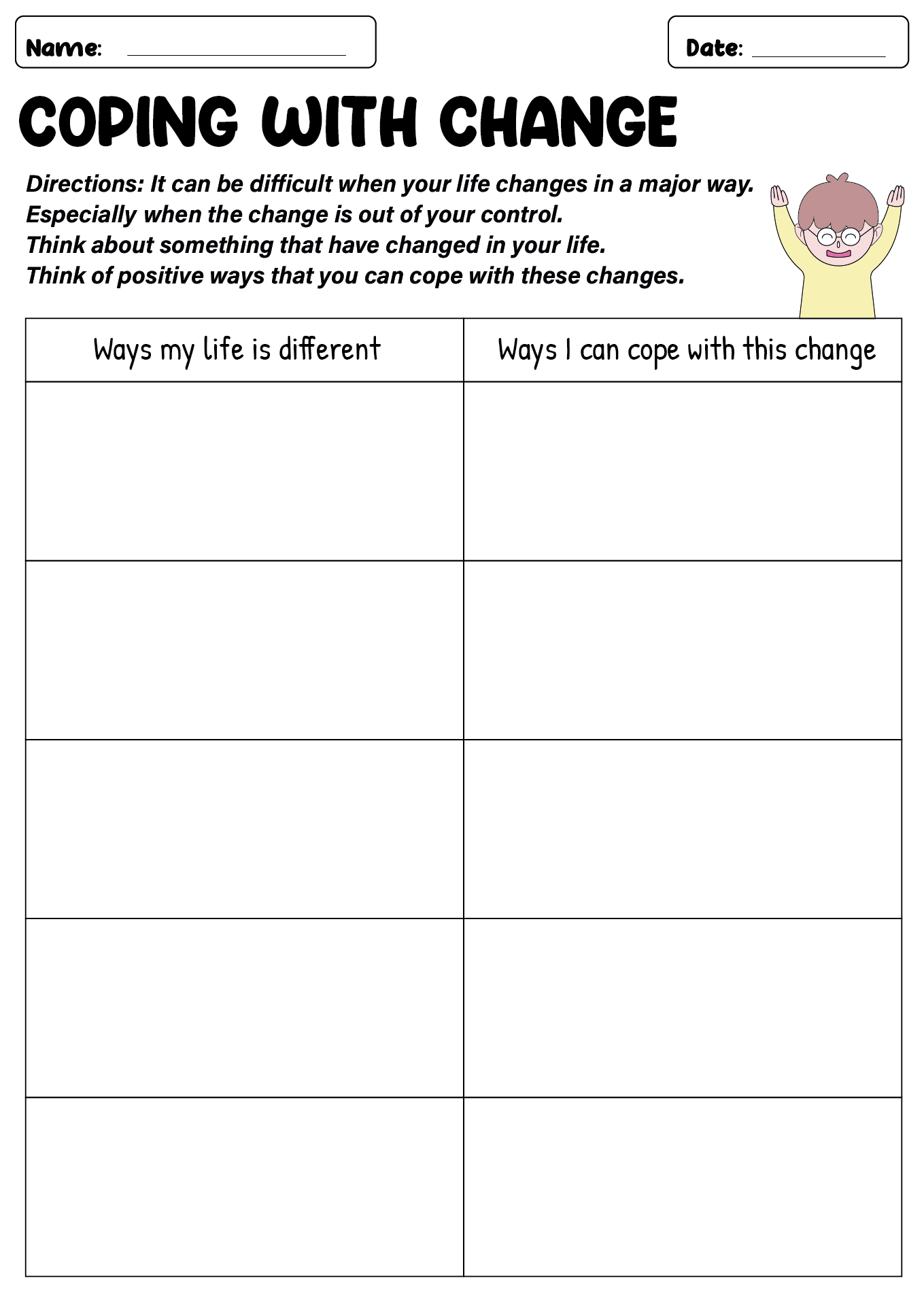
 Coping Skills Worksheets
More Worksheets
What Can You Learn About Your Anxiety Through Coping with Anxiety Worksheets?
Before learning how to cope with anxiety, it helps to understand what anxiety actually feels like. Anxiety is a natural emotional response that can appear when someone feels threatened, uncertain, pressured, or worried about what might happen next. Experiencing this does not automatically mean there is a serious issue. Sometimes, the mind is simply reacting to a situation that feels difficult to handle.
For example, someone might feel anxious before speaking in front of a class, starting a new job, meeting unfamiliar people, taking a test, or dealing with an unexpected change. It can feel different for each person.
Through Coping with Anxiety Worksheets, users can explore questions that make these experiences easier to notice, such as:
- What situations usually make me feel anxious?
- What thoughts appear when I start worrying?
- How does anxiety feel in my body?
- What do I usually do when I feel overwhelmed?
- What helps me feel a little safer or calmer?
This kind of reflection can turn a vague feeling into something more understandable. Instead of simply thinking, “I feel bad,” someone may begin to recognize, “I feel nervous because I am worried about making a mistake.”
What Coping Strategies Can You Explore With Coping with Anxiety Worksheets?
Some simple strategies that worksheets introduce include:
- Deep breathing: Slowing the breath can create a moment to pause before reacting.
- Grounding activities: nNoticing things around you can bring attention back to the present.
- Positive self-talk: Replacing harsh thoughts with more balanced and encouraging statements.
- Journaling: Writing down worries can make them feel more organized and easier to examine.
- Taking a short break: Stepping away from an overwhelming situation can provide time to reset.
- Problem-solving: Separating what can be changed from what cannot be controlled.
How Do Coping with Anxiety Worksheets Help You Manage Worrying Thoughts?
Sometimes the hardest part of anxiety is not the situation itself but everything the mind starts imagining around it.
A small concern can quickly turn into a chain of “What if?” questions:
What if I fail? What if everyone laughs at me? What if something goes wrong? What if I cannot handle it?
When those thoughts keep repeating, they can make an already uncomfortable situation feel much bigger.
Coping with Anxiety Worksheets can help users slow this process down by putting worrying thoughts on paper. Seeing a thought written down can create a little distance between the thought and the person experiencing it.
For instance, these anxiety coping skills worksheets encourage someone to separate:
- What happened?
- What am I thinking about it?
- What am I feeling?
- Is there another perspective that might make sense here?
- What can I do next?
This approach does not mean telling someone that their worries are silly or unrealistic. Instead, it encourages them to examine the thought before automatically believing it.
What Signs of Anxiety Can Children Learn to Recognize With Coping with Anxiety Worksheets?
A child experiencing anxiety might complain of feeling sick before a particular event, become unusually quiet, avoid activities, have trouble sleeping, become easily frustrated, or repeatedly seek reassurance. Other children may talk constantly about things going wrong or struggle to concentrate because their minds are busy worrying.
Coping with Anxiety Worksheets can give children an age-appropriate way to explore these signs without requiring a long or complicated conversation.
For example, activities will ask children to identify:
- Feelings they notice when they are worried
- Physical sensations such as a racing heart or tense muscles
- Situations that make them feel nervous
- Thoughts that appear during anxious moments
- Activities or people that help them feel calmer
Visual activities can make this process even more approachable. A child might circle a feeling, draw where they feel tension in their body, or complete a sentence about something that has been worrying them.
What Should Adults Do If a Child Finds Coping with Anxiety Worksheets Difficult?
Adults can make the activity feel more approachable by:
- Reading the questions together
- Giving the child time to think before answering
- Offering examples without putting words in their mouth
- Letting them draw instead of write when appropriate
- Breaking one activity into smaller steps
- Taking a break when the child becomes overwhelmed
- Returning to the worksheet later when they feel ready
You can also start with something very simple. Rather than asking, “Why are you anxious?” try asking, “What part of this situation feels difficult?”
The same principle applies to adults using worksheets for themselves. If an activity feels frustrating, it may simply mean that the format or prompt is not the right fit. Coping is a learning process, so there is no need to rush through every page.
And if you're looking for worksheets that feel approachable while still giving users meaningful opportunities to understand anxiety and practice coping strategies, why not explore our collection? You can find a variety of free printable anxiety coping skills worksheet templates designed to make emotional learning and reflection feel simpler, more engaging, and easier to fit into everyday routines!


Have something to share?
Popular Categories
Who is Worksheeto?
At Worksheeto, we are committed to delivering an extensive and varied portfolio of superior quality worksheets, designed to address the educational demands of students, educators, and parents.

Comments