
Behavior Worksheets for Elementary Students
Children are still learning how to understand their feelings, communicate with others, and respond to everyday situations. That’s why behavior practice can be a useful part of elementary learning, especially when it gives kids room to think rather than simply telling them what to do. Behavior Worksheets for Elementary Students can help parents and teachers turn those conversations into simple, age-appropriate activities.
Through short scenarios, questions, matching exercises, and reflection prompts, children can explore what different behaviors look like and how their choices may affect people around them. The goal is not to make every child behave exactly the same way. Instead, these worksheets can give them a chance to recognize emotions, consider possible responses, and talk about respectful choices.
Table of Images 👆
- Kids Printable Behavior Reflection Worksheet
- Behavior Skills Worksheet For Students
- Student Positive Behavior Worksheet
- Behavior Intervention Tools Worksheet For Students
- Behavior Worksheets For Kids And Teens
- Behavior Management Worksheets for Young Learners
- Printable Good & Bad Behaviors Worksheet
- In Class Behavior Self-Reflection Worksheet
- Thinking About Your Behavior Worksheet
- Behavior Reflection Worksheets For Students
- Self Regulation Worksheet For Kids
- Students Behavior Improvement Worksheets
 12 Images of Behavior Worksheets For Elementary Students
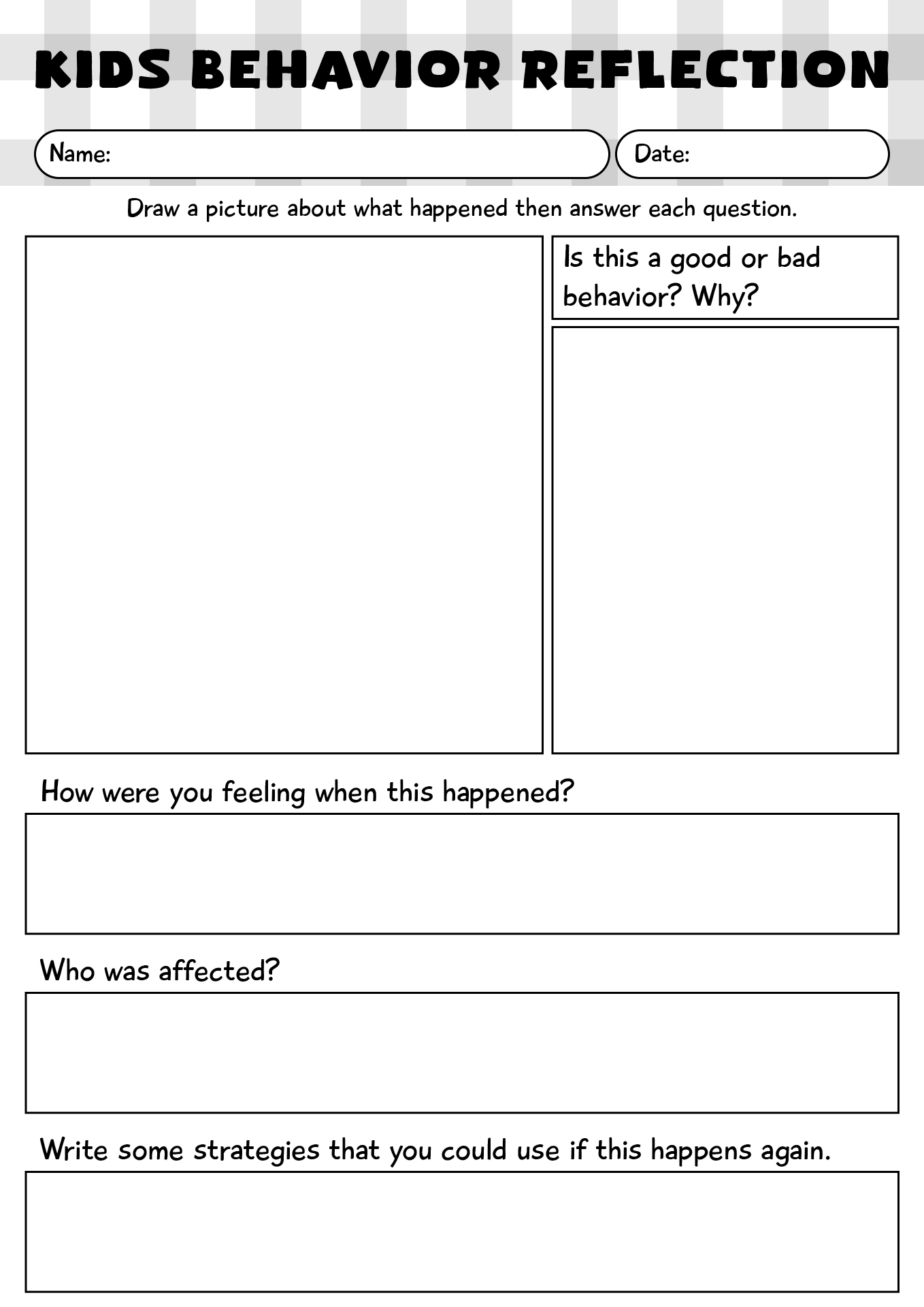
 Kids Printable Behavior Reflection Worksheet

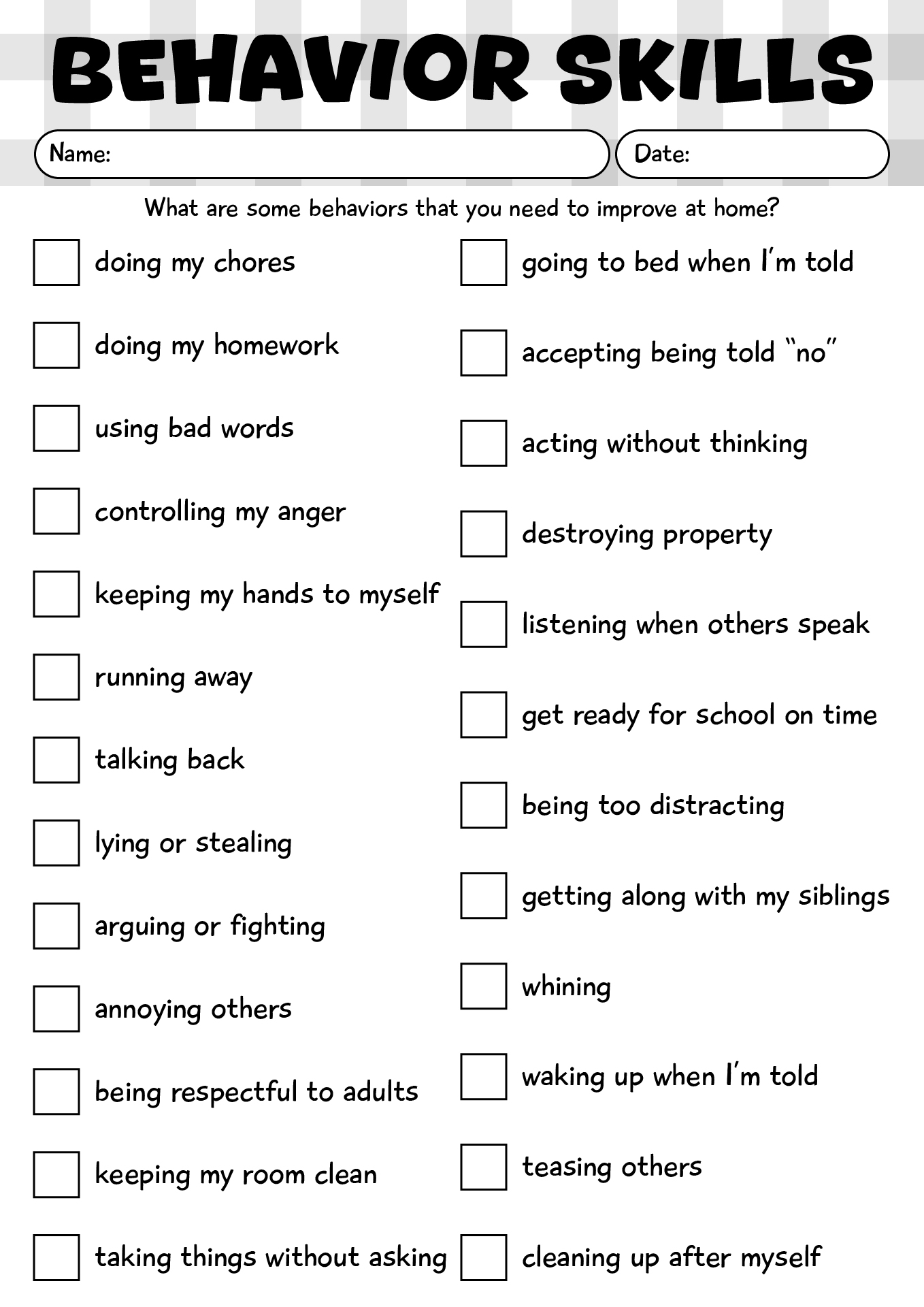
 Behavior Skills Worksheet For Students

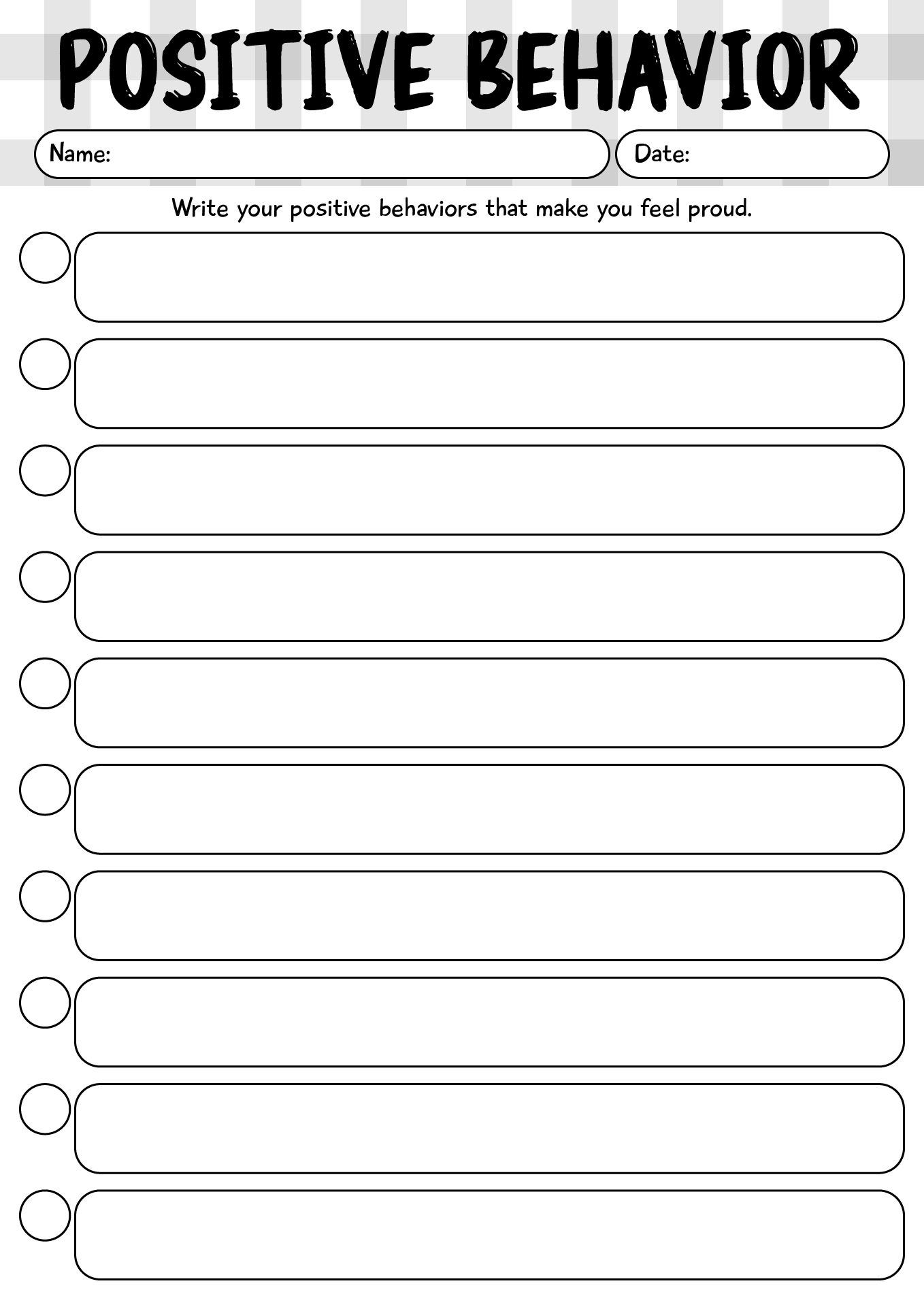
 Student Positive Behavior Worksheet

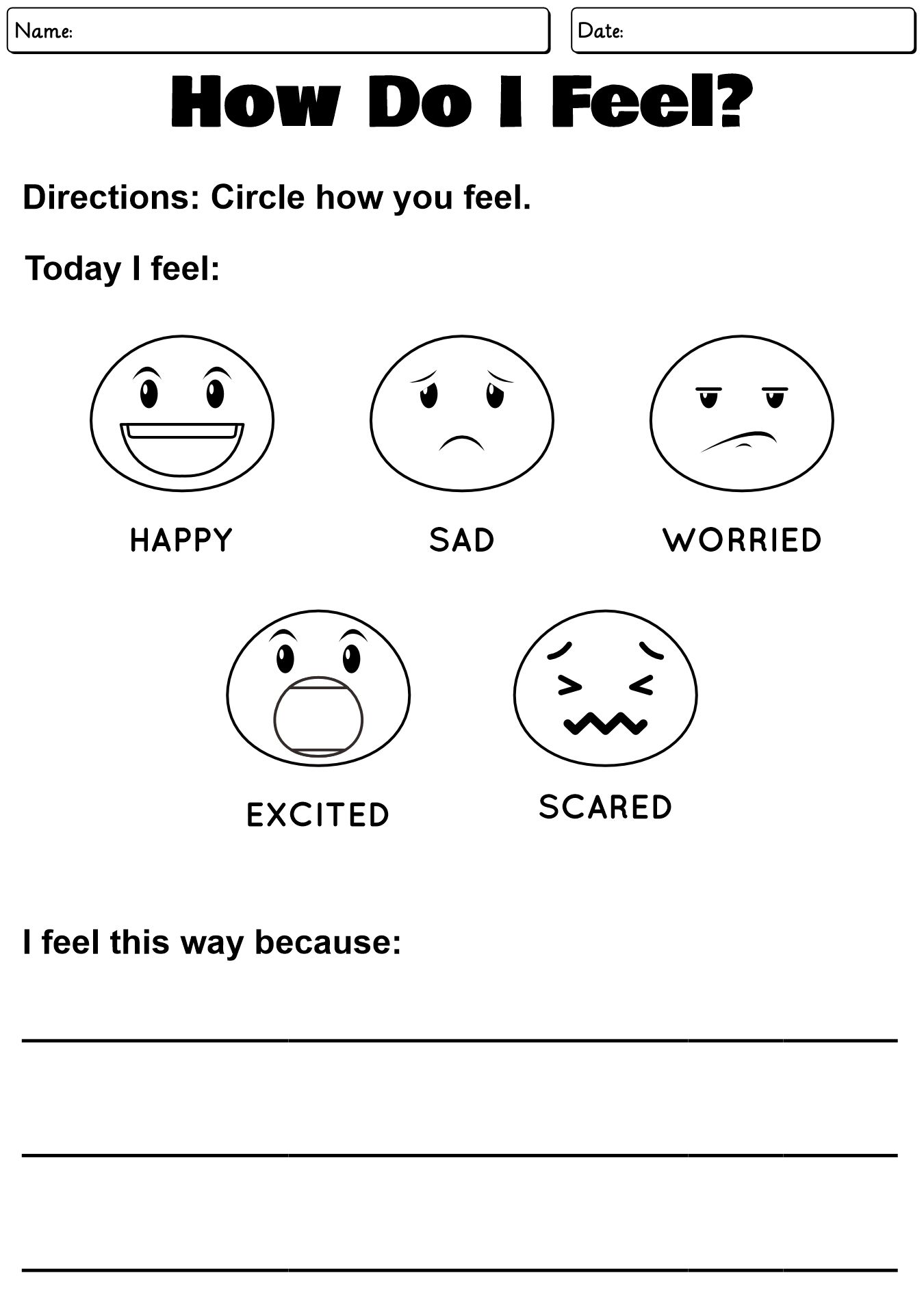
 Behavior Intervention Tools Worksheet For Students

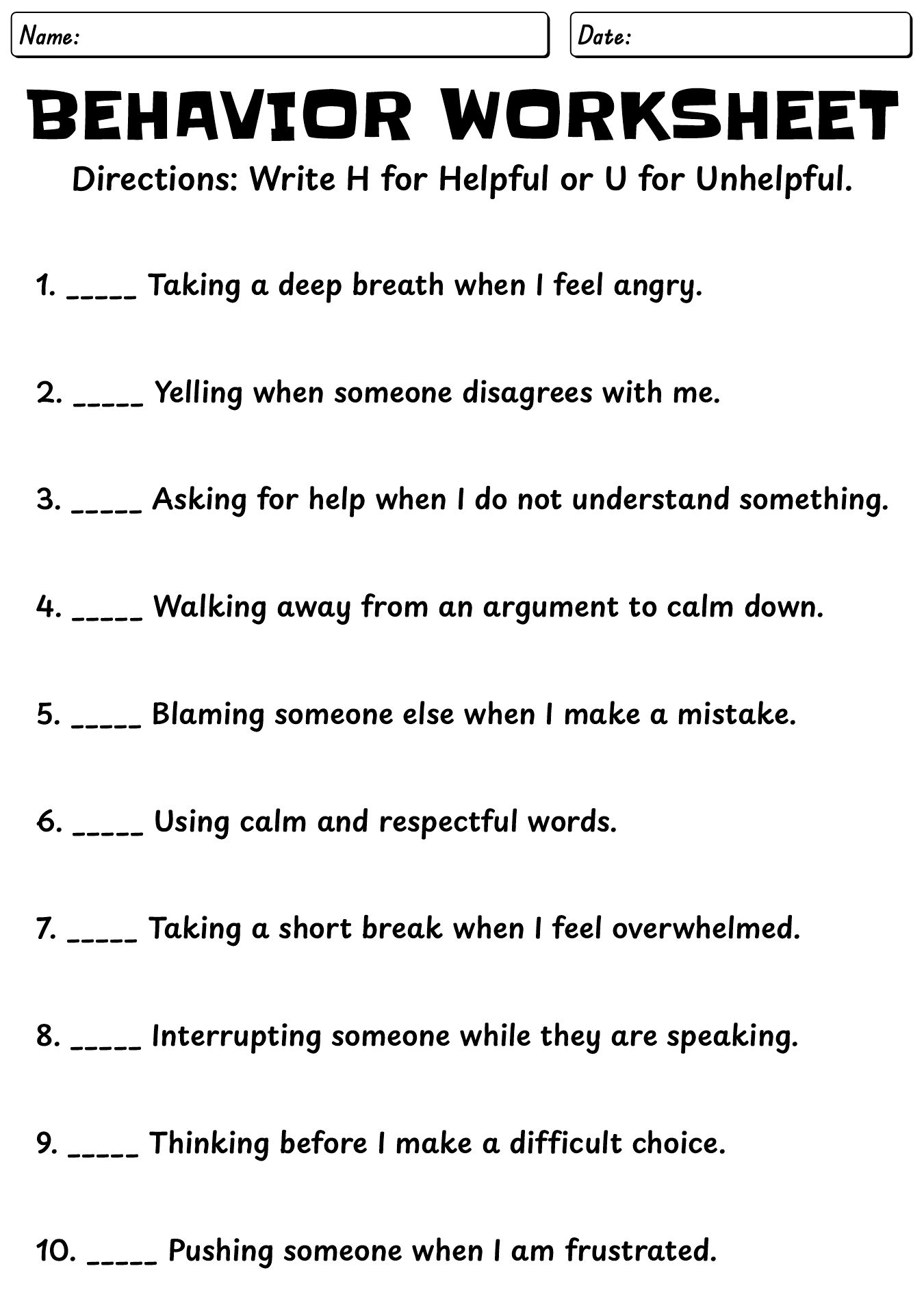
 Behavior Worksheets For Kids And Teens

 Behavior Management Worksheets for Young Learners

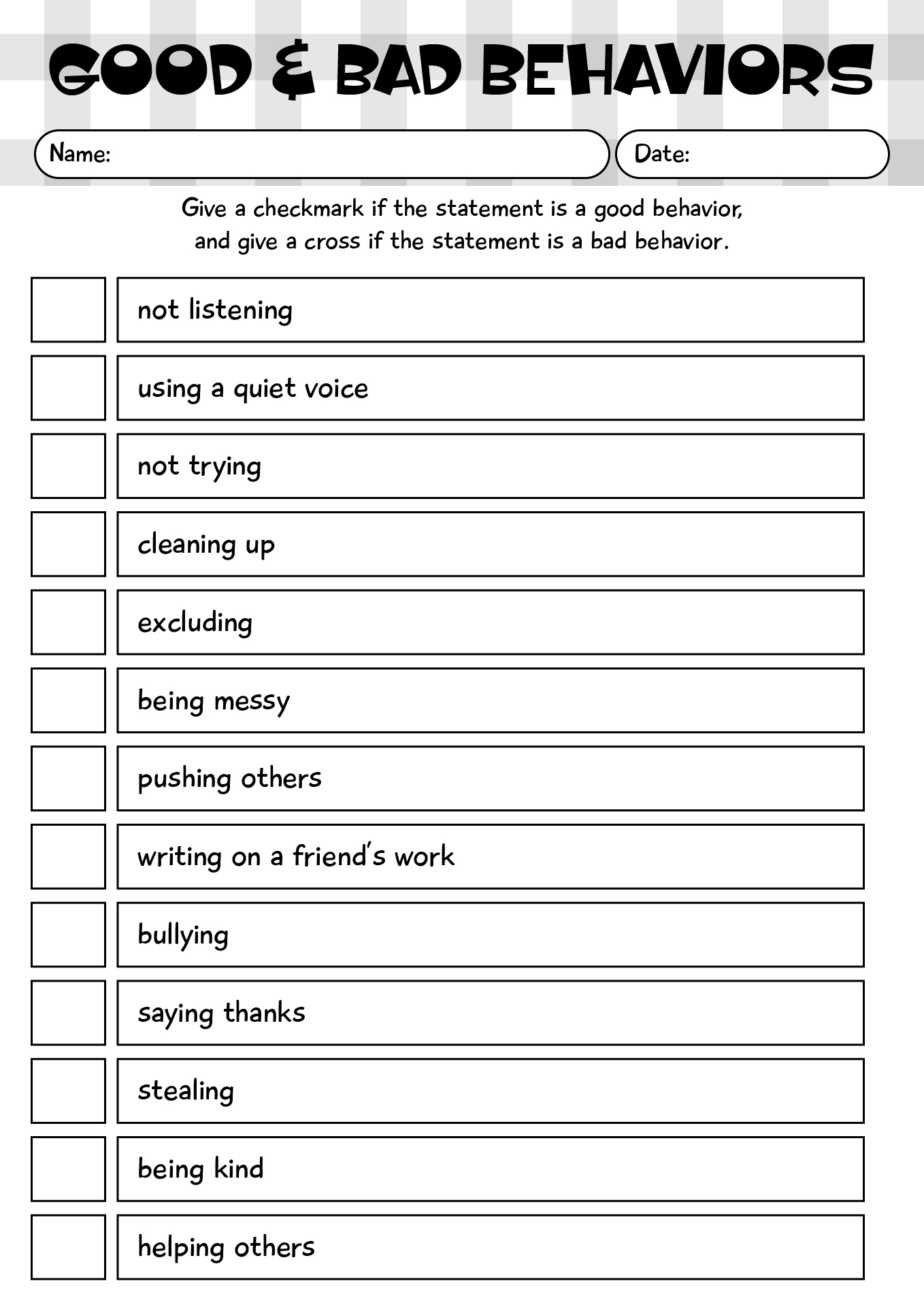
 Printable Good & Bad Behaviors Worksheet

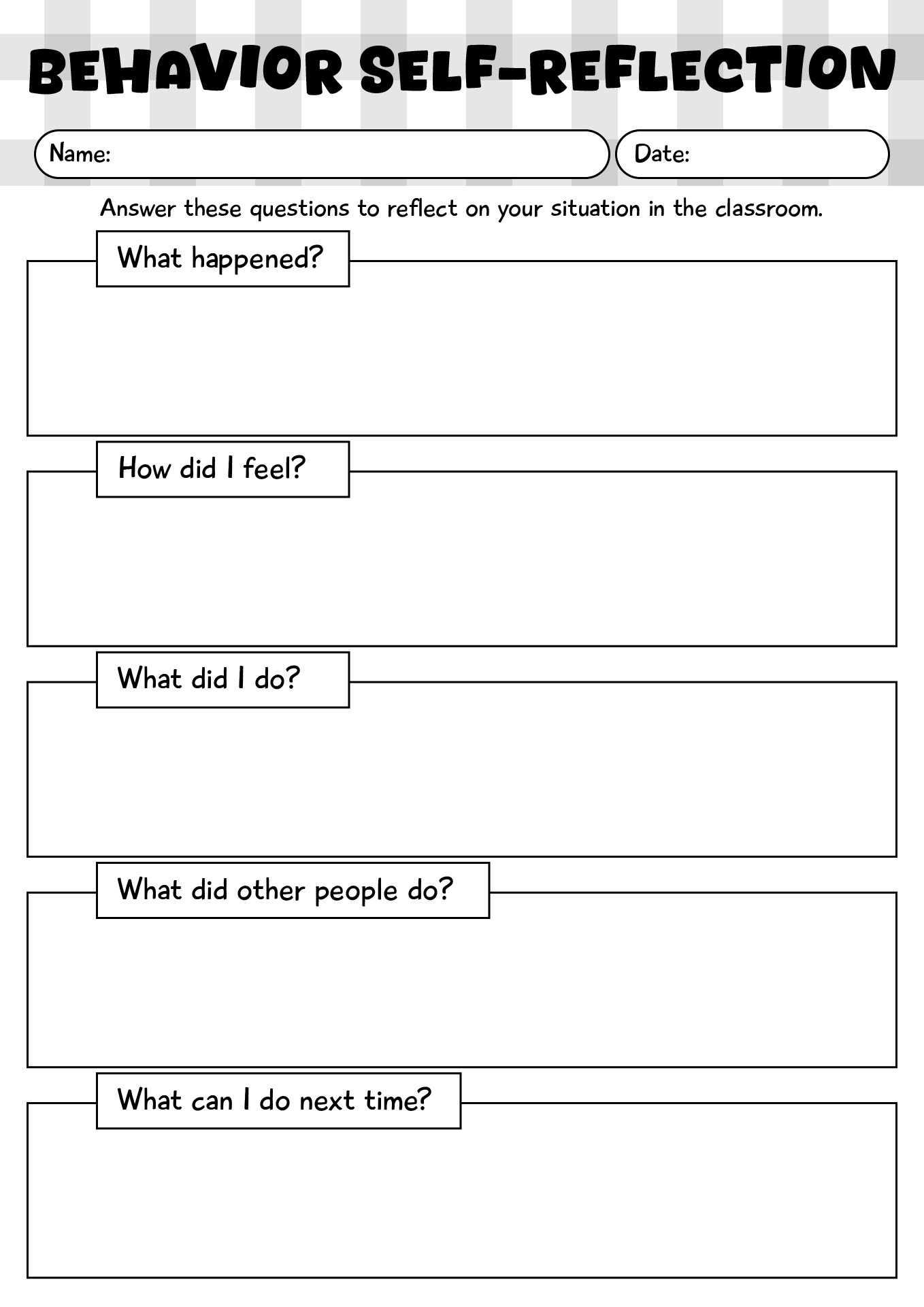
 In Class Behavior Self-Reflection Worksheet

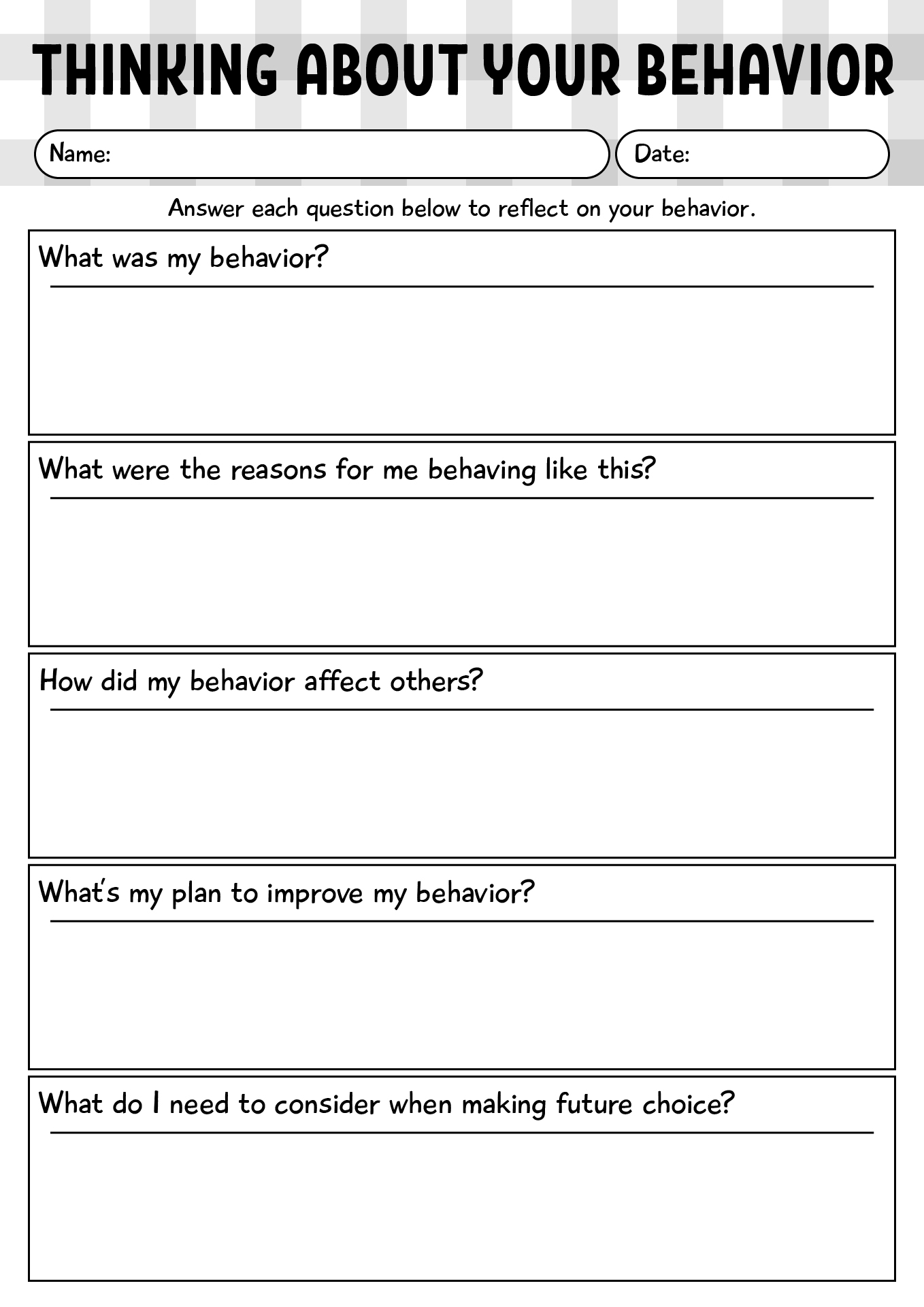
 Thinking About Your Behavior Worksheet

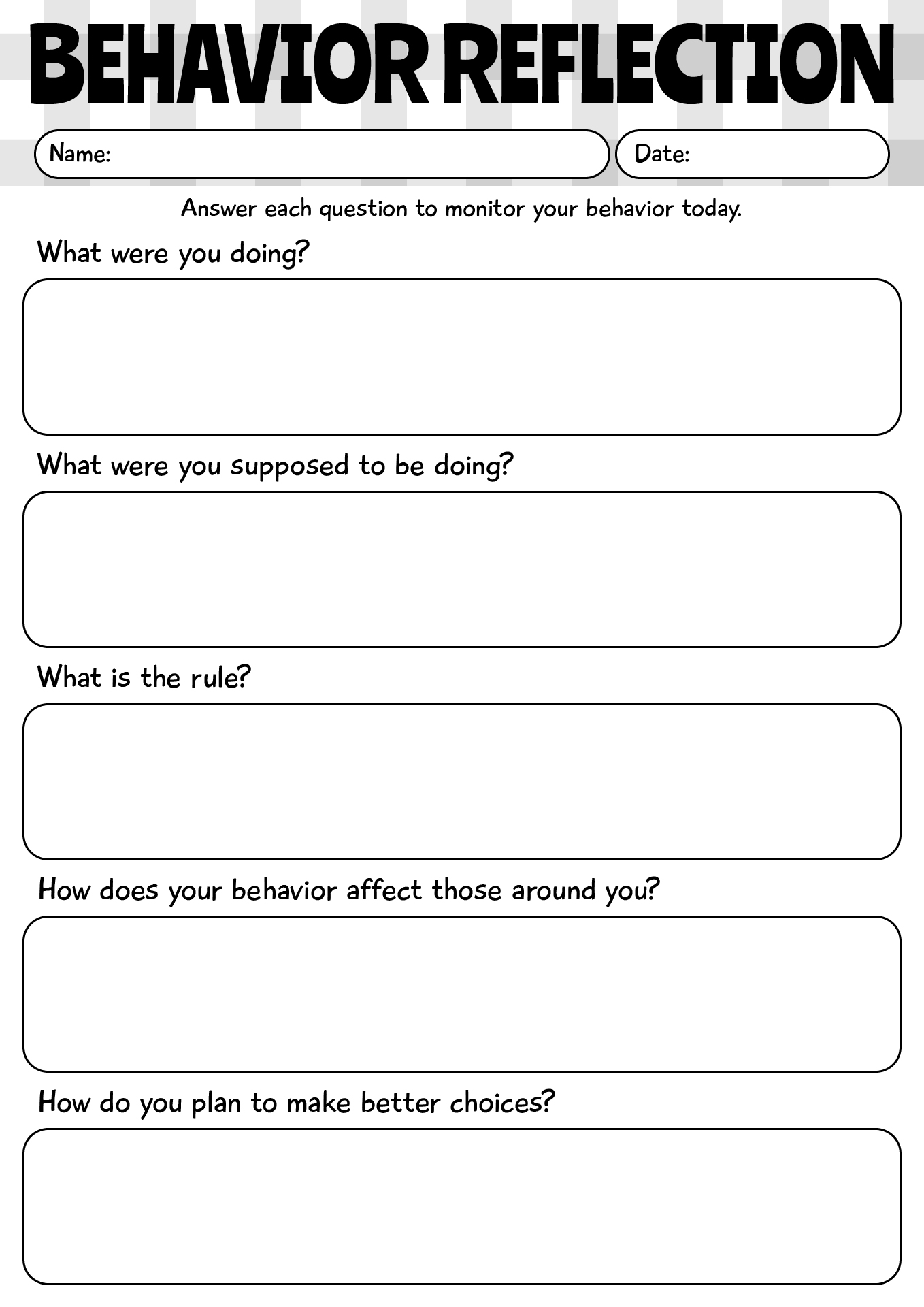
 Behavior Reflection Worksheets For Students

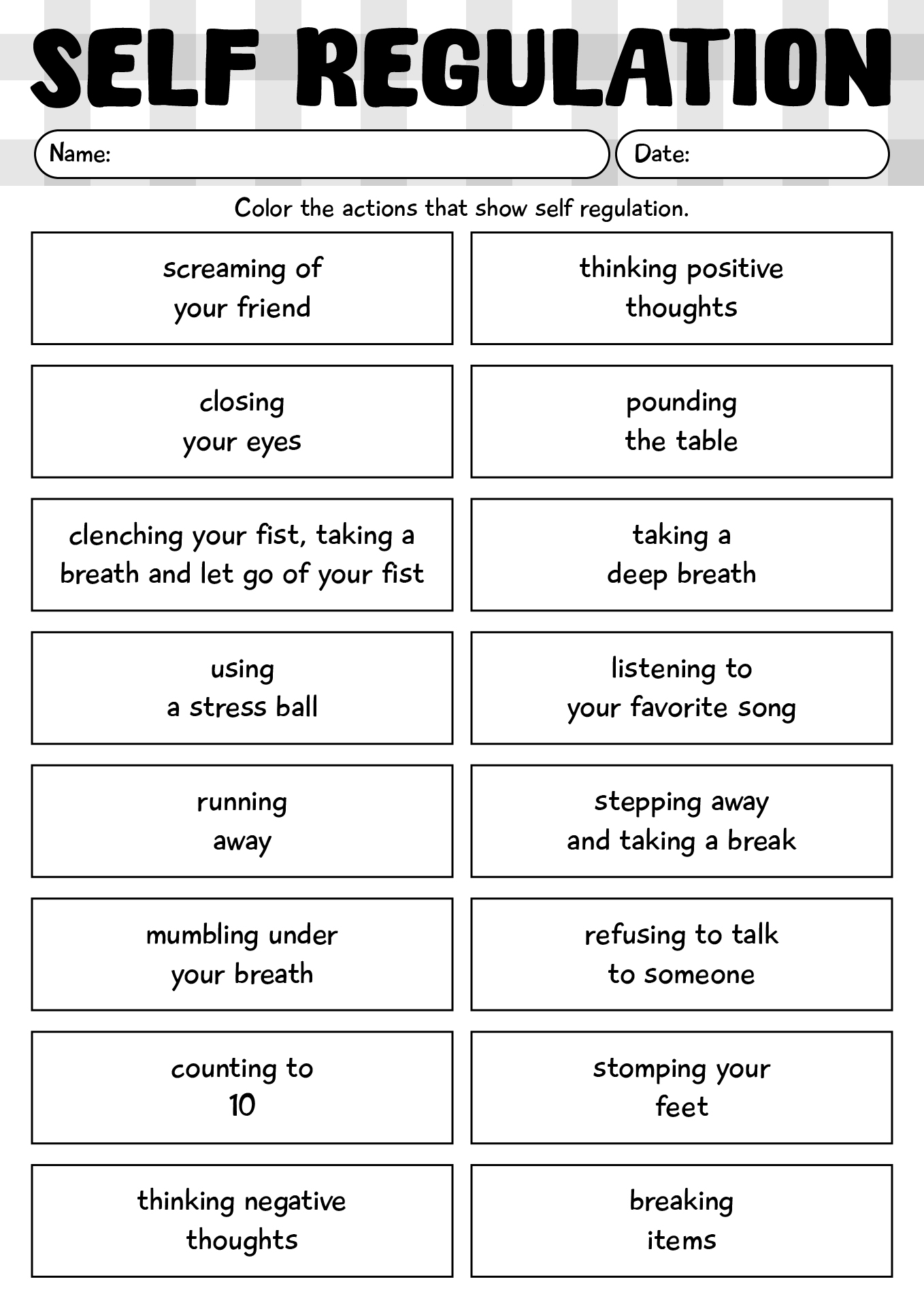
 Self Regulation Worksheet For Kids

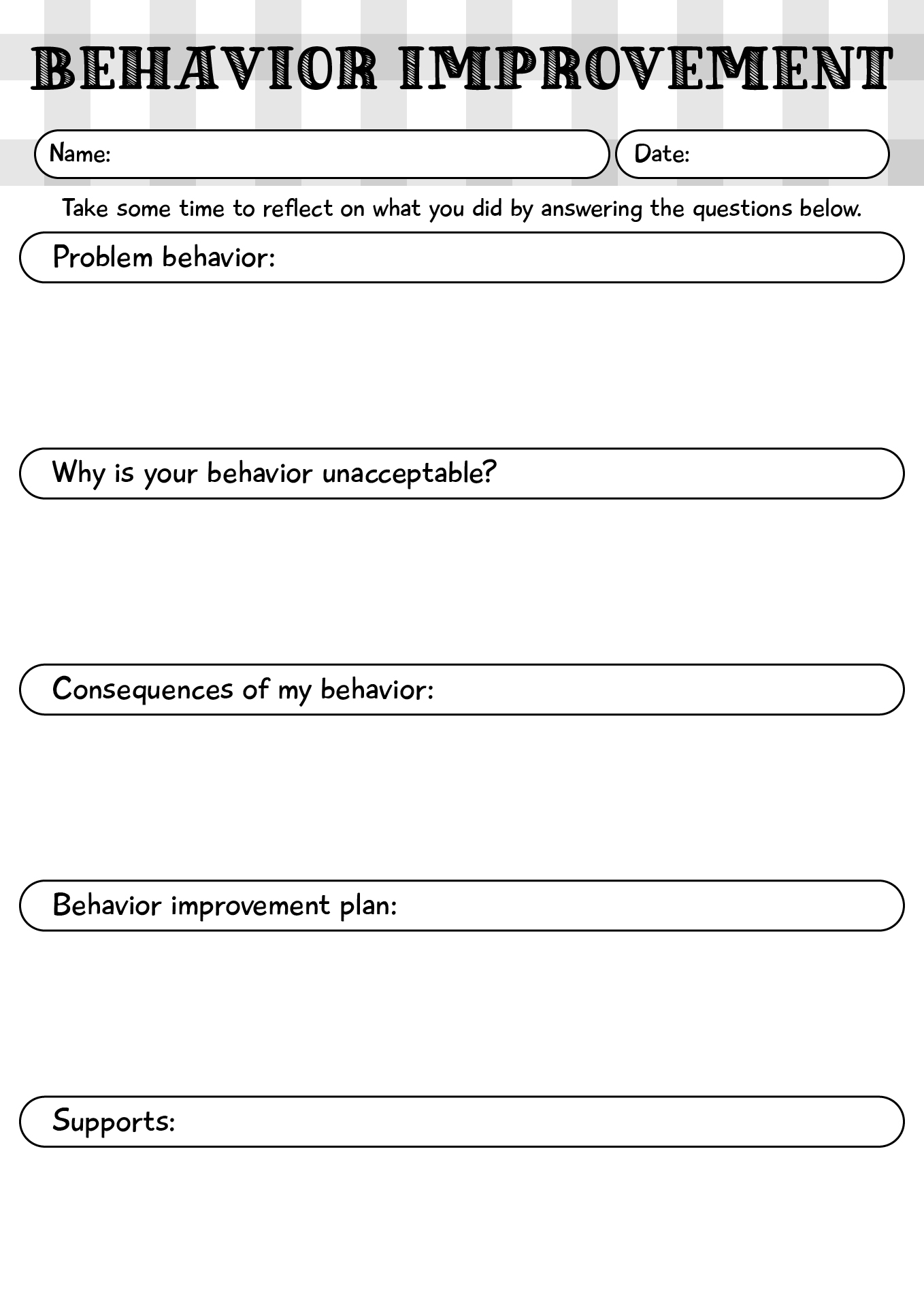
 Students Behavior Improvement Worksheets

More Student Worksheets
Student Behavior Reflection WorksheetsPersonification Worksheets for Students
Middle School Student Goals Worksheet
Who I AM Student Worksheet
Nutrient Worksheets for Students
High School Student Information Worksheet
Student Art Critique Worksheet
Student Getting to Know You Worksheet
Daily Journal Worksheet for Students
Star Student Printable Worksheet
What Can Children Learn About Their Behavior Through Behavior Worksheets for Elementary Students?
- Helpful behaviors, such as listening, sharing, cooperating, and offering support.
- Unhelpful behaviors, such as interrupting, ignoring others, or refusing to take turns.
- Appropriate responses to common classroom and social situations.
- Consequences, or what might happen after a particular choice.
- Personal responsibility, including understanding when an action affects someone else.
- Self-awareness, such as noticing how they feel before reacting.
For example, a worksheet might show two children trying to use the same classroom material. One child grabs it, while the other asks politely to take a turn. Rather than simply asking which child is “good,” adults can ask what each character could do differently.
That distinction matters. Kids are still developing their ability to manage frustration, understand another person's perspective, and pause before reacting. A worksheet cannot teach all of these skills by itself, but it can create a starting point for a conversation.
What Situations Can Children Explore With Behavior Worksheets for Elementary Students?
Some common scenarios can include:
- A classmate accidentally bumps into another student.
- Two children want to play with the same toy.
- Someone is speaking while another person is trying to concentrate.
- A student makes a mistake during a group activity.
- A friend feels left out during recess.
- A child receives feedback they do not like.
- Someone asks for help with a difficult task.
- A student needs to wait patiently for their turn.
Adults can ask children what they would do in each situation and then discuss different possible responses. There does not always need to be one perfect answer. Some situations have several reasonable solutions, which gives kids an opportunity to explain their thinking.
For younger elementary students, pictures and short scenarios may be enough. Older students can work with longer situations that involve several steps or conflicting feelings.
What Social Skills Can Children Practice Through These Behavior Worksheets for Elementary Students?
- Listening: Children can learn to notice why listening matters. A simple activity might ask them to identify what a character should do when someone else is speaking.
- Sharing and Taking Turns: These worksheets can introduce everyday situations where children need to wait, share materials, or compromise with classmates.
- Empathy: Kids can look at a scenario and think about how another person might feel. Questions such as “How might your friend feel?” can encourage perspective-taking.
- Cooperation: Group activities often require children to work toward the same goal. A worksheet can help them identify behaviors that make teamwork easier.
- Communication: Children can practice choosing words that express their feelings without unnecessarily hurting someone else.
- Conflict Resolution: Simple scenarios can encourage students to consider peaceful ways to respond when disagreements happen.
Ready to Explore More Behavior Worksheets for Elementary Students With Your Kids or Class?
If you want to introduce these topics without creating every activity from scratch, you can start with the free templates available in our article. Choose a worksheet that matches the skill or situation you want to discuss, then download it and get it ready for your next learning session.
Children can complete these Behavior Worksheets for Elementary Students with pencils or crayons or they can work on the worksheets directly from a compatible gadget. This gives parents and teachers more flexibility when planning activities at home, in class, or during remote learning.
You can also make the experience more personal by talking through the questions together. Let children explain why they chose an answer, describe another possible response, or share a similar experience from their own day.
How Can Our Free Printable Behavior Worksheets for Elementary Students Encourage Responsible Decision-Making?
Responsible decision-making becomes easier to understand when children can see how choices lead to different outcomes. Instead of giving them a rule and expecting them to remember it, adults can present a situation and let them consider what might happen next.
Our Free Behavior Worksheets for Elementary Students can support this process by giving kids simple opportunities to pause, compare choices, and explain their reasoning.
For example, this printable behavior worksheet template might present a situation where a student accidentally breaks a classroom item. Children could be asked to choose between hiding the mistake, blaming someone else, or telling an adult what happened. The activity can then open a conversation about honesty, responsibility, and possible consequences.
Other decision-making prompts might ask children to consider:
- What could happen after each choice?
- Who might be affected by the decision?
- Is there a safer or kinder response?
- What could the child do differently next time?
- When would asking an adult for help be appropriate?
- How might the situation change if the child paused before reacting?
These questions encourage children to think beyond “right” and “wrong.” They begin considering why a particular choice may be helpful and how it can affect other people.
With consistent guidance and plenty of real-world examples, kids can gradually become more aware of their choices and the people around them.


Have something to share?
Popular Categories
Who is Worksheeto?
At Worksheeto, we are committed to delivering an extensive and varied portfolio of superior quality worksheets, designed to address the educational demands of students, educators, and parents.

Comments